Service Life of Resin Shingles and Aluminum ShinglesHow much of a difference is there, exactly?
I’ve been in the building materials business for over a decade, and during that time, the question I’ve been asked most often by customers is: “Which has a longer service life—resin roofing tiles or aluminum roofing tiles?” Whenever I’m faced with this question, I’m well aware of how complex it is. To be honest, there is no one-size-fits-all answer to this question, because the actual service life of both materials depends not only on the materials themselves but is also closely related to many factors, such as installation techniques, the environment in which they are used, and daily maintenance.
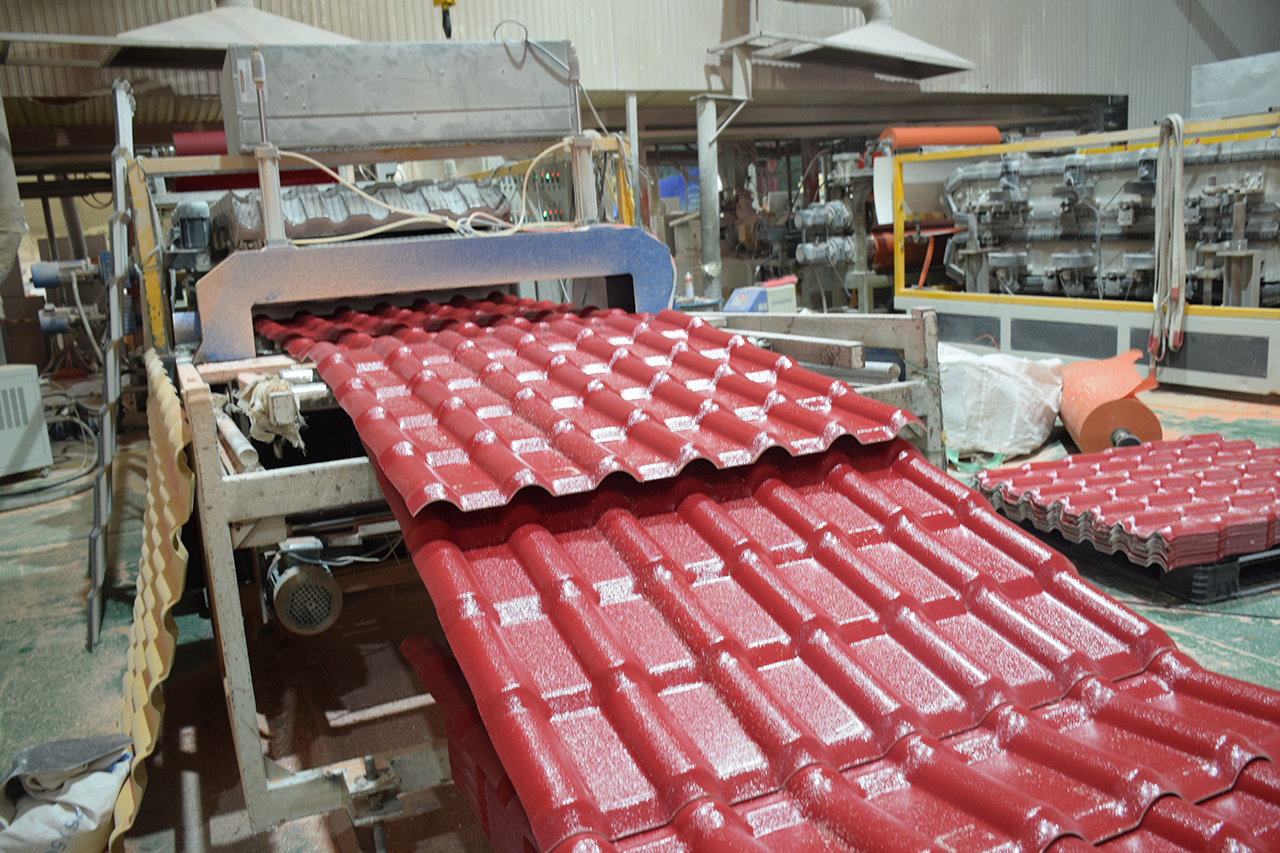
First, in terms of theoretical data, the service life of aluminum roofing tiles generally ranges from 30 to 50 years, while that of resin roofing tiles ranges from 15 to 25 years. Next, when people see these figures, many immediately assume that aluminum shingles are far superior to resin shingles in terms of service life. However, the reality is not quite that straightforward. Finally, various variables in actual use can have a significant impact on their service life, so it is impossible to draw conclusions based solely on theoretical figures.
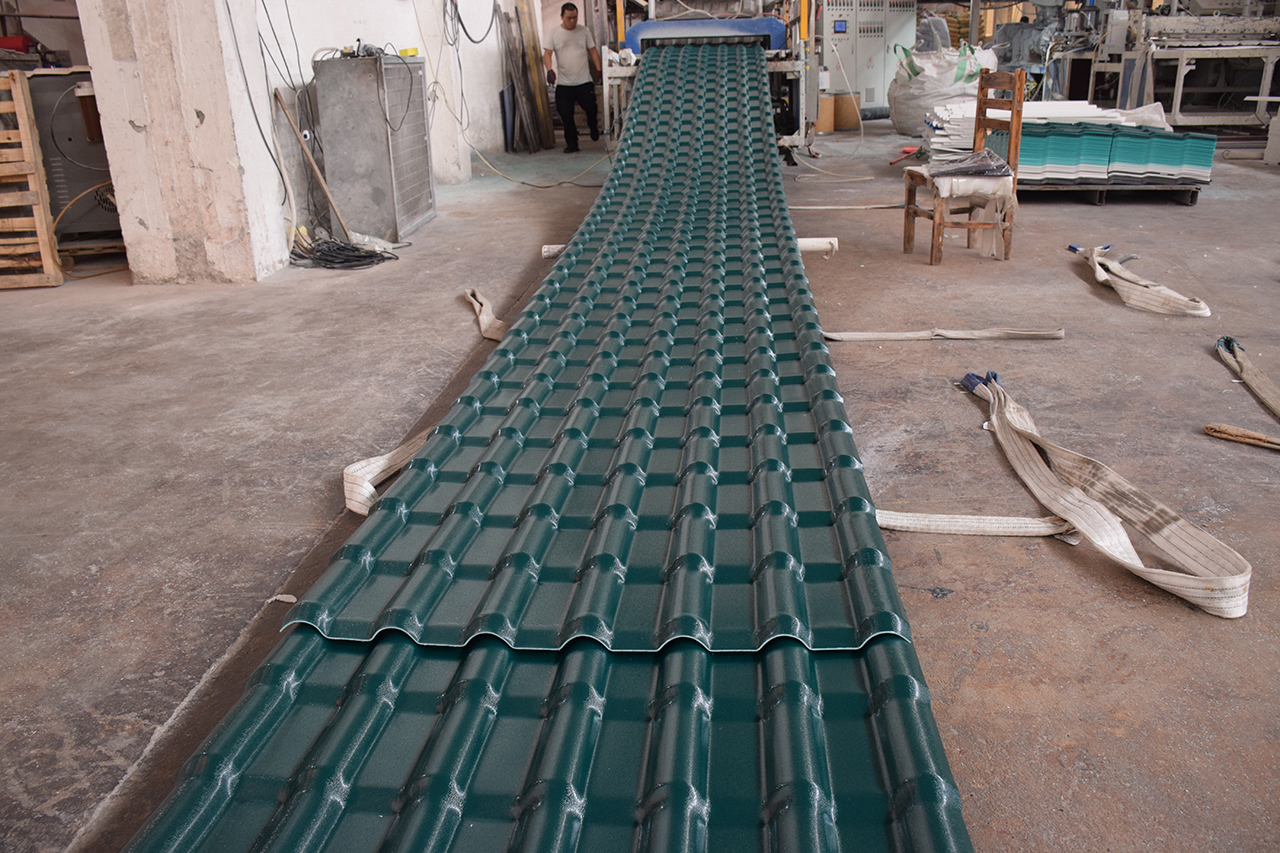
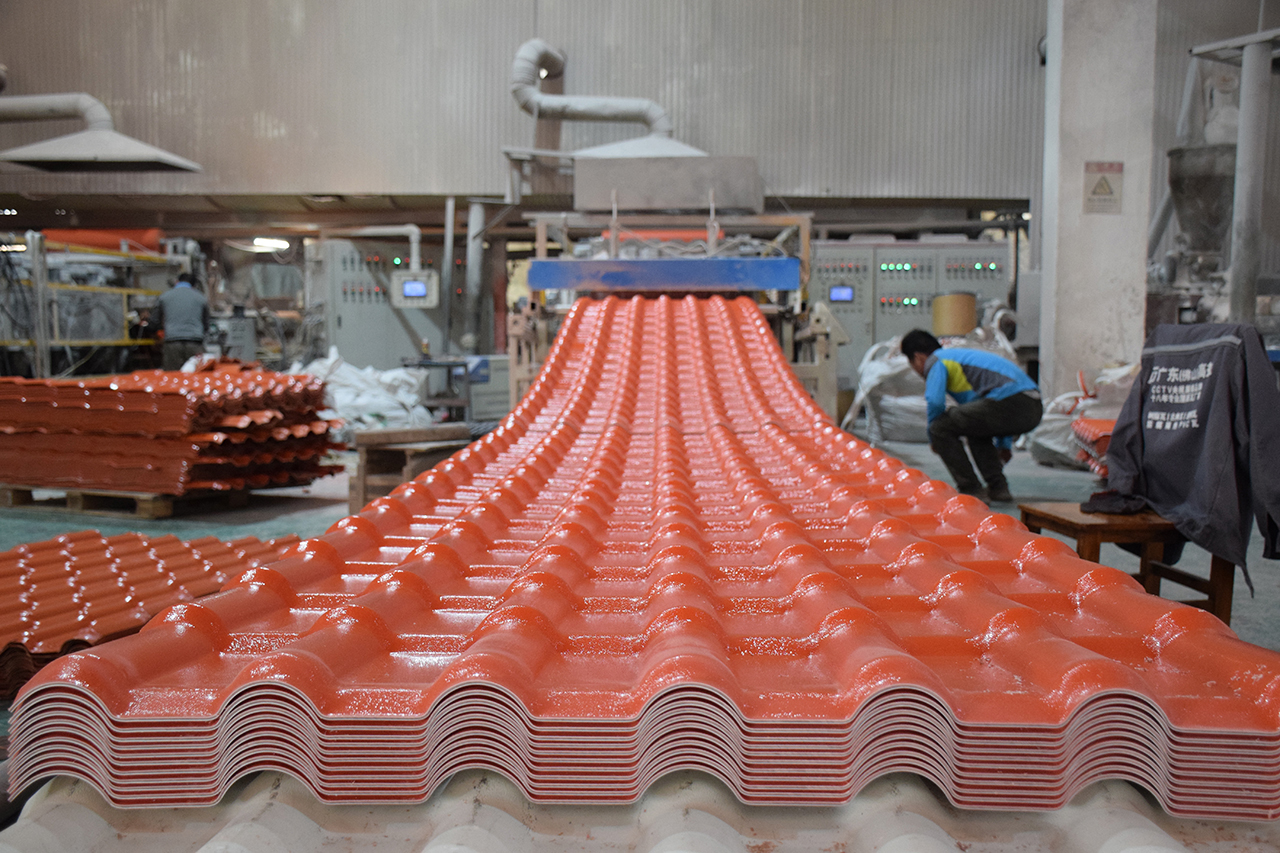
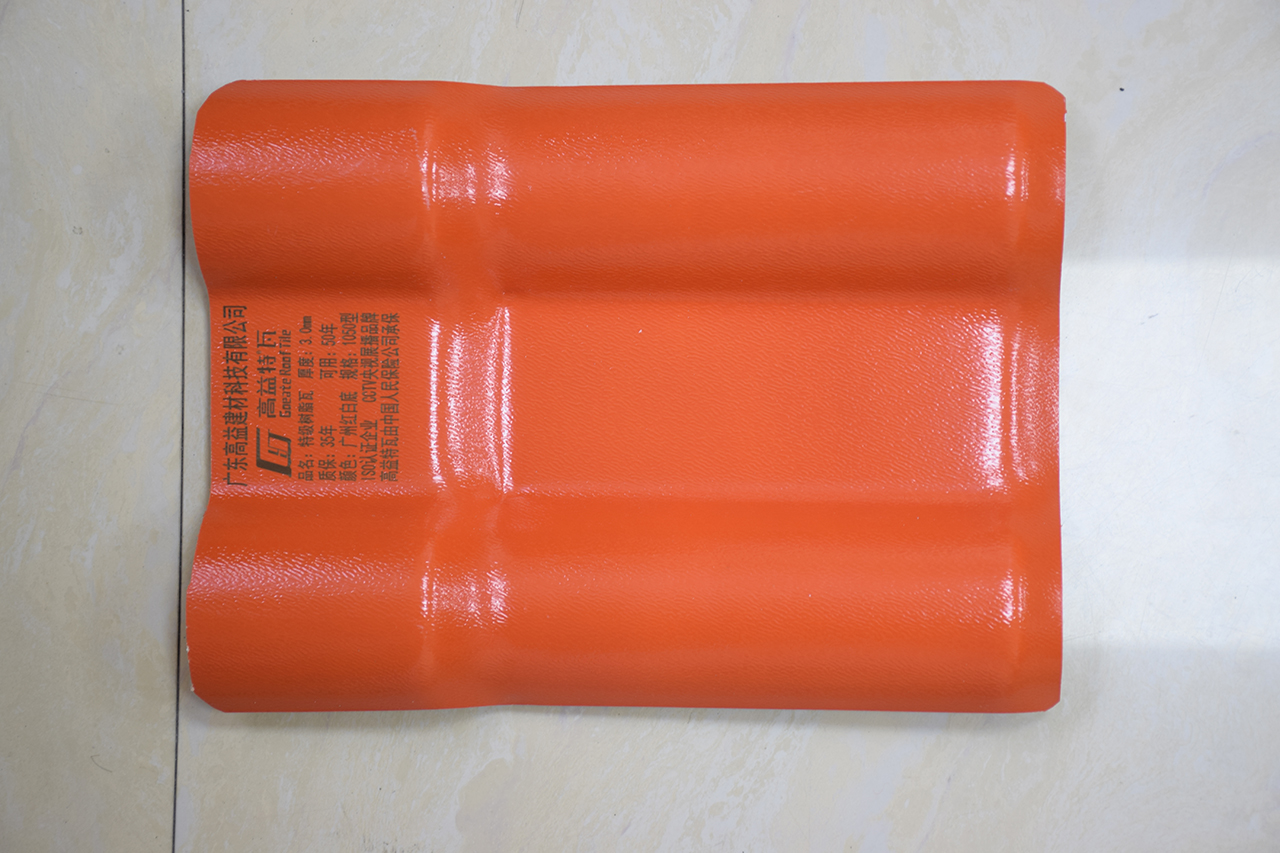
The service life of resin roofing tiles is most significantly affected by ultraviolet (UV) radiation. I have a client who installed resin roofing tiles in Kunming; after five or six years, their color remains virtually unchanged from when they were brand new. This is because, although UV radiation is intense in that area, the temperature fluctuations are relatively small. In contrast, another client installed the same type of resin roofing tiles in the northwest, where they began to become brittle and crack after just three years. This was due to the extreme diurnal temperature fluctuations in that region, which caused excessive thermal expansion and contraction of the material. The lifespan of resin roofing tiles depends largely on the quality of the material’s formulation. High-quality resin roofing tiles can last for over twenty years, while those of inferior quality may become completely unusable after just five or six years.
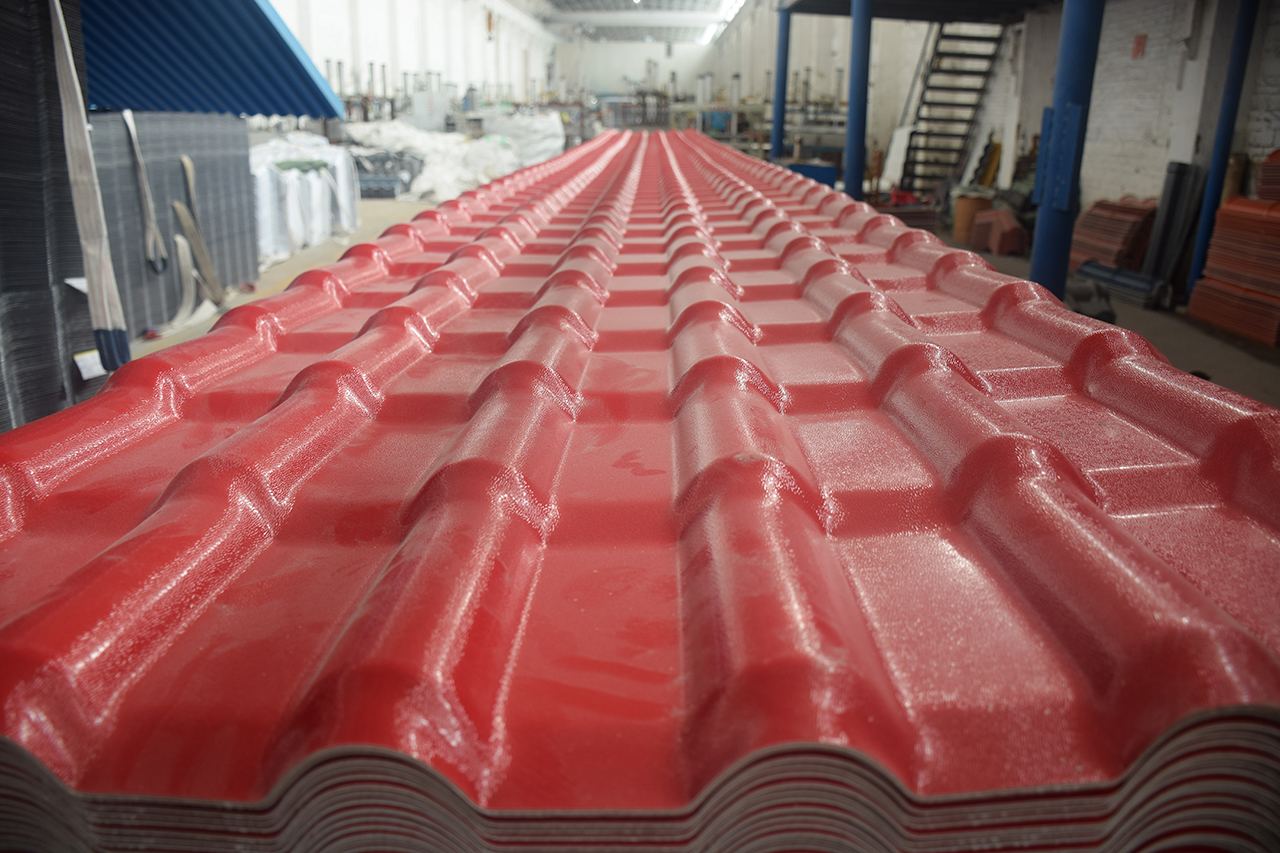
Do aluminum shingles really outlast resin shingles in terms of durability?
Aluminum roofing tiles offer truly outstanding corrosion resistance and wind resistance; particularly in coastal areas and environments with high salt fog concentrations, they can easily last three or four decades. I once saw a factory building where aluminum roofing had been installed for over twenty years; aside from slight surface oxidation that had caused the color to fade, the structural integrity remained completely intact. However, the drawback of aluminum roofing tiles is their relatively low impact resistance; they are prone to denting during hailstorms, and repair costs are quite high—once deformed, it is difficult to restore them to a flat condition.
However, the service life of aluminum roofing tiles is not their only advantage. Some users place greater value on the thermal and sound insulation properties of resin roofing tiles, especially in southern regions with hot climates. Under aluminum roofing, summers can be unbearably hot—so hot that you could even fry an egg—but resin roofing tiles can block at least half of the heat. When comparing the service life of resin roofing tiles and aluminum roofing tiles, actual conditions must be taken into account: in humid and rainy regions, aluminum roofing tiles offer superior corrosion resistance; in extremely cold regions, resin roofing tiles provide better thermal insulation. Among the projects I’ve handled, there have been instances where aluminum shingles began leaking after just five years due to improper screw installation, while resin shingles that were carefully maintained remained intact and undamaged for over twenty years. Therefore, one shouldn’t rely solely on numbers; the key lies in how the product is used and maintained.
In addition, climatic conditions have a significant impact on these two types of roofing tiles in different regions. For example, in some coastal cities in the south, where air humidity is high and salt content is high, the corrosion resistance of aluminum roofing tiles is particularly notable. Meanwhile, in the cold mountainous regions of the north, the excellent thermal insulation properties of resin roofing tiles can lead to significant energy savings. Furthermore, in industrially developed regions with severe environmental pollution, resin roofing tiles are relatively more resistant to erosion caused by polluted air. At the same time, installation techniques are crucial; whether using aluminum or resin roofing tiles, every detail during the installation process can affect their ultimate performance and service life. For example, when installing aluminum roofing tiles, factors such as how tightly the screws are fastened and whether the sealant is applied to the correct locations can all affect their waterproofing performance.