We often encounter situations where customers, lured by low prices, purchase inexpensive PVC roofing tiles online, only to find that they start to fade severely or even crack after just a few months of use.
As a company with many years of manufacturing experience,PVC Tile Manufacturers...we know full well just how complicated this is.
Today, I’ve put together a comprehensive guide to avoiding scams, hoping to help you save some money.
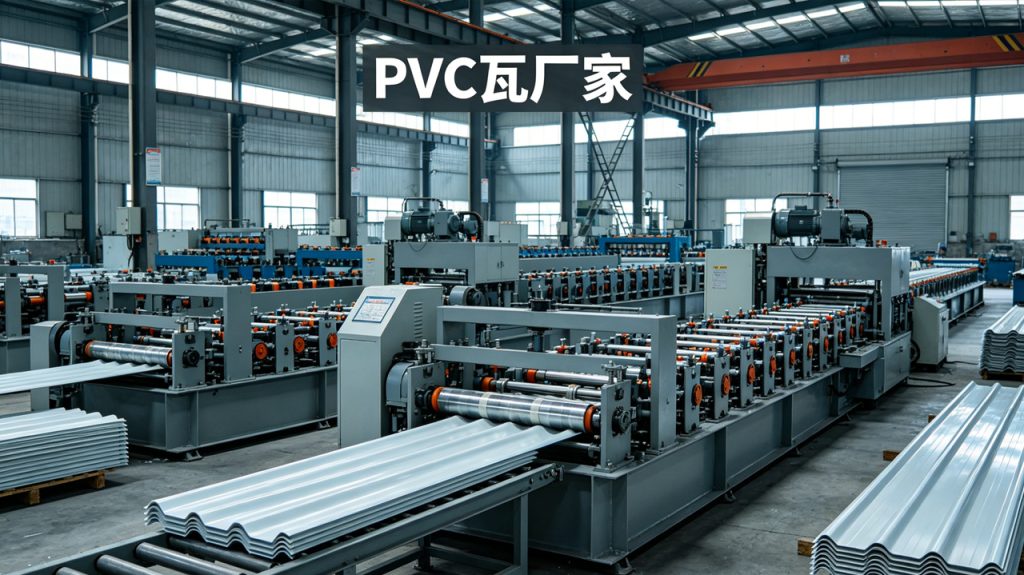
PVC Tile Manufacturers
First and foremost, the biggest pitfall is the use of lower-grade materials.. Some low-quality products on the market contain large amounts of recycled materials and calcium powder. At first glance, these tiles look much the same as standard products, but after prolonged exposure to sunlight, the calcium powder leaches out, causing the tile surface to become powdery, whitish, and brittle—to the point where they shatter at the slightest touch.
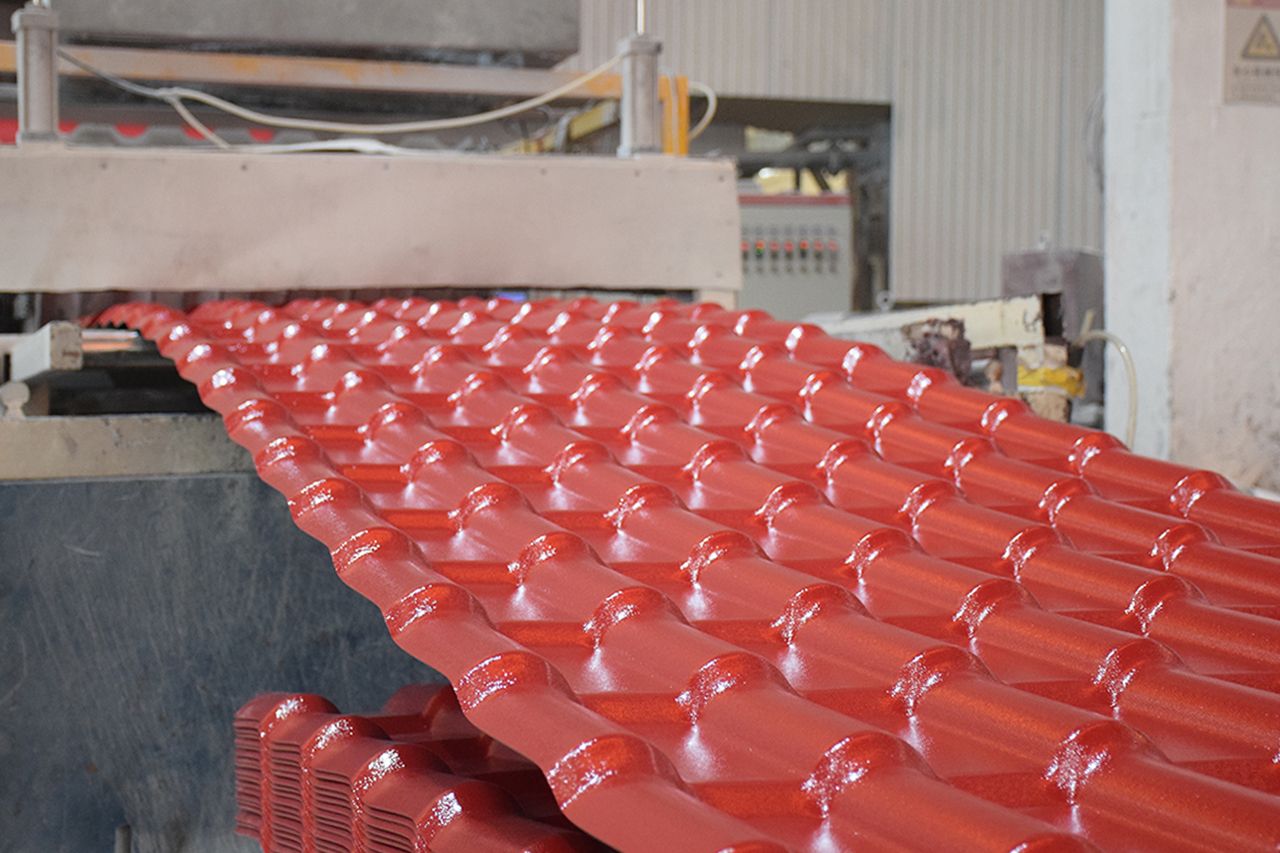
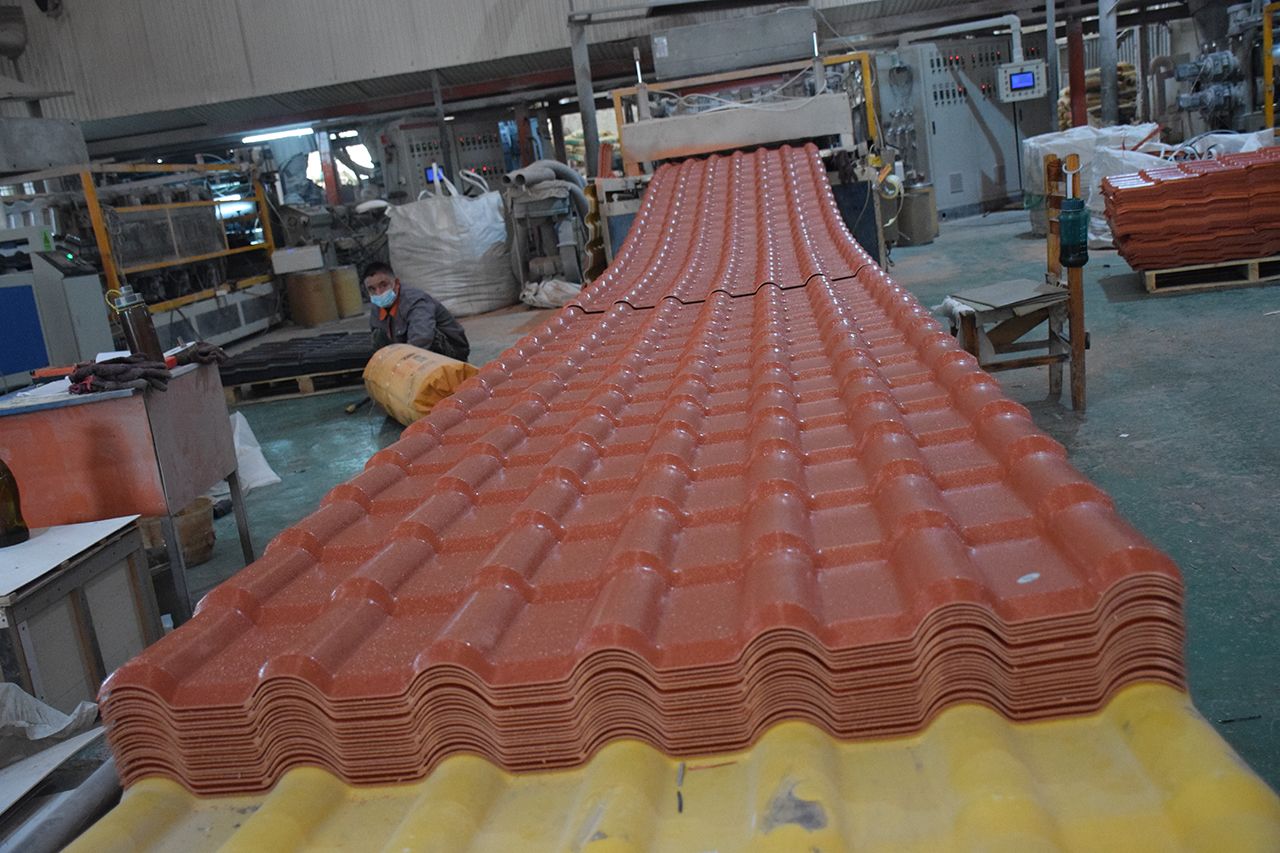
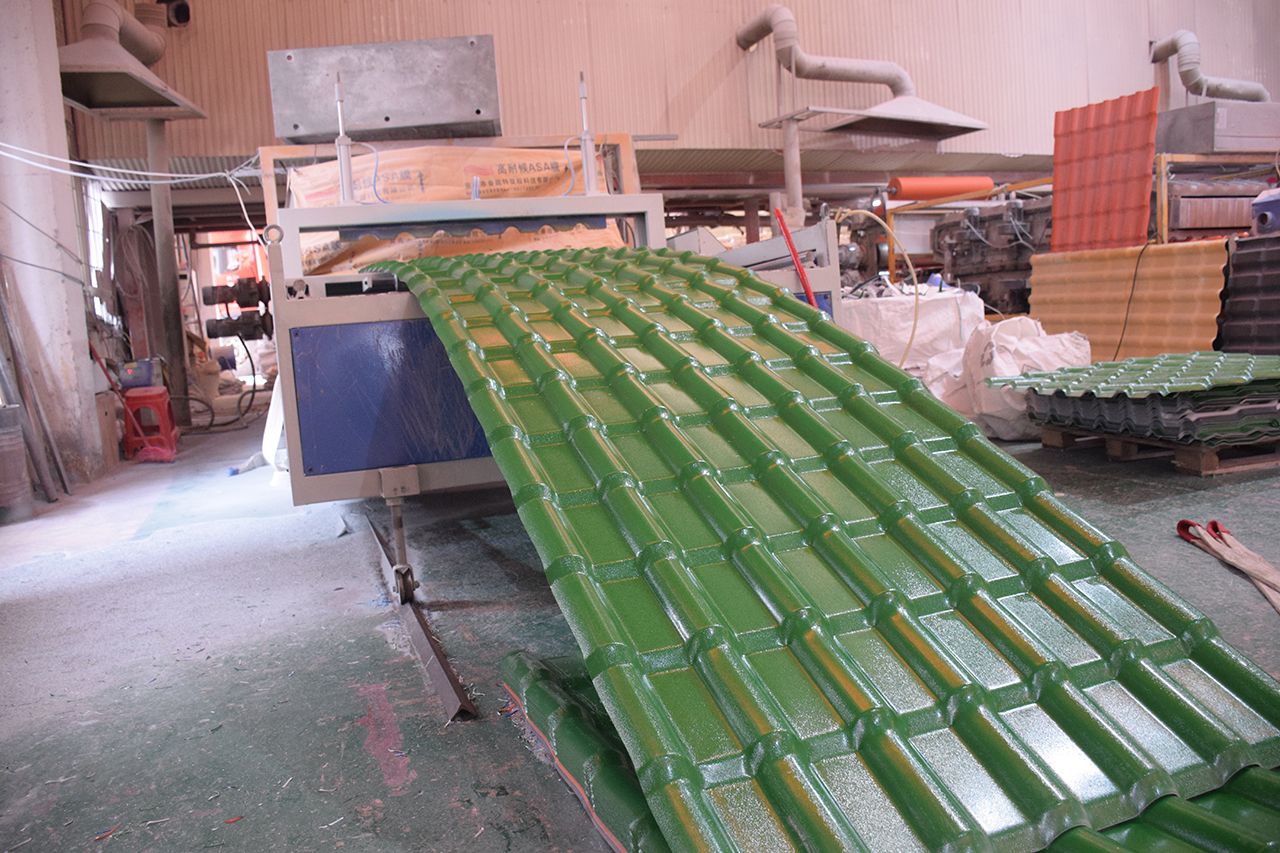
Genuine PVC roofing tiles are made from high-quality PVC resin and weather-resistant ASA engineering resin, offering exceptional flexibility.
So how can you tell the difference? The simplest way is to examine the cross-section and perform a burn test. Take a scrap piece of the sample and snap it in half; if it contains many impurities, has a rough cross-section, or even shows black spots, it is most likely made from recycled material.
Genuine PVC roofing tiles have a very smooth cross-section and uniform color. When ignited, low-quality tiles allow the fire to spread, emit black smoke, and give off a pungent odor; genuine tiles, however, self-extinguish when removed from the flame, as the material itself is flame-retardant and complies with fire safety regulations.
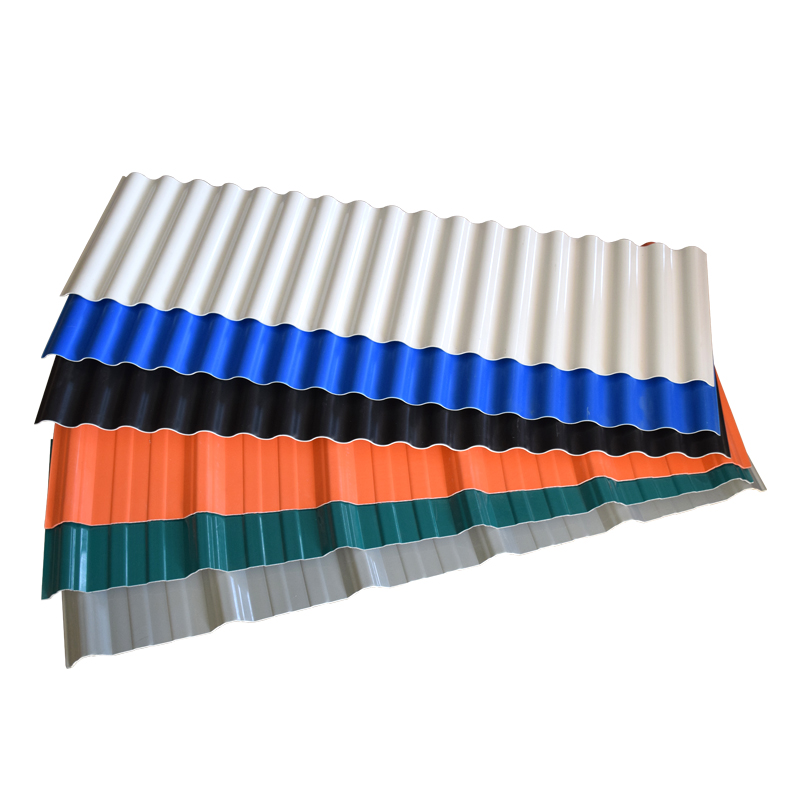
PVC Roof Tiles
The second pitfall to watch out for is the misrepresentation of parameters. Some suppliers claim their products are 3.0 mm thick, but the actual thickness of the delivered goods is only 2.2 mm. Especially for applications requiring resistance to wind pressure and water accumulation, thickness directly determines the safety margin.
Another common pitfall is when a company promises a 15-year warranty but becomes unreachable as early as the second year. We recommend that you verify this information before making a purchase.PVC Tile ManufacturersCheck the company’s credentials, including its business license, ISO quality system certification, and official test reports issued by the National Building Materials Testing Center. Make sure the fire resistance rating is Class B1 (flame-retardant) and that the weather resistance test exceeds 1,000 hours. In fact, the most practical criterion for evaluating after-sales service is the brand’s strength.
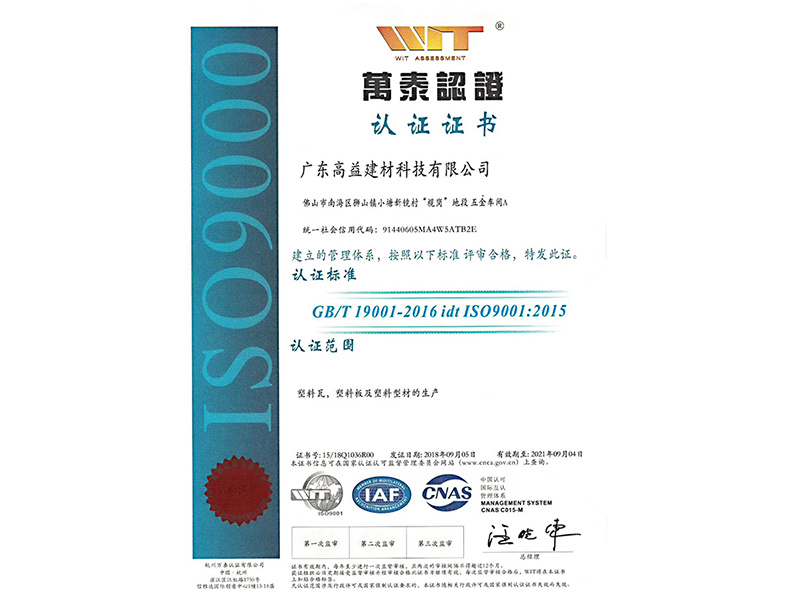
By choosing a reputable manufacturer, you can be confident not only in the quality of the materials but also in the after-sales service. As this industry continues to evolve, we hope this guide will help you avoid the pitfalls of low-cost products. By putting in a little extra effort during the purchasing process, you can find products that save you both time and hassle.