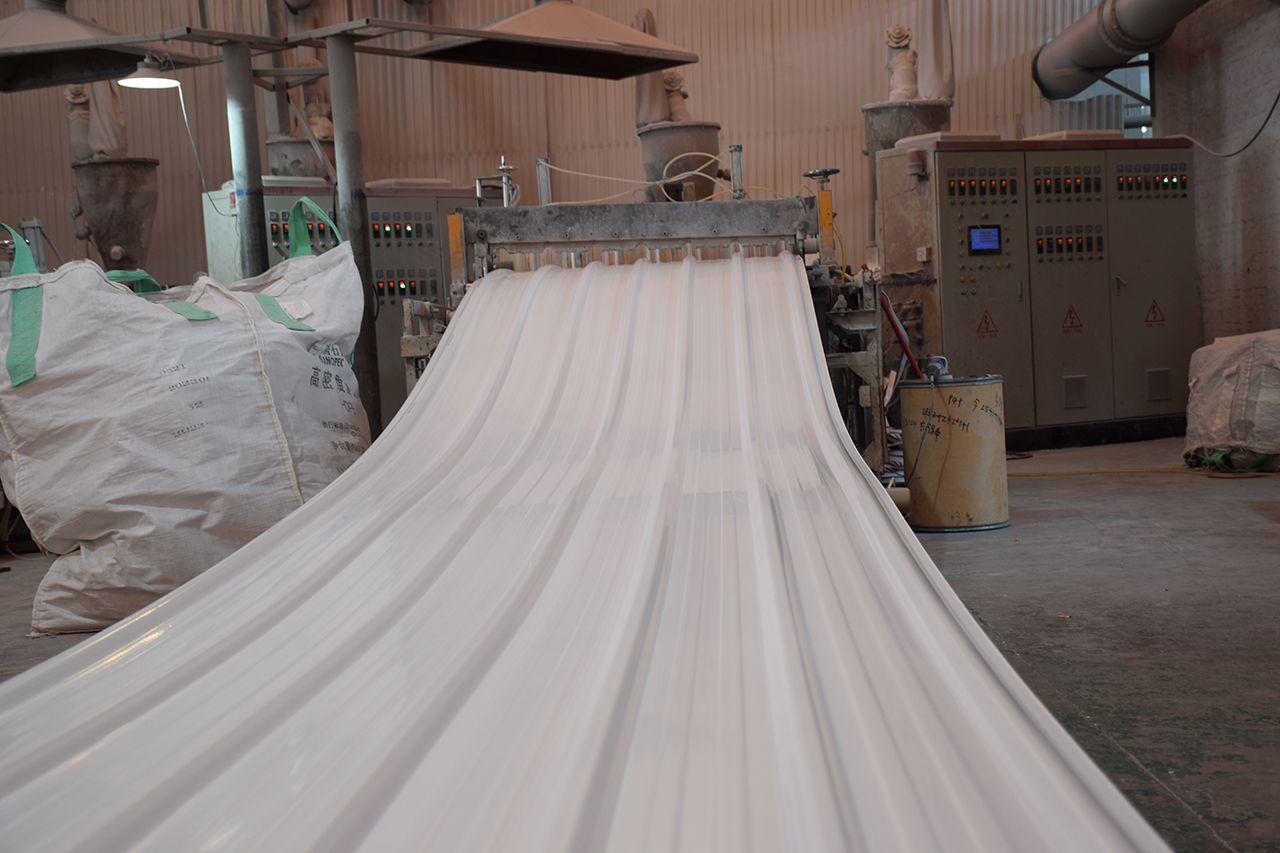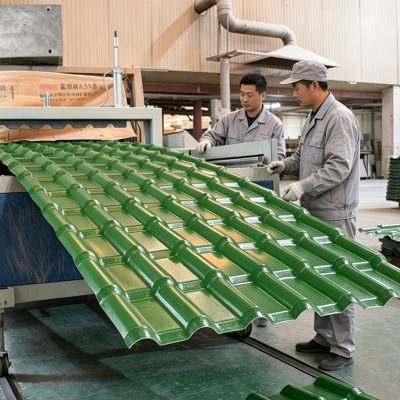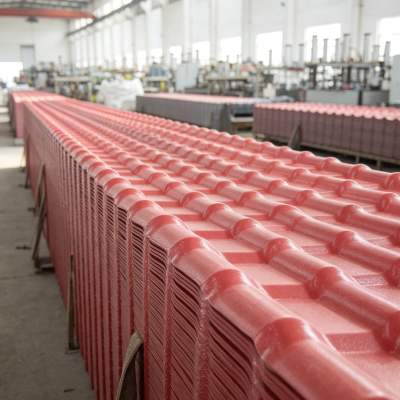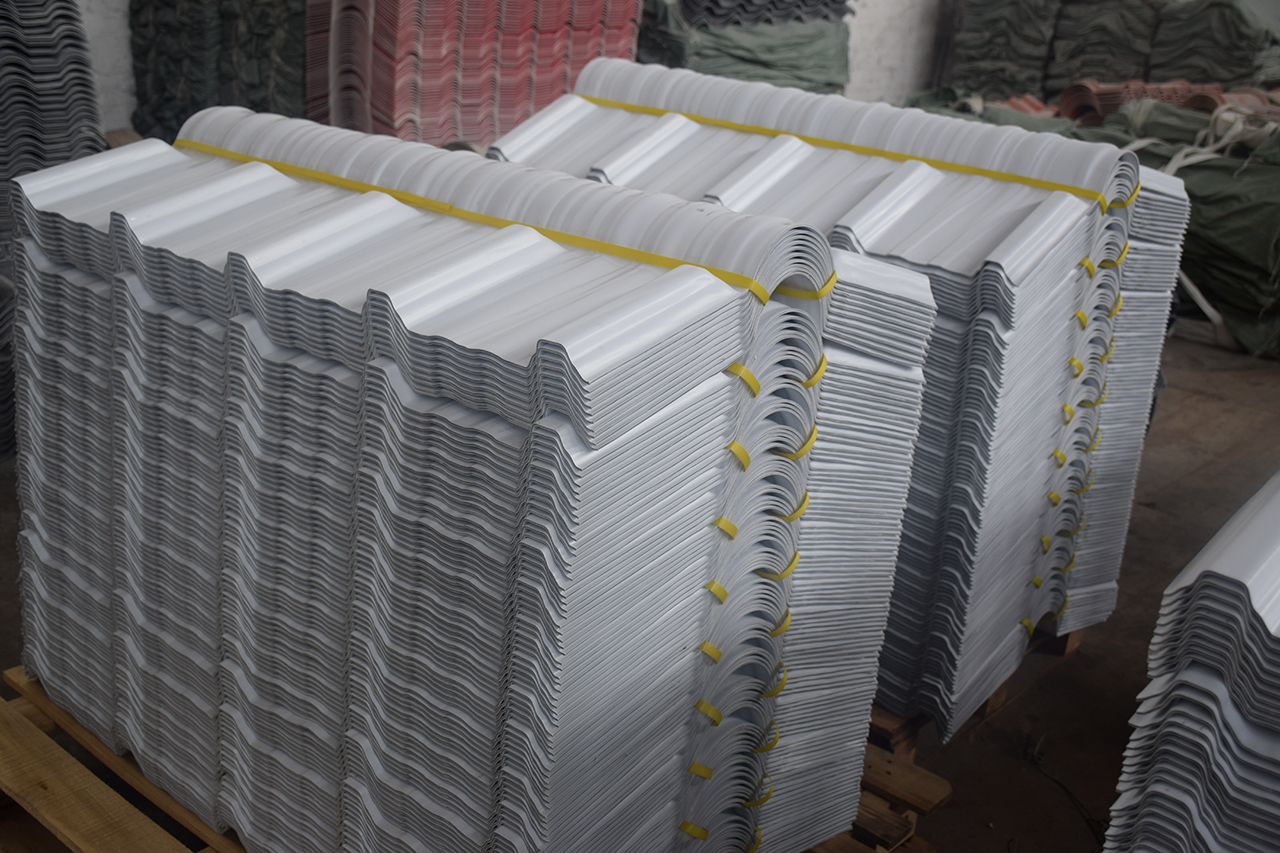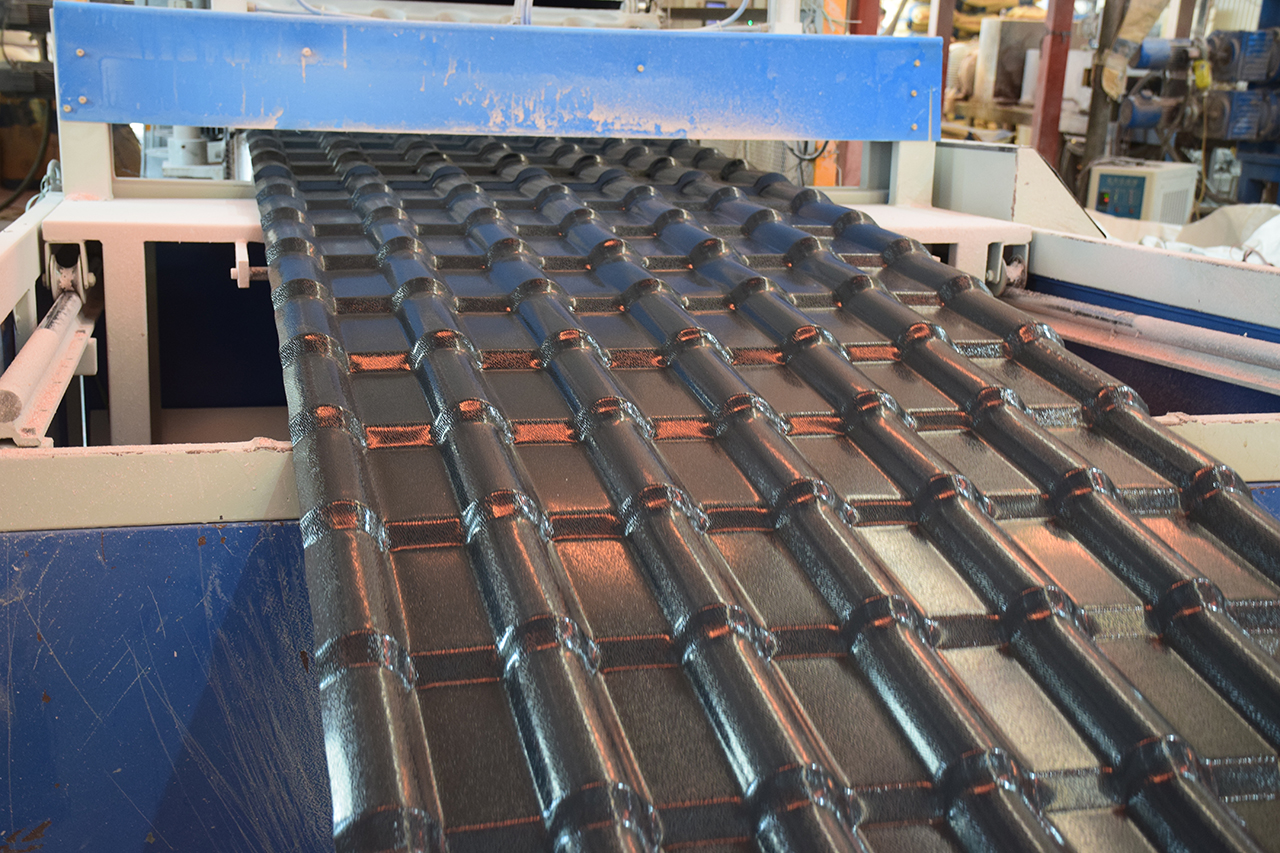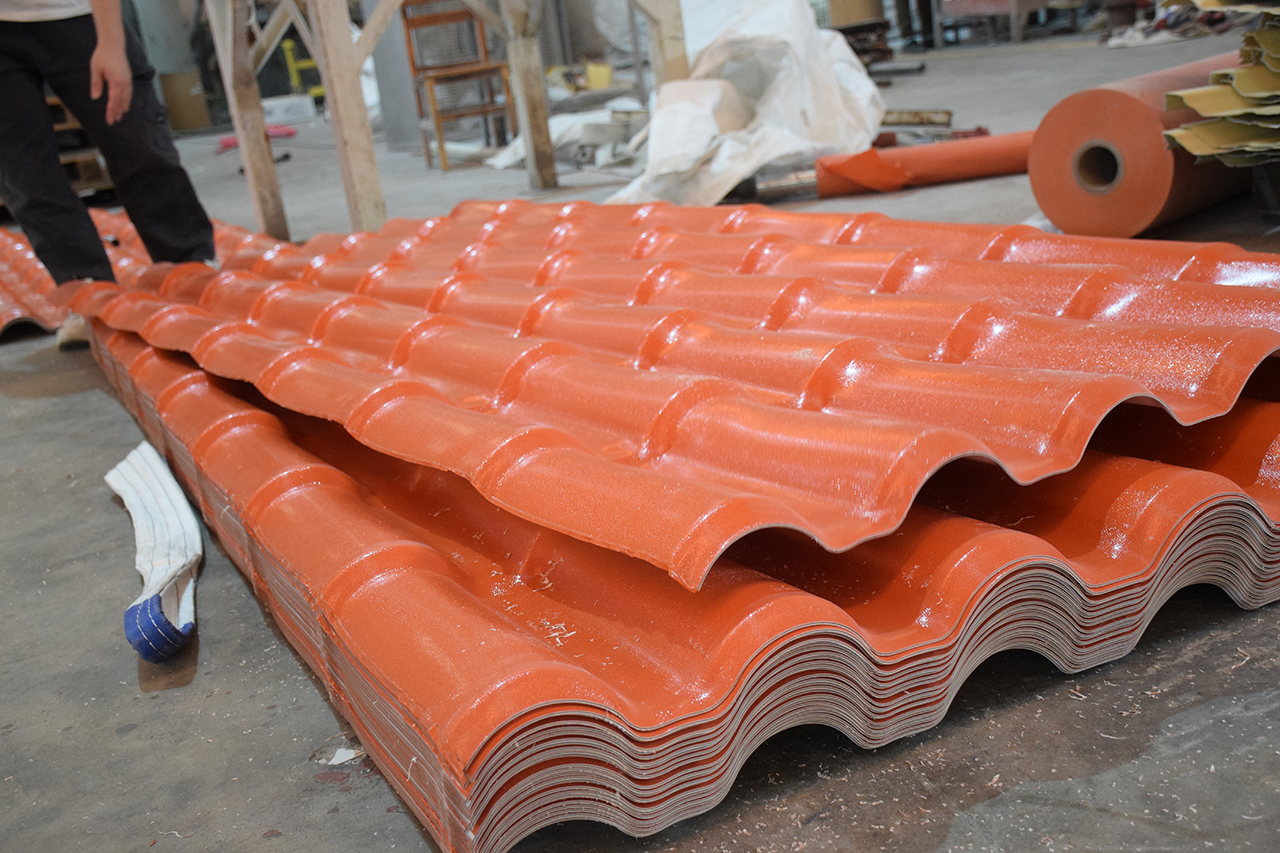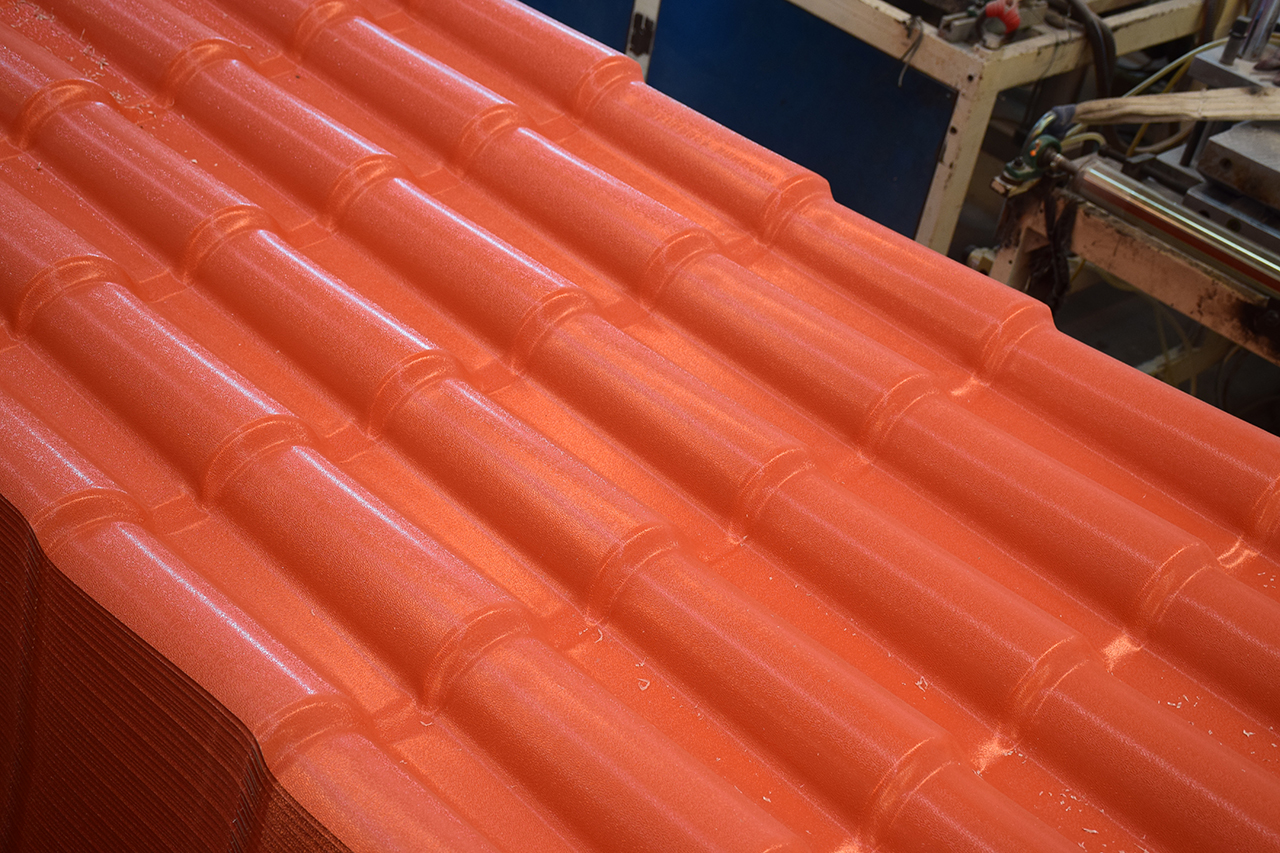
Do you really know this type of roofing material?
When it comes to synthetic resin roofing tiles, many people’s first thoughts are ”lightweight“ and ”corrosion-resistant.“ However, when it actually comes time to choose materials, they realize that whether or not this product is suitable for their own roof is a completely unclear matter. As a veteran in the building materials industry with over a decade of experience, I’ve seen far too many people buy the wrong tiles, install them on the wrong houses, and ultimately end up tearfully tearing them down to start over. The suitability of synthetic resin tiles is never something that can be summed up with a simple ”they can be used anywhere.“ The following two factors are the real keys to determining whether they’re right for your roof.
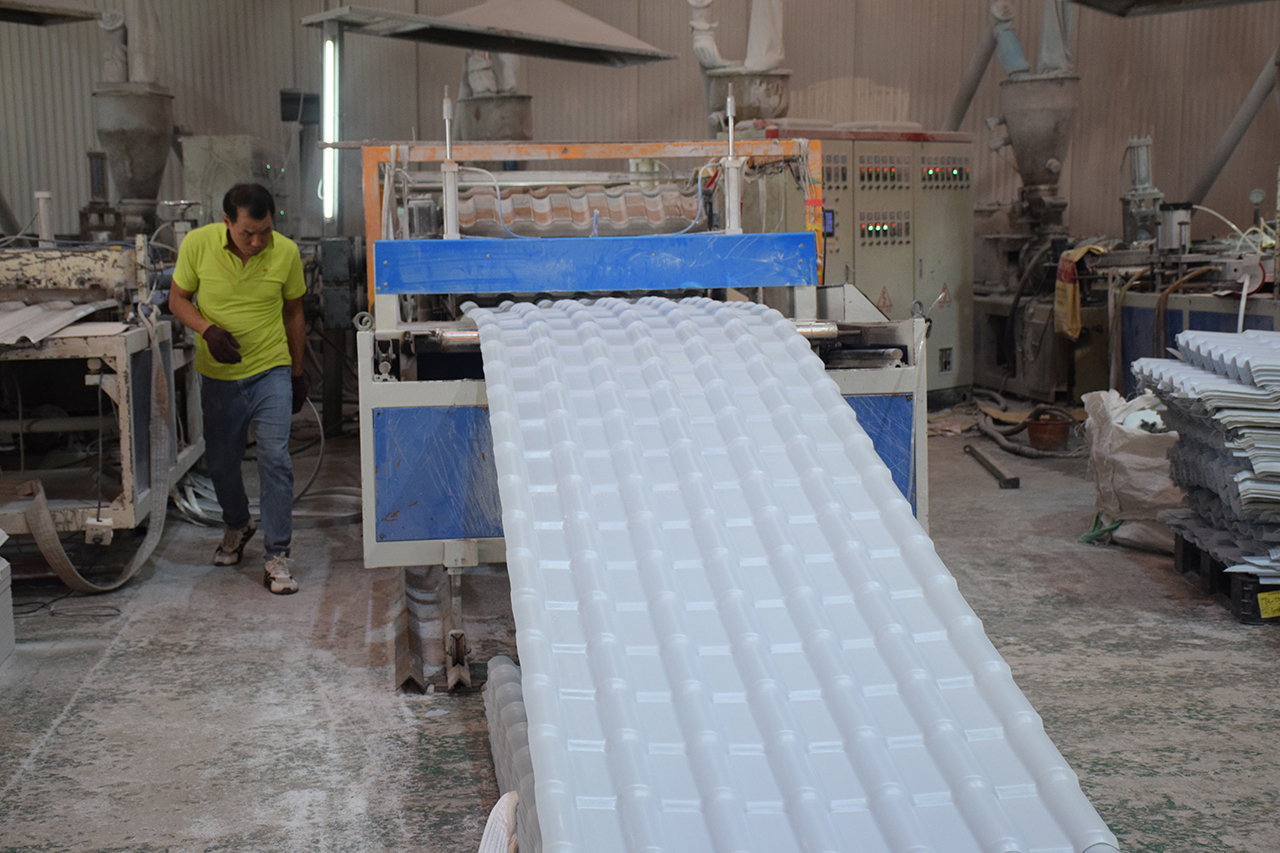
Just how wide is the range of applications for synthetic resin roofing tiles?
Don’t believe those flashy, overhyped advertisements. In reality, synthetic resin roofing tiles are best suited for converting flat roofs to pitched roofs and renovating older residential complexes. The original load-bearing structures of these buildings have limitations: cement tiles are too heavy, while color-coated steel sheets are too noisy. Resin tiles strike the perfect balance—they’re light enough for even old floor slabs to support, and their sound insulation is far superior to that of metal sheets. I once witnessed a renovation project at an old factory building firsthand. After installing resin tiles, the indoor temperature dropped by three or four degrees in the summer, and the sound of rain hitting the roof was barely audible.
It is particularly well-suited for villas and custom-built homes, especially those with complex-shaped pitched roofs. Unlike glazed tiles, which require painstaking piece-by-piece installation, resin tiles can be easily bent to fit. However, keep in mind that if your home is located in the northern mountainous regions where snow accumulates year-round, you must carefully calculate the snow load capacity of the resin tiles beforehand; don’t make a decision just because the samples look nice. Some manufacturers cut corners on tile thickness to reduce costs; after a heavy snowfall, these tiles will warp immediately. I encounter several such cases every year.
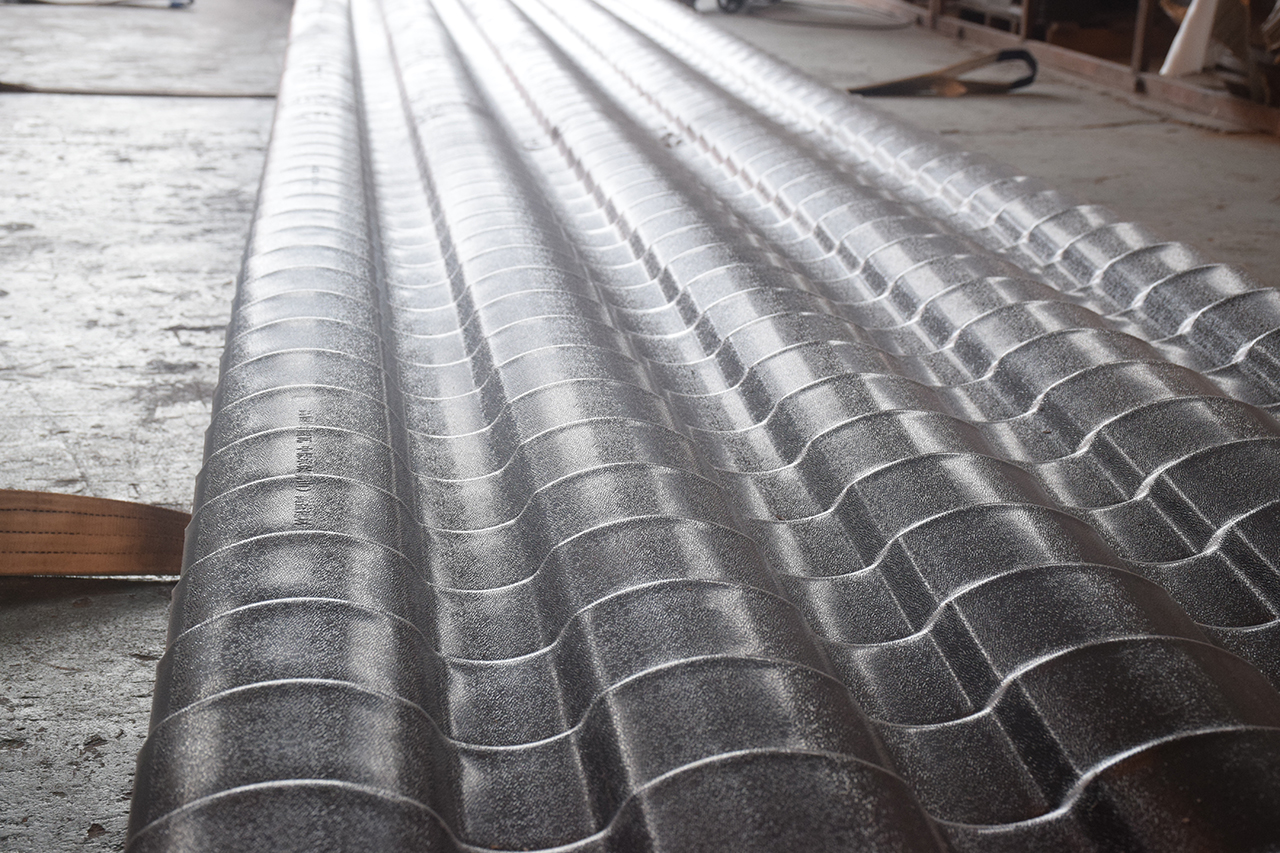
Are there any pitfalls regarding the scope of application for synthetic resin roofing tiles?
That is certainly true. The most typical "red flags" are high-temperature industrial facilities and chemical plants. While resin roofing tiles do perform well in terms of acid and alkali resistance, they will gradually become brittle when exposed to environments where temperatures consistently exceed 80 degrees Celsius—such as boiler room roofs or electroplating workshops—and cracks will begin to appear after two or three years. I had a client who insisted on using them to cover a heat treatment workshop. As a result, after just a year and a half, fine cracks appeared on the tile surface, and eventually, the entire roof had to be replaced.
Another common misconception is the belief that it can be used in all coastal areas. While the salt spray carried by sea breezes does corrode metal roofing tiles, the surface coating of resin roofing tiles will age prematurely when subjected to the combined effects of intense UV radiation and high salt spray. If your home is located in regions such as Hainan or Zhoushan, be sure to verify with the manufacturer whether the resin tiles feature a specially reinforced UV-resistant anti-aging layer before making a selection. Some small manufacturers cannot even meet basic formulation standards, let alone provide customized solutions for coastal environments. Please remember that while synthetic resin tiles have a wide range of applications, they are not suitable for every environment.
Overall, when determining whether synthetic resin shingles are suitable for a given application, two key factors should be considered: first, the building’s load-bearing capacity and roof pitch; and second, the environmental conditions to which the roof is exposed. Do not be swayed by price or marketing claims; instead, carefully assess each factor based on your specific circumstances to ensure your roof is truly durable and long-lasting.