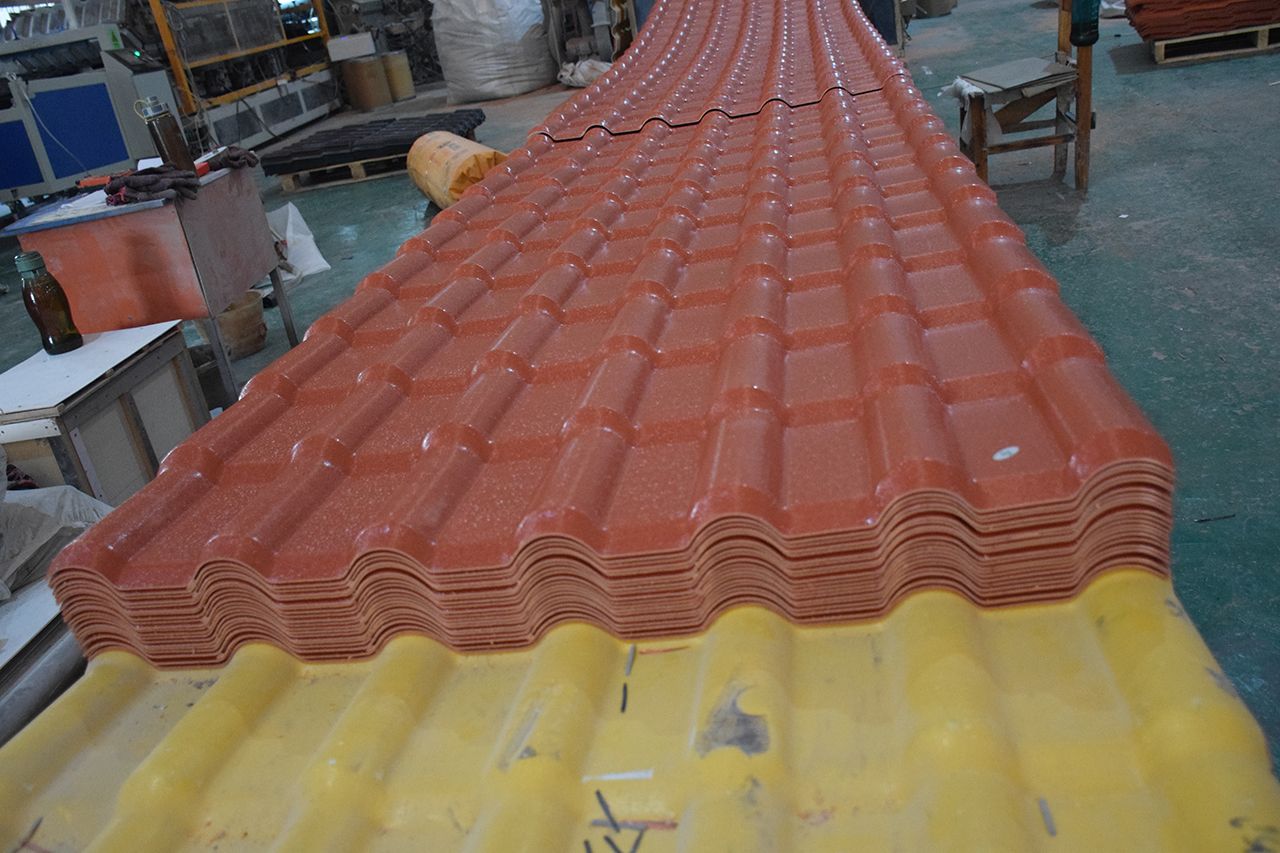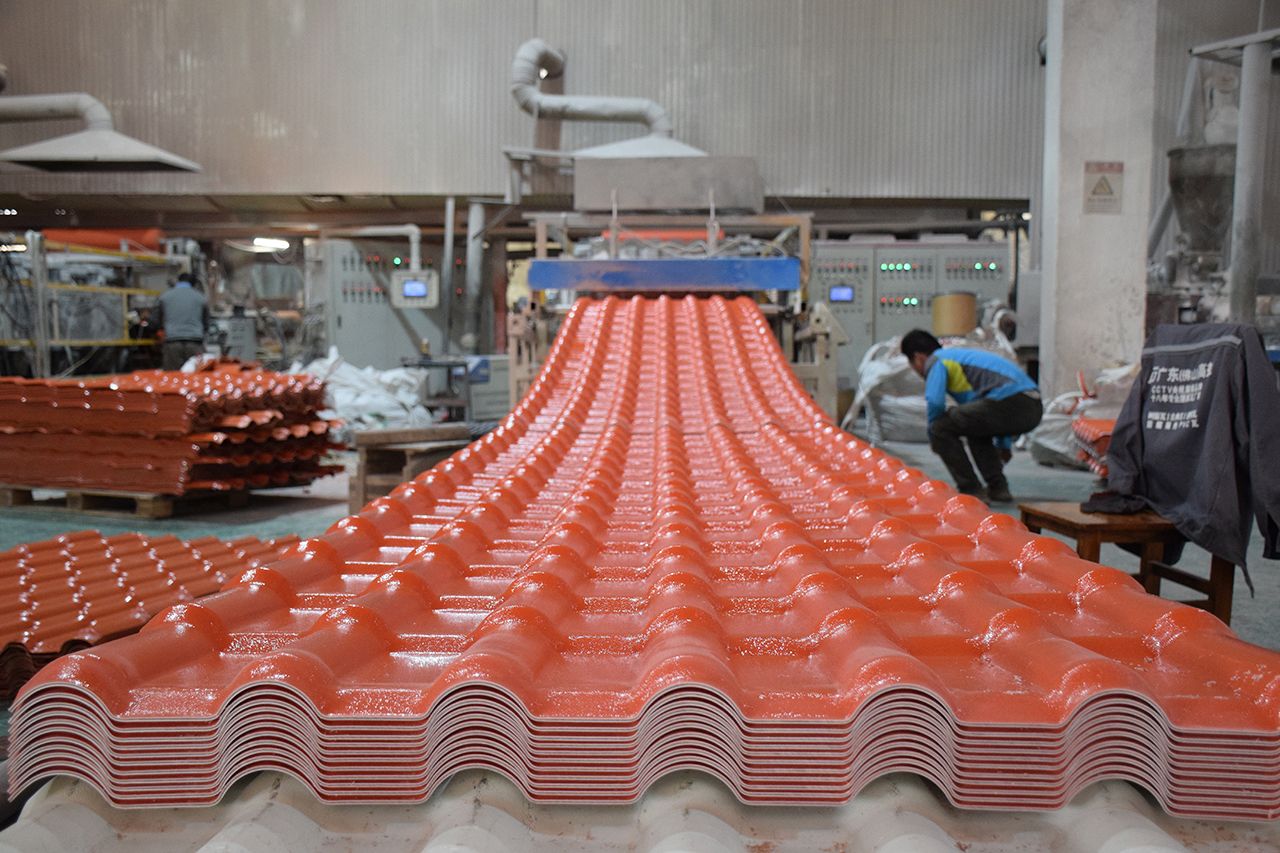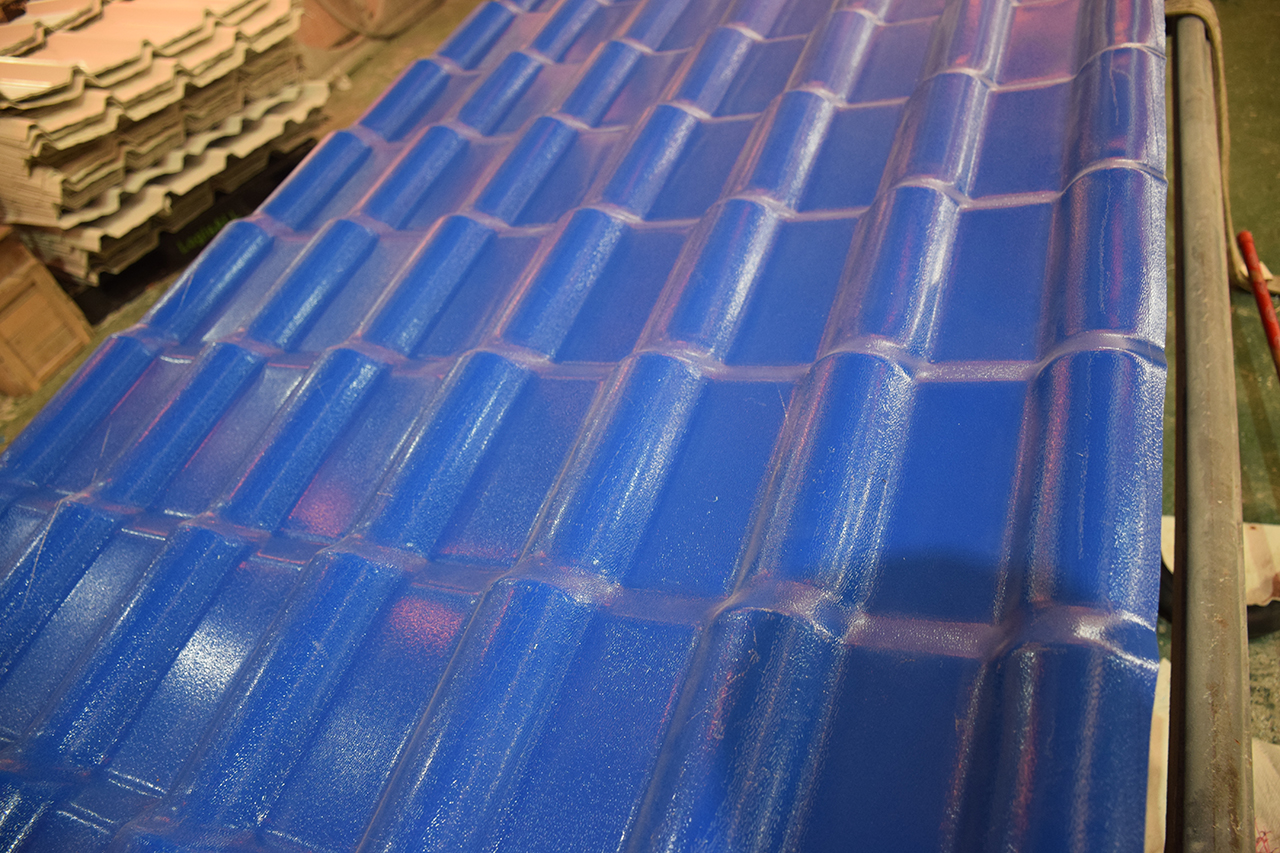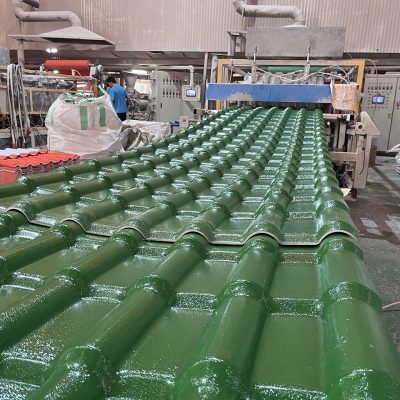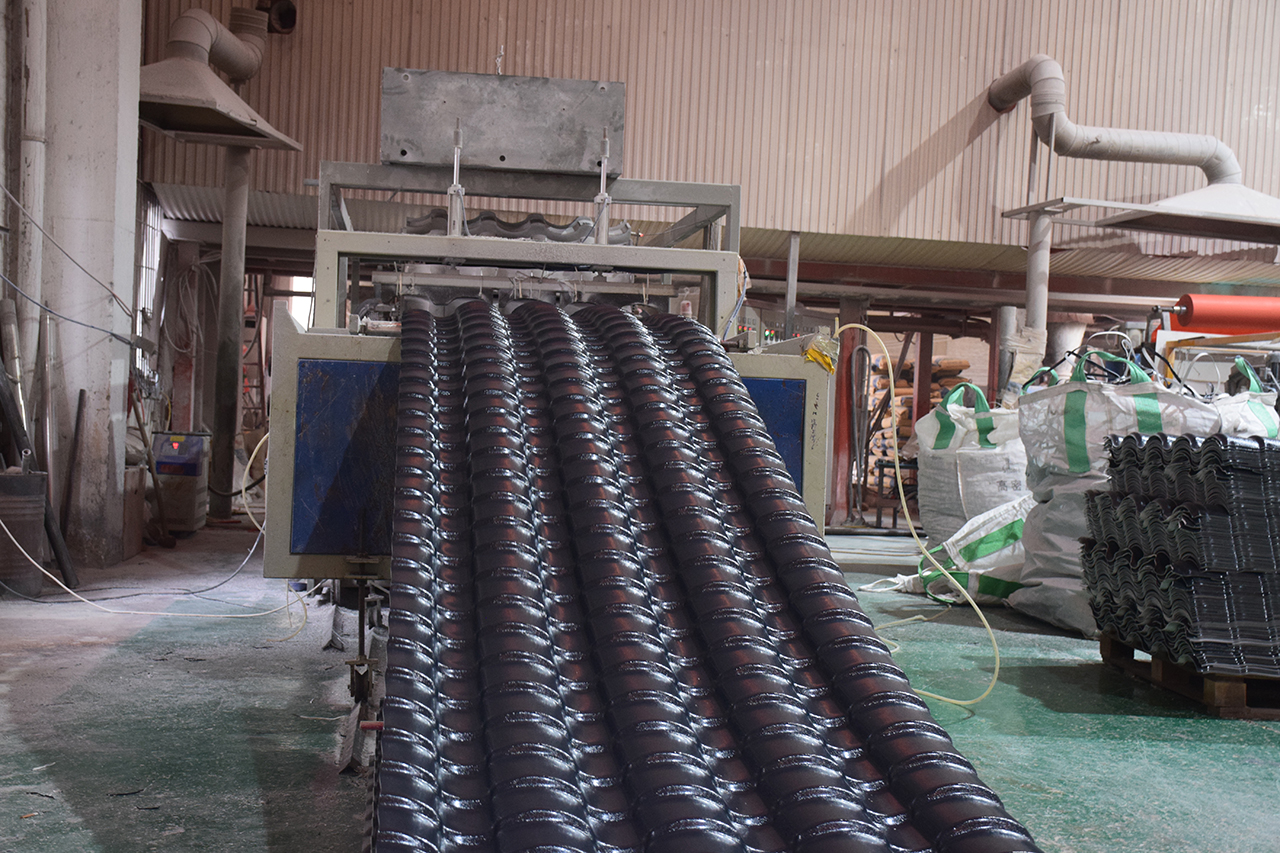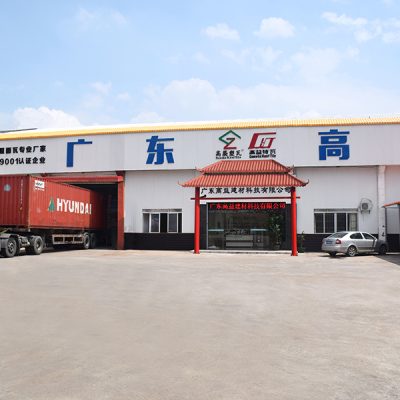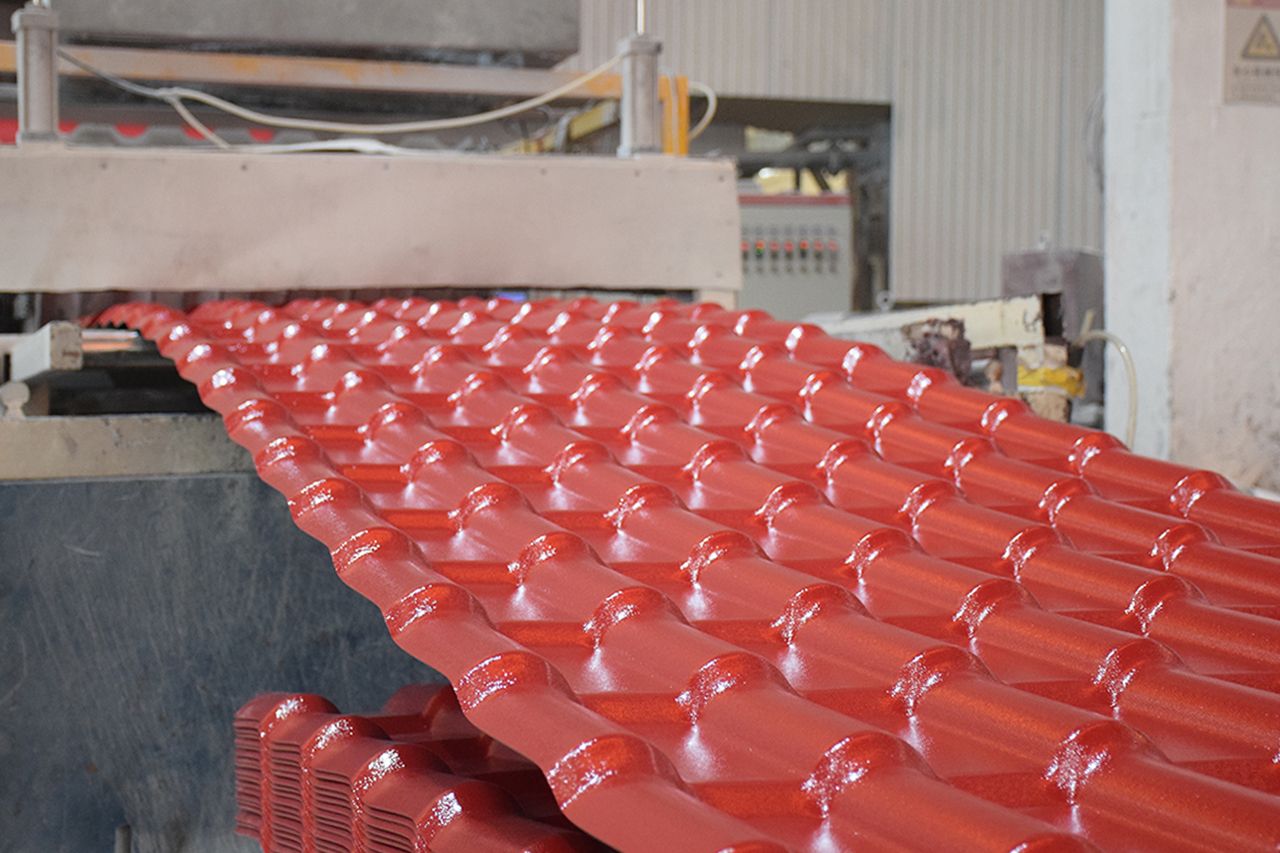
During this critical transition period in China’s building materials industry—as it shifts from “incremental expansion” to “quality improvement of existing stock”—a large number of manufacturers deeply rooted in vertical market segments are breaking free from the traditional logic of homogeneous competition based on scale advantages and charting a highly distinctive, non-traditional growth path. Guangdong Gaoyi, a leading company in the synthetic resin roofing tile sector based in Foshan, offers a valuable industry case study through its nearly two-decade development trajectory. This journey provides a comprehensive illustration of how a domestic manufacturer can leverage the inherent advantages of an industrial cluster to gradually build a business footprint that spans the country and extends overseas.
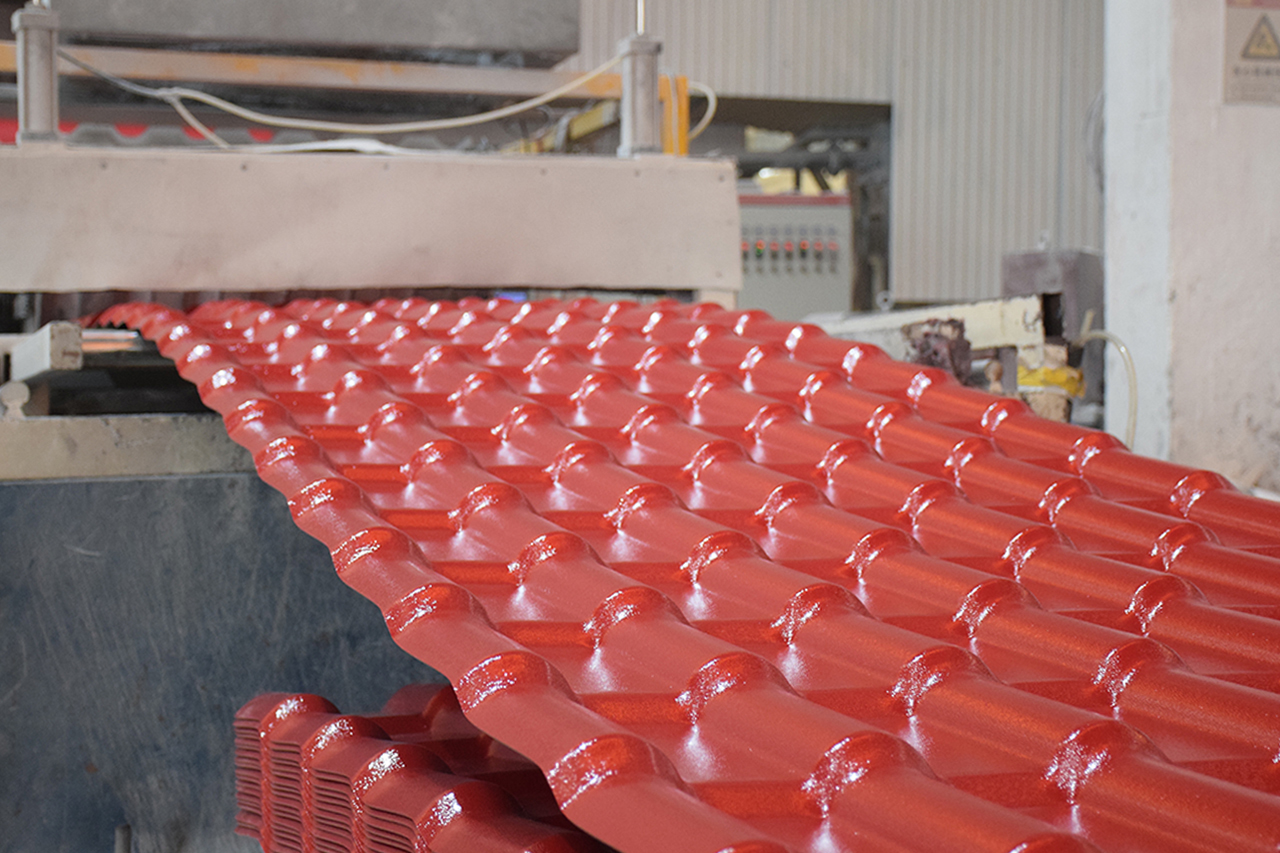
As a key hub for China’s building materials industry, Foshan boasts a complete industrial ecosystem spanning raw material supply, production equipment, R&D, and logistics and distribution. This regional industrial advantage provides a natural breeding ground for local enterprises to get started. Guangdong Gaoyi’s development also began by leveraging this industrial foundation: at a time when cost control was the industry’s primary competitive strategy, the company chose not to engage in low-end price wars. Instead, it partnered with materials laboratories at local universities to specifically optimize the structural formulations of its synthetic resin roofing tiles, addressing the typical climatic characteristics of southern China—including high temperatures, high humidity, severe typhoons, and intense ultraviolet radiation. After nearly three years of field testing and iterative refinement, the company launched a four-layer co-extruded product that successfully passed wind-lift resistance tests under the conditions of a Force 12 typhoon along the Guangdong coast. In a five-year outdoor sun exposure test, the product’s color retention rate remained above 90%. This real-world, field-verified product performance enabled the company to rapidly establish market recognition in South China through projects such as rural roof renovations and industrial park upgrades, thereby achieving initial market penetration.
In the process of expanding from regional markets to a nationwide presence, the company did not adopt the traditional channel model of widespread distribution common in the building materials industry, but instead chose a differentiated approach based on “scenario adaptation.” Climatic conditions vary greatly across different regions of China: in the high-altitude areas of the southwest, winter temperatures can drop to minus 20 degrees Celsius, causing ordinary synthetic resin roofing tiles to become brittle and crack; in the desert regions of the northwest, where strong winds, sandstorms, and intense UV radiation are year-round, roofing tiles age much faster than in the eastern coastal areas; In the agricultural heartland, livestock sheds and greenhouse facilities have specific requirements for the thermal insulation performance of roofing materials. To address these region-specific challenges, the company’s R&D team implemented targeted technical adjustments for each scenario: optimizing the formulation system for extremely cold regions to enhance the product’s impact resistance in low-temperature environments; in areas with intense sunlight, the thickness of the weather-resistant layer was increased to extend the material’s resistance to aging; for agricultural applications, insulated products with a cavity structure were developed, which, according to field tests, can reduce summer temperatures inside greenhouses by 6 to 8 degrees Celsius. This “one region, one solution” product strategy has helped the company break free from the “red ocean” of homogenized competition. It has delivered numerous benchmark projects across the country in the renovation of cultural and tourism towns, photovoltaic roofing installations, and rural revitalization initiatives. The company has gradually expanded its production network from Foshan to Hunan, Guangxi, Shandong, and other regions, establishing a multi-regional collaborative supply system, with products now available in 31 provinces, municipalities, and autonomous regions across China.
In advancing its global expansion, the company did not follow the traditional path of low-cost exports, but instead opened up overseas markets by relying on a model of “real-world testing + localized adaptation.” When the team first participated in the Southeast Asia International Building Materials Exhibition in 2018, they received feedback from local customers: In tropical regions, where temperatures consistently exceed 38 degrees Celsius year-round, coupled with intense UV radiation and frequent torrential rains, standard synthetic resin roofing tiles on the market typically begin to fade and crack within about three years, leaving a long-standing gap in the market for cost-effective, suitable products. To address this need, the company adapted the weather-resistant technologies it had developed domestically for local conditions, re-optimizing the UV-resistant components in its resin formulations. The upgraded products underwent five years of continuous outdoor field testing in Thailand without showing any significant performance degradation, quickly gaining recognition in the local market. Subsequently, the team developed more than 20 products tailored to various scenarios—including the highly corrosive environments of Africa, the extreme heat of the Middle East, and the heavy rainfall in Latin America. These products are now available in over 60 countries and regions worldwide, and the company’s overseas business share has been steadily increasing.
In recent years, the advancement of China’s “Dual Carbon” policies has also brought new growth opportunities to this Foshan-based manufacturing company. At its Foshan headquarters, the company built one of the industry’s earliest production workshops to recycle waste heat, reducing carbon emissions during the production process by 42% compared to traditional methods. At the same time, it developed fully recyclable, eco-friendly synthetic resin roof tiles. Once these products reach the end of their service life, they can be completely crushed and reused as raw materials, addressing the industry’s long-standing challenge of non-biodegradable waste materials. The accumulation of such low-carbon technologies has also helped the company secure more opportunities to participate in overseas green infrastructure projects, successfully supplying roofing materials for multiple international affordable housing initiatives.
From a small local processing plant in Foshan to the establishment of an industrial network spanning the country and extending globally, the growth journey of this synthetic resin roofing tile company is, in essence, a typical microcosm of how manufacturing enterprises in the Pearl River Delta have evolved from “starting out by relying on industrial clusters” to “breaking through via technological innovation.” Its development path also confirms an industry rule: in the highly competitive building materials sector, only by moving beyond mere price wars and continuously iterating technology based on real-world needs can a company build long-term, stable industrial competitiveness.
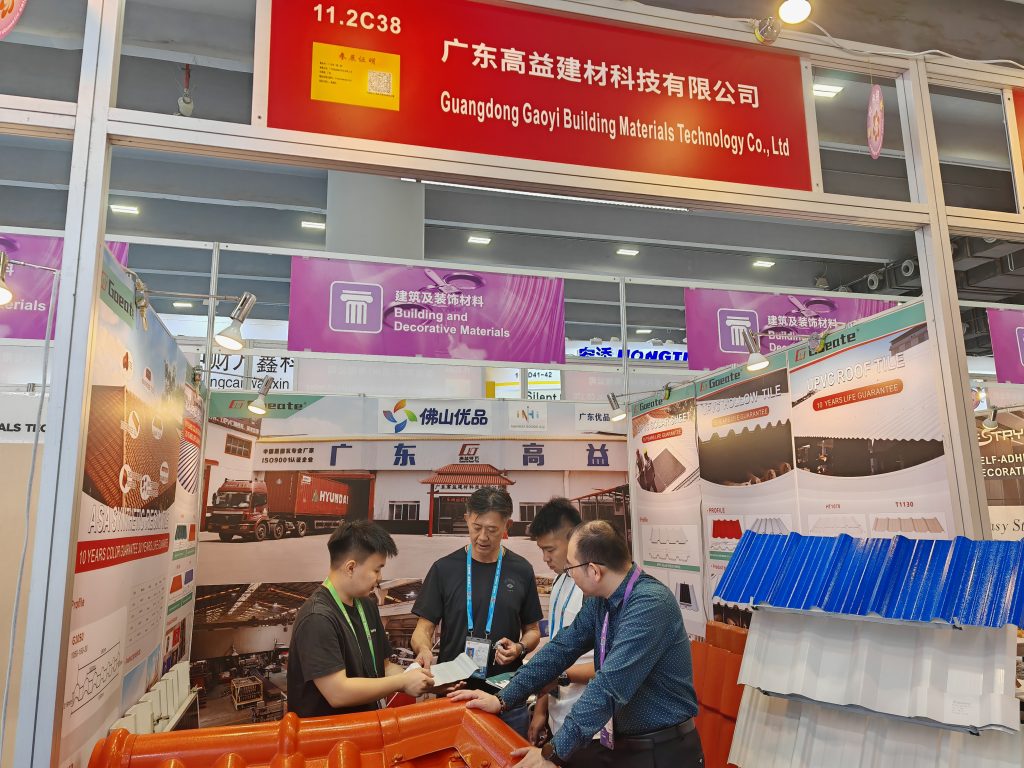
Resin Tile PVC Tile Exhibition