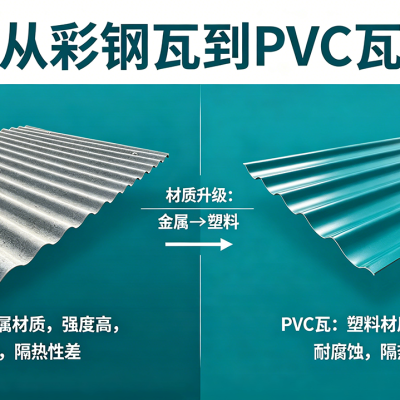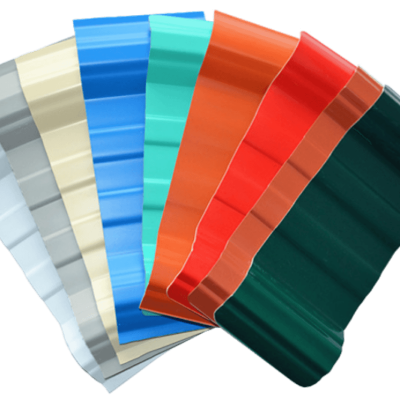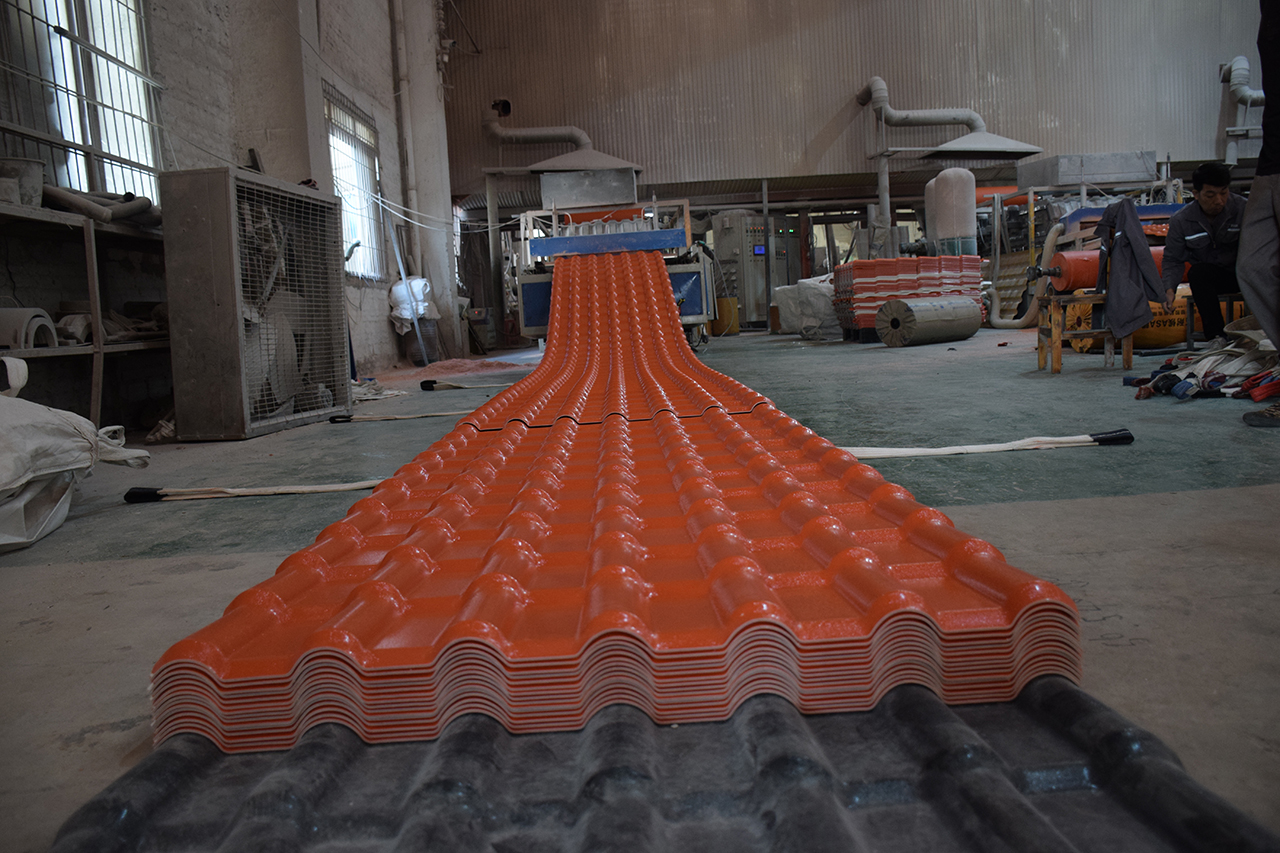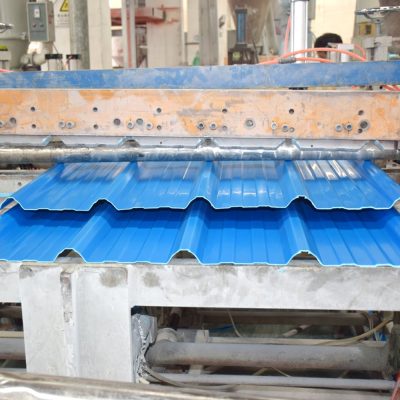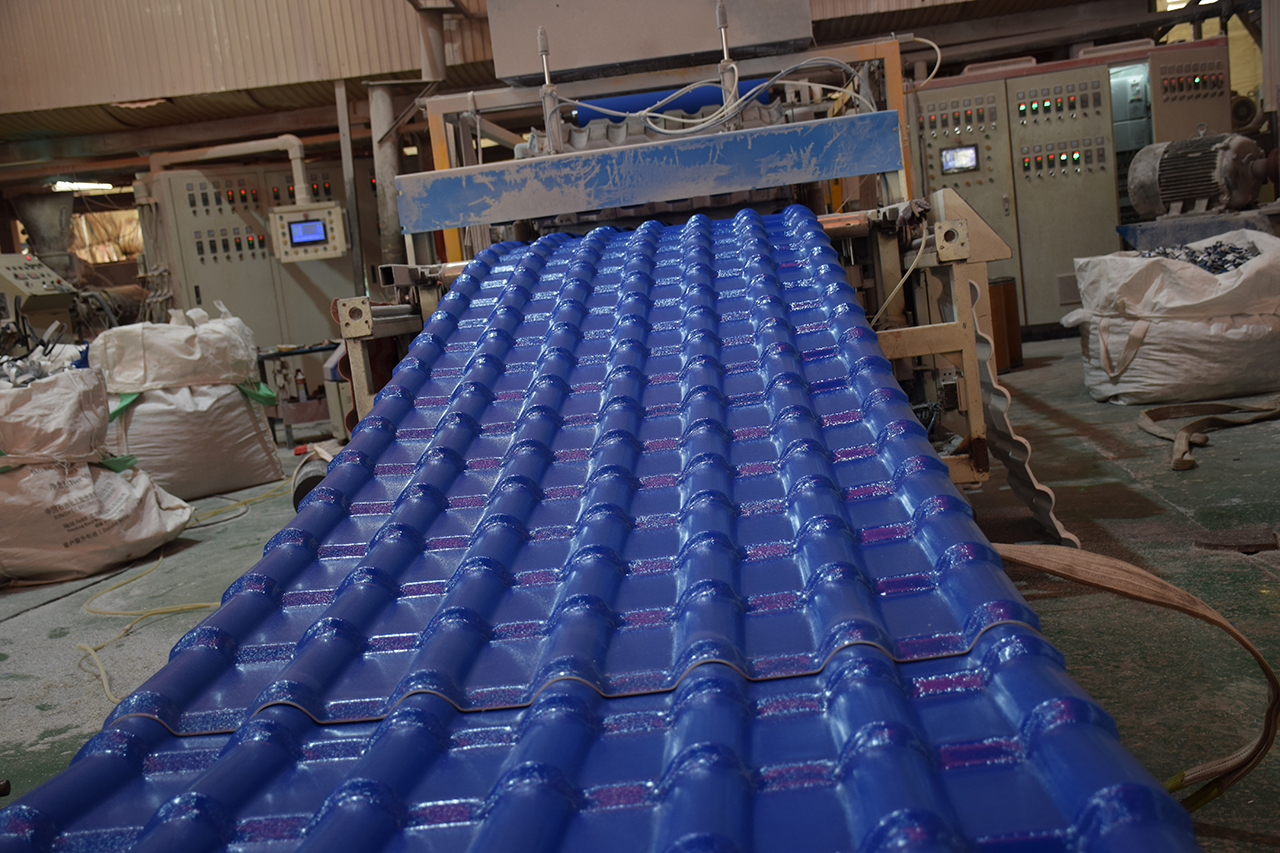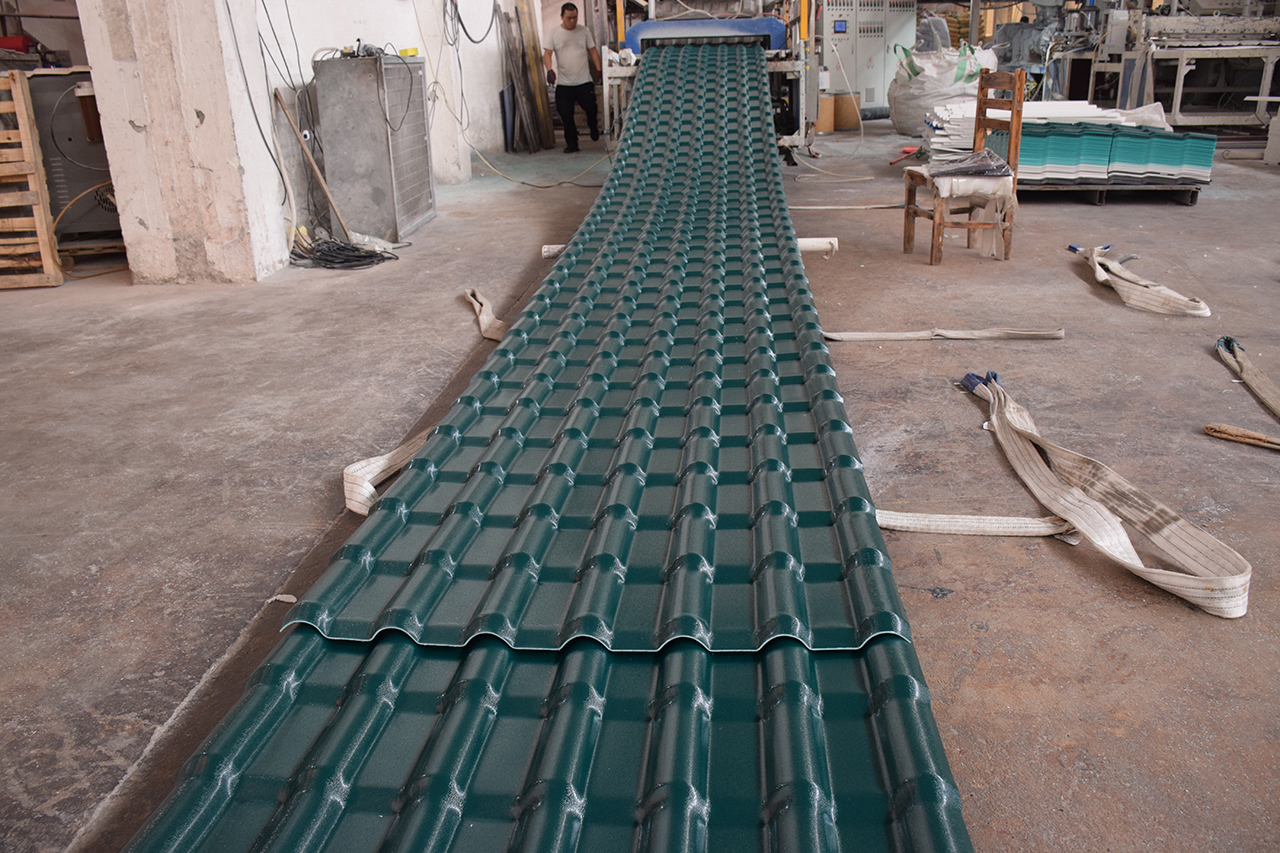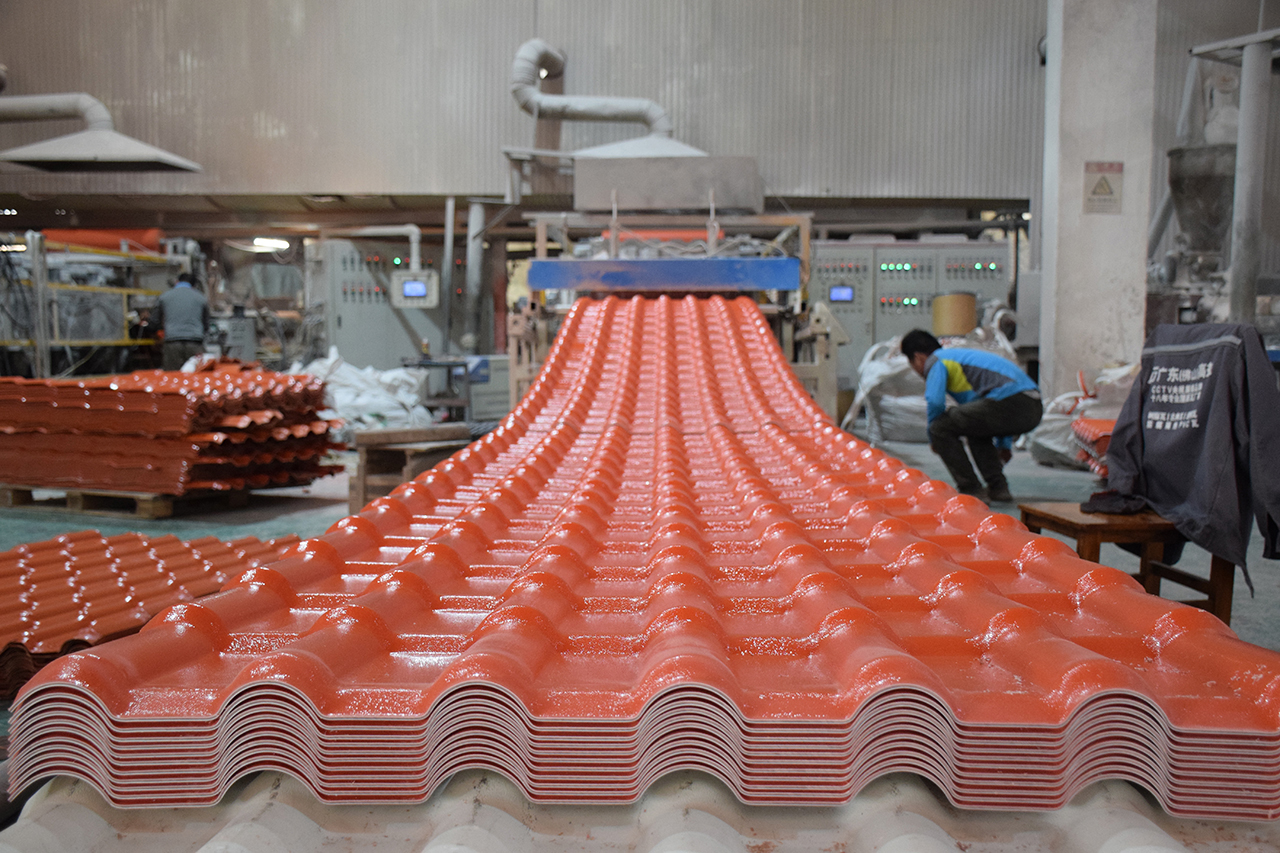
When selecting roofing materials, many consumers first search for reputable PVC roofing tile manufacturers to get professional purchasing advice. However, product quality on the market varies widely, and many people focus solely on unit price when making their selection, overlooking key performance metrics.
Problems such as fading, brittleness, and leaks often arise just two or three years after installation, resulting in even higher long-term costs. As a Foshan-based manufacturer with nearly 20 years of experience in the PVC roofing tile industry, we have drawn on our project experience across 31 provinces and cities nationwide to compile five core selection criteria that even ordinary users can easily understand. These criteria are designed to help you avoid common purchasing pitfalls associated with 90% and similar products.
The first key indicator is the thickness of the ASA weather-resistant layer and the co-extrusion process. ASA engineering resin serves as the UV-protective layer on the surface of PVC roofing tiles and directly determines the tiles’ outdoor service life. Many low-cost PVC roof tiles from small manufacturers on the market have an ASA layer that is only 0.05 mm thick; some even substitute a specialized weather-resistant layer with ordinary pigment spray. In the intense UV environment of southern China, such products will experience widespread fading and surface cracking in less than three years, and the exposed internal PVC substrate will quickly become brittle and shatter. Qualified products from reputable PVC roofing tile manufacturers feature an ASA weather-resistant layer that is no less than 0.15 mm thick, accounting for over 81% of the total product thickness. They are produced using a three-layer co-extrusion integrated molding process, which prevents delamination and peeling issues from occurring later on. The PVC roofing tiles produced by Guangdong Gaoyi feature an ASA weather-resistant layer with a consistent thickness of 0.2 mm, far exceeding the industry baseline standard. After undergoing 6,000 hours of accelerated UV aging testing, the color change value remains within 3, ensuring stable performance even after 20 years of simulated outdoor exposure.
The second key metric is low-temperature impact resistance. Climatic conditions vary greatly across different regions of China; in high-altitude areas of the north, winter temperatures can drop as low as -20°C. Ordinary PVC roofing tiles experience a sharp decline in toughness at low temperatures, making them highly susceptible to shattering when struck by hail or falling objects from above; In the southern coastal regions prone to severe typhoons, fierce winds carrying sand and gravel continuously batter rooftops, placing extremely high demands on the tiles’ impact resistance. Consumers can perform a simple test: Take a small sample of a PVC roof tile, place it in a -10°C environment for 2 hours, then drop a 1-kilogram steel ball onto it from a height of 1 meter. The sample is considered合格 if it shows no cracks. As a PVC roofing manufacturer serving the entire country, we have optimized our formulations for different regions. Our PVC roofing tiles designed for extremely cold climates can still pass the drop-weight impact test at -20°C and have been widely used in rural renovation projects in high-altitude, low-temperature areas.
The third key indicator is the fire resistance rating. As a roofing material, the fire resistance of PVC roofing tiles directly affects building safety. Proper, certified PVC roofing tiles must meet the national B1 flame-retardant standard, meaning they self-extinguish when removed from an open flame and do not accelerate the spread of fire. To cut costs, many small, low-cost manufacturers add large amounts of flammable recycled plastic to their raw materials. The resulting PVC roofing tiles only meet the B3 flammability standard, posing significant safety hazards. When purchasing for high-occupancy environments such as factories and warehouses, it is essential to require the PVC roofing tile manufacturer to provide an official fire resistance test report issued by a third-party organization to confirm that the flame-retardant performance meets safety requirements.
The fourth key indicator is the precision of thickness tolerance control. This is a detail that is easily overlooked: if the thickness deviation of PVC roofing tiles is too great, gaps will form at the overlaps, making them highly prone to leaks during heavy rain. Basic industry standards require that the thickness tolerance of PVC roofing tiles not exceed ±0.3 mm, while the internal control standards of large-scale PVC roofing tile manufacturers are significantly stricter than this. Guangdong Gaoyi strictly controls the thickness tolerance of its PVC roofing tiles to within ±0.1 mm. Every tile undergoes a full inspection using a fully automated thickness gauge before leaving the factory. Tiles from different batches are dimensionally uniform, ensuring that the overlaps fit seamlessly after installation, thereby reducing the likelihood of leaks at the source.
Finally, verify the PVC roofing tile manufacturer’s local after-sales service capabilities. Reputable brands typically offer a quality warranty of 10 years or more, along with nationwide technical support, to ensure that you won’t be left without assistance if problems arise later. By selecting the right criteria and choosing a reputable manufacturer, you can ensure you get truly durable PVC roofing tiles and avoid unnecessary rework costs down the line.
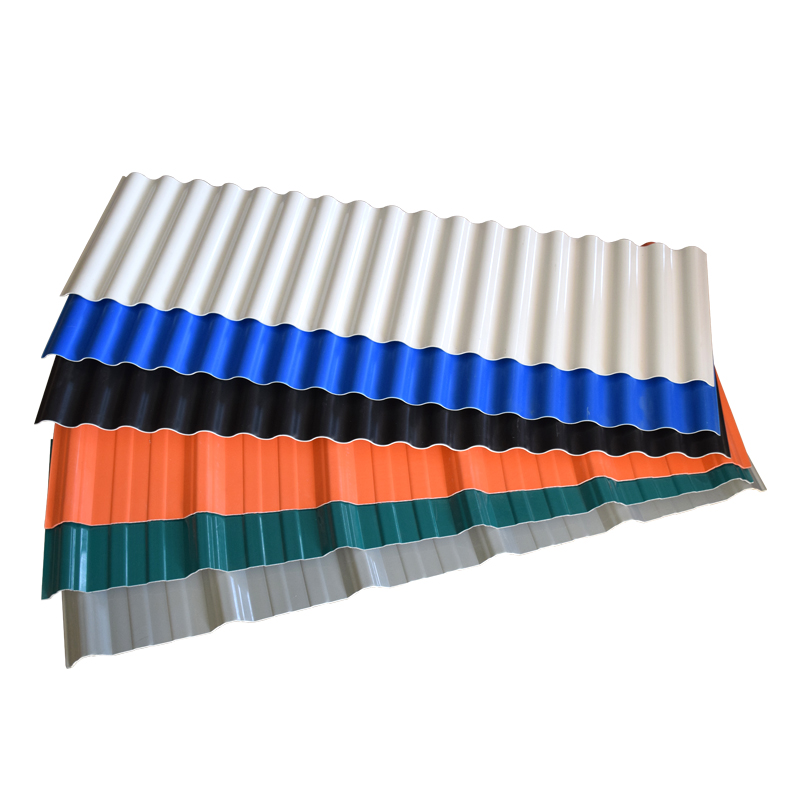
PVC Roof Tiles
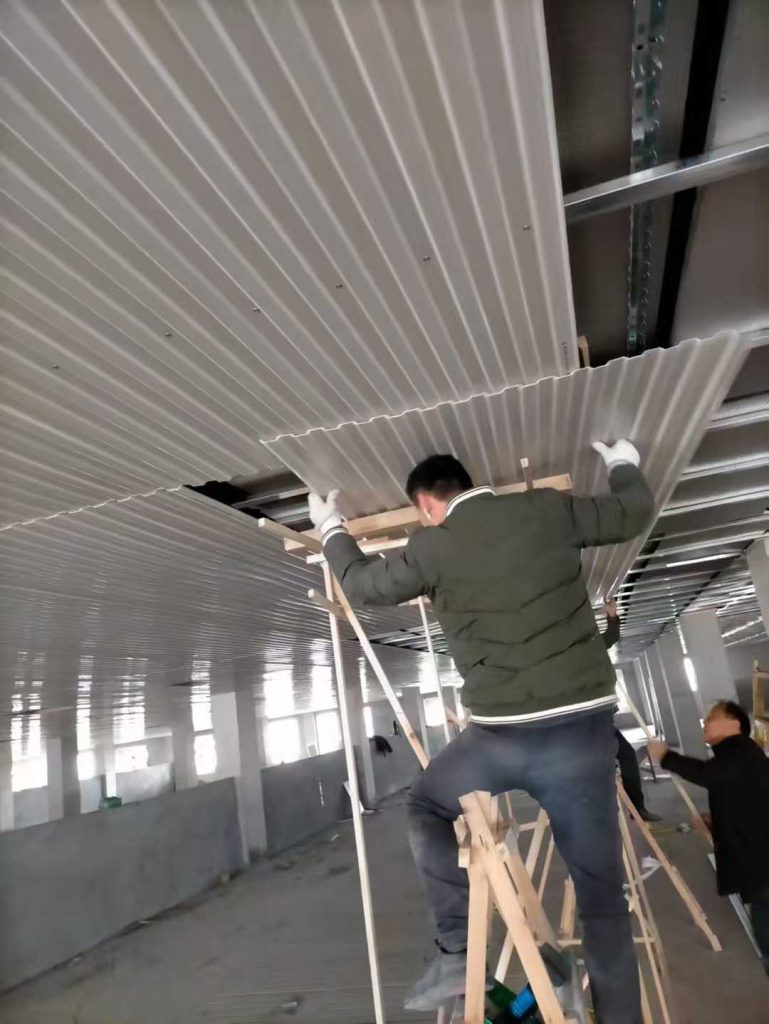
PVC Partition Panels
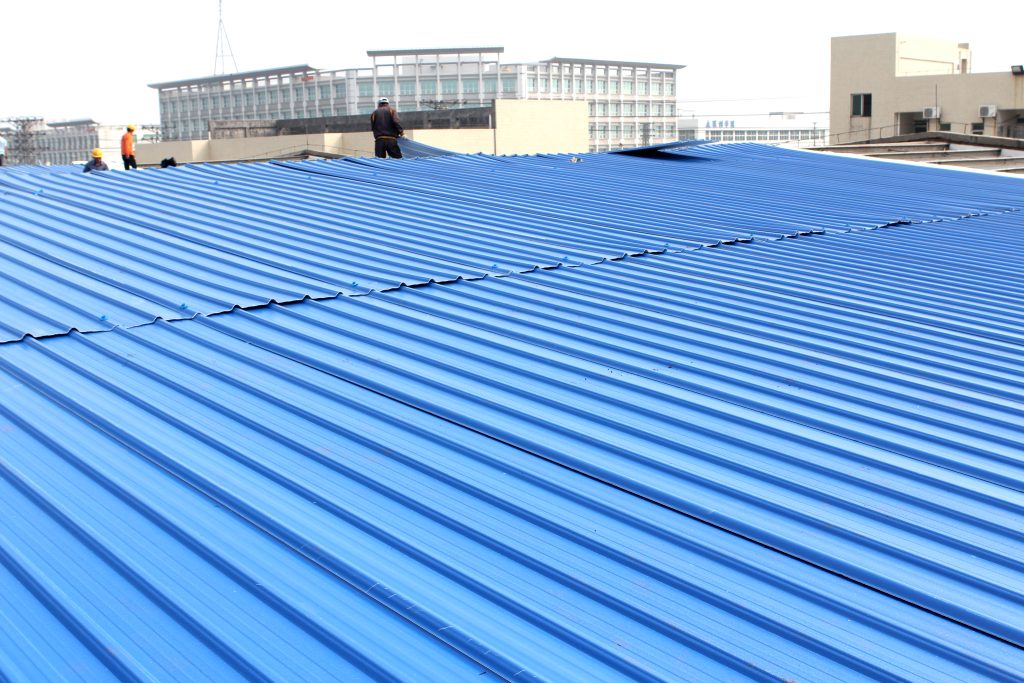
PVC Roof Tiles
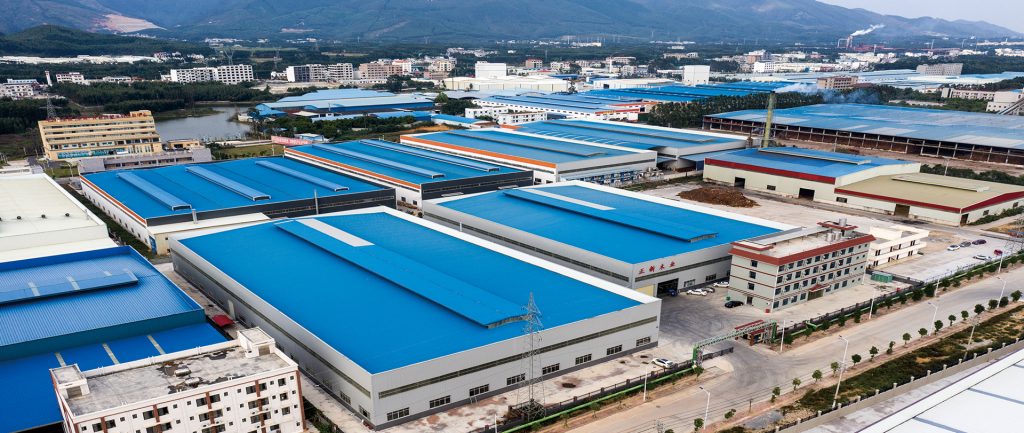
PVC Roof Tiles
PVC Wave Tile