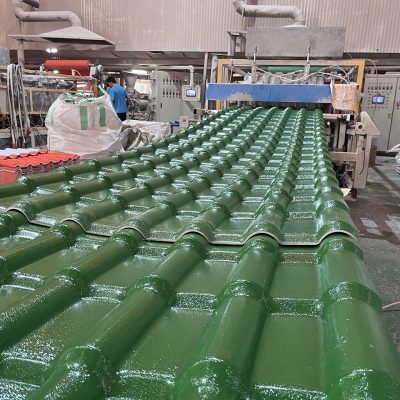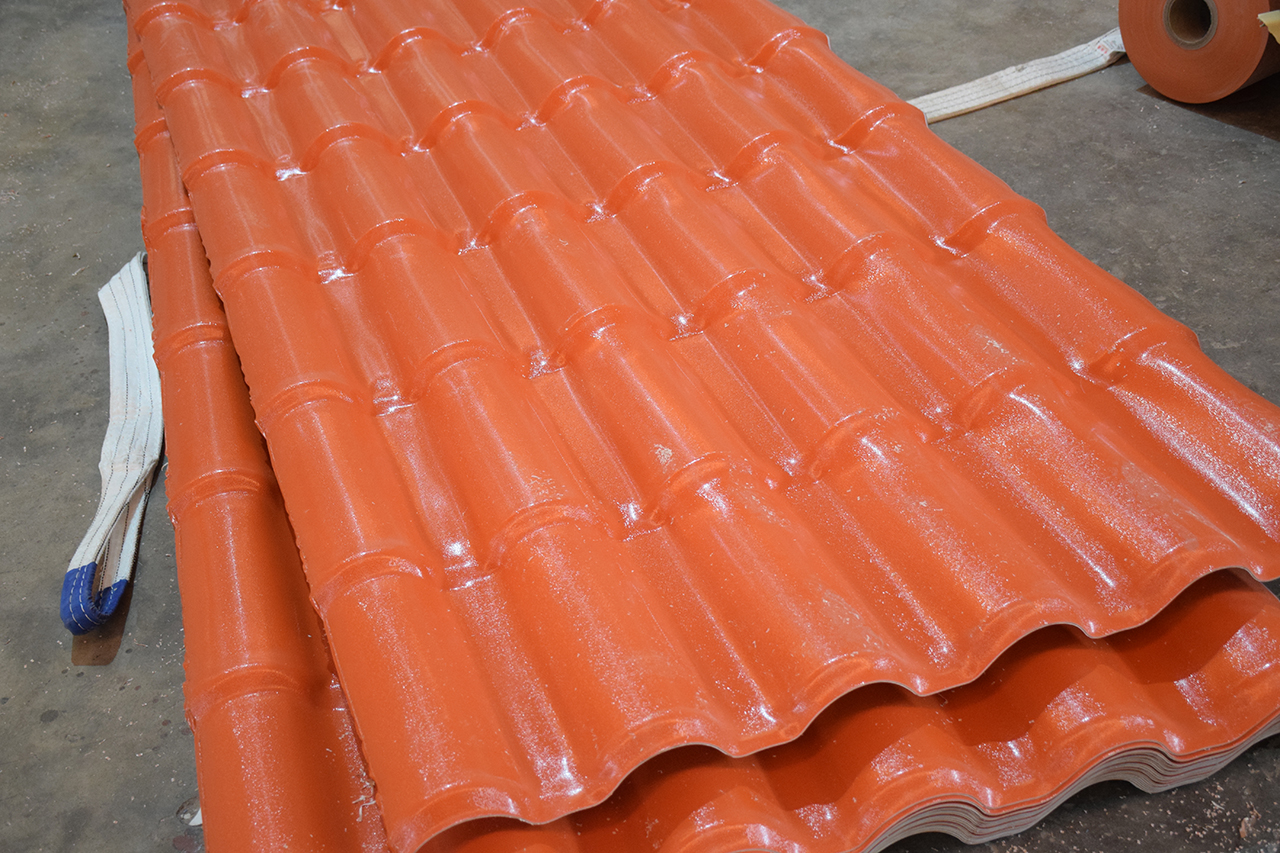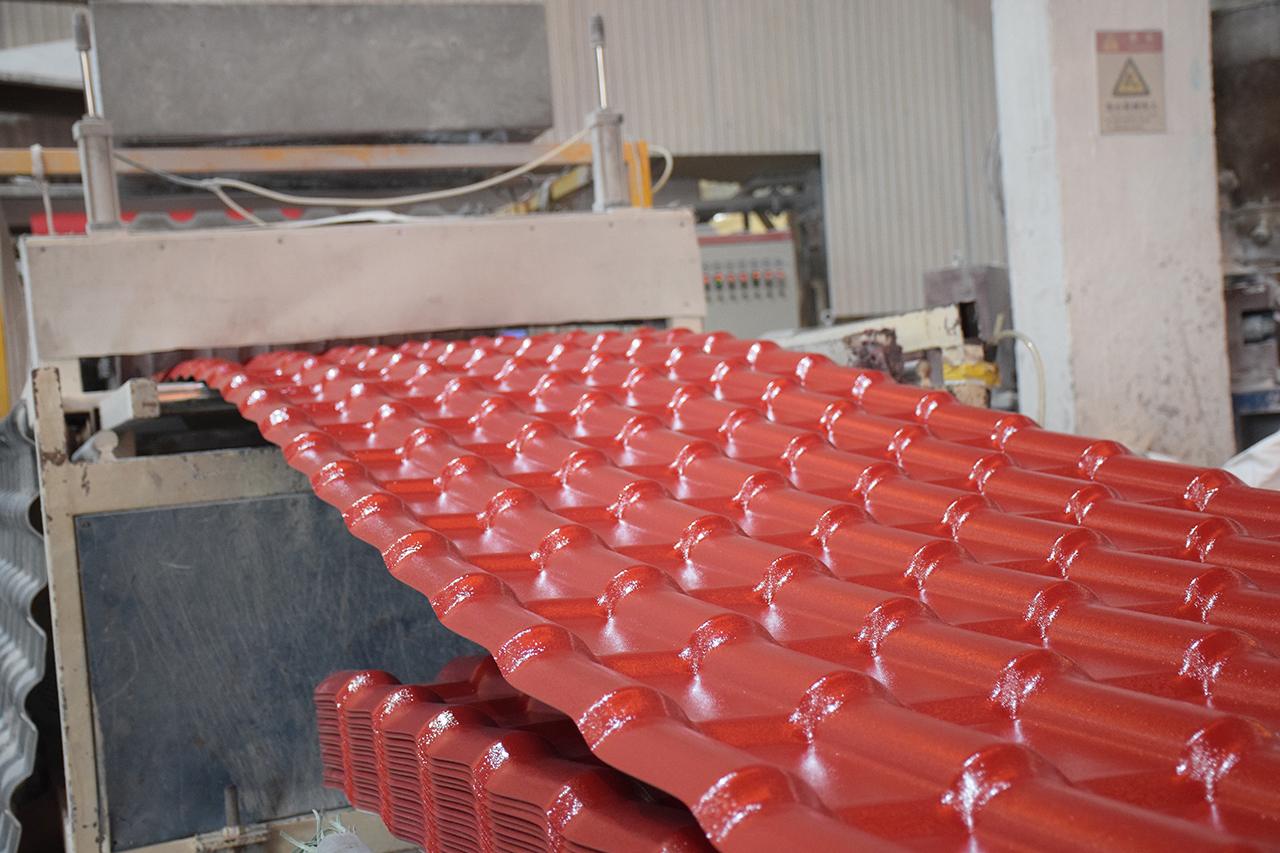
Uncovering the Core Secrets of Gaoyi Resin Roof Tiles
When you stand in a building materials market surrounded by a wide variety of resin roof tiles, what often leaves you most uncertain is the “material composition”—something you can neither see nor touch. The key to why Gao Yi resin roofing tiles remain as steady as a rock even under severe weather conditions lies in their unique formulation system. They are not merely plastic products, but rather a polymer composite material developed through precise calculations—and this “inner essence” directly determines their impact resistance, weather resistance, and service life. Many people only notice its attractive appearance, failing to realize that the promise of remaining colorfast for thirty years rests entirely on its underlying chemical composition. Today, we’re going to thoroughly dissect this ingredient list to see exactly why it dares to call itself the “Roofing Tough Guy.”
What are the key elements in the composition of Gao Yi resin roofing tiles?
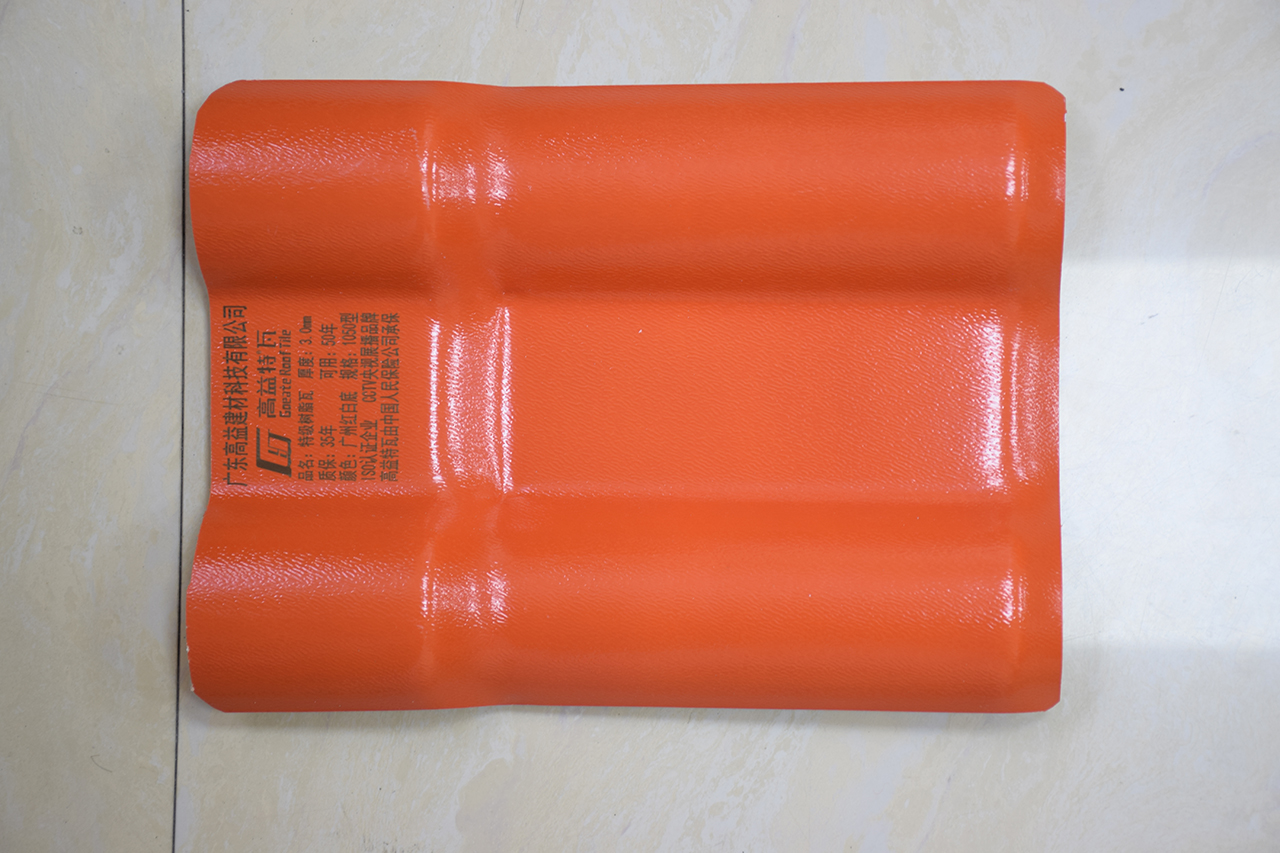
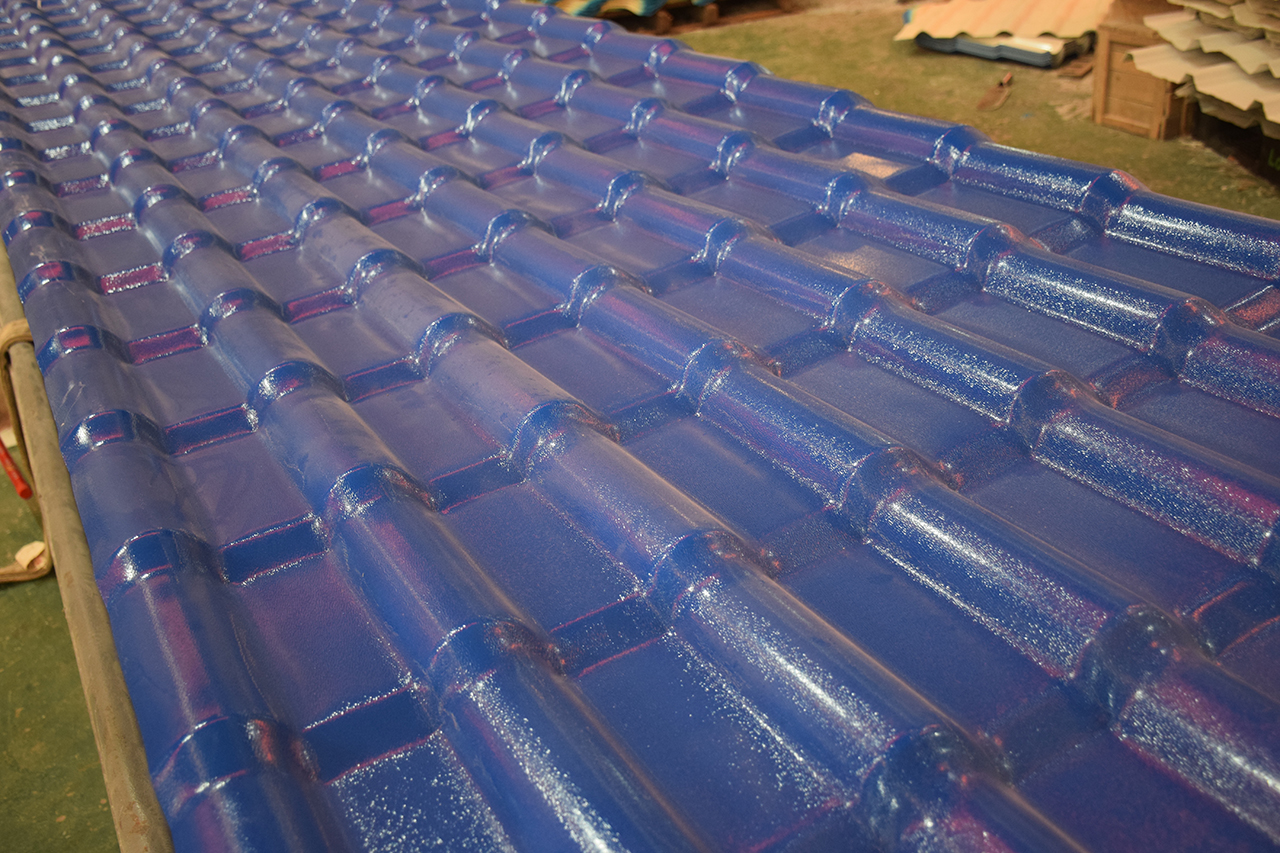
First and foremost, it is important to understand that the key structural framework of Gaoyi resin roofing tiles is generally composed of ASA resin (acrylonitrile–styrene–acrylate copolymer). This material is well-known for outdoor applications; it acts like a layer of bulletproof armor for the resin roofing tiles, specifically designed to protect the molecular chains from UV damage. Without this ASA top layer, any resin tile would become brittle and prone to cracking within a few years after being exposed to sun and rain. The underlying layer is often made of PVC (polyvinyl chloride) or APVC (modified polyvinyl chloride) as the substrate. Thanks to their excellent processability and flame-retardant properties, these materials provide the physical foundation for load-bearing capacity and sound insulation.
However, this is not enough. To ensure that Gao Yi resin roofing tiles maintain dimensional stability during extreme temperature fluctuations between winter and summer, the formulation must include impact modifiers and thermal stabilizers. This is akin to adding rebar to concrete, giving it the necessary strength so it does not break easily when bent. In particular, the proportion of anti-aging agents added directly determines whether the tiles you install in the summer of 2026 will still retain their original color and toughness by the winter of 2036. Some low-quality products, in an effort to cut costs, skimp on these auxiliary components, causing the tile surface to exhibit noticeable powdering and cracking within three years. This is a classic example of how laypeople merely look at the surface, while experts focus on the ingredients.
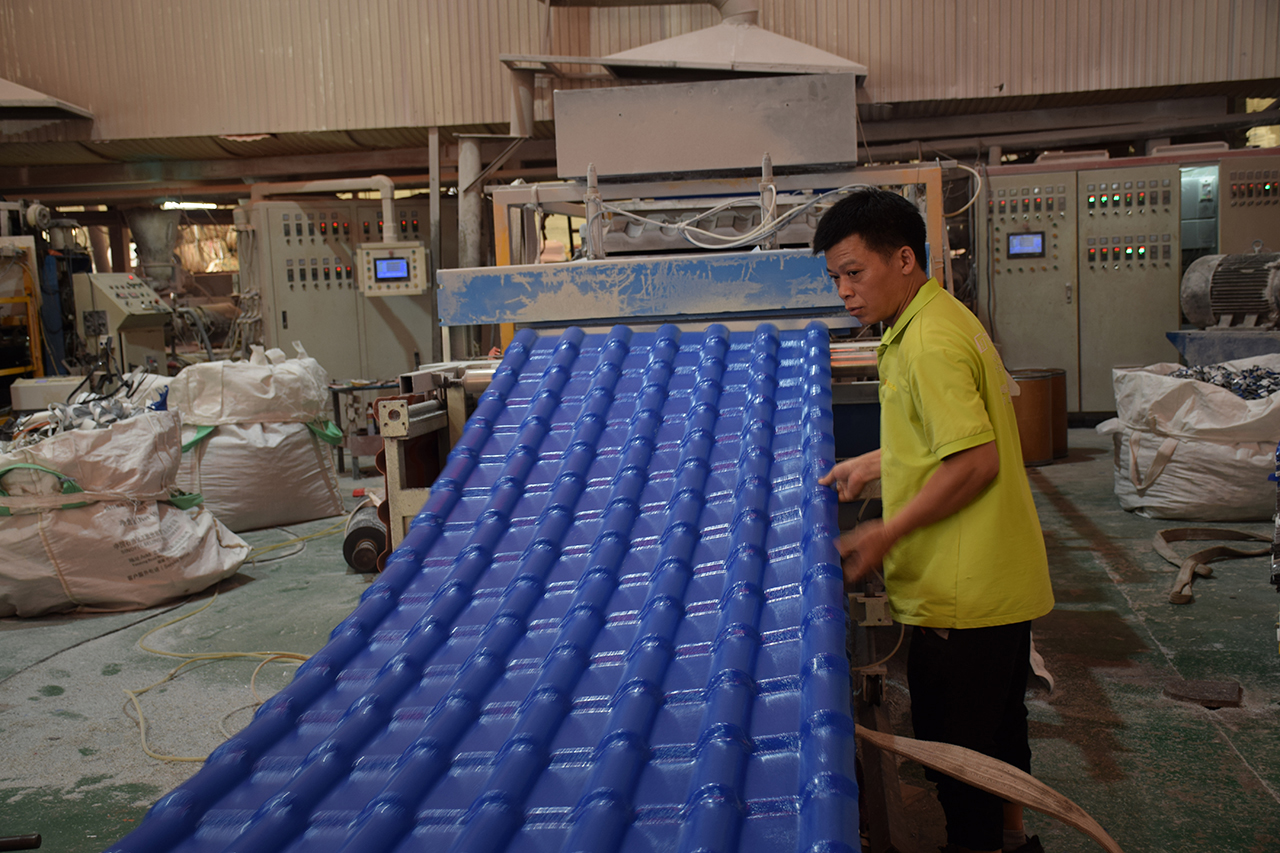
How Do the Material Components of Gaoyi Resin Tiles Directly Affect Their Actual Performance Evaluation?
If you try to judge the quality of Gaoyi resin roofing tiles solely by their thickness, that’s the mark of a layperson. True experts will delve into the purity of its material composition. For example, if the ASA resin layer is only a few dozen micrometers thick, then no matter how glossy the surface may appear, it won’t withstand prolonged exposure to wind and sand. Furthermore, for Gaoyi resin roofing tiles, if high-purity virgin materials are used instead of recycled materials, the molecular chains will be more intact, resulting in outstanding performance in UV aging tests. At the same time, the flame-retardant content in the composition is particularly critical; it determines whether the roofing material will rapidly fuel a fire and release toxic fumes in the event of an accidental ignition—a factor that is essential to household safety.
Looking at it from a different angle and examining it more closely, the proportion of calcium carbonate filler in the material is a key, yet often overlooked, distinguishing factor. Some low-cost resin roof tiles, in an effort to increase weight and reduce raw material costs, contain excessive amounts of calcium carbonate. This ultimately makes the tiles overly hard and brittle, making them highly susceptible to hidden cracks during transportation and installation—not to mention their inability to withstand hail. In the formulation of Gaoyi resin roofing tiles, the ratio between PVC resin and fillers is rigorously balanced to ensure both sufficient rigidity to support the roof structure and a certain degree of flexibility to absorb external impacts. This is the key reason why some roof tiles, despite appearing identical, can last twenty years, while others become unusable after just five years.
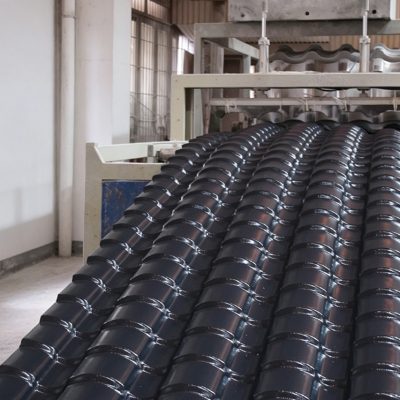
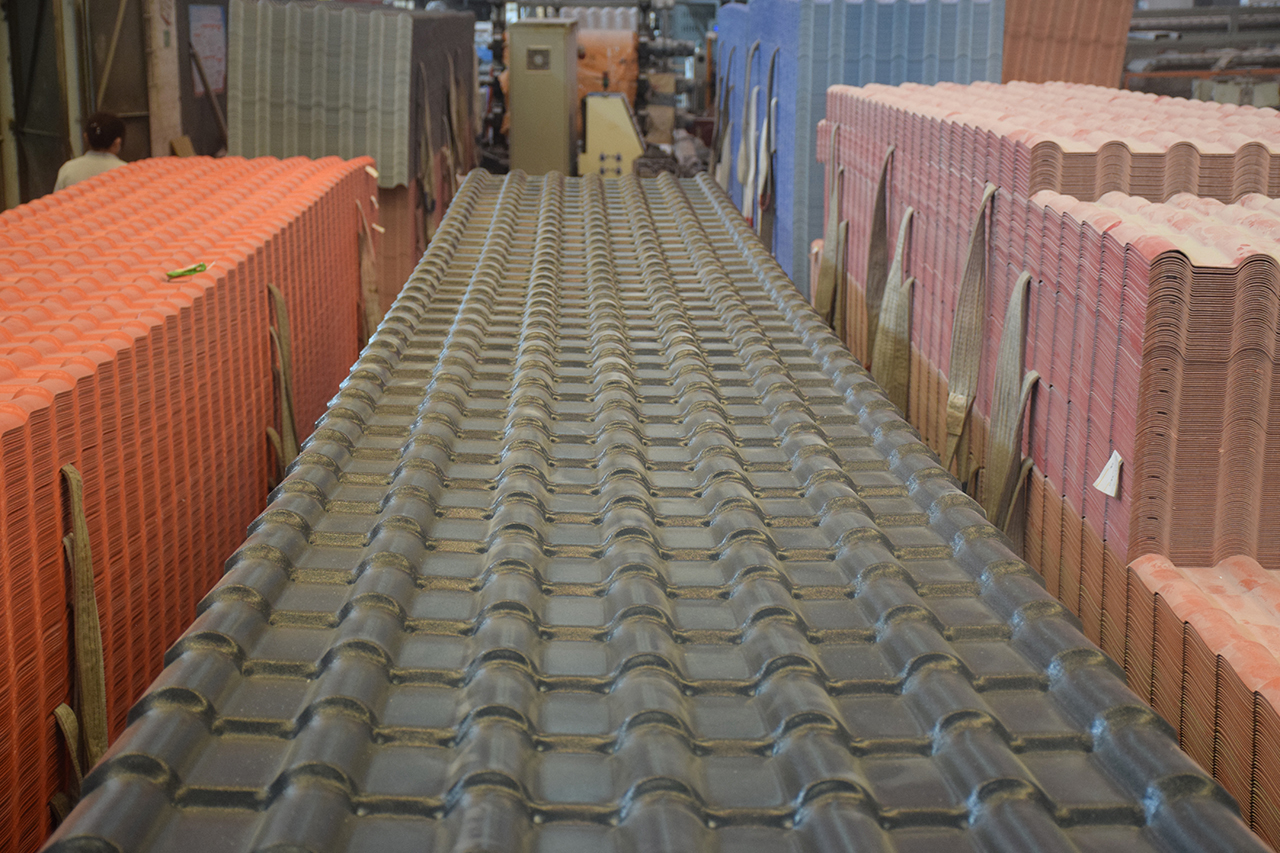
Among the many brands on the market, Gaoyi Resin Tiles stand out not because of flashy marketing tactics, but because of the material components invisible to the naked eye that provide support behind the scenes. It uses ASA to create a protective layer that withstands the test of time. It relies on modified PVC to solidify the very foundation upon which it stands. The next time you look up at a neatly arranged dark gray roof, please remember that this structure, quietly withstanding wind and rain, is precisely the answer to durability and safety—crafted from these materials blended in scientifically precise proportions.