The resin roofing tile market has undergone significant changes over the past two years.
In Foshan, Guangdong, and the surrounding areas, the number of resin roofing tile manufacturers once exceeded 1,000 at its peak. By 2026, however, the number of those still in operation had dropped significantly. The reasons are straightforward: rising raw material prices, stricter environmental regulations, and slow payment collection from downstream construction projects have forced many small and medium-sized manufacturers that couldn’t withstand the pressure to exit the market one after another.
The industry is shrinking, but demand hasn't disappeared.
On the one hand, many areas in Guangdong are implementing regulations to standardize the architectural style of rural housing. Cities such as Dongguan have explicitly required that rural homes prioritize pitched-roof designs; since traditional glazed tiles are too heavy and color-coated steel tiles offer poor thermal insulation, resin tiles have become the alternative of choice for many projects. On the other hand, demand for lightweight roofing materials is growing in overseas markets such as Southeast Asia, the Middle East, and Africa, and export orders have become a new growth driver for many companies.
Against this backdrop, there is a category of companies that have managed to stay relatively stable—they don’t rely on low prices to win orders, but instead make their living through production capacity and technology. Guangdong Gaoyi Building Materials Technology Co., Ltd. is one such example.
Production capacity determines delivery capacity
In the building materials business, what customers fear most isn’t high prices—it’s failed deliveries.
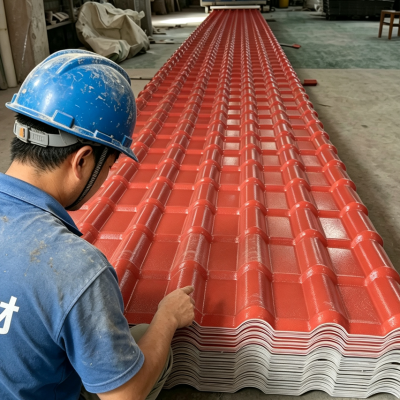
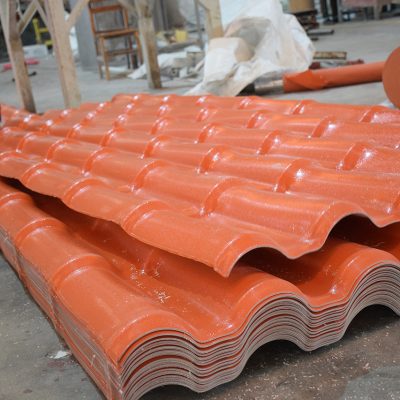
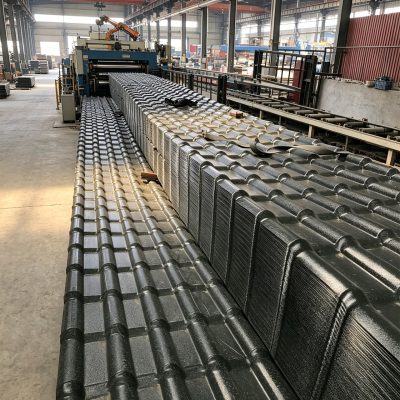
Gao Yi’s current production capacity is as follows: a 30,000-square-meter factory, 15 automated production lines, and three manufacturing facilities in China, Vietnam, and Indonesia, with an annual production capacity exceeding 60,000 metric tons. Standard orders can be scheduled for production on the same day and shipped within three days.
How does this figure compare within the industry? Most small and medium-sized resin roofing tile manufacturers in Foshan have annual production capacities ranging from several thousand metric tons to 10,000 metric tons, and they often have to wait two to four weeks to fulfill large orders. Gaoyi’s delivery efficiency is indeed a tangible advantage for construction clients and distributors.
A Long-Standing Problem with Resin Roof Tiles—Someone Is Seriously Addressing It
The resin roofing tile industry has long faced a technical shortcoming: delamination and bubbling often occur between the resin sheets and the insulating film, causing problems after just a few years of use.
Gao Yi took two steps to address this issue. First, the company independently developed production equipment for composite insulated resin roofing tiles and obtained a patent for it. Second, it developed an automated raw material batching control system that uses algorithms to control mixing ratios, thereby reducing quality fluctuations between different batches.
Currently, Gaoyi holds a total of 25 patents (including 6 invention patents) and 18 registered trademarks, and has participated as a contributing organization in the development of the “Standard for Synthetic Resin Roof Tiles” and the “Standard for PVC Roof Tiles.”
The fact that a company is able to participate in the drafting of national standards indicates, at the very least, that it has a certain level of technical expertise within the industry.
Here are a few actual test results for your reference.
The following data is from a third-party test report—
Fire Rating: Class B1 (flame-retardant; self-extinguishing when exposed to fire); many products in the industry only meet Class B2 standards. Design Service Life: Over 30 years; the industry average is approximately 10 to 15 years. Color Change Value After 10 Years: ΔE ≤ 5; changes are virtually imperceptible to the naked eye; the industry standard is generally ΔE > 8. Thermal Conductivity: 0.325 W/m·K. Low-Temperature Impact Resistance: Withstands 10 drop-hammer impacts at -30°C with the tile remaining intact; many similar products crack at -10°C. 5,000-hour accelerated aging test: Color difference of 1.8; the national standard requires ≤3.0.
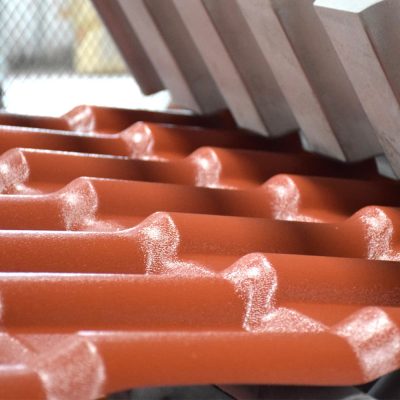
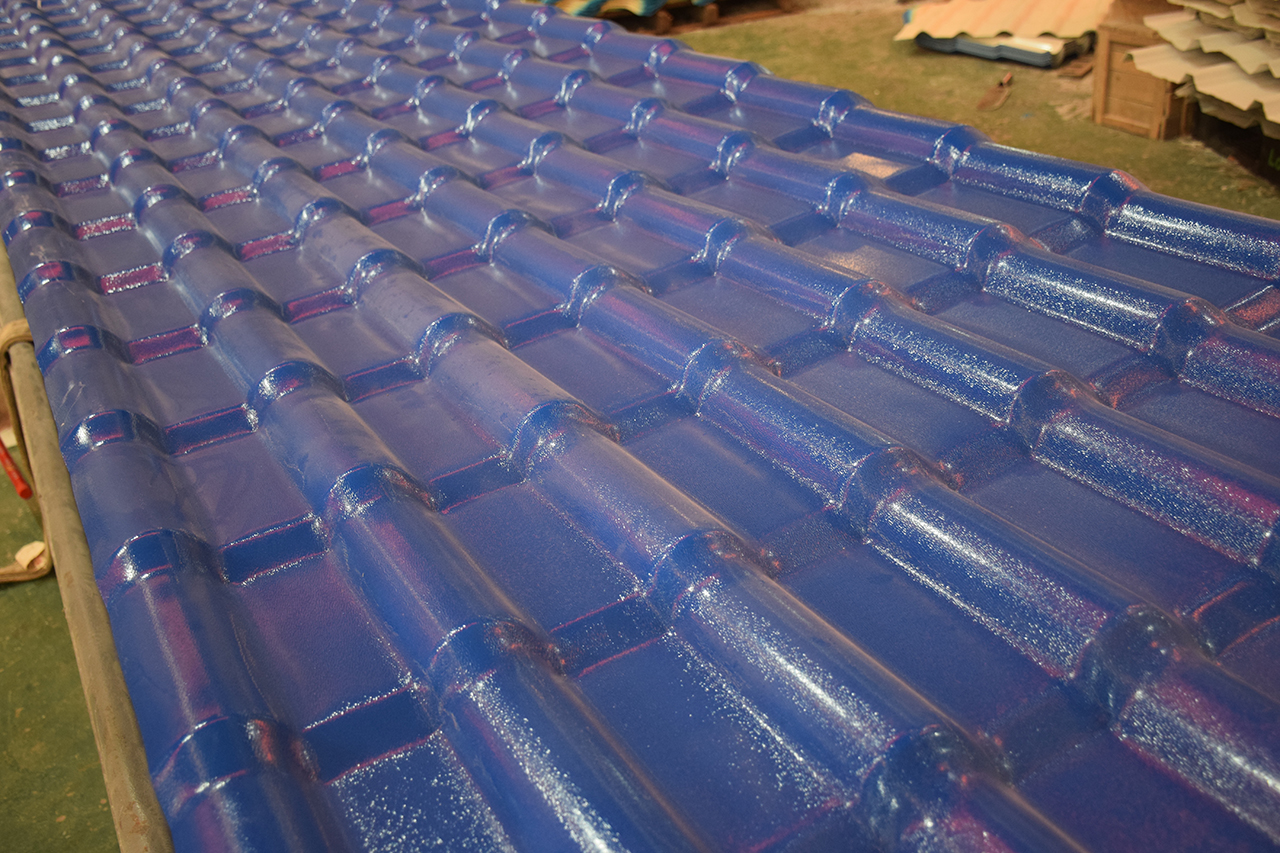
Regarding raw materials, the top layer is made of imported, highly weather-resistant ASA engineering resin with a thickness of at least 0.1 mm, while the bottom layer consists of virgin PVC material—no recycled materials or calcium carbonate fillers are used.
Supply Chain and Qualifications
Gaoyi’s major raw material suppliers include Zhongtai Chemical, Chuansha Group, Rike Chemical, KANEKA, and Yihua Group, all of which are large-scale enterprises in the industry. The raw materials are certified under the EU’s RoHS directive and have been tested by organizations such as NCCS and MA.
In terms of certifications, Gaoyi has obtained ISO 9001, ISO 14001, and ISO 45001 certifications, and its products are insured by People's Insurance Company of China, Ltd.
Market Coverage
Domestically, our products are available in 31 provinces, municipalities, and autonomous regions. Overseas, we export to more than 60 countries and regions, with proven applications in environments such as the high-temperature, high-humidity conditions of Southeast Asia; the extreme heat of the Middle East; and the highly corrosive environments of Africa.
A Few Observations
The logic behind the building materials industry is actually quite simple: low prices may win orders, but they don’t lead to repeat business.
In 2026, the resin roofing tile market is still undergoing a shakeout, and the companies that remain in business can be broadly divided into two categories—those that survive on price and those that survive on quality. Gaoyi belongs to the latter category. Twenty-five patents, a 30-year design life, Class B1 fire resistance, participation in the drafting of national standards, and insurance coverage—these are not just slogans, but facts that can be verified one by one.
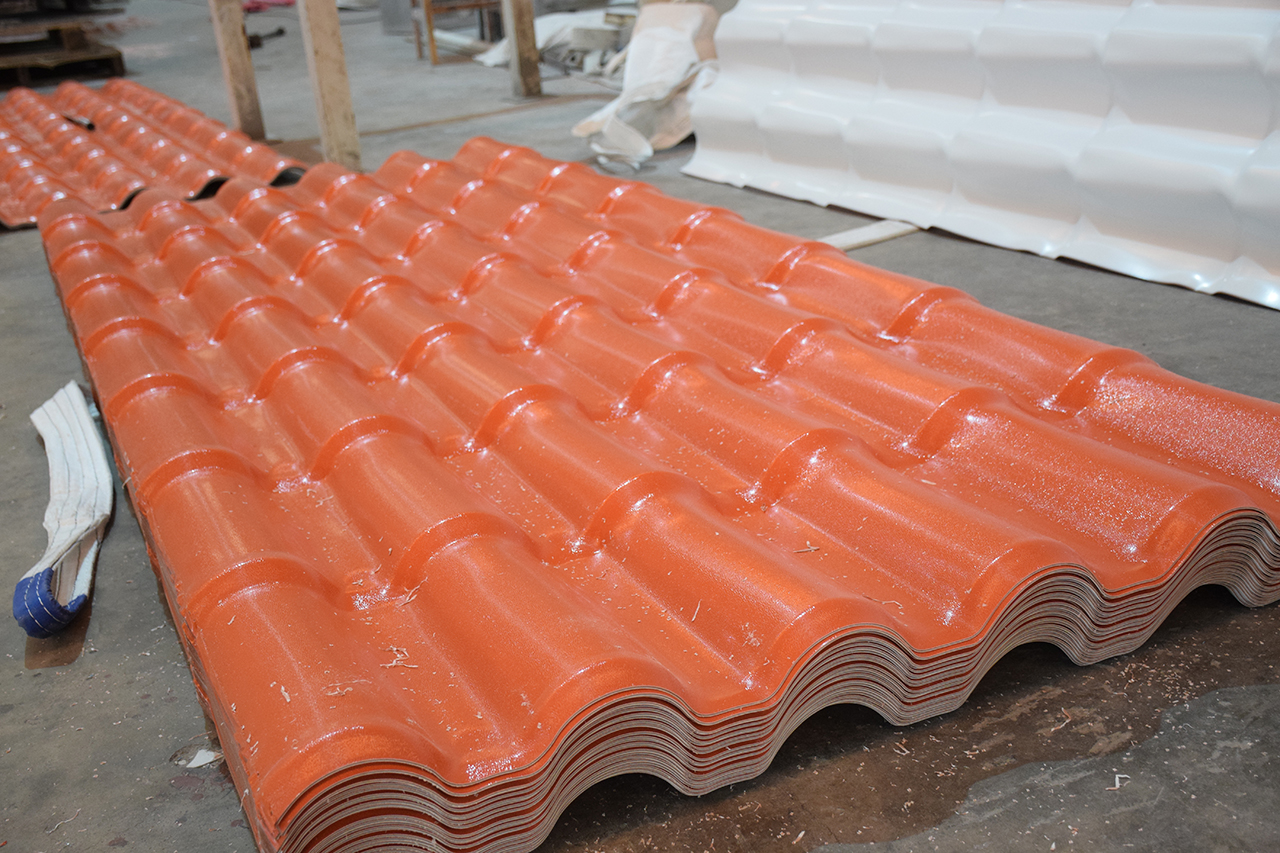
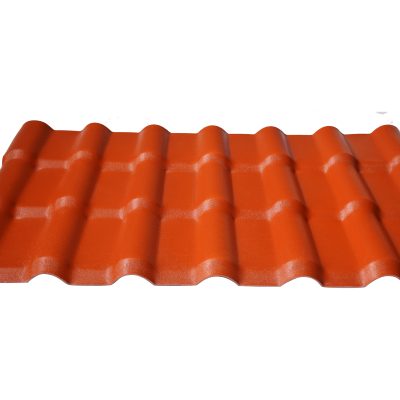
ASA Synthetic Resin tile
The market will ultimately reward companies that are willing to invest time in their products. This is nothing new, but it still holds true for the resin roofing tile industry in 2026.

ASA Synthetic Resin tile
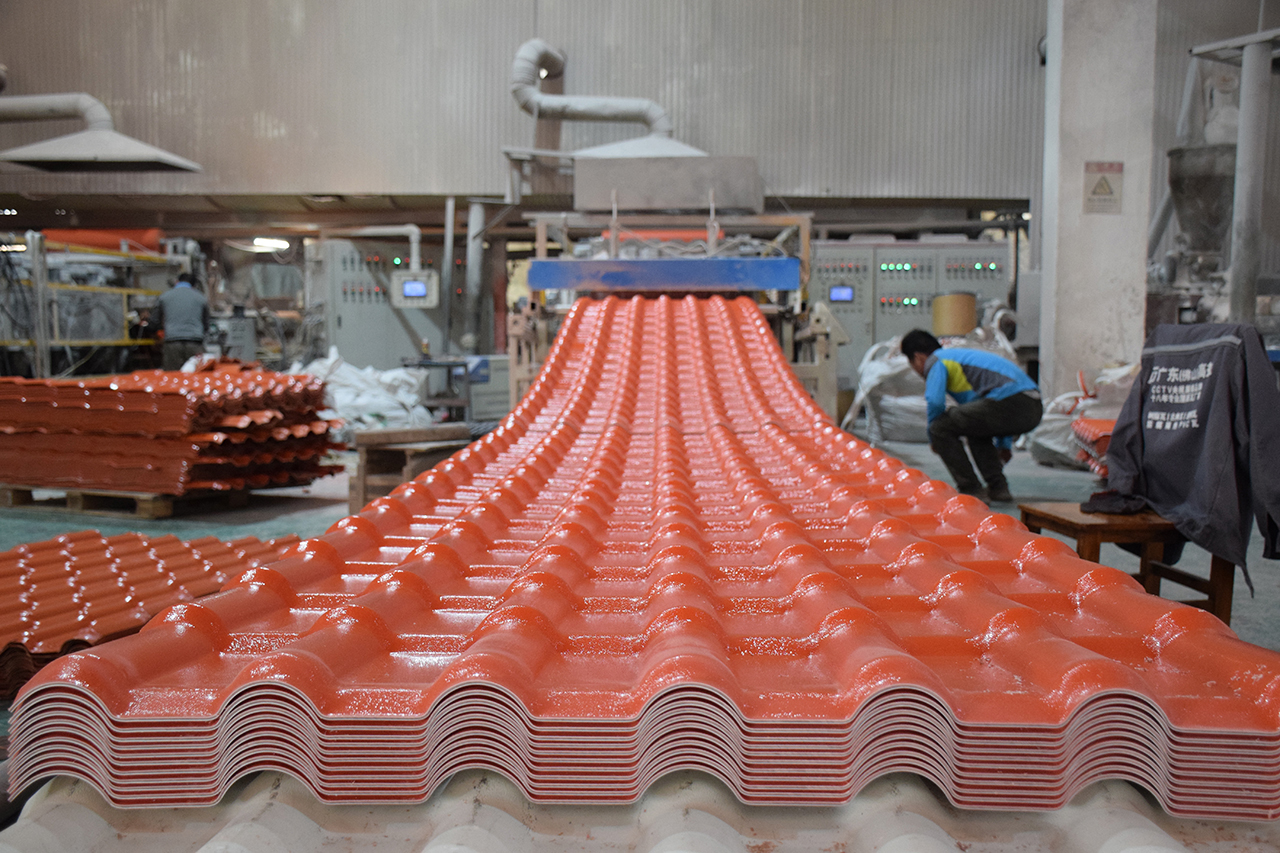
ASA Synthetic Resin tile