Just How Big Is the Gap in Installation Techniques?
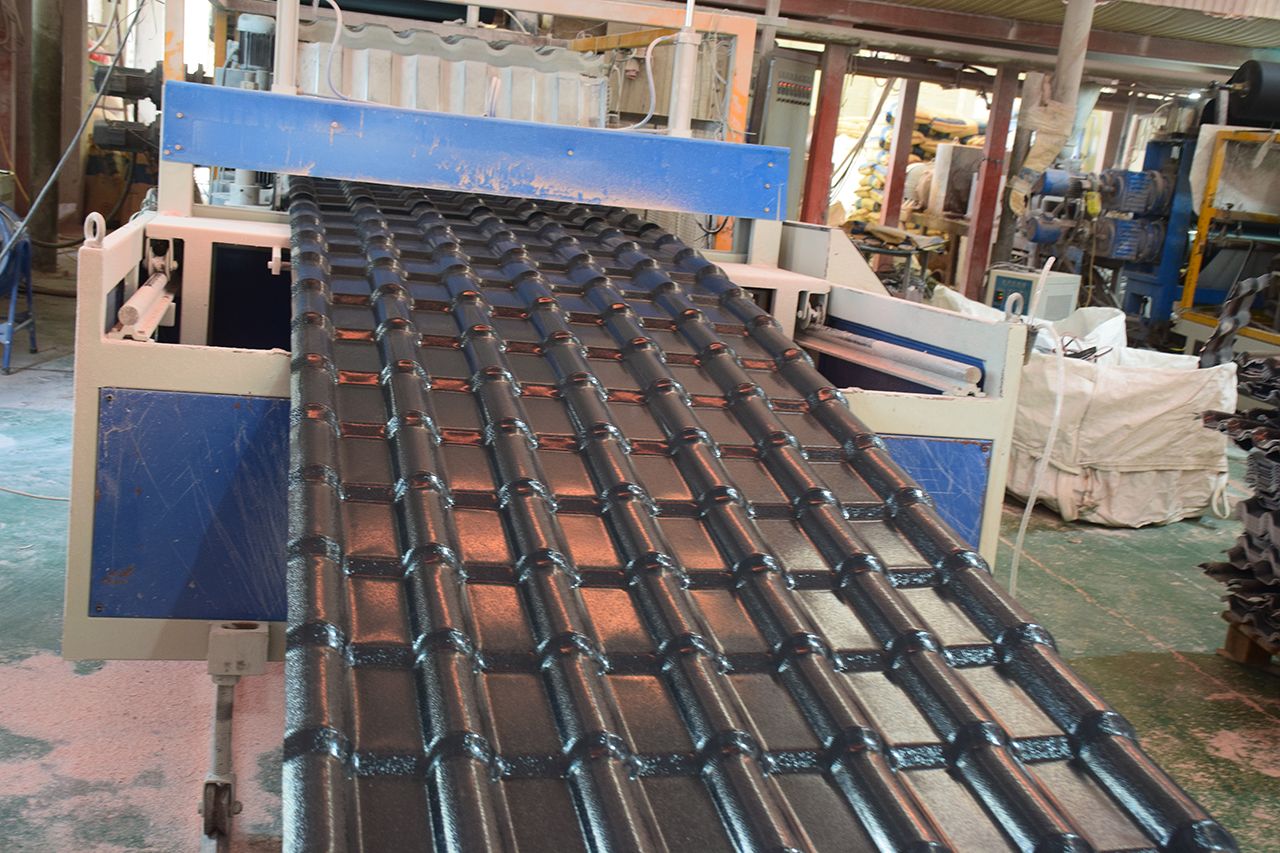
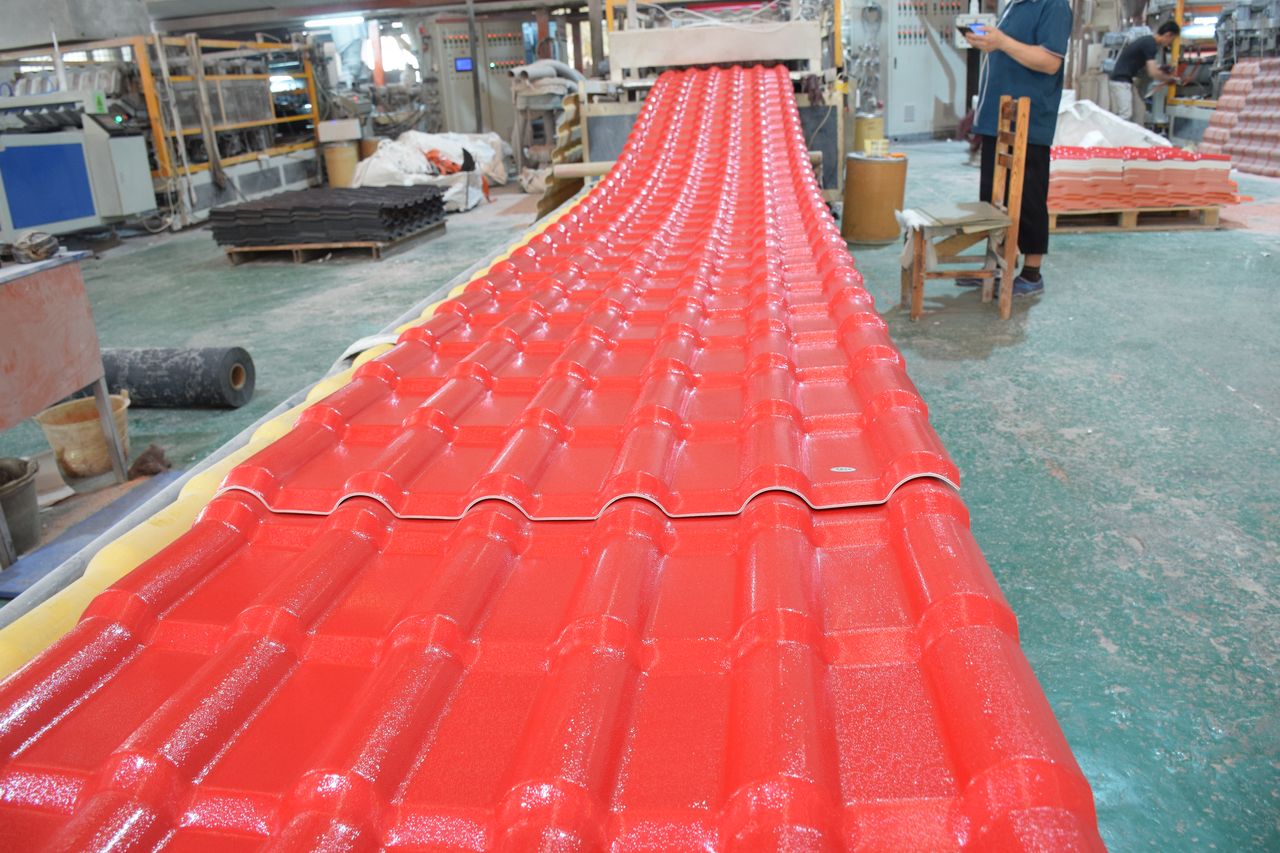
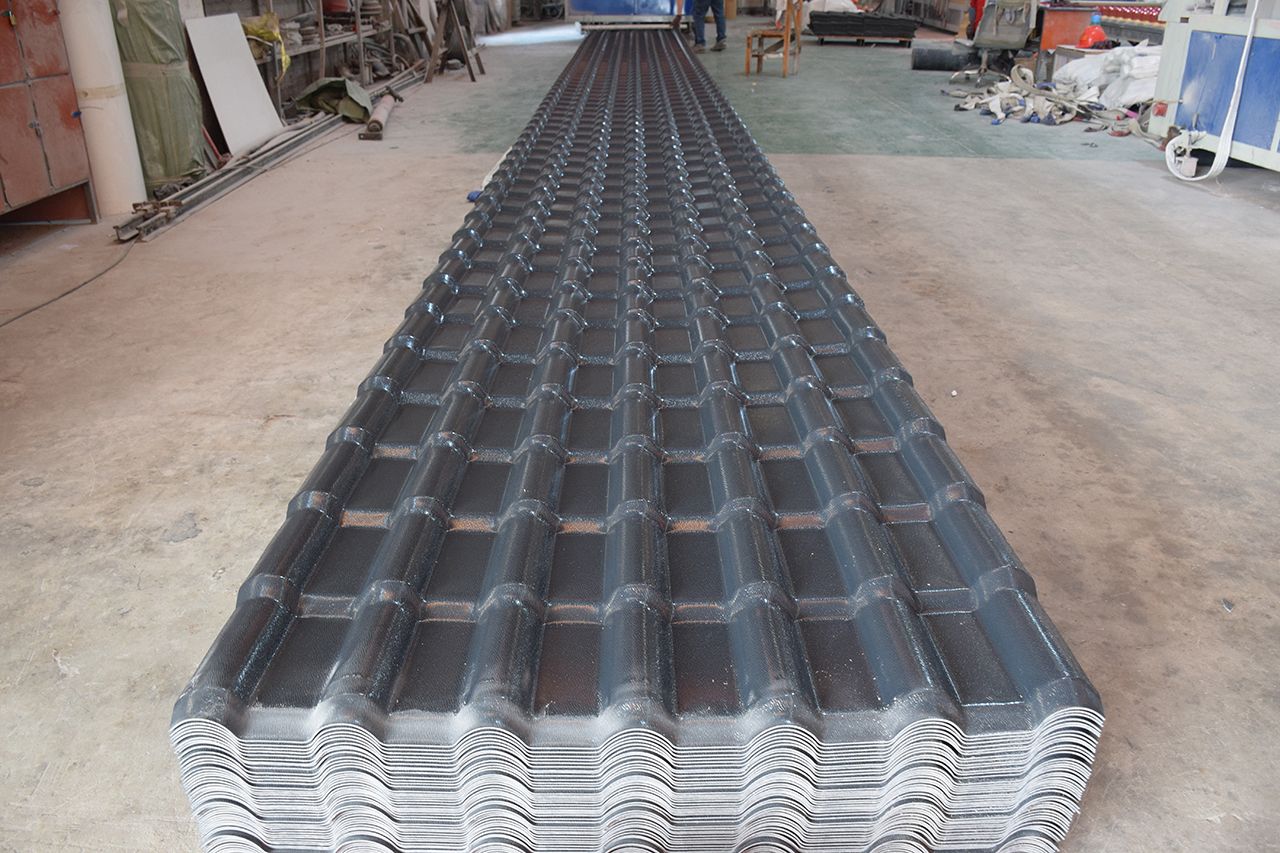
Among the new roofing materials are resin tiles and colored stone tiles; however, their installation processes differ significantly. Many people assume that any worker can handle the installation, but within a year of installation, leaks begin to occur, followed by loosening, and in some cases, entire sections are blown off. The key aspects of the resin tile installation process include the overlapping sequence and the fastening method. During installation, the overlap length of each tile must be properly controlled—typically no less than 10 centimeters—otherwise rainwater will seep in through the gaps. The core difference between the installation methods for resin shingles and stone-effect shingles lies precisely in the choice of fasteners. Resin shingles require specialized corrosion-resistant self-tapping screws; under no circumstances should you opt for ordinary iron nails to save money, as they will rust and break within three to two years.
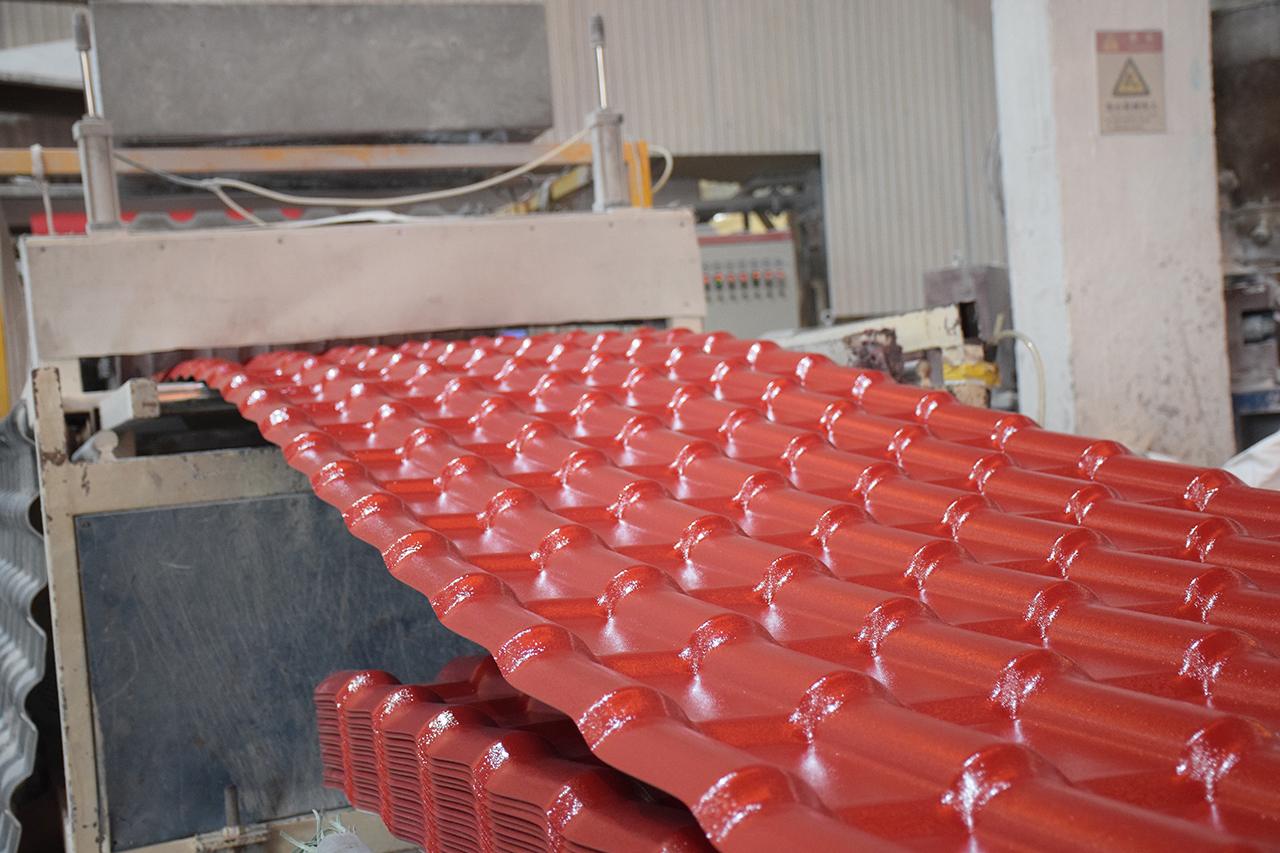
First, when it comes to installation, colored stone tiles place greater emphasis on substrate preparation. They have a higher specific gravity than resin tiles, which means they place greater demands on the roof’s load-bearing capacity. If the spacing between the roof battens is too wide, the colored stone tiles may warp or buckle. Second, cutting colored stone tiles requires technical expertise. Edges cut with a standard angle grinder will have burrs, which can compromise waterproofing performance; therefore, specialized cutting discs must be used. Furthermore, many contractors, seeking to save time, install colored stone tiles directly over resin tiles. However, this results in cracks at the joints due to differences in the thermal expansion and contraction rates of the two materials.
Which one is better for a DIY installation?

If you plan to install the roofing tiles yourself, the installation process for resin roofing tiles is relatively straightforward. Resin roofing tiles are lightweight, so a single person can carry them up to the roof, and they are easy to cut—you can simply score them with a utility knife. When securing the tiles, simply lay them in order from the bottom up, apply sealant to the overlapping edges of each tile, and tighten the screws to complete the installation. However, it’s important to note that the installation process for both resin shingles and stone-effect shingles shares a common challenge: handling the ridge and eaves. These areas are highly prone to leaks, so it’s essential to use matching flashing panels.
For amateur roofers, colored stone tiles aren’t the best choice. Each tile weighs several dozen jin, making them very difficult to carry, and placing them precisely in the correct positions is equally challenging. Furthermore, securing colored stone tiles requires a specialized hook system, and the position of each hook must be precise to the millimeter—even the slightest deviation will prevent the tiles from locking into place. The overlapping process for colored stone tiles is even more complicated. Not only must the tiles be overlapped horizontally, but they must also be staggered vertically—much like laying ceramic tiles—which places considerable demands on one’s ability to calculate.
From a purely practical standpoint, installing resin shingles requires only common tools such as an electric drill, a utility knife, and a tape measure. In contrast, installing stone-effect shingles requires a welding machine, a shearing machine, and specialized clamps, resulting in significantly higher overall costs. If the slope of your home’s roof exceeds 30 degrees, the difficulty of installing stone-effect tiles increases exponentially. This is because the tiles are highly prone to slipping, and anti-slip strips must be added to prevent this from happening. Upon comprehensive analysis, the installation techniques required for resin shingles and colored stone shingles present entirely different skill requirements. Resin shingles are suitable for those with strong hands-on skills to try and explore, while colored stone shingles are best left to a professional team.
The quality of the installation process directly determines the service life of a roof. Resin shingles are lightweight and easy to handle, while stone-effect shingles are thick, heavy, and sturdy; however, both require extreme attention to detail during installation. Regardless of which material you choose, it is essential to strictly follow the manufacturer’s installation standards. Cutting corners will only result in repair costs exceeding the initial installation cost.