Are New-Style Resin Roof Tiles Worth Buying?
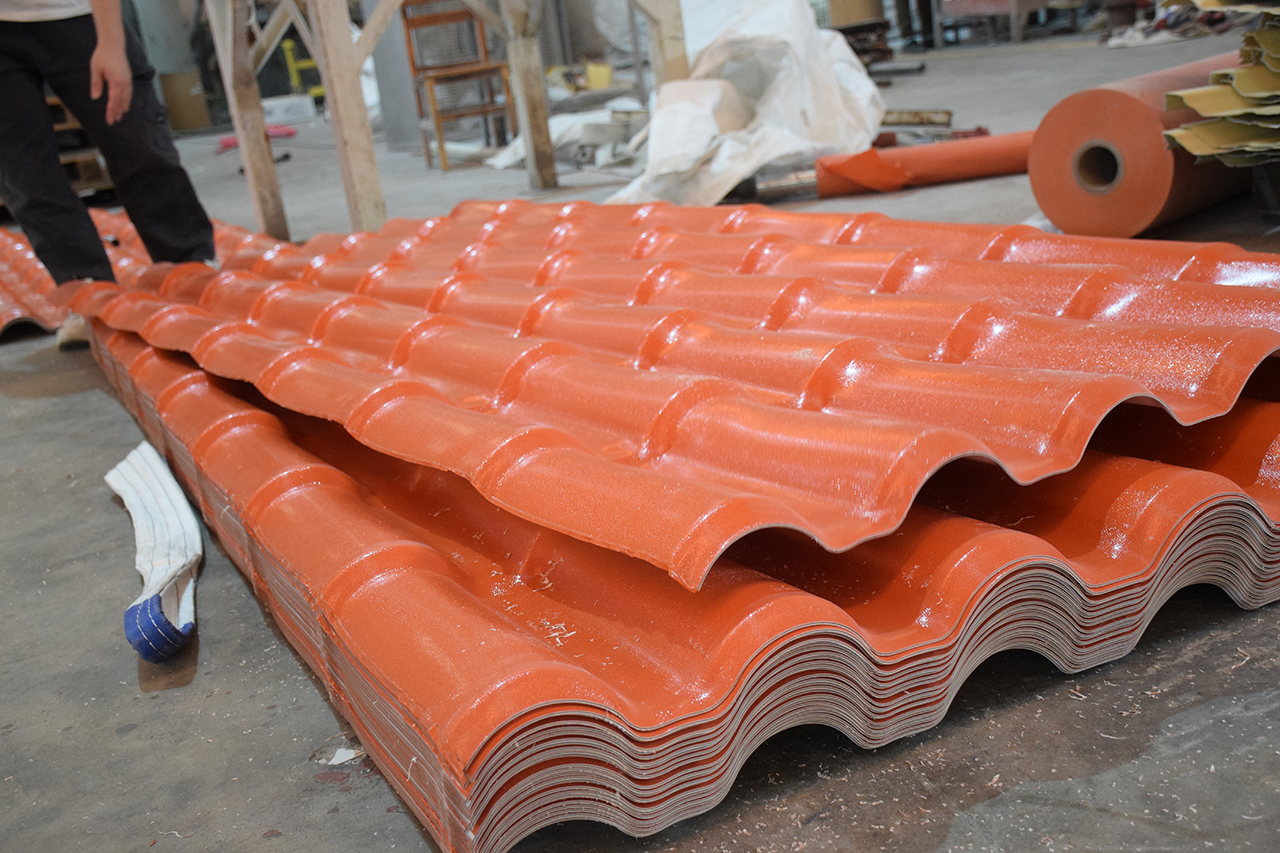
If you’re currently undecided about roofing materials, then “new resin roofing tiles” are definitely a buzzword you can’t ignore these past two years. Unlike traditional color-coated steel roofing sheets—which are prone to rust and leaks—and unlike cement tiles, which are heavy and brittle, these new resin tiles are quietly replacing older building materials thanks to their impressive properties: lightweight yet high-strength, corrosion-resistant, and providing both sound insulation and thermal insulation. However, this has raised some issues. There are numerous products on the market marketed as “resin tiles,” some of which use recycled waste materials to pass off inferior products as high-quality ones, while others claim to be hail-resistant but crack at the slightest pressure. When making a selection, the main concern for most people is: Which type of resin tile is truly durable? What is the actual value for money? Are there clear and objective criteria for evaluating their quality? This article will lay out practical, firsthand experience—from material selection all the way through to the usage phase—and present it to you without holding anything back.

The Three Most Common Pitfalls to Avoid When Shopping
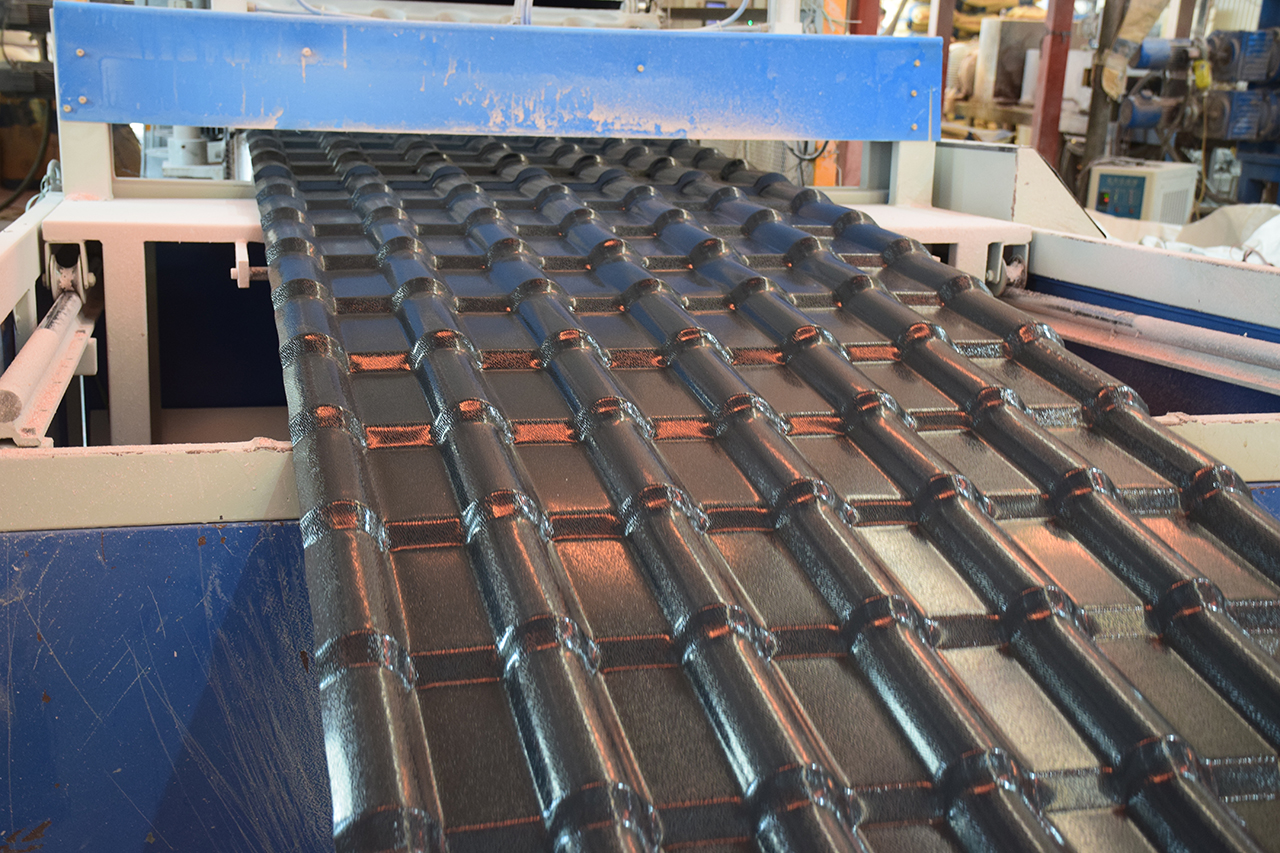
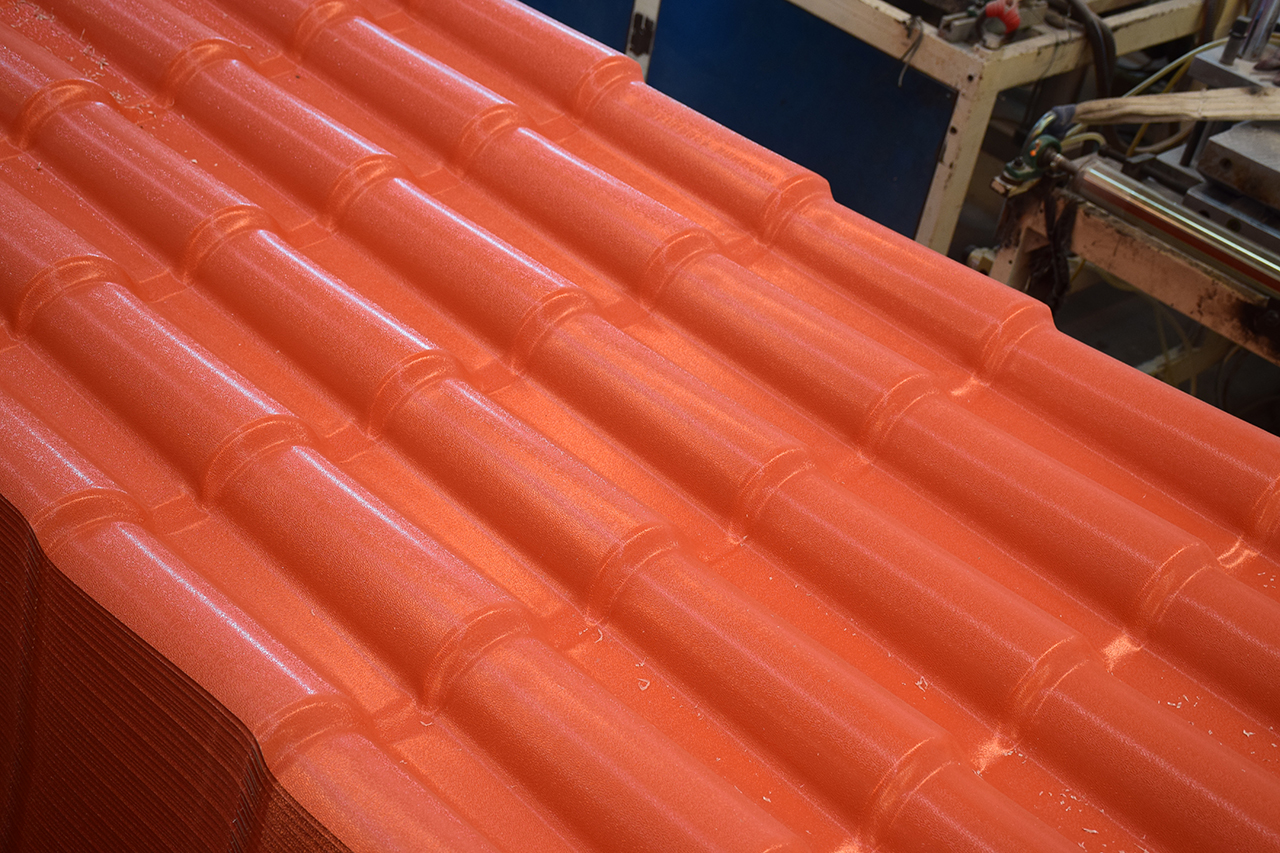
The first pitfall is focusing only on thickness and ignoring density. Many people believe that the thicker the tile, the sturdier and more durable it is. In reality, the strength of resin roofing tiles depends more on the purity of the raw materials and their formulation. Pure ASA resin tiles feature a unique anti-aging layer on their surface; when touched by hand, they feel fine and smooth. However, low-quality products feel rough to the touch and may even emit a pungent plastic odor. The core competitive advantage of the new resin roofing tiles lies precisely in this surface layer, which directly determines whether the tiles will last five years or twenty.
The second pitfall is neglecting the interlocking design of the roof tiles. Some tiles, although they look crisp and neat, leave large gaps between them once installed, which can lead to water seepage when it rains. Truly reliable resin shingles feature a widened interlocking design along the edges. Once installed, they fit together seamlessly and won’t rattle even in strong winds. When shopping, try stacking two tiles on top of each other to see if they snap together easily and if there is any noticeable wobble once locked in place.
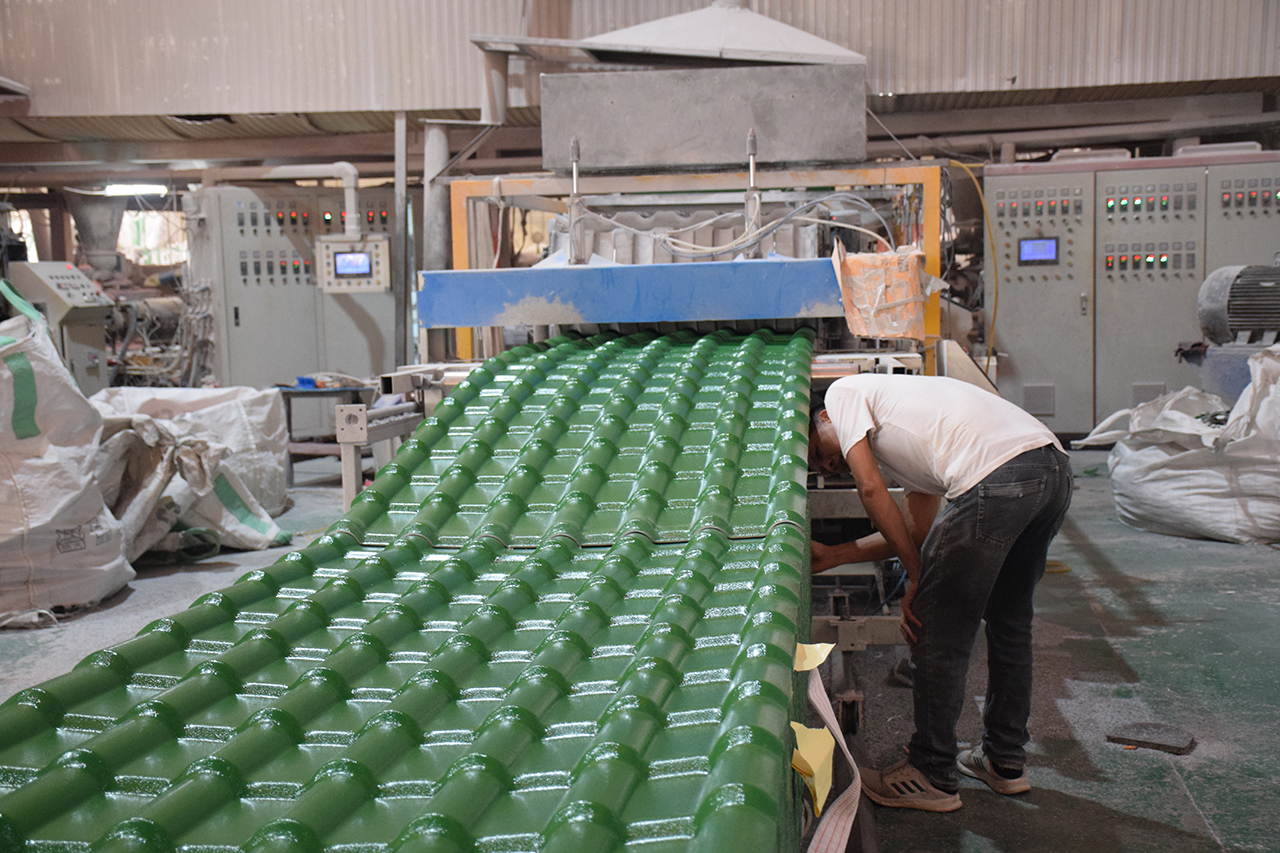
Furthermore, the third pitfall is placing blind faith in low prices. The raw material costs for resin roofing tiles are a reality. If a quote is suspiciously low and unreasonable, it’s highly likely that recycled plastic or calcium carbonate powder has been mixed in. Such tiles will begin to fade and become brittle within six months of installation, and may even crack outright when exposed to excessive and unreasonable temperature fluctuations. Please remember: when evaluating the quality of a resin roof tile, don’t just focus on the initial price; instead, give careful consideration to how it will perform three or five years down the line.
Key Details for Installation and Maintenance
Imagine this: suppose you’ve already purchased top-quality resin roofing tiles, but if the installation isn’t done professionally, you’ll still run into problems. First, the spacing between the purlins must be strictly arranged according to the manufacturer’s specifications. If the spacing is too wide, it will cause the roof surface to sag and accumulate water, which will lead to deformation over time. Next, the fastening screws must be driven into the peak of each wave, and sufficient clearance must be left to accommodate thermal expansion and contraction; they must never be tightened too much. Many households experience leaks in their resin roofing tiles, and the cause is not a problem with the tiles themselves, but rather the failure to use waterproof washers at the screw fasteners.
Regular maintenance is actually quite simple; one of the most notable advantages of resin roofing tiles is that they require no painting or special upkeep. All you need to do is check the roof for any buildup of tree branches or debris before the rainy season begins each year and clear the gutters to ensure they remain unobstructed. If you wish to extend their service life, you can wipe the surface with a soft cloth every two to three years to remove dust and keep the color vibrant and bright. There is no single “best” brand; what matters most is your attention to detail during installation and your ability to assess the purity of the materials.
The roof is a home’s first line of defense; choosing the right material can give you peace of mind for over a decade. The pros and cons of the new resin roofing tiles are well-known: they are resistant to acid and alkali corrosion, lightweight, easy to install, and provide excellent thermal insulation. The downside is that they require professional installation and precise battens. As long as you don’t prioritize cutting corners or seeking the cheapest option, and strictly adhere to standards in both material selection and installation, it will undoubtedly be a hassle-free choice for your roof.