Four Years of Leaks in the Factory Building: A Lesson Learned After Replacing the Resin Roof Tiles
Old Zhang’s factory, located in an industrial zone and in operation for eight years, has had its roof repaired by three different teams. When the torrential rain struck in 2024, water in the workshop reached ankle-deep, causing two machines to be damaged by water. He made up his mind to completely renovate the roof and selected a resin tile contractor that claimed to offer a “ten-year leak-proof” guarantee. However, last summer, water began seeping through the seams. Upon dismantling the roof to inspect it, he found that the steel furring strips inside had rusted into a crumbly mess. He then sought out a truly professional resin tile contractor and realized just how many pitfalls he had fallen into before.
After looking at the specs, I finally understood what it means to be professional.
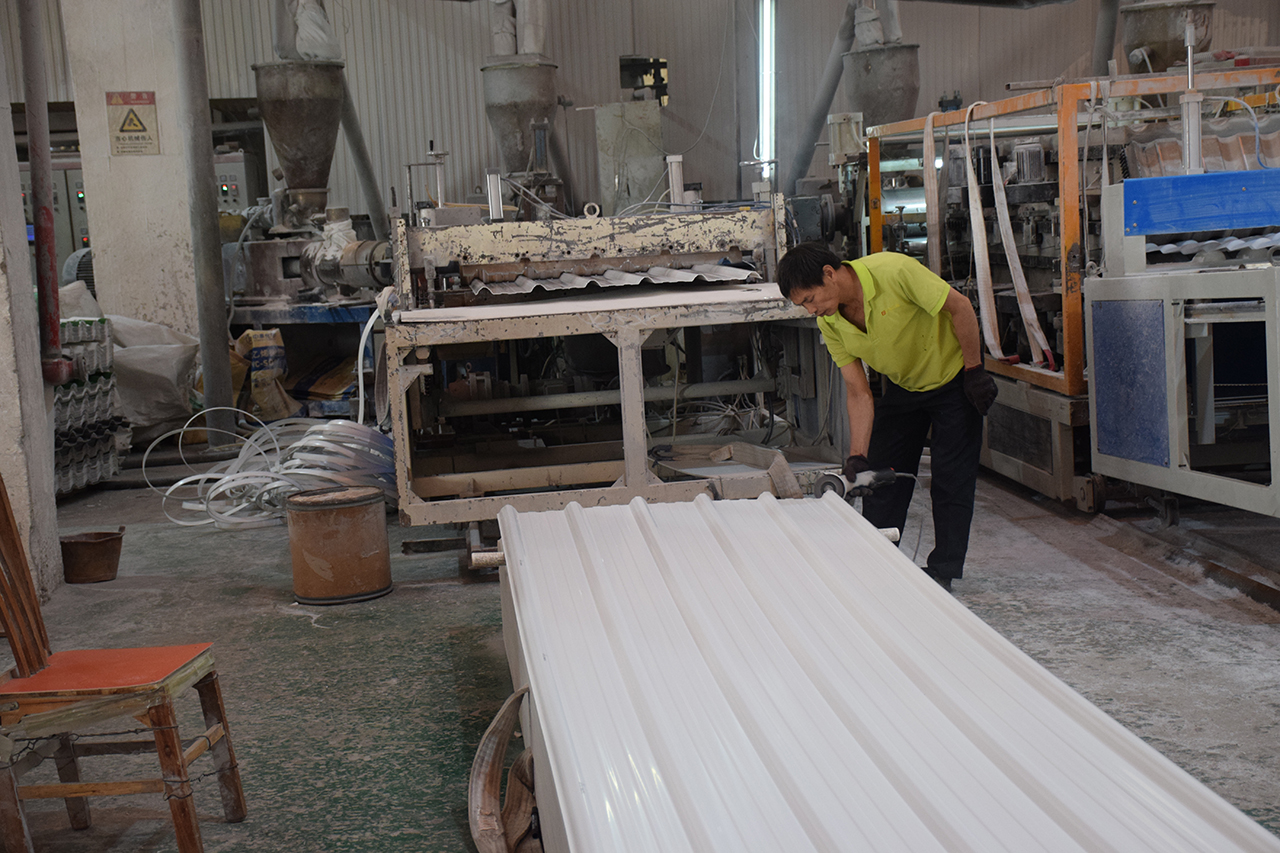
When it comes to installing resin roof tiles, you can’t just hire any old construction crew and expect to get by. A truly reliable resin roof tile contractor will start by surveying the structure of the building. Exactly how far apart are your steel beams? Is the slope sufficient? Are the drain outlets positioned correctly? These basic measurements determine whether the tiles will lock into place properly. Some manufacturers, looking to cut corners, simply use generic fittings—resulting in incidents every year where entire sections are blown off by typhoons.
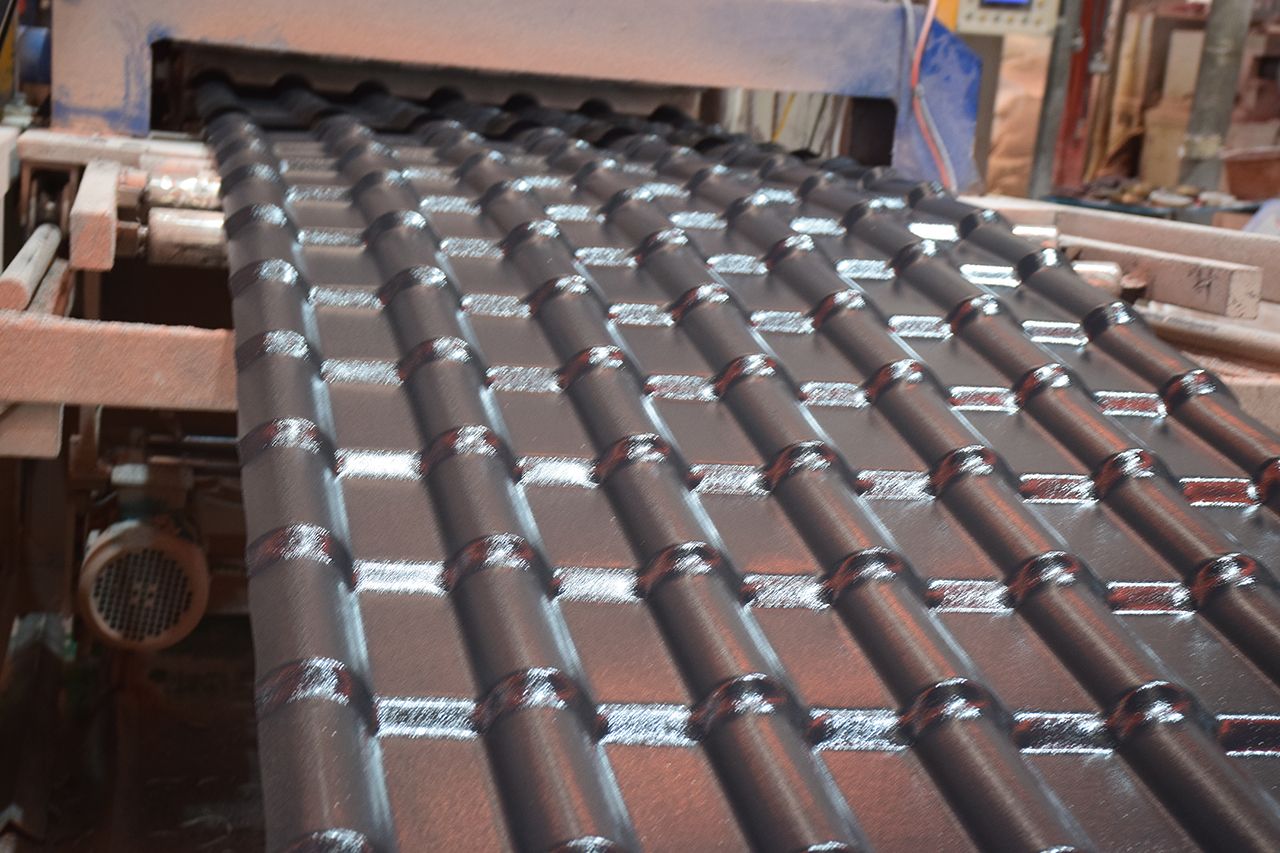
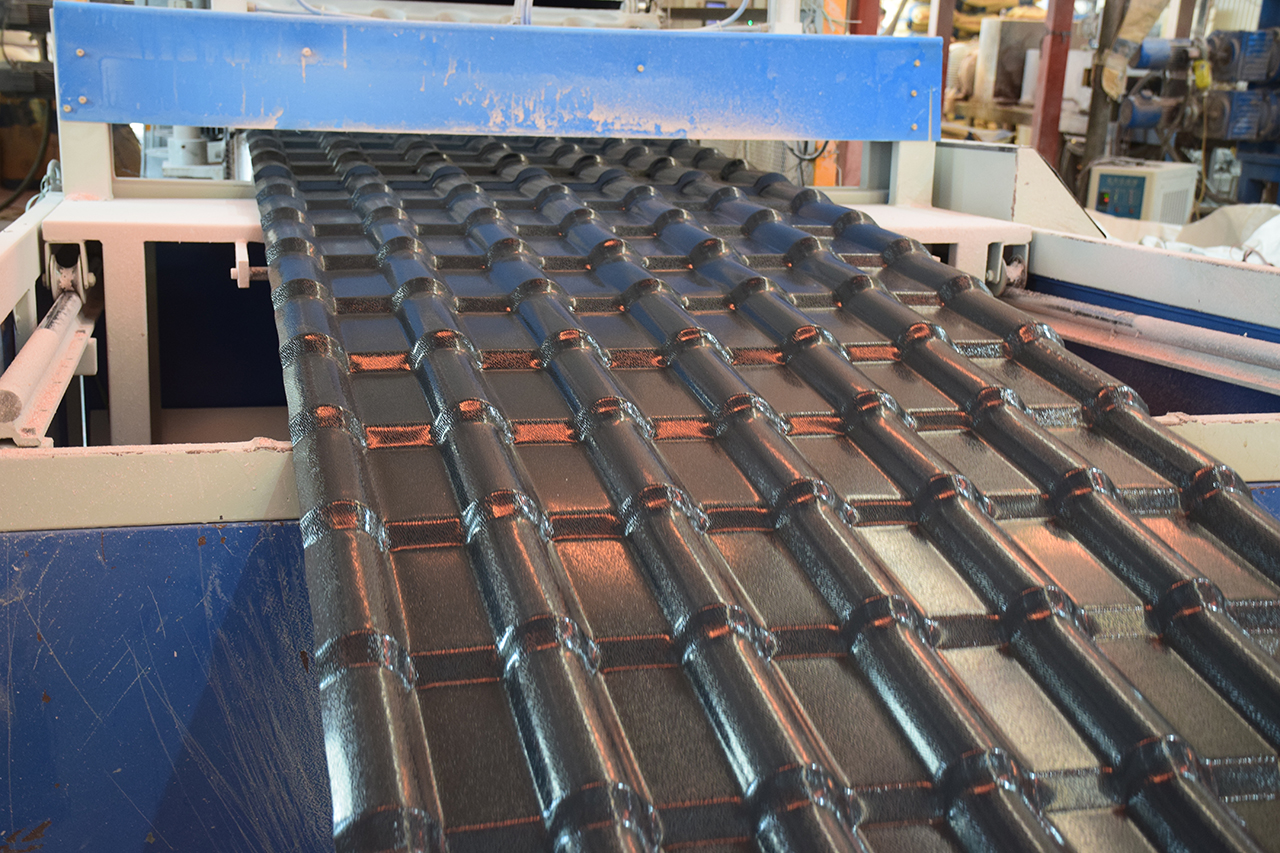
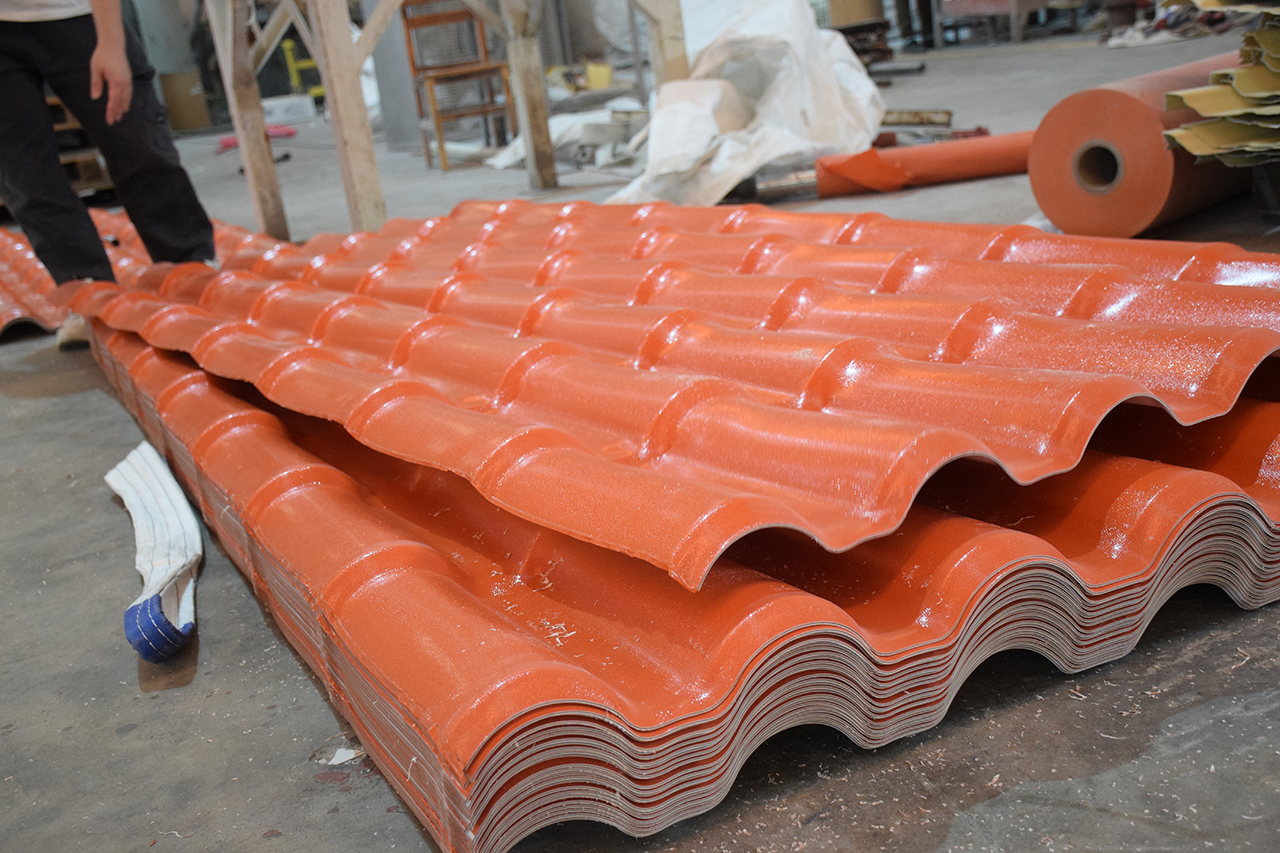
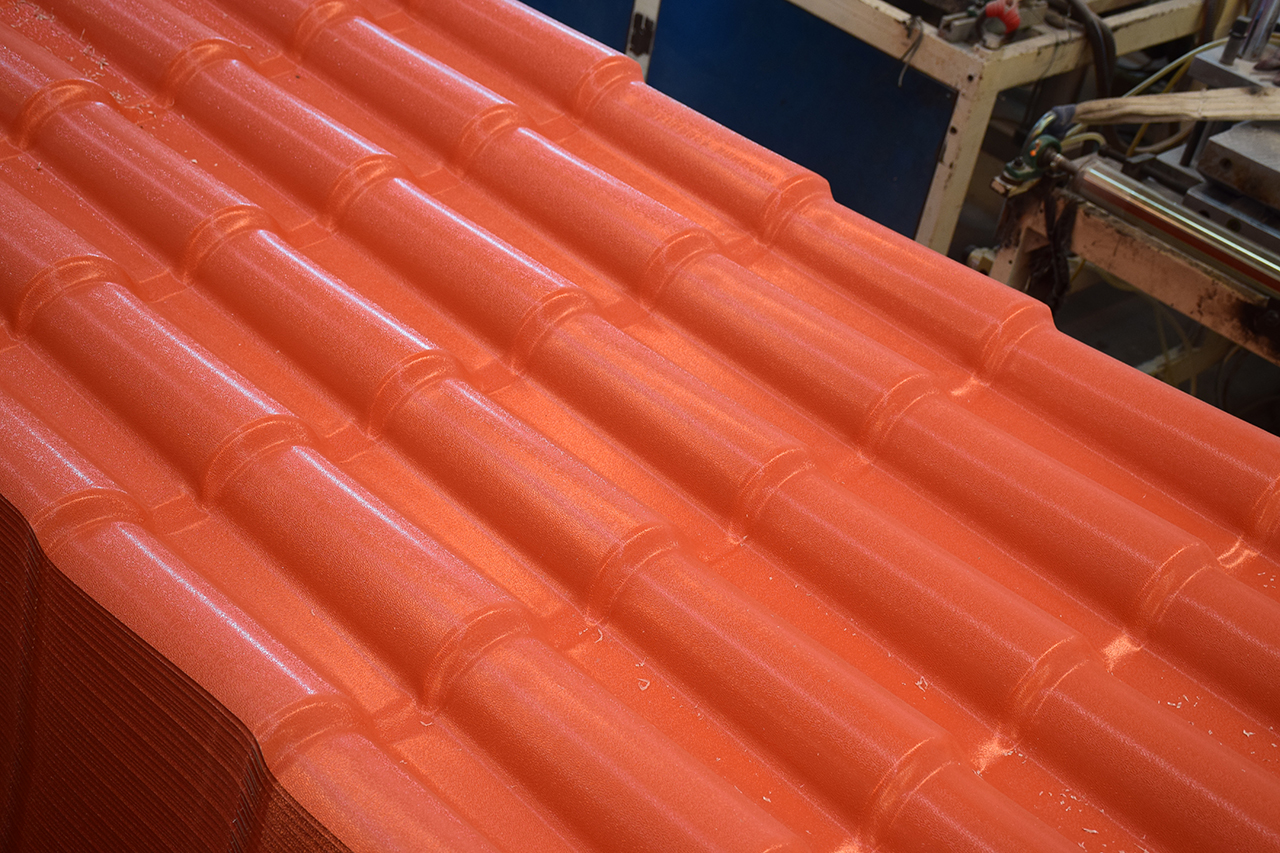
There’s a lot to consider when selecting materials. The national minimum standard for the weather-resistant layer of ASA resin roofing tiles is 0.15 millimeters; however, some small manufacturers dare to use substandard material that’s only 0.08 millimeters thick, which will lead to fading, brittleness, and cracking within three years. In contrast, professional manufacturers produce ASA layers that are 0.2 millimeters or thicker and also incorporate UV stabilizers. Even with the same type of roofing tile, some can last fifteen years while others become unusable after just five—the difference lies in the raw materials and formulation.
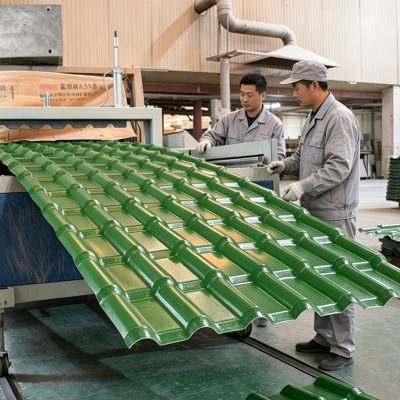
The installation phase is where a contractor’s integrity is truly put to the test. The spacing between purlins should be 80 centimeters, but some crews, in an effort to save on materials, extend the spacing to 1.1 meters. As a result, the tiles in the middle sag and warp. Screws require rubber washers to prevent leaks, yet some contractors use ordinary iron nails instead. Years later, when the nails rust through, leaks inevitably occur. A truly responsible resin tile manufacturer, however, will provide a comprehensive waterproofing solution covering the ridge, eaves, vents, and gutters. At every corner, they use custom-made fittings rather than simply applying sealant as a quick fix.
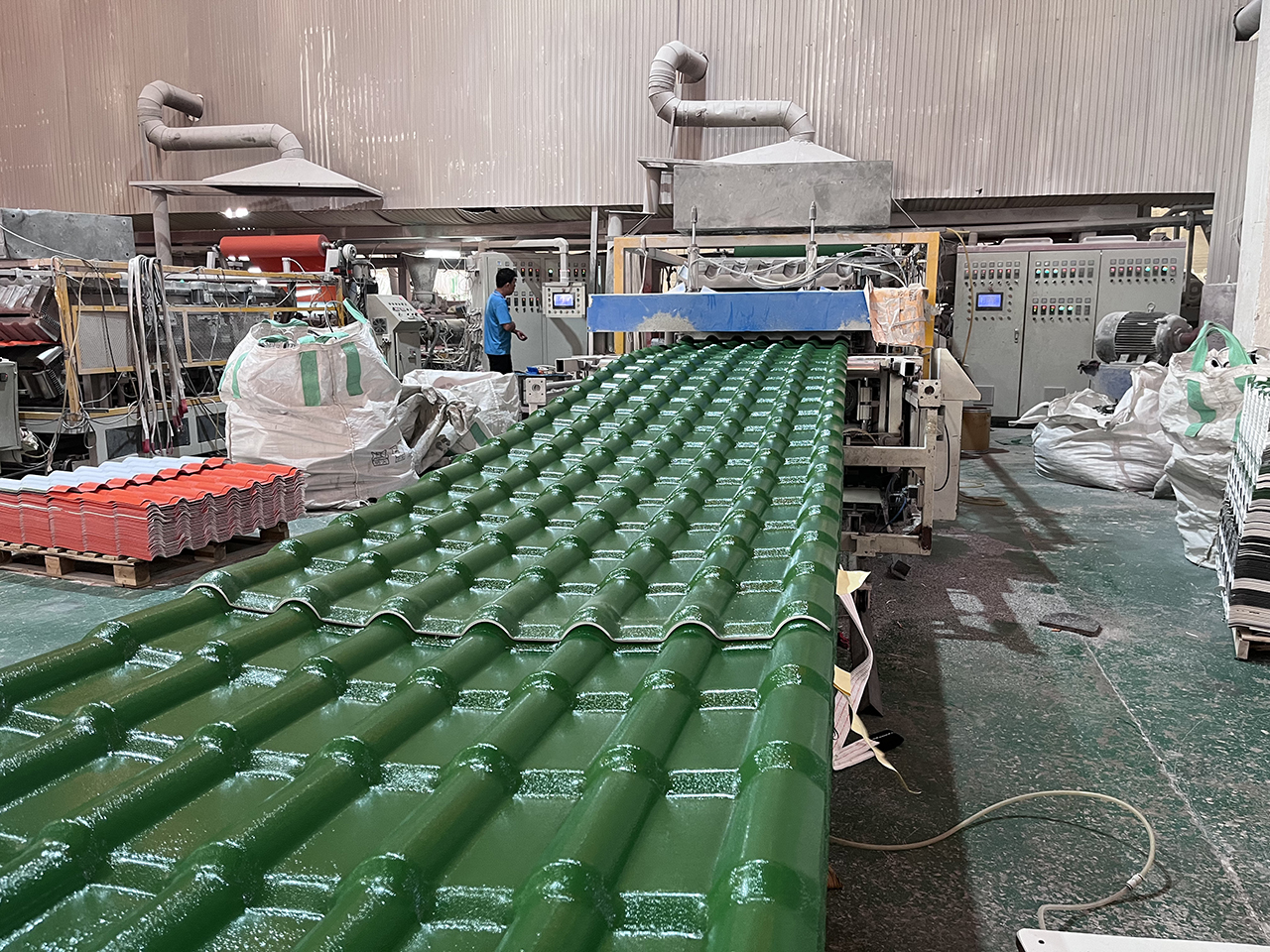
The True Test Will Come in Five Years—Here Are the Pitfalls to Avoid
Many business owners focus solely on the unit price when selecting a manufacturer, believing that a lower price equals savings. In reality, even if the price per square is just a dozen or so yuan cheaper, repair costs alone could amount to tens of thousands of yuan five years down the line. Resin roofing tiles are not fast-moving consumer goods; they are the armor of a building. A resin tile contractor that truly offers value for money is one that dares to sign a ten-year warranty contract and responds to service requests within 24 hours. Their detailed quotes clearly specify even the screw models, and they won’t charge extra “technical guidance fees” or “high-altitude work fees” later on.
There is one key point that is often overlooked: review the manufacturer’s project portfolio. Don’t just look at the luxury villas they showcase; ask whether they have experience with chemical plant projects, livestock farms, or projects in coastal areas with high salt fog levels. Different corrosive environments impose entirely different requirements on the weather resistance rating of resin roofing tiles. Manufacturers that have never addressed special operating conditions are likely to encounter problems once their products are exposed to heavily polluted environments.
The ultimate criterion for judging the quality of a resin tile contractor is not the thickness of its brochure, but whether it treats your roof as if it were its own when performing repairs. From material batches to construction logs, from water-tightness tests to post-installation inspections, every step is backed by verifiable documentation. Contractors whose quotes are absurdly low are highly likely to be cutting corners in areas you cannot see—costs that should never have been cut.
Choosing the right manufacturer for your resin tile project isn’t just about selecting a supplier—it’s about choosing a partner who will stand by your side through all the ups and downs of the next decade. Only when you know your roof won’t leak and production can continue uninterrupted will you truly have peace of mind.