Color Characteristics of Resin Roof TilesThe Big Reveal: Why Does Your Roof Fade in Just Two Years?
During home renovations, many people focus solely on the durability of resin roofing tiles, yet overlook color as a crucial factor. The color characteristics of resin roofing tiles play a decisive role in how your roof will look over time—it can either remain as good as new even after ten years, or become mottled and faded after just two years, looking like something you’d find at a flea market. A friend of mine who works in the building materials industry told me that as many as 80 percent of post-sale disputes are closely related to color. Today, we’re going to delve into the little-known details behind the color characteristics of resin roof tiles to see which colors can withstand the test of wind and sun, and which ones will end up costing users dearly.
Are Dark-Colored Resin Roof Tiles Worth Choosing?
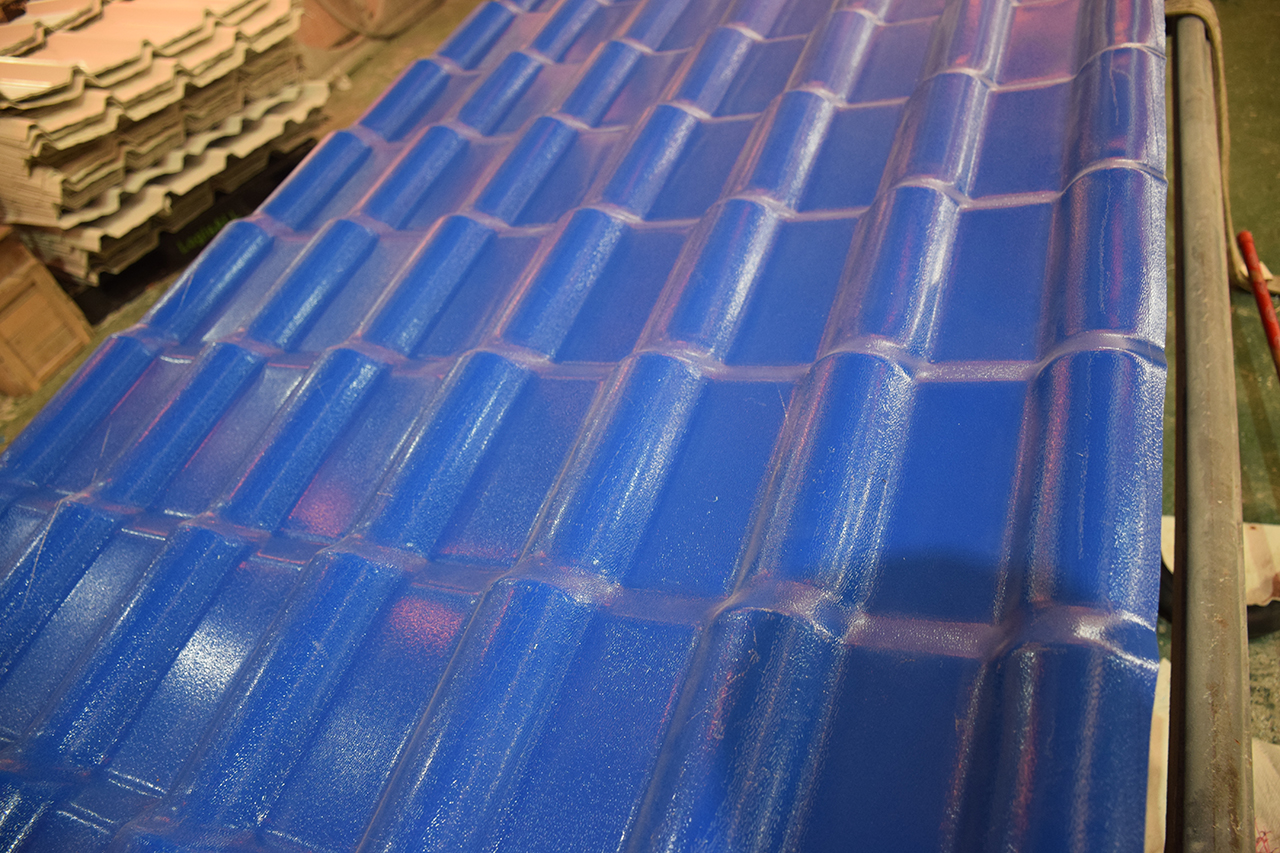
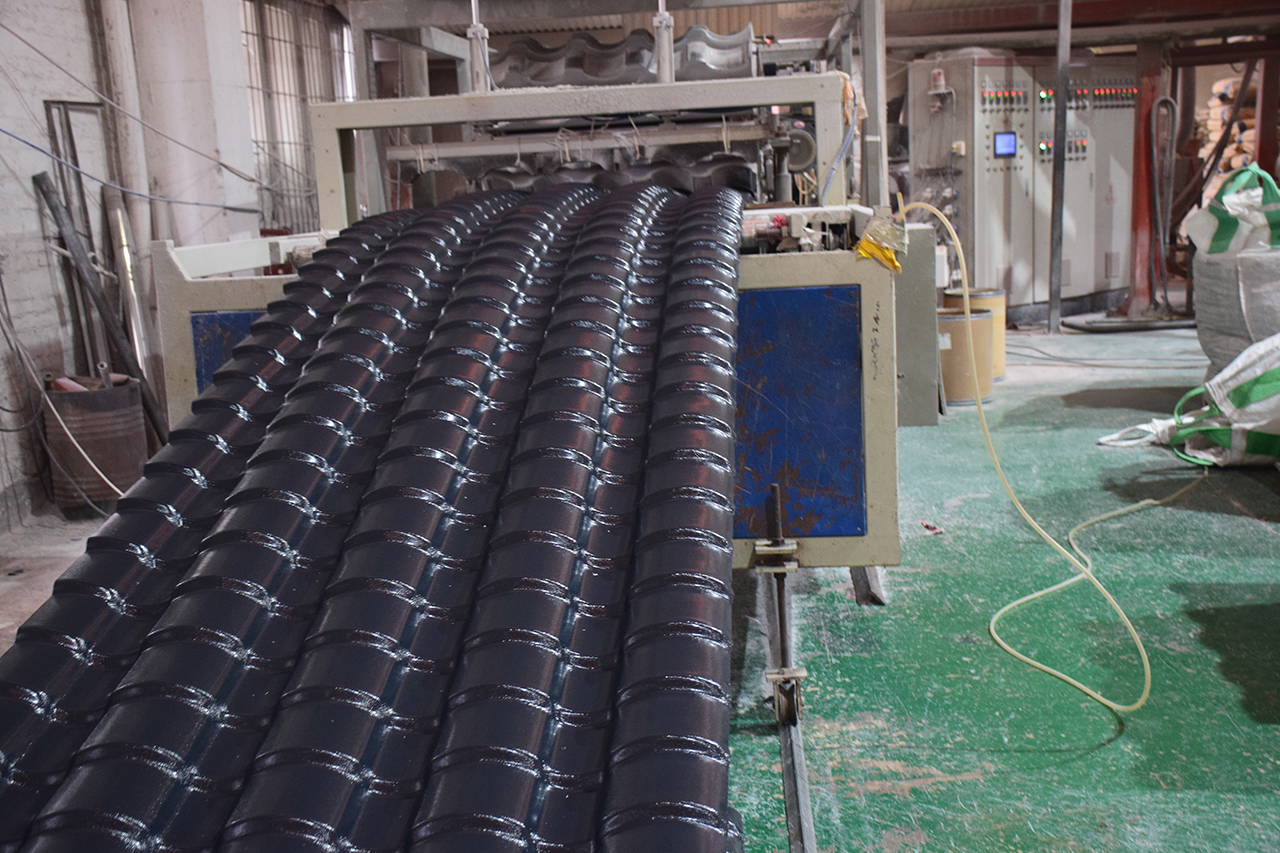
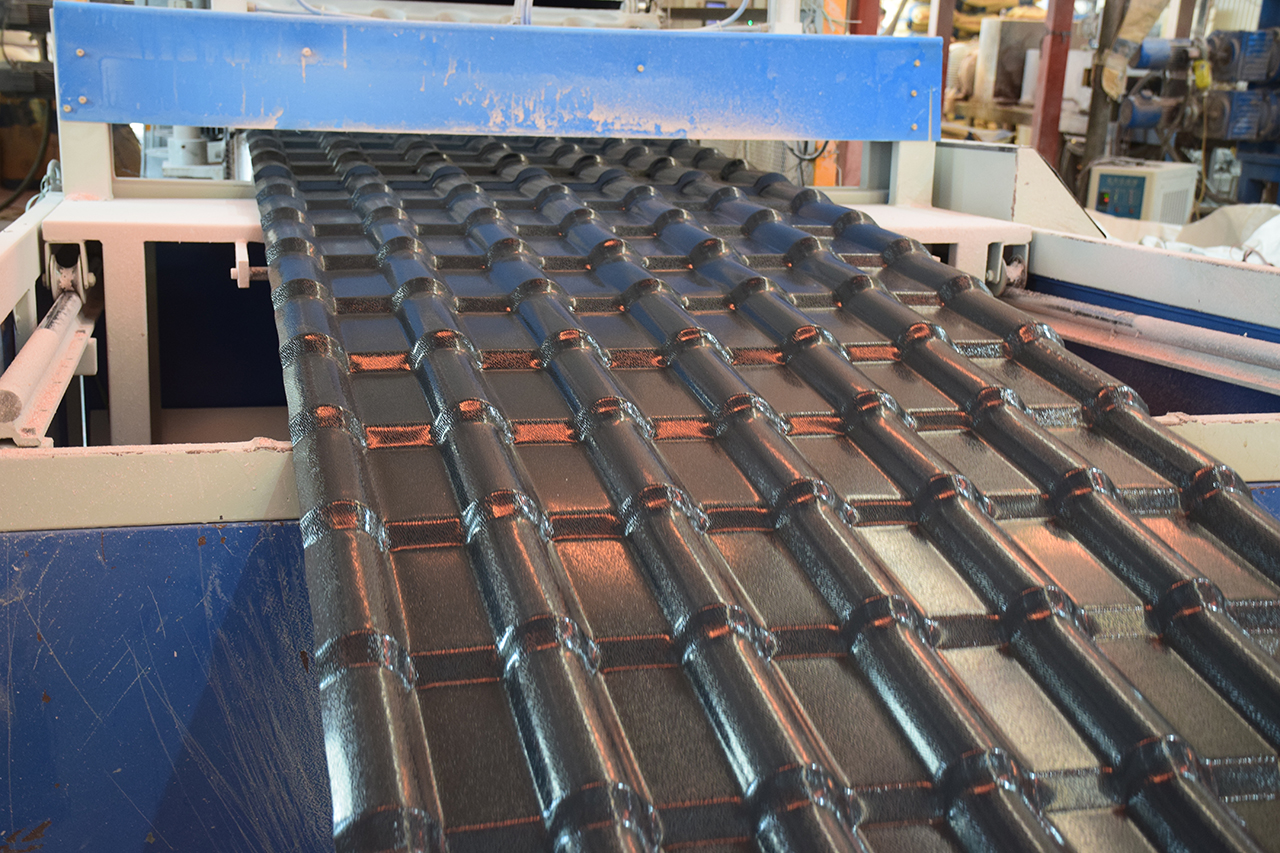
Many people think that dark-colored resin roofing tiles look high-end—especially those in blackish-gray or dark blue—and they certainly look impressive once installed. However, there’s a major pitfall here: dark colors absorb heat too easily. If you touch a dark-colored resin shingle at noon in the summer, it’s hot enough to fry an egg. Prolonged exposure to high temperatures accelerates the aging of the resin, causing it to turn white and fade. A relative of mine installed dark blue resin tiles, and in less than three years, the edges had turned white; from a distance, it looked as if the tiles had developed vitiligo.
Of course, dark-colored resin shingles aren’t without their advantages. For one, their color effectively hides imperfections and is relatively stain-resistant, making it hard to notice dust on their surface. If your home is located in a dry northern region with little rainfall and strong UV rays, dark-colored tiles can hold up well. However, for humid, sun-drenched areas in the south, I really don’t recommend them—the speed at which the color fades will drive you crazy.
Do light-colored resin roof tiles look better over time than dark ones?
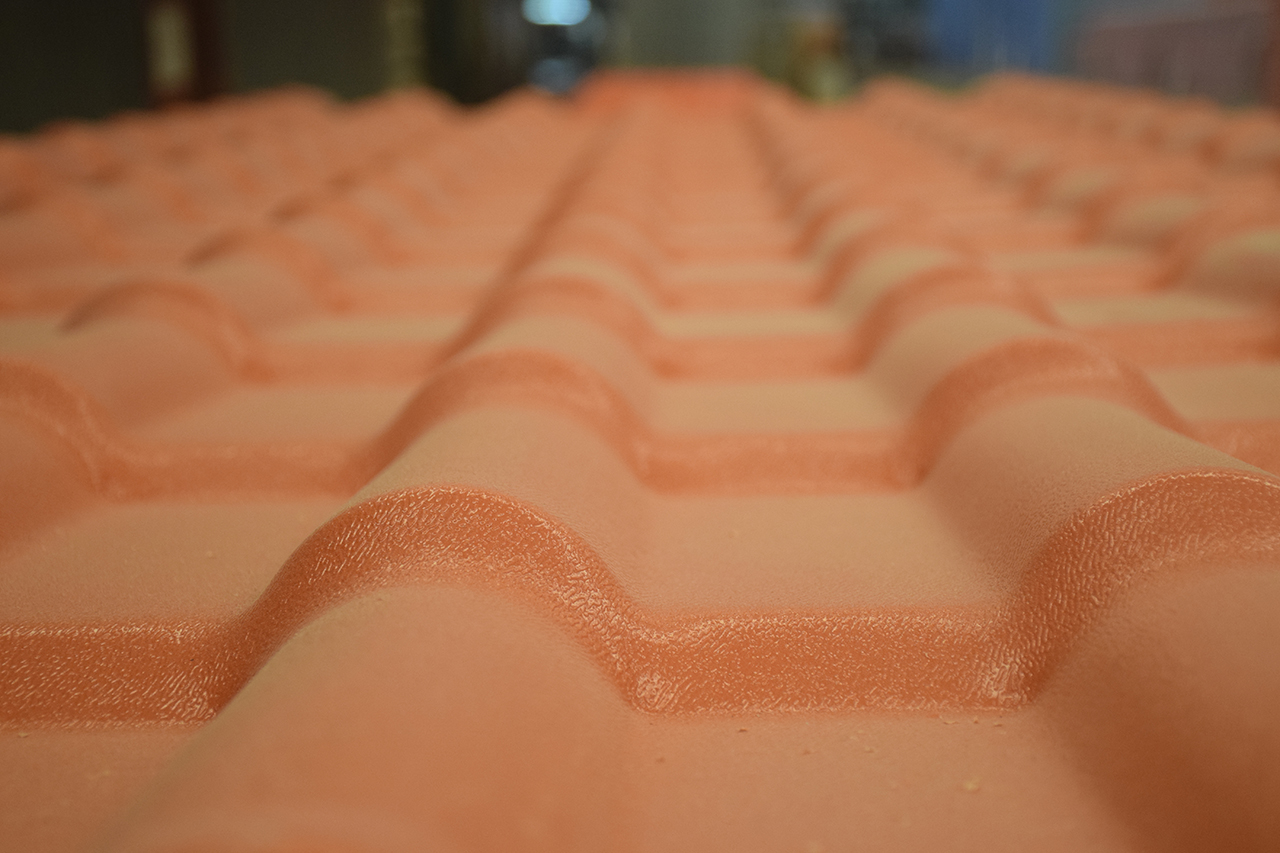
Resin roof tiles in shades slightly darker than light colors—such as dark gray, beige, and dark blue—were quite popular a few years ago. The most notable feature of these colors is their excellent thermal insulation, which can lower indoor temperatures by several degrees in the summer. Additionally, dark colors are less prone to showing signs of fading; even as they age, they fade gradually rather than suddenly developing large areas of color variation.
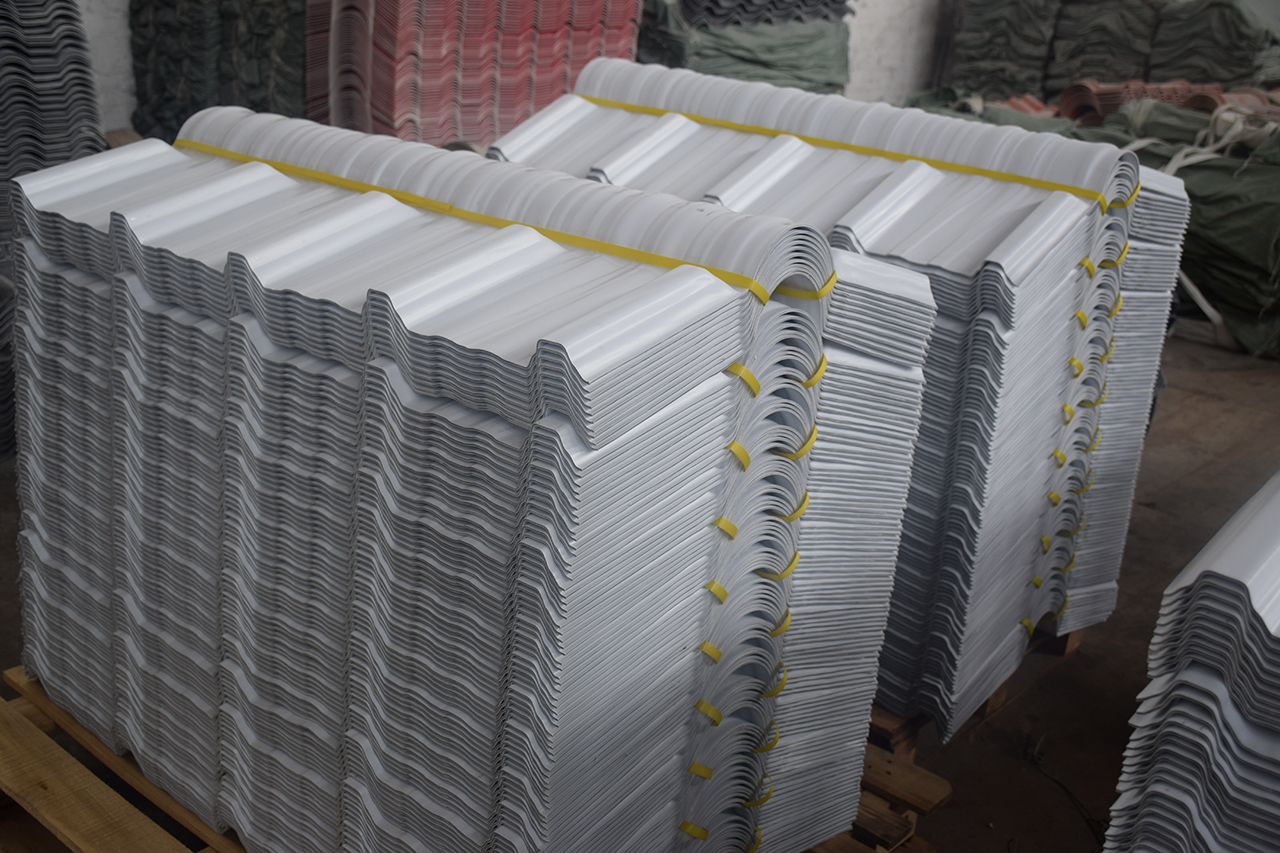
However, light-colored resin roofing tiles have their drawbacks. Due to their color, they are prone to showing dirt—even the slightest bit of dust is clearly visible. If you live next to a very dusty road, your roof will look mottled if you don’t clean it for a month. Another issue is that if the base color treatment of light-colored resin shingles is subpar, they will yellow over time—especially off-white ones, which look absolutely hideous, like old, yellowed newspapers. Therefore, when choosing light-colored resin shingles, it is essential to check whether the surface coating process is of high quality.
How to Determine the Quality of Resin Roof Tiles Based on Their Color Characteristics
When purchasing resin roofing tiles, don’t just focus on the color chart. In fact, true experts will delve into the nuances hidden within the color characteristics. High-quality resin roofing tiles exhibit uniform color; when viewed against the light, they do not show streaks of varying shades. Here’s another practical tip: if you scratch the back with your fingernail and the powder that comes off doesn’t match the surface color, it indicates the tile was produced using inferior dyeing methods. Such resin roof tiles will fade within a matter of months. High-quality resin roofing tiles are colored by blending pigments directly into the raw material, ensuring consistent color from the inside out. No matter how much you scratch or scrape them, they will not discolor.
Also, pay attention to color variations; the color of tiles from the same batch should be consistent. I’ve encountered cases where buyers discovered color differences between two tiles after purchasing them, and once installed, they looked like patches. The quality of a resin tile’s color depends on whether its colorfastness meets national standards. When purchasing, ask the seller for a test report and pay close attention to the weather resistance section; The higher the number, the better. Don’t be fooled by sales pitches like “imported pigments” or “space technology”—color characteristics don’t lie. The most reliable way to assess them is by touching them with your hands, observing them with your eyes, and scratching them with your fingernails.
The trade-off between quality and aesthetics highlights the color characteristics of resin roofing tiles. Dark colors exude a sense of sophistication but are prone to fading in the sun, while light colors offer excellent heat insulation but tend to show dirt easily. Only by finding the right balance that suits your local climate and aesthetic preferences can your roof truly become the standout feature of your home. When choosing a color, don’t just follow trends; take a rational approach to understanding these nuances, and you’ll avoid being taken advantage of.