The Real Logic Behind the Sales of Synthetic Resin Roof Tiles
Take a stroll through any building materials market, and you’ll quickly realize that “synthetic resin tile sales” has become the topic of greatest concern for virtually every dealer and homeowner building their own house. Everyone is asking the same questions, for the following reasons: With so many different brands available, which one is actually selling like hotcakes here? Which one will you not regret choosing? In fact, behind these sales figures lies the genuine endorsement of consumers. Specifically, shipment volumes that routinely reach hundreds of thousands—or even millions—of square meters aren’t the result of exaggerated advertising, but rather a solid reputation built through countless roof inspections and the test of storm after storm. From self-built homes in rural areas to the conversion of flat roofs to pitched roofs in urban settings, from greenhouses and sheds used for cultivation to scenic area buildings modeled after ancient architecture, synthetic resin tiles are quietly replacing traditional clay tiles and emerging as a major force among the new generation of roofing materials. But does a brand with high sales volume necessarily mean it’s right for you? The answer isn’t that simple.
High sales figures don't necessarily mean good quality.
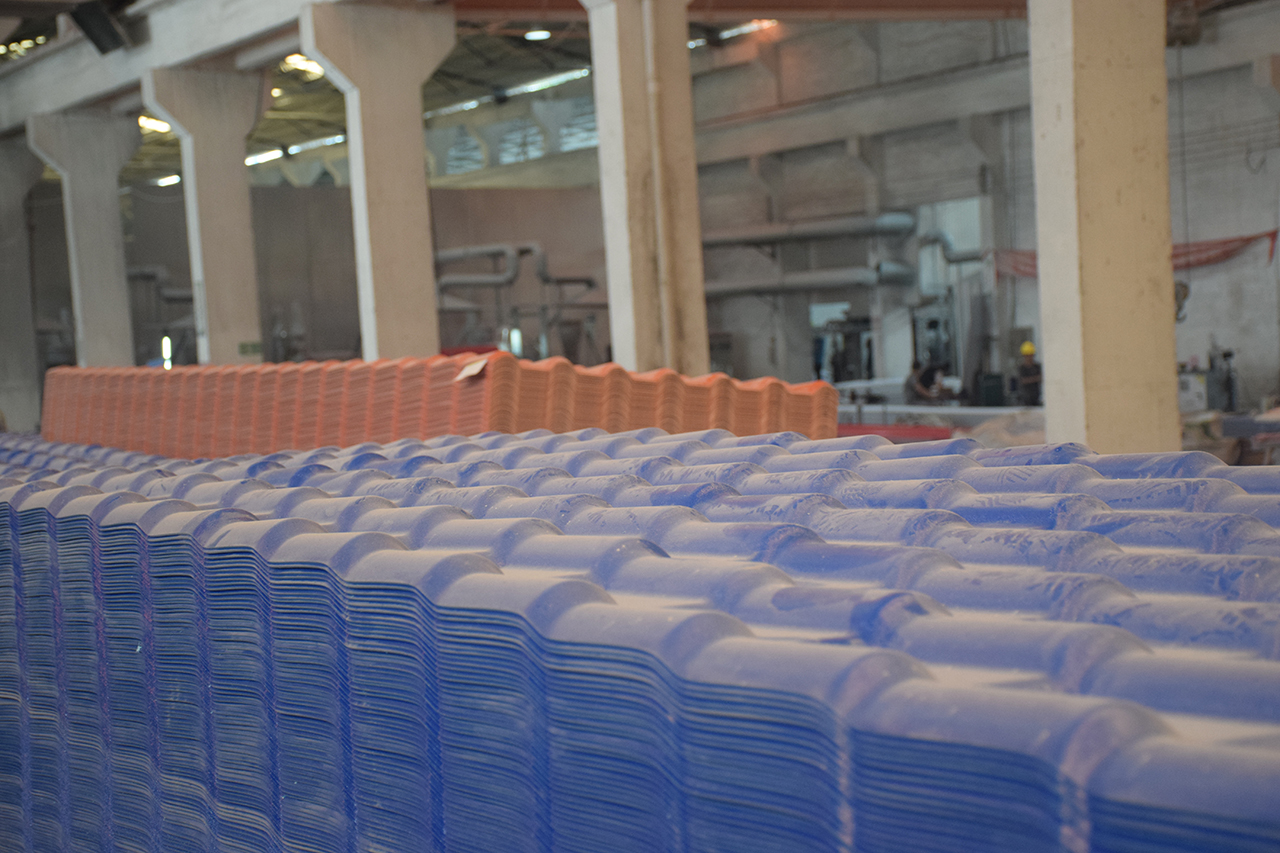
Many people tend to follow trends when shopping. When they see that a certain type of synthetic resin roof tile has shot up to the top of the sales charts, they assume they’ve found a real gem. But the reality is that high sales figures merely indicate that a large quantity has been sold; they do not necessarily mean that every single tile is of high quality. Some manufacturers cut costs to the absolute minimum, using resin raw materials mixed with recycled materials or even stone powder. While the tiles may look glossy at first, after two years of exposure to wind and sun, they will fade and become brittle. Last year, a customer, lured by a bargain, purchased the resin roofing tile that ranked first in sales on a certain e-commerce platform. As a result, when a heavy snowfall hit last winter, cracks immediately appeared in the roof, and the repair costs ended up being several times higher than the money originally saved. Therefore, when reviewing sales rankings for synthetic resin roofing tiles, it’s important to distinguish between figures driven by genuine repeat purchases from satisfied customers and short-term numbers inflated by promotional price cuts. In fact, the brands truly worth recommending are often those with stable sales that show a gradual upward trend and whose positive reputation continues to spread. Their prices may not be the lowest, but every tile is a perfect match for your roof.
The Most Promising Sales Dark Horse of 2026
What is quietly changing is the landscape of the synthetic resin roofing tile market in 2026. The top spots in sales are still held by established major manufacturers, but several dark horses have begun aggressively capturing market share. For example, manufacturers specializing in the R&D of ASA weather-resistant coatings have seen their tiles become particularly popular in the high-temperature, high-humidity regions of southern China, with sales growing by over 30% year-over-year. There is also a regional brand that, thanks to its thicker tile profiles and more flexible delivery schedules, has managed to snatch a significant number of orders for rural self-built homes away from the major manufacturers. These brands generally do not spend heavily on nationwide advertising, but if you ask around at local building material markets, eight out of ten contractors will recommend them. What these brands have in common is their willingness to use high-quality materials rather than cutting corners or using substandard materials to drive down prices. This is precisely why their repeat purchase rates are exceptionally high. If you’re currently torn about how to handle the situation where “synthetic resin roof tiles have high sales but polarized reviews,” then you might want to shift your focus directly to these mid-tier brands—their products often offer a more balanced performance across the board. Of course, no matter which brand you ultimately choose, don’t forget to check the thickness, review the test reports, and examine actual installation examples. After all, the roof serves as a protective barrier for your home, and choosing the wrong tiles can lead to endless problems down the road. By 2026, don’t just look at the sales figures—be sure to see the quality and integrity behind the numbers.