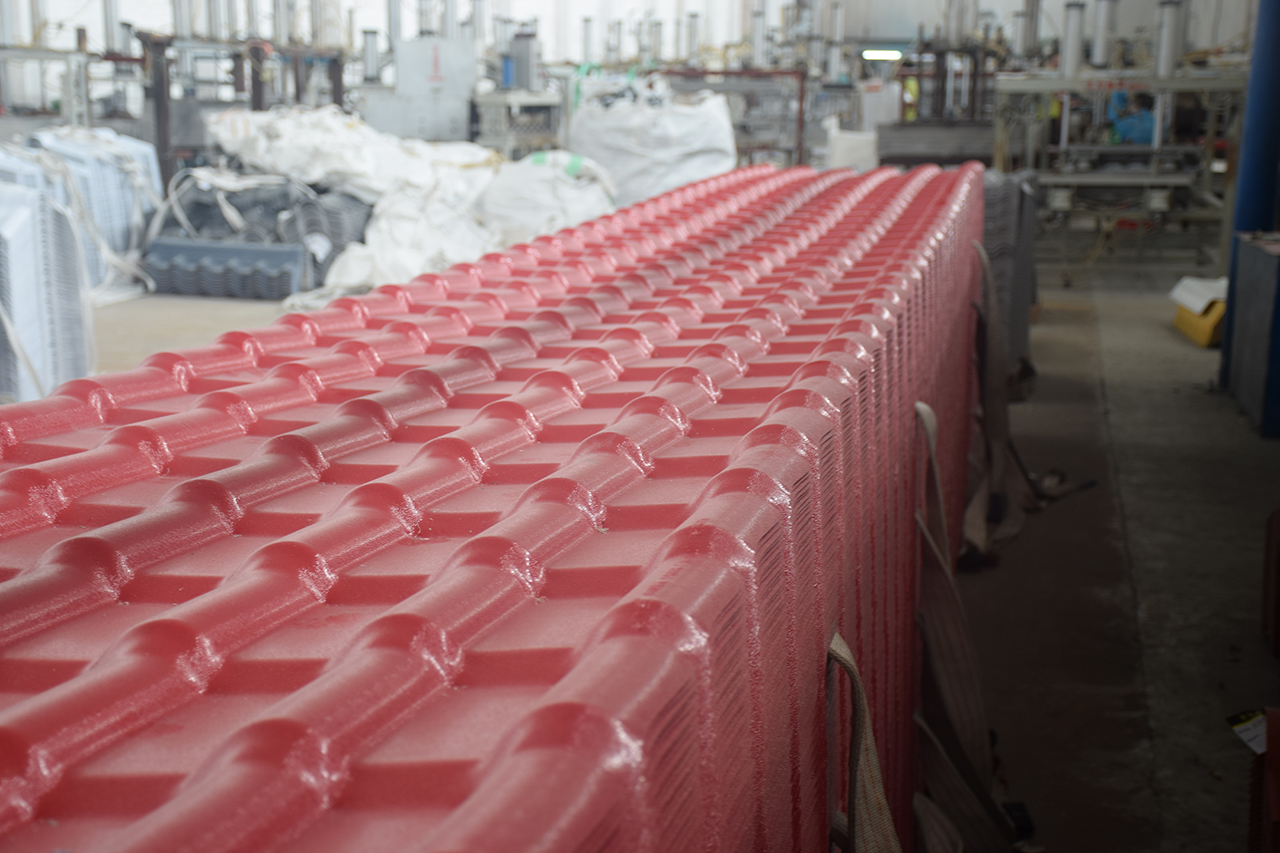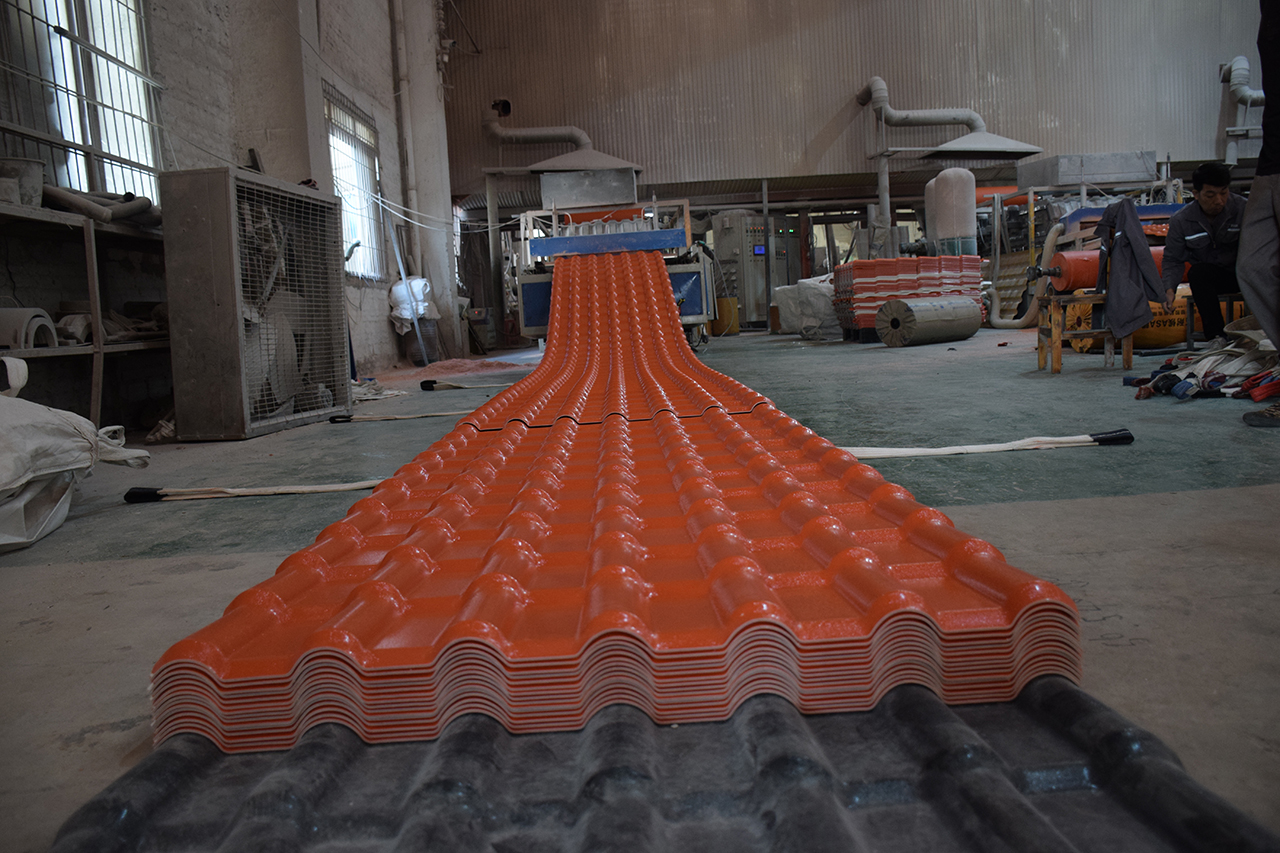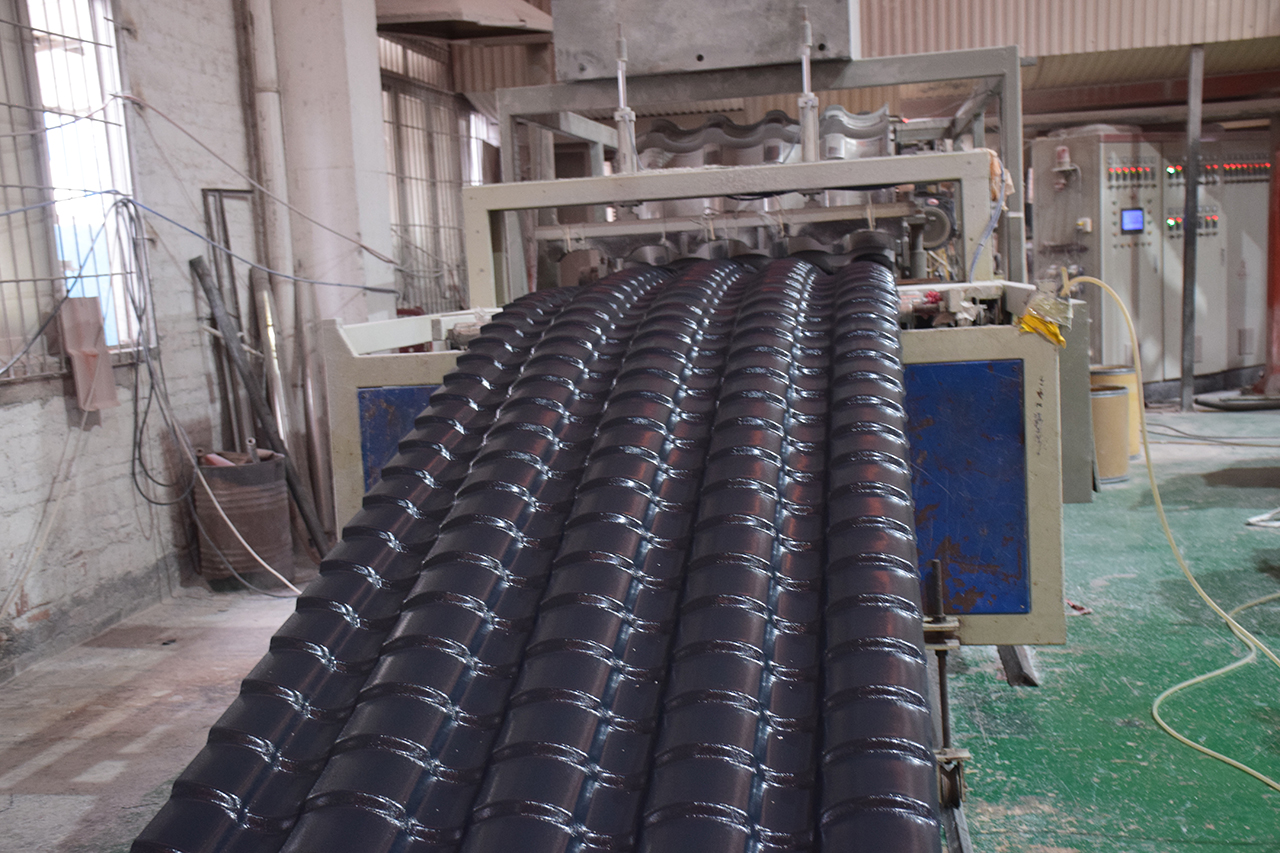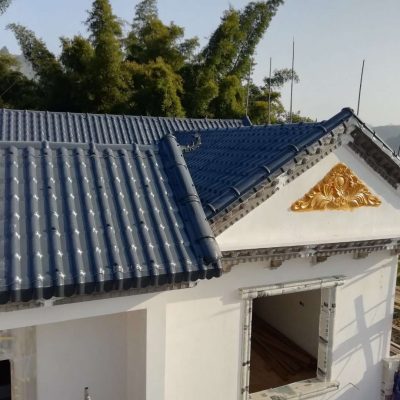
The resin roofing tile market is complex and crowded with competitors. For many people, the biggest dilemma when choosing Gaoyi resin roofing tiles isn’t the price, but rather, “Which brand is truly more reliable?” Over the past three years, I have visited hundreds of construction sites and witnessed countless instances where people, in an effort to save a few dollars, ended up suffering greatly due to substandard roofing tiles. In the retail sector for high-end, premium resin roofing tiles, the choice may seem superficially about color and thickness, but upon deeper examination, it is fundamentally a choice of integrity and craftsmanship.
How to Choose the Right Gaoyi Resin Roof Tiles for Retail
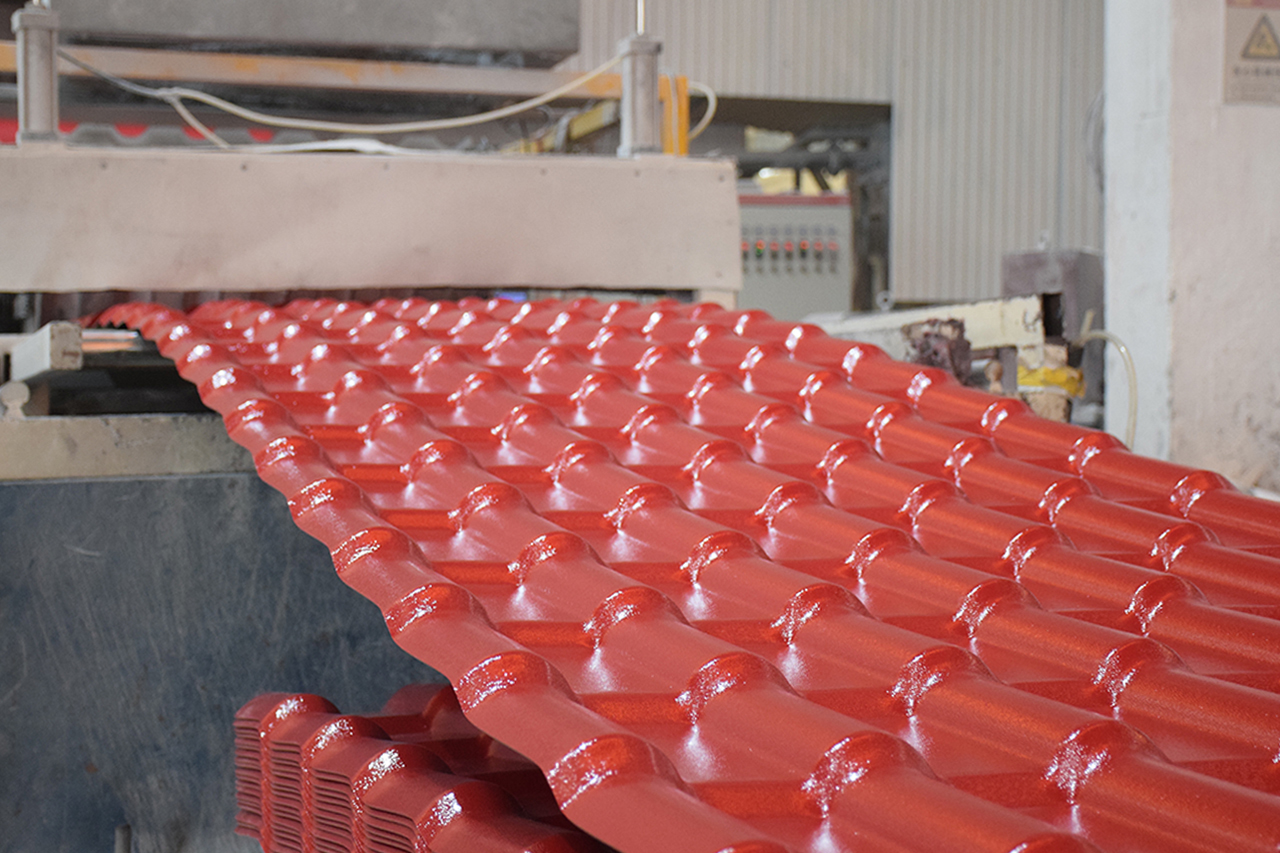
Let’s start with the most frustrating issue: thickness. These days, tiles labeled as 3.0mm on the market are, in reality, considered decent if they actually measure 2.5mm. In the retail industry for Gaoyi resin tiles, there’s an unspoken rule: many small manufacturers mix large amounts of calcium carbonate into the raw materials, making the tiles look thick but feel brittle in your hand—they often start to fade and crack within just a year. To identify a truly reliable product, you need to examine the cross-section for fine, dense pores and bend it by hand to check for flexibility. I had a client who, lured by a bargain last year, bought a certain “low-cost Gao Yi” product. The result? After a hailstorm, the roof was left looking like a sieve.
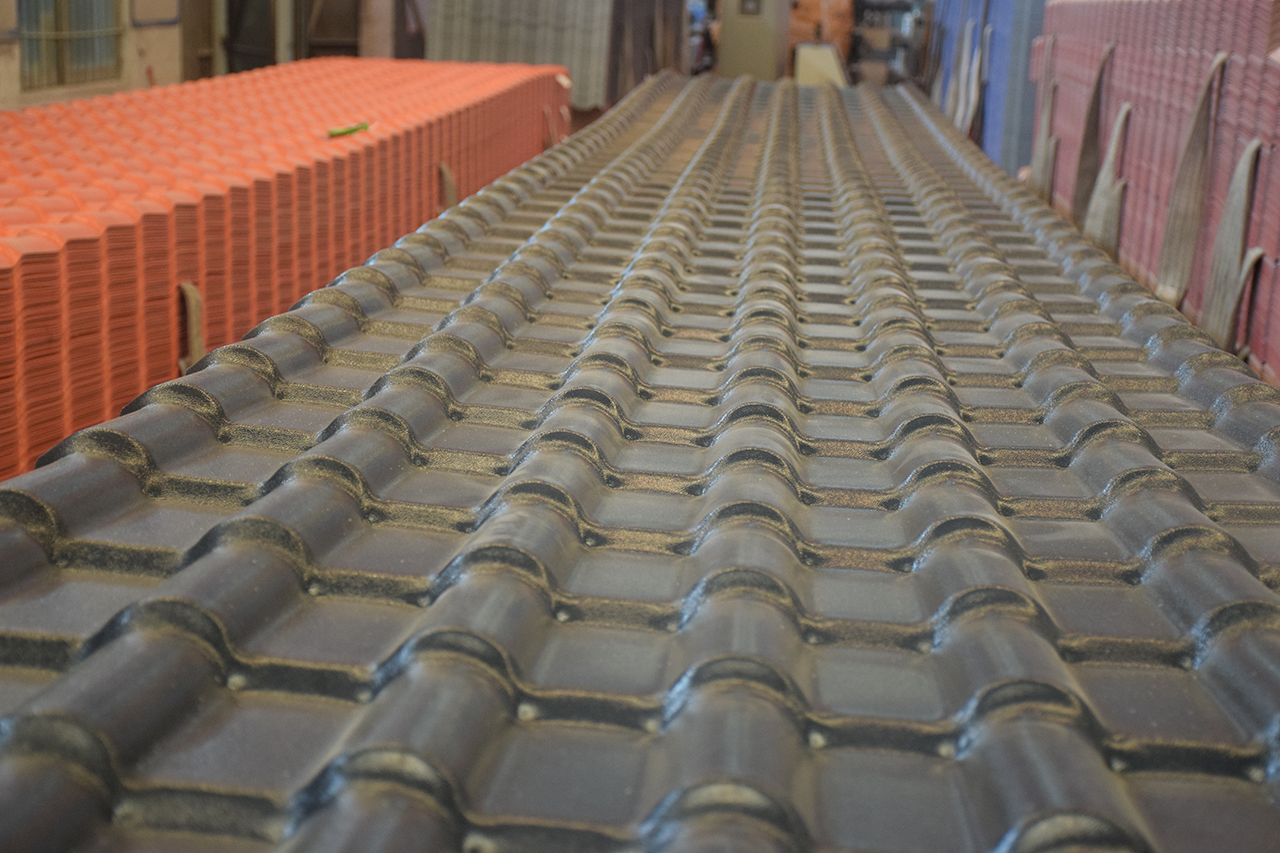
There’s a common pitfall known as “color fading.” Many roofing tiles look quite vibrant when first installed, but after just six months, they end up looking like faded zebra stripes. However, this is not the case with Gaoyi resin roofing tiles. Raw materials with true weather resistance are guaranteed to contain added UV absorbers and antioxidants. Next, try lightly scratching the surface of these resin tiles with your fingernail—the top layer will not easily show signs of chalking. Please remember: high-quality resin tiles feature a matte finish, not the kind of glossy, glaring, and cheap-looking plastic sheen.
Next, let’s discuss the auxiliary materials used during installation. Many people focus solely on the main roofing tiles, paying no attention to details such as ridge tiles, eave caps, and screws. Those with extensive experience in the retail of Gaoyi resin tiles know that that for a complete roofing system, the quality of these accessories directly impacts its service life. Take the rust-proofing of fasteners, for example: low-quality ones may rust and break within six months, while high-quality ones can last up to ten years.
How to Assess the Value for Money of Gaoyi Resin Tiles for Retail
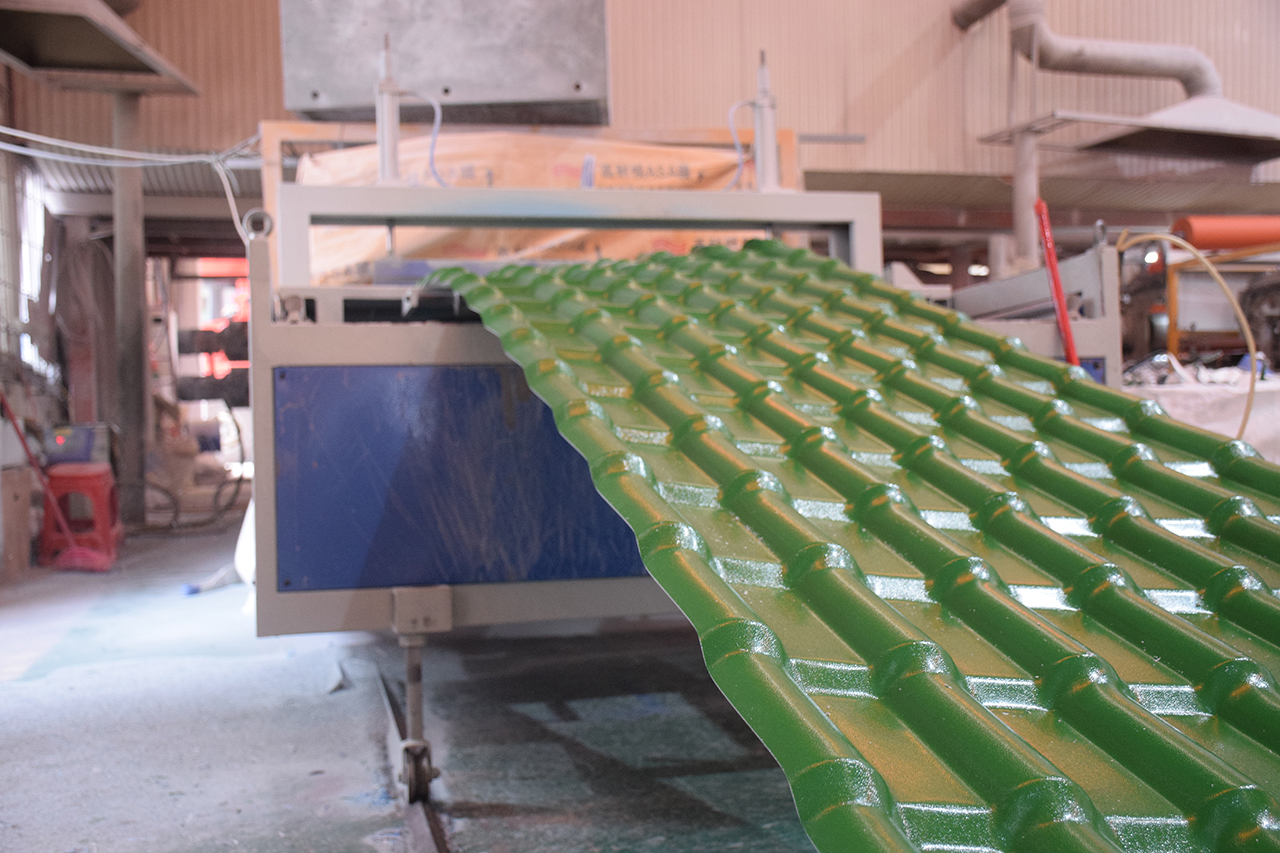
When it comes to value for money, it cannot be determined solely by looking at the unit price. In the retail market for Gaoyi resin tiles, true value for money is calculated based on the “total cost of ownership.” For example, suppose one type of tile costs two yuan less per unit than another, but needs to be replaced after just three years, while the slightly more expensive option lasts twenty years. Which one is actually the better deal? I once witnessed an extreme case where a customer purchased tiles costing less than 20 yuan per square meter, only to experience leaks as early as the second year. The repair costs ended up being three times higher than the initial savings!
Another point that is often overlooked is shipping and damage. The logistics loss rate for retail shipments of Gaoyi resin tiles is actually quite high. To keep prices low, they deliberately use flimsy cardboard boxes, resulting in half the shipment arriving broken. A truly reliable supplier will increase the thickness of the foam padding and place protective boards between each bundle of tiles. This detail—unless you ask about it—they won’t mention it, yet it directly impacts the actual cost you’ll incur when the product finally reaches you.
In addition, after-sales service represents a form of hidden value. In the retail industry for Gaoyi resin roofing tiles, manufacturers that offer a ten-year warranty generally have a solid foundation in terms of raw materials and production processes. As for those manufacturers that dare to offer only a one-year warranty, you should naturally be skeptical. I suggest you ask the seller directly: “If the tiles fade within two years, how will you handle it?” The standard answer should be “we will replace them free of charge,” not “we’ll help you contact the manufacturer.”
When selecting high-quality resin roof tiles for retail, there are three key factors to consider: examining the raw material formulation, assessing whether the thickness is uniform, and evaluating whether the accessories are compatible. Do not let low prices cloud your judgment, nor be intimidated by marketing gimmicks that appear high-end and luxurious. The fundamental principle is this: once the tiles are installed on the roof, they must withstand five consecutive years of wind and sun without warping or losing their shape—that is what truly matters.