Why is it said to be rewriting the rules of traditional roofing?
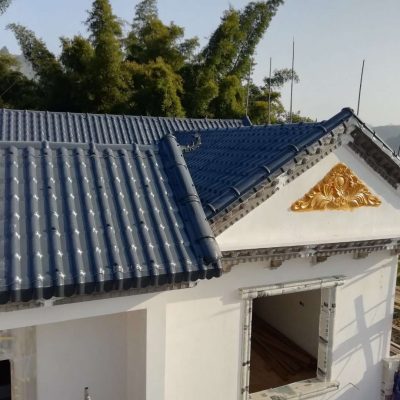
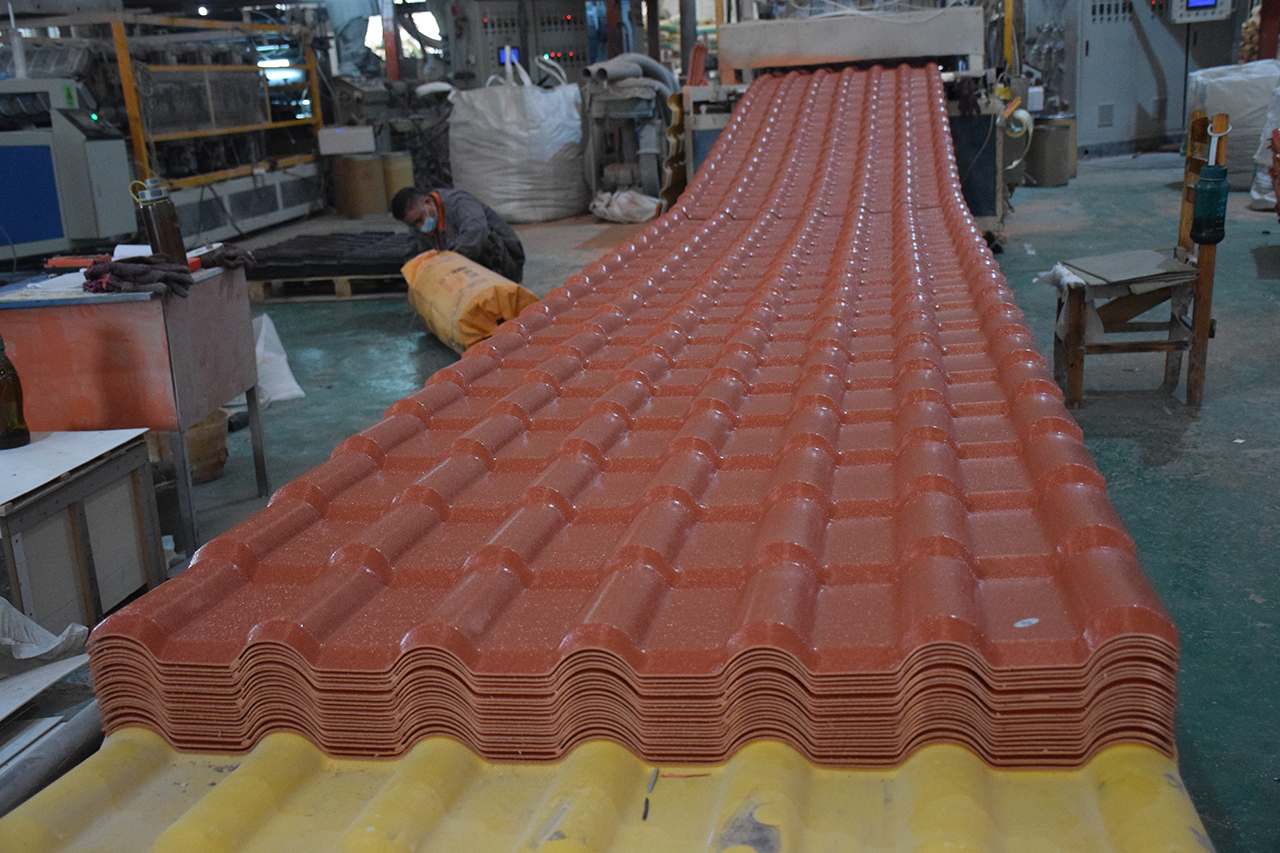
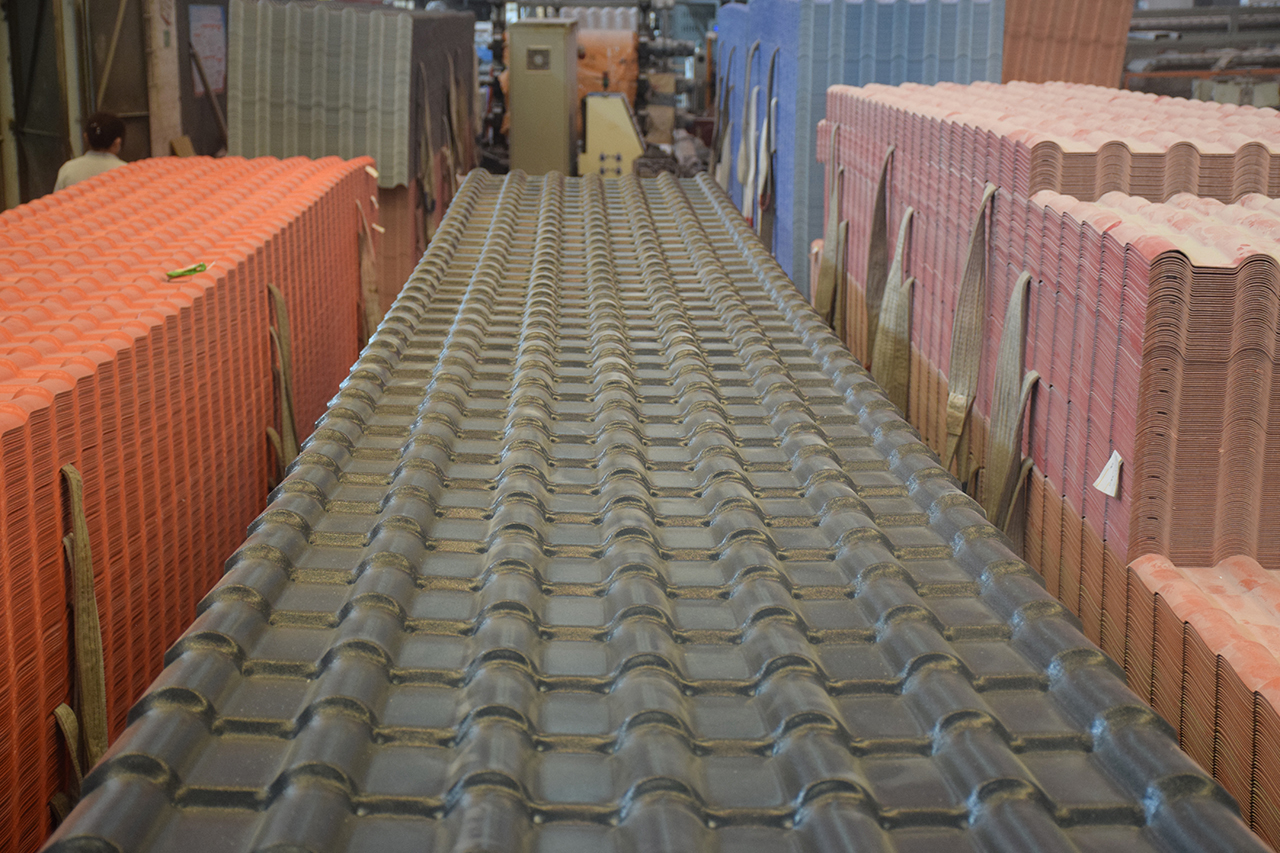
Are you still struggling with roof leaks, rust, and bulky roofing materials? In 2026, the building materials market is undergoing a quiet revolution. You may have heard the term “synthetic resin roofing tiles,” but few people truly understand what they are. Unlike traditional cement tiles, they aren’t dull and heavy, nor are they as prone to rusting through as color-coated steel tiles. In short, this lightweight, high-strength roofing material—manufactured using modern chemical technology—is redefining people’s perceptions of roofing through its tangible performance. Its core advantage lies in combining corrosion resistance, thermal insulation, and impact resistance into a single product, while also being exceptionally easy to install. If you’re in the process of building a house or renovating your roof, this is very likely one of the most noteworthy options to consider this year.
How Can Lightweights Carry the Load?
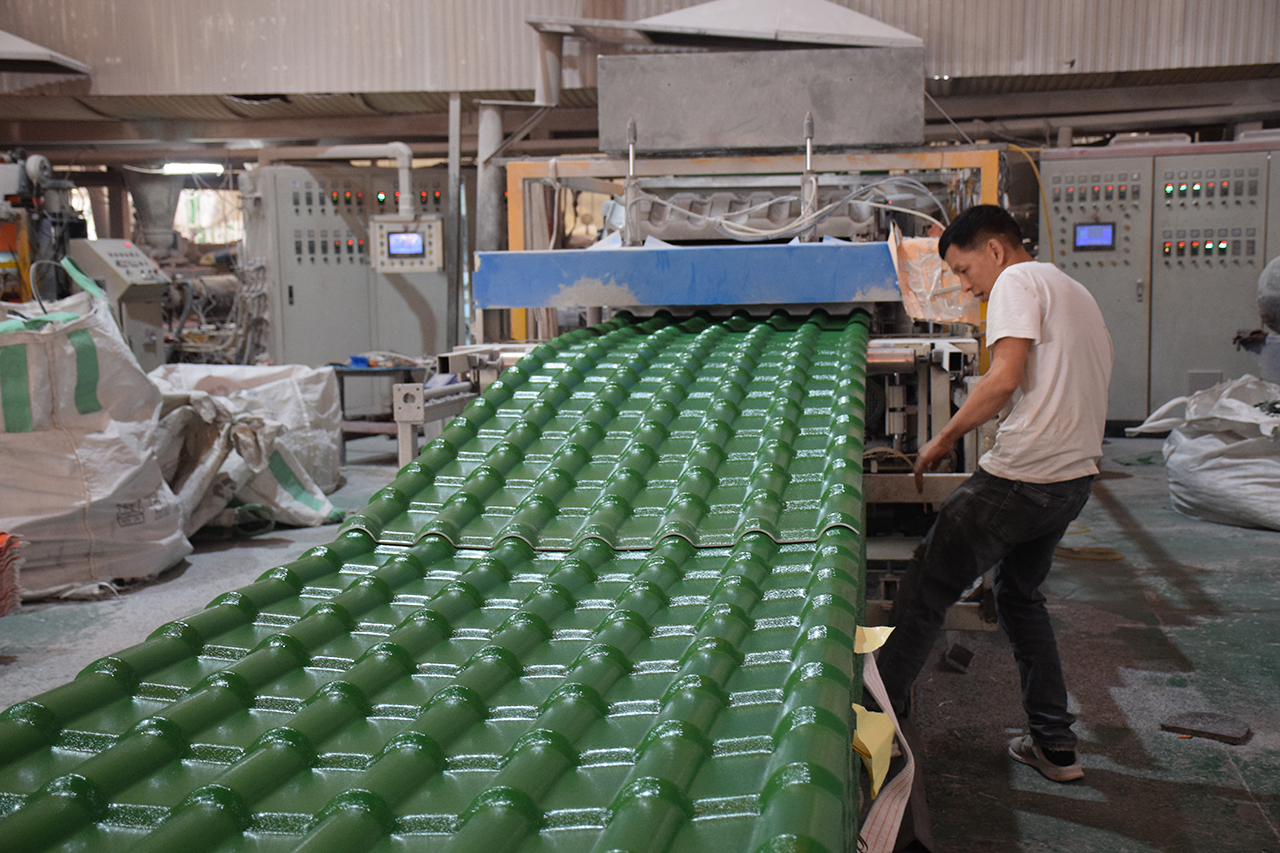
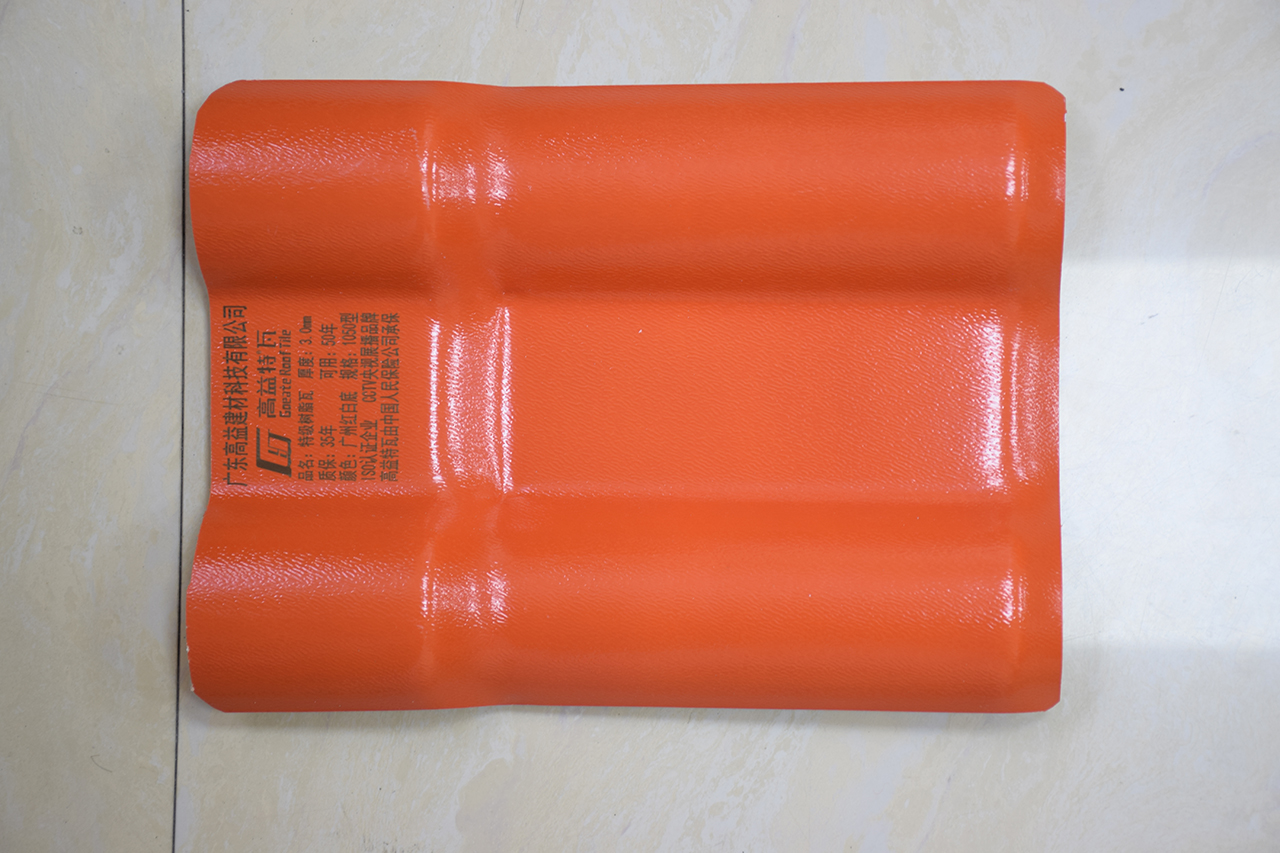
Many people’s initial reaction is: “With tiles this light, are they really sturdy?” This is precisely what makes synthetic resin tiles so surprising. They typically weigh only about one-fifth as much as traditional cement tiles, yet their impact resistance is exceptionally strong. When you hold one in your hand, you’ll notice a certain resilience—it doesn’t feel fragile or like it will snap at the slightest bend. For example, in areas prone to hailstorms, these tiles can withstand significant impact without breaking. Their structure is specially designed with an anti-aging layer on the surface that effectively resists UV damage. Even after eight or ten years of use, the color remains vibrant and bright—unlike some materials that fade and become brittle. Furthermore, this material has self-cleaning properties: as rain washes over it, dust is carried away by the water, eliminating the hassle of having to bend over and climb up and down to wipe the tiles. For the average household, this translates to lower maintenance costs and a longer service life.
Is fire resistance and weather resistance really effective?
This is precisely where the key strength of synthetic resin roofing tiles lies. They have passed relevant national fire resistance tests and are classified as flame-retardant materials; once the fire source is removed, they will self-extinguish, rather than acting as a fuel source that aids combustion and spreads the fire, as is the case with color-coated steel roofing tiles. Think about it carefully: if a fire were to break out on the roof, how much time would this layer of protection actually buy you for escape and rescue? In terms of weather resistance, it also performs exceptionally well. From the bitterly cold northern winters, where temperatures drop to dozens of degrees below zero, to the sweltering summers with temperatures exceeding 40 degrees, these tiles are virtually immune to cracking, warping, or embrittlement. Their coefficient of thermal expansion has been carefully calibrated, and when combined with appropriate installation clearance, they can withstand a wide range of extreme climates. Furthermore, corrosion caused by acids and alkalis is essentially not an issue; neither the salt fog in coastal areas nor the acid rain generated in industrial zones can easily damage it. After making such a comparison, would you still consider the slight price advantage of traditional roof tiles to be a truly cost-effective choice?
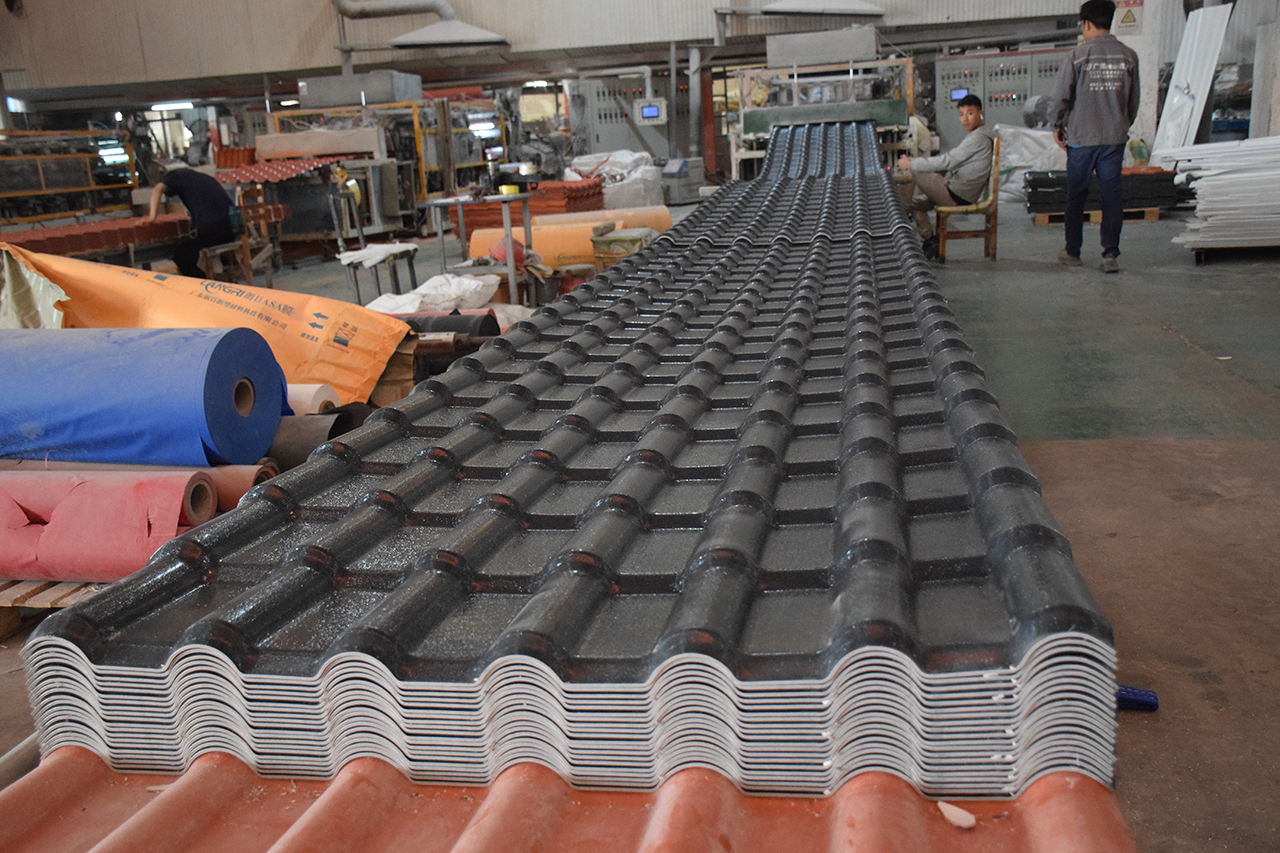
Installation is so hassle-free, you'll start questioning your life
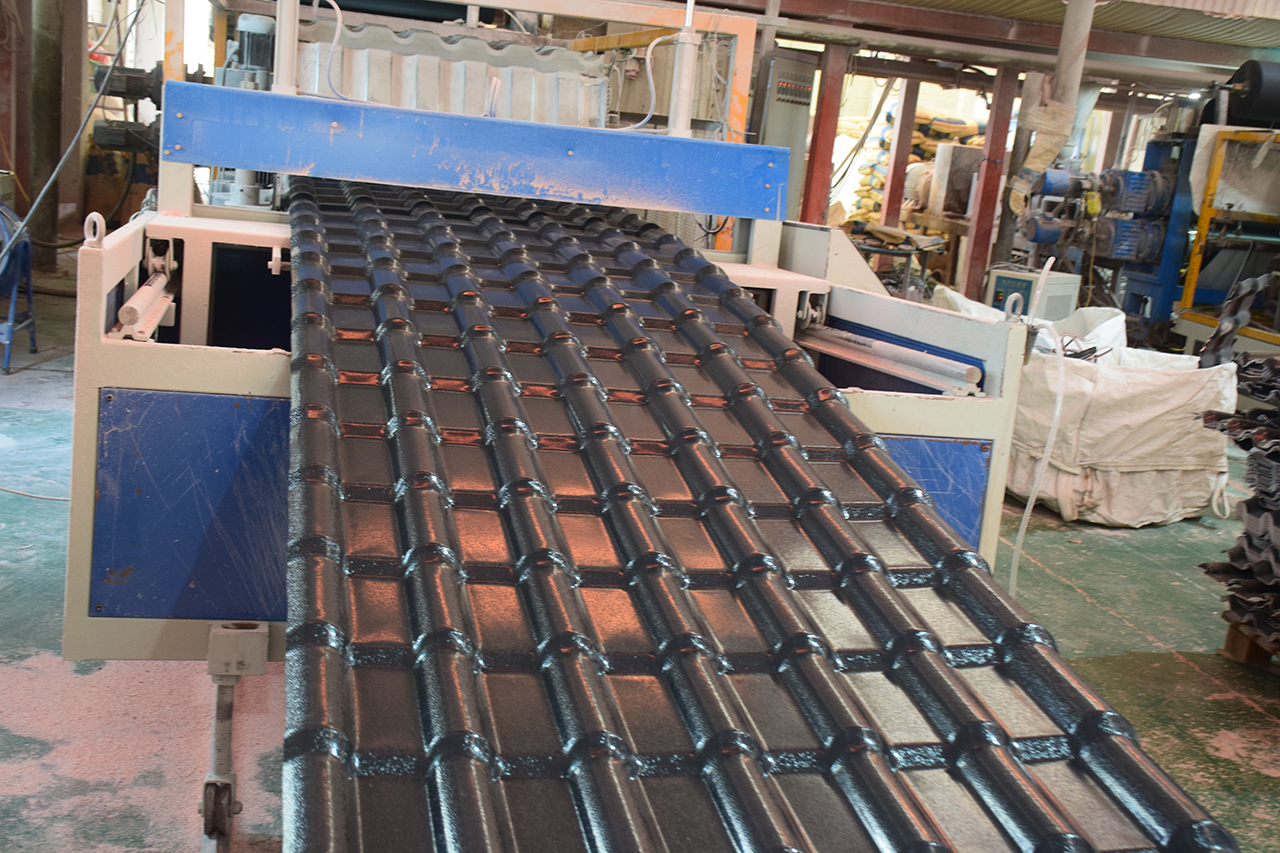
If you’ve ever had cement tiles installed in the past, you know just how labor-intensive and time-consuming the process is. The tiles have to be loaded onto and unloaded from a truck, leaving workers so exhausted they can’t even stand up straight. Composite resin tiles have completely changed this situation. A single person can easily lift a large sheet, and during installation, they only need to secure it with simple screws. For a 100-square-meter roof, a skilled craftsman can complete the job in a single day. Moreover, because the tiles are large and interlock extremely tightly—significantly reducing the number of seams—the risk of leaks is greatly minimized. For homeowners, this not only saves on labor costs but also shortens the construction timeline, sparing them the hassle of dealing with an open-air construction site. Such an improvement in the user experience is far more persuasive than any marketing slogan.
You Need to Know About These Hidden Drawbacks
No product is flawless, and synthetic resin roof tiles are no exception. Their shortcomings mainly fall into several categories. First, there is the issue of price. The unit price is significantly higher than that of ordinary cement tiles, resulting in a fairly high initial investment. Although this saves on maintenance costs in the long run, it can be a real obstacle if your budget is tight. Second, they require a certain level of installation expertise. If screws are tightened too tightly or left too loose during installation, or if the overlaps are not properly aligned, this may lead to potential water leakage issues down the line. Furthermore, although the surface is stain-resistant, cleaning it can be quite complicated and difficult once it becomes soiled with grease or stubborn stains; the use of strong acids or alkalis for cleaning is strictly prohibited. Additionally, to some consumers who prefer the traditional look and feel of brick and tile, its appearance may seem a bit too “plastic-like.” You’ll need to decide for yourself whether these drawbacks are acceptable based on your actual needs.
Synthetic resin roofing tiles offer significant advantages in terms of lightweight design, excel in fire resistance, are weather-resistant, and are relatively easy to install. At the same time, they have drawbacks such as high upfront costs and a high degree of sensitivity to installation details. Their overall evaluation depends on your specific application and budget, but as a top contender among roofing materials in 2026, they are certainly worth serious consideration.