Why Do Resin Roof Tiles Last for Decades?
When many people hear the term “resin roofing tiles,” their first reaction is, “Are these things really durable?” Don’t worry—let me start by telling you the truth: high-quality resin roof tiles can easily last two or three decades. This isn’t just hype; it’s backed by real materials science and engineering design. From the raw materials all the way to the final product, every layer holds secrets that put ordinary roof tiles to shame. You might be curious: why is it that, as a roofing material, resin roofing tiles can withstand wind, sun, heavy rain, and hail? The answer lies hidden within. Let’s peel back the layers and uncover the secrets one by one.
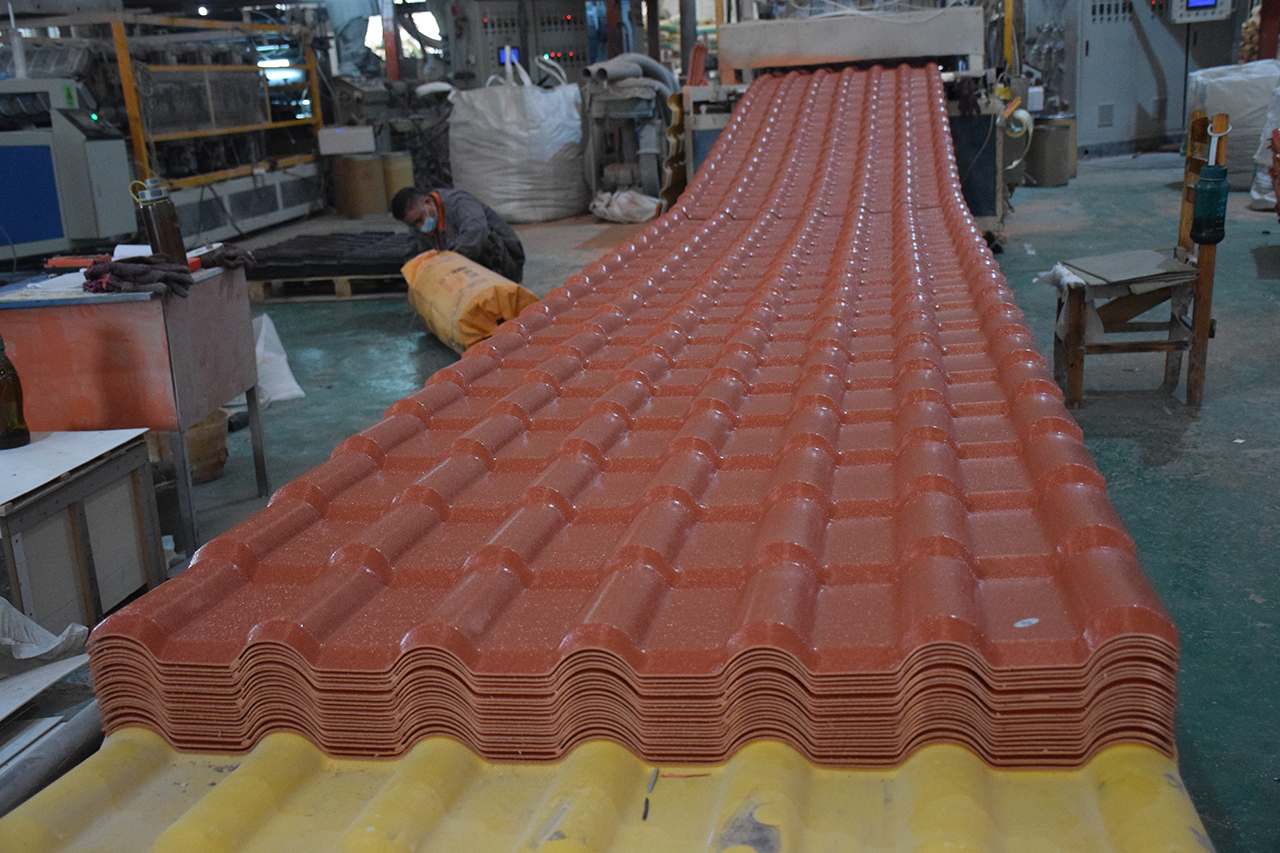
The ingredient formula is its secret weapon.
The primary strength of resin roofing tiles lies in their raw materials. Don’t be fooled by their seemingly ordinary plastic-like texture—they’re made from engineering resins with high weather resistance, such as ASA or PVC. These materials are naturally resistant to UV rays, no matter how intense the sun’s rays may be, they won’t become brittle like ordinary plastics, nor will they discolor. Just look at the resin roofing tiles on those older houses— even after ten years, the color is still as good as new. This is no exaggeration—the material itself possesses anti-aging properties, and the formula includes impact modifiers. Even when struck by hail, it merely bounces slightly and remains intact, without cracking at all. It’s like putting a bulletproof vest on your roof—with “I’m not afraid” written all over it, inside and out.
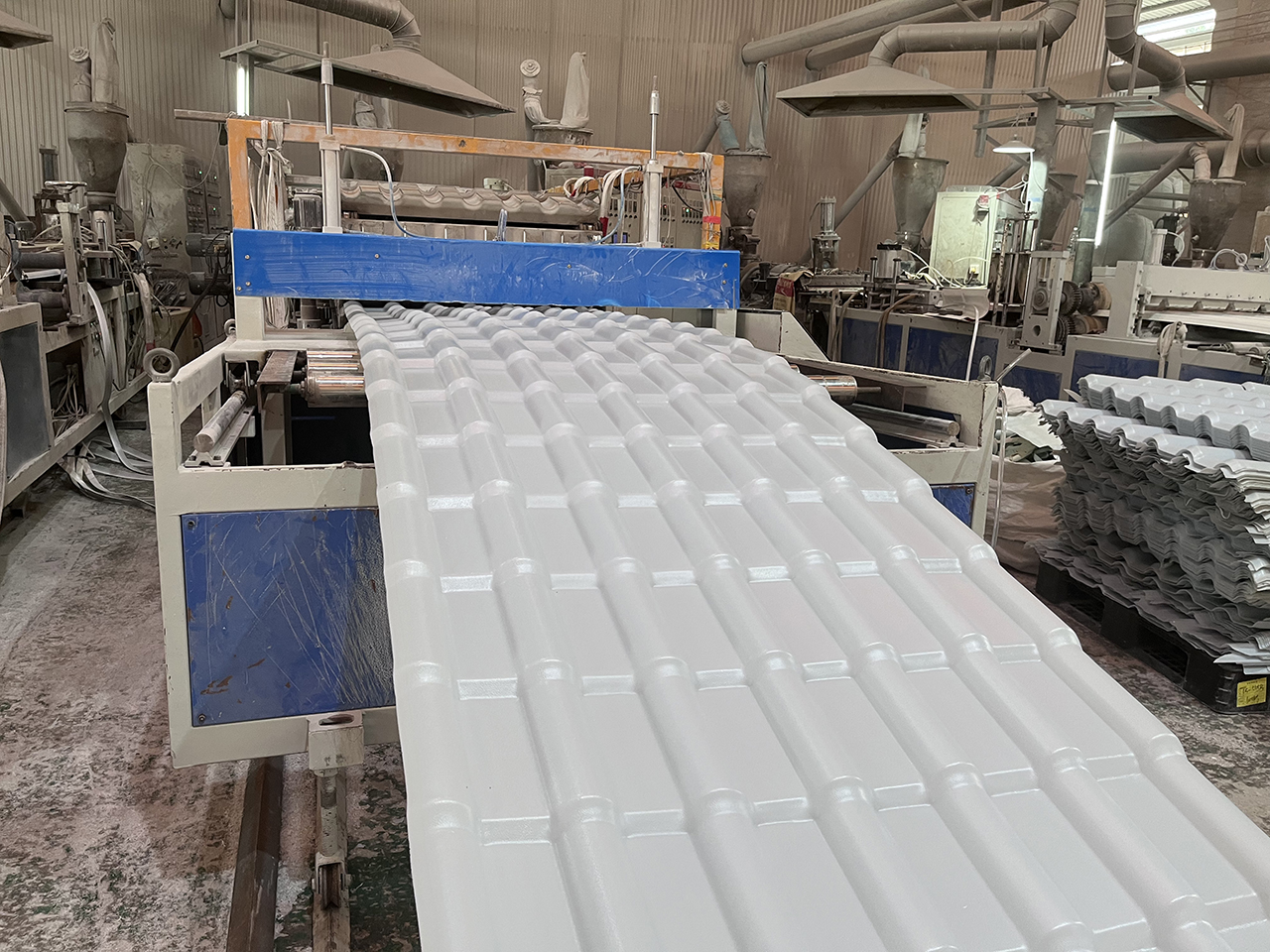
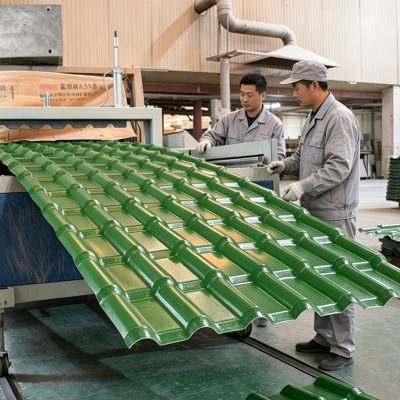
The manufacturing process is not simply extrusion; resin roofing tiles are produced through high-temperature fusion and multi-layer co-extrusion. The outer layer of ASA resin acts as their “armor,” This “armor” is resistant to acids, alkalis, and corrosion. Even if you live next to a chemical plant and acid rain falls, it remains completely unaffected. Ordinary cement tiles or color-coated steel tiles, would have long since become rusty, crumbled, and flaked away in such a corrosive environment, whereas resin roofing tiles remain as solid as a rock. Think about it: could a material that isn’t even afraid of chemical attacks possibly have a short lifespan?
The structural design makes the roof as solid as a rock
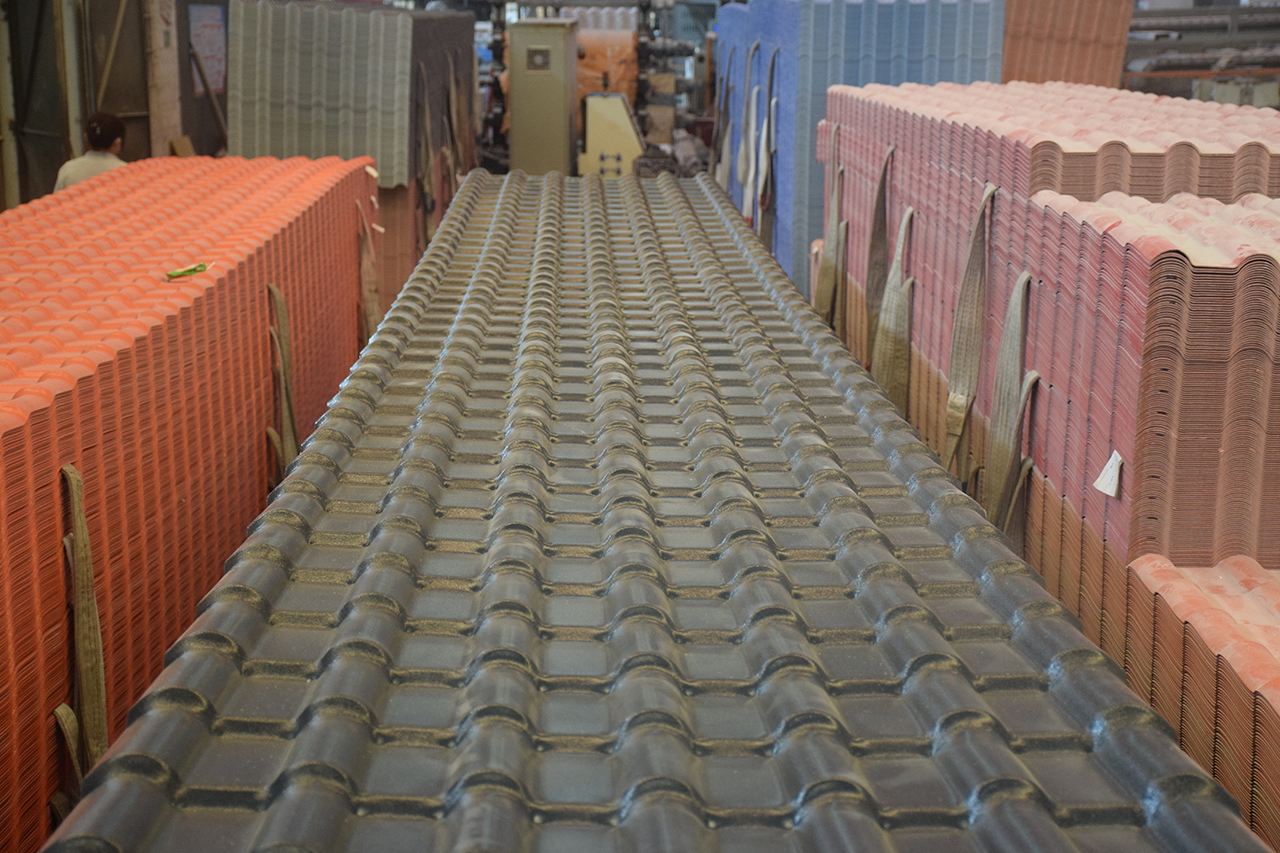
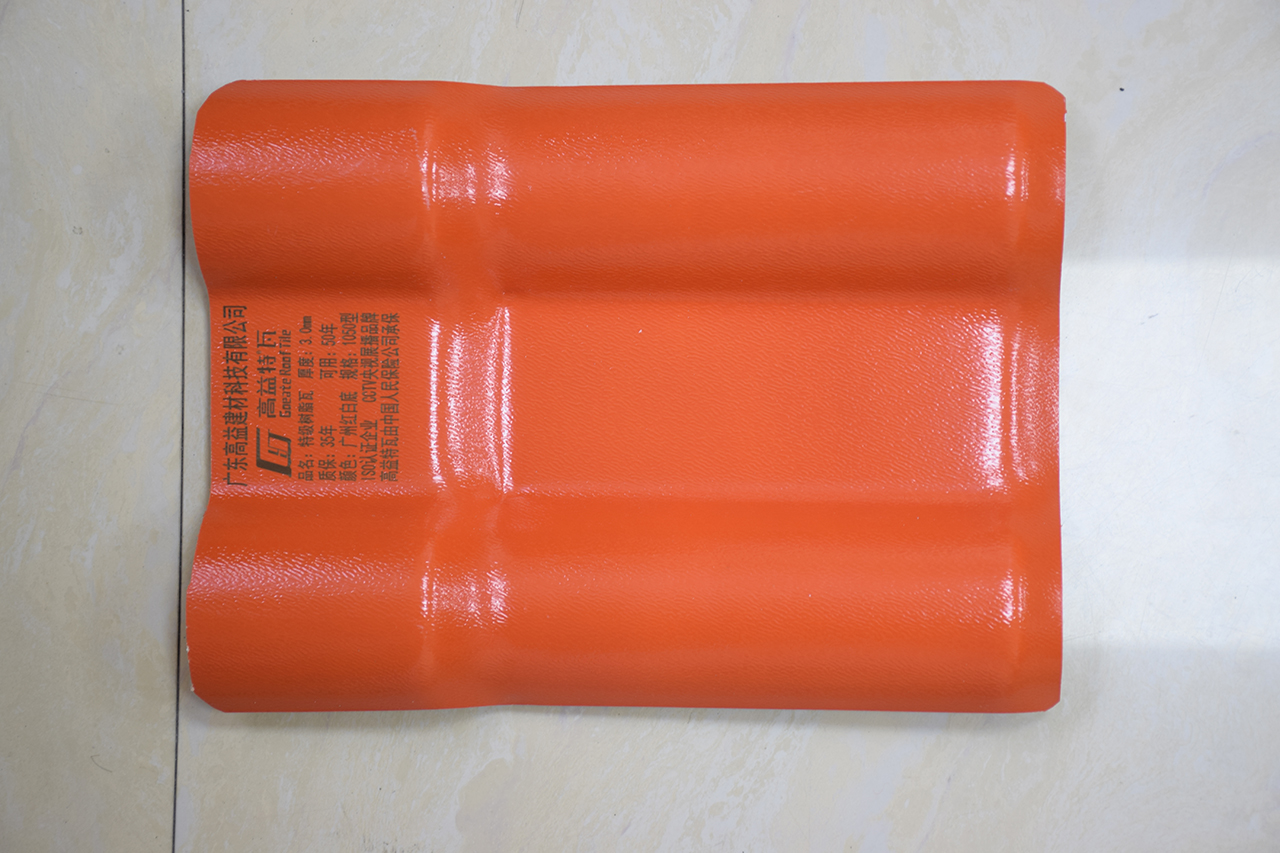
The material alone is not enough; the design of the resin roof tiles is also key to their durability. The shape of the tiles is not randomly stamped but has undergone mechanical optimization. The corrugated surface enhances compressive strength; when snow accumulates, it distributes the weight across the entire roof rather than concentrating it in specific areas. As a result, even during the heaviest winter snowfalls, there is no need to worry about the tiles collapsing under the weight. Some resin tiles are also designed with reinforcing ribs, much like a human skeleton, which provide solid structural support to the entire tile.
Its interlocking design is particularly ingenious; the resin tiles have a large overlapping area and fit together extremely tightly, preventing rainwater from penetrating at all. Furthermore, since the tiles themselves do not absorb water, they will not crack due to freeze-thaw cycles like traditional tiles do. In summer, when thermal expansion and contraction occur, their low coefficient of thermal expansion ensures they will not warp or deform. Just imagine: the roof of a house, exposed to temperatures as low as minus twenty degrees in winter and as high as forty degrees in summer—the resin tiles endure these extreme temperature fluctuations repeatedly yet remain completely unaffected. It is precisely this structural “resilience” that forms the foundation of their ability to last for decades.