What Exactly Makes Resin Roof Tiles So Durable?
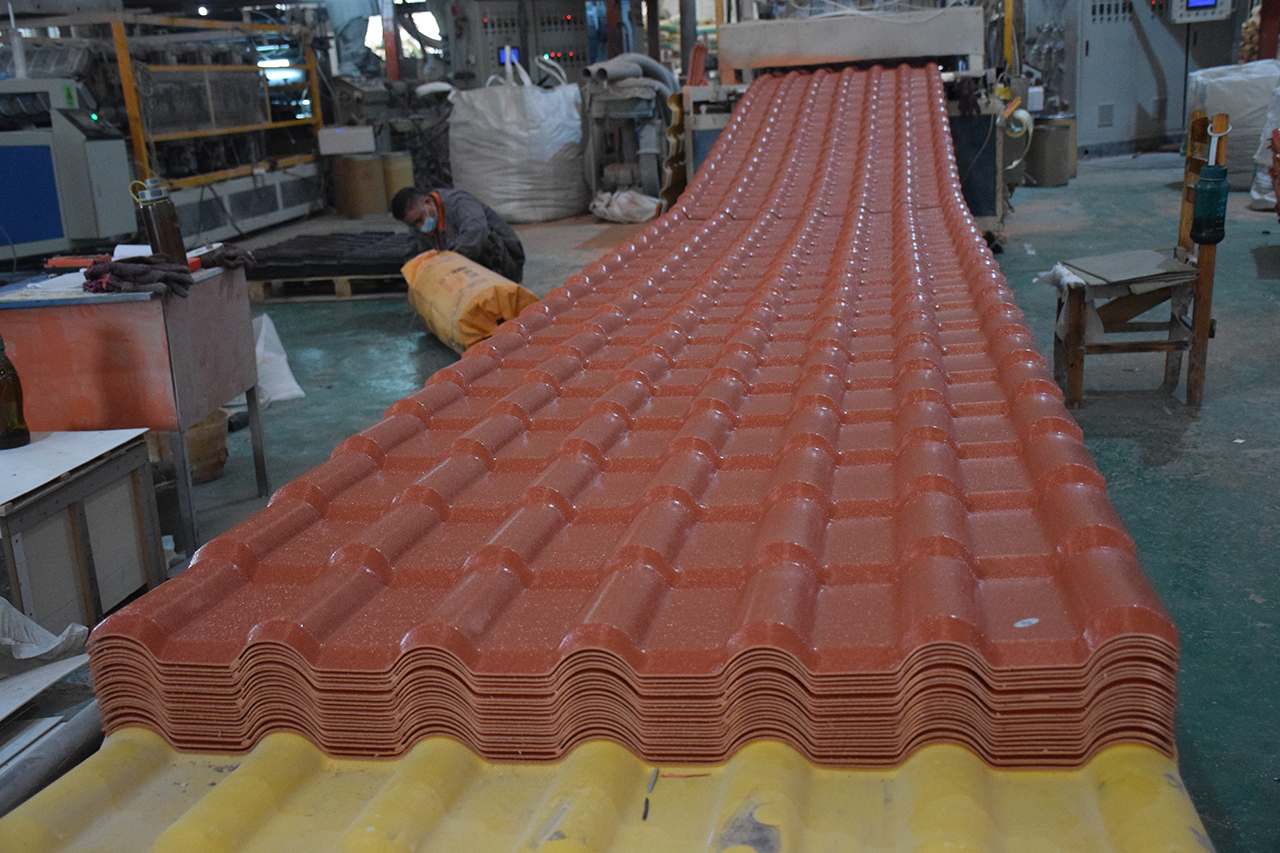
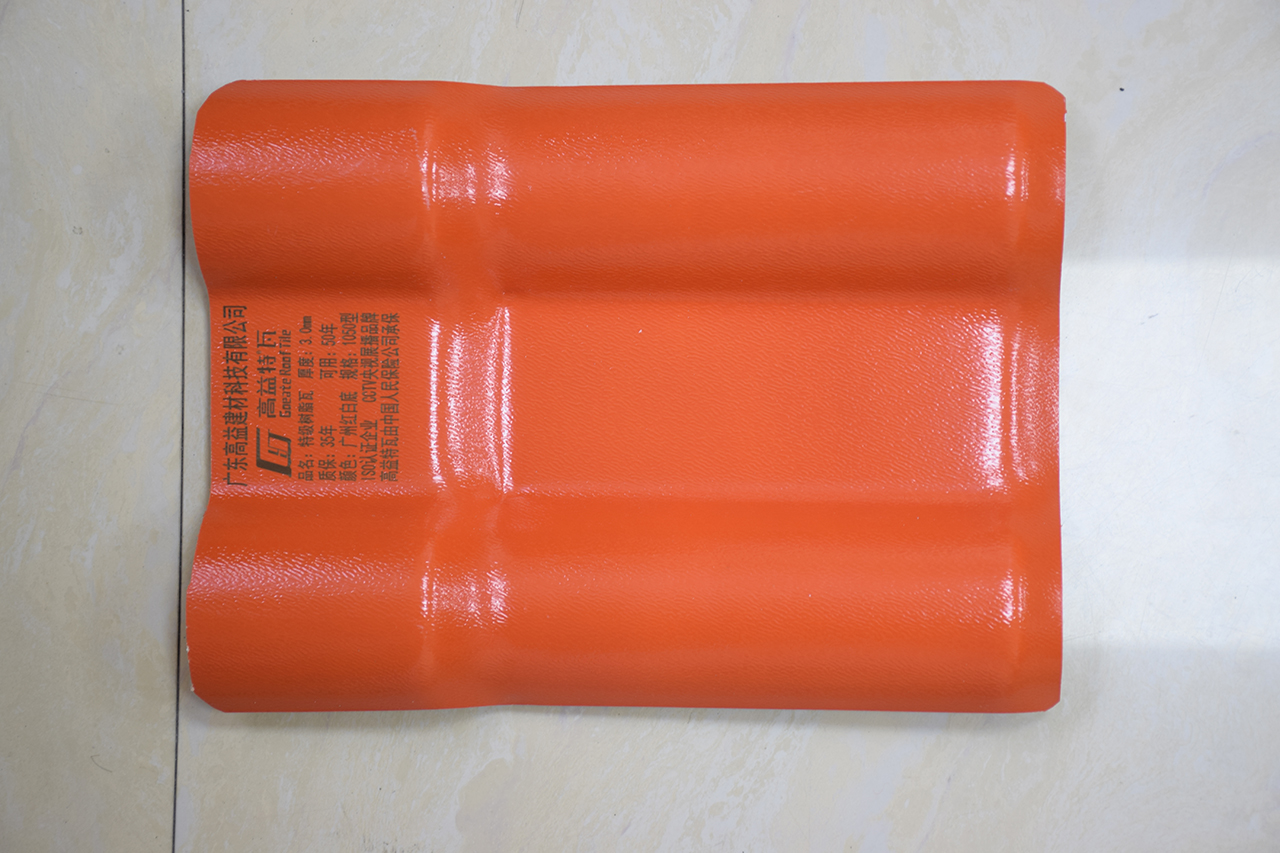
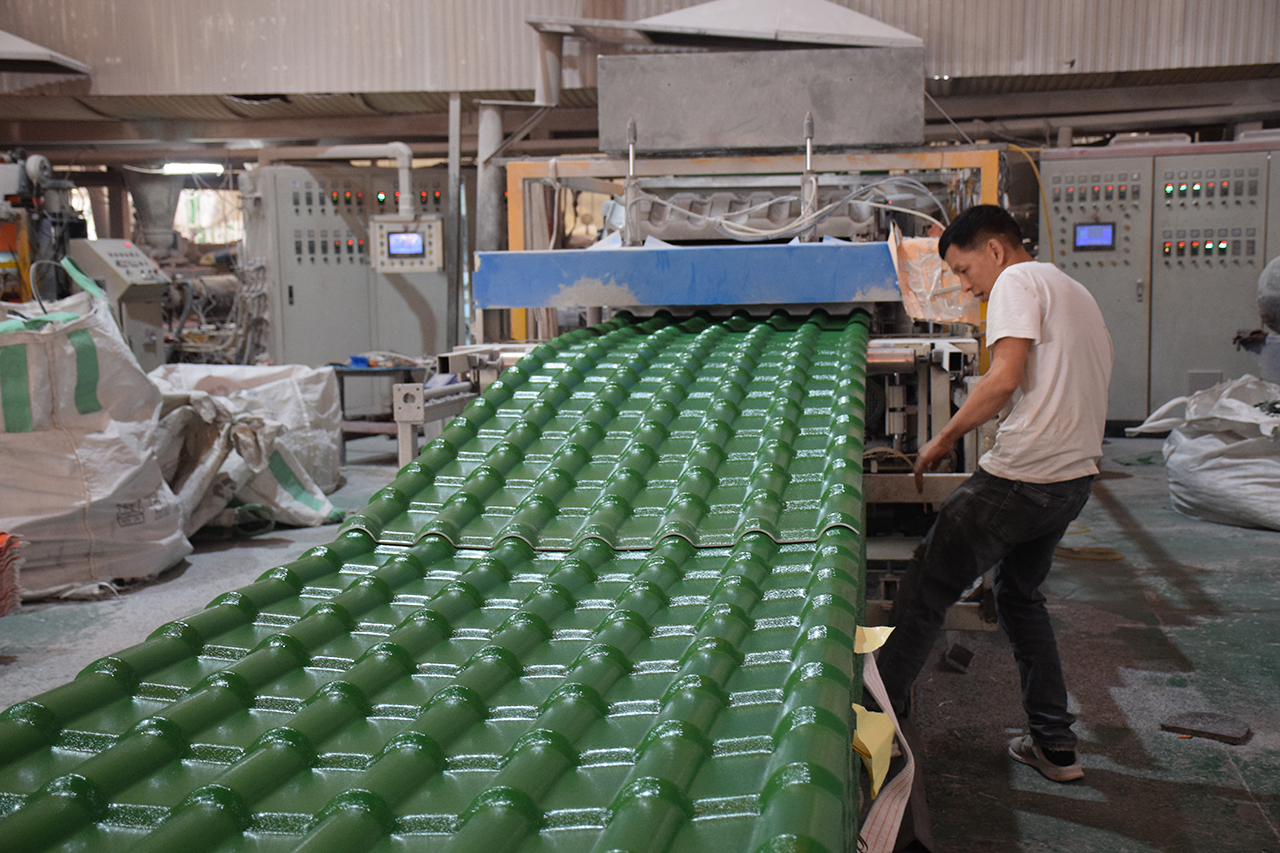
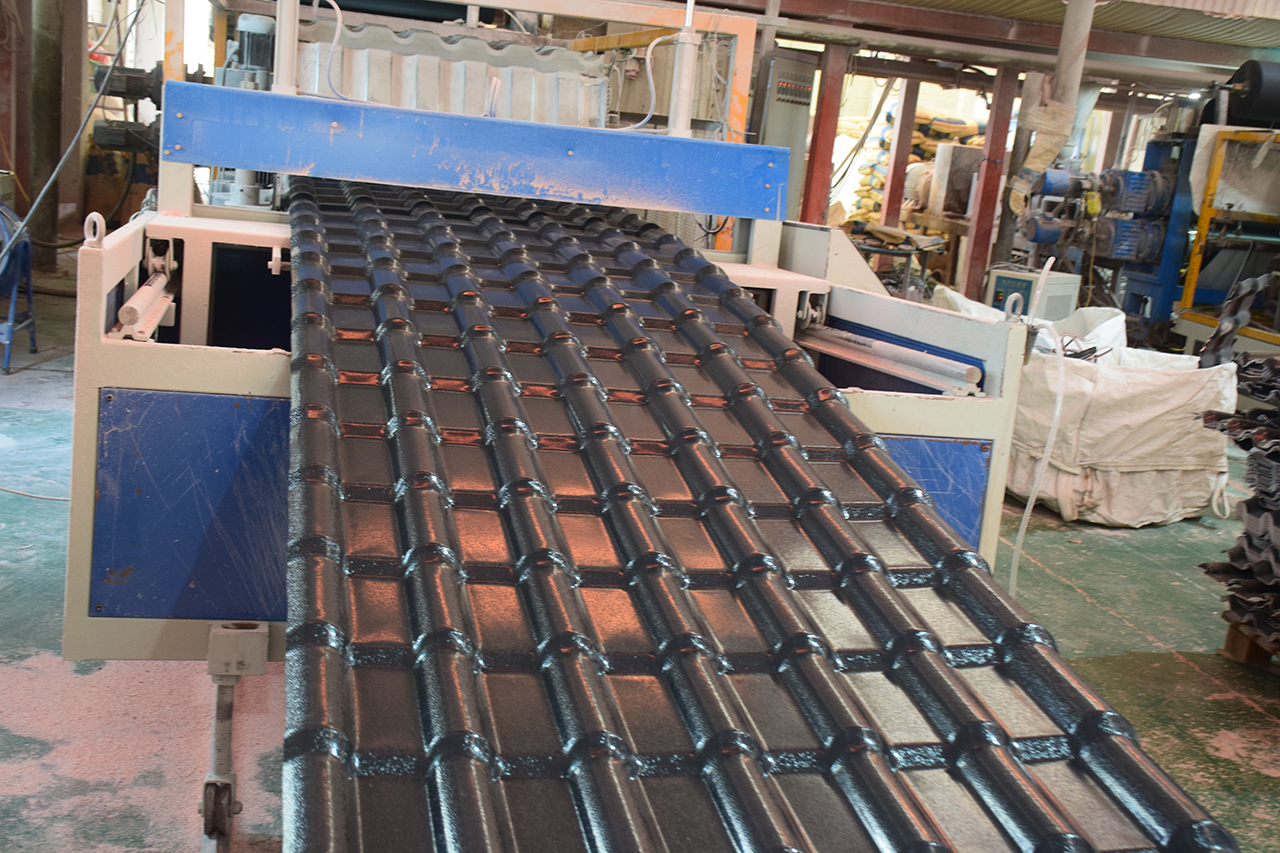
The underlying logic of materials science is the core reason why resin roofing tiles have firmly established themselves in the construction market. While many people mistakenly believe that resin roofing tiles are simply ordinary plastic sheets, they are actually manufactured through a co-extrusion process that combines ASA ultra-weather-resistant engineering resin with a PVC base layer. This unique composite structure has inherent resistance to aging from the moment it is created. According to the latest industry testing data from 2026, high-quality resin tiles can achieve an impact strength more than three times that of ordinary color-coated steel tiles. Even in North China—a region where hailstorms are relatively common—roofs that have withstood more than a decade of weathering still show no signs of through-cracking.
More importantly, resin roofing tiles are corrosion-resistant—a property that stems directly from the material’s inherent inertness, as acids, alkalis, salts, and other substances cannot erode their surface molecular structure. This clearly explains why chemical plants and coastal villas place such high value on these tiles.
Why Is UV Resistance a Key Metric?
The amount of UV radiation a roof is exposed to each day is staggering. Take ordinary plastic roofing, for example—it can become brittle and yellow in as little as three years. Resin tiles are durable, and the secret lies in their 0.3-millimeter-thick ASA resin layer on the surface; this special material can absorb and scatter more than 98% of UV radiation.
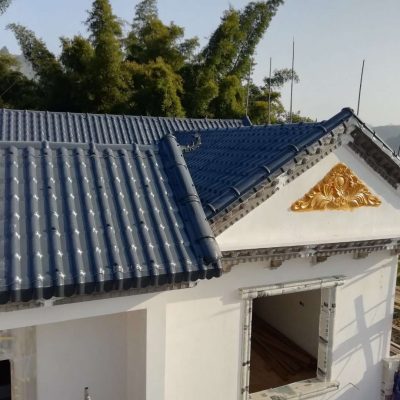
I have visited roofs in the southwestern region that have been covered with resin tiles for fifteen years. During my visits, I personally sanded their surfaces vigorously with sandpaper. The results showed that the exposed inner layer still retained its original strength, It is worth noting that simulated accelerated aging tests conducted in the laboratory revealed the following: after 3,000 hours of xenon lamp exposure, the color difference of the resin shingles did not exceed 5 ΔE units, whereas ordinary roofing materials would have long since crumbled under the same test conditions. It is precisely this outstanding UV resistance that plays a decisive role in determining whether the tiles can maintain a 20-year service life under high-temperature, intense sunlight conditions.
How Can Structural Design Improve Resistance to Wind and Snow?
Within the field of architecture, structural design plays a crucial and vital role in enhancing a building’s resistance to wind and snow loads. Engineers must comprehensively consider numerous factors and apply their professional knowledge and advanced technologies to meticulously plan the structure—from the building’s overall layout to the specific selection of individual components— all of which require rigorous and meticulous analysis and calculation. Based on the characteristics of wind and snow loads in different regions, the structural form, dimensions, and connection methods must be reasonably and appropriately determined to ensure that the building remains as stable as ever even under severe wind and snow conditions, thereby safeguarding people’s lives and property.
Thanks to ingenious structural design, wind and snow loads can be effectively distributed, preventing structural damage caused by localized overloading. For example, a well-designed exterior shape can reduce wind resistance and minimize the impact of wind on the building. At the same time, it enhances the structure’s integrity and stability, enabling all components to work together to withstand the forces of wind and snow. In addition, selecting appropriate building materials is crucial; these materials must possess sufficient strength and toughness to withstand the pressures exerted by wind and snow. Only in this way can high-quality building structures with strong resistance to wind and snow be constructed.
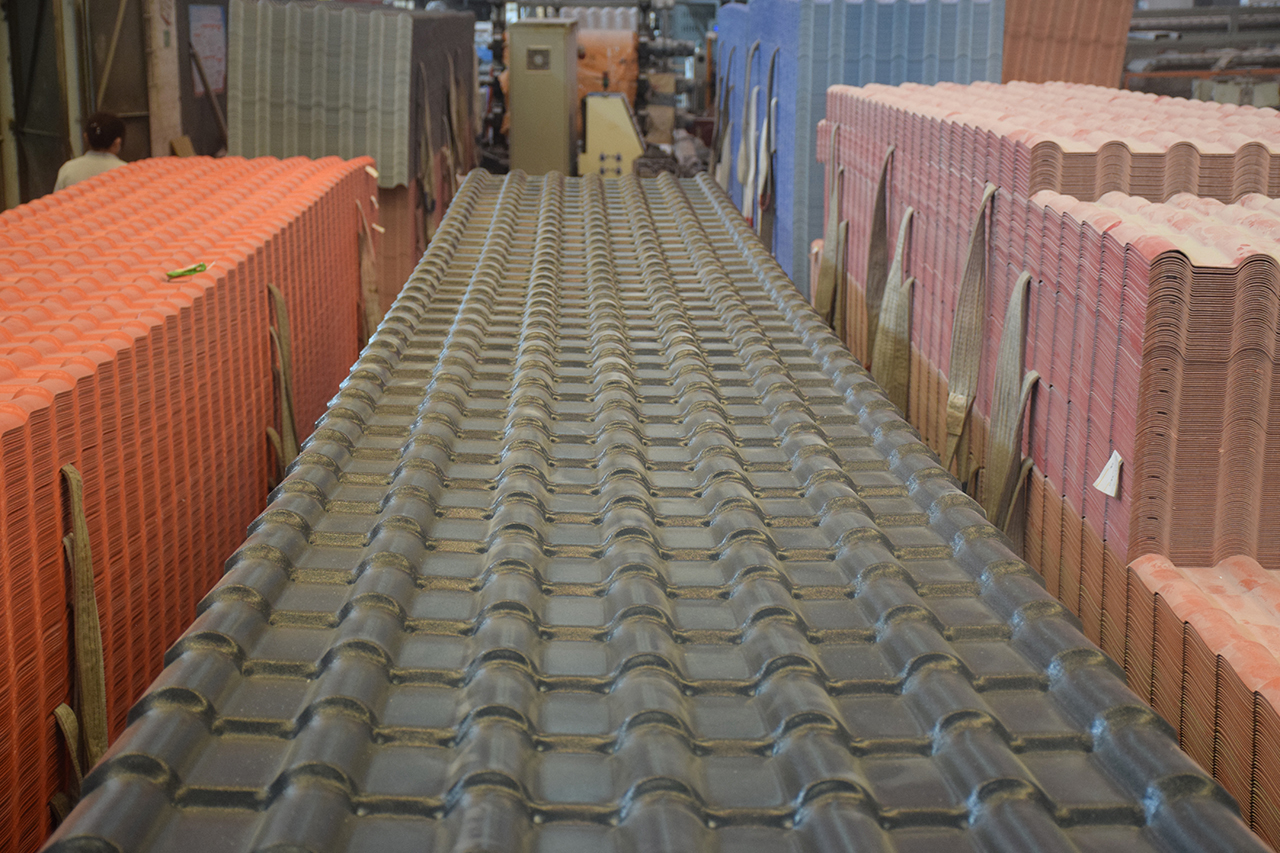
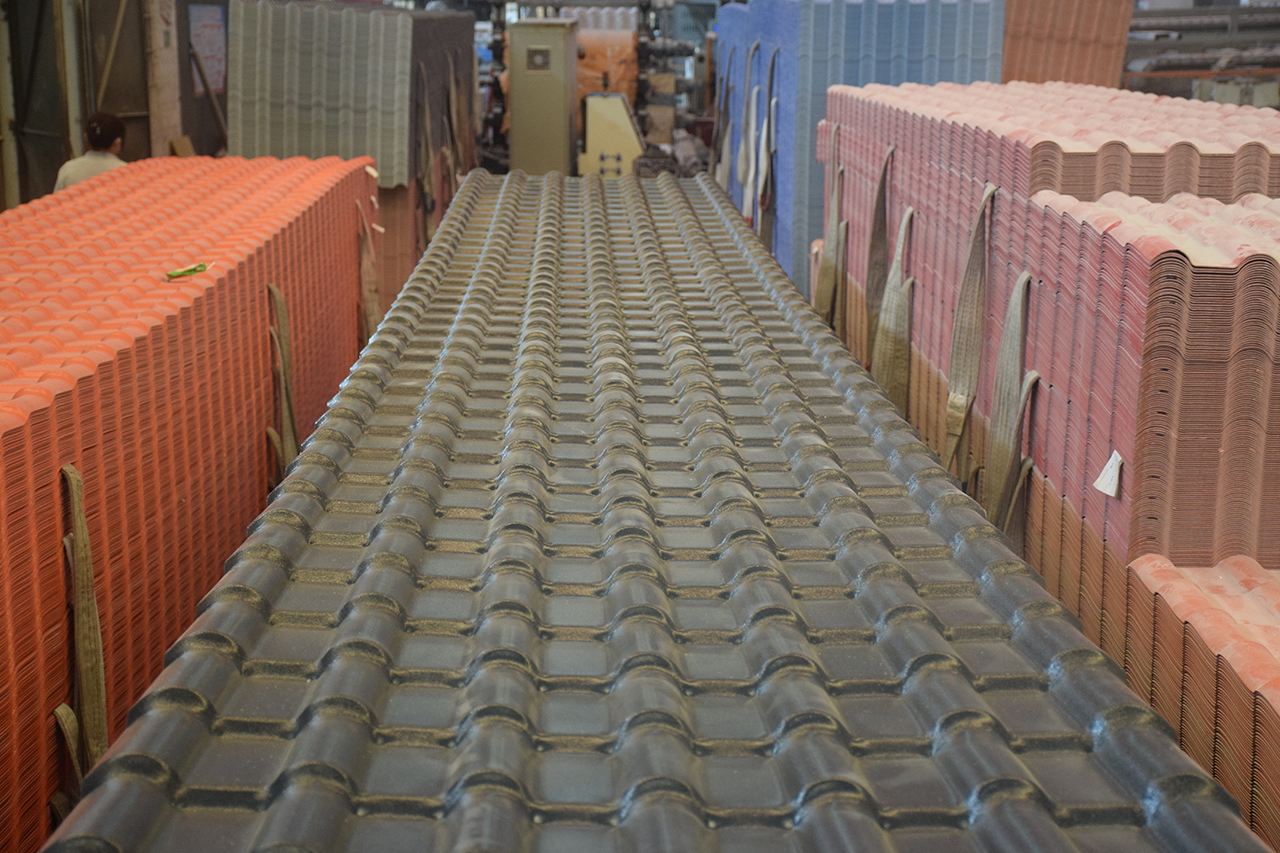
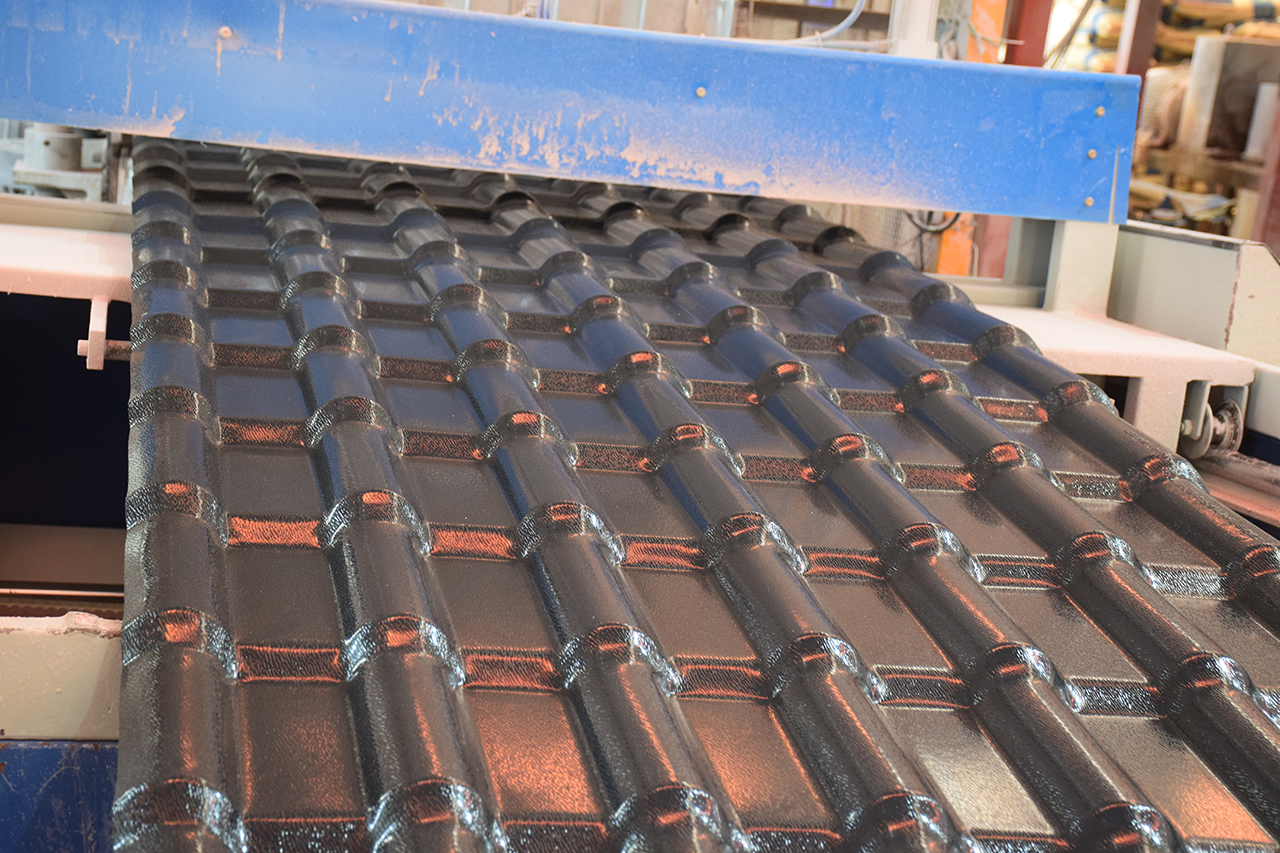
Many people often focus solely on the material itself, but without realizing it, they overlook the significant improvement in product durability that the tile design provides. Take resin roofing tiles, for example, which feature a ladder-shaped structure with higher ridges and closer spacing between them. When wind pressure reaches the intensity of a Category 12 typhoon, their unique aerodynamic design allows airflow to pass smoothly over the tile surface, effectively preventing the roof from being blown off due to negative pressure. I once conducted field measurements in Zhangjiakou following a snowstorm and found that resin roofing tiles can withstand a load of up to 200 kilograms per square meter. Furthermore, when snow begins to melt, the meltwater quickly slides down the corrugations. This self-cleaning property significantly reduces the damage caused to the roof by freeze-thaw cycles.
What’s even more ingenious is that the resin tiles feature a double-locking design at the joints. This design serves two purposes: first, it prevents rainwater from seeping back in; second, it allows for expansion and contraction due to thermal changes. This fundamentally ensures that, unlike traditional tiles, they will not crack due to temperature fluctuations.