How Good Is the Manufacturing Process at a Resin Tile Factory?
If you’ve already entered the field of resin tile production, you’ll discover that this is not simply an extrusion process; As a member of the building materials industry, I have seen far too many products that look good on the surface but cannot withstand the test of wind and sun; a high-quality resin roofing tile manufacturing process emphasizes strict quality control at every stage, from raw material selection to the shipment of finished products; As of June 2026, factories operating under all sorts of banners are everywhere on the market, but those that can truly perfect the resin roofing tile manufacturing process are, in fact, few and far between.
The key to resin roofing tiles lies in the thickness and purity of the ASA resin layer, which plays a decisive role in the product’s weather resistance and resistance to aging. I’ve visited many factories; some, in an effort to cut costs, make the ASA layer as thin as a cicada’s wing, while others use recycled materials instead of pure resin. The differences in these manufacturers’ production processes may not be apparent in the short term, but after three to five years, the gap becomes as vast as the difference between heaven and earth. This is why I always advise users to thoroughly understand a manufacturer’s production processes, rather than focusing solely on price.
Which manufacturing process is best for resin roof tiles?
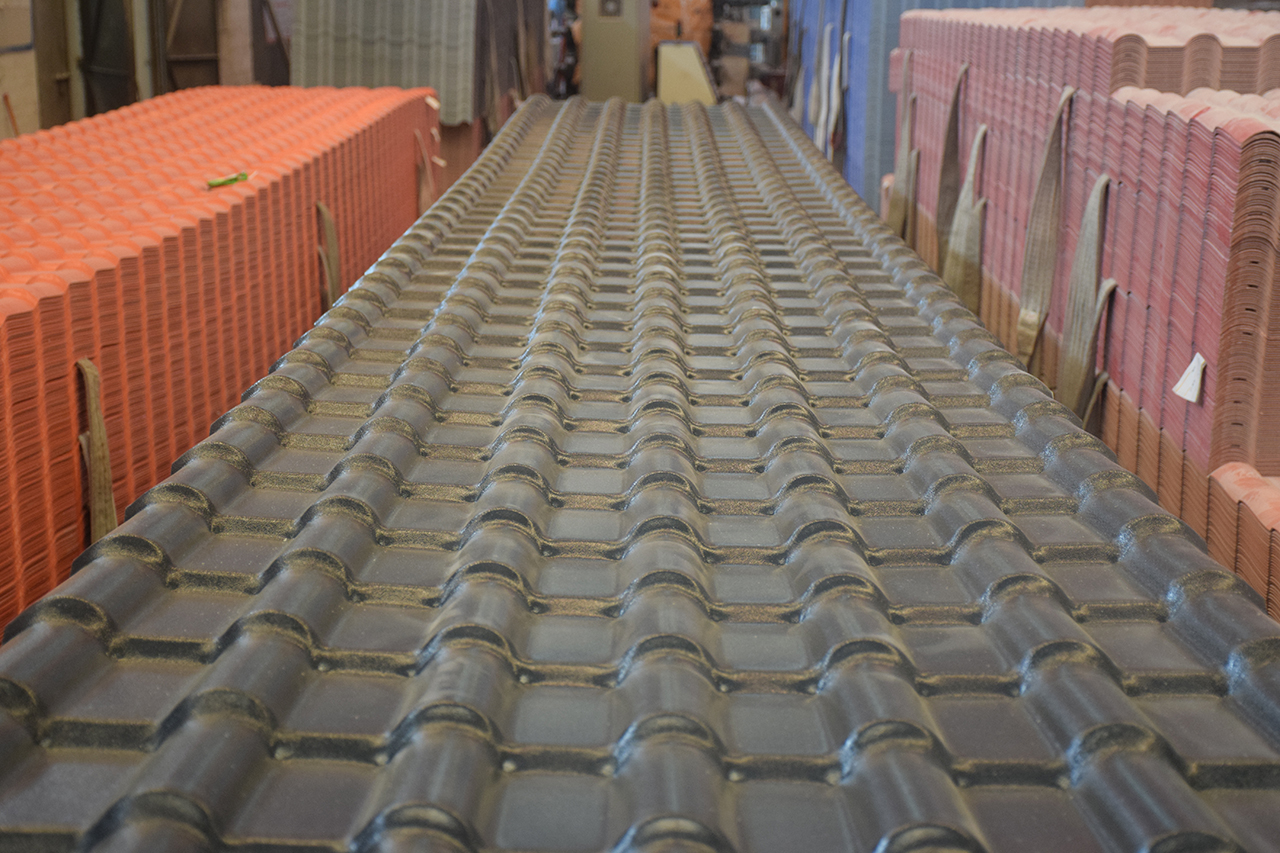
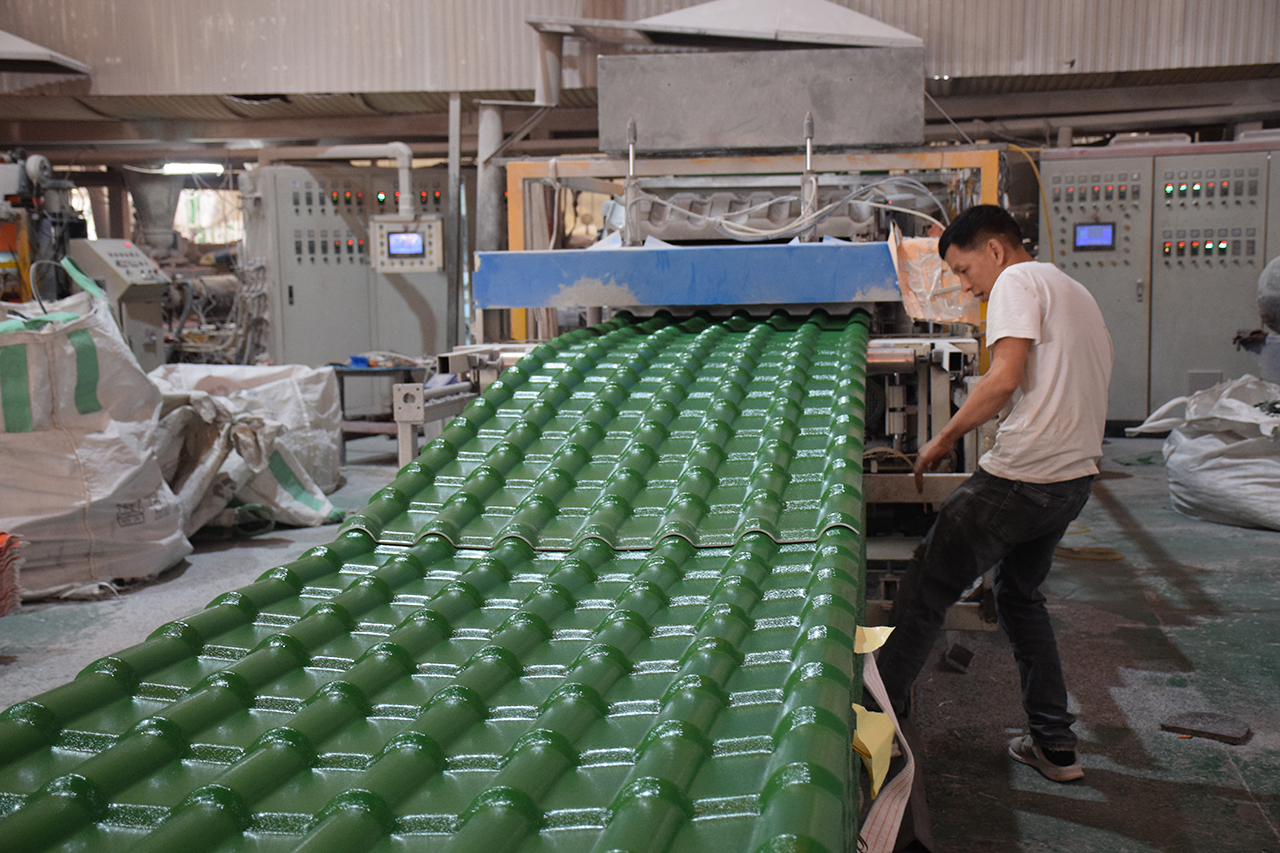
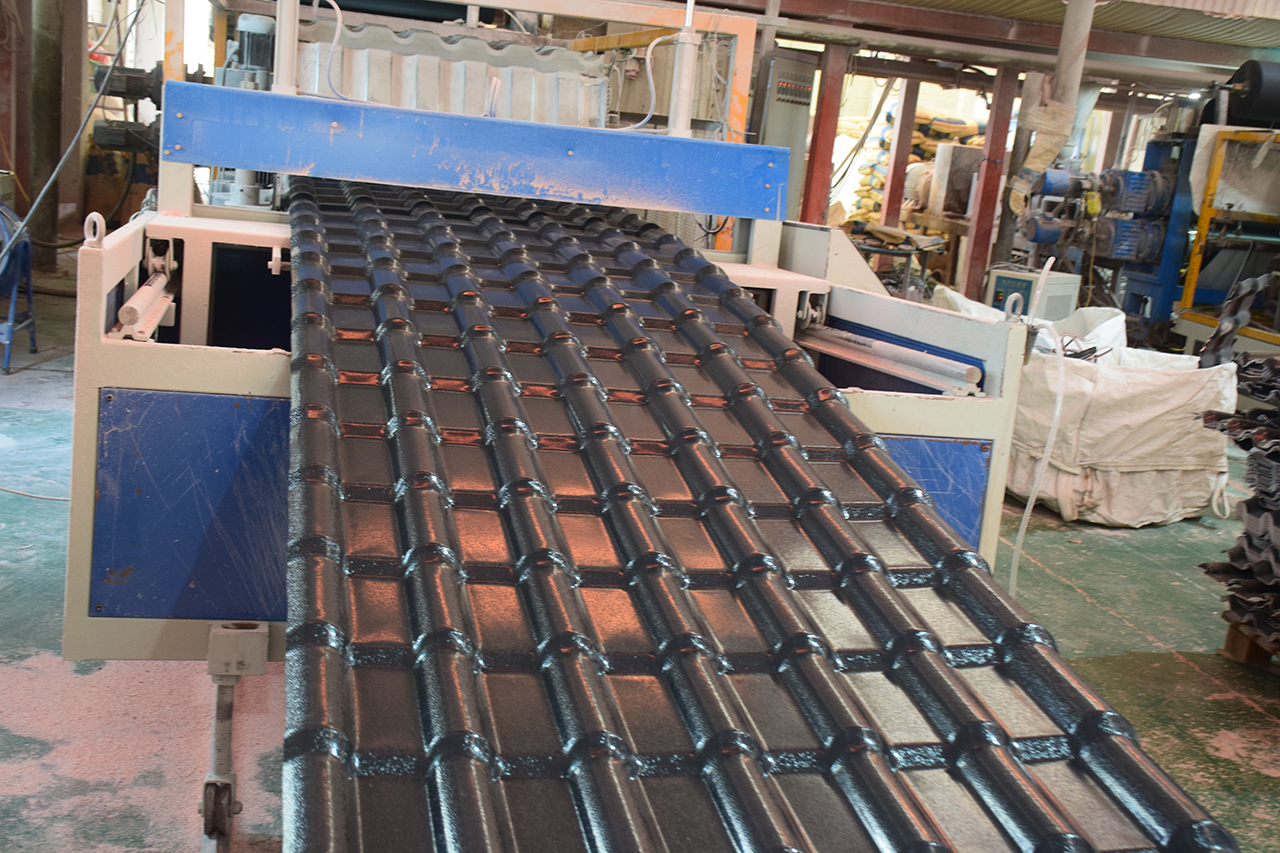
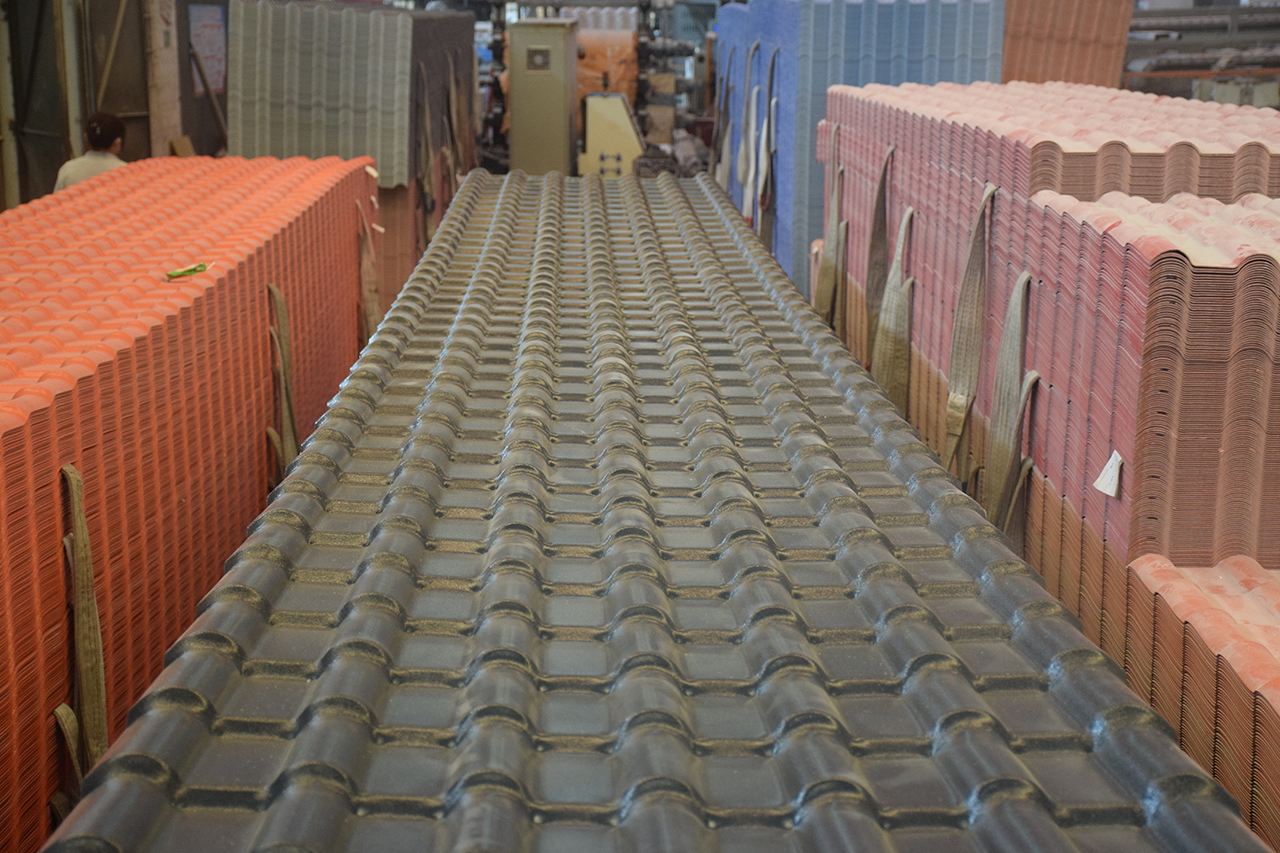
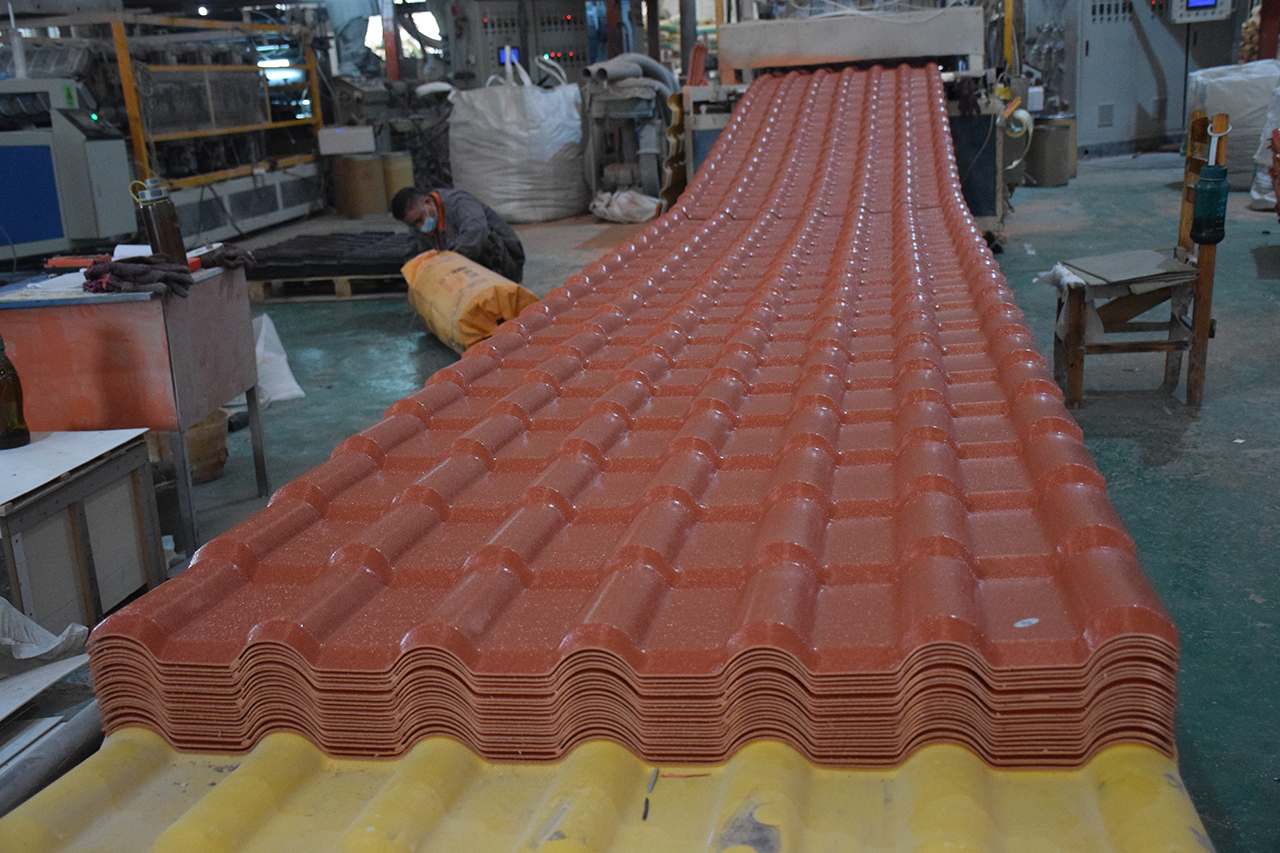
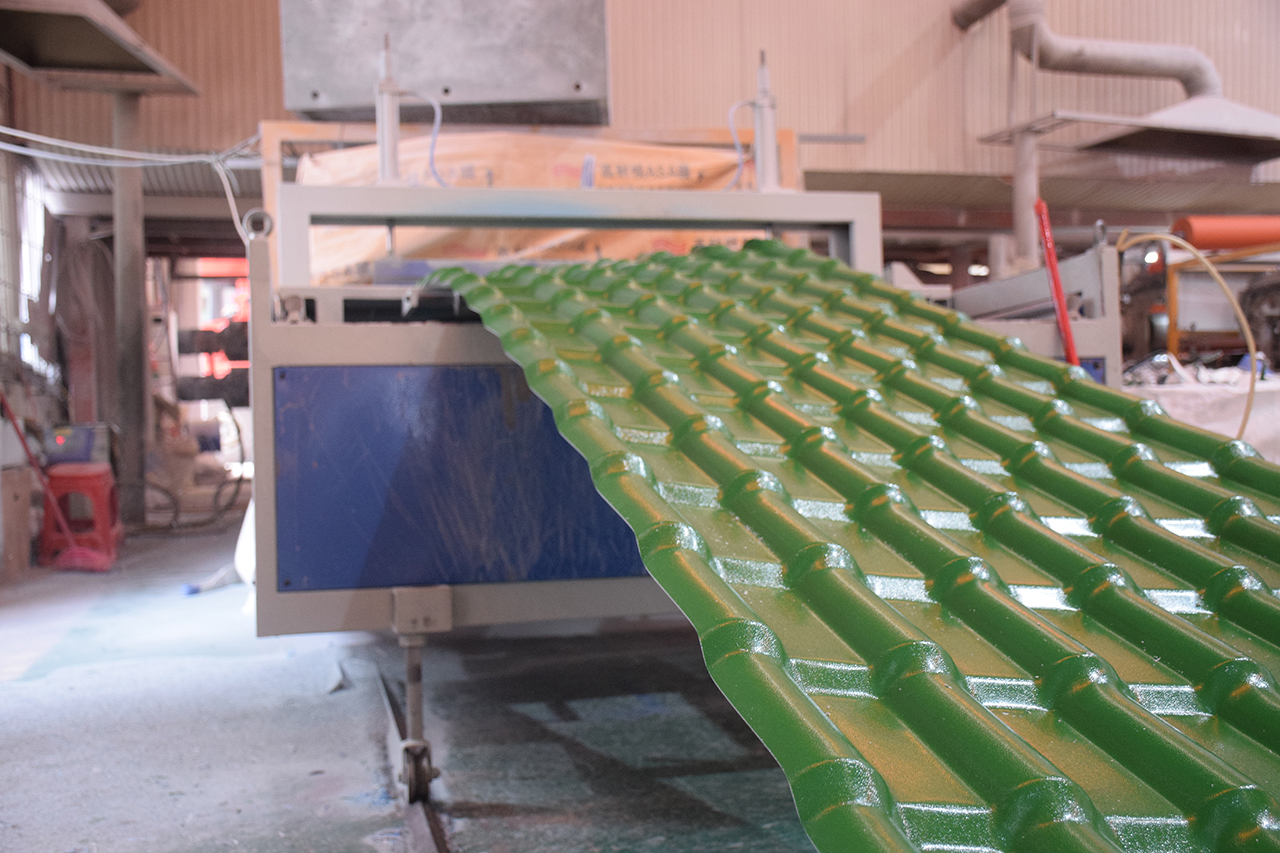
To assess the quality of a resin roofing tile factory’s manufacturing process, one must consider several key factors. First is the ratio of raw materials: a reputable factory will strictly adhere to standards when adding ASA resin, rather than substituting it with cheaper ABS or ordinary plastics. Second is the co-extrusion technology, which determines whether the resin layer is evenly applied to the substrate. I personally visited a factory with excellent manufacturing processes; their co-extrusion equipment was imported from abroad, and the temperature and pressure were controlled with extreme precision. The resulting resin roofing tiles had a uniform surface gloss and virtually no color variation.
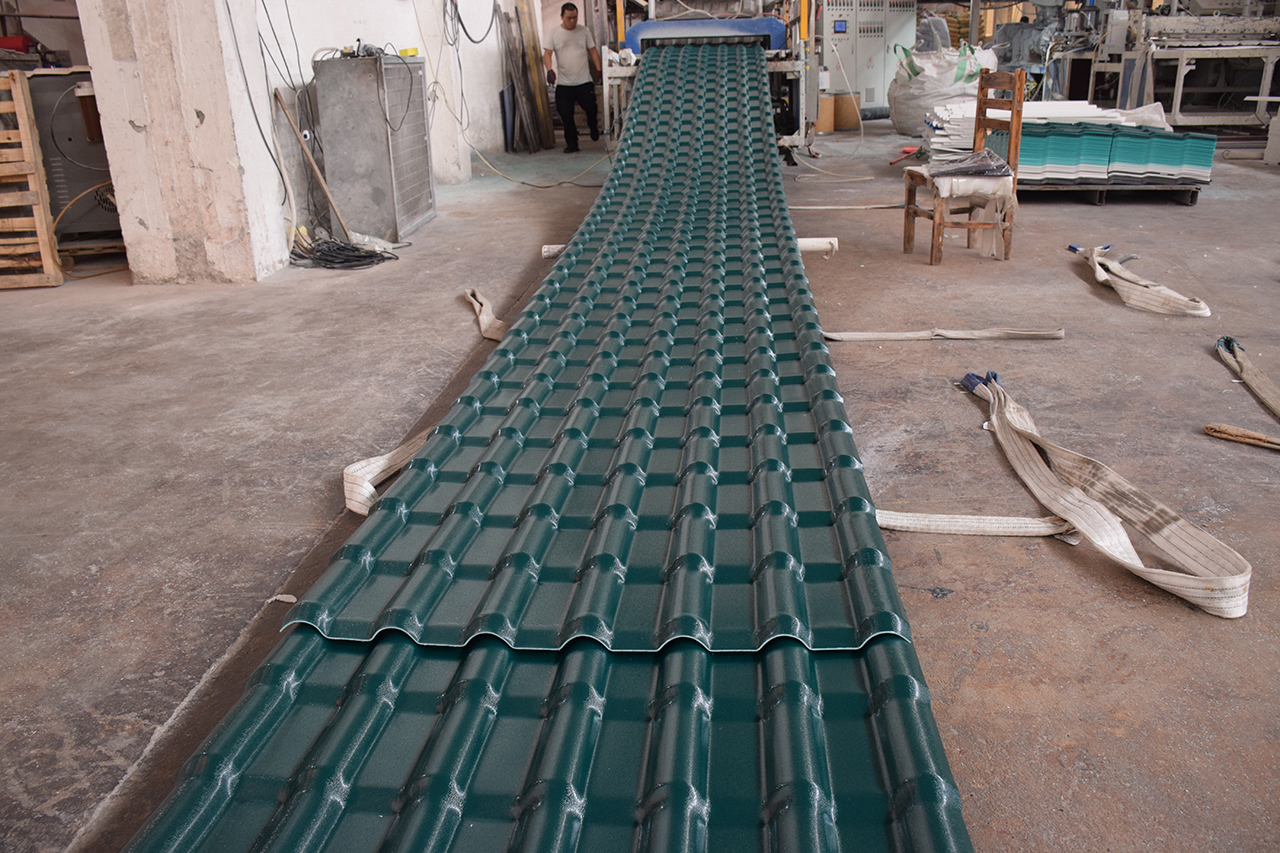
It’s also important to take a look at the factory’s quality control system. Factories with mature manufacturing processes conduct impact tests, aging tests, and color difference inspections on every batch of products. Once, when I visited a factory for an inspection, I saw their testing lab filled with all kinds of instruments, Every resin roof tile must undergo three quality inspection steps before leaving the factory. In contrast, some small workshops lack even basic testing equipment; factories like these can only be said to be surviving by sheer luck. Keep in mind, the quality of the manufacturing process plays a decisive role in the service life of resin roof tiles—this is not something that can be taken lightly.
Advantages and Disadvantages of Resin Roof Tile Manufacturing Processes
Resin tile factories that employ advanced manufacturing processes offer significant technical advantages. The resin tiles they produce are lightweight, high strength, and easy to install, with a fire resistance rating of up to Class B1. High-quality manufacturing processes also ensure that the products retain their color for ten years under UV exposure—thanks to the use of UV-resistant formulations. There was even a case where resin roof tiles remained as vibrant as the day they were installed after eight years of use, demonstrating the confidence that comes from superior craftsmanship.
However, the manufacturing process at resin tile factories is not without its drawbacks. First, the initial costs are notably high, particularly for factories that use pure resin raw materials and imported equipment; the price of their resin tiles is significantly higher than that of ordinary products. Second, resin roof tiles require specific installation techniques. If the installers lack sufficient expertise, problems caused by thermal expansion and contraction are likely to arise, even with the highest-quality tiles. Furthermore, some factories’ production processes require strict temperature control; in extremely cold or hot environments, the stability of the equipment can be compromised. These are all practical issues that cannot be overlooked when selecting resin roof tiles.
The quality of a resin roof tile factory’s manufacturing process plays a decisive role in the final quality and lifespan of a building’s roof. As of 2026, the market has matured sufficiently, allowing consumers to select truly reliable resin roof tile products by comparing factory equipment, raw materials, and quality control processes. There are no shortcuts in manufacturing; only those factories willing to pay meticulous attention to detail can produce high-quality tiles that stand the test of time.