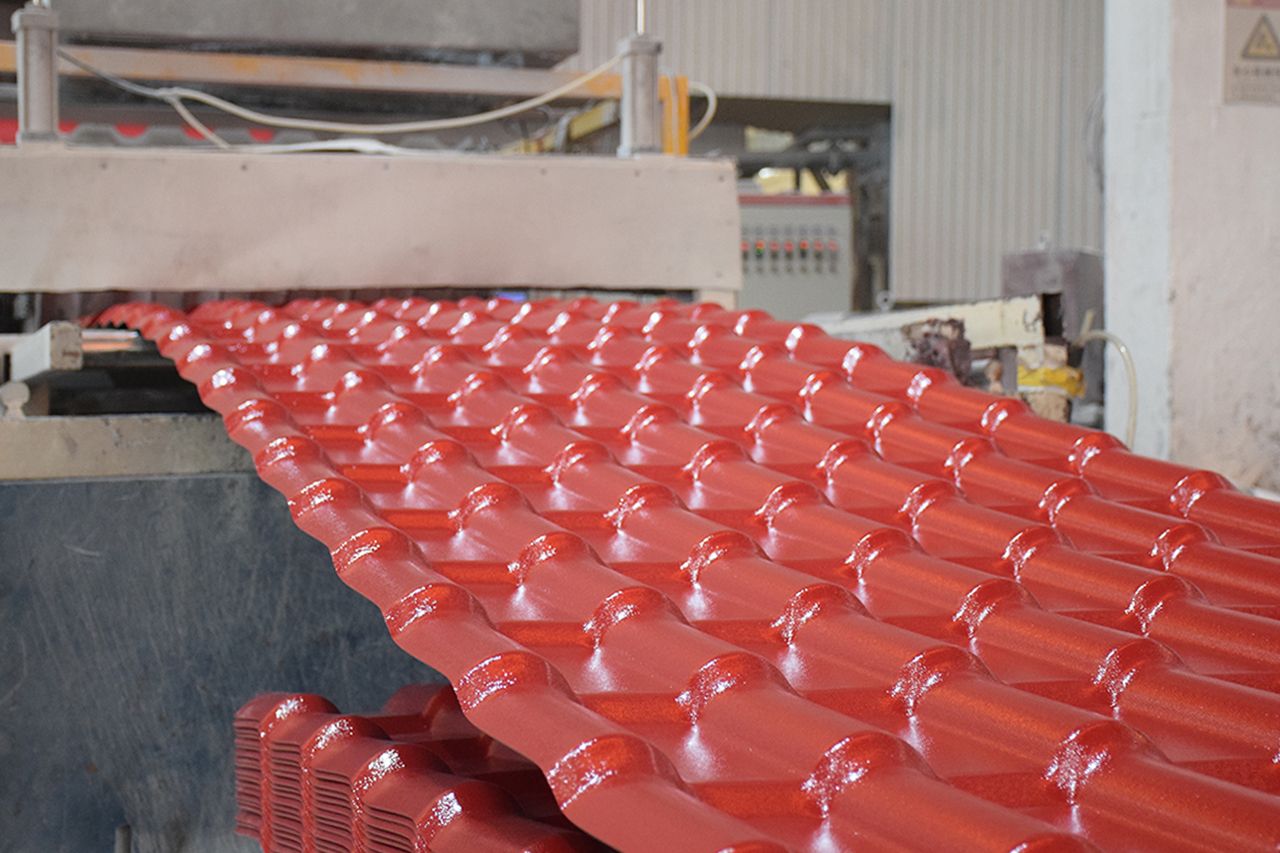
In 2026, the synthetic resin roofing tile industry is undergoing a profound shift from “price competition” to “quality first.” Driven by both the demand for green building materials and rural revitalization, synthetic resin roofing tiles—thanks to their excellent properties, such as light weight, high strength, corrosion resistance, and thermal insulation—are gradually replacing traditional color-coated steel roofing tiles and clay tiles.
Industry consolidation is accelerating, and the "winner-takes-all" effect is becoming apparent
In the past, it was not uncommon for some manufacturers to use recycled materials in production and print false warranty promises on the surface of their roof tiles; these substandard tiles would begin to crumble and crack within one to two years of exposure to ultraviolet light. In 2026, as national environmental policies tightened and consumer awareness increased, the market began phasing out outdated production capacity, leaving only manufacturers with large-scale production capabilities and strong R&D capabilities.Resin Tile ManufacturersGradually coming to light, industry concentration is rising rapidly.
Four-layer co-extrusion has become the standard for ASA-based products
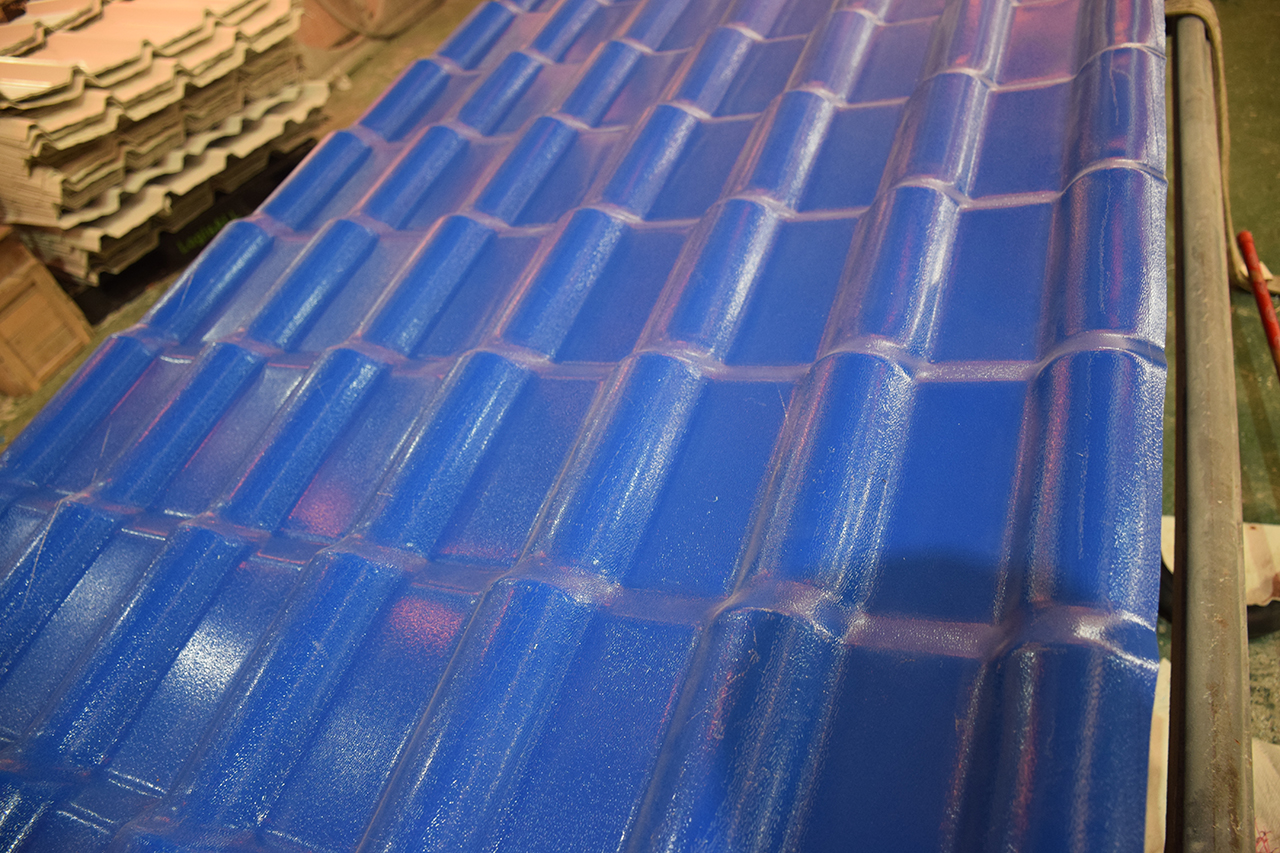
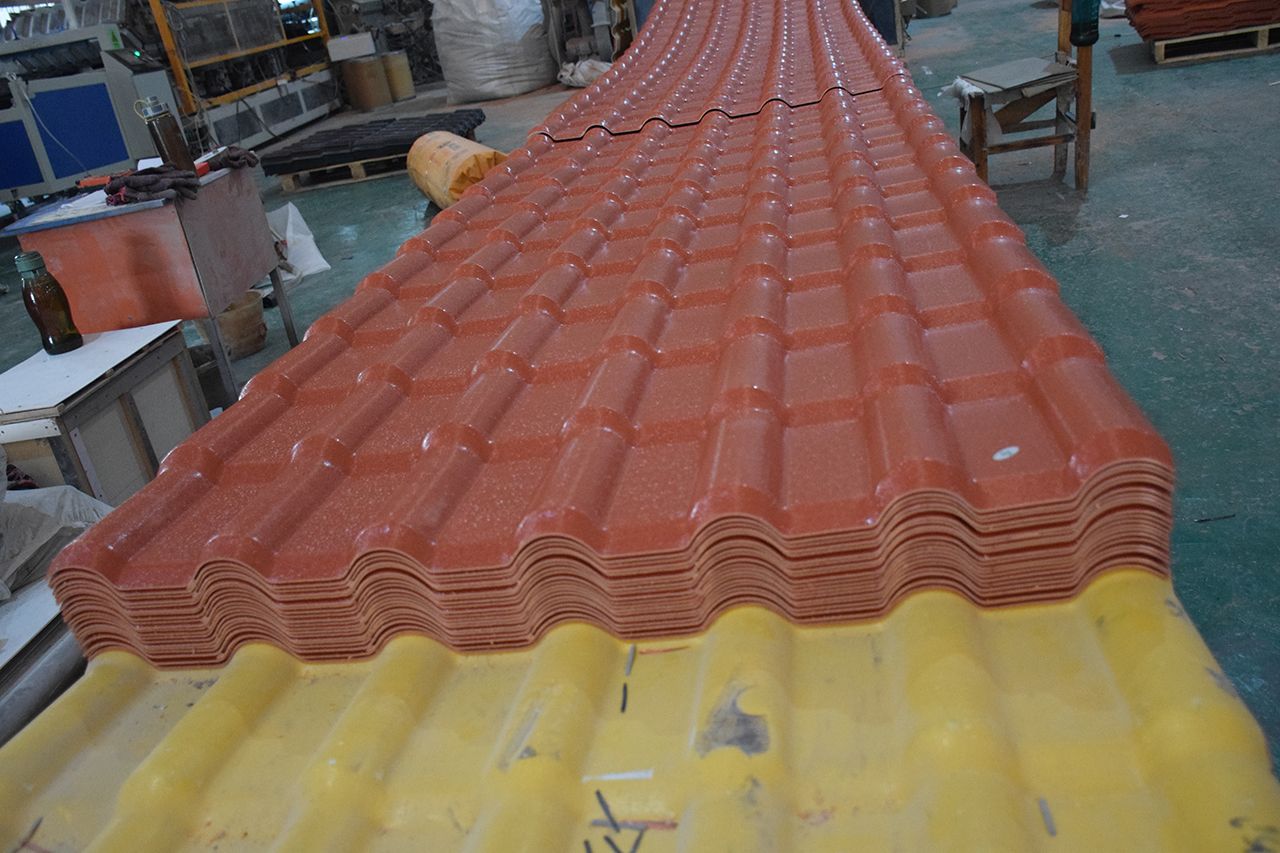
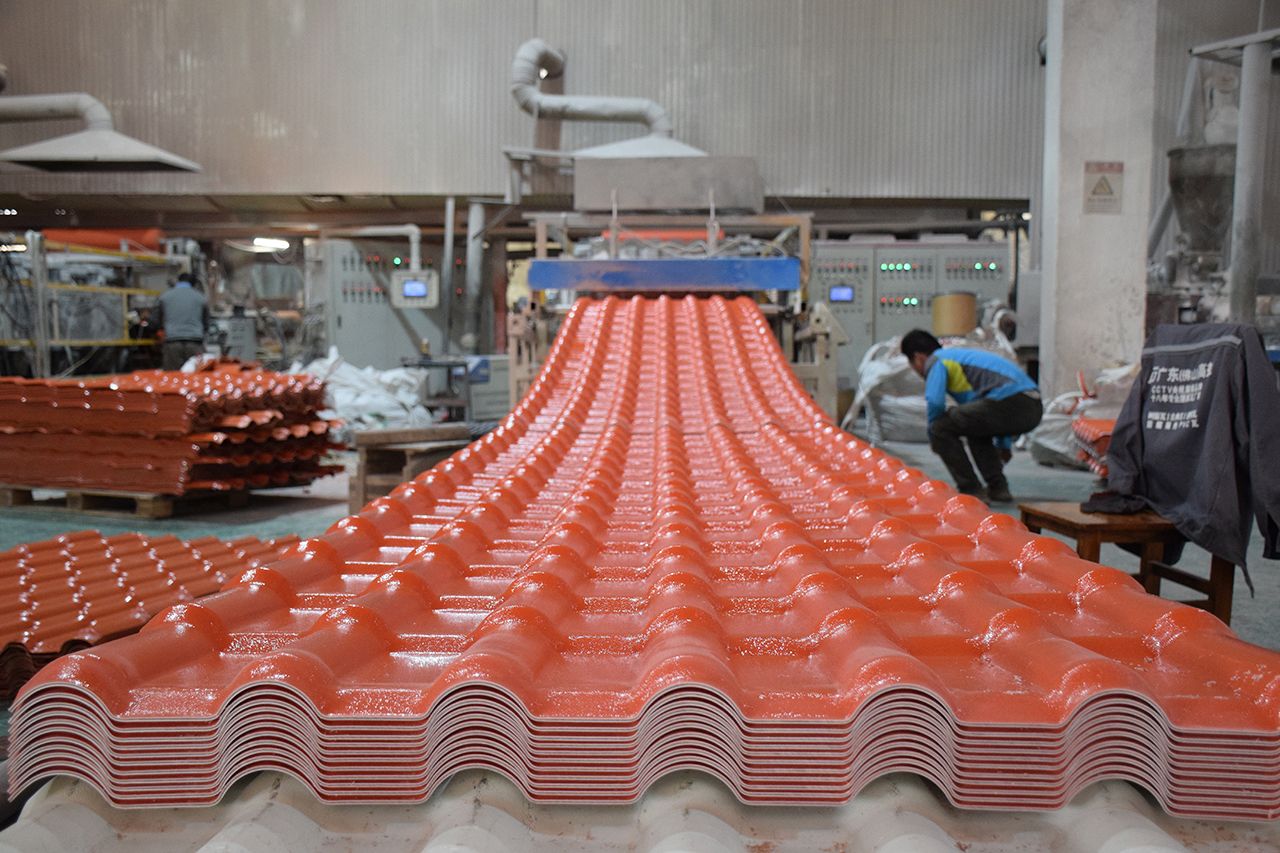
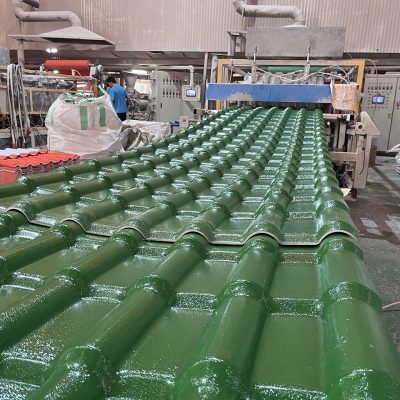
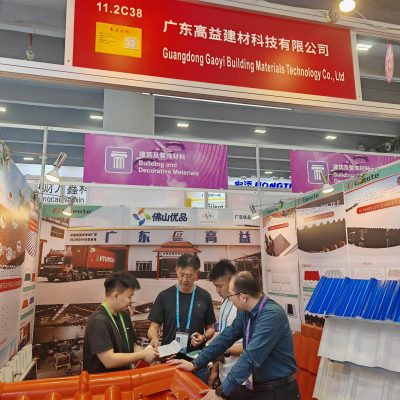
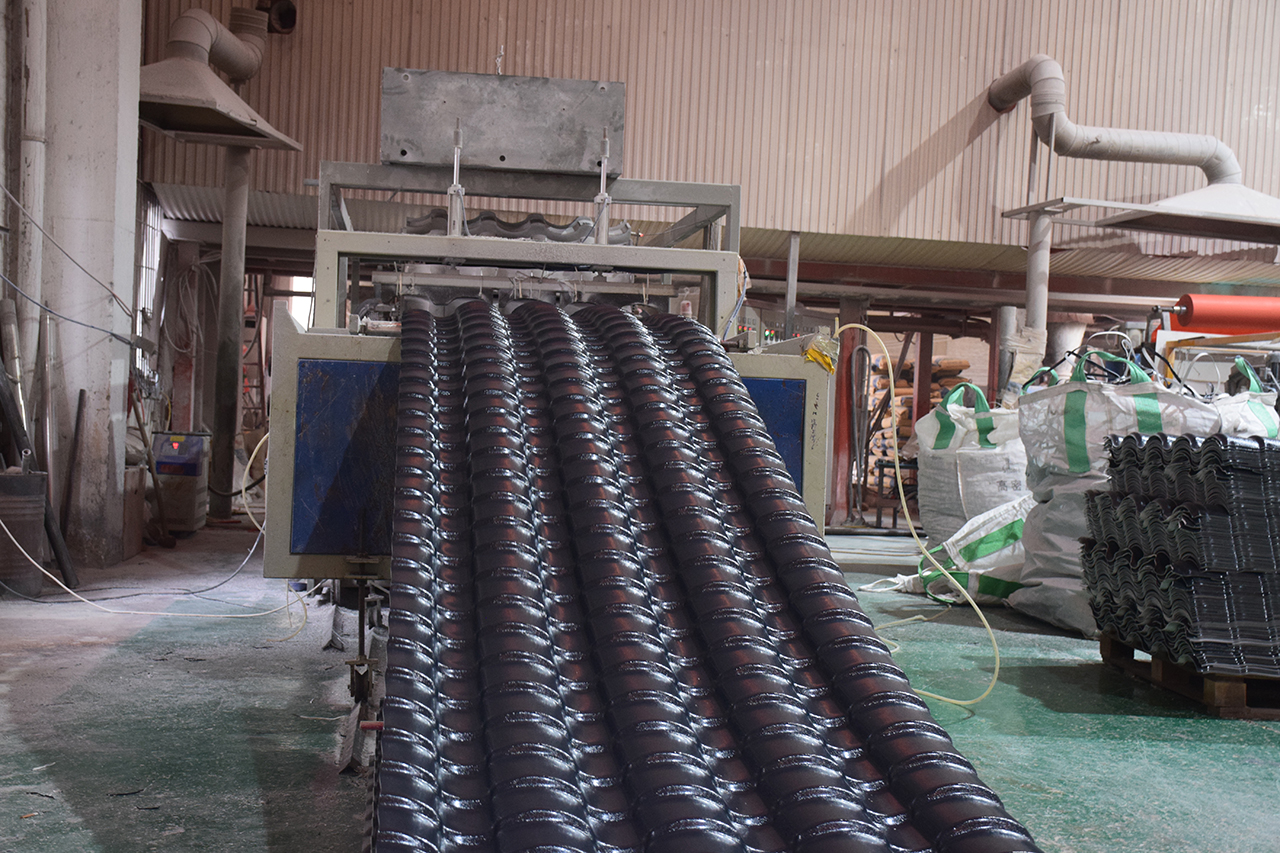
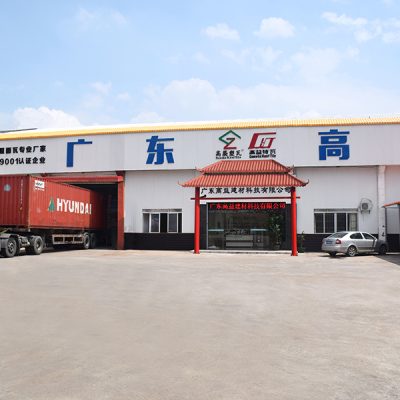
Driven by industry leaders, the production process for synthetic resin roofing tiles has evolved from traditional, simple lamination to multi-layer co-extrusion technology. High-quality synthetic resin roofing tiles typically utilize four-layer co-extrusion technology to ensure that the top layer of ASA is firmly bonded to the underlying PVC substrate. The thickness of the ASA top layer has increased from the industry average of 0.08 mm to 0.12 mm or more, significantly enhancing UV resistance. Leading companies such as Guangdong GaoyiResin Tile ManufacturersThe product is manufactured entirely using a multi-layer co-extrusion process with virgin 100% material. It is certified under the ISO 9001 quality management system and insured by People's Insurance Company of China, Ltd.
Policy Benefits Are Taking Effect, and the Market Offers Vast Potential
In 2026, the State Council Executive Meeting reviewed and approved the “15th Five-Year Plan for Urban Renewal” and the “15th Five-Year Plan for Accelerating the Modernization of Agriculture and Rural Areas.” Combined with the Ministry of Industry and Information Technology’s revenue target of over 3000亿元 for green building materials, these developments have opened up dual market opportunities for the synthetic resin roofing tile industry: replacement demand in existing urban stock and new demand in rural areas. Many localities have included synthetic resin roofing tiles in their recommended catalogs of green building materials, and environmentally friendly products are given priority in procurement.
For buyers, the criteria for selecting synthetic resin roofing tiles have shifted from focusing solely on price to considering “total life-cycle costs.” Within a reasonable budget, they should choose products from manufacturers that have their own production facilities, provide publicly available test data, and offer long-term quality guarantees.Resin Tile Manufacturers...is a rational decision made with a view to the long term.