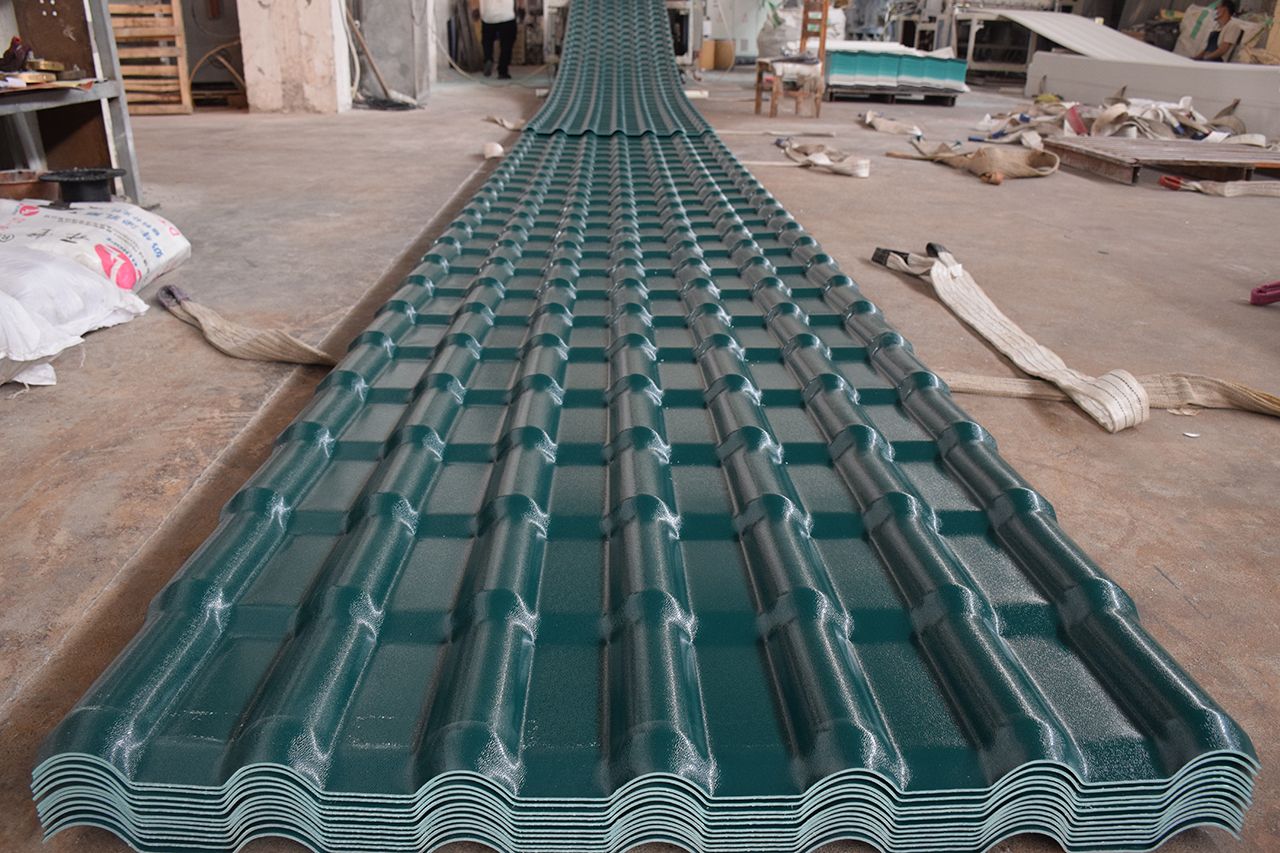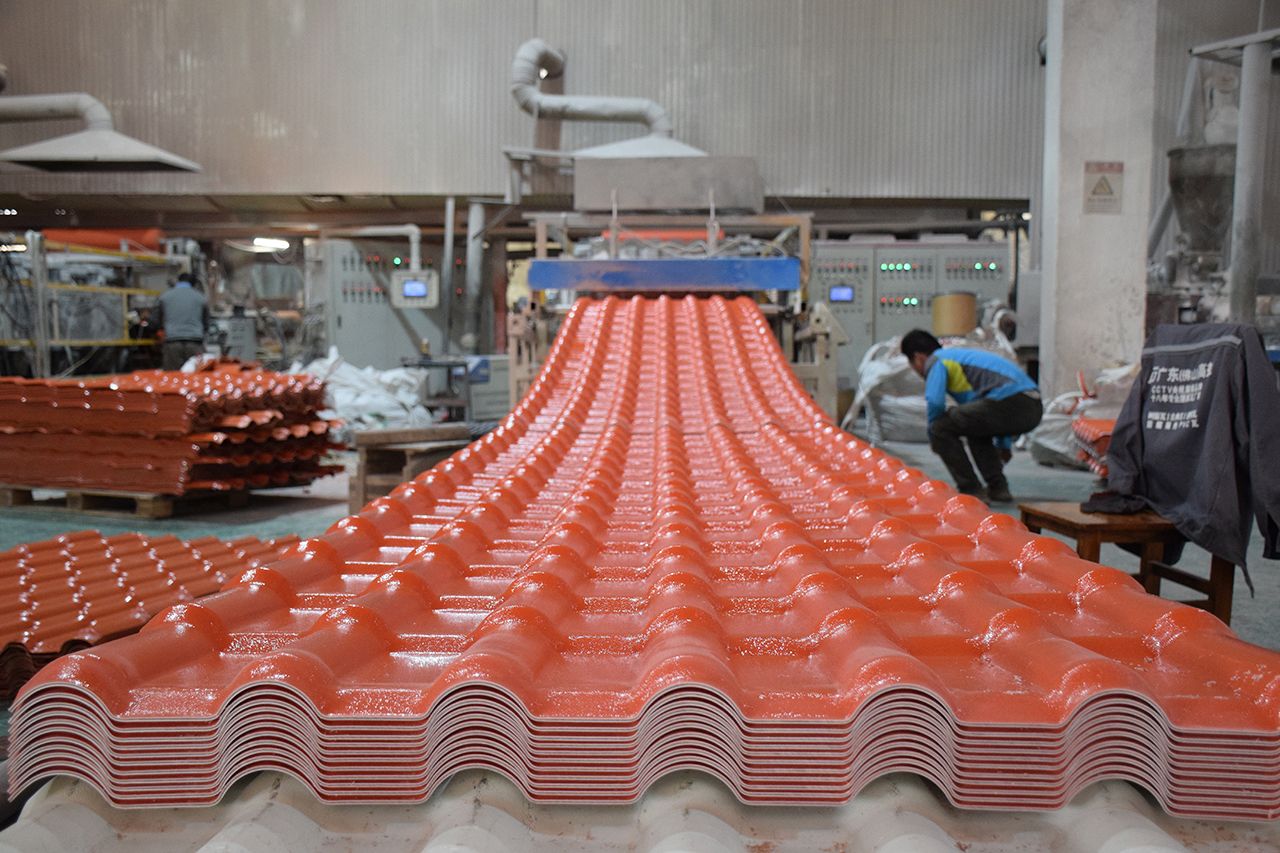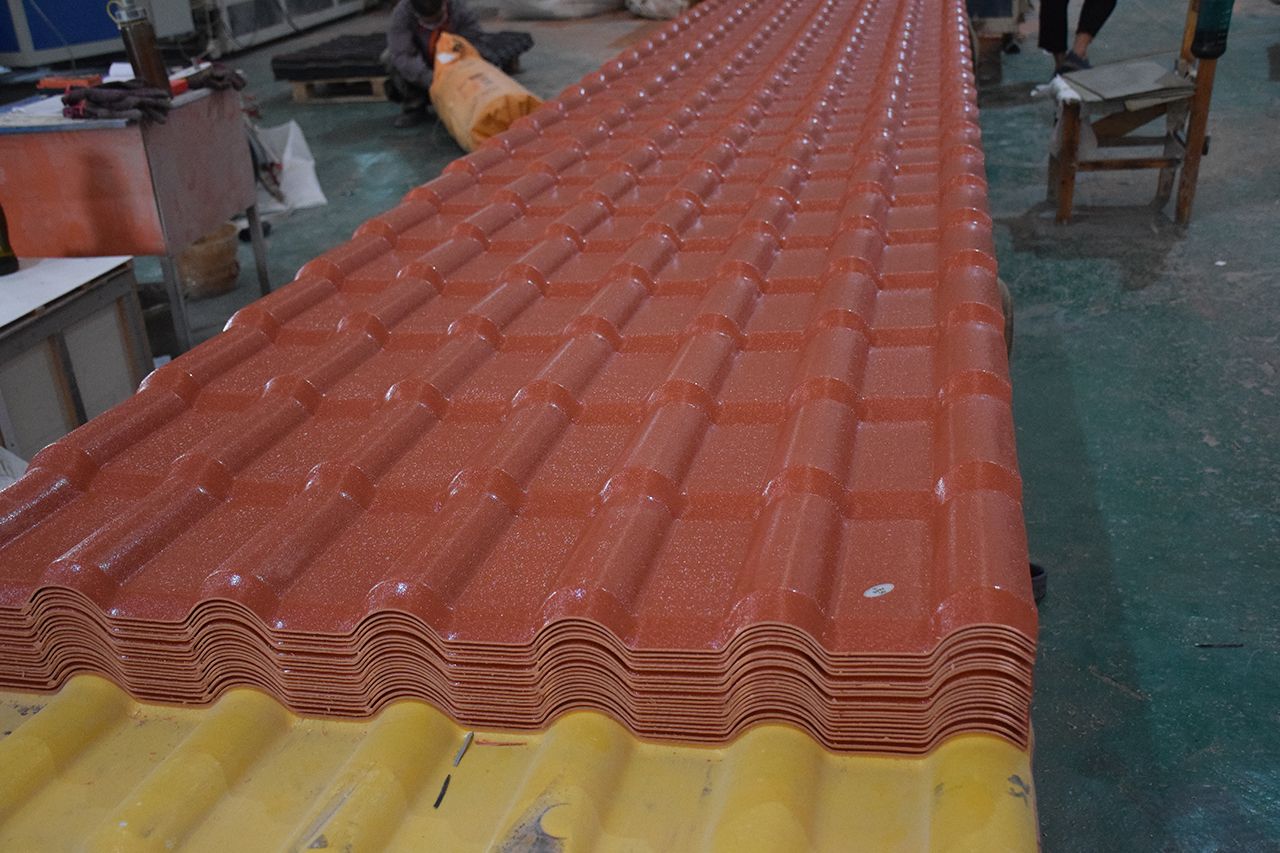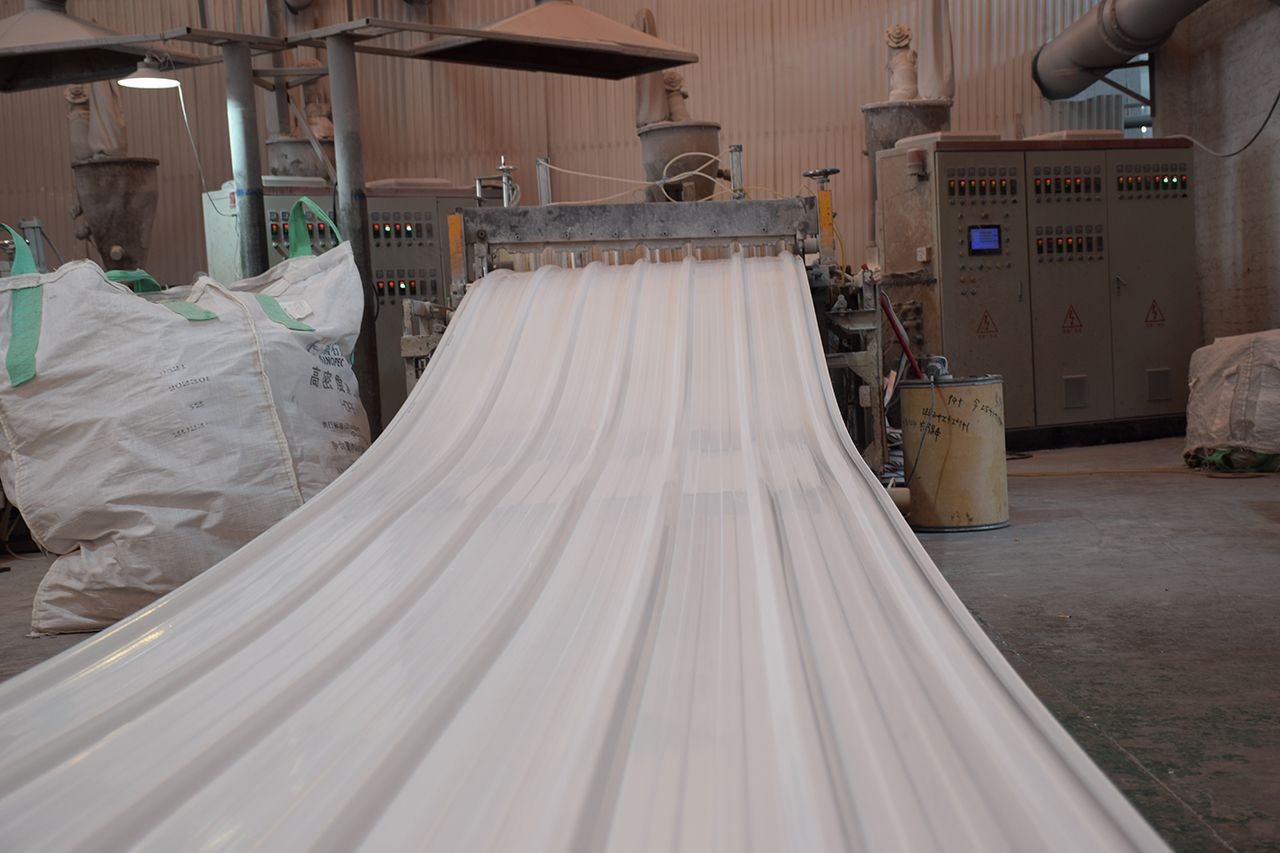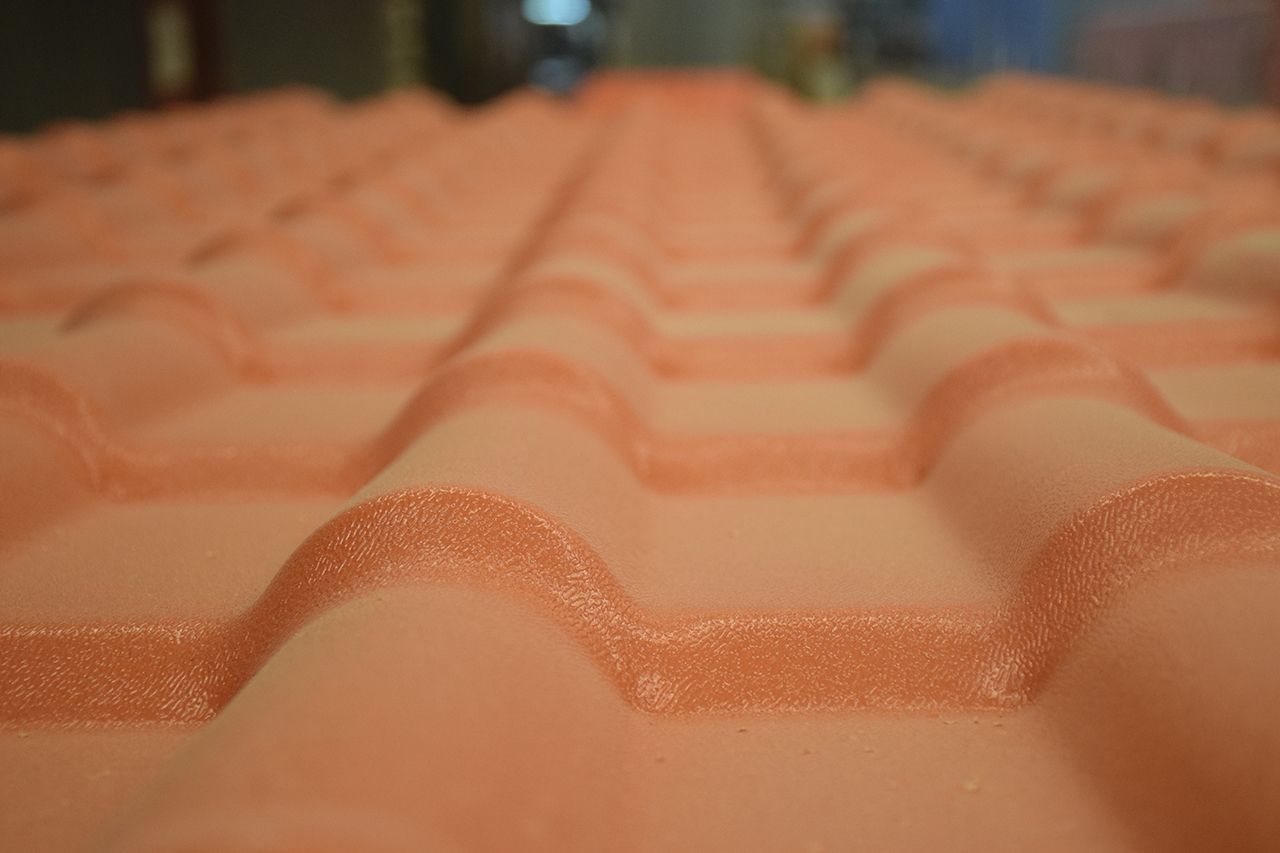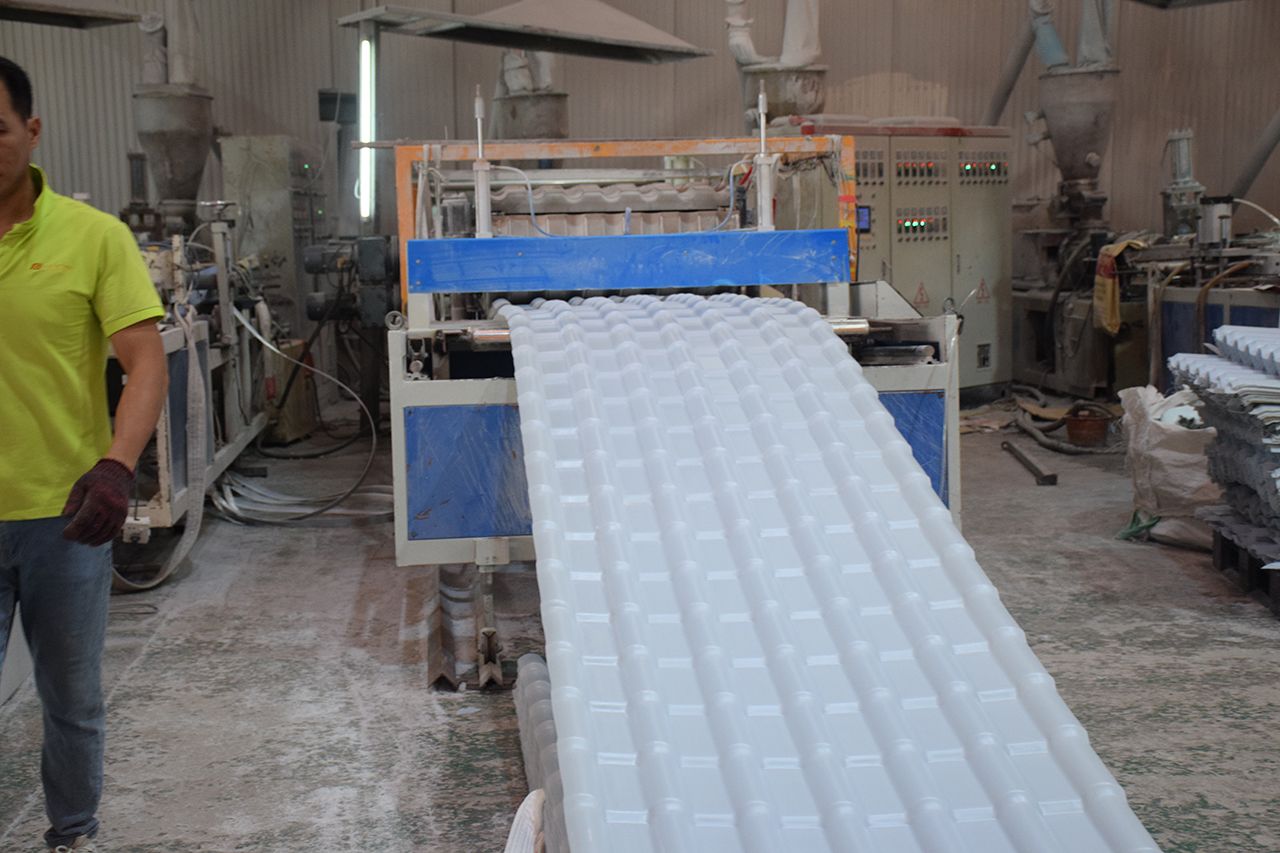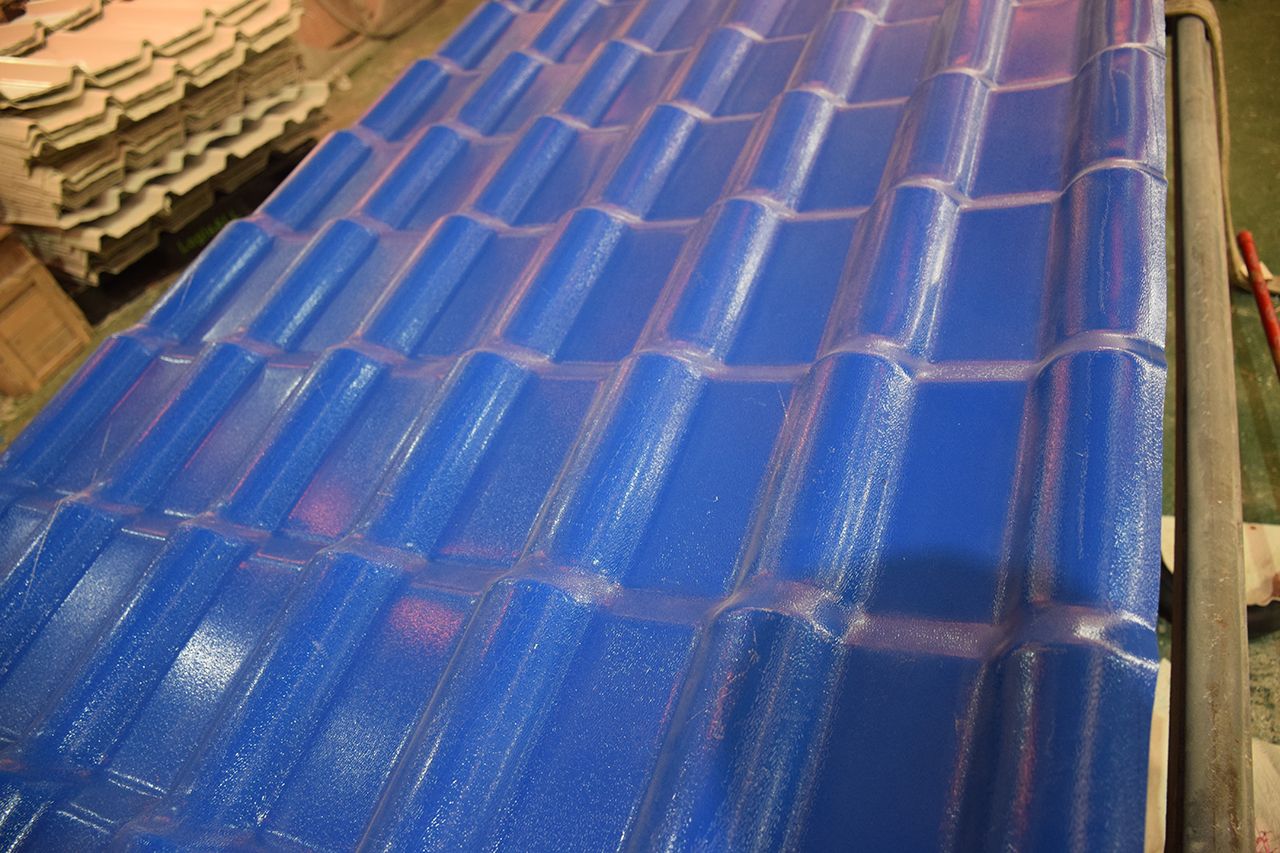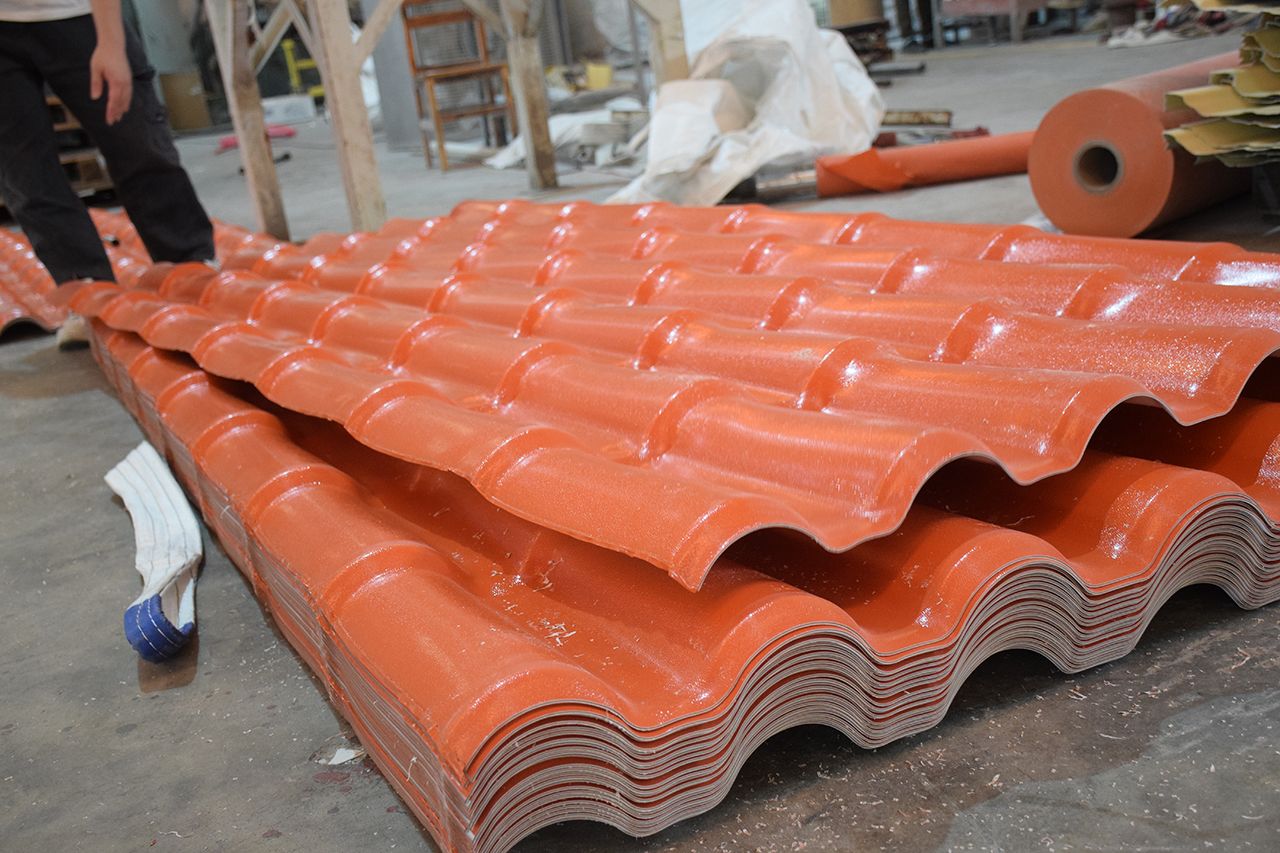
Having worked in the roofing industry for more than a decade, I have witnessed a series of transitions—from the early use of color-coated steel materials, to PVC materials, and now to ASA resin materials, which are currently being heavily promoted—and the materials used have undergone several rounds of changes.
To put it practically, the main advantages of ASA resin roofing tiles lie in their excellent weather resistance and high installation efficiency; they are not some kind of flawless, perfect new material that is considered to have no drawbacks whatsoever. However, in specific project applications such as the construction of industrial and commercial buildings, the erection of sunshades, the building of carports, and the construction of greenhouses, it does indeed require significantly less maintenance and causes far fewer headaches than traditional, older-generation materials. The aspects we’ll be selecting and discussing next are the situations I’ve encountered most frequently on actual construction sites, and all of them are closely related to two factors: capital investment and construction schedule planning.
How many years will ASA resin roofing tiles last?
I’m fairly certain that ASA sheet material offers much better UV resistance than pure PVC. Back in 2014, I installed a roof for a food processing plant using 1.8mm-thick panels. It’s been nearly twelve years now, and there’s very little color variation on the surface; I’ve seen virtually no chalking or peeling. The manufacturer’s stated warranty period is 15 to 20 years, and the actual performance is roughly in line with that range. However, there is one prerequisite that needs to be made clear: do not opt for cheaper products that are too thin. Generally speaking, I do not recommend using materials thinner than 1.5 millimeters because they lack adequate impact resistance.
For example, if hail strikes in the winter, or if someone accidentally steps on the material during construction, it can easily crack. The costs associated with subsequent repairs far exceed the savings gained from cutting corners on the material costs initially, so this is a point worth noting.
How does it compare to color-coated steel roofing?
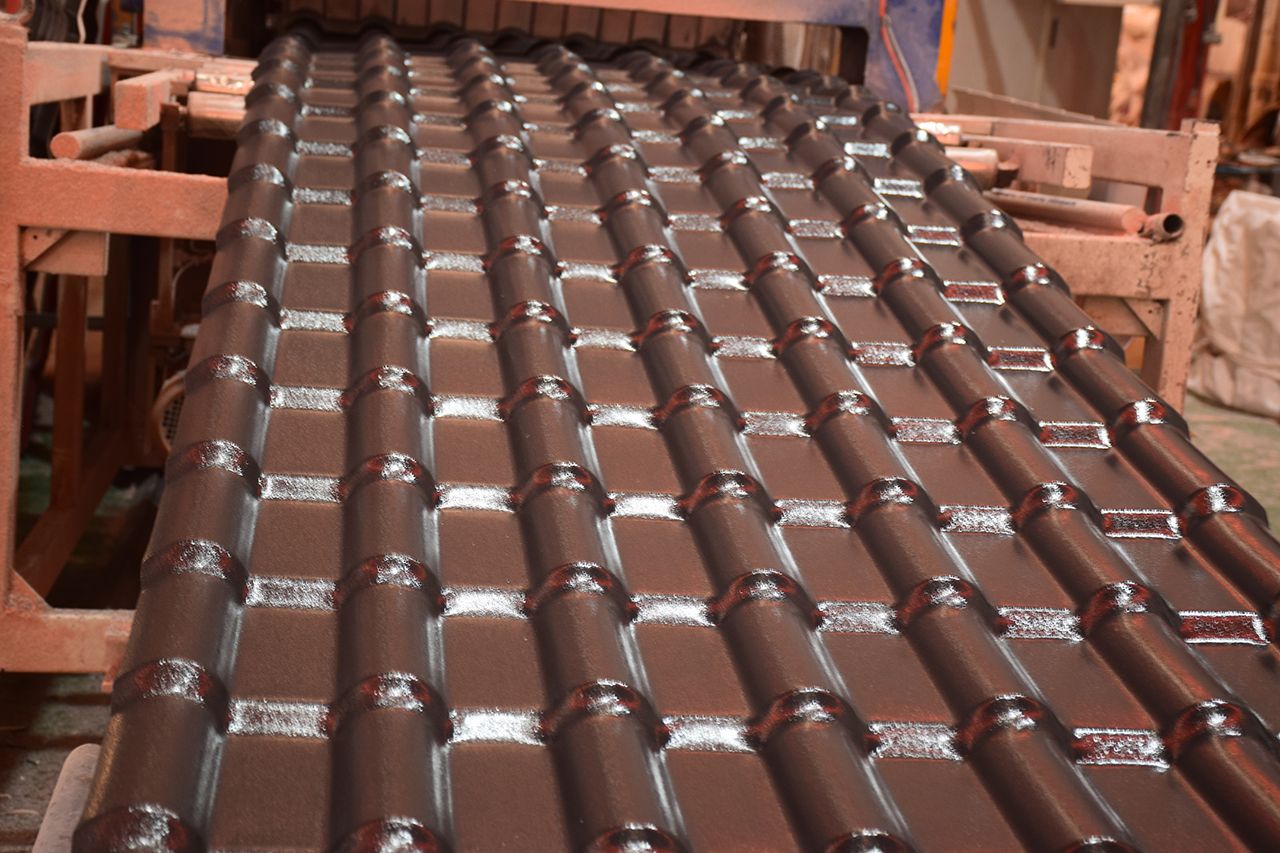
The biggest problem with color-coated steel roofing is that it rusts easily; rust stains are a common occurrence, especially in southern coastal regions. The liquid produced by corrosion drips downward, causing severe corrosion to equipment and piping below.
Although the corrosion resistance and rust-free properties of ASA synthetic resin roofing tiles may not seem particularly remarkable at first glance, their value becomes apparent when calculated in terms of overall cost. Since color-coated steel roofing tiles require repainting or partial replacement every three to five years, this results in relatively high labor and material costs. In terms of weight, synthetic resin roofing tiles also offer a cost advantage. A sheet with a thickness of 1.8 millimeters weighs approximately seven kilograms per square meter. This reduces the load on the steel structure. For renovation projects involving older factory buildings, there is no need for additional reinforcement of the purlins. This single factor alone can result in significant savings on steel structure costs.
What Should Be Considered During Construction and Installation?
Let me tell you about some real pitfalls I’ve run into. Resin roofing tiles expand and contract with temperature changes more than color-coated steel roofing sheets. In the summer, when they’re exposed to intense sunlight, the surface temperature can reach 70 to 80 degrees. If the bolt holes are drilled too tightly without leaving any leeway, the tiles will warp when they contract in the winter. Water also tends to seep in at the joints. Later on, when installing them, I always left a 3 to 5-millimeter expansion gap. I didn’t tighten the screws all the way, leaving a little play. At the joints, you must use a specialized, weather-resistant sealant. Never just make do with ordinary silicone caulk. I once saw a construction project where, after just half a year, the sealant had already started to yellow and crack. The result was that the work had to be redone. The money ultimately spent on the rework would have been enough to purchase another batch of proper weatherproof sealant.
In summary, when considering all the benefits of ASA resin roofing tiles, they are more durable than color-coated steel roofing tiles, offer better weather resistance than all-plastic PVC materials, and are much lighter than traditional clay tiles. making this material a suitable choice for projects with a moderate budget that also aim to extend service life and improve construction efficiency.
As long as you choose the right panel thickness, leave the necessary expansion gaps, and use the appropriate auxiliary materials, this system can easily operate reliably for over a decade or even two decades. In fact, there is nothing particularly complex or mysterious about this material itself; the real key lies in whether the various details of the construction process are truly carried out properly.
Keywords: Advantages of ASA Resin Shingles