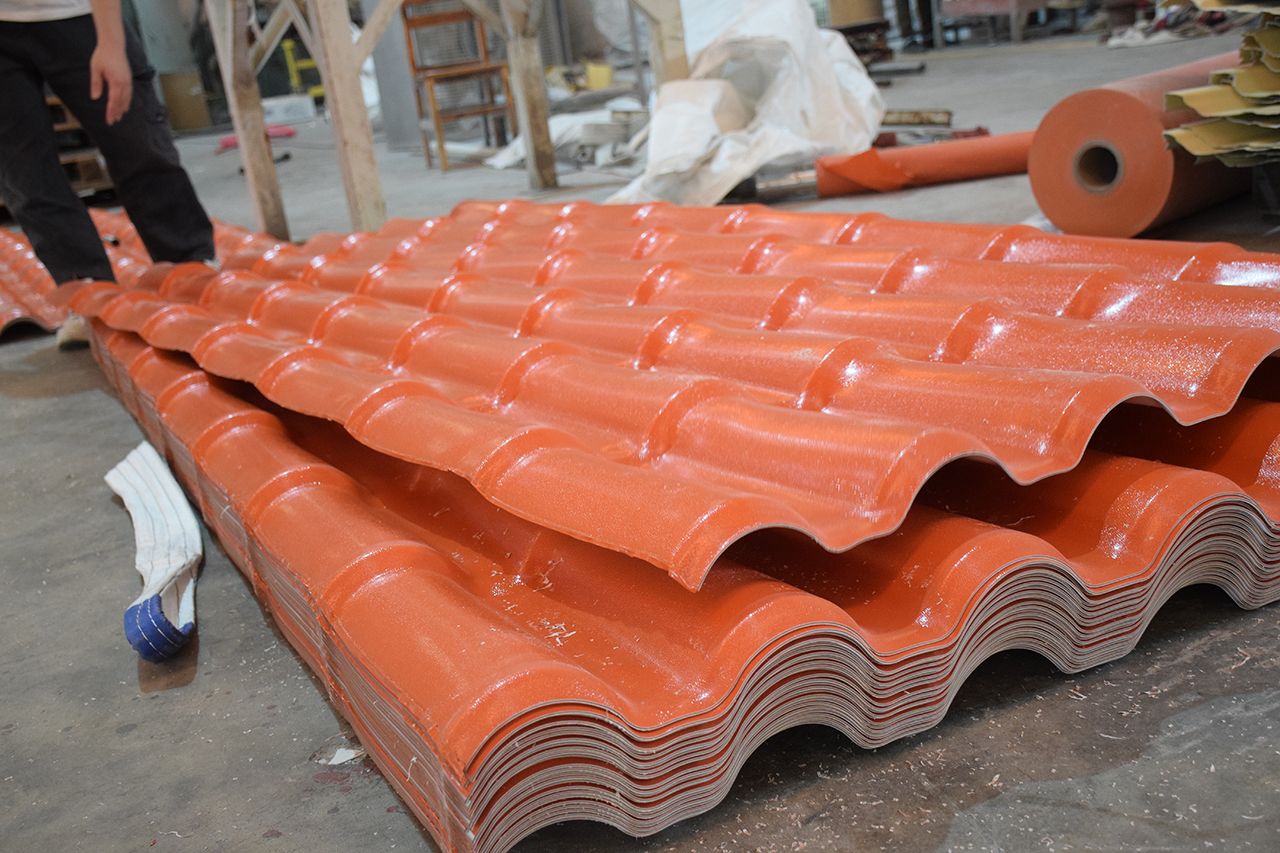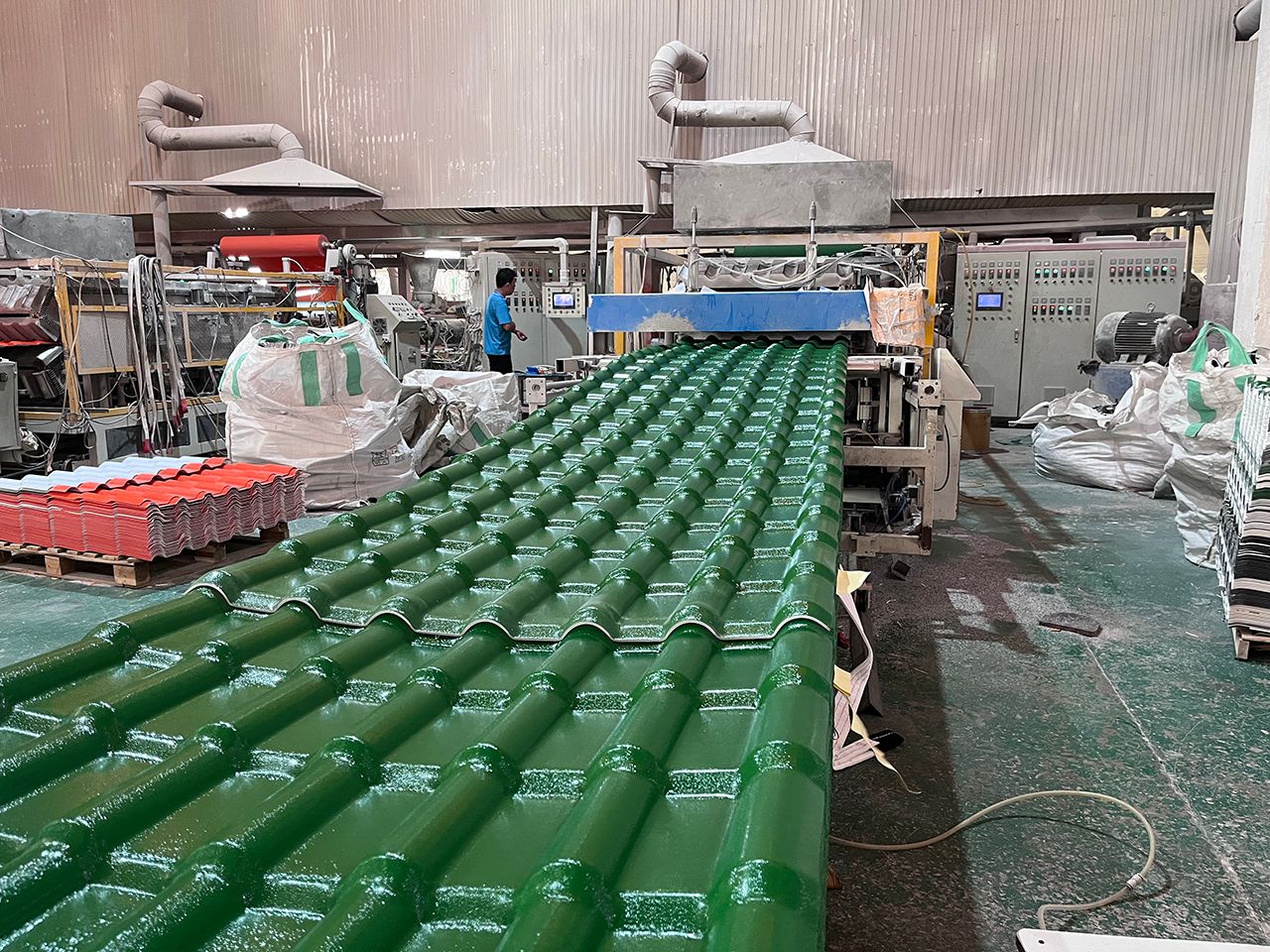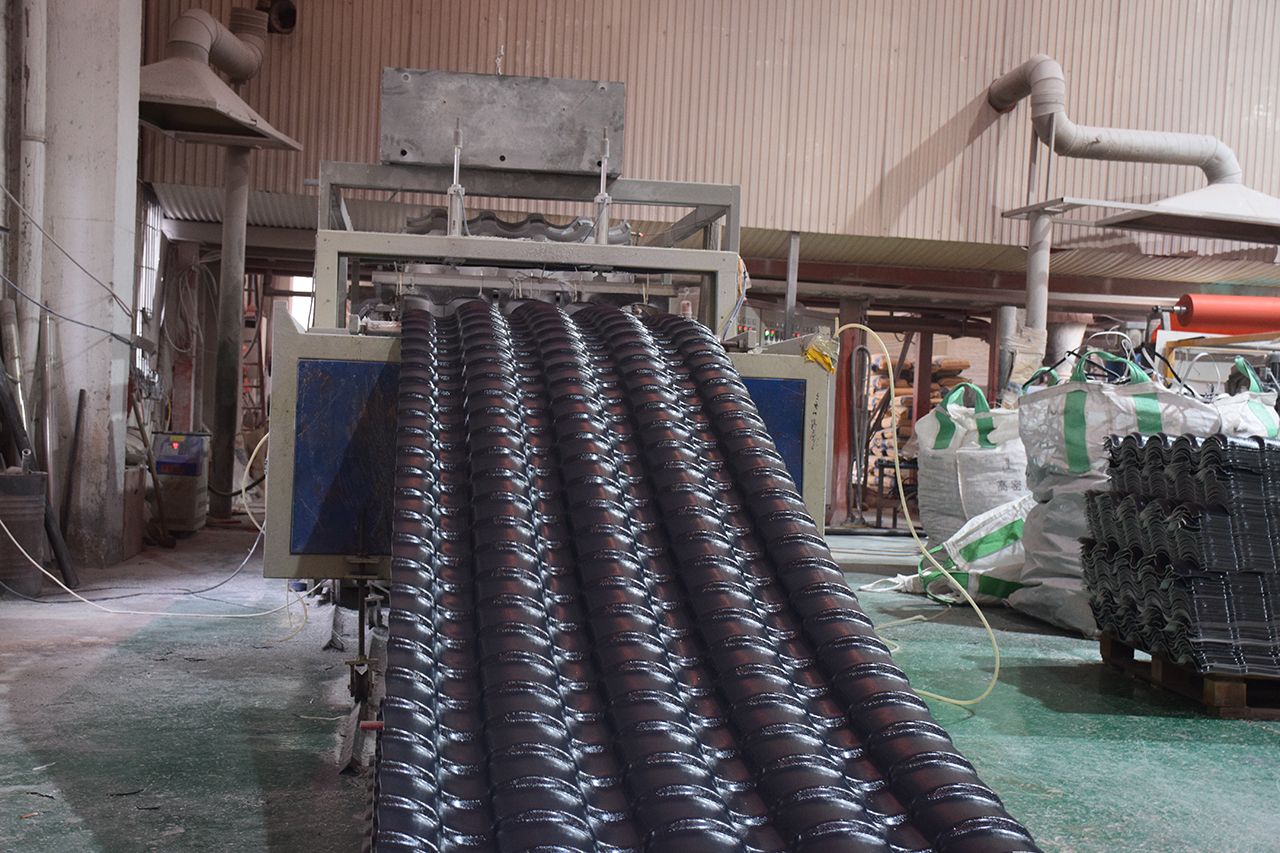
When users are selecting a roofing system, fire resistance is a critical factor that must never be overlooked.
In terms of the material’s inherent properties, PVC contains chlorine, so it naturally possesses certain flame-retardant characteristics; however, when it comes to its actual performance, this depends entirely on its formulation, thickness, and manufacturing process. We absolutely cannot apply a single standard to all different situations; in other words, we cannot make blanket statements in this regard.
Can PVC roofing tiles be heated with an open flame?
Hold a lighter close to the edge of the board and gently light it; P-type boards that meet official standards will produce black smoke and give off a very pungent odor.If it can extinguish itself within a few seconds after the flame is removed,, This means that the material shows no signs of continuing to burn.
Based on these results, it can be concluded that the material’s fire resistance has met at least the B1 class standard. Therefore, this material does not fall into the category of highly flammable materials, and there is no need for excessive concern during everyday use; it can be used with confidence.
However, please do not compare this product with rock wool or color-coated steel composite panels. Although PVC roofing tiles do offer truly stable and reliable fire resistance, prolonged exposure to high temperatures and direct sunlight can accelerate the material’s aging process, causing it to become brittle. Therefore, this material is quite suitable for use on the roofs of conventional residential buildings and light-gauge steel-framed industrial buildings; however, it is not well-suited for extremely harsh environments—such as industrial furnace sheds—where consistently high temperatures persist.
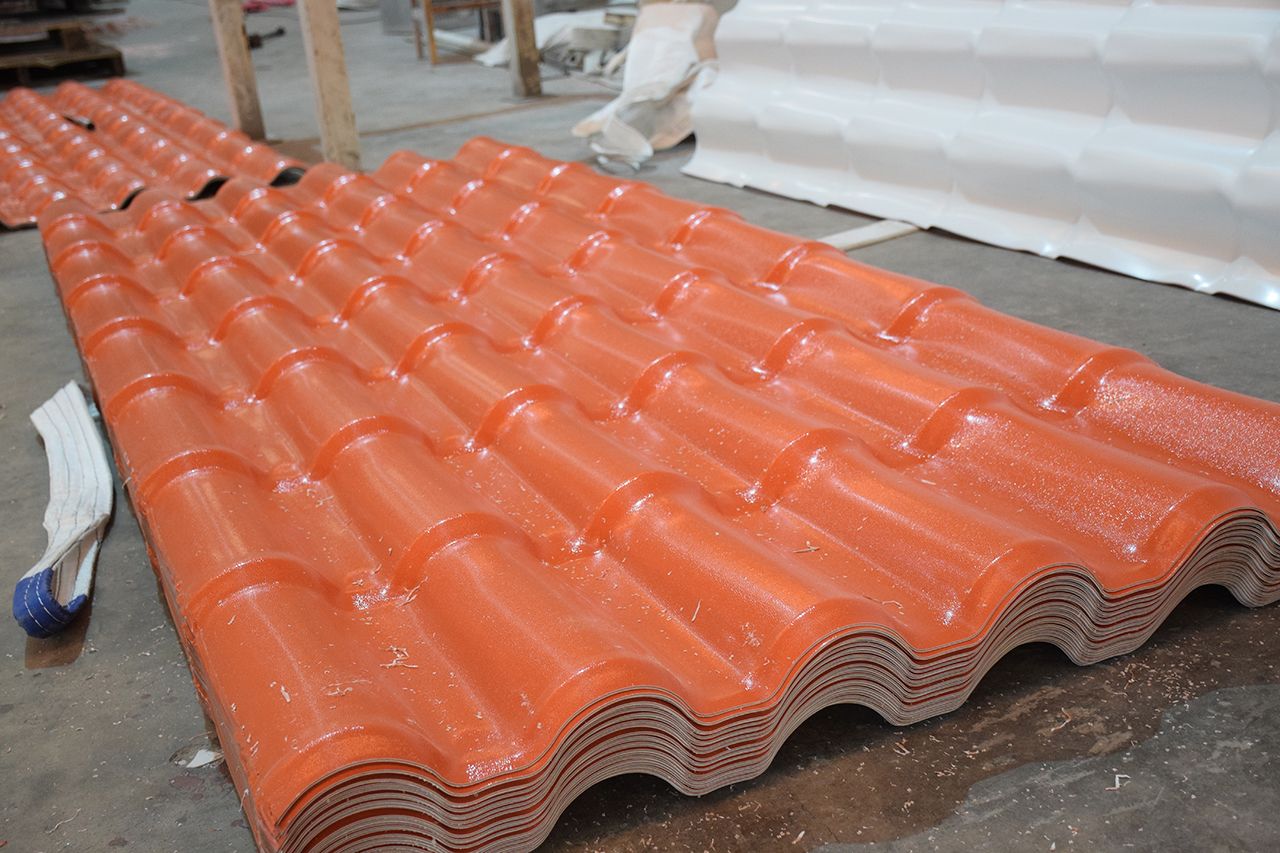
How to Choose the Fire Resistance Rating for Roof Tiles
When selecting fire-resistant materials for residential roofs, using products that meet Class B1 standards is generally sufficient to satisfy the relevant requirements. However, for buildings such as commercial complexes and warehouses, it is more appropriate to use Class A materials, which are absolutely non-combustible.
PVC roofing tiles inherently meet Class B1 fire resistance standards, which means they already satisfy the fire safety requirements for the vast majority of residential construction projects. Furthermore, from an economic perspective, they are significantly less expensive than metal or clay roofing tiles.
When comparing resin roofing tiles, you’ll find that these two materials are essentially on par in terms of fire resistance; neither is classified as non-combustible, but both fall into the flame-retardant category.
If the project you're working on has a particularly tight deadline and a very limited budget, then you should choose to usePVC Roof TilesInstallation is more flexible because this material can be installed very quickly, and it also makes maintenance much easier down the road. Overall, its cost-effectiveness is very clear.
The fire resistance of PVC roofing tiles meets the requirements for standard roofing applications; however, it is essential to look for the B1 rating label andOfficial Test Report, You should avoid unbranded and cheap products, so there generally won't be any major issues with fire safety.
Keywords:Fire Resistance of PVC Roofing Tiles