We’ve been working on industrial plant and agricultural greenhouse construction projects for over eleven years now, and we’ve gone back and forth between color-coated steel and resin tiles as roofing materials many times over.
Over the past two years, the number of customers looking for products from resin roof tile manufacturers has increased significantly, but it’s not uncommon for them to encounter problems. There are cases where the quoted prices are suspiciously low, or where samples look attractive but end up causing major issues once installed on-site.
To put it plainly, choosing roof tiles isn’t really that complicated or difficult to understand. The key is to know which important steps to focus on—and never let yourself be led astray by unreasonably low prices.
Resin Tile FactoryHow to Evaluate
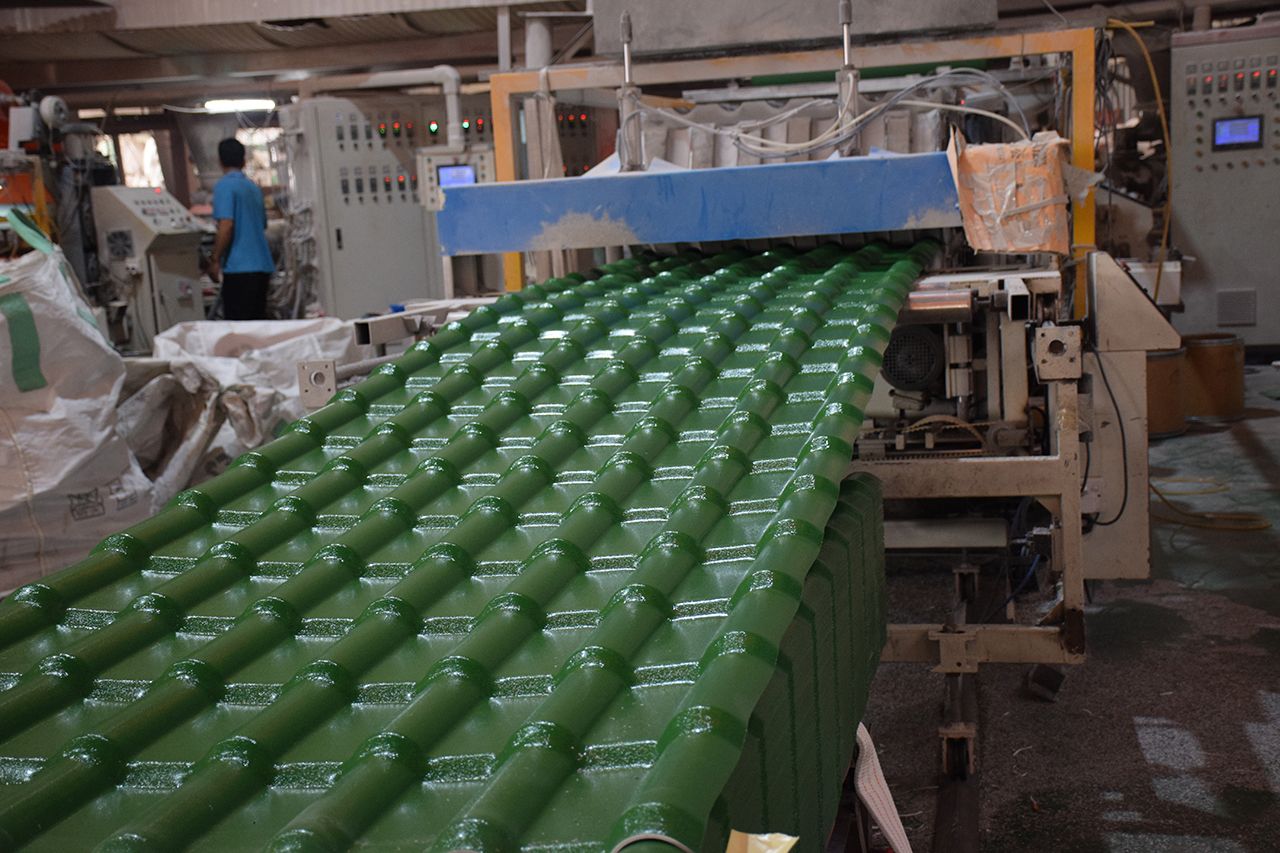
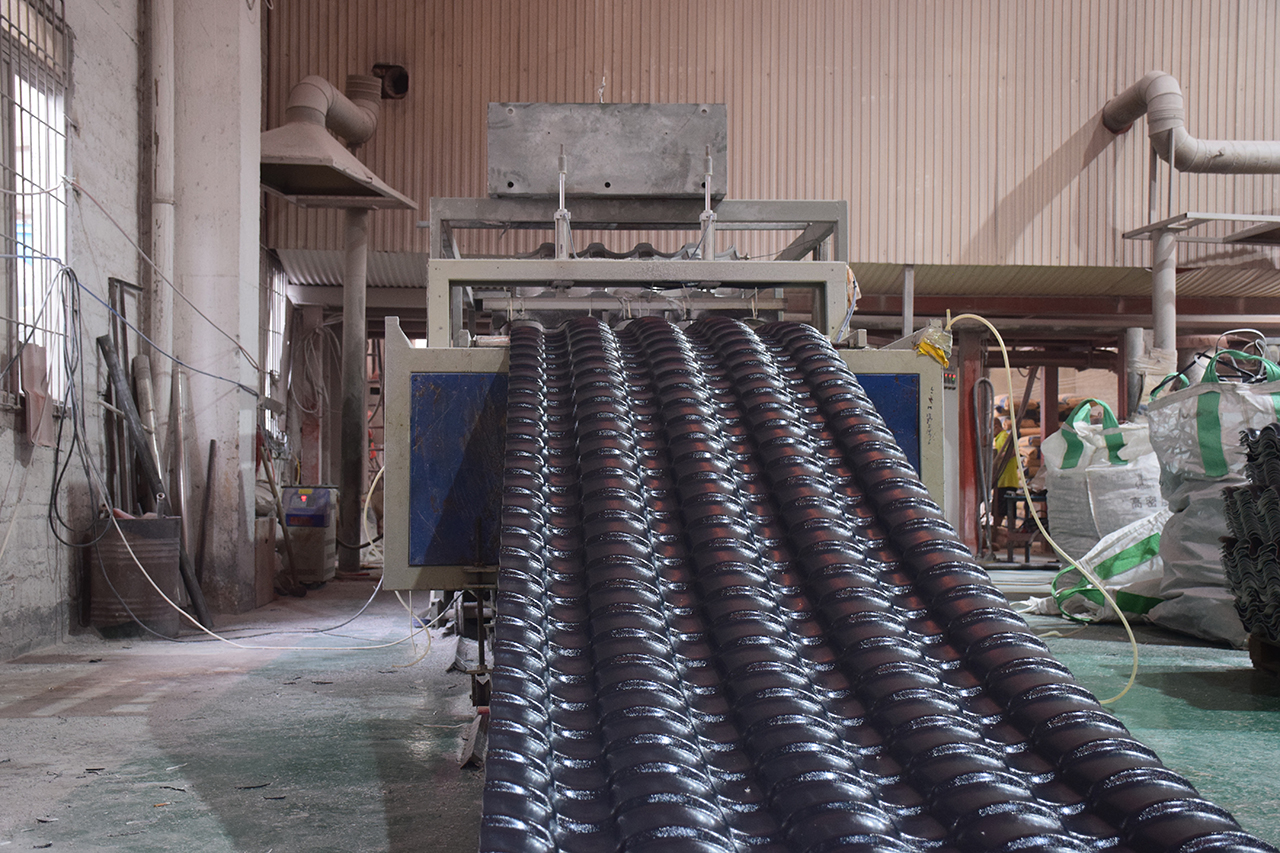
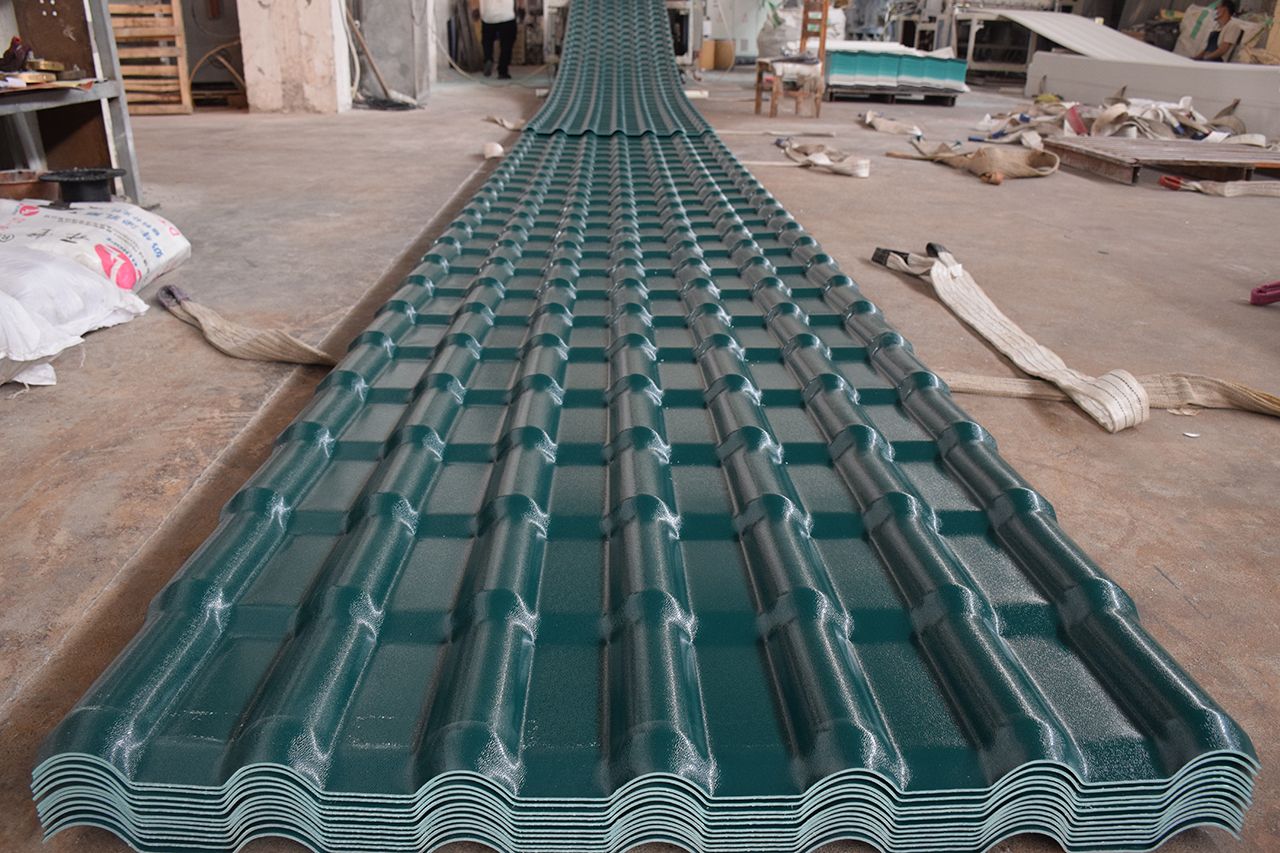
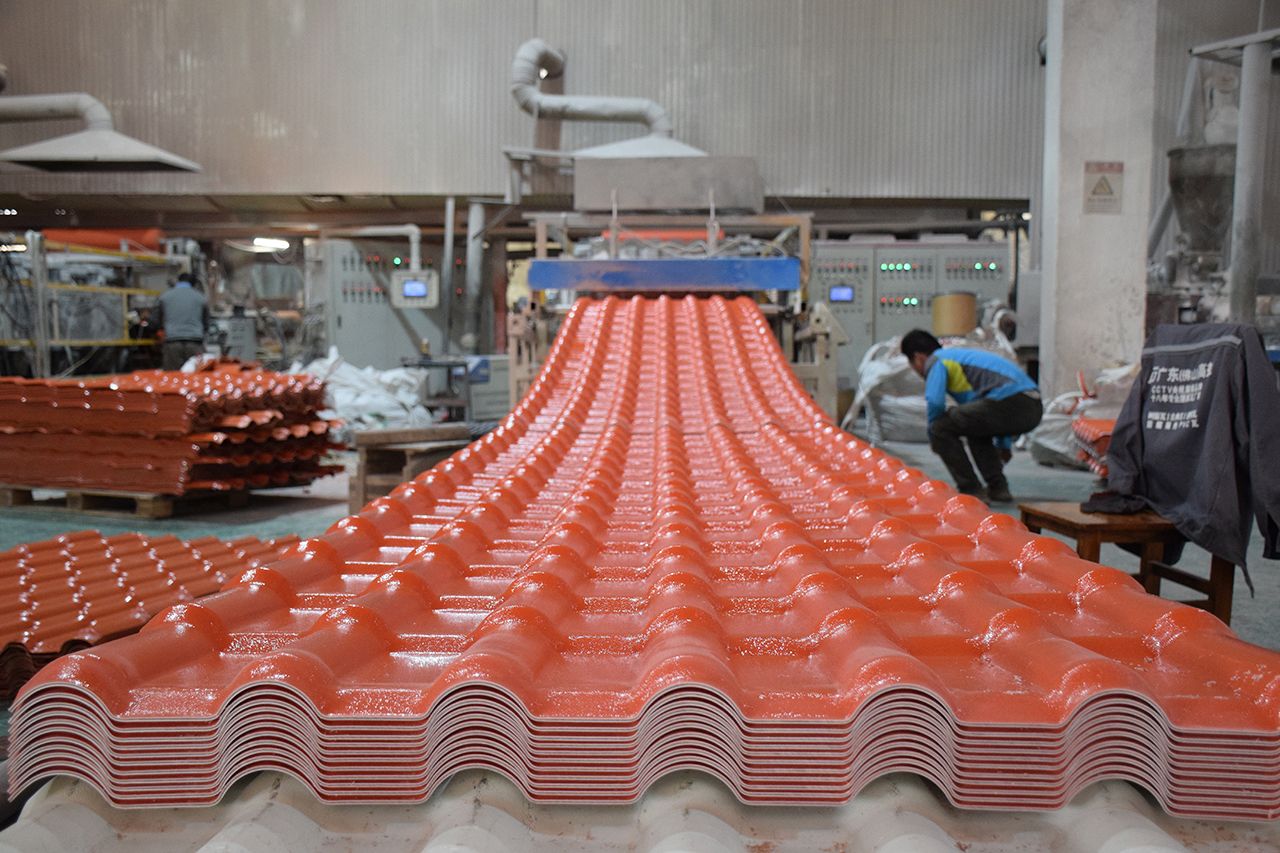
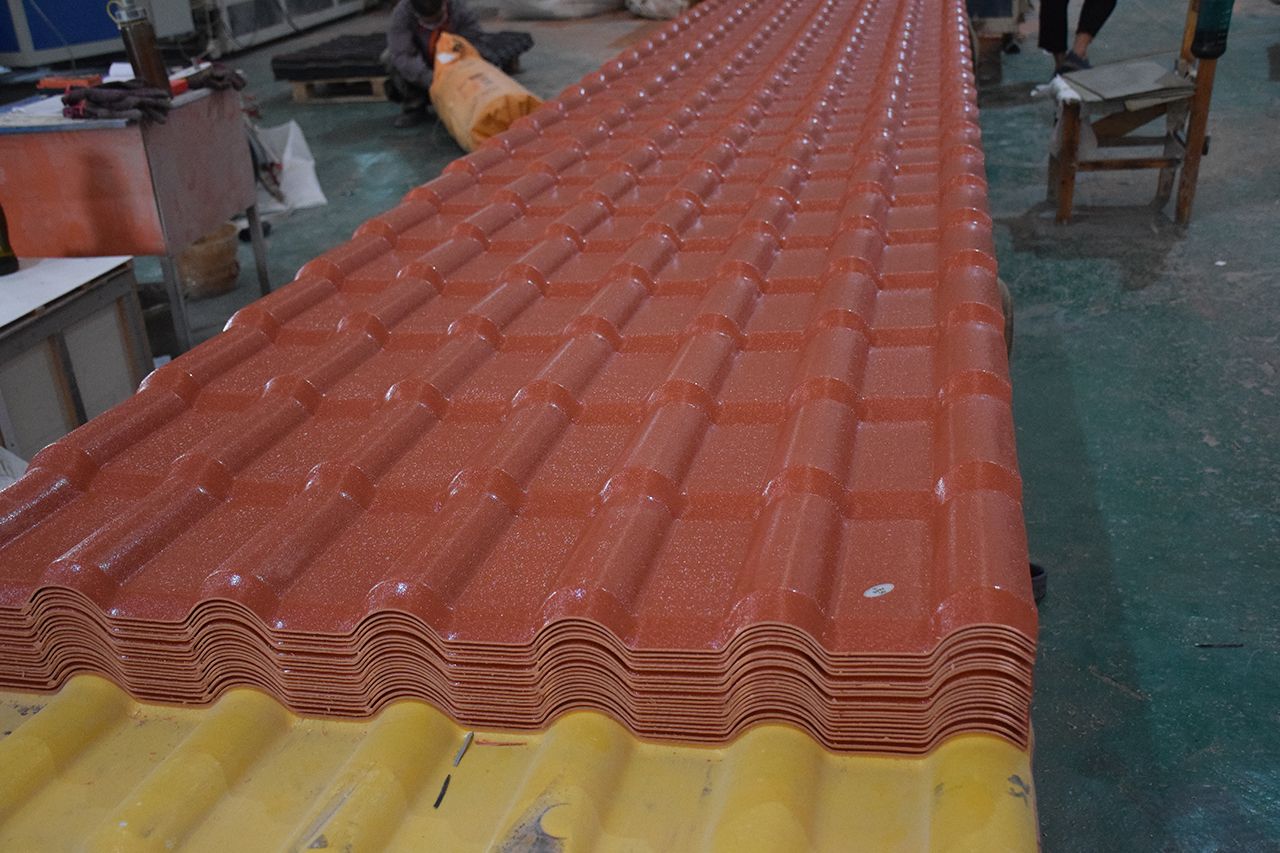
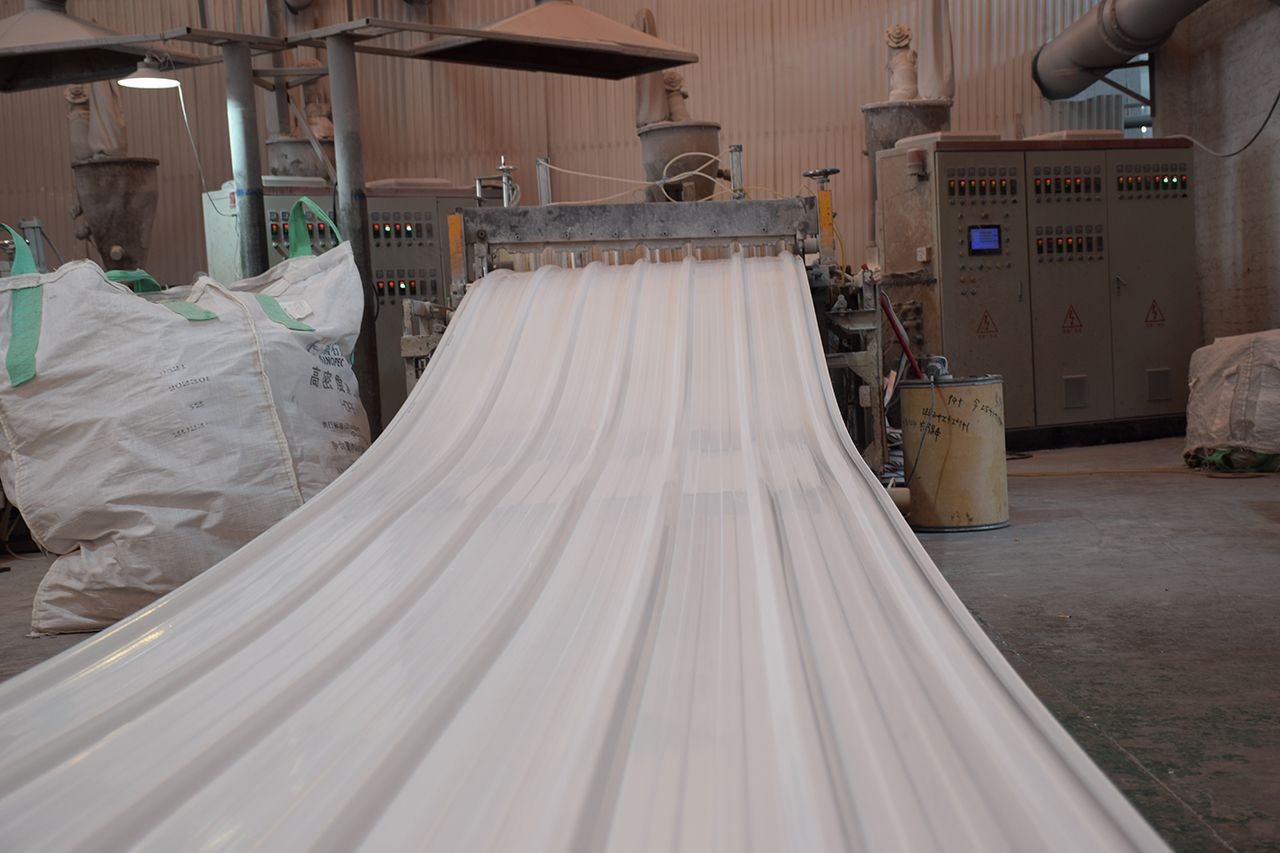
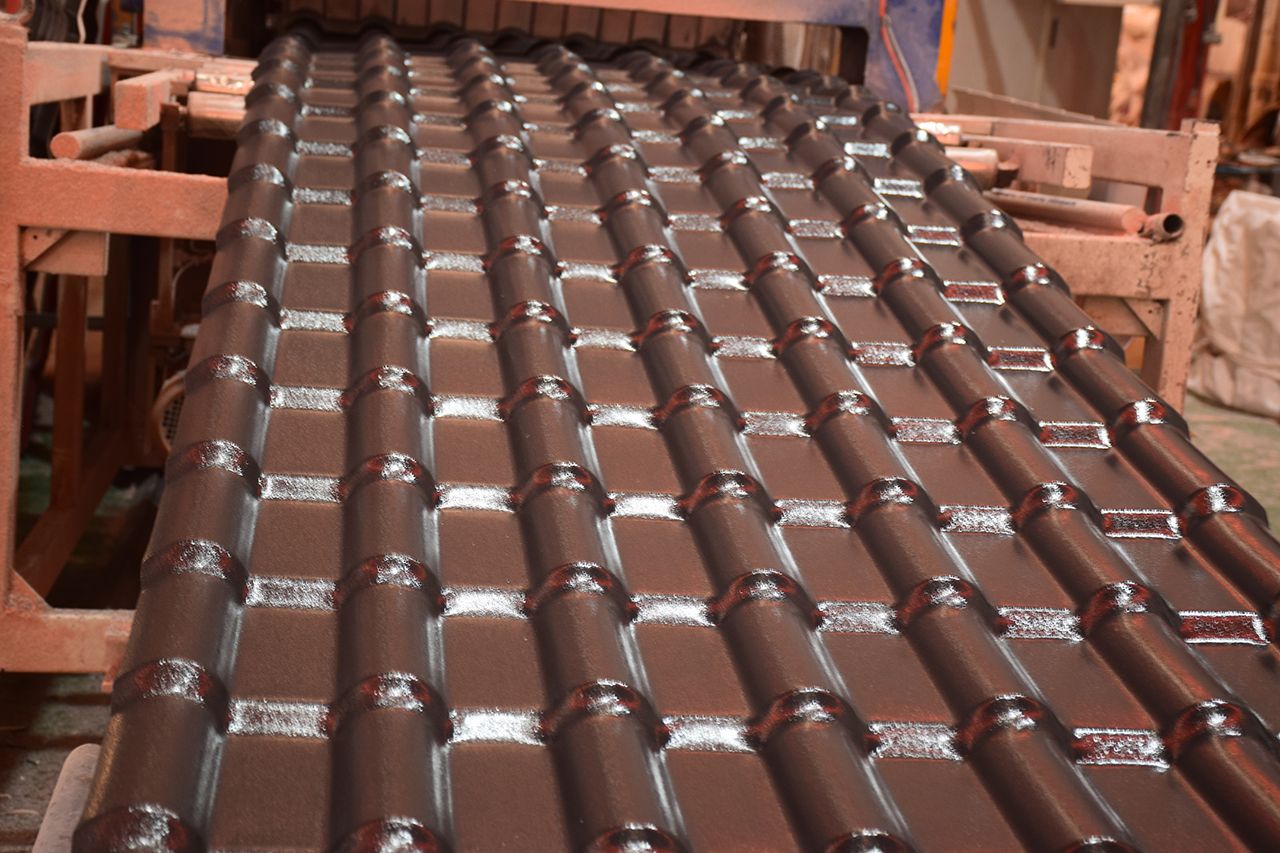
Once you arrive at the factory, don’t just visit the showroom—the samples on display there have all been carefully selected from the best of the best. Instead, you should focus your attention on the production floor and observe the goods currently being manufactured. Ask the technicians in the workshop to bring you a batch of rolls that just came off the production line today. Have them unroll one right in front of you so you can examine its cross-section. This way, you can visually assess whether the thickness and uniformity of the outer ASA layer meet the required standards. Conduct an on-site inspection of the production line—this is far more useful than poring over any brochure. Any legitimate factory will undoubtedly be equipped with extrusion machinery and downstream UV curing ovens. By observing the actual operation of these machines, you can clearly determine whether the facility is genuinely engaged in production.
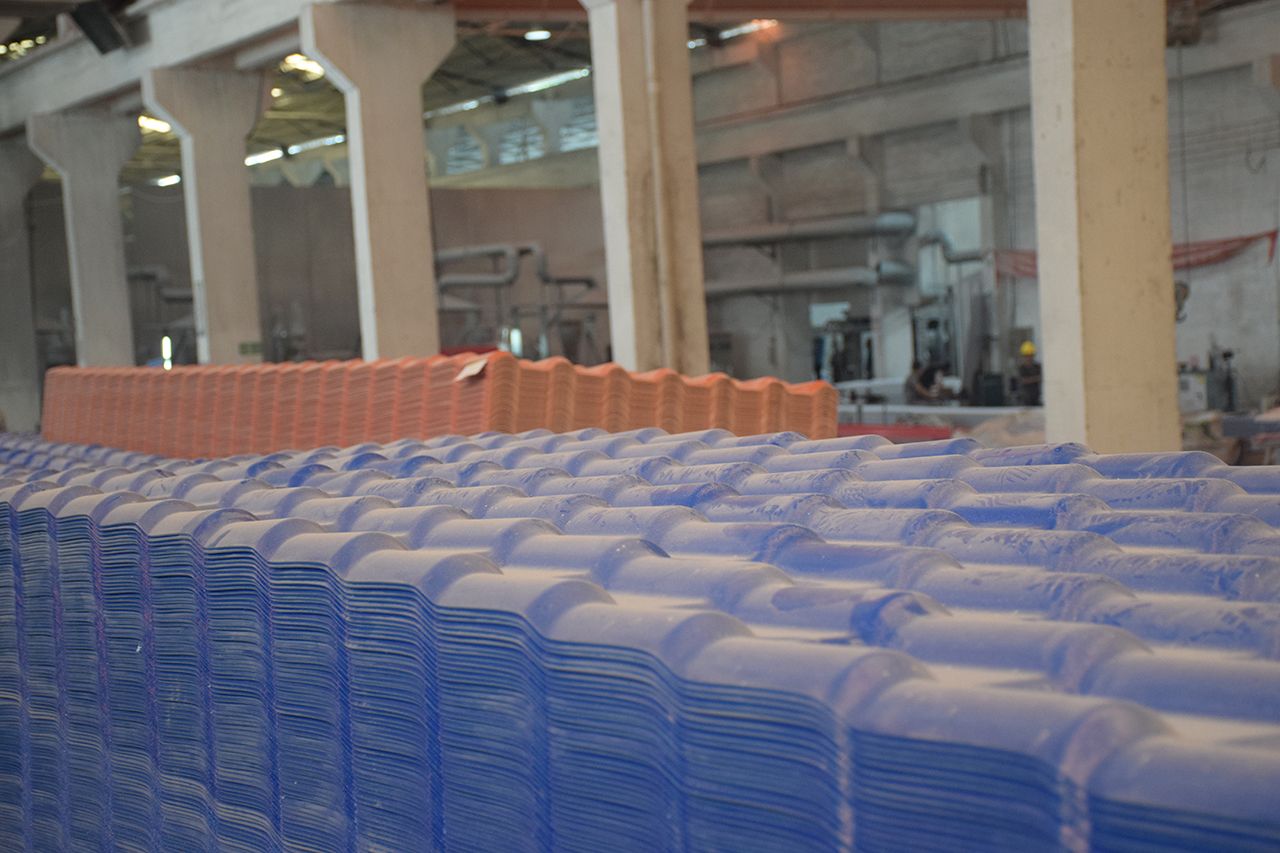
We also need to inquire about production capacity and inventory levels. During the busy season, when deadlines are tight, the most daunting scenario is placing an order only to have to wait two weeks for it to ship.
What exactly is the factory’s monthly production capacity in metric tons, and is there a ready stock warehouse available for allocation? These two specific figures will directly determine whether you can successfully meet your deadline without any delays. If the other party gives a vague response such as “We’ll see when the time comes,” you can generally conclude that their production capacity is indeed unable to keep pace with the schedule.
How Are Resin Tiles Better Than Color-Coated Steel Tiles?
There is general agreement that color-coated steel roofing is inexpensive. However, after seven or eight years of use, the surface coating tends to peel off. Rust stains will seep out from the seams. When you factor in the costs of these later repairs and replacements, the overall maintenance expenses actually end up being higher.
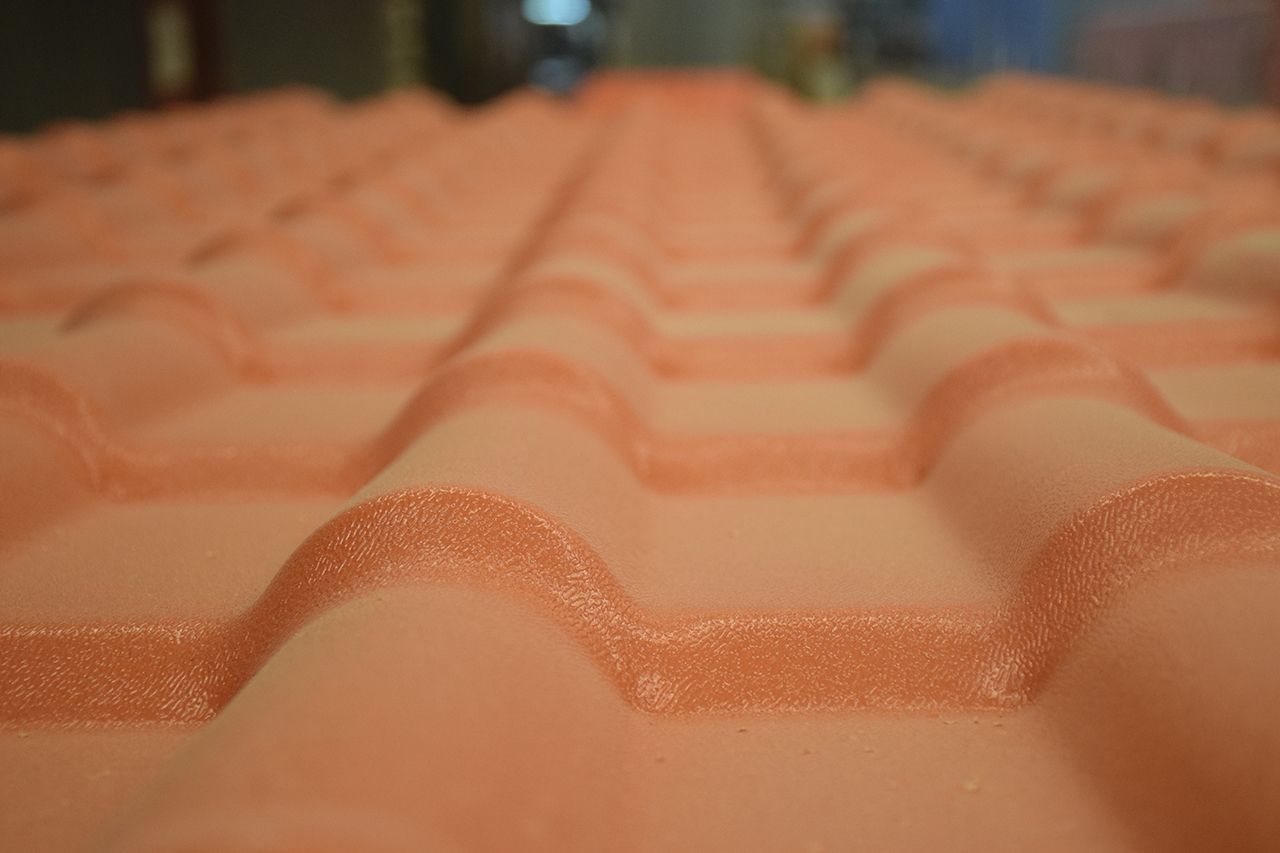
In contrast, resin roofing tiles feature an ASA coating that effectively resists UV-induced aging and damage. Over a normal service life of more than a decade, their color changes very little. For projects such as agricultural greenhouses or industrial warehouses, where frequent renovations are undesirable, choosing resin roofing tiles is actually more cost-effective when considering the total cost over the entire life cycle.
Another issue that color-coated steel materials cannot adequately address is condensation during the winter. Because of the significant temperature difference between the inner and outer surfaces of the metal panels, water droplets form on the underside of the panels and drip onto the cargo. In contrast, resin tiles are made of organic materials and essentially do not suffer from condensation issues, which means that equipment inside the shed is less likely to be affected by moisture.
What Specifications Should Be Clarified Before Shipment?
Before the goods arrive, you must ensure that the supplier provides three items. These three items are: a thickness variation inspection report for each batch, documentation specifying the ASA layer content, and a video of the actual impact resistance test.
If the nominal thickness of a roof tile is 2.5 mm, the actual thickness upon delivery must not be less than 2.3 mm. If the thickness deviation exceeds the specified limit, the tiles will be returned immediately. You must include these three-dimensional specifications in the contract terms, and during acceptance inspection, use a caliper and a grid cutter to conduct a random inspection of each tile. Although this may be somewhat tedious, do not consider it a hassle.
In the projects I’ve worked on, there have indeed been some frustrating unexpected issues. For example, one supplier actually secretly mixed in recycled scrap material to cut costs, which ultimately resulted in the actual thickness of the material dropping to just 1.8 millimeters. Judging by its appearance, it didn’t look much different from the standard product, making it very difficult to tell at a glance.
However, once these items have been suspended from the roof for two years, they will become brittle and crack. Therefore, the inspection step is absolutely essential and cannot be skipped. When the goods arrive on site, a random sample inspection must be conducted, and the entire process must be documented on video for future reference.
That way, if any quality issues do arise down the line, we’ll have documentation to refer to and won’t find ourselves at a disadvantage.
Please carefully sort through these scenarios; there are three key steps to finding a manufacturer of resin roofing tiles. First, inspect the production line—don’t just look at the showroom; second, calculate the full life-cycle cost rather than focusing solely on the unit price; and third, strictly enforce thickness specifications during the acceptance inspection. As long as these three points are included in the contract, major issues typically won’t arise later on.
Keywords: Resin Tile Factory