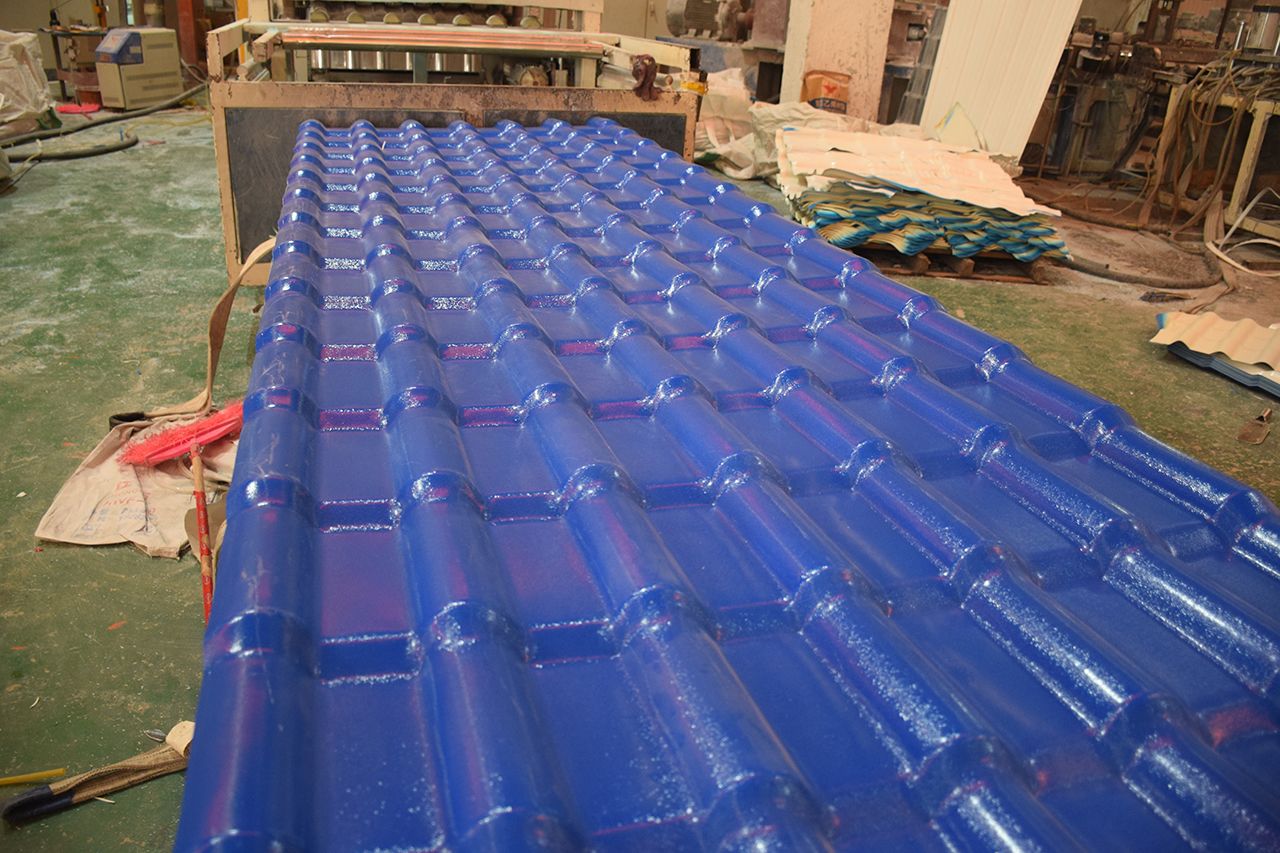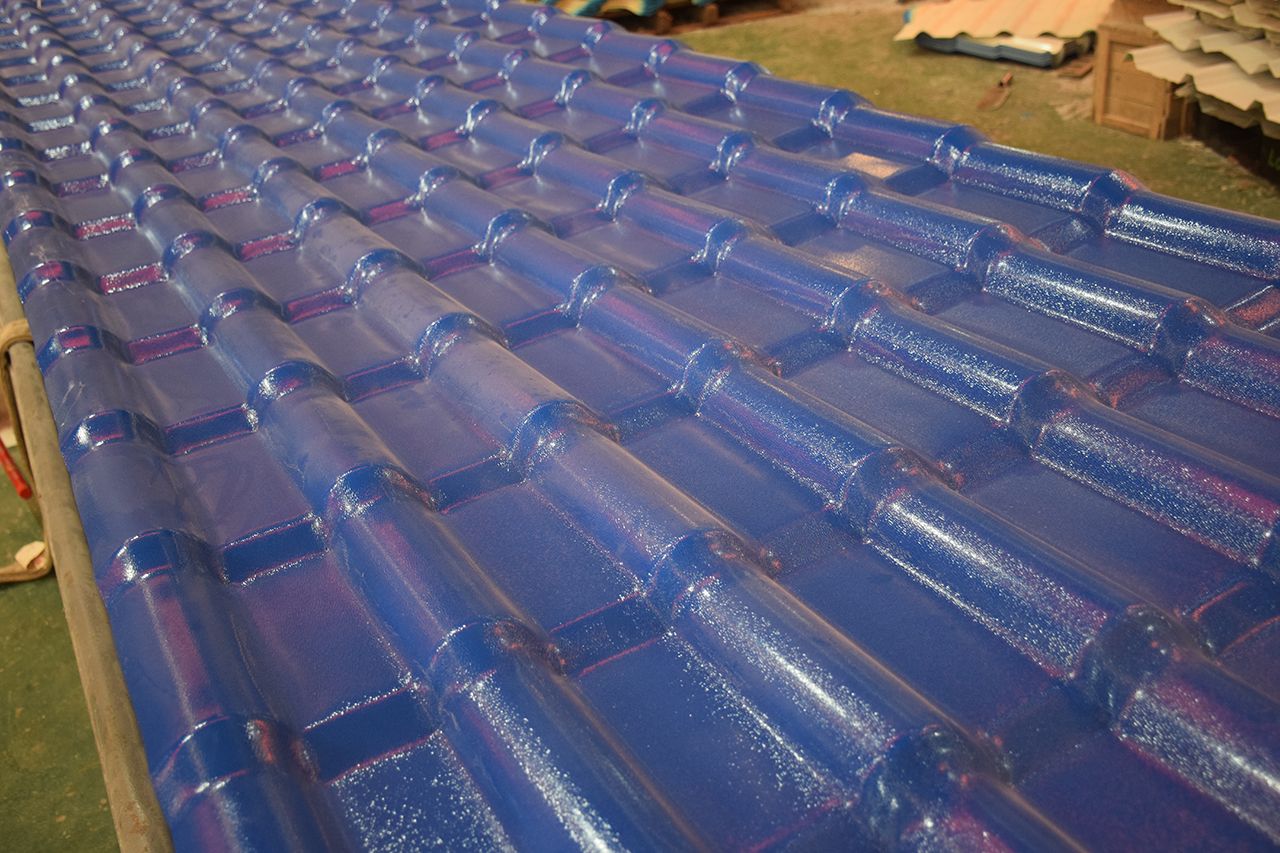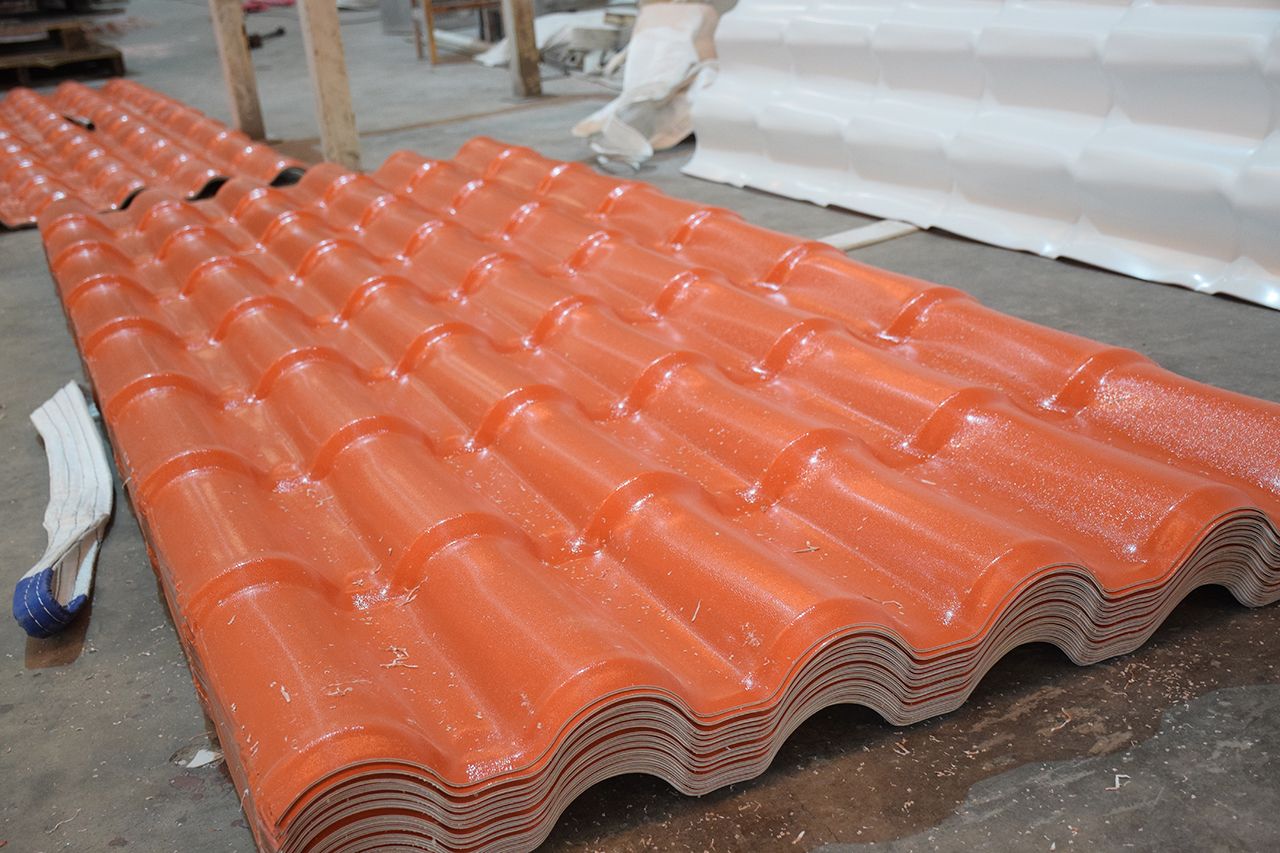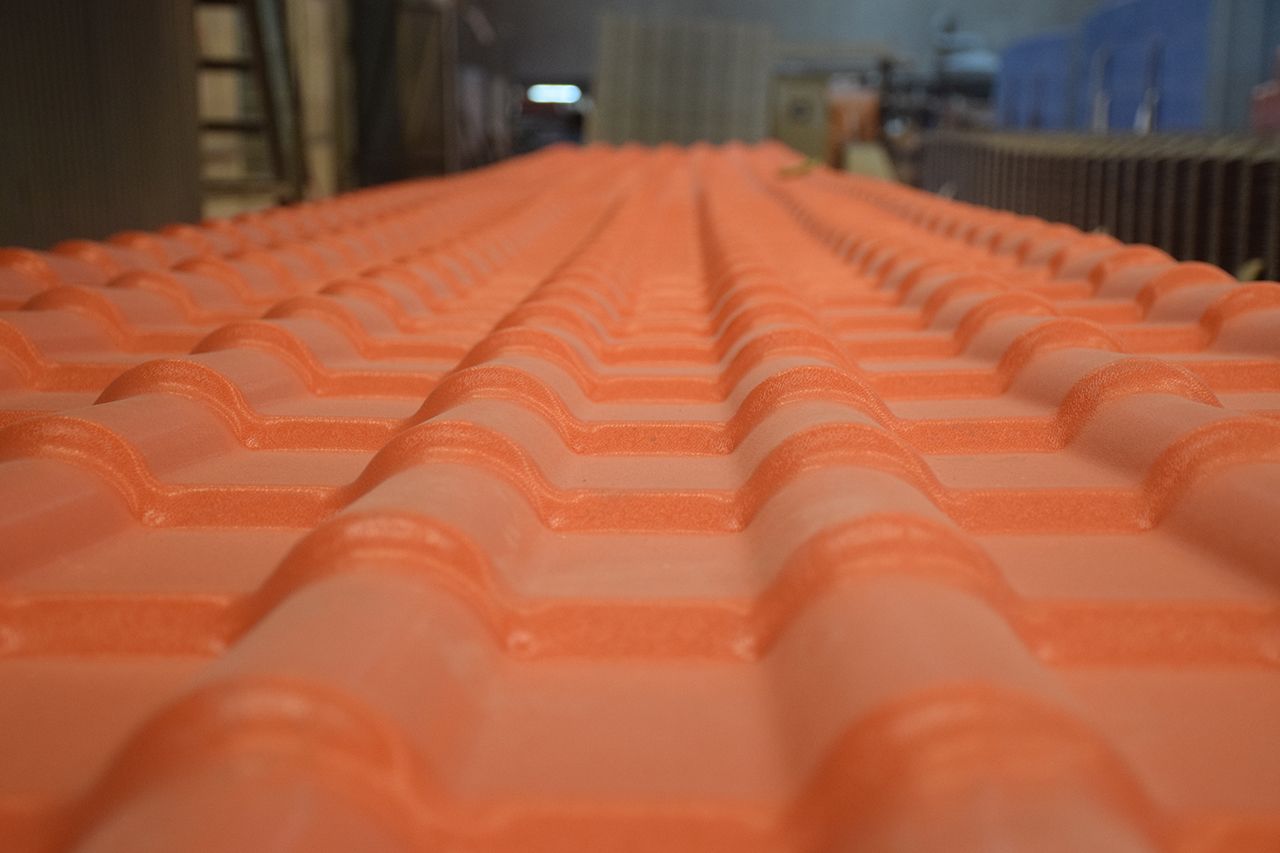
The manufacturing process for PVC roofing tiles directly determines the tiles’ weather resistance and service life. Many buyers focus solely on price and appearance, overlooking the technical details behind the process—which is clearly a blind spot.
How Are PVC Roof Tiles Molded?
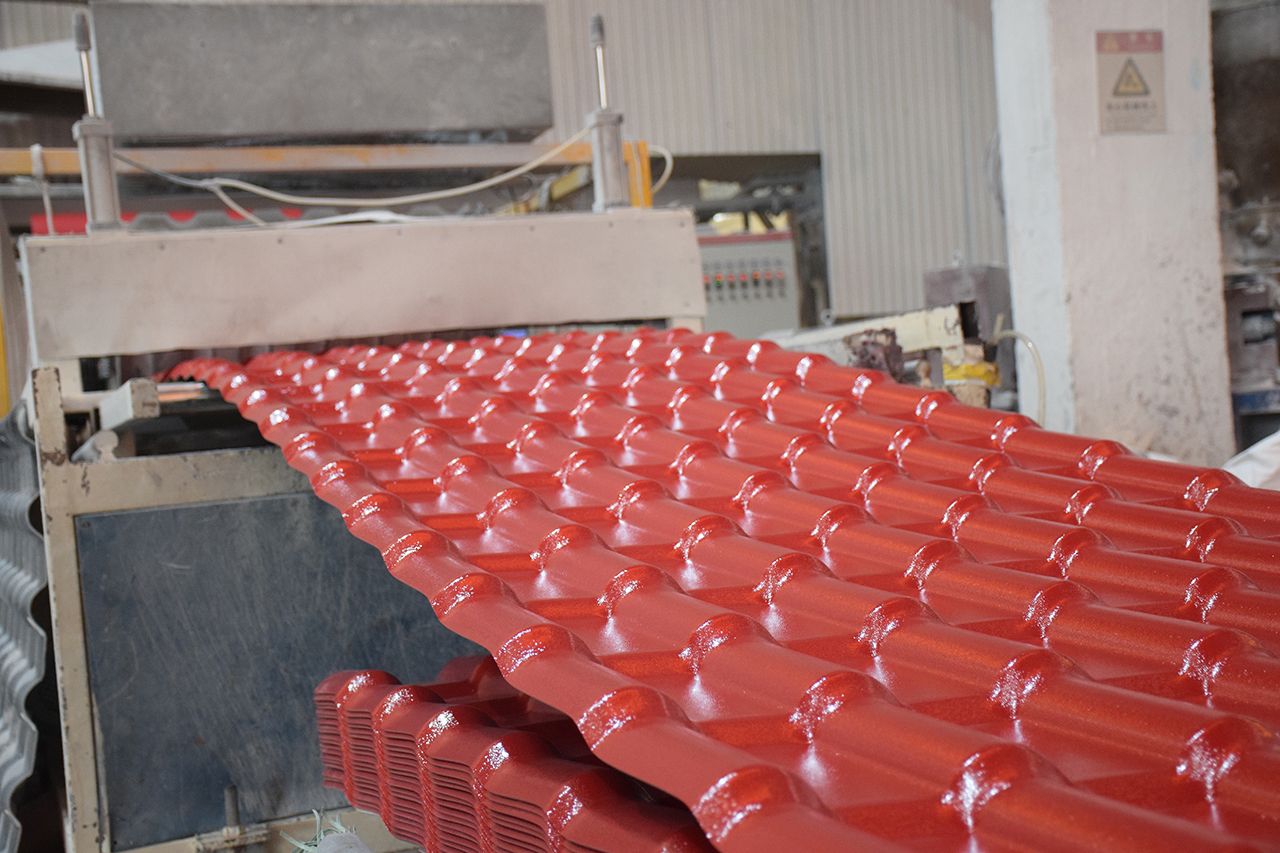
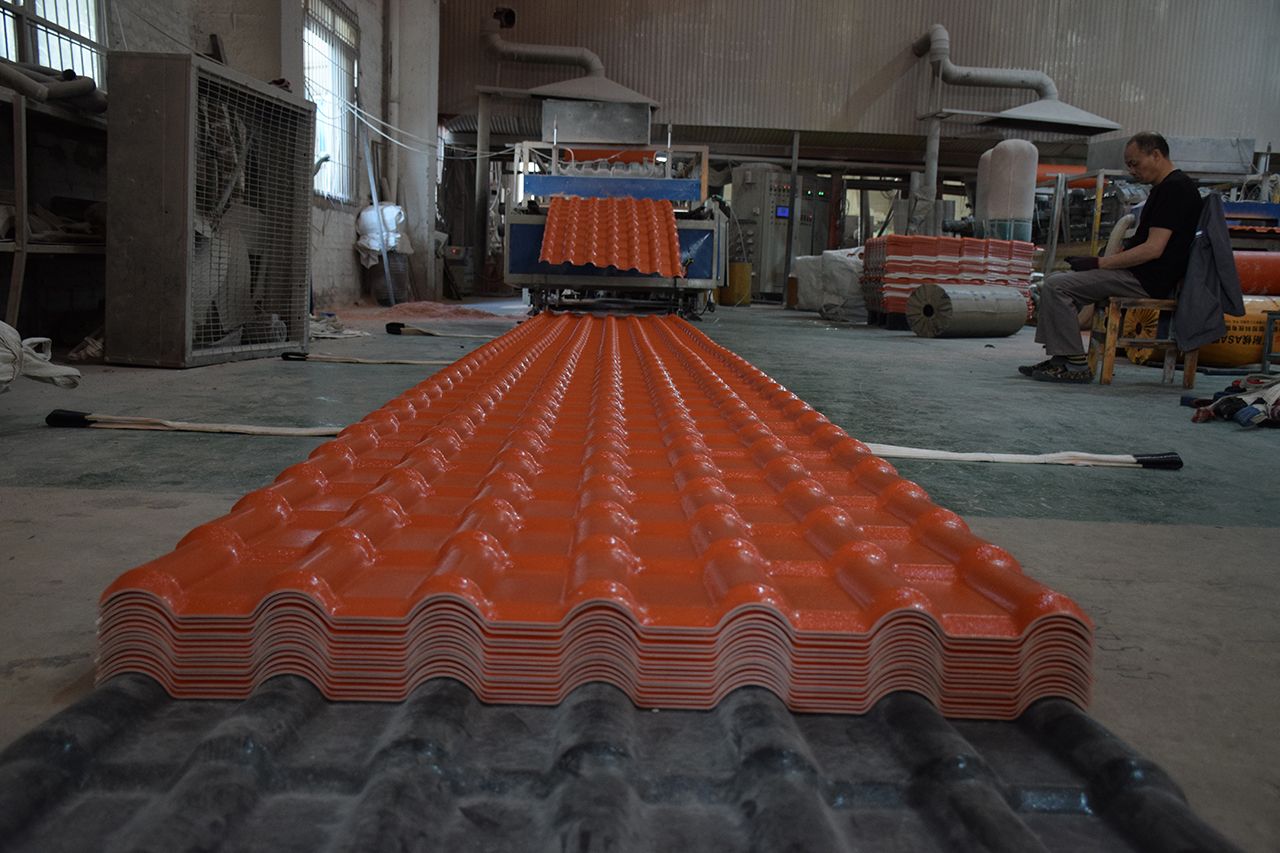
The key step involves first subjecting the PVC powder and additives—which include stabilizers and fillers—to high-speed mixing, and then passing them throughExtrusion or CalenderingThe material is molded using this method. The temperature must be maintained between 140 and 180°C; if the temperature is too high, the material will decompose, and if it is too low, the parts will not bond securely.
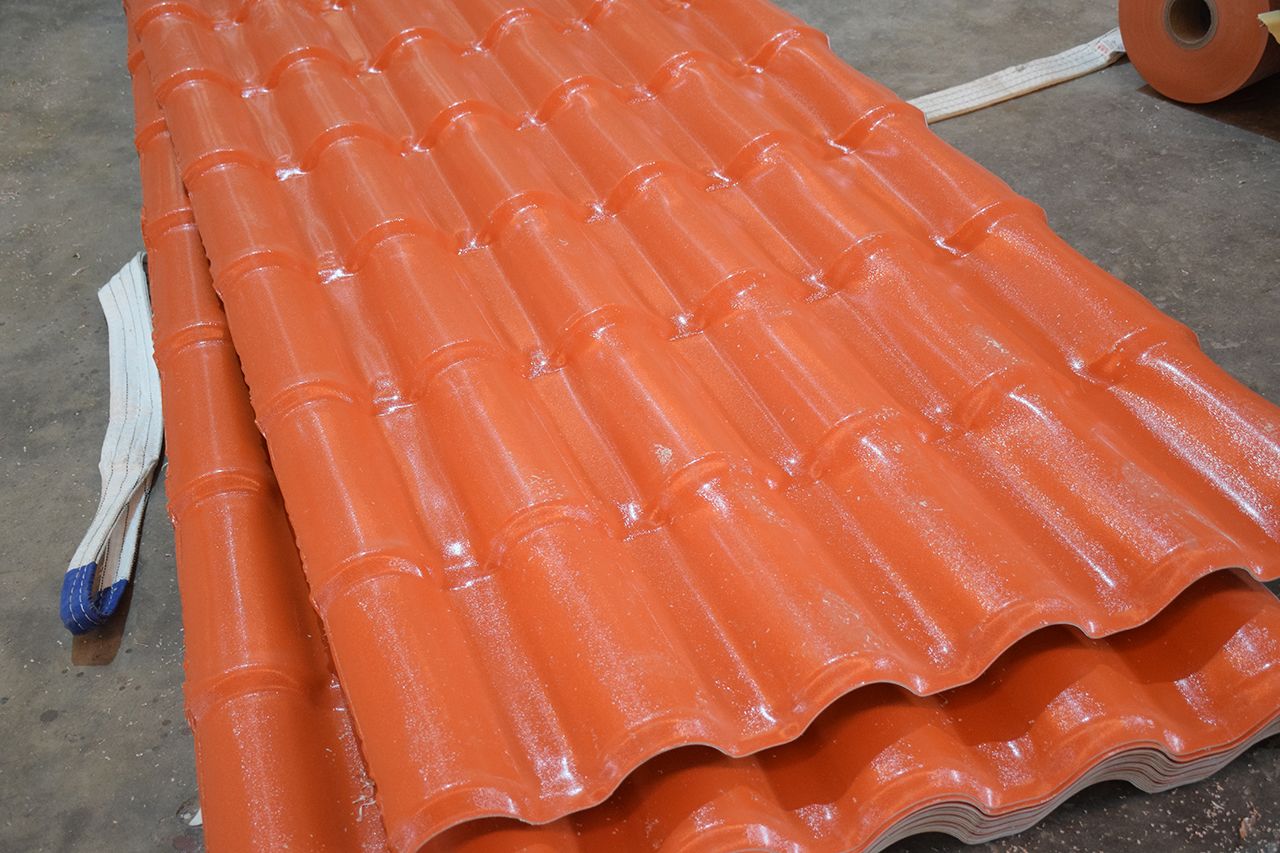
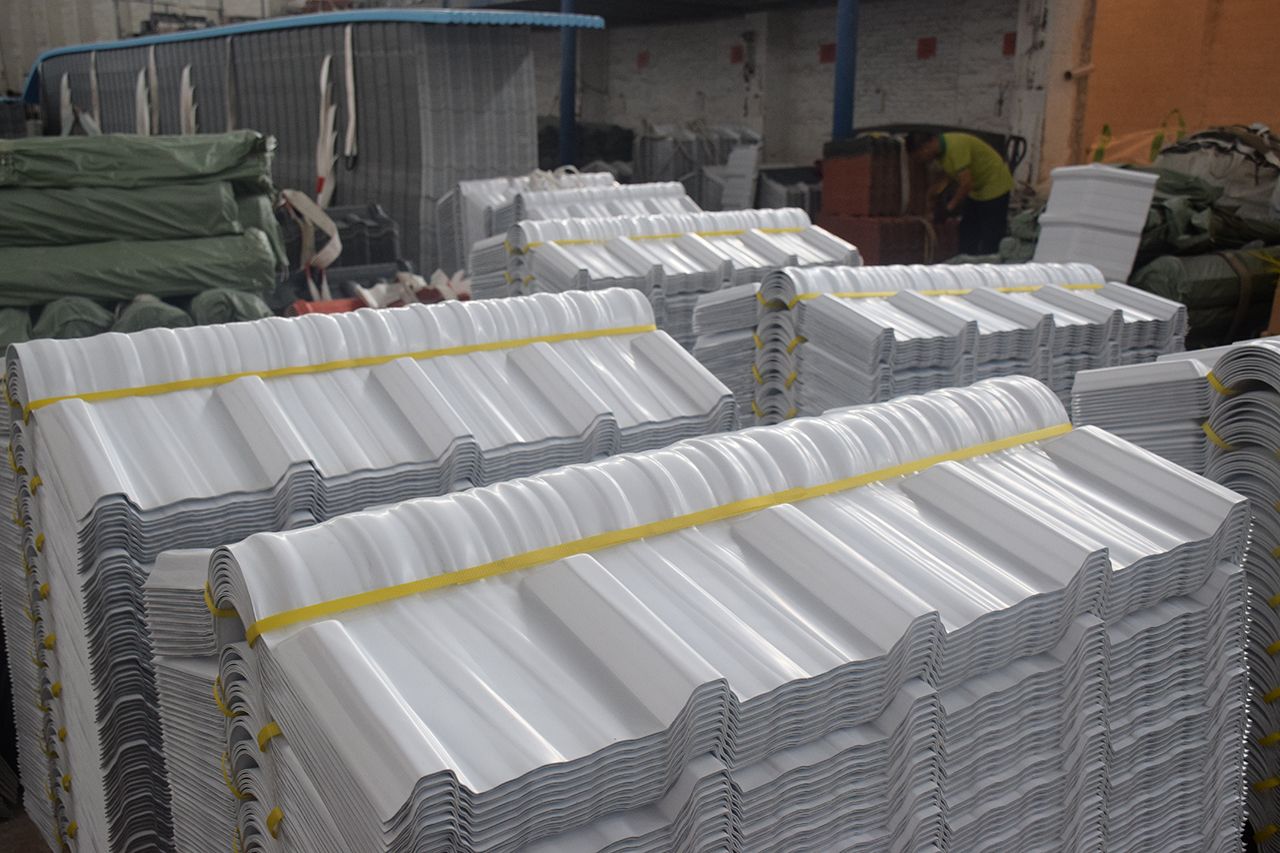
After the roof tiles are extruded, they still have to go through several processes, including cooling and setting, cutting, and quality inspection—the entire set ofPVC Roofing Tile Manufacturing Process, It takes about 40 minutes to manufacture a standard roof tile.
The key factor affecting tile quality is not actually the equipment, but rather the precise proportions of the formulation. If too much calcium powder is added, the tiles will become very brittle, and their impact resistance will immediately decline. If the amount of UV absorber is insufficient, the tiles will begin to fade and develop a chalky appearance after two to three years.
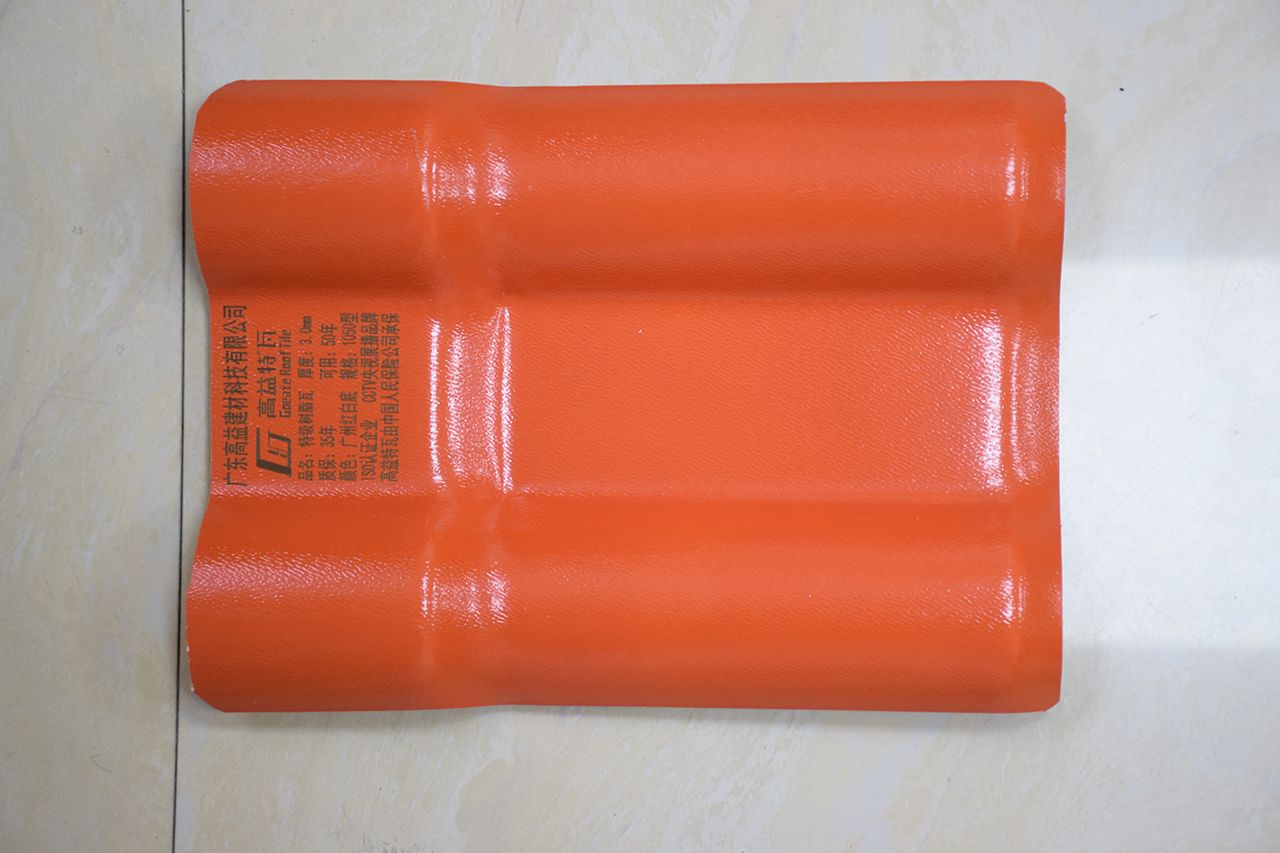
Does the manufacturing process affect the lifespan of roof tiles?
The answer is yes. Even among roofing tiles labeled as PVC, there is a very noticeable difference in thermal insulation performance between products with a double-wall hollow structure and those with a solid structure. The former type is generally better suited for use in southern regions with very high temperatures, while the latter type excels in its ability to withstand freezing conditions.
If the pressure applied during the pressing process is insufficient, microscopic pores that are difficult to see with the naked eye will form on the surface of the roof tiles. When rainwater seeps into these tiny pores, it causes the material to foam. When temperatures drop in winter, these foamed areas will crack as the water freezes.
Therefore, when evaluating a manufacturing process, you shouldn’t just listen to a description of the specifications; it’s best to examine actual physical samples.High- and Low-Temperature Cycling Tests, Run the cycle three times consecutively in an environment ranging from minus 20 degrees Celsius to plus 60 degrees Celsius, then carefully inspect the sample for any warping or discoloration.
The entry barrier for this process isn’t very high. However, ensuring that every control point is executed with exceptional precision is no easy task. When it comes time to place an order, if you ask for clear details on the formula, the calendering parameters, and the quality inspection standards, this approach is far more reliable than simply comparing prices.
Keywords: PVC roofing tile manufacturing process