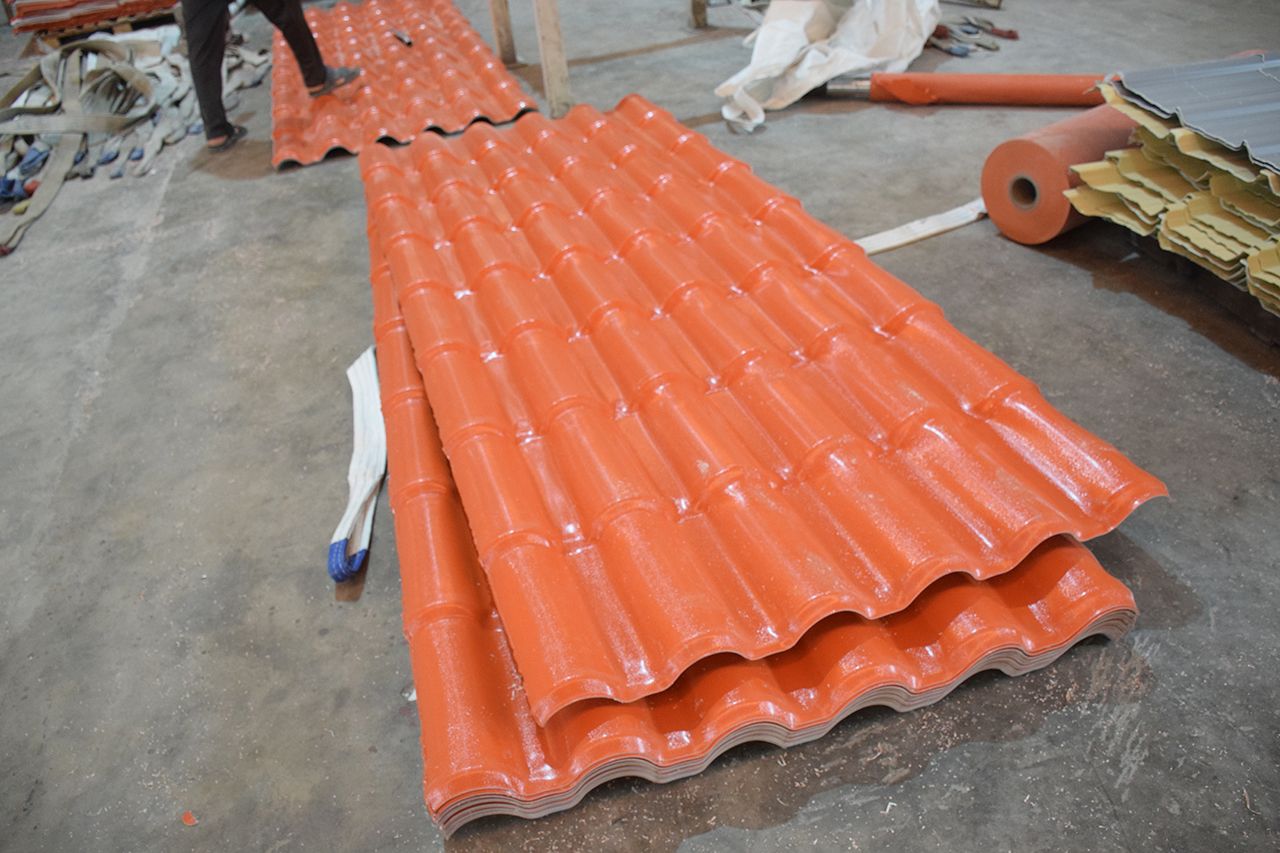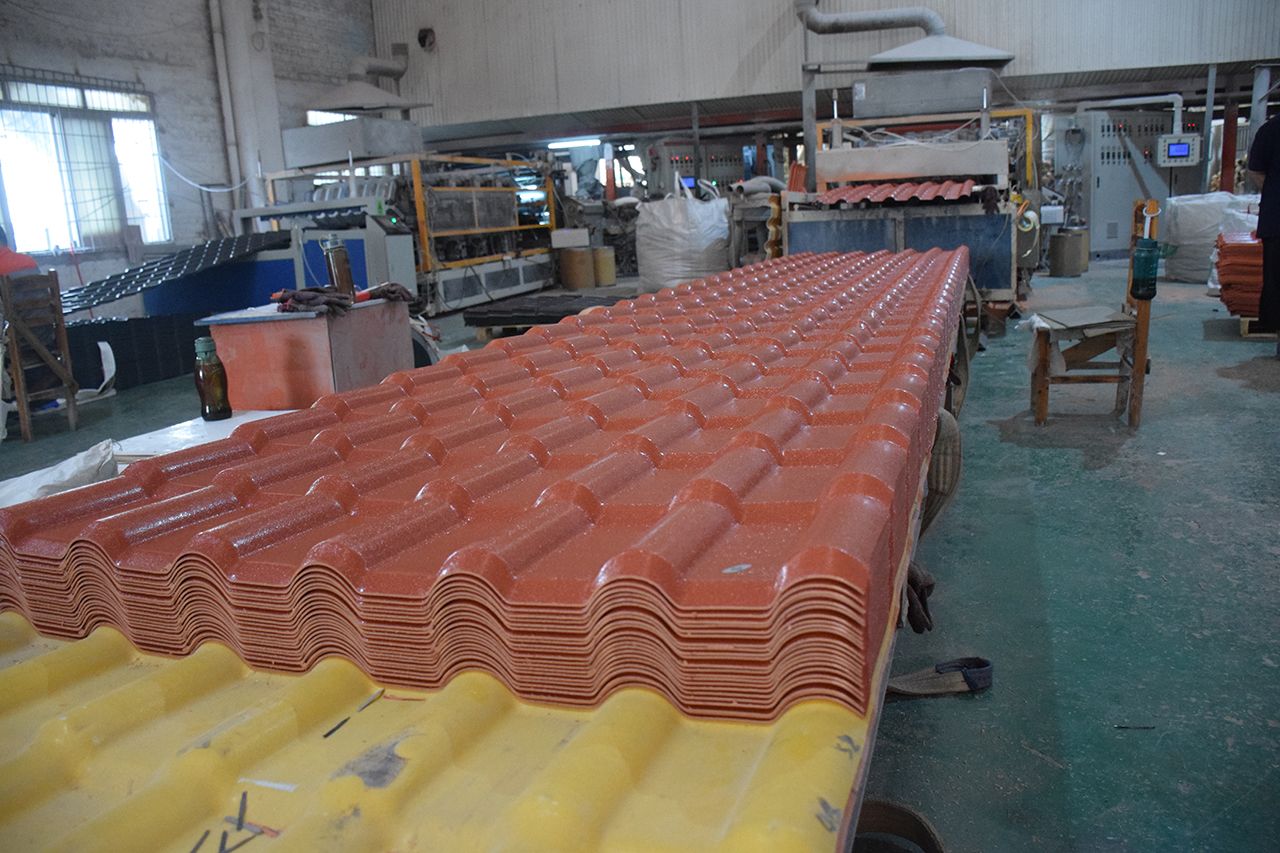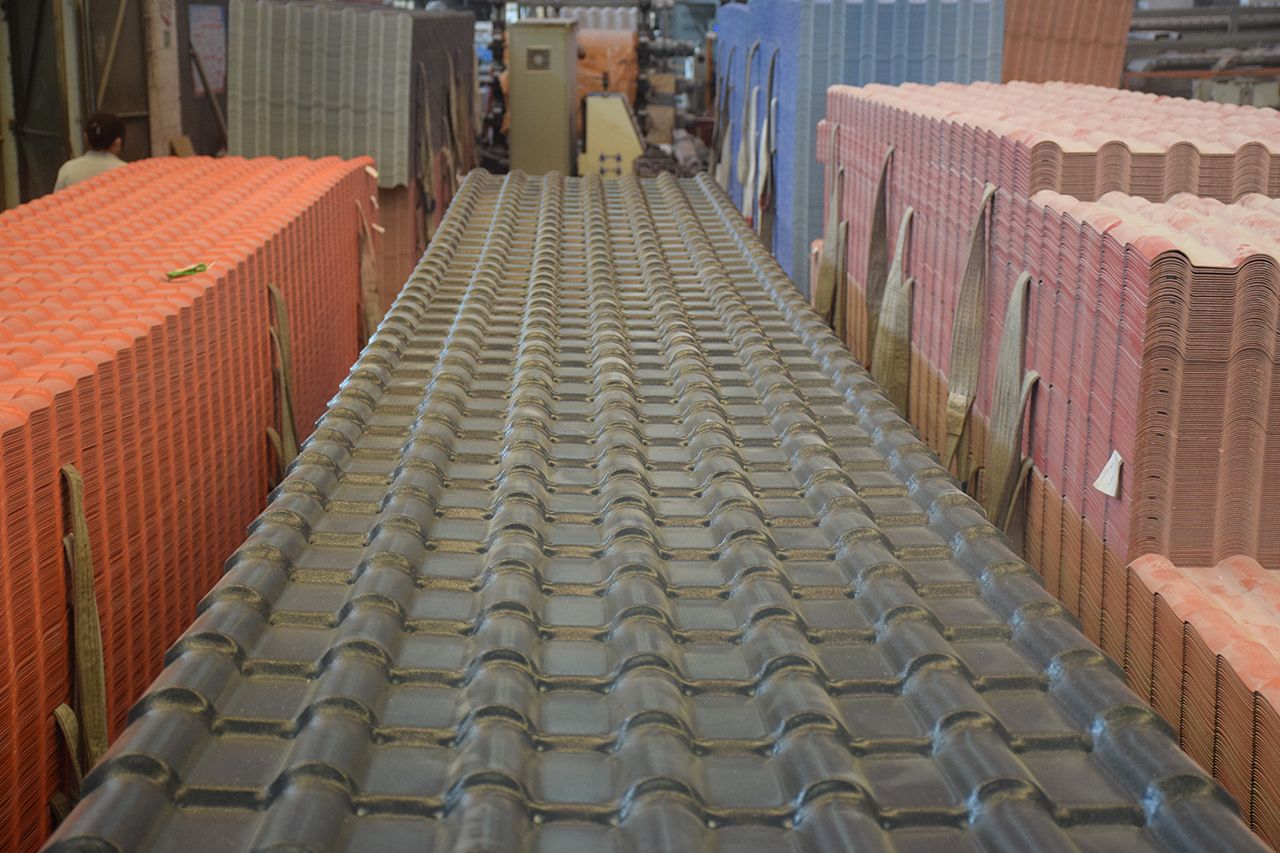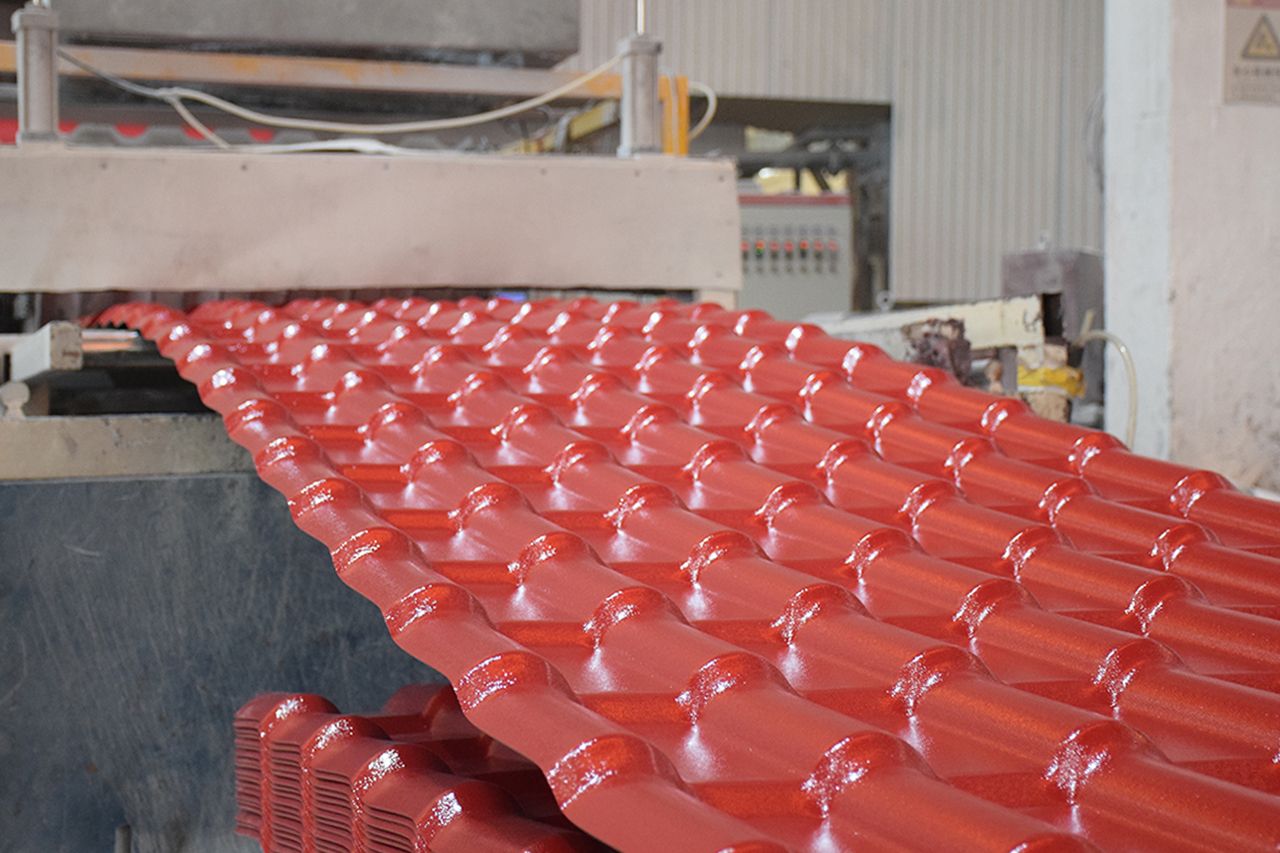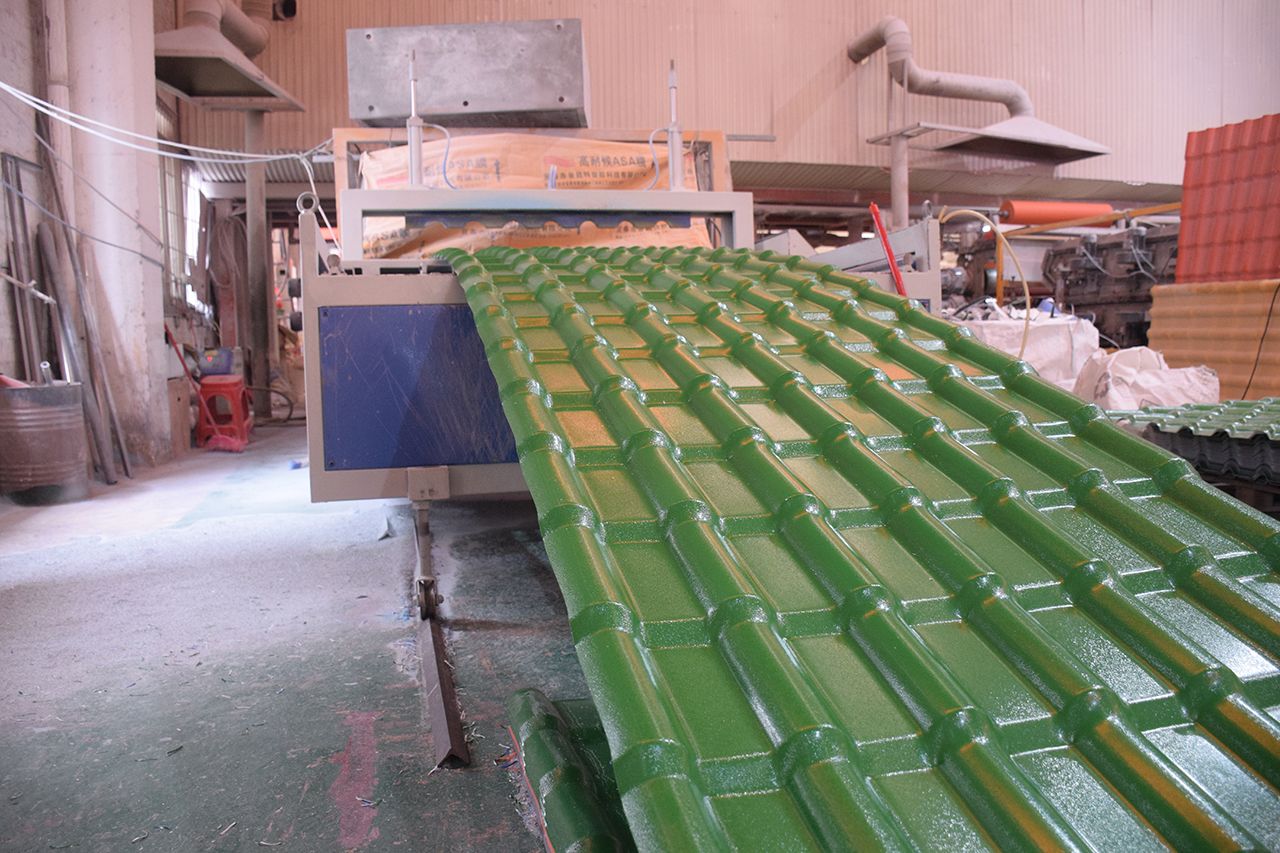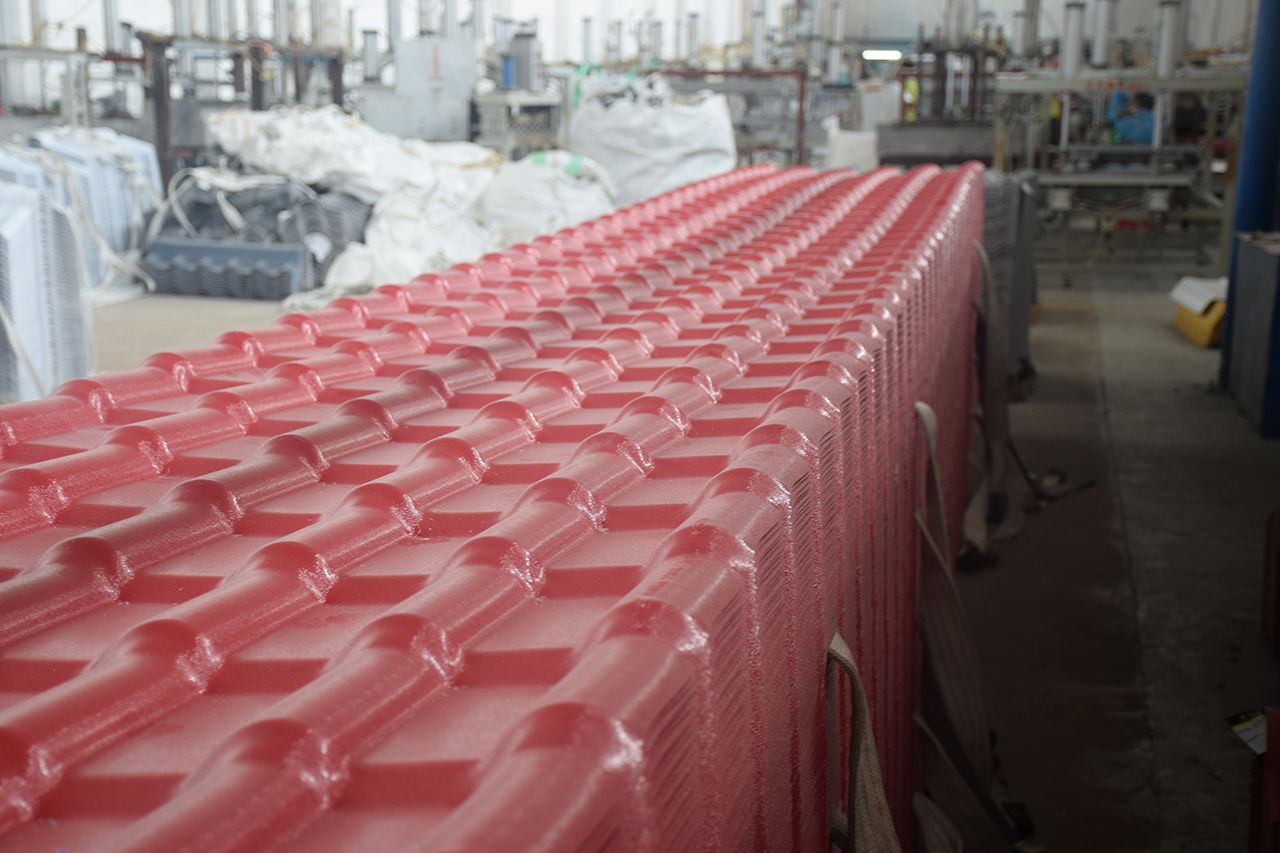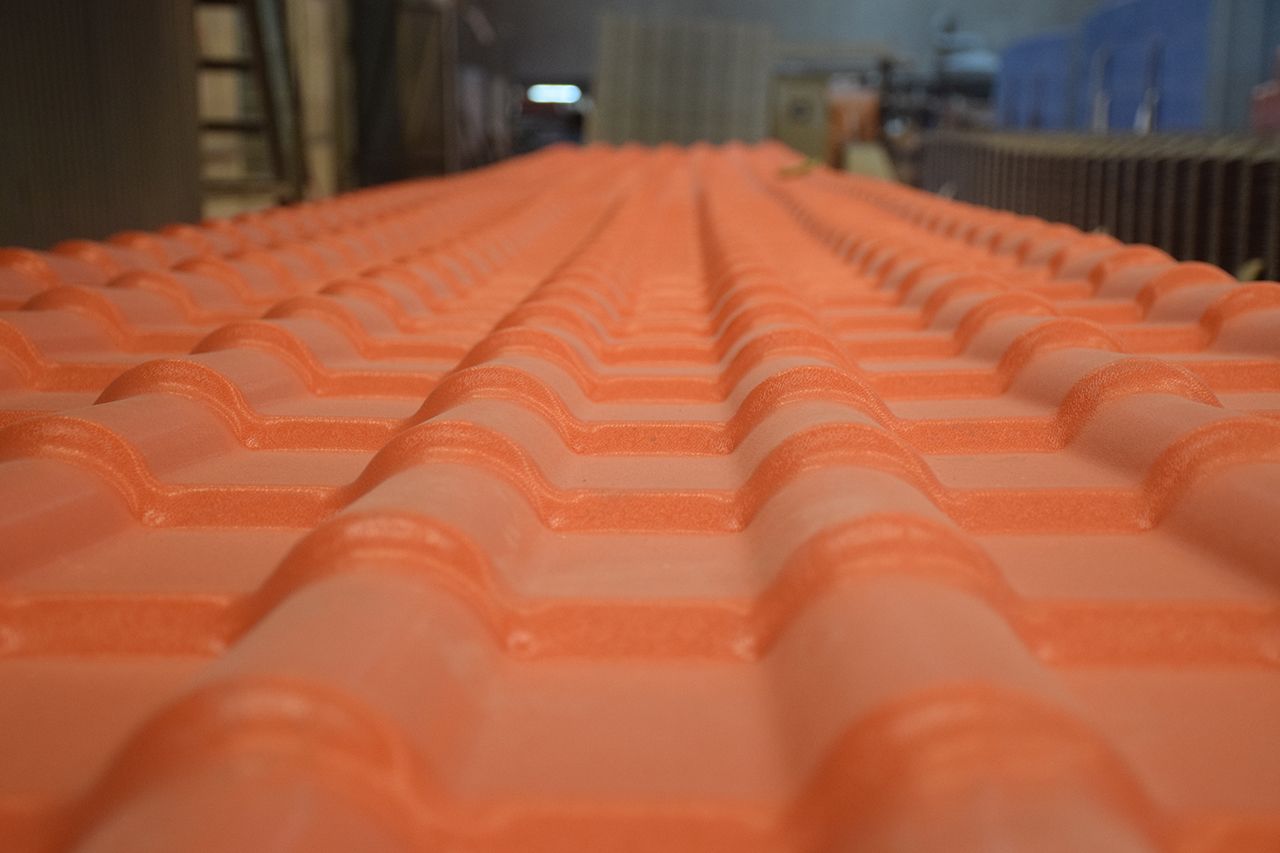
To put it simply, the production process for PVC roofing tiles consists of formula design and extrusion molding. Having worked on production lines at roofing tile factories for a total of eight years—handling every step personally, from the initial weighing of raw materials all the way through to the final cutting of finished products—I’d like to take this opportunity to clearly explain several critical areas in the actual production process where errors are particularly likely to occur.
How to Formulate a PVC Roofing Tile Recipe
PVC resin, stabilizers, fillers, and lubricants—these four components are the most basic ingredients, and the specific mixing ratios must be determined through continuous trial and error.
Regarding the amount of calcium-zinc stabilizer added, it must be strictly controlled within the range of 3% to 5%. If too little stabilizer is used during production, the roof tiles are likely to develop a yellowish tint after six months. Once this occurs, it will lead to customer complaints, putting the company in a very difficult position.
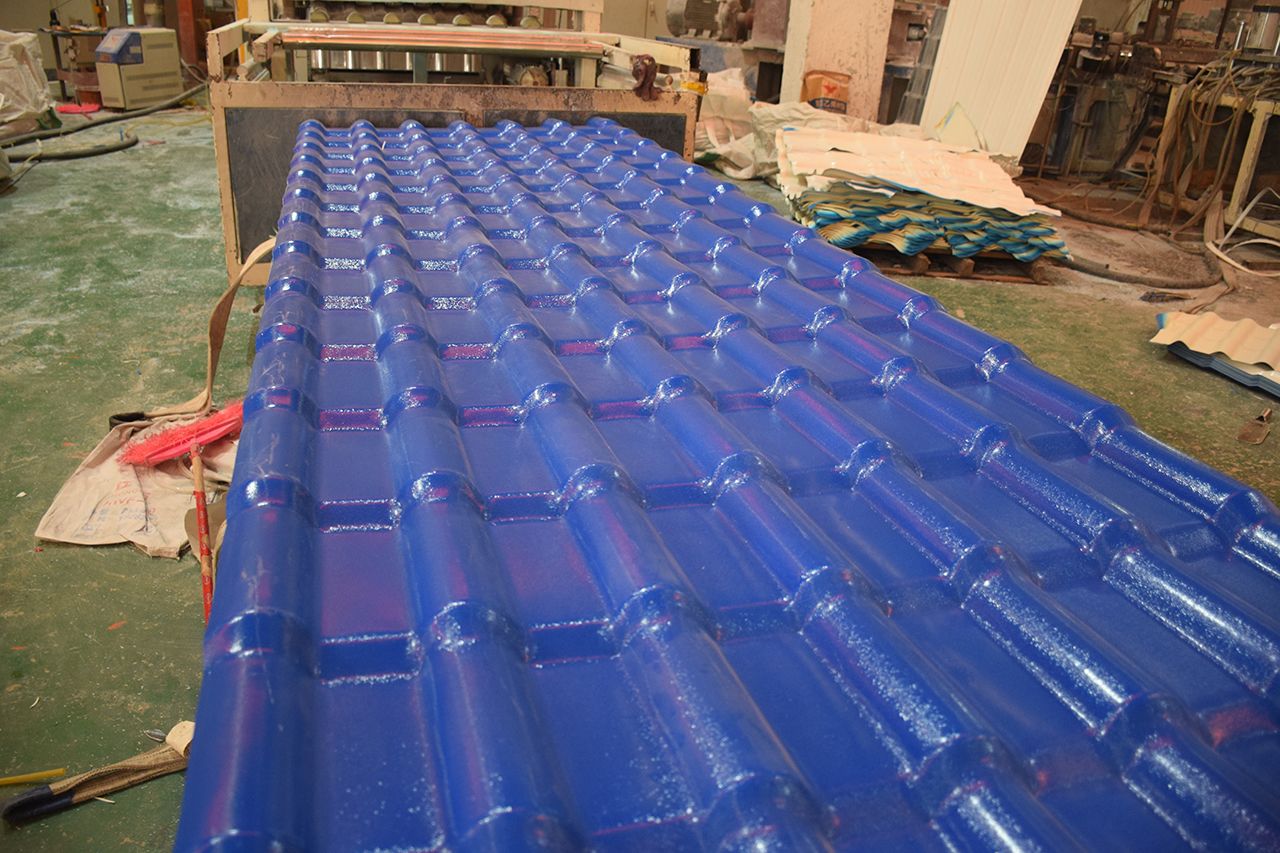
I’ve seen factories that, in an effort to cut costs, have actually crammed in more than 70 percent filler, which directly cut the material’s toughness in half. Once winter sets in up north, even the slightest bend causes them to crack. This kind of substandard manufacturing practice behind these problematic PVC roof tiles is all too common these days.
How to Control the Extrusion Temperature
The three-zone temperature of the barrel is typically set between 140 and 170 degrees, while the mold temperature is maintained at around 120 degrees. IfIf the PPVC is too high, it will decompose and emit black smoke; if it is too low, plasticization will be incomplete and the surface will peel.In that case, even a difference of just a dozen degrees or so can make a huge difference in the quality of the finished product.
During the rainy season, humidity in the workshop is very high, so we need to actively lower the material temperature by five to eight degrees; otherwise, the bubble rate will spike significantly. The connection between this and the environment is actually much closer than many people realize.
Formulation and extrusion parameters influence each other; the stable operating range for temperature, speed, and mix ratios can only be determined through repeated experimental runs. There is no single set of process parameters that can be established once and for all; whenever a production batch changes or local weather conditions shift, operators must re-execute these fine-tuning and optimization adjustments.
Keywords: PVC roofing tile manufacturing process