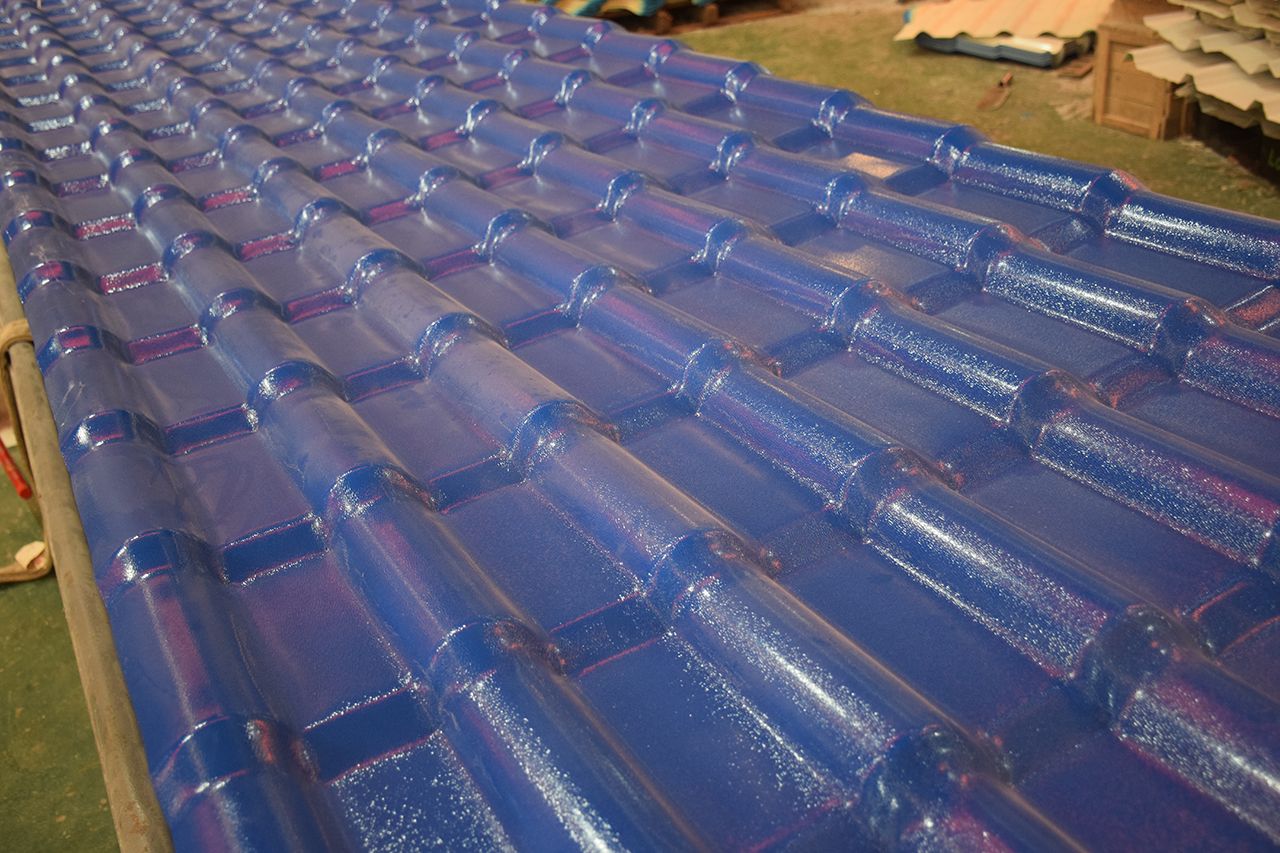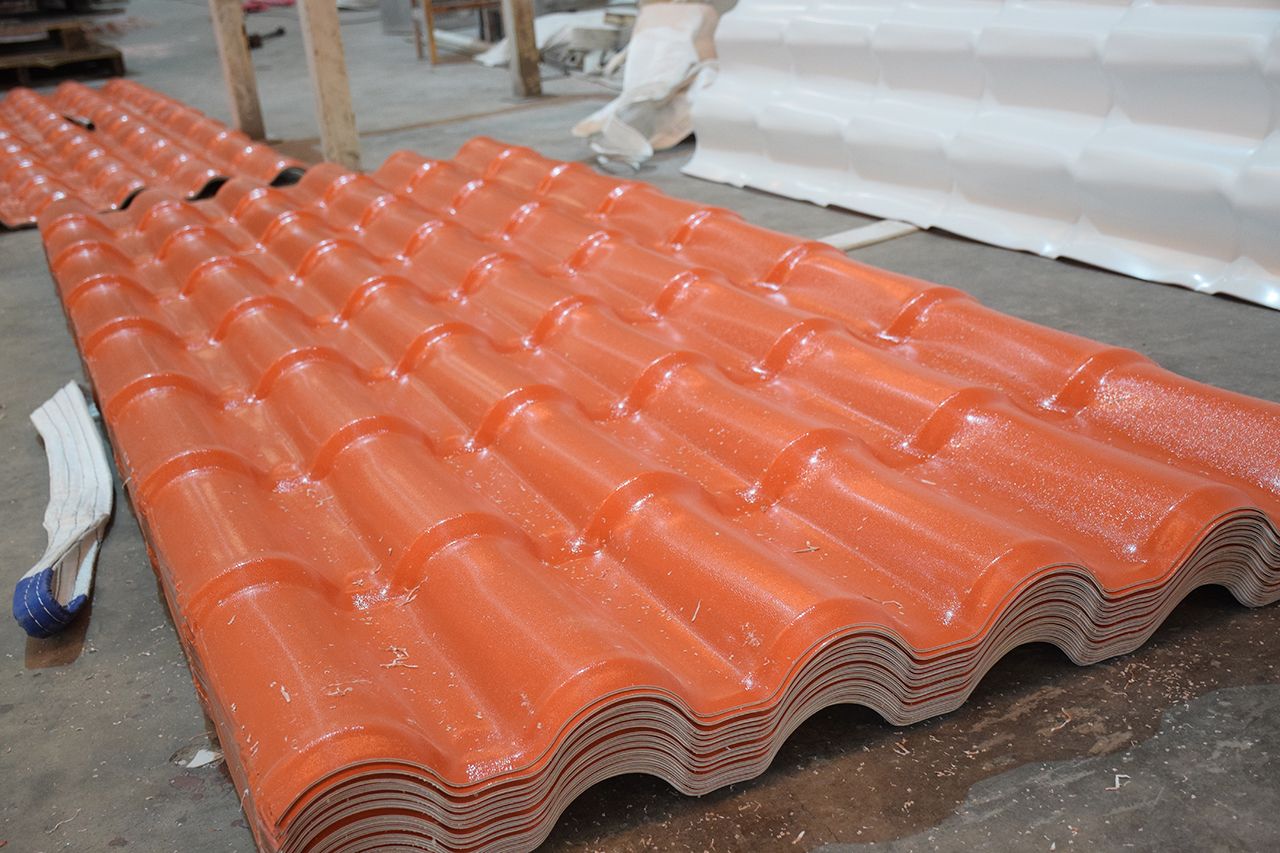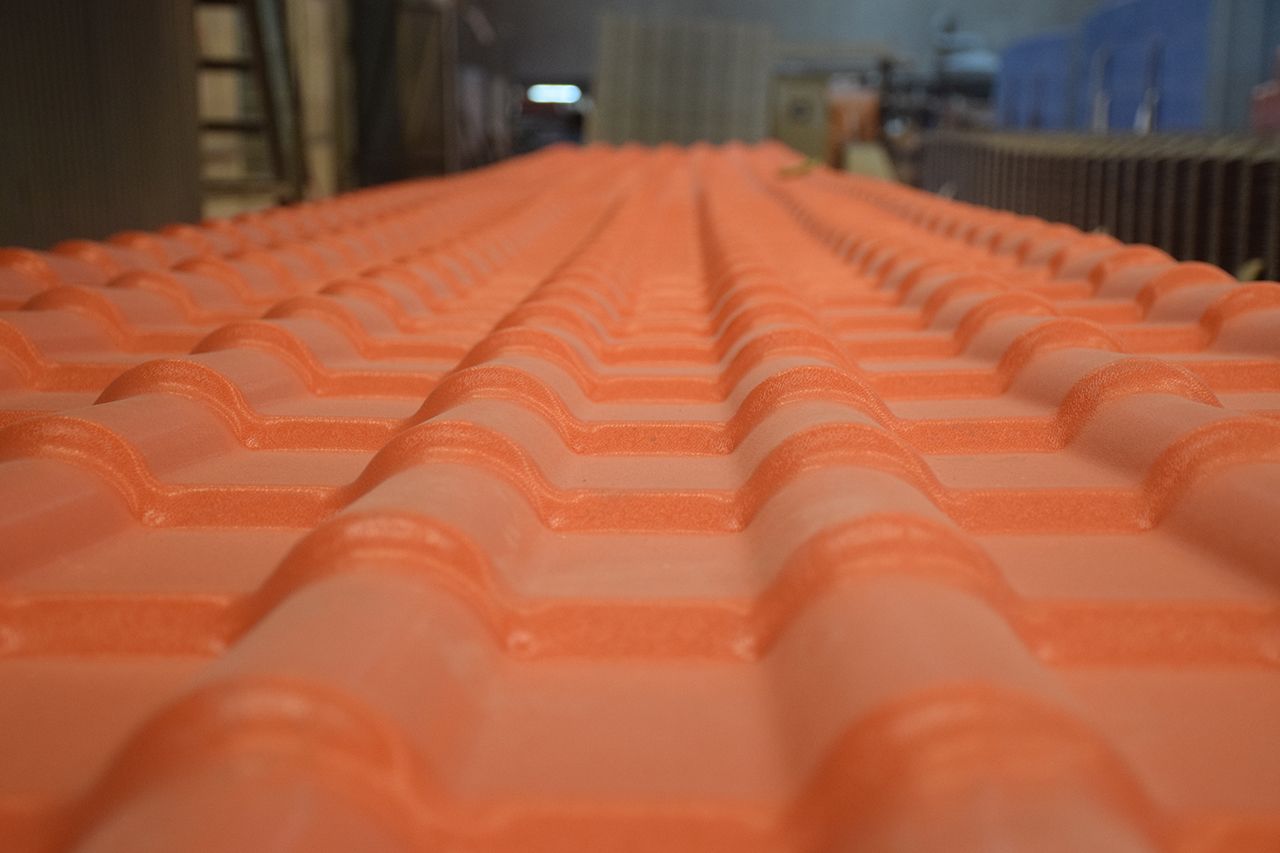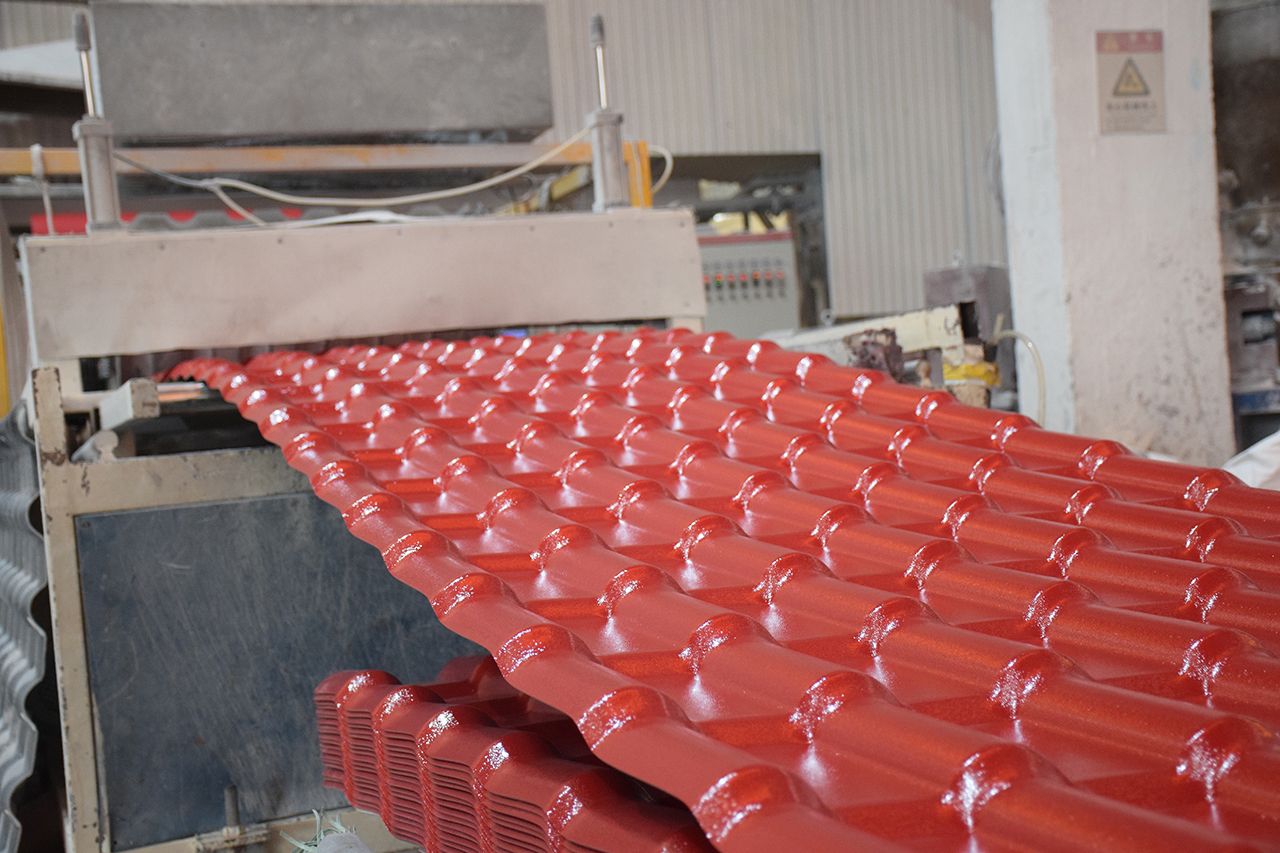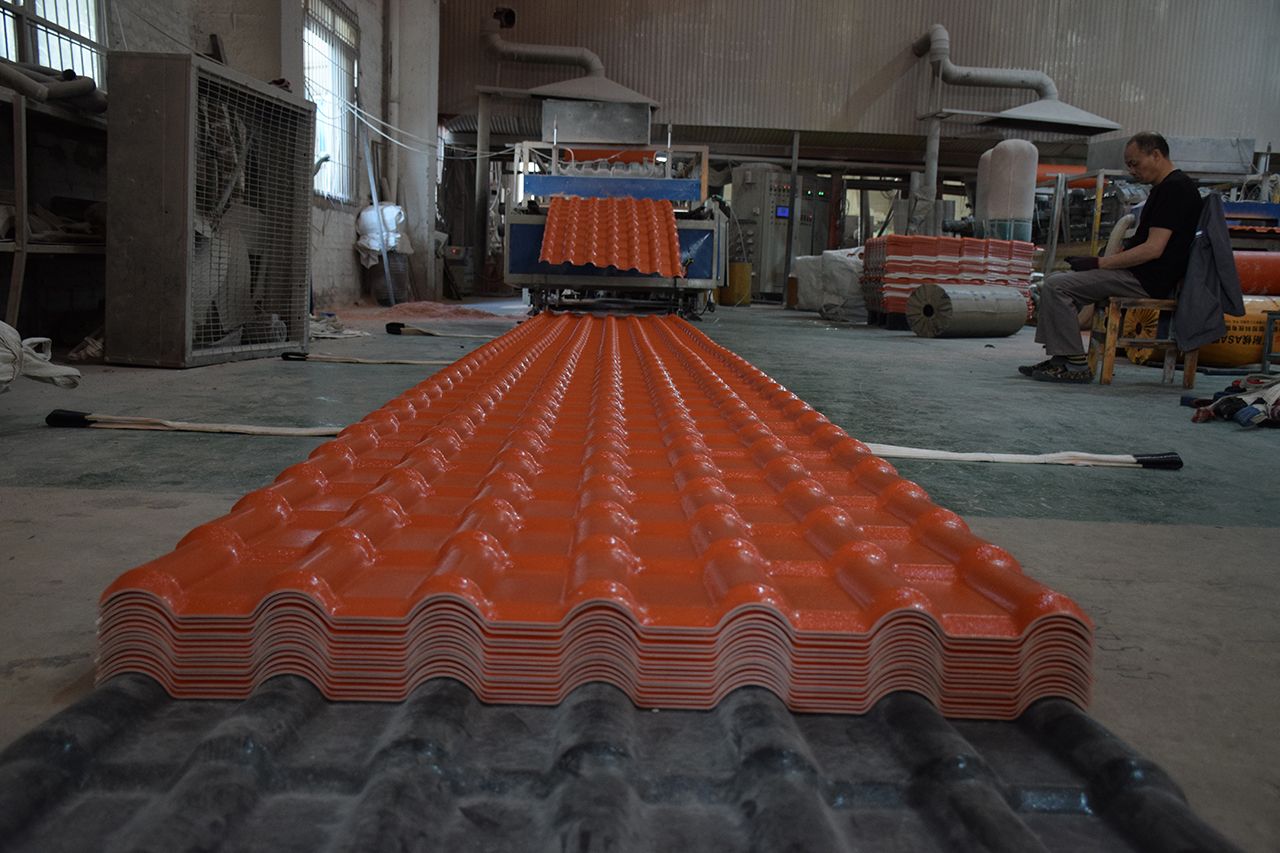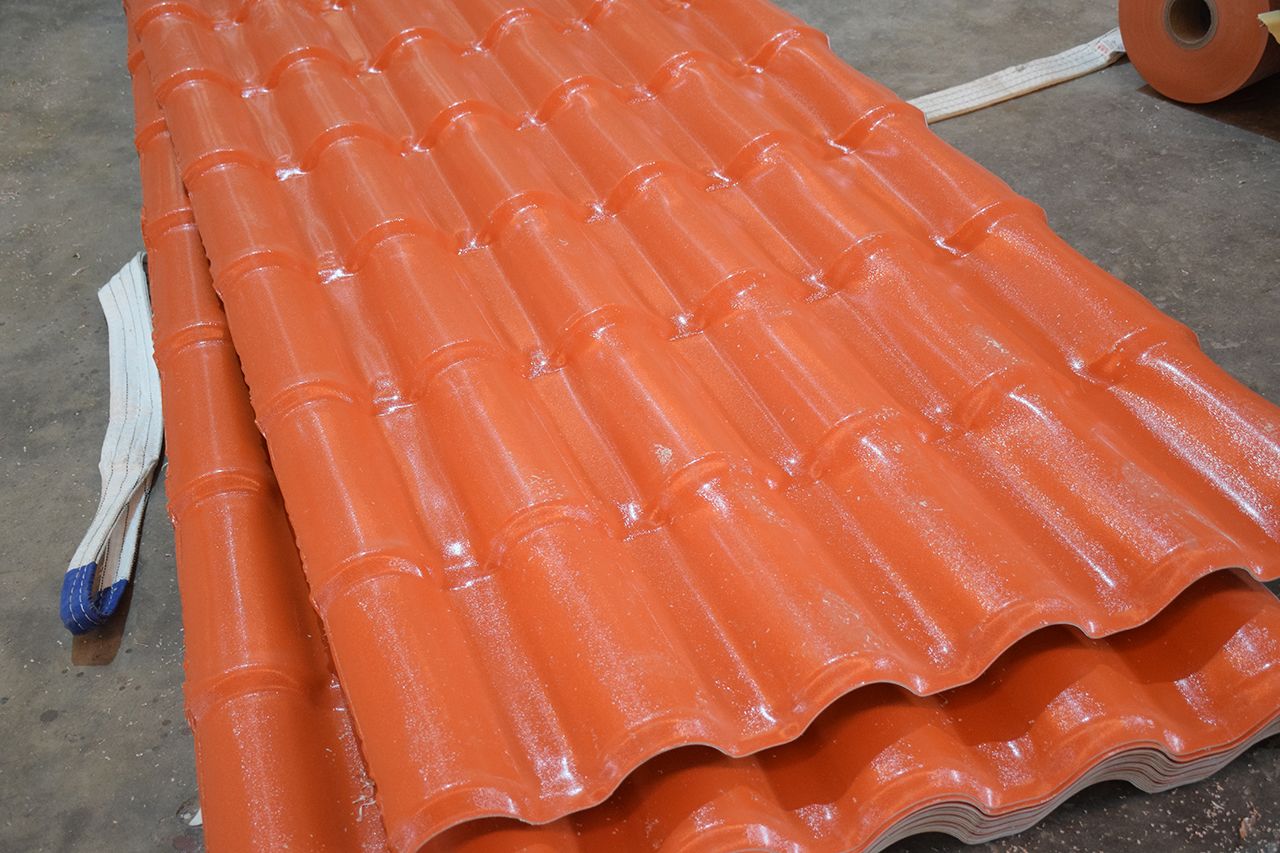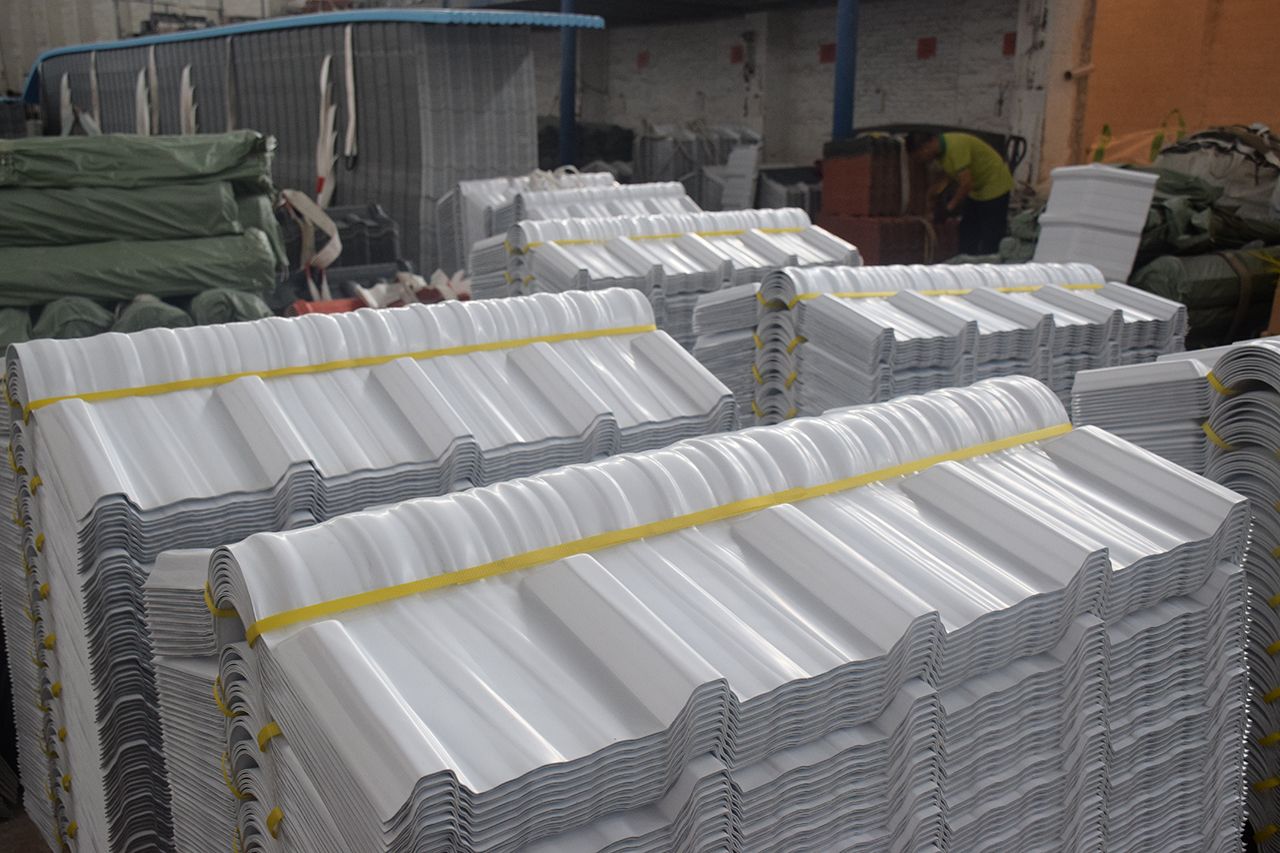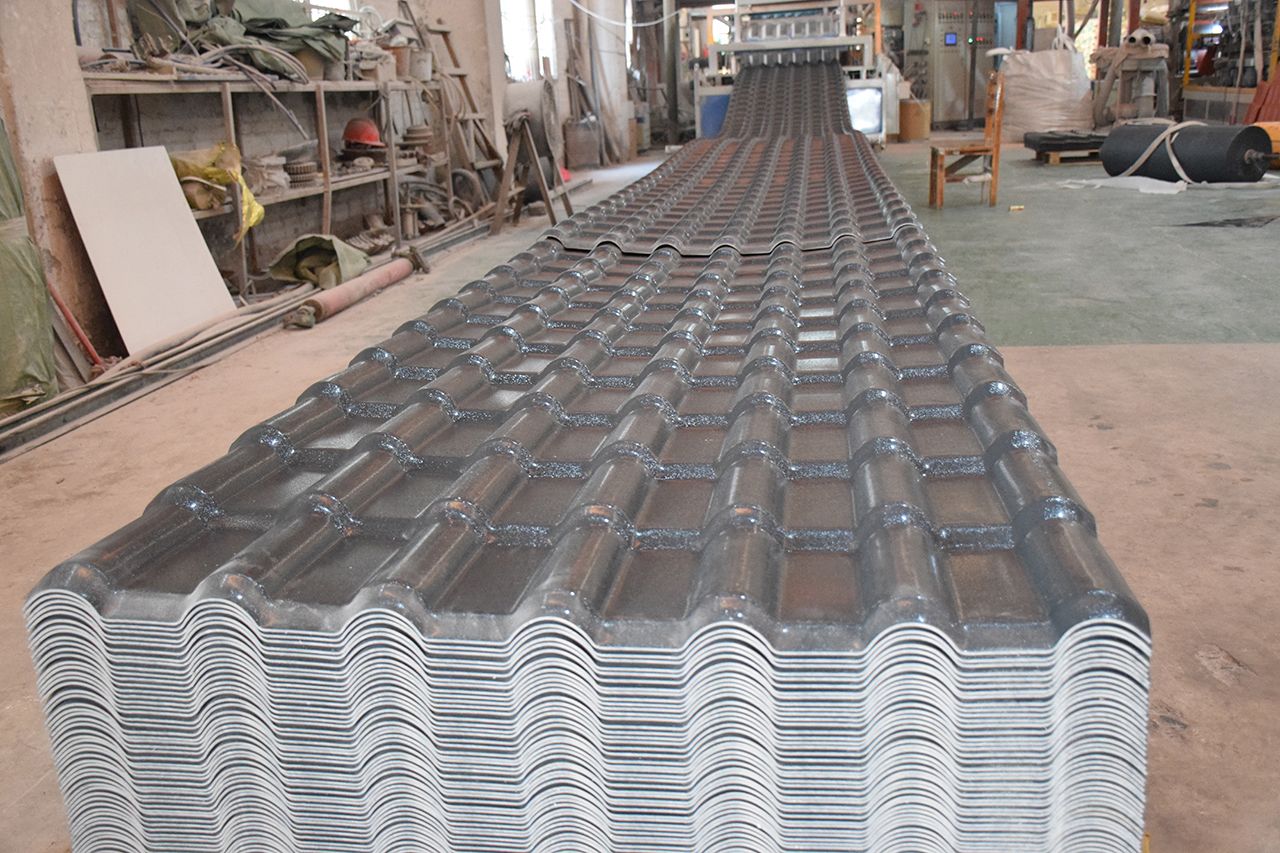
The fact that synthetic resin roofing tiles offer thermal insulation has recently become a major concern for many people who are building homes or undertaking roof renovation projects. Simply put, resin roofing tiles offer better thermal insulation than standard color-coated steel tiles or traditional cement tiles, helping to lower indoor temperatures by about three or four degrees during the summer—a key reason why many people choose this material.
Do synthetic resin roof tiles provide insulation?
The surface of this resin roof tile features an ASA UV-resistant layer, and that layer is designed to reflect most of the sun's radiation, which results inIts heat absorption rate is significantly lower than that of traditional roof tiles. If we look at the actual test data, after being exposed to direct sunlight for two hours, the temperature on the back of the resin roofing tiles is approximately 15 to 20 degrees Celsius lower than that of the color-coated steel roofing tiles.
Furthermore, since resin roofing tiles have a low thermal conductivity, heat does not easily penetrate into the interior of the roof. In southern regions, where summer temperatures frequently reach 40 degrees, the difference in temperature is very noticeable.
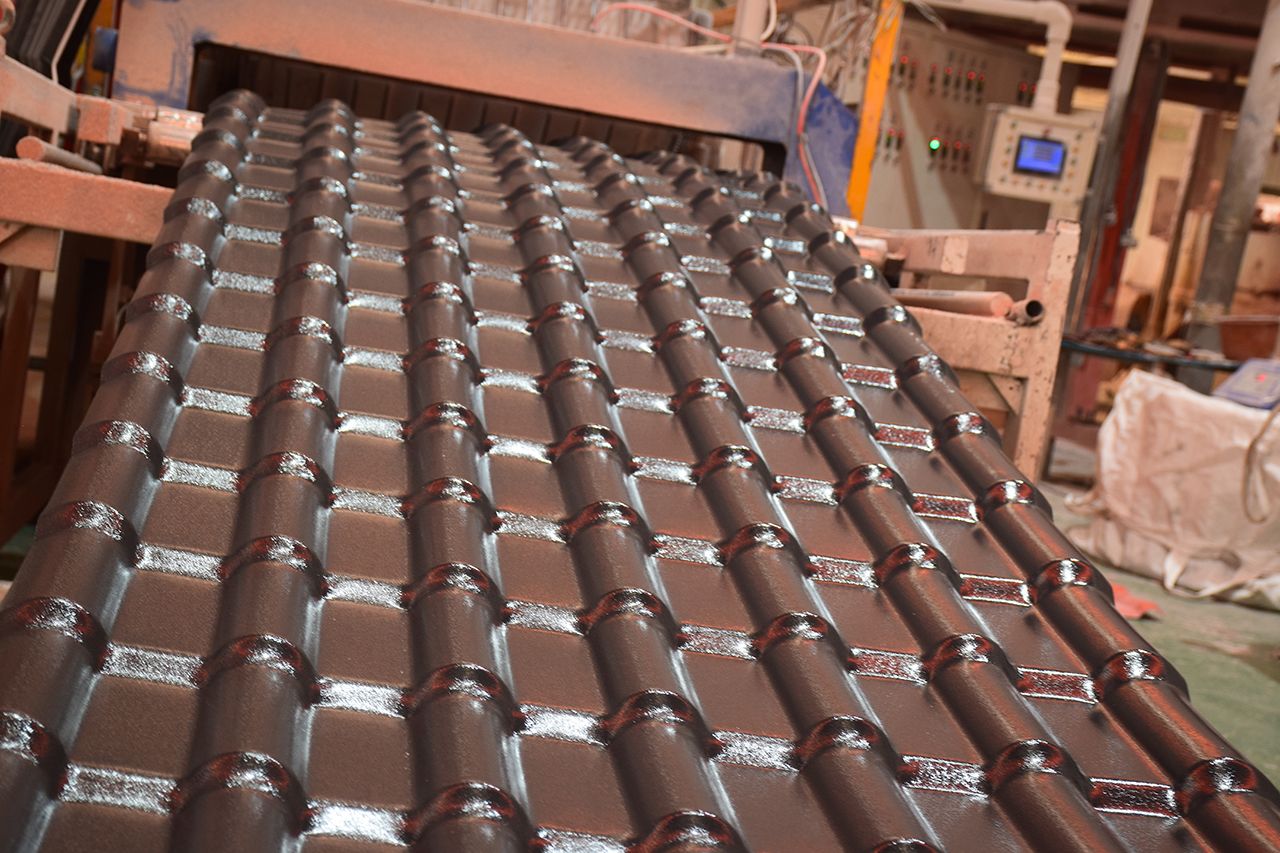
Do resin roof tiles get hot in the summer?
Many people have reservations about this; they worry that if the color of the resin roofing tiles is very dark, they might absorb the sun’s heat even more intensely. However, it’s important to understand that this isn’t actually the case—especially with dark gray or dark green resin tiles. This is because their surfaces are designed with a reflective layer, soIts heat-insulating performance is no worse than that of lighter colors.。
The factors that actually affect the temperature of your roof mostly come down to whether or not there is an insulating layer beneath your roof tiles.
If aluminum foil insulation film or extruded polystyrene boards are added during construction, the thermal insulation performance of synthetic resin roofing tiles can be further enhanced. Based on feedback from residents after moving in, the house remains comfortable enough in the afternoon without needing to turn on the air conditioner, making it significantly more comfortable than the old cement tile roofs.
From a comprehensive, overall perspective, this resin roofing tile does indeed offer certain advantages in terms of thermal insulation. Furthermore, when installed using proper construction methods, it provides significantly better indoor temperature control in the summer compared to traditional materials, making it suitable for use in high-temperature regions in southern China.
Keywords: Thermal Insulation Properties of Synthetic Resin Roof Tiles