When selecting eco-friendly PVC roofing tiles at a building materials market, relying on unreliable manufacturers is truly unwise—it directly affects the lifespan of your home and its overall comfort. Many people focus solely on the price when selecting building materials, overlooking hidden toxins and the long-term maintenance costs and wear and tear. Carefully considering products from major manufacturers is far more cost-effective than simply chasing bargains based on price alone. While it’s true that these corrugated plastic roofing tiles are lightweight and resistant to corrosion and erosion, non-compliant products are prone to leaking and releasing harmful gases. Therefore, verifying that a manufacturer holds valid production qualifications and has official environmental testing reports is an essential step before making a purchase.
How Are Production Standards for Eco-Friendly PVC Roofing Tiles Determined?
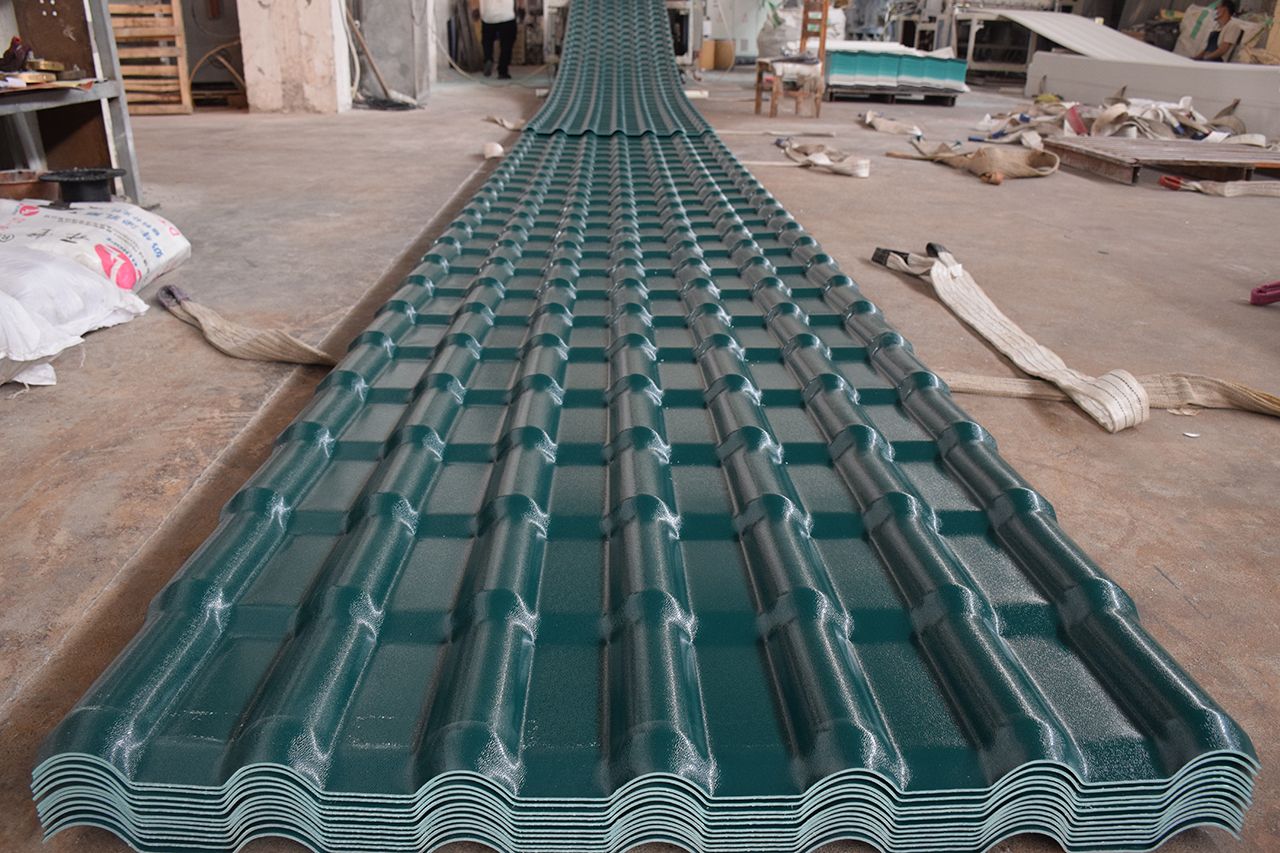
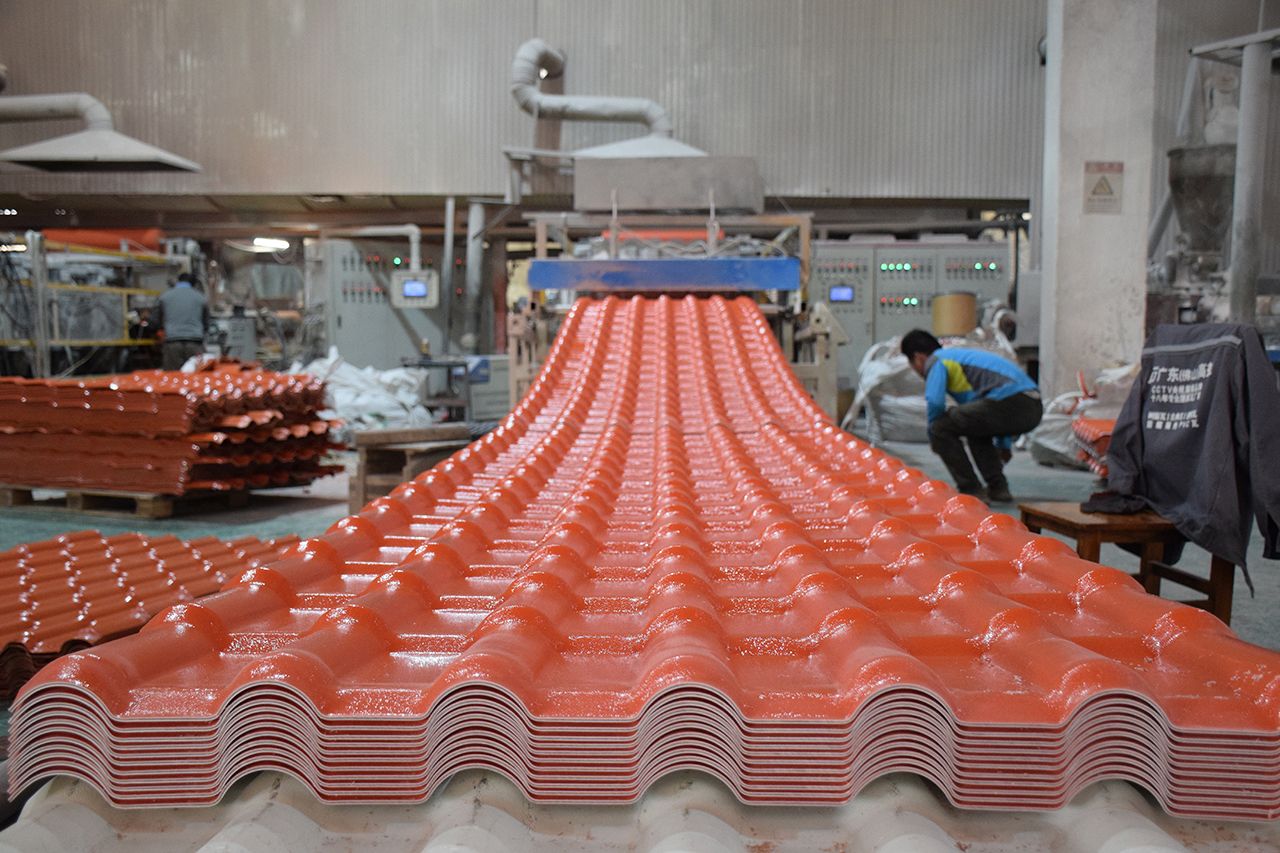
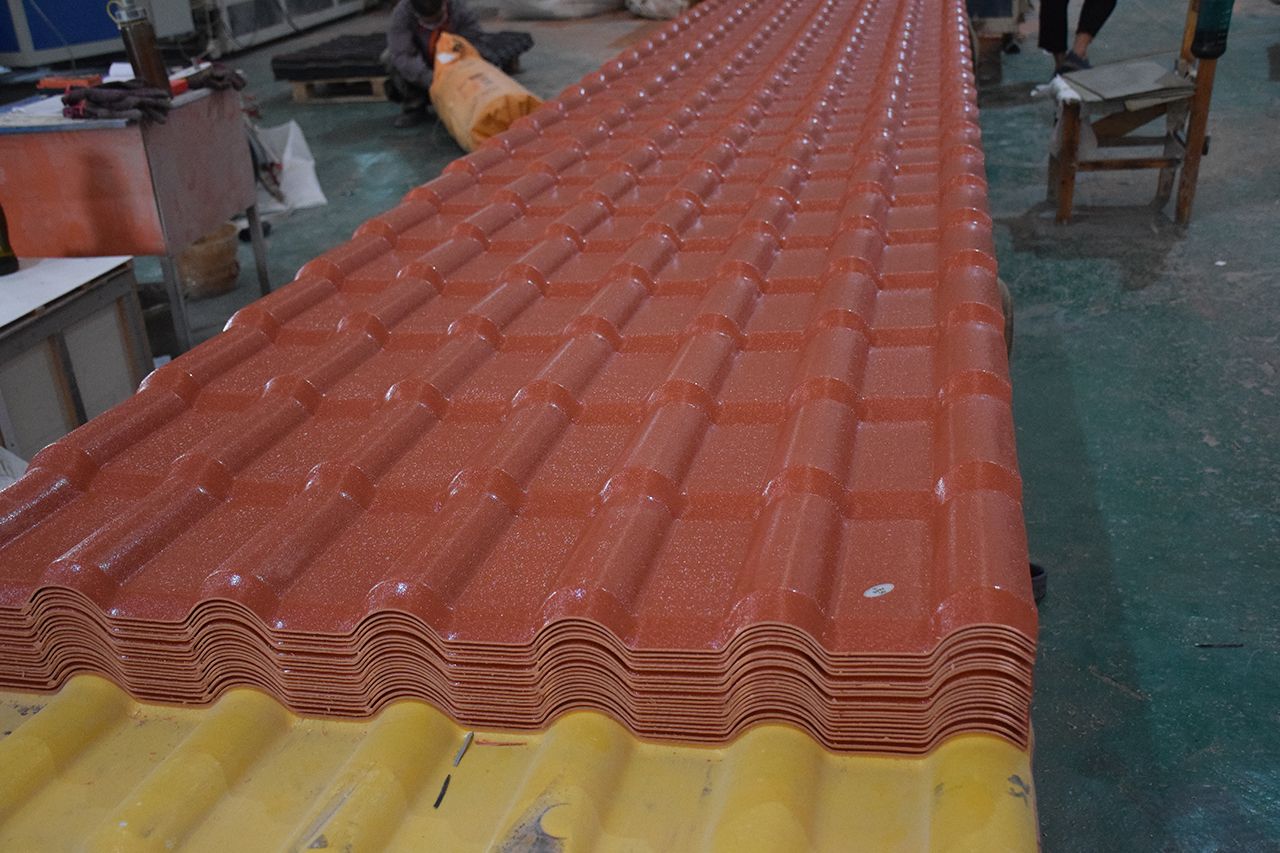
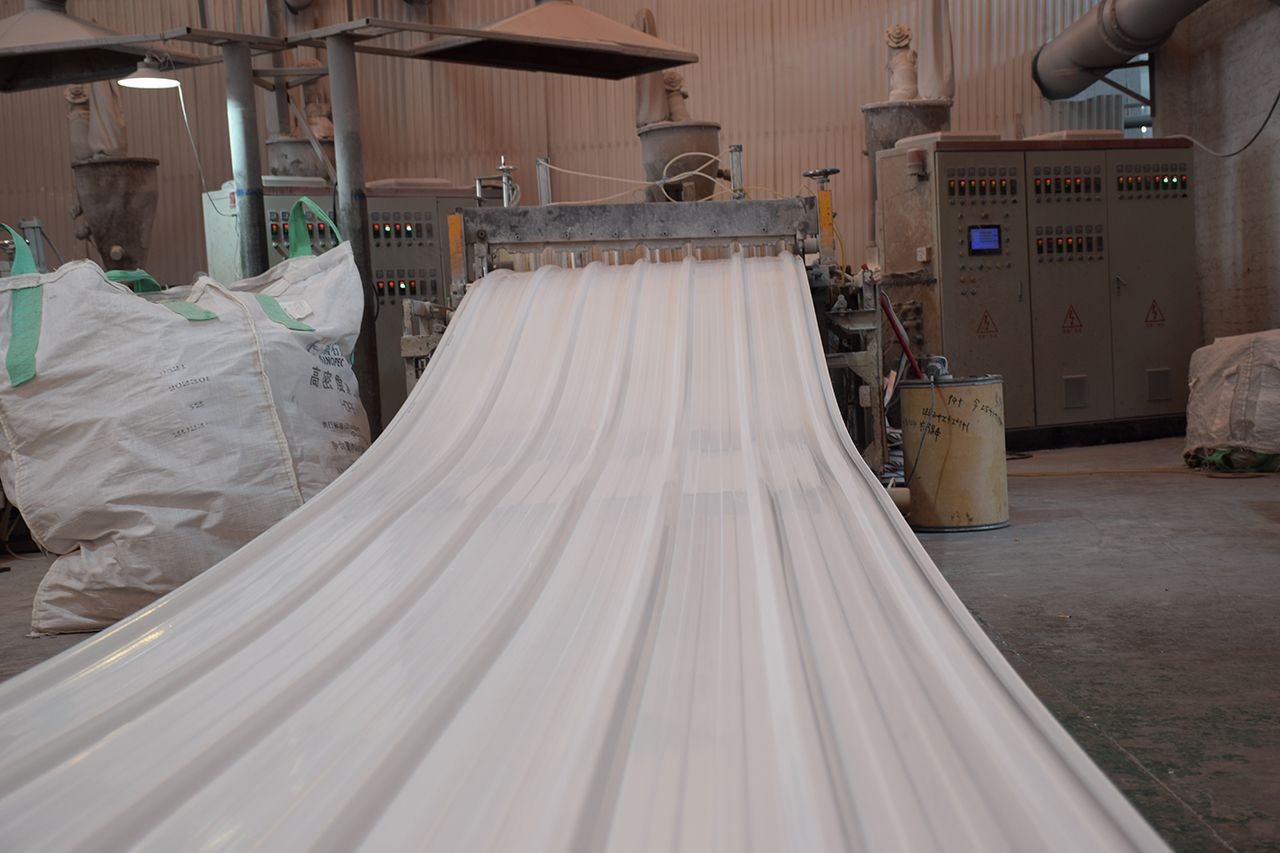
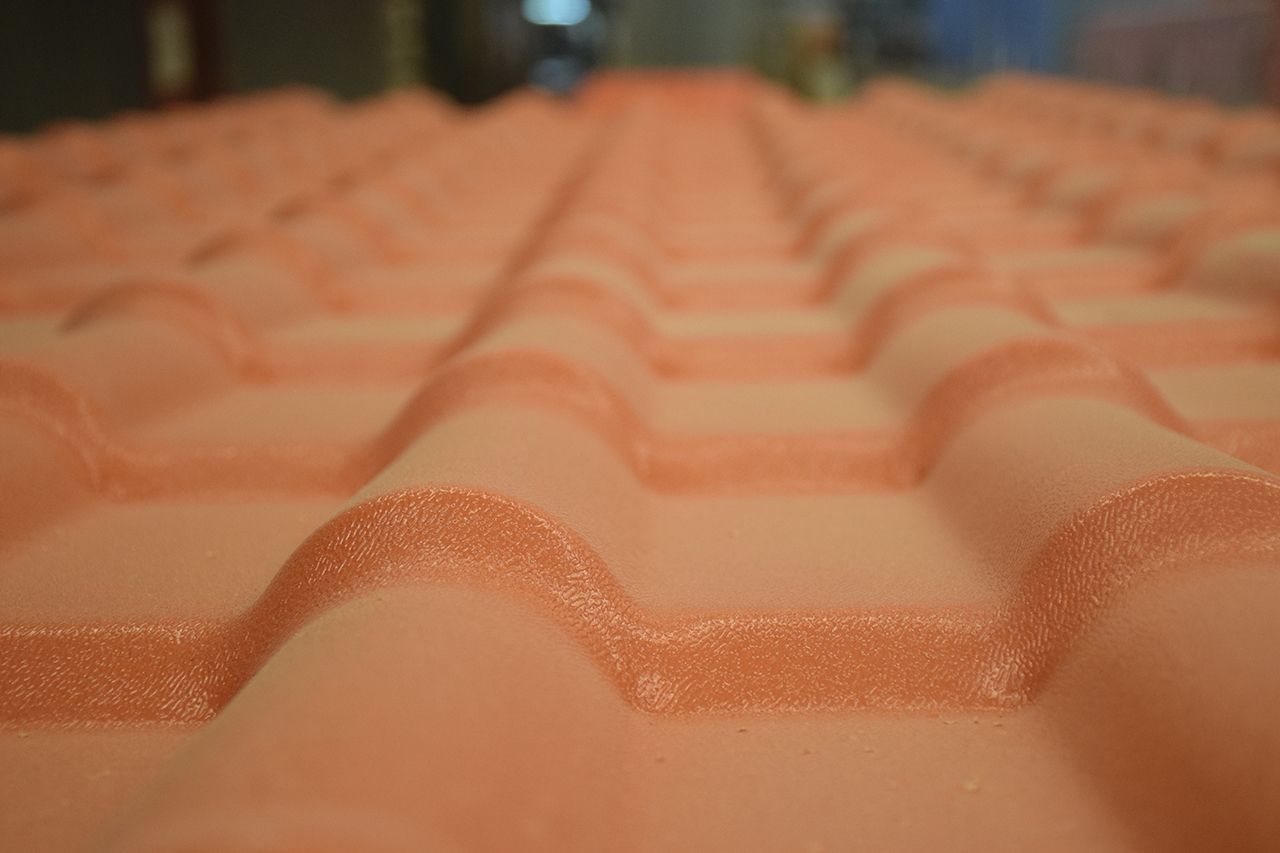
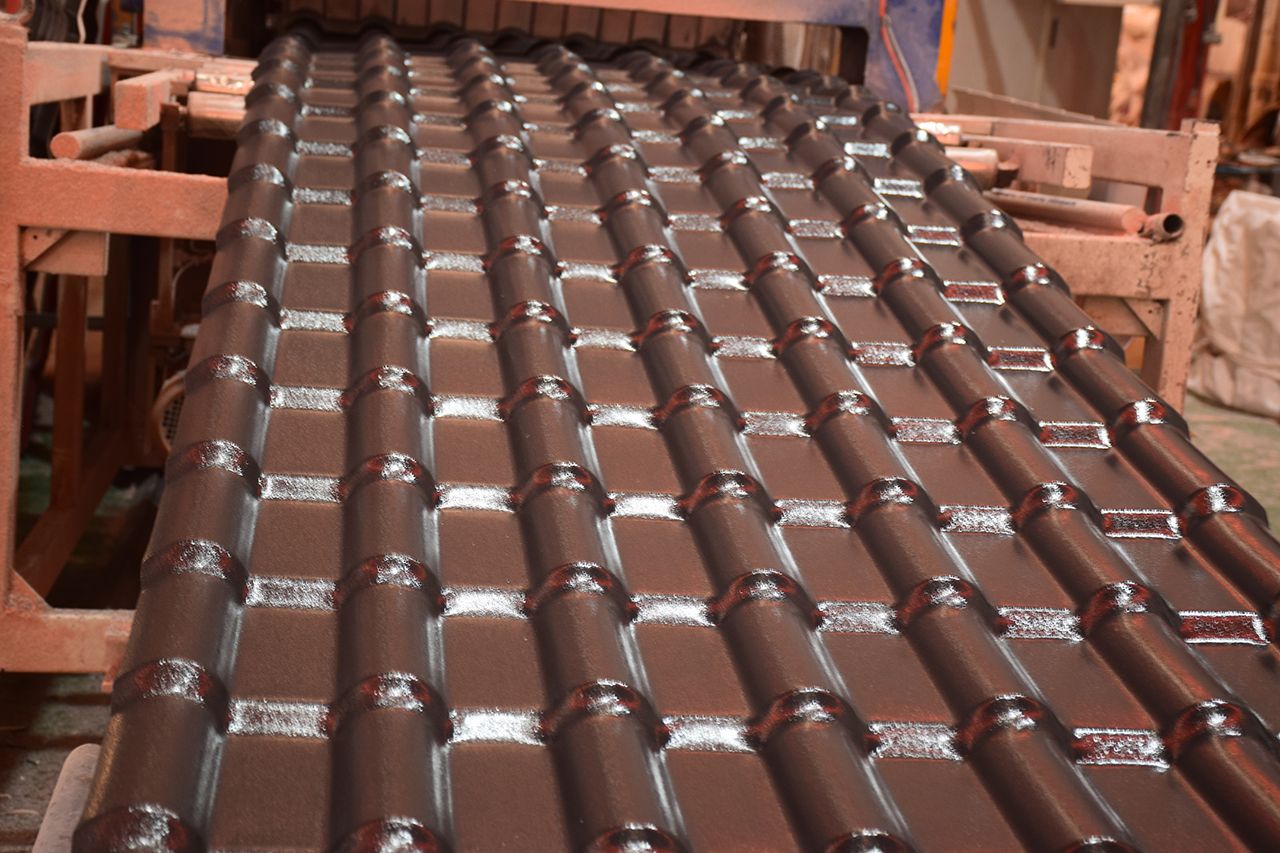
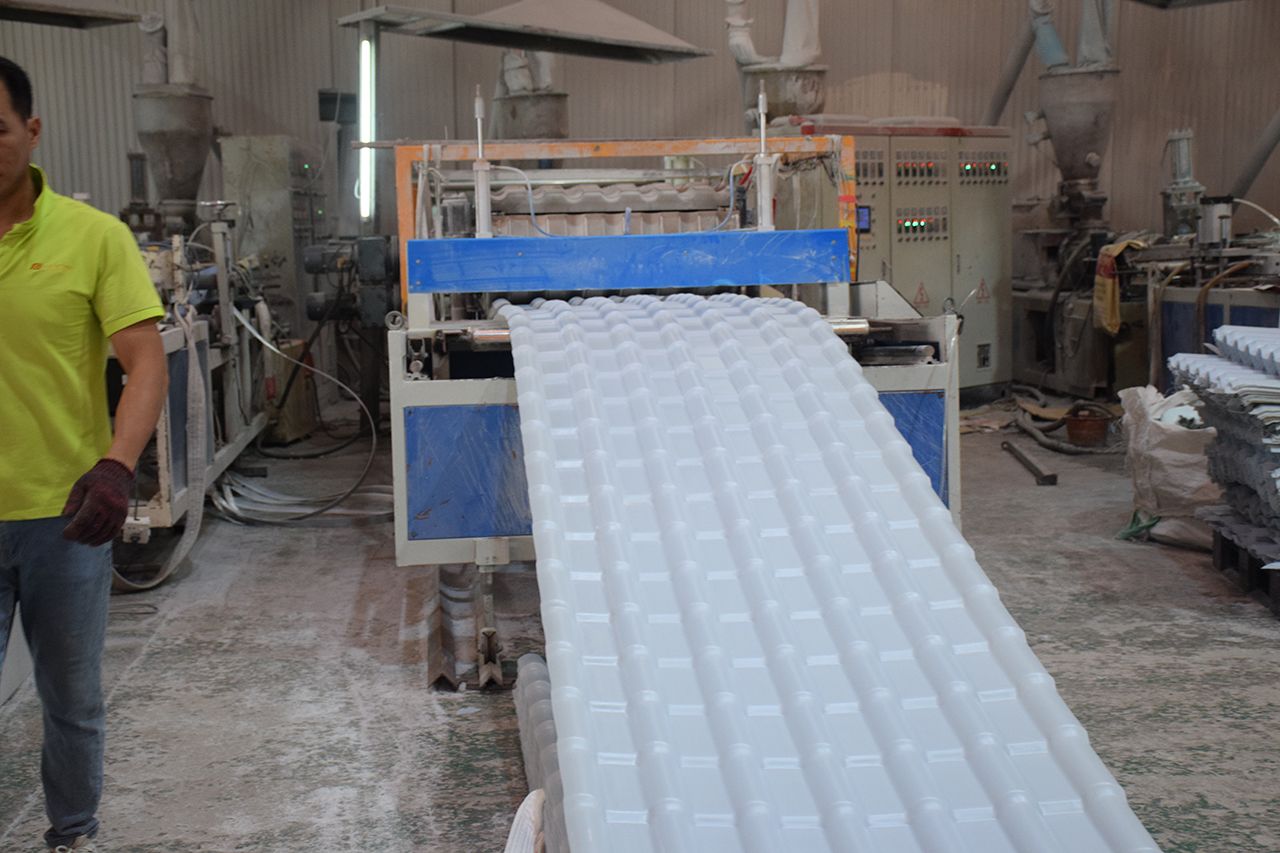
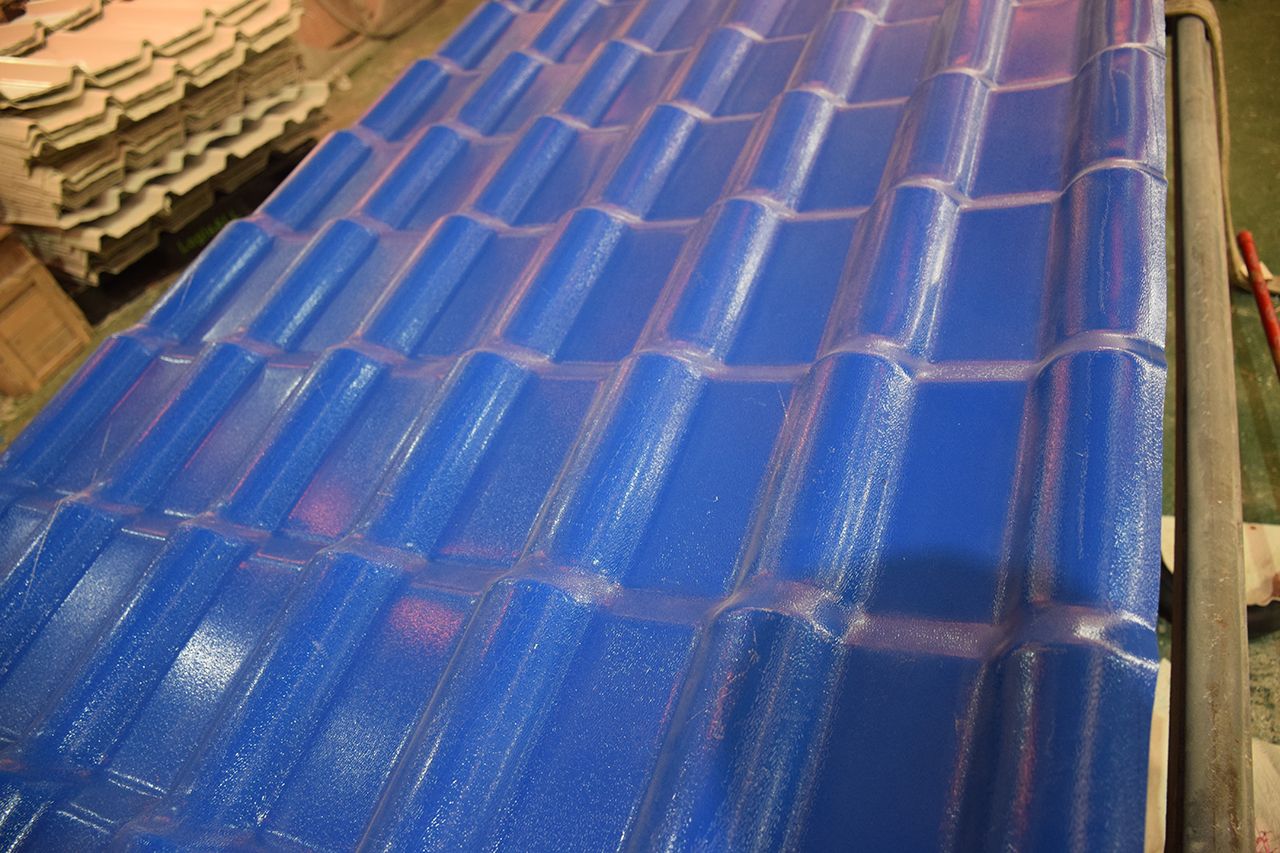
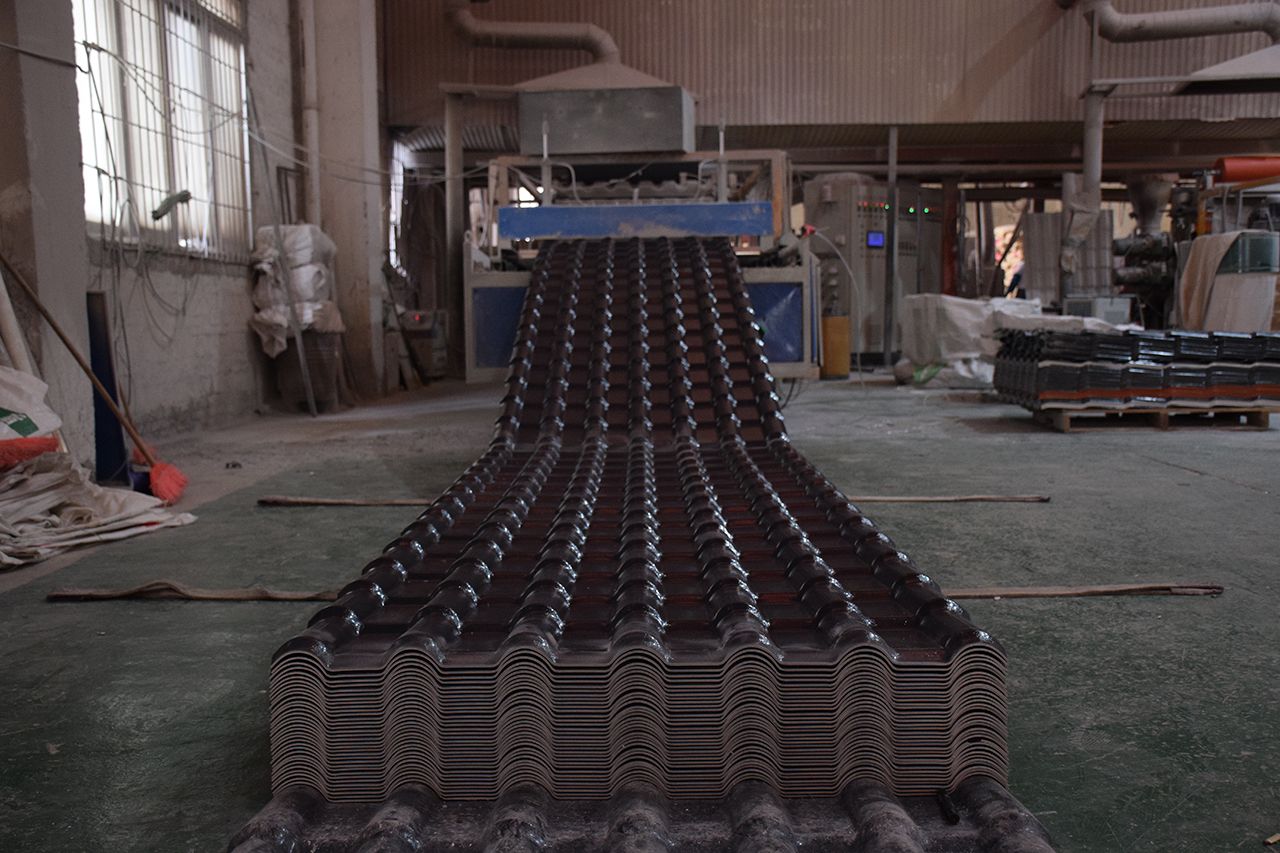
Don’t just listen to salespeople’s exaggerated claims; check to see if they can provide ISO certification documents and test reports for eco-friendly materials. Reputable manufacturing plants are equipped with stable, high-performance extrusion machinery on their production lines, ensuring that the finished roof tiles have uniform thickness and consistent color variations that meet industry standards. You can ask the manufacturer to provide samples and leave them exposed to bright sunlight outdoors for half a day, paying close attention to whether they emit a pungent plastic odor. Genuine eco-friendly formulations use brand-new, high-quality PVC resin as the base material, rather than raw materials derived from mixing various types of recycled waste. If the finished tiles, after being trimmed along the edges, exhibit few burrs and a fine, uniform texture, this indirectly indicates that the raw materials meet high-grade standards and are consistent in quality. To cut costs, substandard manufacturers often mix in large amounts of recycled material, causing the tiles to become brittle, discolor quickly, and even crack within a year. This is why one should not focus solely on unit price while ignoring the inherent quality of the material.
What Does the After-Sales Service of an Eco-Friendly PVC Roofing Tile Manufacturer Include?
Many small workshops become unreachable after the sale, but large manufacturers provide comprehensive after-sales service guarantees. For example, they provide instruction manuals for installation and arrange for technicians to visit the construction site to guide the tile-laying process. When consulting manufacturers about how to handle broken or fallen tiles, be sure to ask whether they provide free replacement tiles and on-site repair services. When signing a purchase contract, carefully review and verify the specific duration of the quality guarantee. Generally, high-quality brands promise that their products will not fade or become powdery for ten to fifteen years. At the same time, confirm the scope of the product’s logistics and distribution to avoid situations where shipping costs to remote areas become prohibitively high. A thoughtful and comprehensive service system can address issues such as leaks, blistering, or peeling edges that may arise after purchase, installation, and use, ensuring that the entire procurement and selection process runs smoothly from start to finish without any complications.
Practical Tips for Choosing an Eco-Friendly PVC Roofing Tile Manufacturer
Don’t be fooled by glossy photos online—it’s best to visit the factory in person to see the production line. Check how neatly the materials are stacked in the warehouse and whether there are any visible impurities in the raw materials. Chat with the workers about recent shipment volumes to get a sense of the factory’s actual production capacity. If they refuse to let you into the workshop, that’s a red flag—it’s a cause for concern. Also, compare their quotes and specifications with those of other suppliers—don’t overlook details like weight per unit and impact resistance. Don’t be tempted by small savings on products that are paper-thin. If the tile thickness is less than 800 micrometers, its wind resistance is poor—it might get blown away during a typhoon. After thoroughly researching and evaluating your options, choose a manufacturer that can provide third-party test reports—that’s the surest guarantee of a long-term partnership, you know?
When selecting a manufacturer of eco-friendly PVC roofing tiles, the key lies in inspecting the products, verifying the manufacturer’s credentials, and reviewing after-sales service details. Only by avoiding low-price traps can you purchase durable roofing materials that you can use with confidence.
Keywords: Eco-friendly PVC roofing tile manufacturers