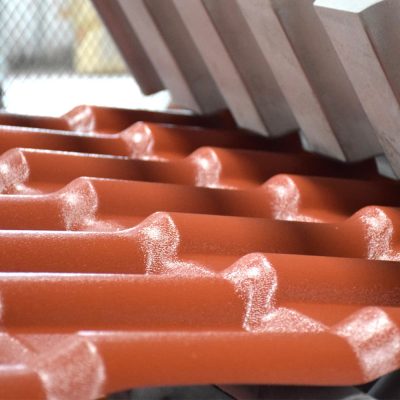
If you’ve ever closely examined the surface of a resin roof tile, you’ll notice a distinct difference from ordinary roof tiles—the surface is exceptionally smooth and dense, so that even when dust settles on it, a single rain shower is enough to wash it away completely. This phenomenon is known as the ”lotus effect.” During the manufacturing process, a dense, smooth protective layer forms on the surface of resin roof tiles, and water molecules...
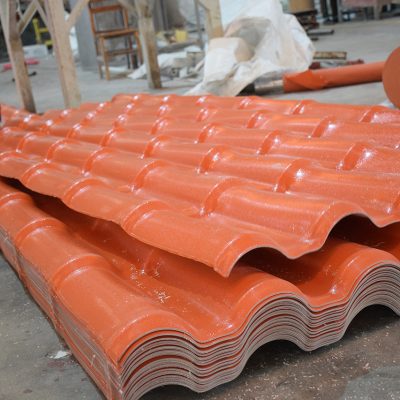
Many people believe that resin roof tiles are products of the south and cannot be used in the north. However, this perception is being dispelled by numerous real-life examples from the Northeast and Northwest. During cold winters, users in the north worry whether the tiles will become brittle and shatter due to the cold, and when heavy snow accumulates on the roof, they worry whether the tiles will...
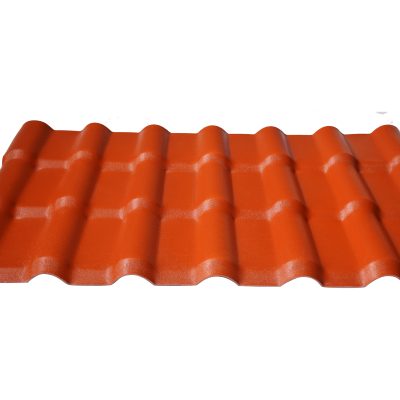
“Sir, how thick are your resin roof tiles?”— —This is the first question many consumers ask when shopping. But the truth is: thickness has never been the key indicator of a resin tile’s quality; raw materials and manufacturing processes are. Commonly available resin tiles on the market are labeled with thicknesses of 2.5 mm, 3.0 mm, and 3.5 mm, but when actually measured, many...
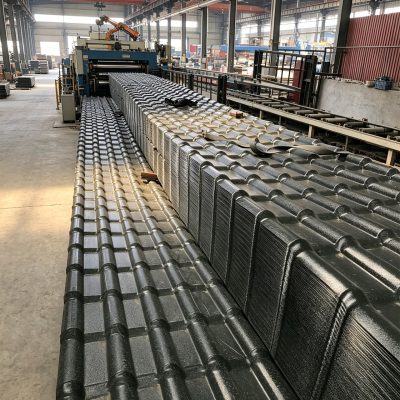
Every typhoon season, news reports frequently show roofs being torn off by strong winds in coastal areas, leading many people to worry: Are lightweight resin roof tiles unsafe in regions prone to typhoons? In fact, as long as you choose the right product and ensure proper installation, resin roof tiles can fully meet the wind-resistance requirements of coastal areas. The wind-resistance of resin roofing tiles does not primarily depend on the weight of the tiles themselves, but rather on...
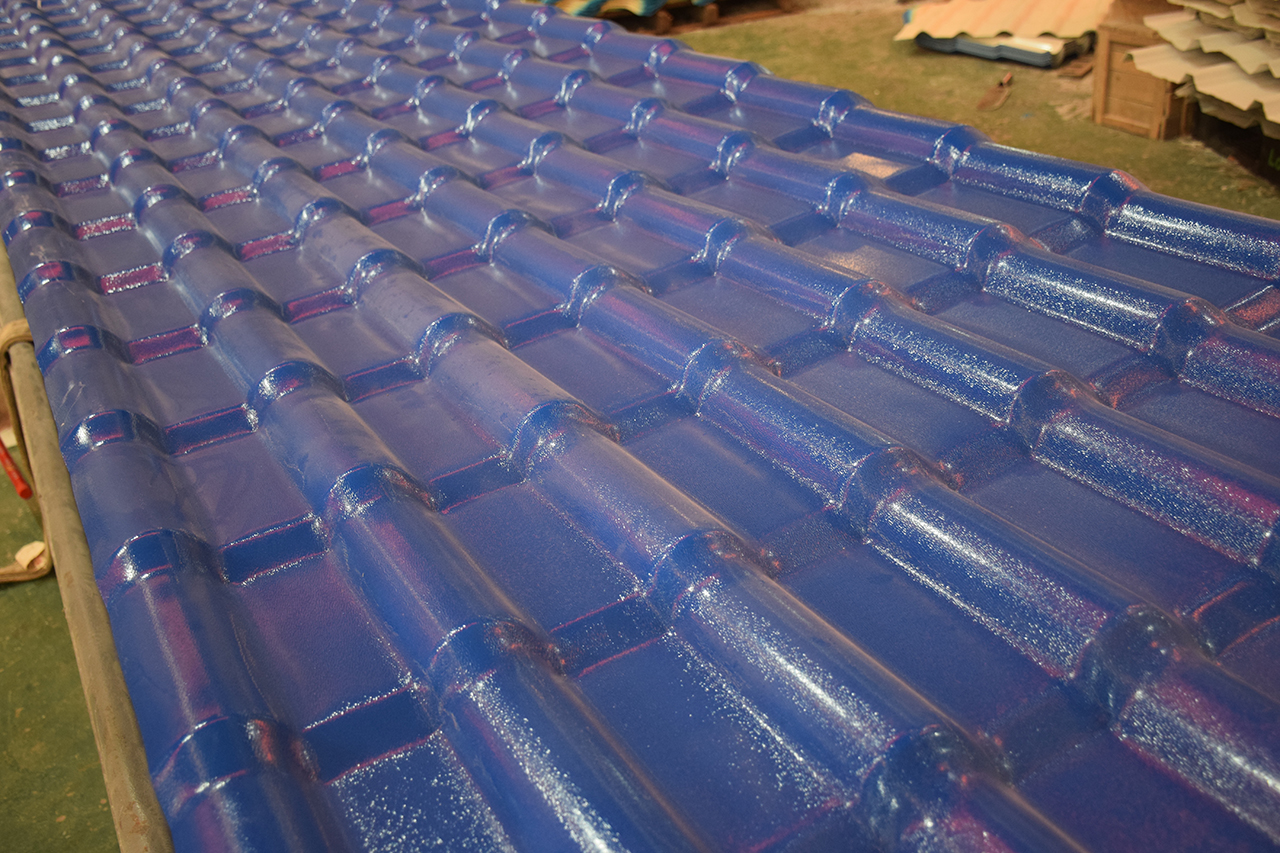
In 2026, the synthetic resin roofing tile industry will enter a critical window period marked by the concentrated release of policy benefits. From urban renewal to the “Beautiful Rural Villages” initiative, and from “flat-to-sloped roof” conversion projects to the renovation of industrial plants, market demand for synthetic resin roofing tiles is experiencing explosive growth across multiple dimensions. Policy Front: Dual Drivers Open Up Market Opportunities In terms of urban renewal, in 2025, the General Office of the Communist Party of China Central Committee and the General Office of the State Council issued the “Notice on Continuously Promoting...”.
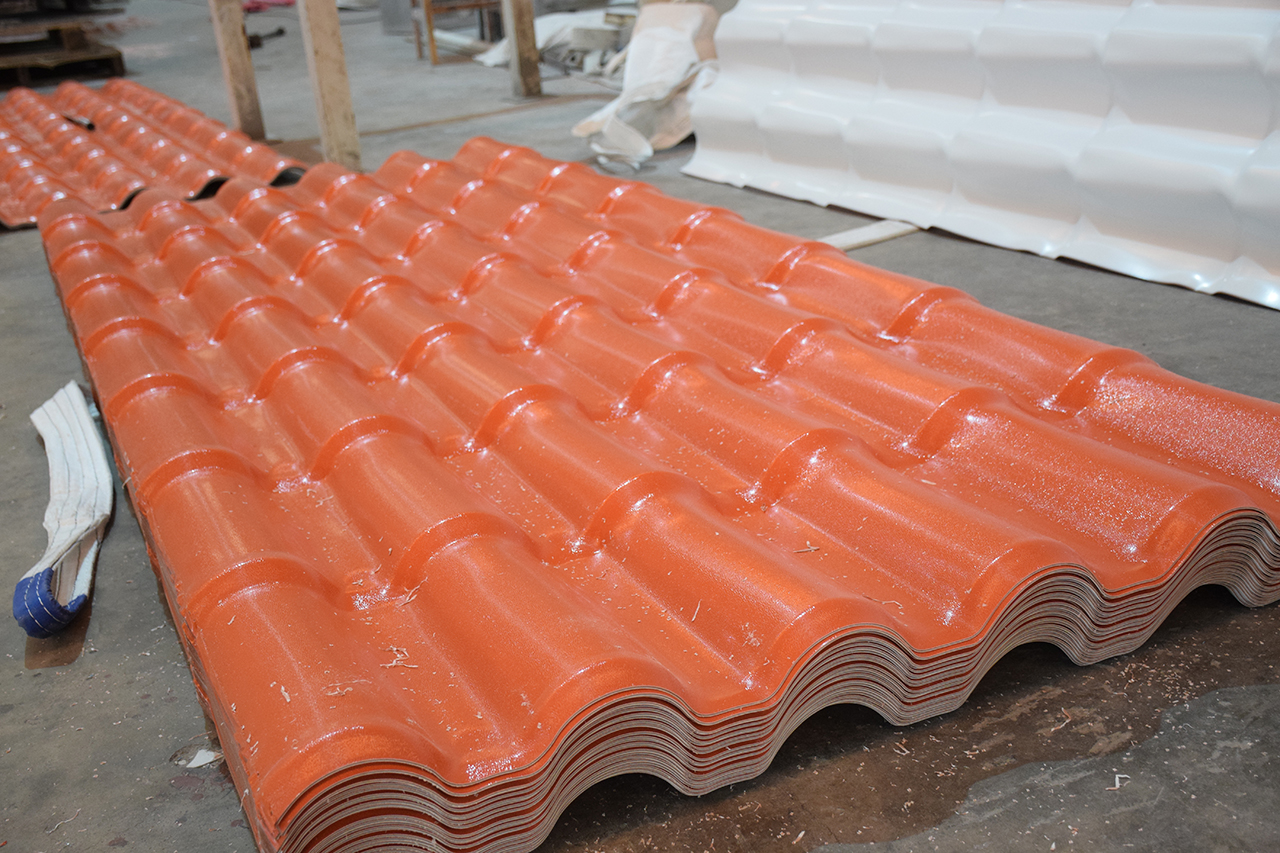
The resin roofing tile industry has undergone significant changes over the past two years. At its peak, there were over a thousand resin roofing tile manufacturers in Foshan, Guangdong, and the surrounding areas. By 2026, however, the number of manufacturers still in operation had dropped significantly. The reasons are straightforward: rising raw material prices, stricter environmental regulations, and slow payment cycles from downstream construction projects have forced many small and medium-sized manufacturers that couldn’t withstand the pressure to exit the market one after another. The industry is contracting, but demand has not disappeared....
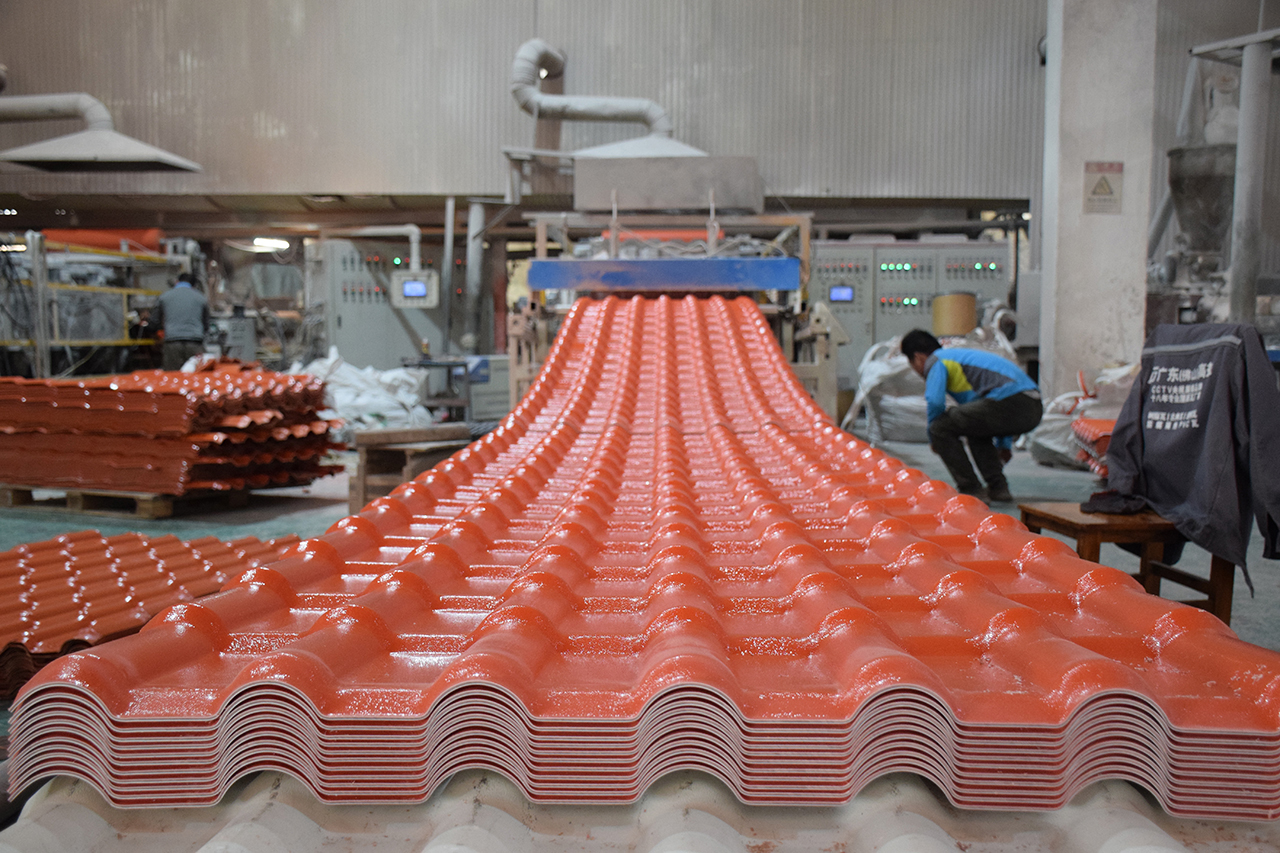
Does your roof still have those old-fashioned clay tiles? A 2026 comparison of resin tiles and clay tiles—the results are surprising. When you walk into a rural area or an older neighborhood in the city and look up, you’ll see those slightly weathered clay tiles...
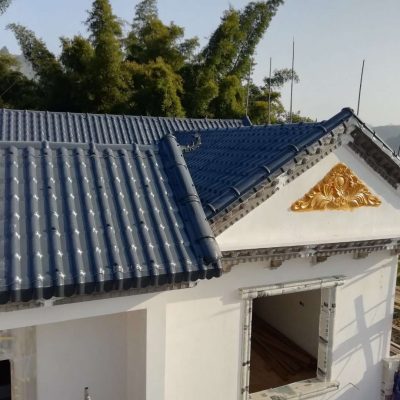
In the past, asbestos shingles and color-coated steel sheets were commonly used for industrial buildings. Now that asbestos shingles are banned due to health concerns, and color-coated steel sheets offer poor sound insulation and are prone to rust, synthetic resin shingles have emerged as an excellent alternative. Factory buildings have several requirements for roofing materials: durability, ease of installation, watertightness, and reasonable pricing. Synthetic resin tiles generally meet all of these requirements.