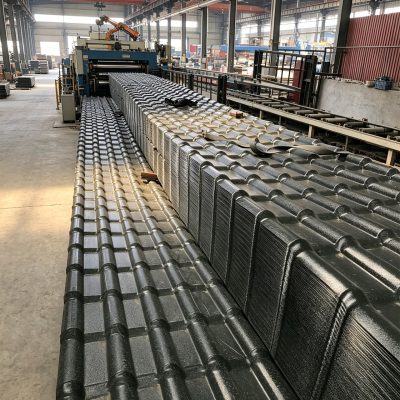
Introduction: With ”flat-to-sloped roof” renovation projects in full swing across the country, why have resin roof tiles become so popular?
In the grand narrative of urban renewal in China, the ”flat-to-sloped roof” renovation project stands out as a major highlight. Converting old flat-roofed buildings into structures with sloped roofs not only enhances the city’s appearance but also improves the quality of life for residents. Amid this wave of renovations, synthetic resin roofing tiles have become the undisputed mainstay material thanks to their comprehensive advantages.
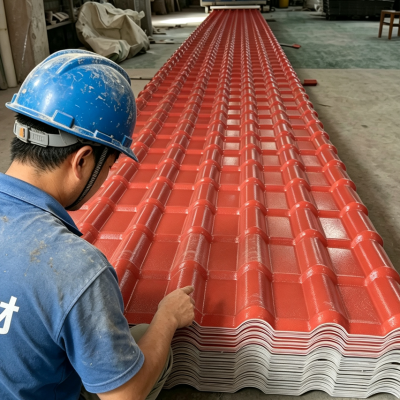
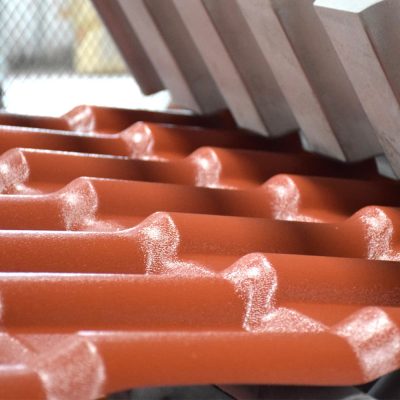
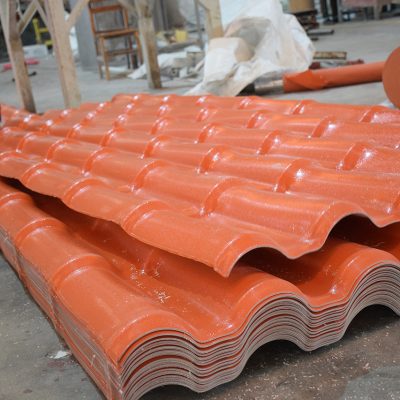
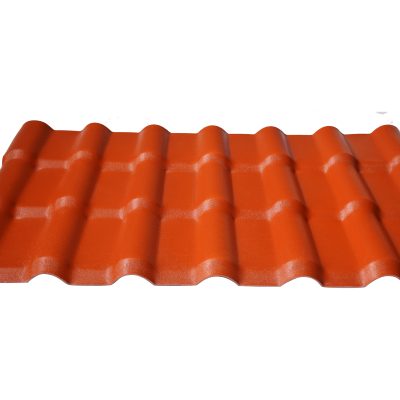
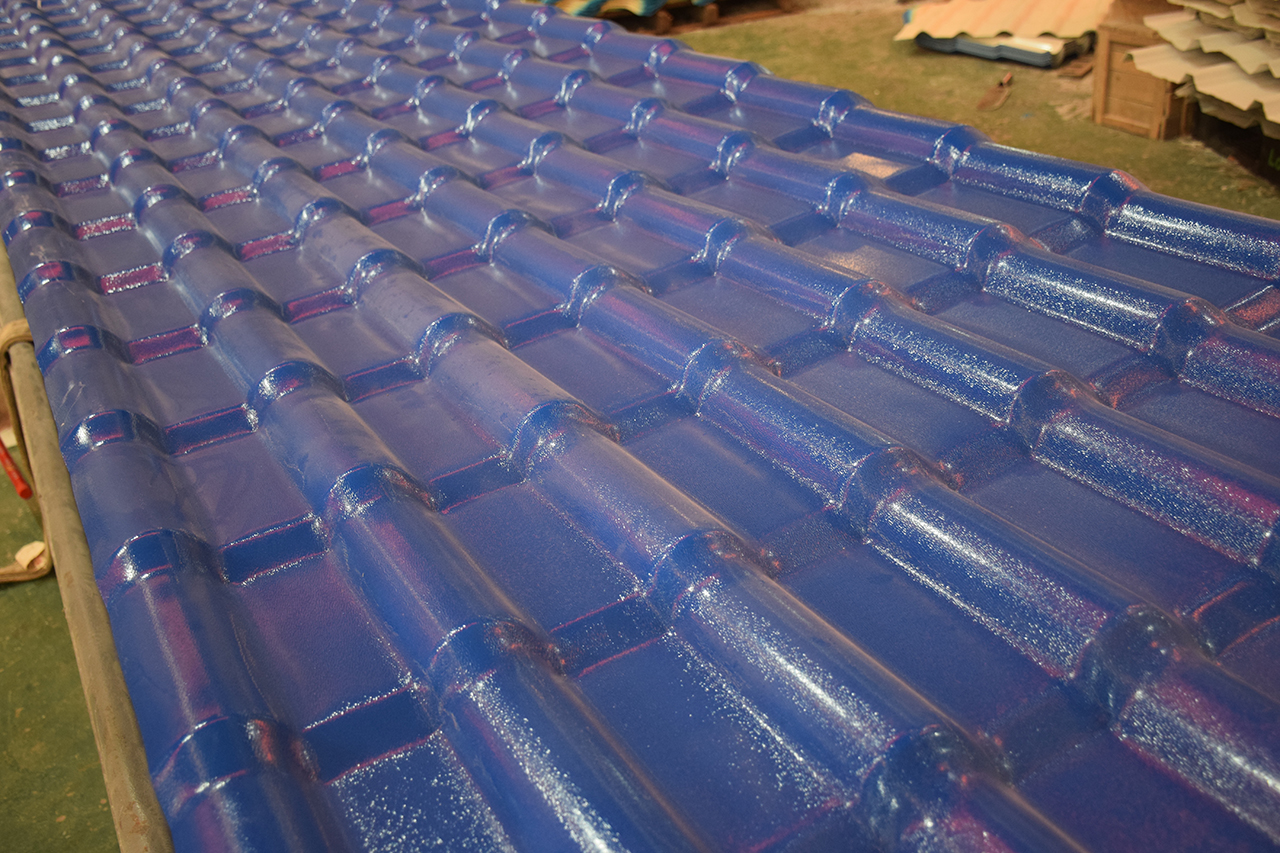
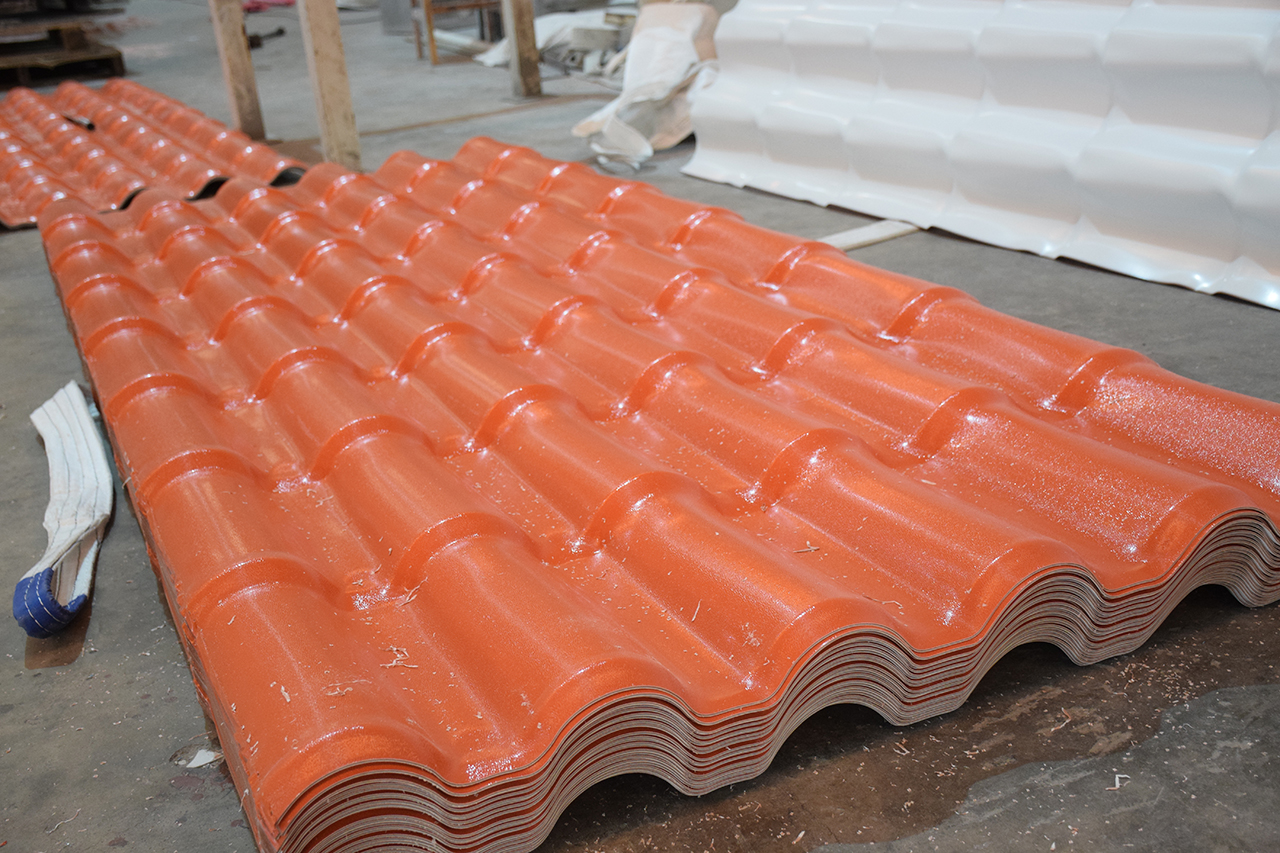
First is design and aesthetics. Resin roof tiles feature attractive designs and a strong three-dimensional effect, with colors rich in Chinese elements—drunken jujube red, bluish-gray, matte gray, dark green, ocean blue… This rich selection of colors breathes new life into buildings. When paired with antique-style eave boards, they exude a sense of simplicity, stability, and grandeur, making them particularly well-suited for traditional-style architecture and garden pavilions.
Second, they are lightweight and easy to handle. Renovations of older buildings are subject to strict load-bearing restrictions. Resin roofing tiles are lightweight, have a large surface area per tile, and offer high installation efficiency, with effective widths of up to 800 mm or even 960 mm, making installation faster and more cost-effective than traditional roofing tiles. A full range of installation accessories is available, and the tools and procedures are simple, which significantly shortens the construction schedule.
Another key factor is durability. The surface material of synthetic resin shingles is made from imported engineering resin with ultra-high weather resistance, ensuring color stability even after long-term exposure to harsh conditions such as UV rays, moisture, heat, and cold. Field tests in areas with intense sunlight, such as Arizona and Florida, have demonstrated that color variation (ΔE) can be guaranteed to remain within 5 for a period of ten years.
Fire resistance also meets the required standards. According to tests conducted by national fire safety authorities in accordance with the GB8624-2006 standard, the product has a fire resistance rating of ≥ Class B1, classifying it as a flame-retardant material that effectively slows the spread of fire. Furthermore, resin roofing tiles contain no asbestos or radioactive elements, are recyclable, and fully comply with green and environmental protection requirements.
Designs should refer to the standard drawing collection 03J203, *Architectural Construction for Converting Flat Roofs to Pitched Roofs*, or the standard drawing collection 05CJ04, *Architectural Construction for Synthetic Resin (Composite Plastic) Tile Roofs*, to ensure compliance with construction standards. Converting a flat roof to a pitched roof is not simply a matter of ”replacing the roof”; it is a significant leap in living quality, and resin shingles are a reliable partner in this transformation.
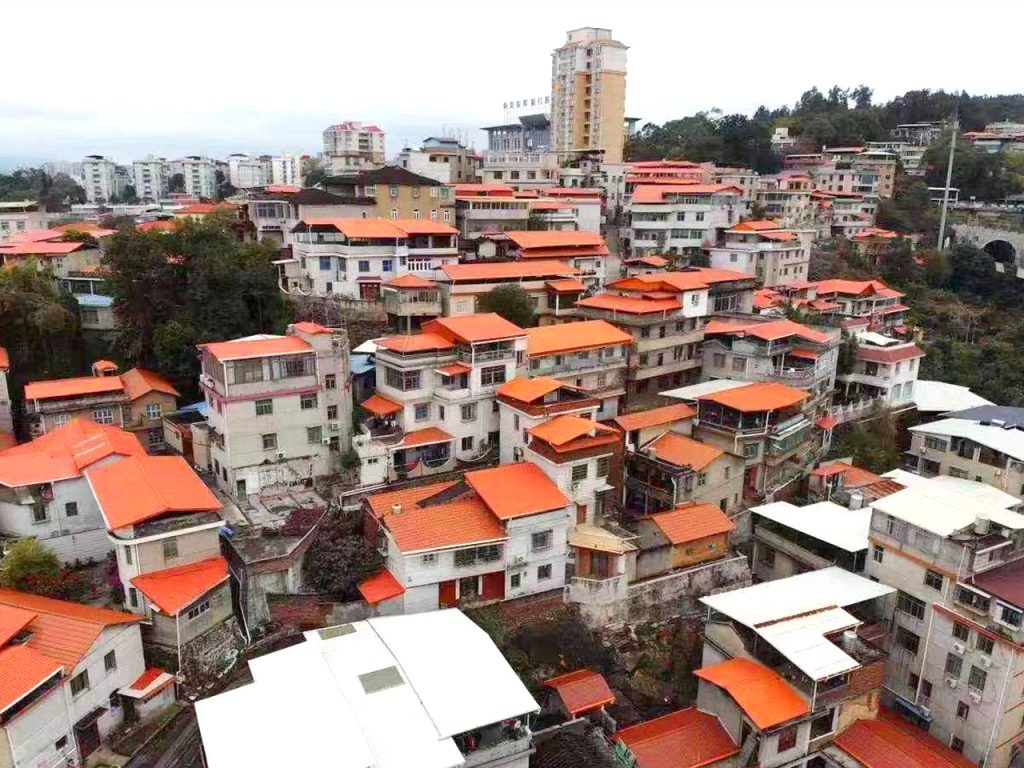
Resin tiles beautiful countryside
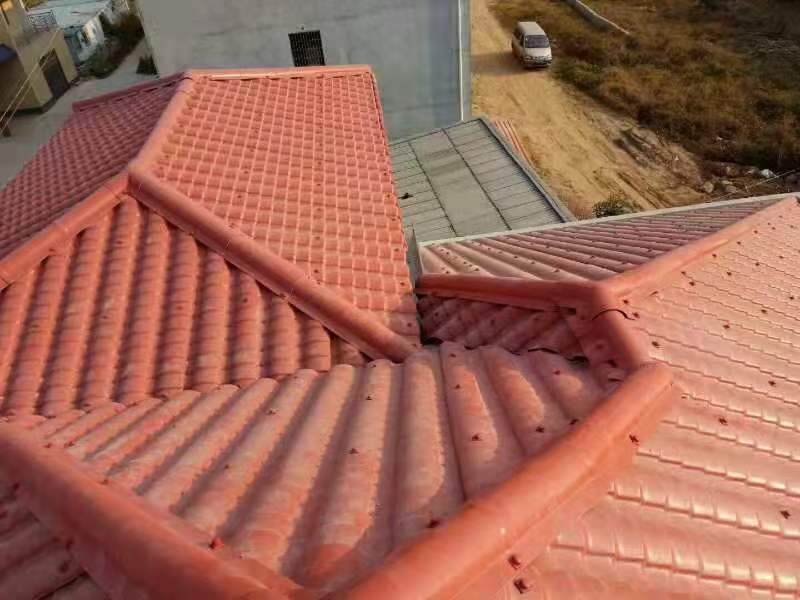
Resin tiles small green tiles
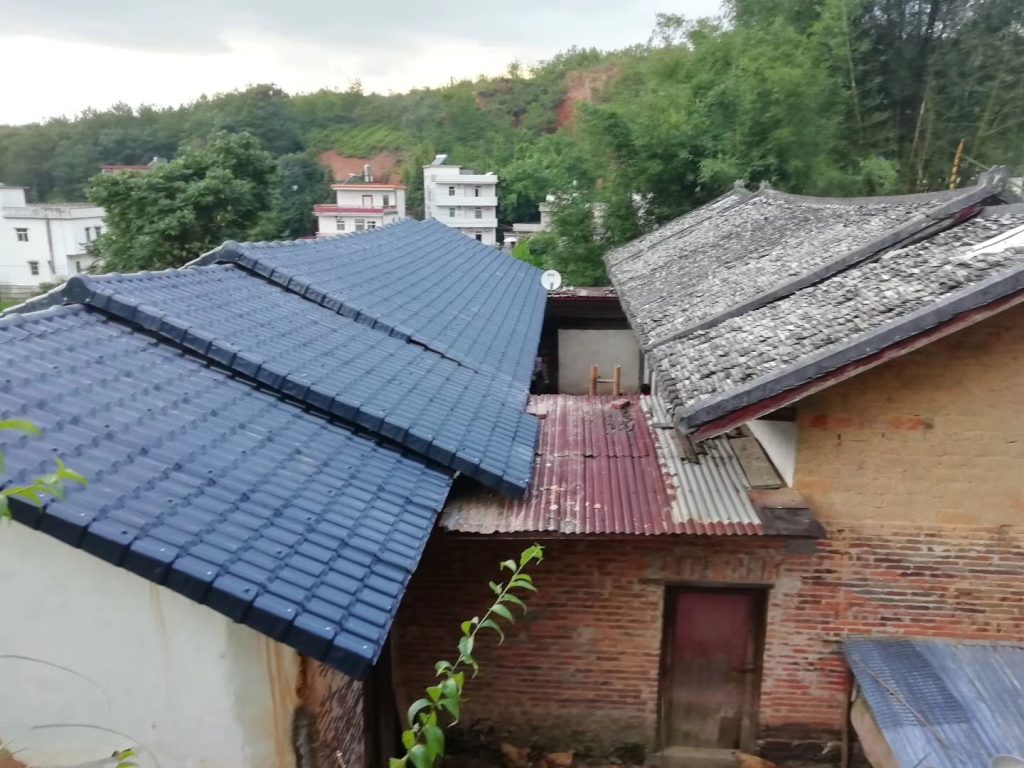
ASA Synthetic Resin tile