These days, with the increasing trend of self-built homes in rural areas, choosing the right roofing material has become a major headache for many people. In the past, color-coated steel roofing sheets were commonly used, but they were prone to rust and leaks; traditional clay tiles, on the other hand, were heavy and easily breakable. With the continuous advancement of building materials technology, a new type of resin roofing tile—thanks to its lightweight, durable, and aesthetically pleasing qualities—has gradually entered the public’s consciousness. Many people feel both curious and hesitant about it, as it ultimately affects the living experience of their homes for decades to come. Only by understanding their basic performance characteristics, being aware of key installation considerations, and recognizing their practical advantages and disadvantages can you make the decision that best suits your specific situation.
New Resin Roof TilesIs it really durable?
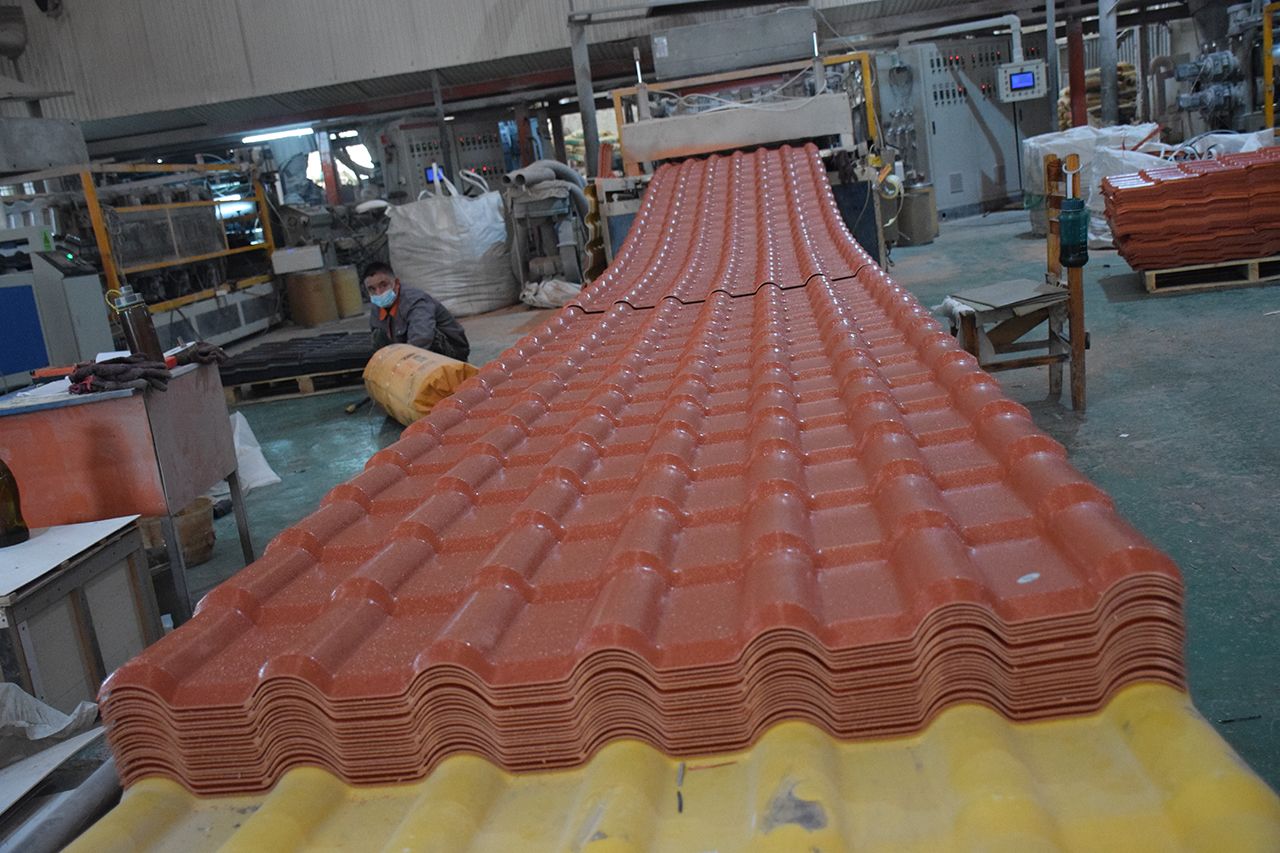
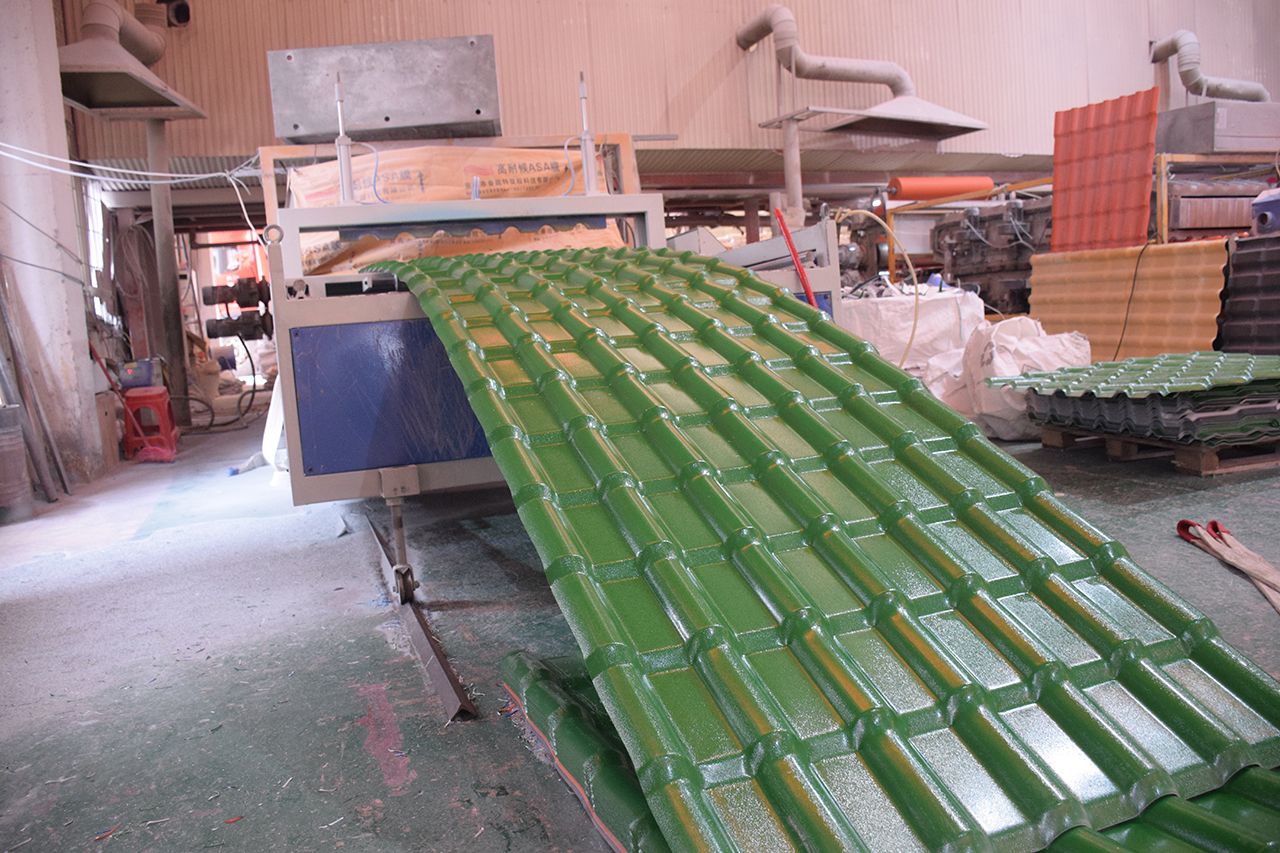
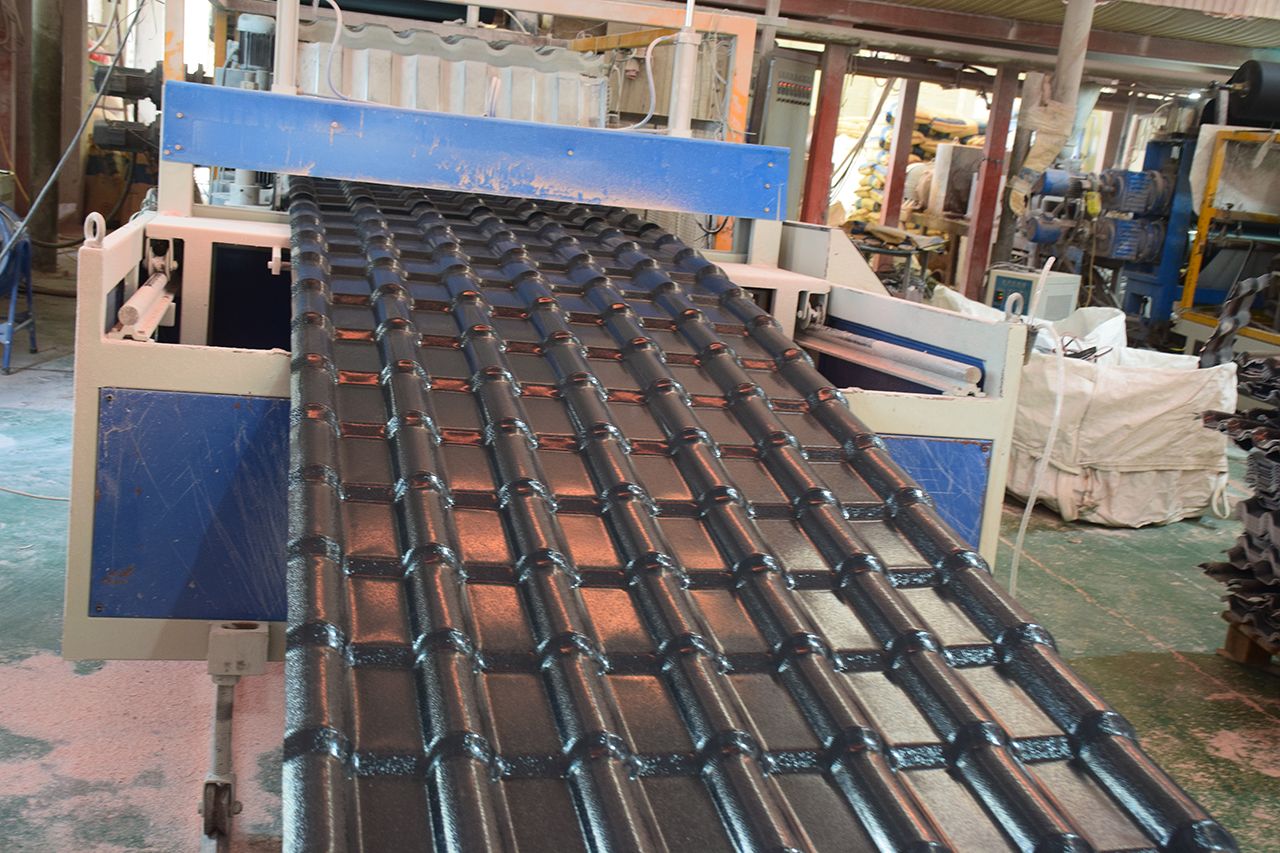
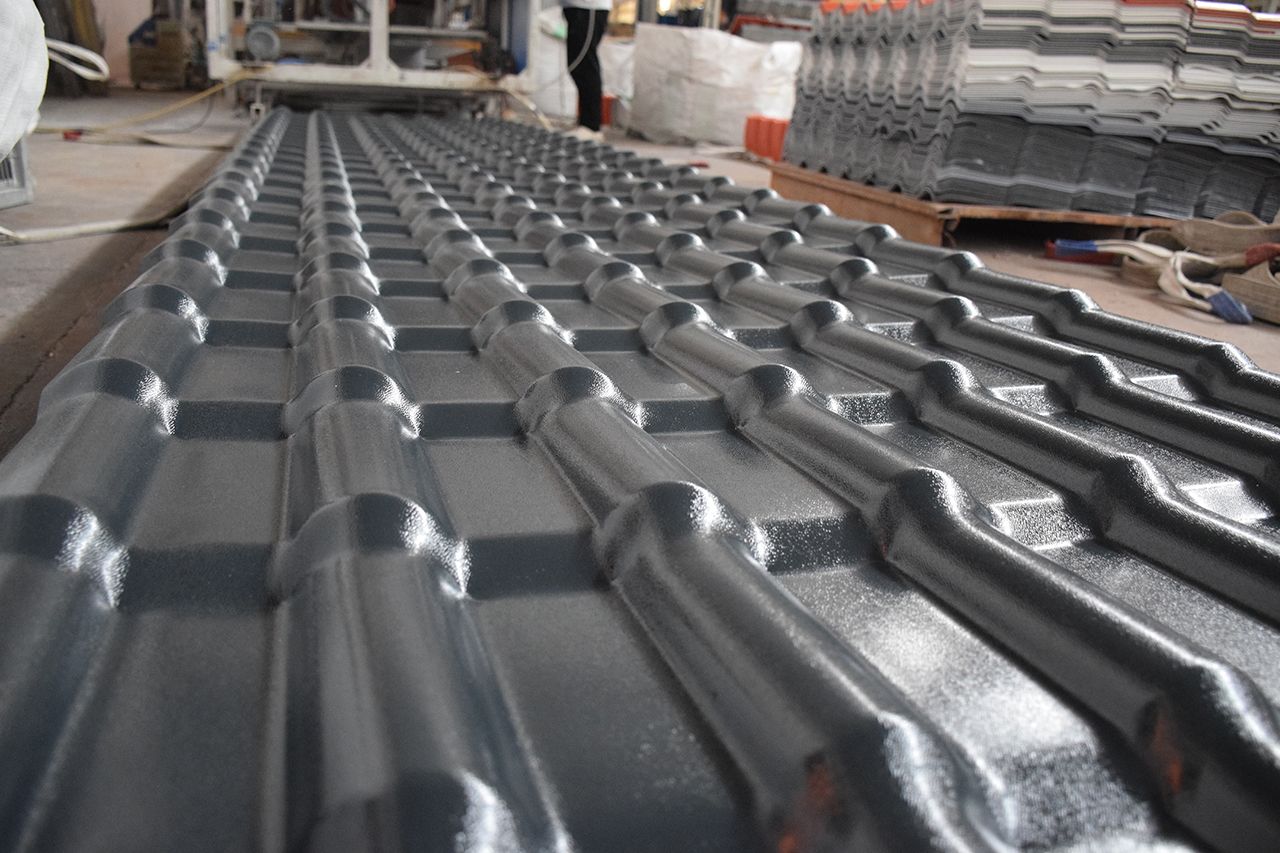
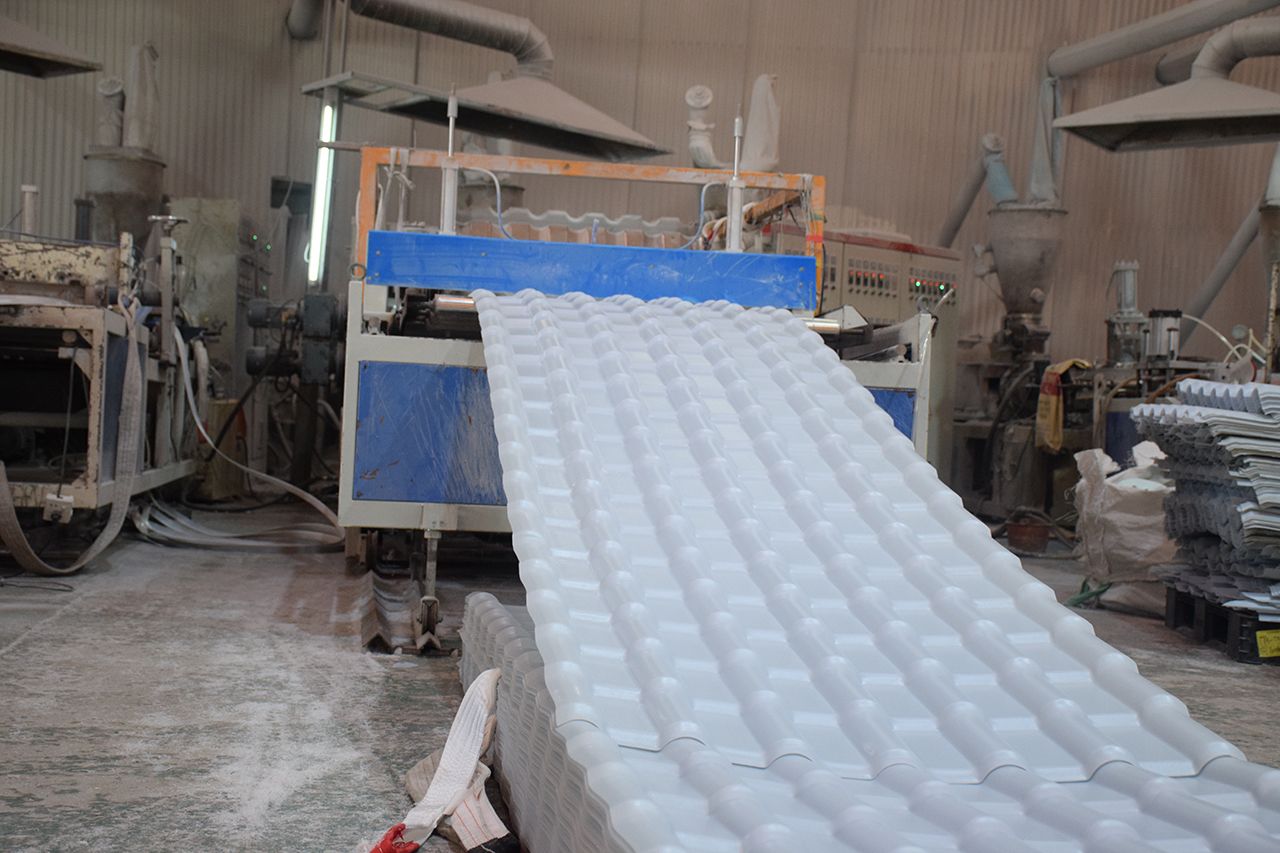
Many people are concerned about using plastic products, believing they have a short lifespan and are prone to aging and discoloration. In fact, the current method for manufacturing synthetic resin roofing tiles involves first mixing polymer resin with high-quality additives, followed by high-temperature extrusion molding. Thanks to this process, synthetic resin roofing tiles possess exceptionally strong impact resistance and outstanding weather resistance. Under normal outdoor conditions, these tiles are expected to last for more than 30 years. This means that a one-time investment in roofing materials ensures the roof remains functional and in good condition for a long time, eliminating the need for frequent replacements and thereby saving a significant amount of time and effort on maintenance.
It’s not that they have a short lifespan; their water resistance is a major highlight. The surface of resin tiles is smooth, so rainwater rolls off like droplets on a lotus leaf, preventing water from pooling. The joints are connected using specialized fittings, ensuring excellent sealing and fundamentally solving the problem of leaks common in traditional roof tiles. This advantage is particularly evident in regions with heavy rainfall. In contrast, low-quality PVC tiles tend to become brittle, whereas genuine resin tiles are more resilient and won’t shatter easily even when struck by hail.
Just as a fine horse needs a good saddle, even the best roofing tiles must be installed correctly. If the installation isn’t done properly—for example, if the fastening screws are tightened too much, causing the tiles to warp, or if the overlap length is insufficient—it will affect the final waterproofing performance. Therefore, selecting an experienced installation team is of the utmost importance. Before installation begins, you must also ensure that the roof purlins are level and secure; only then can the resin roofing tiles deliver their full potential.
Are the new resin roof tiles suitable for my home?
For farmers thinking about renovating their roofs or planning to build new homes, cost is a major consideration. While resin roofing tiles are slightly more expensive than the most affordable color-coated steel roofing tiles, they are still far cheaper than glazed or clay tiles. Since they do not require regular painting or rust-proofing, they offer exceptional value for money in the long run. Furthermore, they are relatively lightweight—weighing only about one-sixth as much as traditional tiles—which significantly reduces the load on the building’s overall structure. This makes them exceptionally well-suited for renovation projects on older homes!
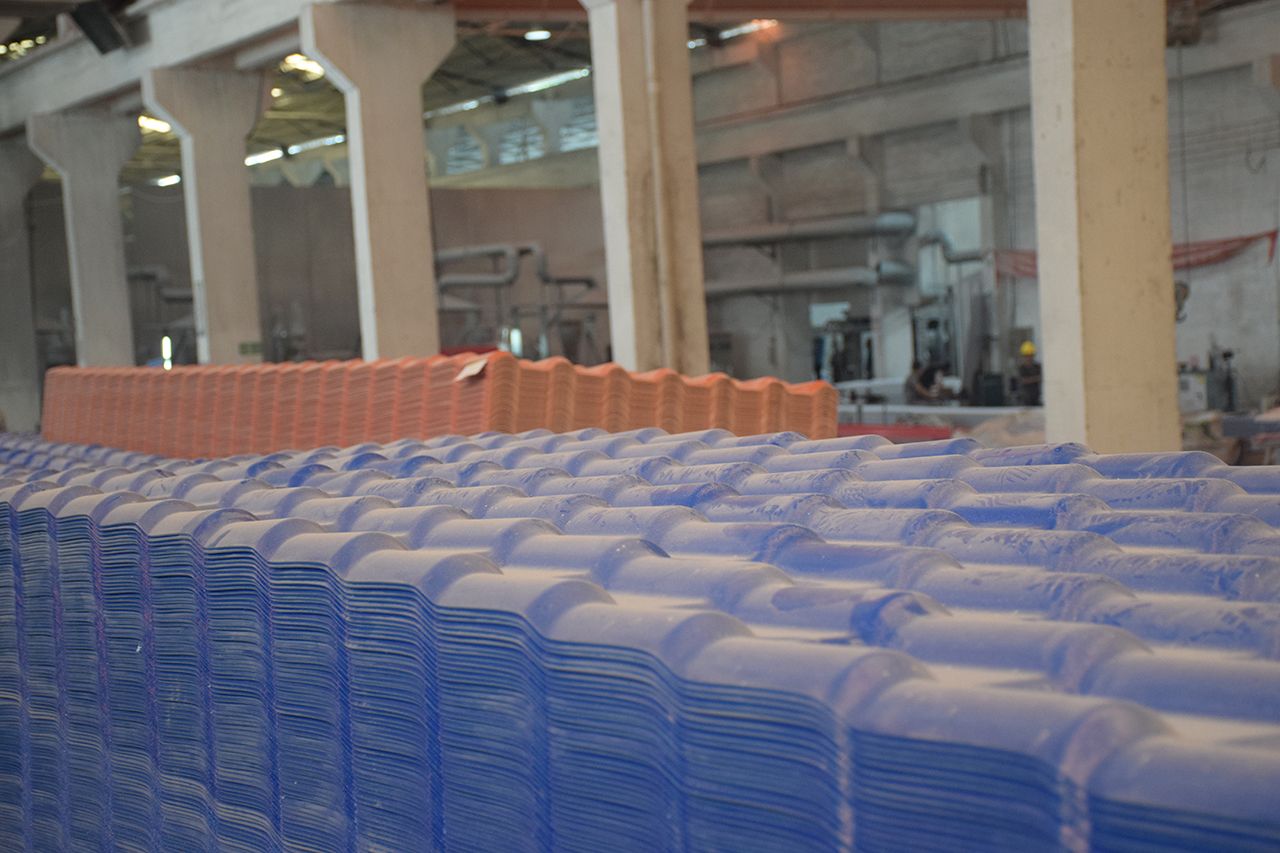
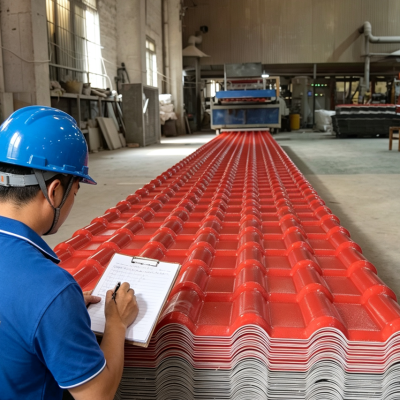
As one of the key points of interest, aesthetics are also well worth noting. Currently, these products come in a wide variety of colors and styles—including wood-grain and tile-textured finishes—allowing you to choose the option that best complements your home’s overall style. It offers a look that is completely different from the monotonous appearance of colored steel roofing sheets, and it also stands apart from traditional roof tiles, which are prone to moss growth and can make a home look old and worn. Consequently, it maintains a consistently neat and clean appearance, effectively giving the entire village a more modern look. However, it is particularly worth emphasizing for households seeking to enhance the aesthetic appeal of their homes: choosing the right resin roofing tiles is a highly reasonable, appropriate, and wise decision.
However, it is not suitable for every situation. For example, in some areas with extremely strict noise requirements, the sound produced by resin roofing tiles during heavy rainstorms may be slightly louder than that of concrete tiles; this issue can be addressed by installing sound-absorbing insulation. In addition, it is essential to ensure that the products you purchase are manufactured by reputable manufacturers and meet relevant standards. There are some counterfeit and substandard resin roof tiles on the market made from recycled materials; not only are they of poor quality, but they are also prone to fading. If you can purchase genuine new resin roofing tiles, they are indeed a cost-effective choice that enhances the quality of your living space.
Keywords: New-style resin roofing tiles