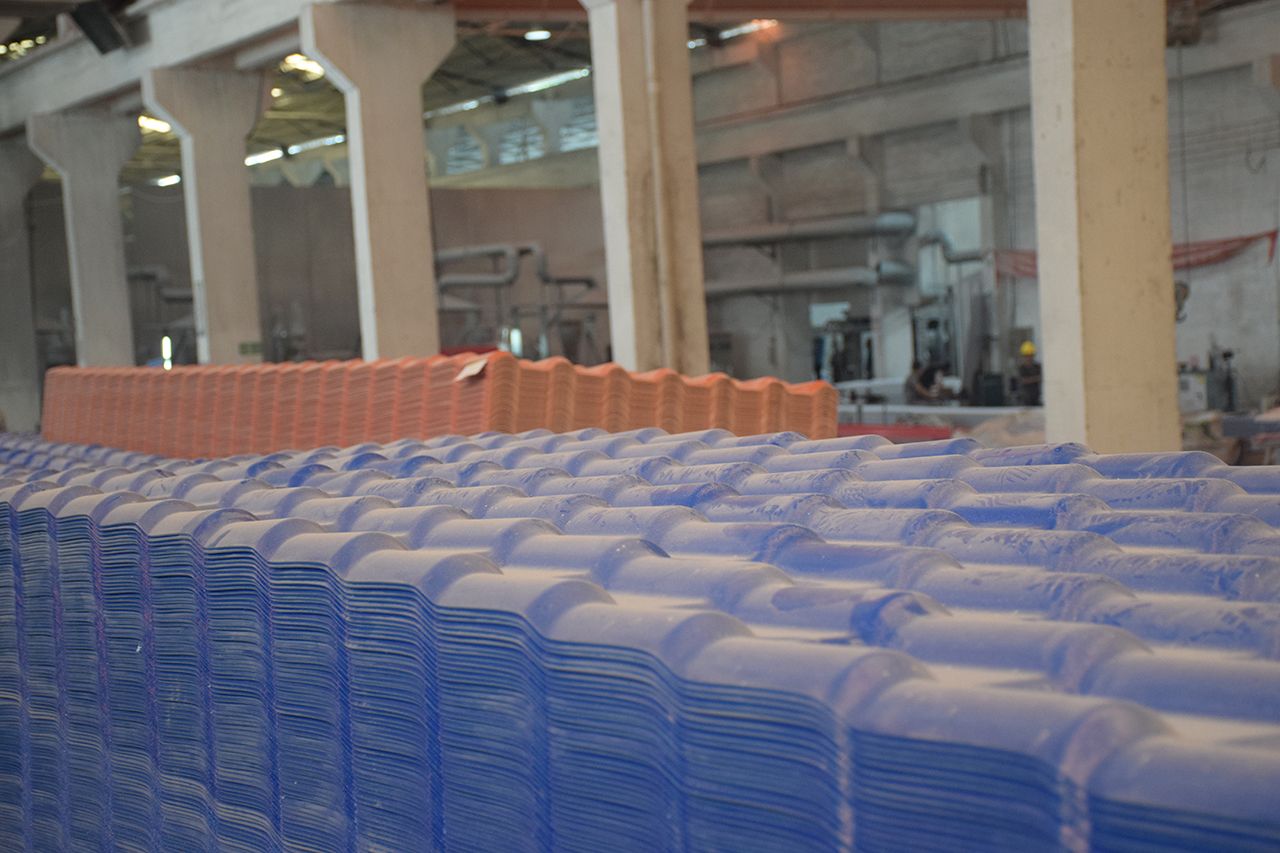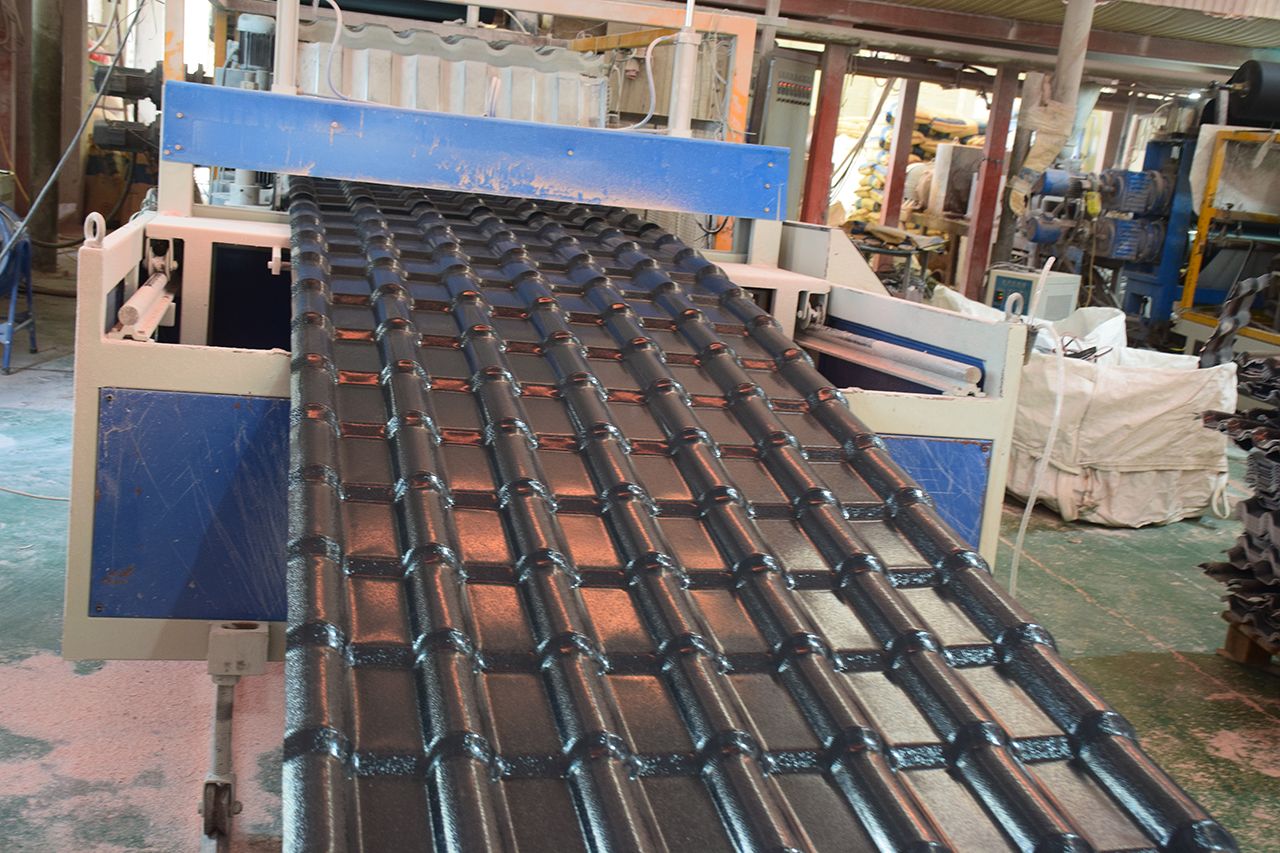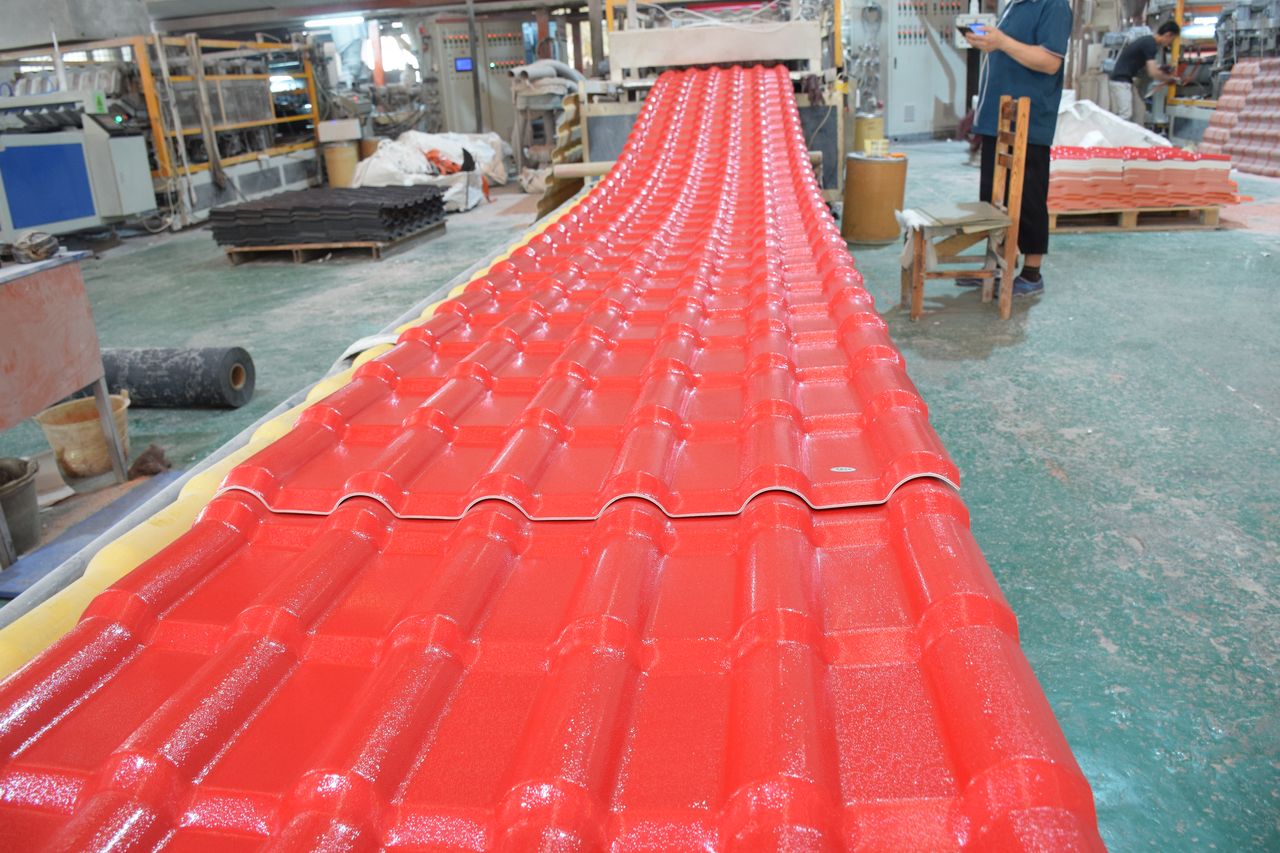
In the field of building construction and renovation, the choice of roofing materials directly determines how aesthetically pleasing a house will be and how durable it will be. For many homeowners and construction workers, understanding the specific characteristics of PVC roofing tiles is a crucial step before making a purchase. Compared to traditional clay or cement tiles, PVC roofing tiles have gradually become the mainstream choice in modern construction thanks to their inherent advantages, such as being lightweight, corrosion-resistant, and available in standardized sizes. This article will delve into the specific specifications of PVC roofing tiles and, by comparing them with other common types of roofing tiles, help you make a more informed decision.
What is the appropriate size for PVC roofing tiles?
1,050 millimeters is generally the standard fixed width for PVC roofing tiles. This specification is not arbitrary but rather the result of a comprehensive consideration of both ease of transportation and installation efficiency. The standard length is determined based on user needs, with common specifications including 6 meters and 4.8 meters. This large-panel design significantly reduces the number of overlapping sections, thereby lowering the risk of water leakage. In contrast, traditional red clay tiles or glazed tiles have a relatively small surface area per piece, requiring significant labor for cutting and joining during installation. This not only extends the project timeline but also makes it difficult to ensure the overall structural watertightness.
In terms of weight, PVC roofing tiles weigh only about 2 to 3 kilograms per square meter. While resin roofing tiles of the same area are slightly lighter, traditional cement tiles can weigh 20 kilograms or more per square meter. This significant difference in weight means that when using PVC roofing tiles, the requirements for the roof’s load-bearing structure are significantly reduced. This means that PVC roofing tiles can be installed directly on the roofs of many older homes without the need for complex reinforcement work, saving considerable structural renovation costs. Furthermore, PVC roofing tiles exhibit excellent dimensional stability; their thermal expansion and contraction due to temperature changes are far less pronounced than those of metal roofing tiles, effectively preventing deformation or loosening caused by temperature differences.
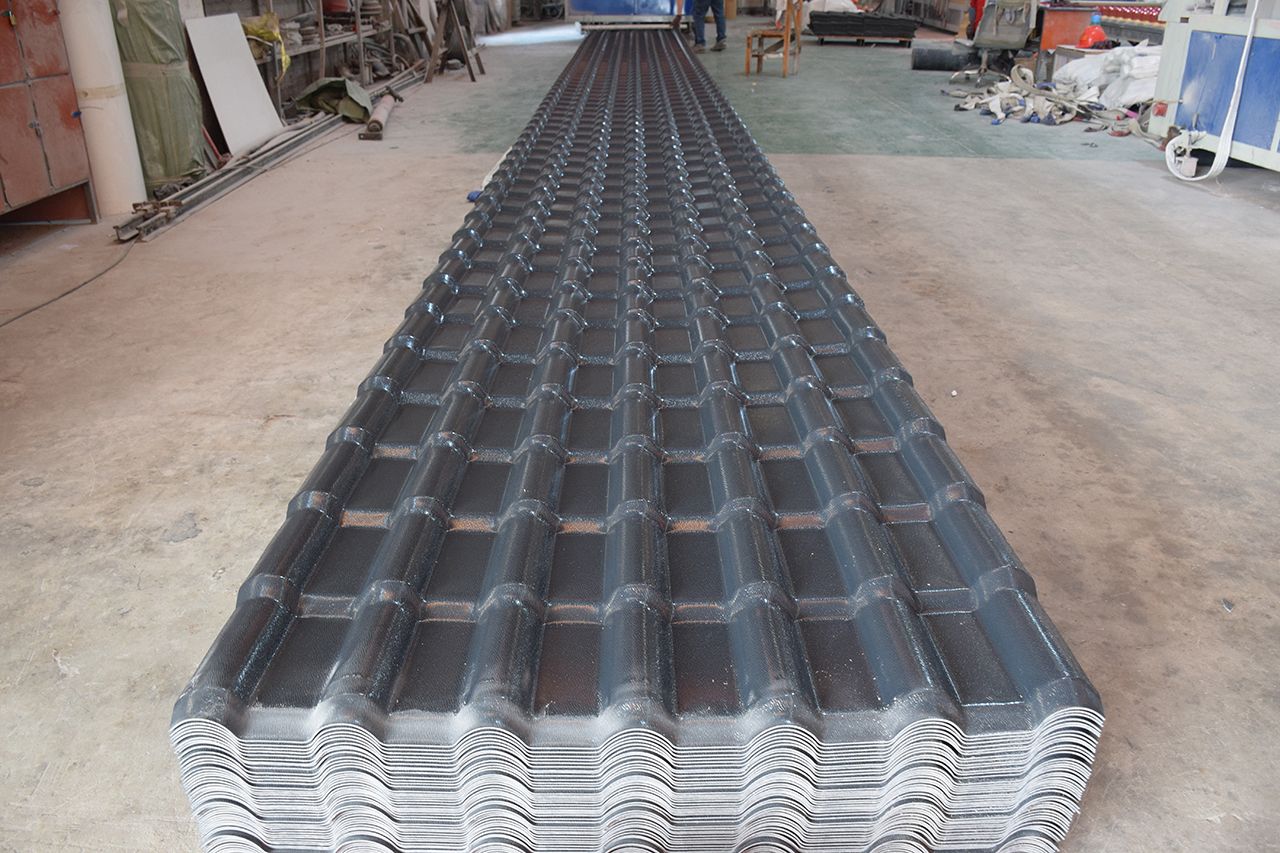
How to Measure and Calculate the Dimensions of PVC Roof Tiles
In actual construction, it is crucial to accurately measure the roof area and convert it into the number of tiles, because the effective coverage width of PVC tiles is less than their physical width (space must be allowed for overlaps). so the effective width—rather than the total width—must be used in calculations. It is generally recommended to estimate the quantity needed by dividing the roof’s projected area by the effective coverage area of a single tile. An additional allowance of 5%-10% should be set aside to account for cutting waste. If traditional asphalt shingles were used, although the area of a single sheet is small, the overlapping sections are extensive, resulting in low actual utilization rates, which paradoxically leads to higher material consumption per unit area.
For irregularly shaped roofs or areas requiring complex cuts, PVC roofing tiles offer exceptional flexibility. The material is soft, so it can be easily cut into the desired shape using standard woodworking tools, allowing it to fit perfectly around details such as ridges and skylights. In contrast, color-coated steel roofing tiles tend to develop burrs during cutting, and the anti-corrosion coating at the cut edges can be damaged. If left exposed for a long time, this can lead to rust and leaks! As for resin tiles, although they are also easy to work with, they become brittle in extremely cold environments and are prone to chipping during cutting, which can affect both aesthetics and sealing performance. Therefore, when it comes to ease of installation and low long-term maintenance costs, PVC tiles offer a clear advantage in terms of dimensional adaptability.
PVC roofing tiles, thanks to their standardized large dimensions, lightweight design, and excellent adaptability during installation, outperform traditional roofing tiles—and even some competing products—in terms of overall performance. Choosing PVC roofing tiles not only simplifies the installation process but also ensures long-term, reliable waterproofing protection through proper sizing.
Keywords: PVC roofing tile dimensions