As national environmental protection requirements have become increasingly stringent, the building materials industry has faced immense pressure to transform. As an innovative and eco-friendly building material, whether the manufacturing process of resin roofing tiles strictly complies with green standards has become a key concern for many buyers and project managers. The environmental philosophy of resin tile manufacturers is more than just a slogan; it is reflected throughout the entire process, from raw material selection to waste management. Understanding this philosophy helps in selecting more reliable suppliers and, at the same time, promotes the green development of the construction industry.
What are the energy-saving and emissions-reduction measures used in the production of resin roofing tiles?
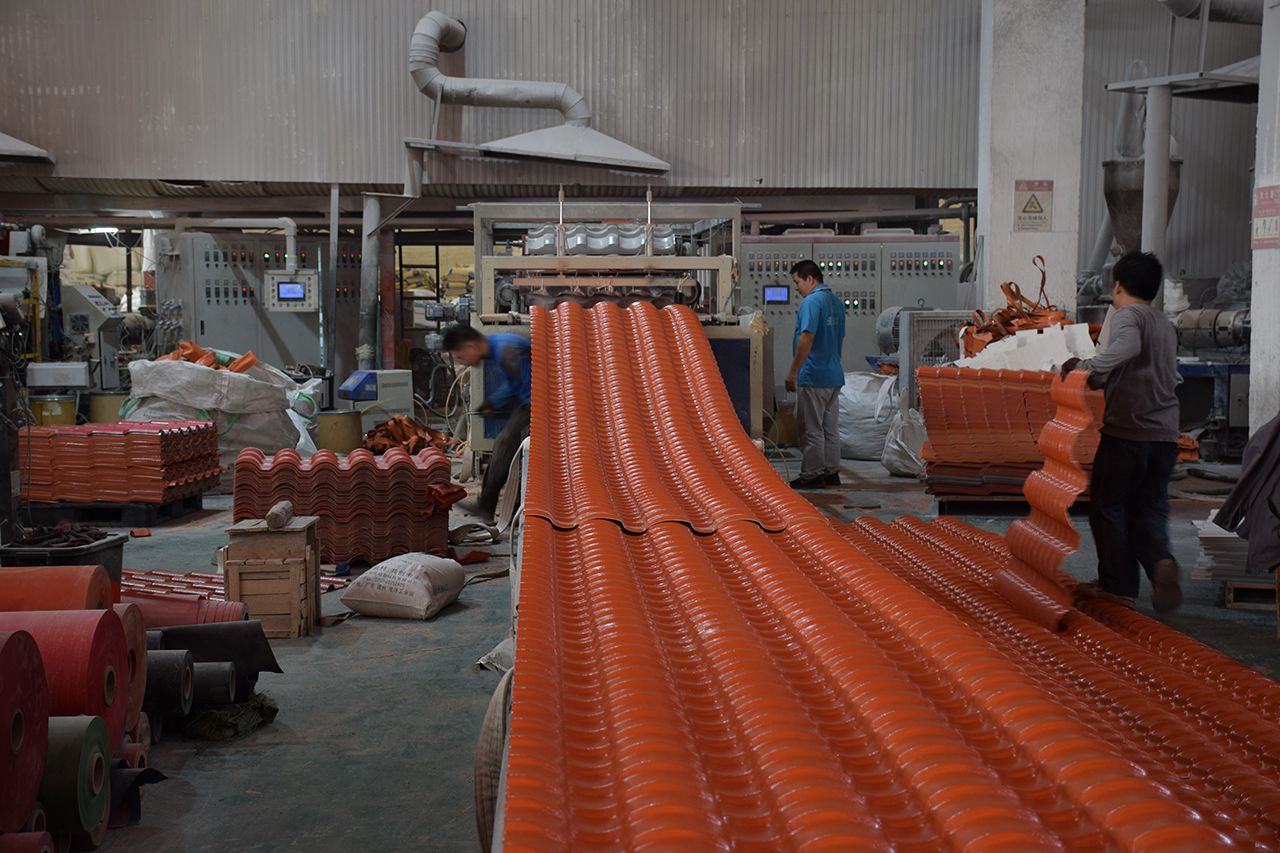
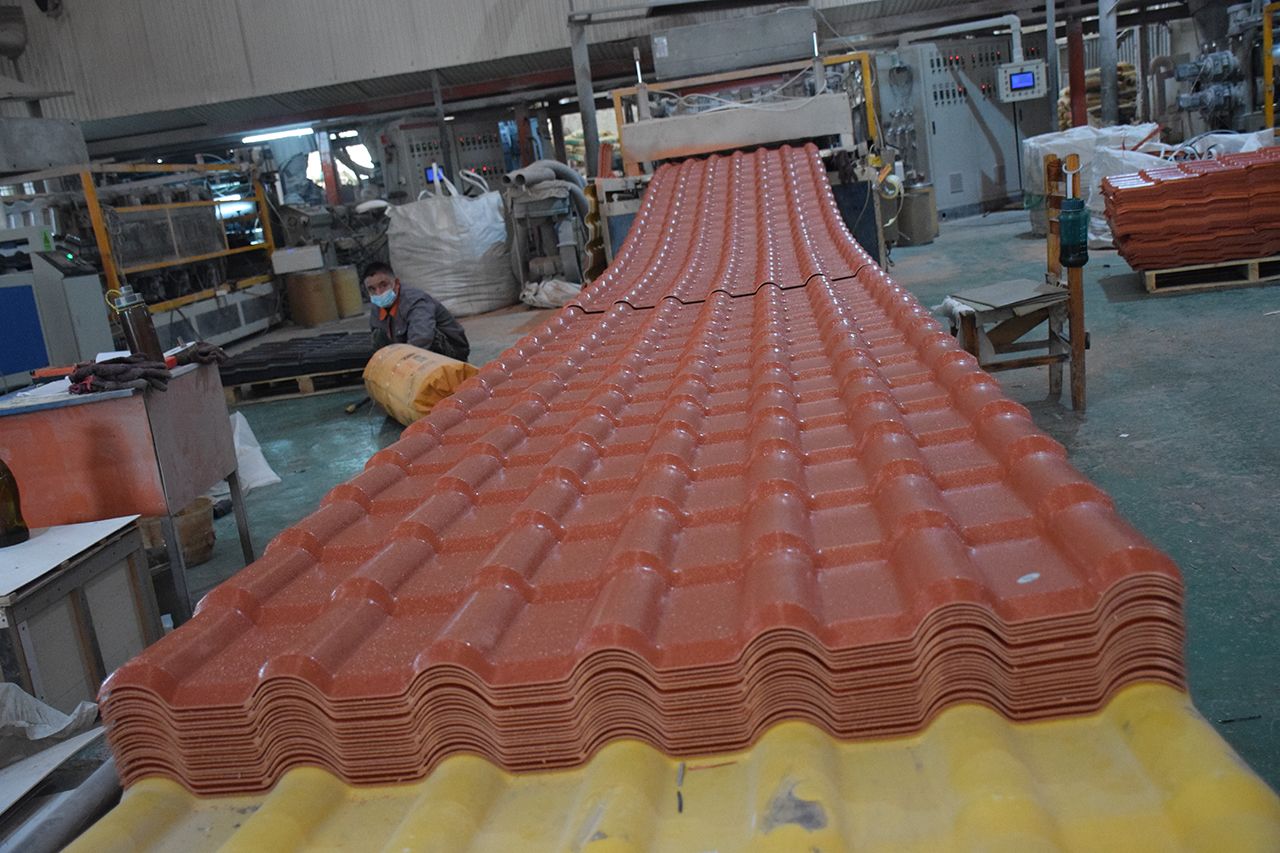
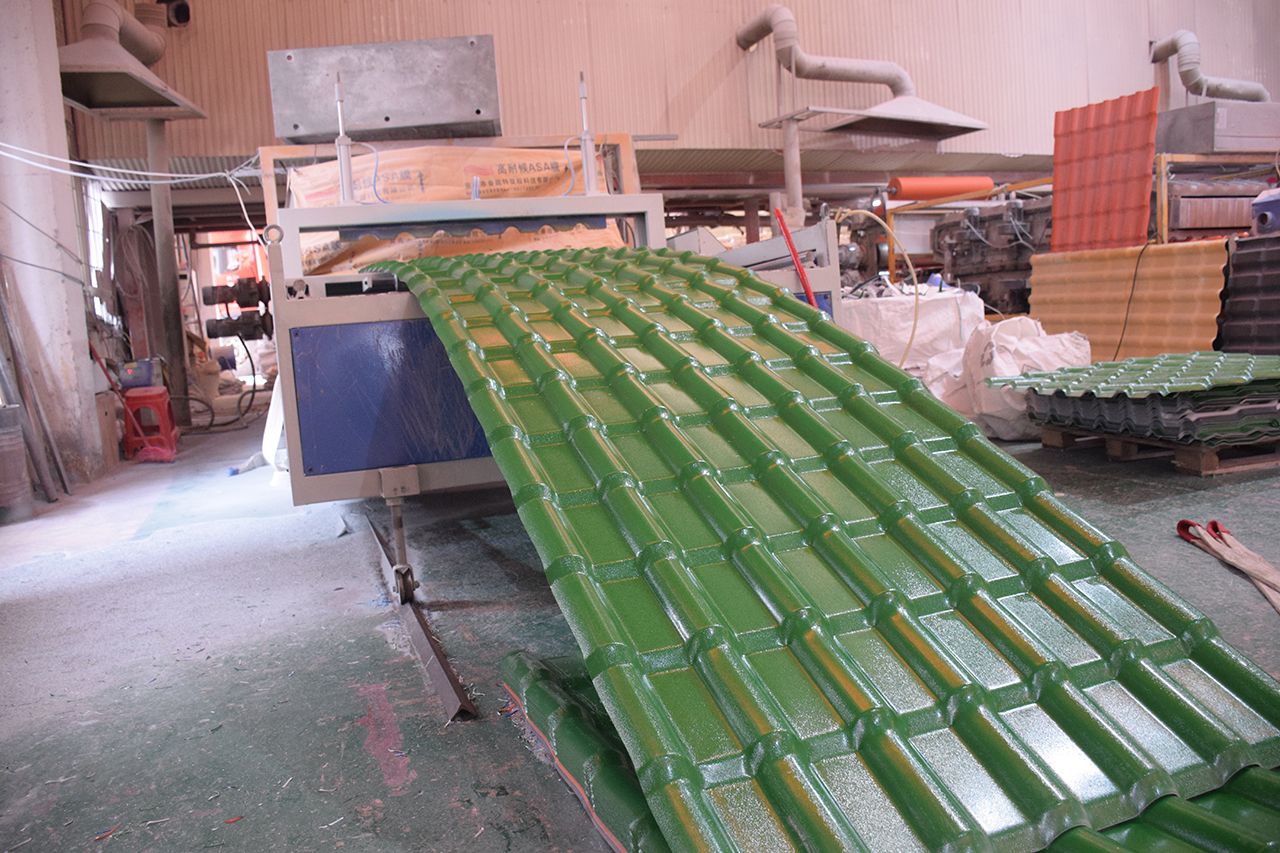
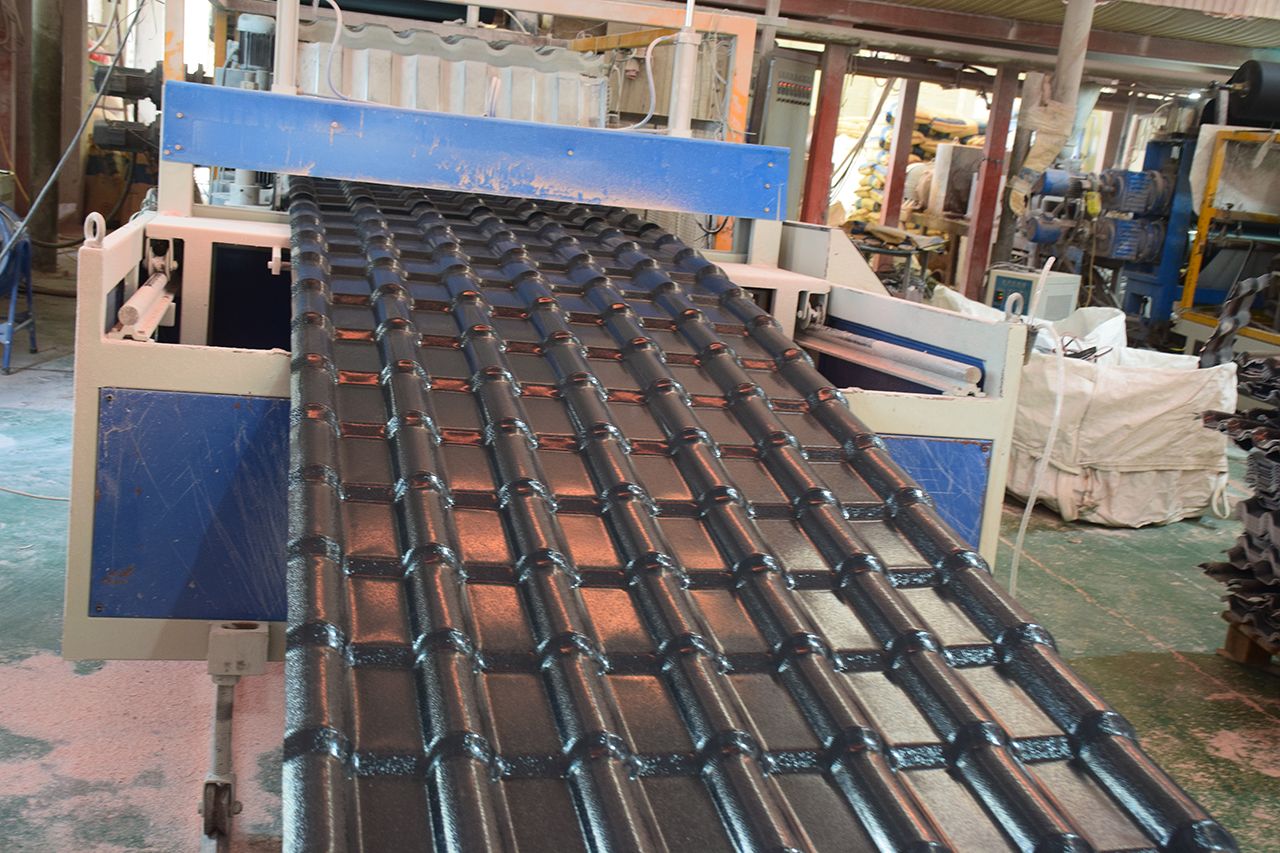
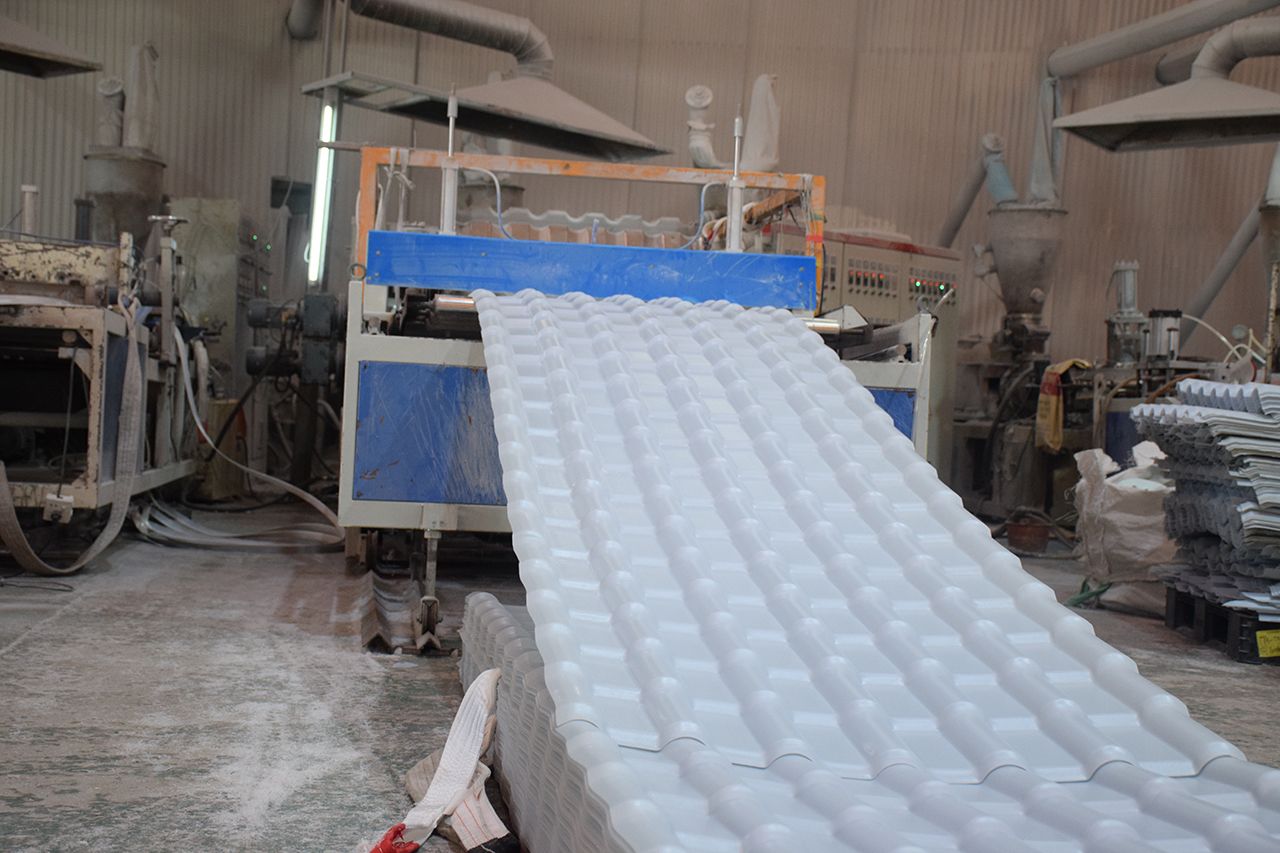
Modern resin tile factories place a high priority on improving energy efficiency during the manufacturing process. By introducing advanced automated production lines, they have significantly reduced errors caused by manual intervention and minimized waste of resources. With a focus on energy consumption management during equipment operation, many leading companies have adopted variable-frequency drive technology and even waste heat recovery systems to reuse the heat generated during production for preheating raw materials or heating facilities, thereby significantly reducing electricity consumption. This attention to detail results in carbon emissions per unit of product that are far lower than those of traditional fired tiles or cement tiles.
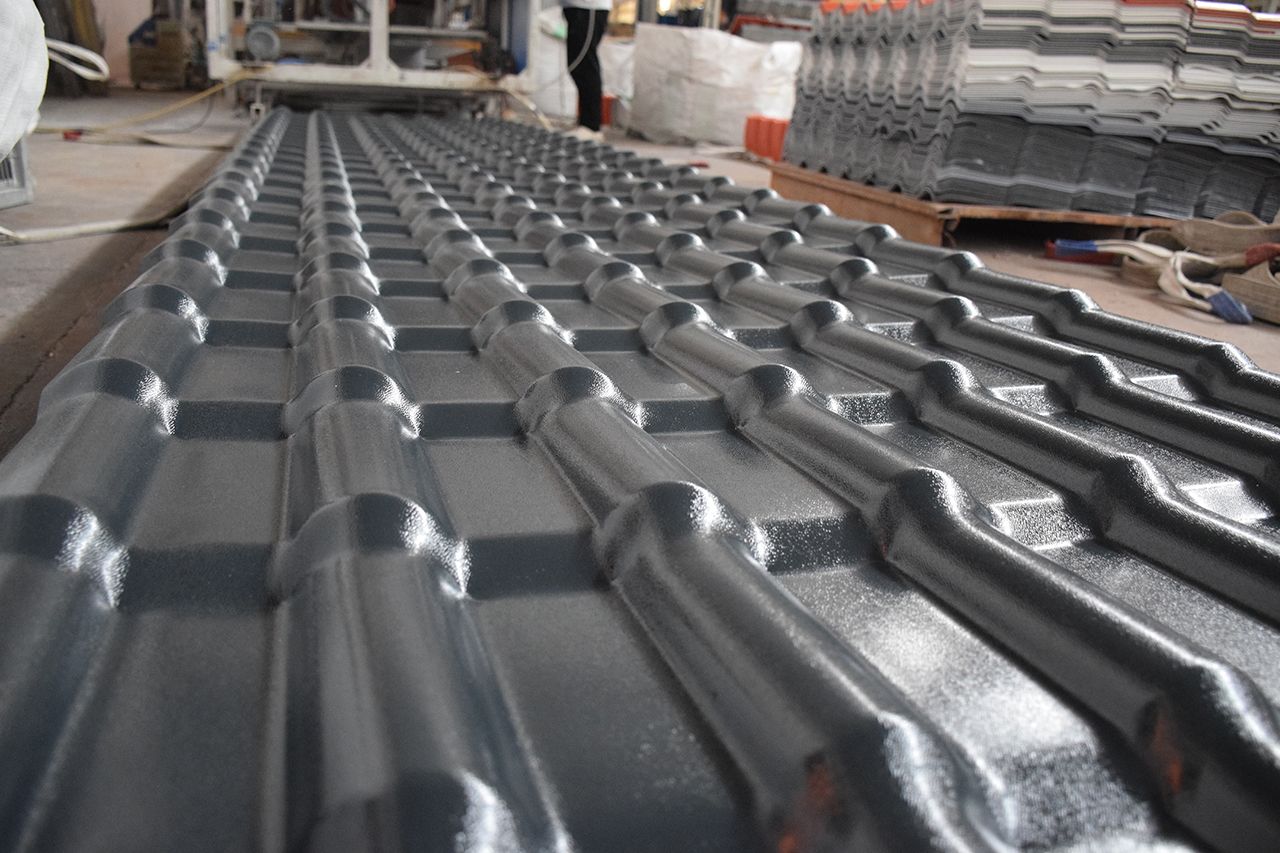
For high-quality resin tile manufacturers, the selection of raw materials is also critical. They typically use recyclable polymer materials as the base raw material and strictly avoid additives containing any heavy metals or other toxic and harmful substances. During the production process, strict control is exercised over the precision of chemical formulations to ensure that the finished products are non-toxic and harmless, while also possessing excellent weather resistance. This means the product will not release pollutants due to aging during long-term use, thereby achieving environmental protection throughout its entire life cycle—from source to end-of-life.
How Do Resin Tile Factories Manage Production Waste to Achieve Zero Discharge?
Scrap material and substandard products generated during the production process are among the most challenging issues to address in terms of environmental management. Advanced resin roofing tile manufacturing plants have established comprehensive waste recycling systems. They sort and store all plastic scraps generated, grind them into fine particles using specialized shredders, and then reintroduce them into the production line as filler material. This closed-loop approach to resource utilization significantly reduces the volume of waste sent to landfills and enables internal material recycling. For materials that cannot be recycled, they are transferred to qualified specialized agencies for safe disposal, ensuring that no pollution is caused to soil or water sources.
Factories incur significant costs in the area of wastewater treatment. The wastewater generated from cleaning equipment undergoes sedimentation, filtration, and biological treatment in sequence and must meet discharge standards before it can be released; some factories have even achieved reclaimed water reuse, utilizing it for landscaping on the factory grounds or for road sprinkling. To address volatile organic compounds (VOCs) that may be generated during the production process, highly efficient activated carbon adsorption and photo-catalytic oxidation systems have been installed to ensure that exhaust gases comply with the relevant requirements of national environmental protection regulations.
The core of the resin roofing tile factory’s environmental philosophy lies in integrating green manufacturing into every detail of the production process. From energy conservation and consumption reduction—which involves further saving energy, lowering consumption, and upgrading equipment—to innovations in waste recycling technology that enable the reuse of waste materials, and strict adherence to standards for the proper treatment of the “three wastes” (wastewater, waste gas, and solid waste), these concrete actions collectively build a production system characterized by sustainability. Selecting factories with comprehensive environmental management systems not only actively responds to the nation’s call but also fulfills the responsibilities that enterprises owe to themselves and to society, while driving the entire building materials industry toward cleaner and more efficient development.
Keywords: Environmental Philosophy of Resin Roof Tile Factories