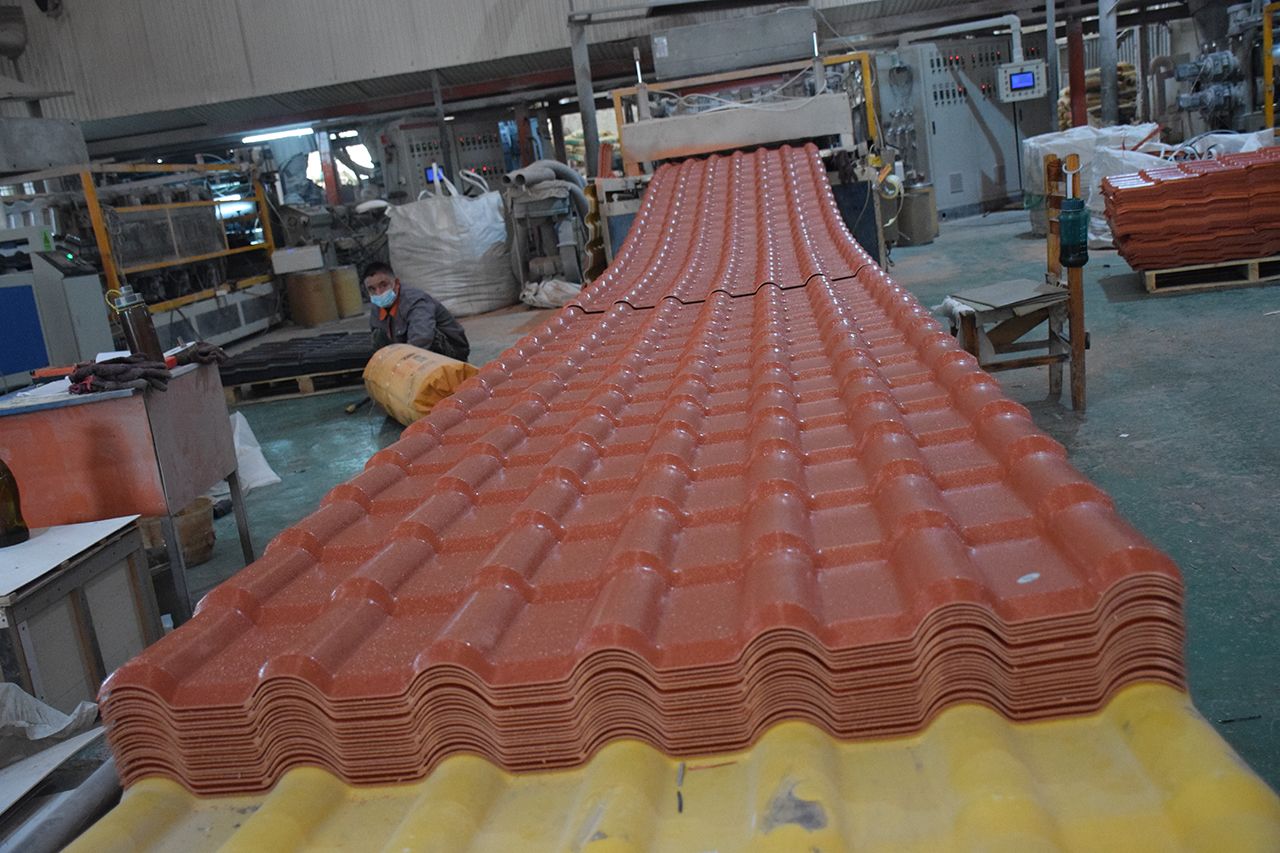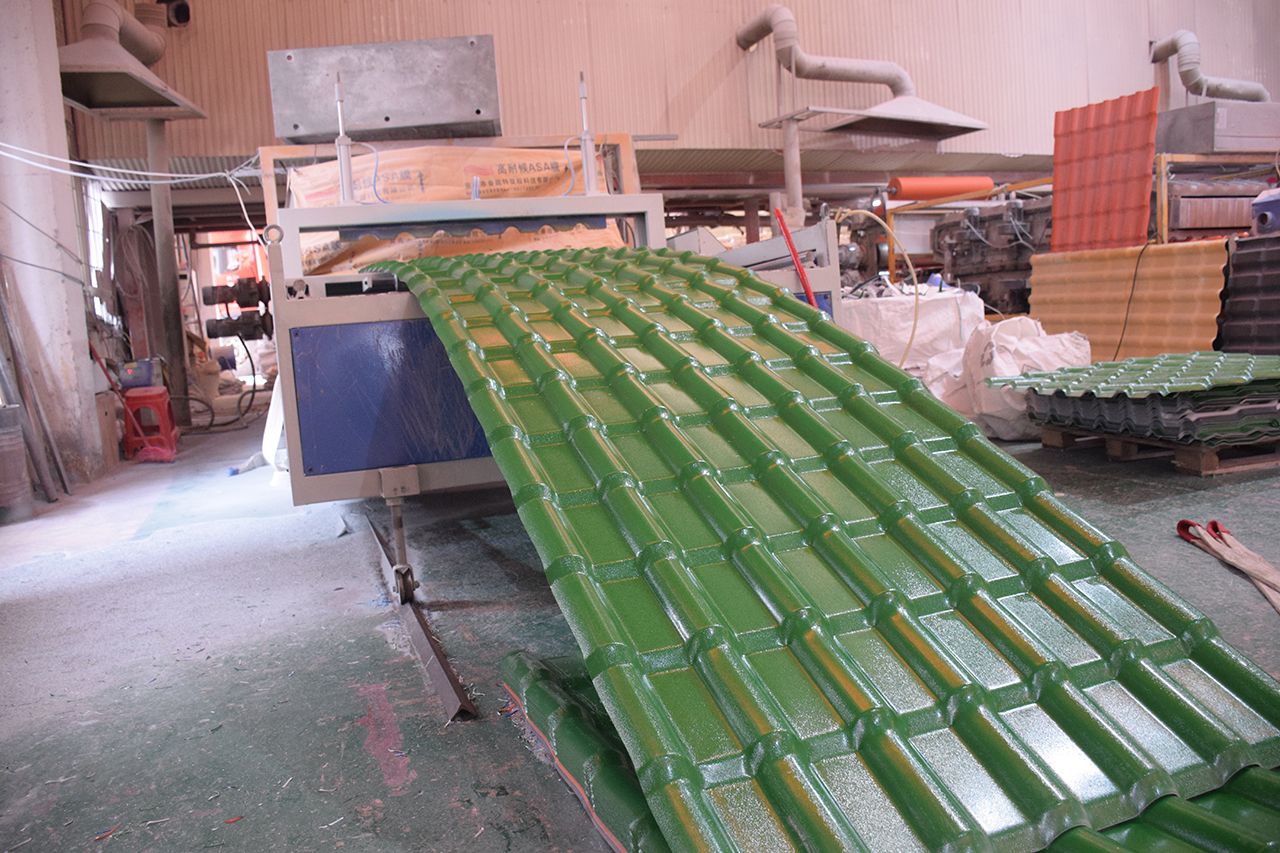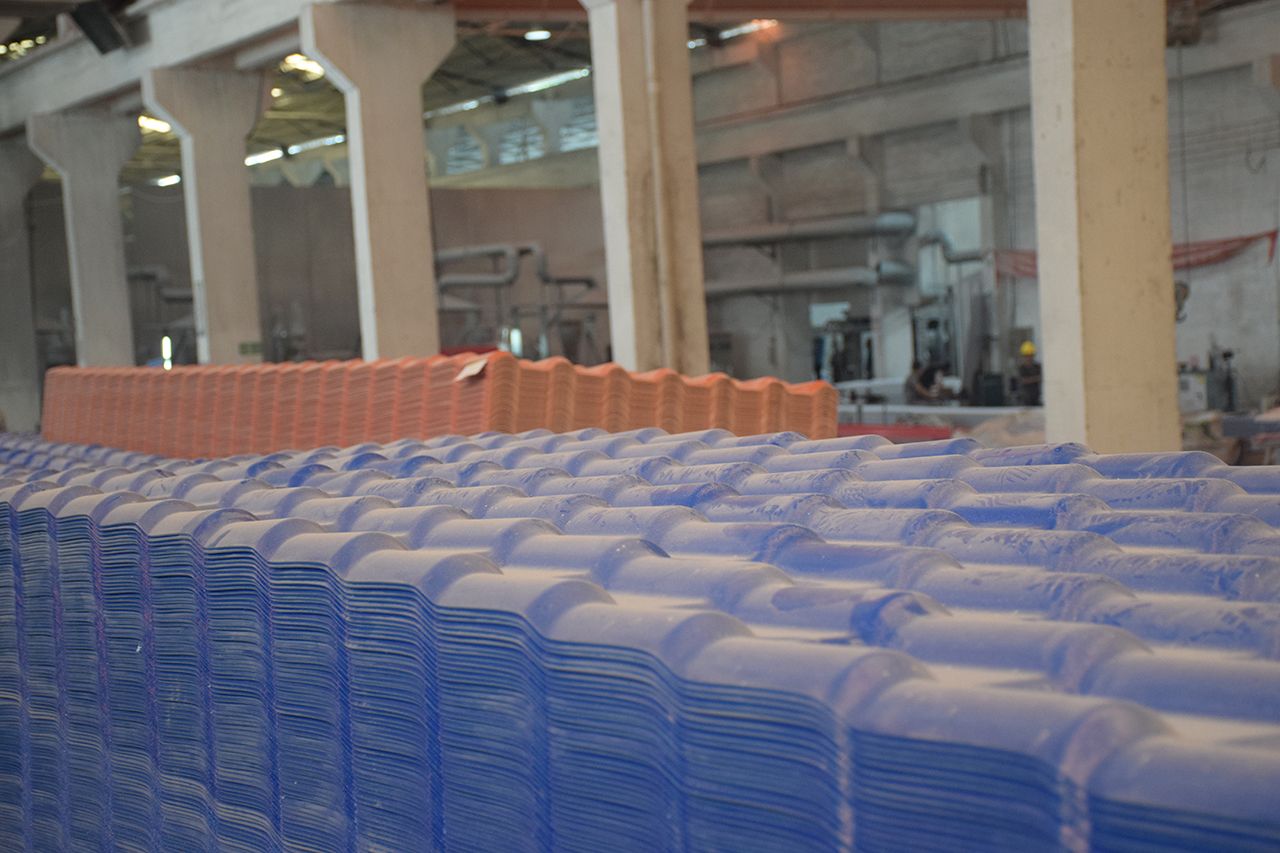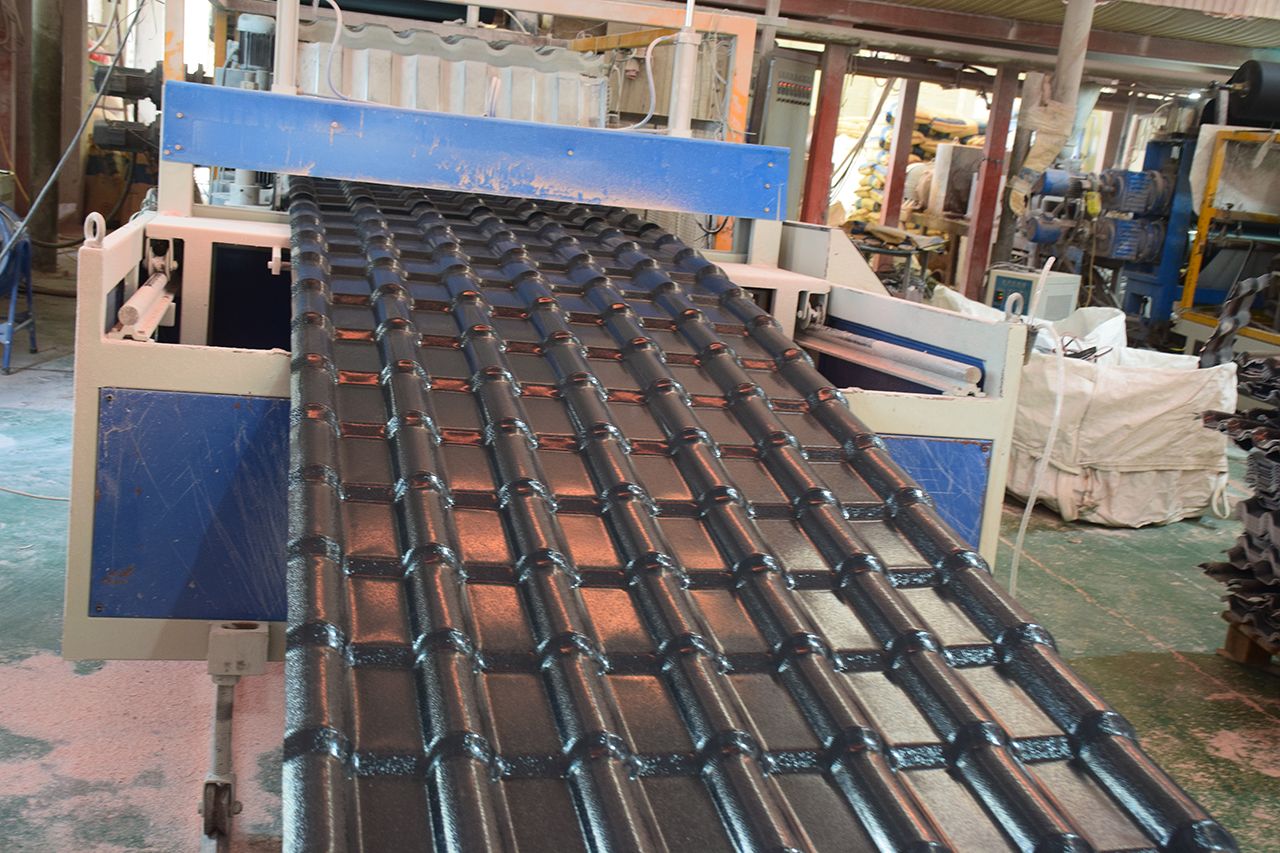
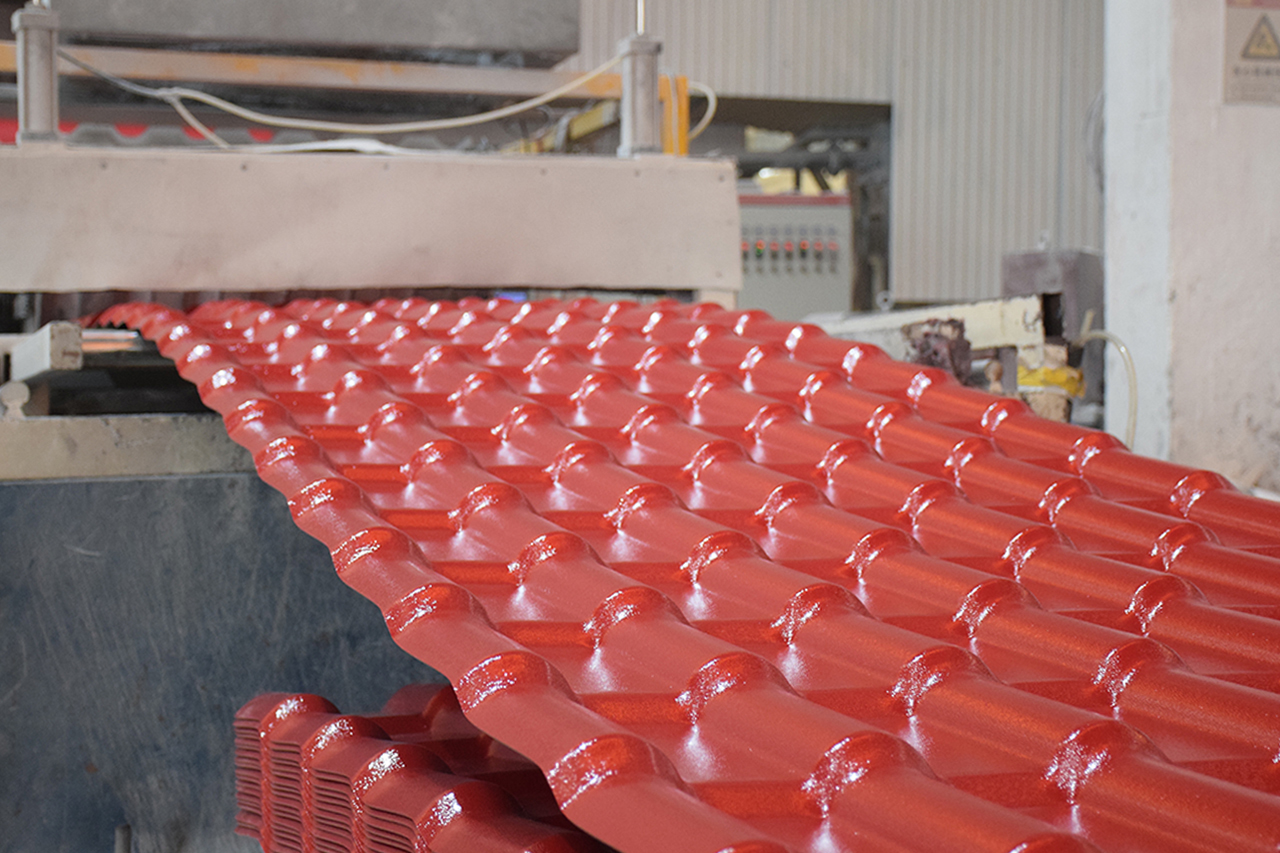
Introduction: When traditional roof tiles meet new synthetic resin tiles, which is better? The answer might surprise you.
Throughout the long history of roofing materials in China, clay tiles and cement tiles have long held a dominant position. However, with the rise of synthetic resin tiles, a quiet ”materials revolution” is underway. This revolution is not merely a change in materials, but also an upgrade in construction philosophy.
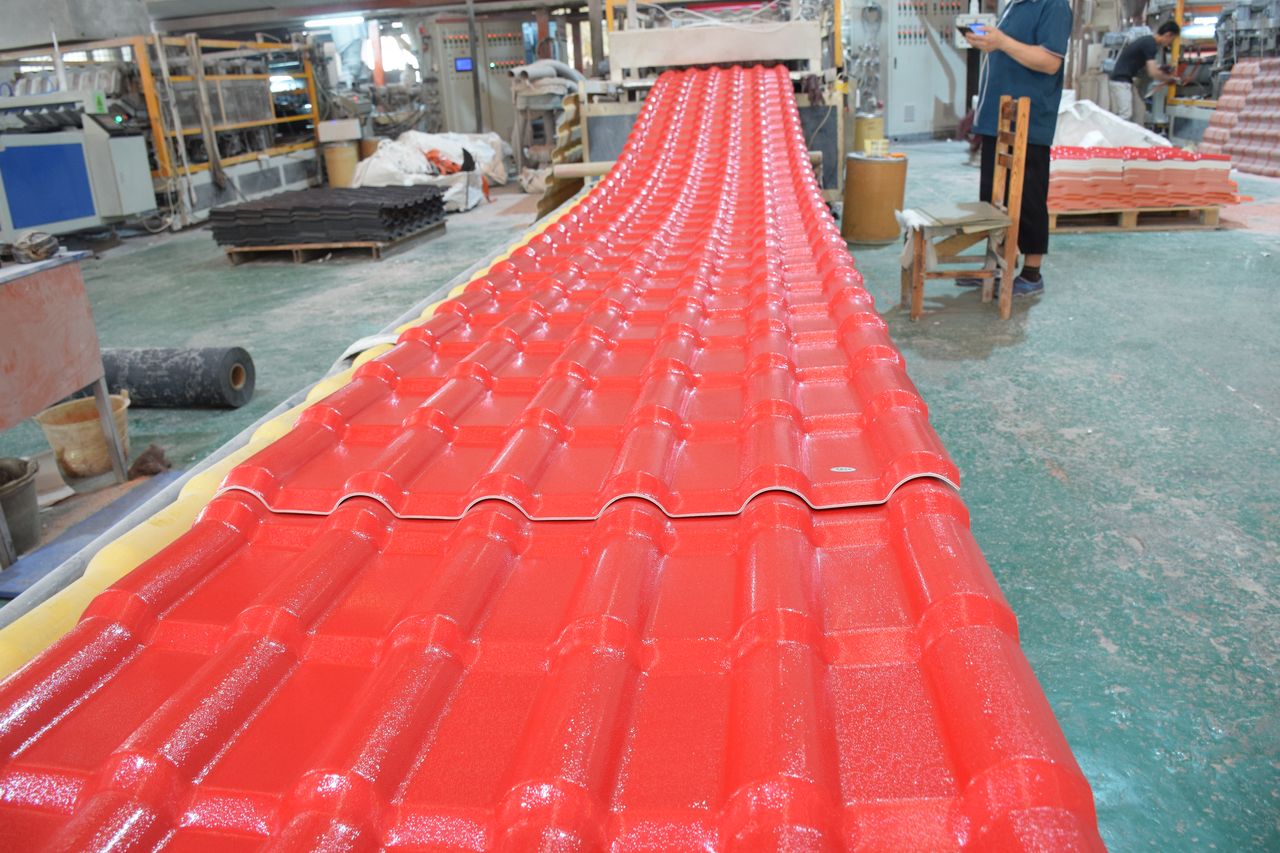
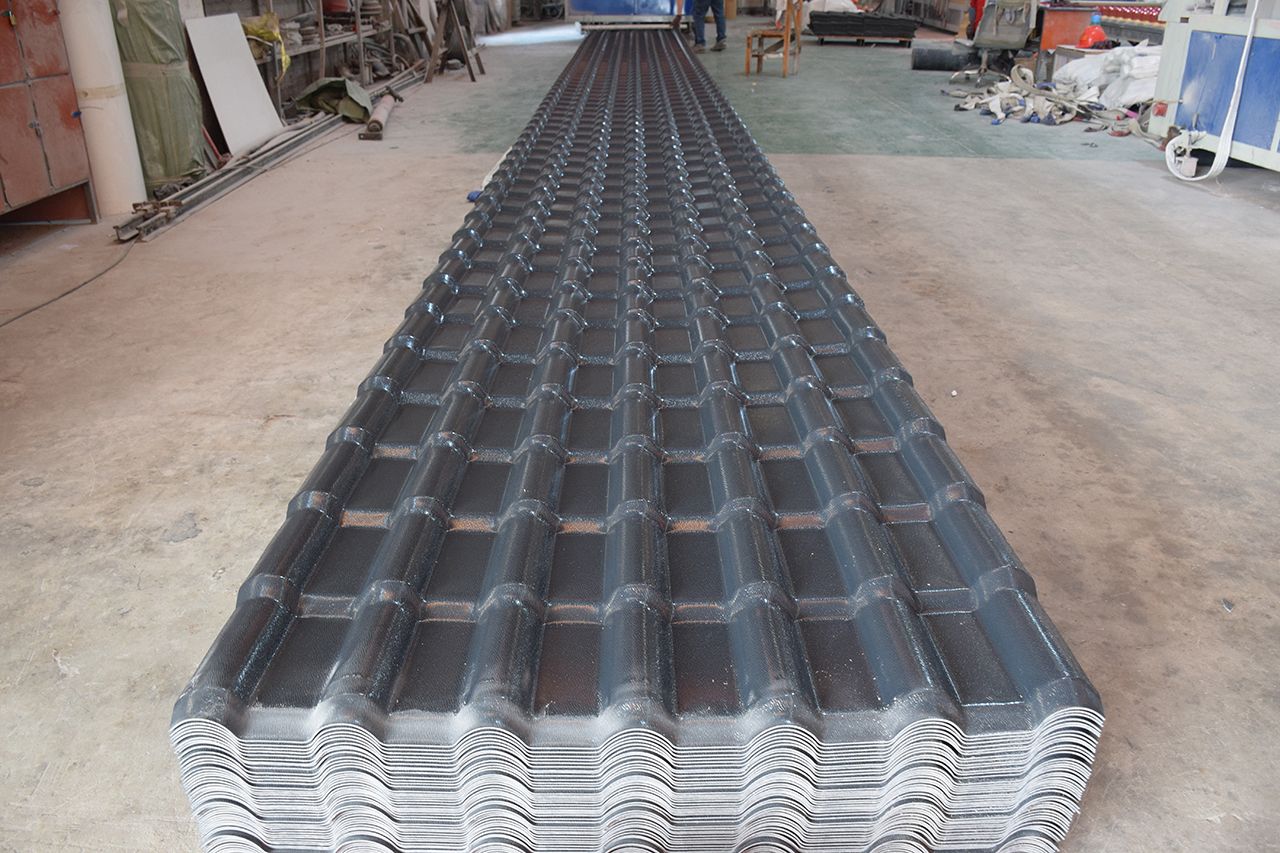
Let’s start with weight. Synthetic resin roof tiles are lightweight and highly durable, making them easy to hoist, unload, and install, and significantly reducing the load on the building structure. In contrast, traditional clay and cement roof tiles are heavy and bulky, resulting in persistently high transportation and installation costs.
Now let’s look at thermal insulation—the thermal conductivity of synthetic resin roofing tiles is 0.325 W/m·K, which is approximately 1/310th that of clay tiles, 1/5th that of cement tiles, and 1/2000th that of 0.5-mm-thick color-coated steel roofing sheets. This means that even without an additional insulation layer, resin tiles still offer excellent thermal insulation, ensuring that top-floor rooms do not become uncomfortably hot in the summer.
Waterproofing performance also sets them apart. The highly weather-resistant resin used in synthetic resin roof tiles is dense and non-absorbent, eliminating the problem of water seepage through micro-pores. These tiles are 45% wider than traditional tiles, resulting in fewer roof joints and significantly improved waterproofing performance. In contrast, traditional tiles have numerous joints that are prone to water seepage, posing significant long-term risks.
In terms of corrosion resistance, synthetic resin roof tiles can withstand long-term exposure to various chemicals, including acids, alkalis, and salts. Tests have shown that when immersed in salts, alkalis, and acids with a pH of 60% or lower for 24 hours, no chemical reaction occurs, making them ideal for areas prone to acid rain and coastal regions. Traditional roof tiles are often no match for these environments.
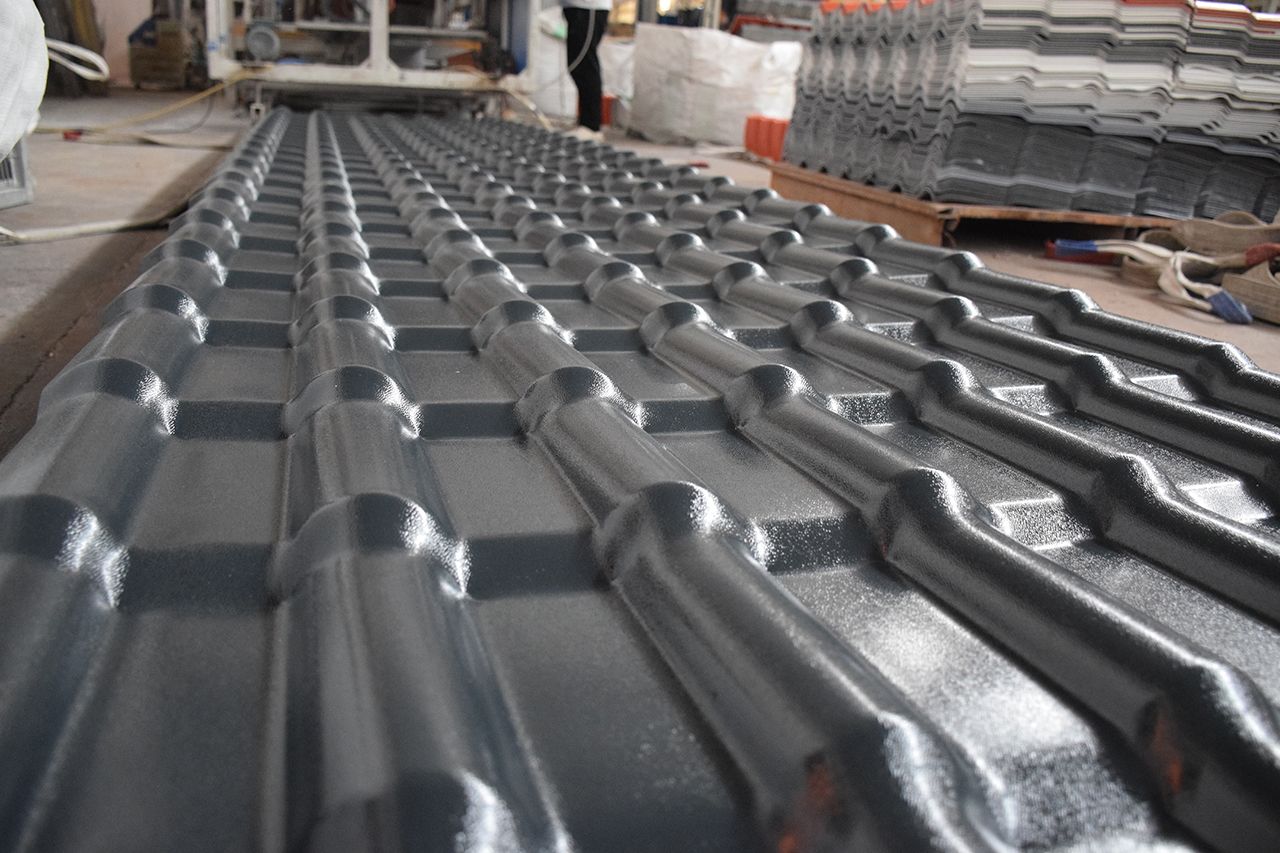
In addition, synthetic resin tiles have a dense, smooth surface that exhibits the ”lotus effect,” making them resistant to dust accumulation; a simple rinse with rainwater leaves them as clean as new. Traditional tiles, on the other hand, are prone to dust and moss buildup, resulting in high maintenance costs. In terms of impact resistance, tests show that when a 1-kilogram steel ball is dropped from a height of 3 meters, the resin tiles do not crack; their impact resistance at low temperatures is also remarkable.
Of course, resin roofing tiles aren’t without their drawbacks. The initial purchase and installation costs are indeed higher than those of ordinary asbestos roofing tiles and color-coated steel roofing tiles. However, when considering service life and overall maintenance costs, high-quality resin roofing tiles actually offer better long-term value. In this battle for innovation, the winner is gradually becoming clear.