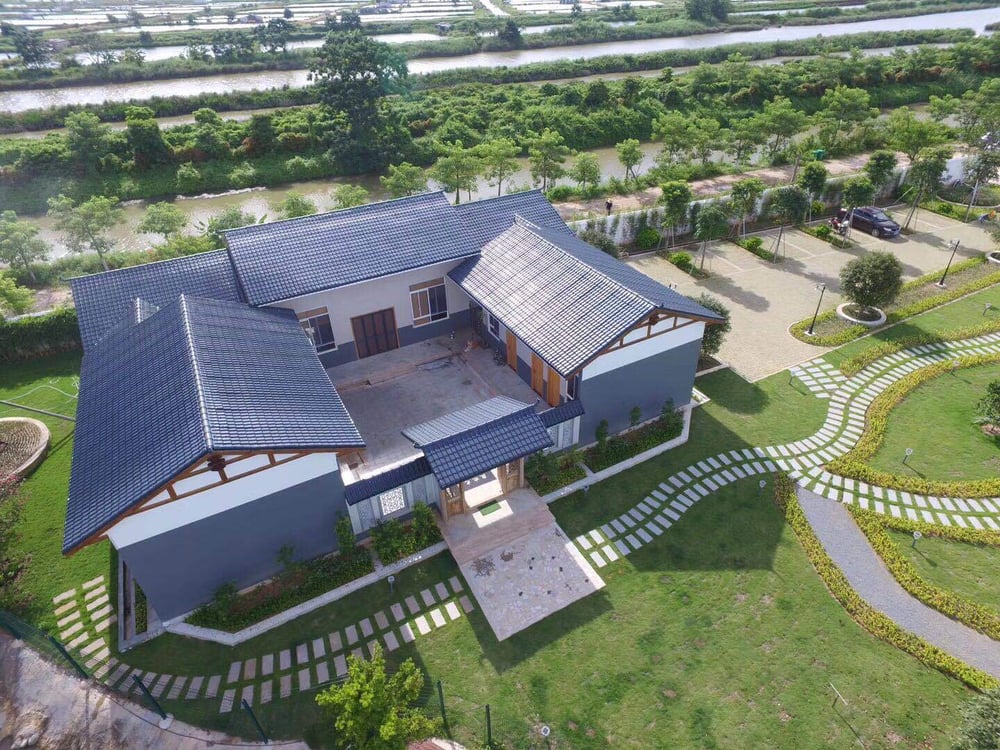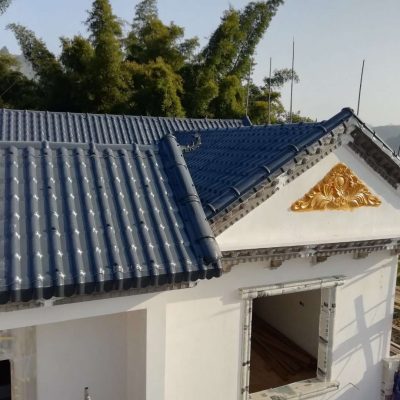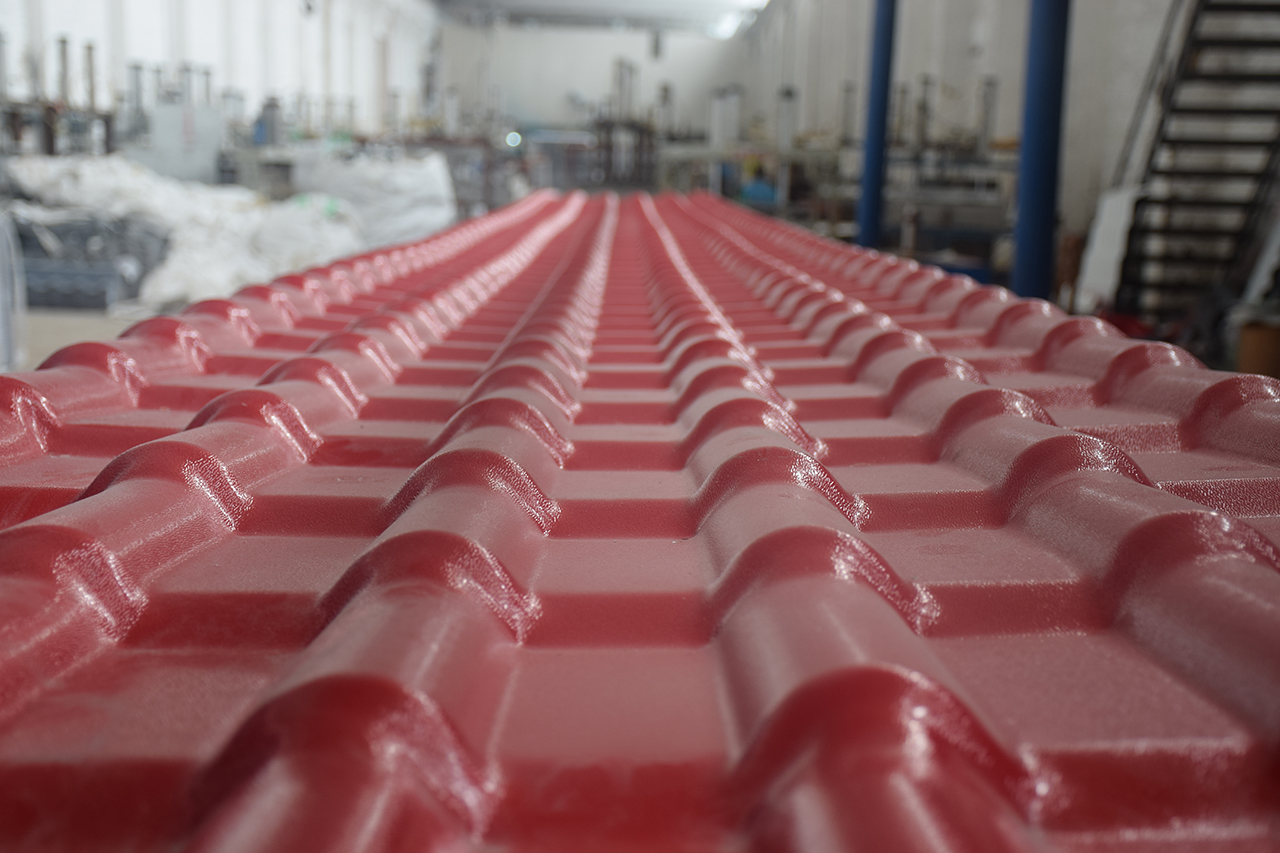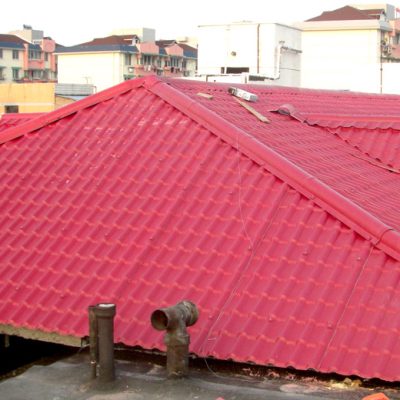
When renovating the roofs of villas—which can easily be worth hundreds of thousands or even millions—choosing the wrong materials is essentially just “handing money” to the construction crew. Clay tiles, asphalt shingles, resin shingles—each of these materials has its advocates who praise it, as well as critics who disparage it. However, the reality is this: there is no such thing as an absolute “good” or “bad” option; there are only situations where a material is suitable or unsuitable for a given application.
Don’t be fooled by the “upscale” look of clay tiles—structural reinforcement is where the real value lies.
Clay tiles are truly visually striking, and when used on European-style villas, they can instantly elevate the property’s aesthetic appeal. However, the beams and purlins in your older villa may not be able to support a weight exceeding 50 kilograms per square meter. I have a friend who owns a home in Hangzhou. When he renovated his house last year, he failed to inspect the structural integrity of the building. Three days after the clay tiles were installed, cracks appeared in the roof. Ultimately, he was forced to tear it down and start over, incurring an additional 80,000 yuan in reinforcement costs.
What’s particularly disheartening is that the breakage rate for clay tiles during transportation is as high as 10 to 15 percent. Once even a single tile is damaged, it’s virtually impossible to find a perfect color match. Unless you’re willing to stockpile a batch of spare tiles, making repairs later on will be nothing short of a nightmare. For villas with a budget under 500,000, you should definitely avoid using clay tiles.
Asphalt shingles may be cheap, but you might have to “repair them every year.”
Asphalt shingles are the most cost-effective option, ranging from about 60 to 80 yuan per square meter. They can be installed relatively quickly—it takes only three days to complete a 200-square-meter roof. However, they have a lifespan of only 10 to 15 years and are susceptible to high temperatures. During summer in southern China, the surface temperature of asphalt shingles can reach 70 degrees; they begin to show slight warping after three years and develop cracks within five to six years.
Suppose you plan to live in your villa for more than twenty years; the frequency with which you’ll have to replace the asphalt shingles will surely drive you crazy—removing the old shingles time and time again, cleaning the substrate over and over, and re-installing them time and time again—the cumulative costs actually make this the least cost-effective option. It may be acceptable as a short-term solution, but don’t expect it to be a permanent fix.
Resin roof tiles are lightweight, but don’t go for the cheapest option—substandard products are a real waste of money.
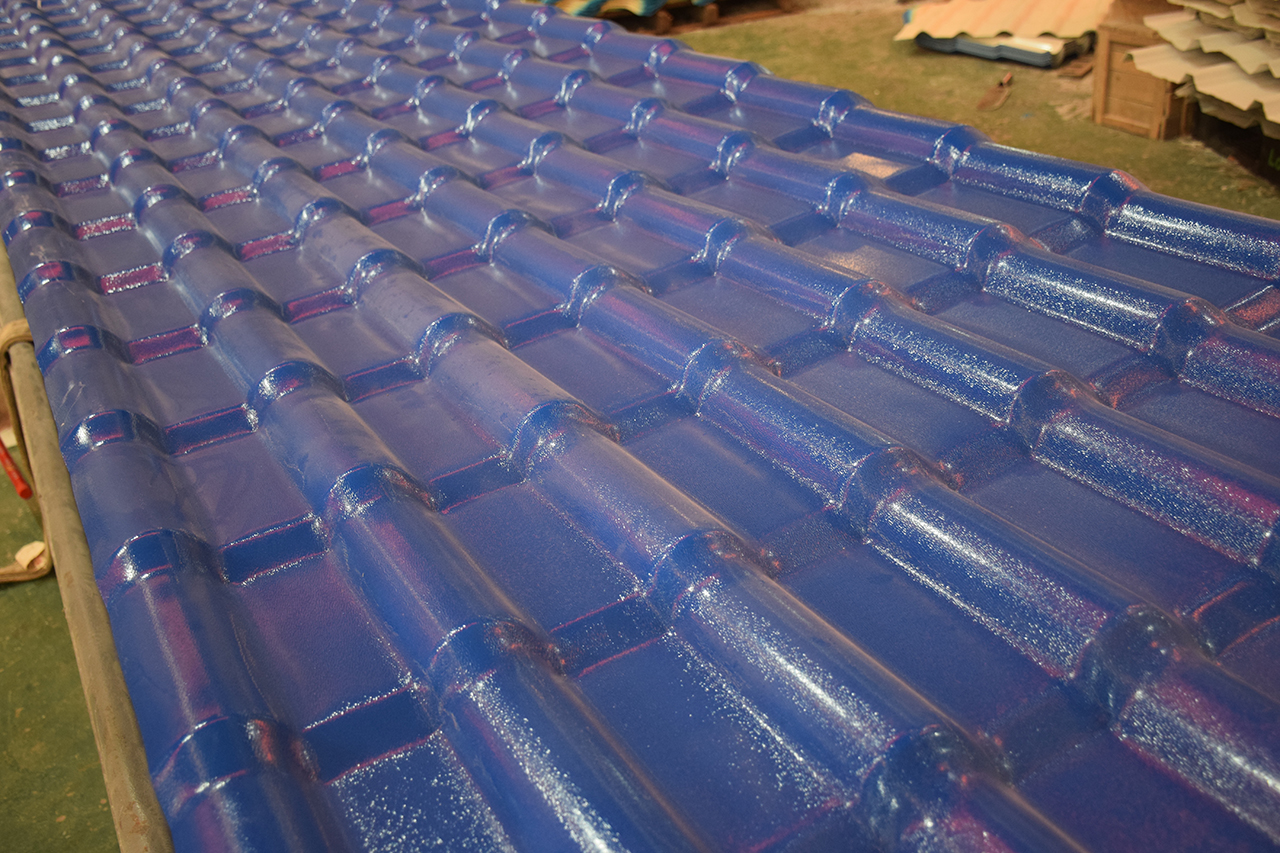
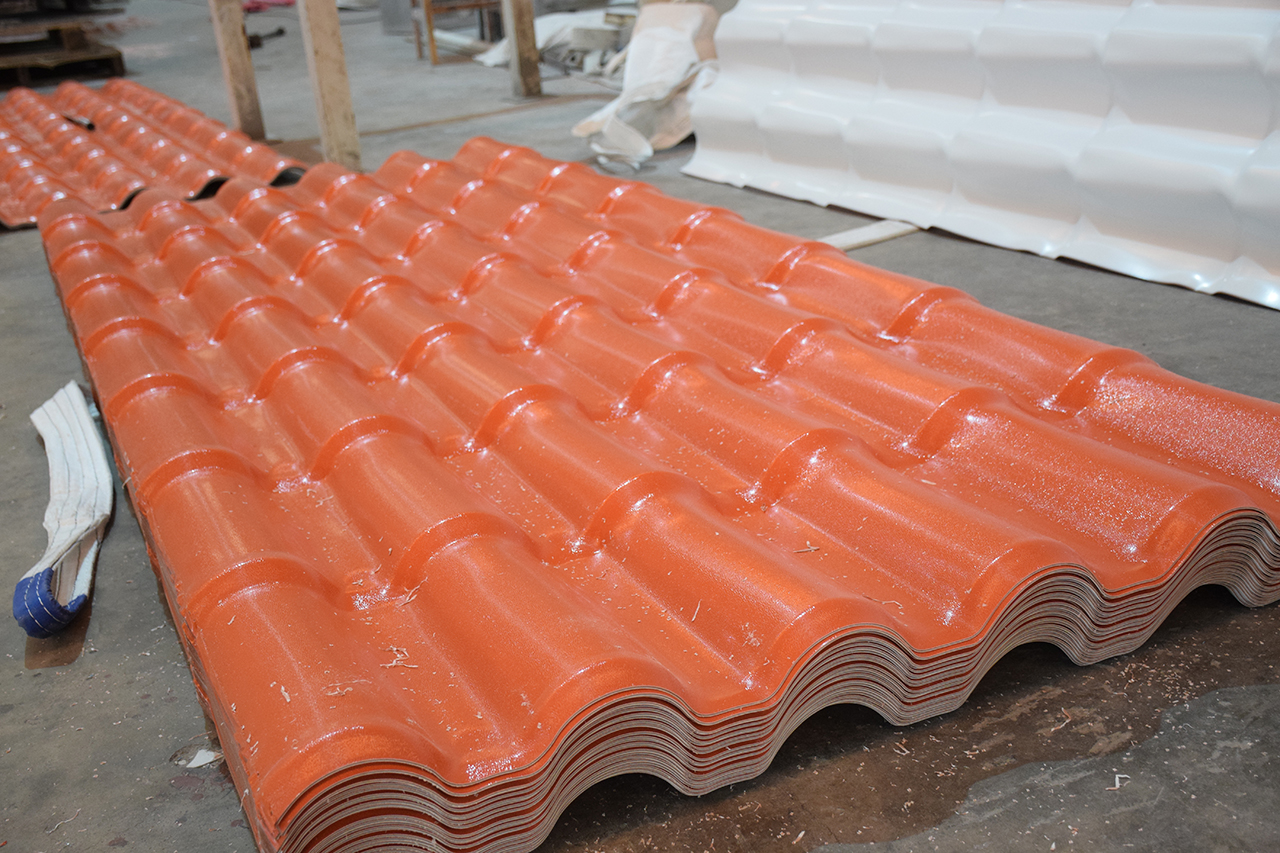
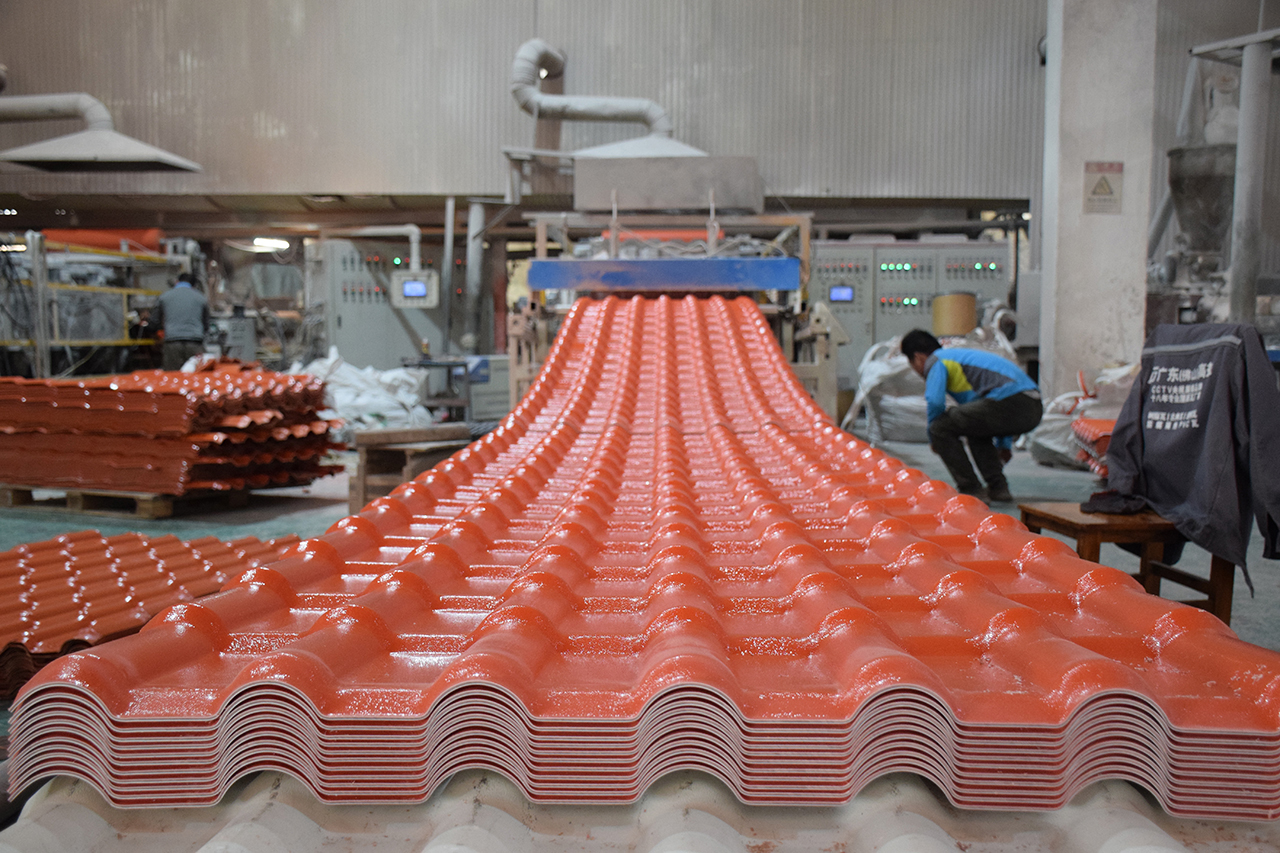
Resin roofing tiles weigh only one-third as much as clay tiles, and since they can be installed directly over an existing roof, you can save on both the cost of removing the old tiles and the cost of reinforcing the roof structure. Test data presented by Guangdong Gaoyi Building Materials shows that high-quality ASA composite resin tiles offer exceptional weather resistance; the co-extrusion process ensures they will not fade for 30 years, and their thermal insulation performance exceeds that of clay tiles by more than 30%.
When it comes to the resin roofing tile market, it’s truly a mixed bag. If you buy low-quality products priced below 30 yuan per square meter, they’ll start to become brittle and crack in as little as two years. A homeowner from Ningbo, looking to save money, chose resin roofing tiles priced at 25 yuan per square meter—only to have half of them blown away by a typhoon. That’s why it’s essential to verify the test reports and warranty commitments issued by reputable manufacturers; only then can you avoid this major pitfall.
Before Choosing a Roof, Consider These Three Factors—Don’t Let a Single Perspective Mislead You
The first point concerns structural considerations: Are the load-bearing beams of your villa capable of supporting the weight of clay tiles, each weighing 9.5 kilograms? The second point concerns climatic considerations: In coastal cities, typhoons occur frequently, and asphalt shingles are very prone to being blown off by strong winds; in hot regions, clay tiles offer poor thermal insulation, whereas resin tiles have a significant advantage in this regard. The third point concerns the time factor: Do you plan to live there for 5 years or 20 years? If it’s a short-term stay, choose asphalt shingles; if it’s a long-term stay, choose resin tiles or clay tiles.
I suggest you find a professional structural engineer to come to your home for an assessment. Wait until you receive a written report before making a decision. The consultation fee of a few hundred yuan could help you save tens of thousands of yuan in rework costs. The roof is both the “face” and the “backbone” of a villa; you shouldn’t focus solely on the price tag.
The construction team is more important than the materials; 30 percent is the materials, 70 percent is the installation.
No matter how high-quality the roofing tiles are, they’re a waste if installed by a sloppy construction crew. Clay tiles require professional cutting and overlapping to prevent leaks; For asphalt shingles, the spacing between nails must be precise, with at least six nails securing each shingle; for resin shingles, the overlap length must not be less than 10 centimeters. I’ve seen far too many cases like this: the right materials were purchased, but the workers lacked experience, resulting in leaks and subsequent complaints.
Before signing the contract, be sure to ask the construction team to show you photos of completed projects of a similar nature, as well as customer reviews. It’s best to agree on warranty terms, with the warranty period for waterproofing being no less than 5 years, and the material warranty following the manufacturer’s standards. Never rely on verbal promises; only terms that are clearly stated in writing in the contract are reliable.
Don’t blindly follow trends set by influencers—your villa has its own unique characteristics.
Most of the “trendy” roofs featured on TikTok and Xiaohongshu are specific cases. For example, one blogger posted photos of a villa with clay tile roofing, but her house was newly built, and its structure was designed specifically for clay tiles. If you’re renovating an older villa, it simply isn’t suitable to copy that design exactly. Additionally, some people recommend asphalt shingles, but their homes are in dry northern regions where asphalt shingles have a long lifespan—whereas your home is in a humid southern region, so the situations are completely different.
Here’s some advice: Put together a “health check report” for your future villa, covering the home’s age, structural type, and data related to the local climate, and clearly define your budget ceiling. Share this information with three suppliers of different materials, then compare the proposals and quotes they provide. Only by doing so will you be able to choose the option you won’t regret.
After reading this article, have you already started planning an “inspection” of your own roof? Which type of material do you prefer? Or perhaps you’ve already had the experience of falling into a “trap”? Feel free to share your experiences in the comments section. Please like and save this article so that more friends can avoid “unnecessary expenses” during their roof renovation projects!