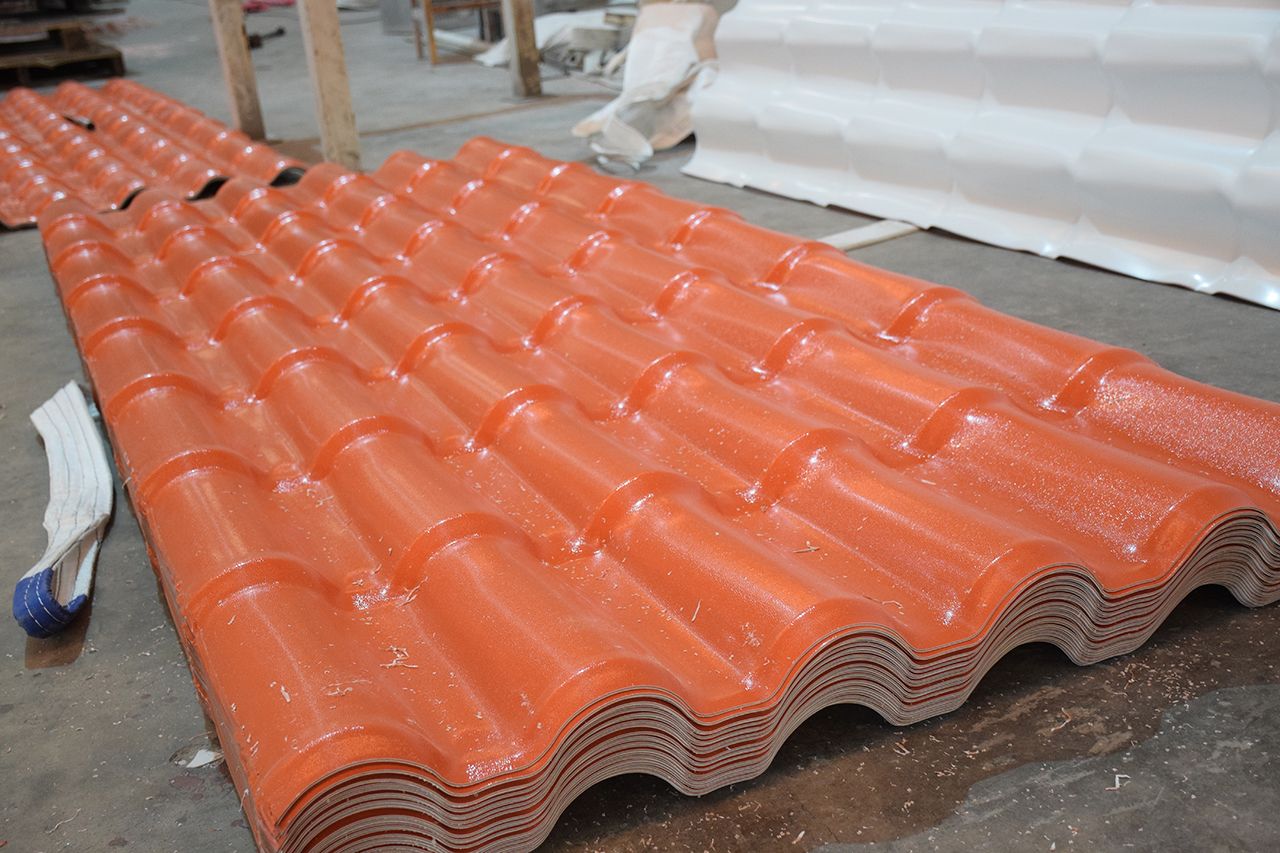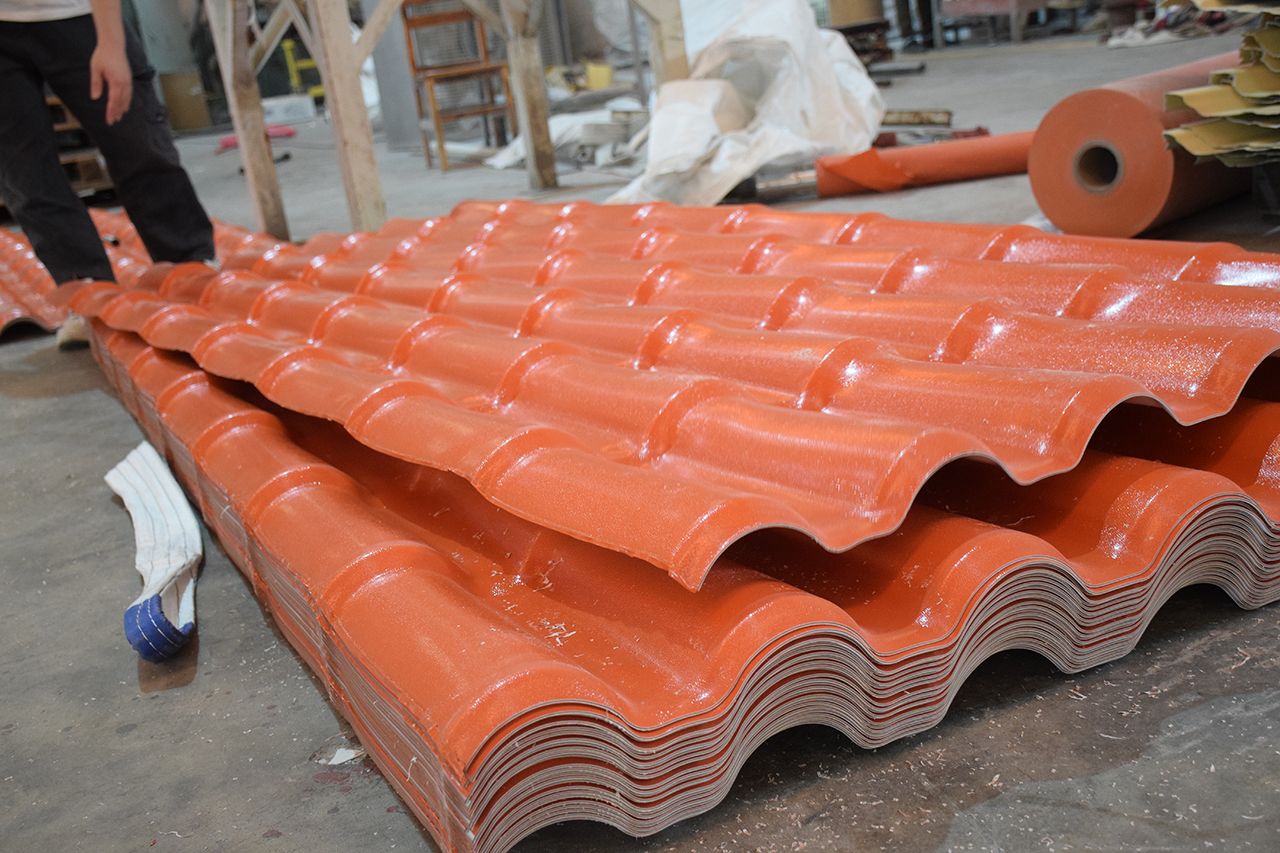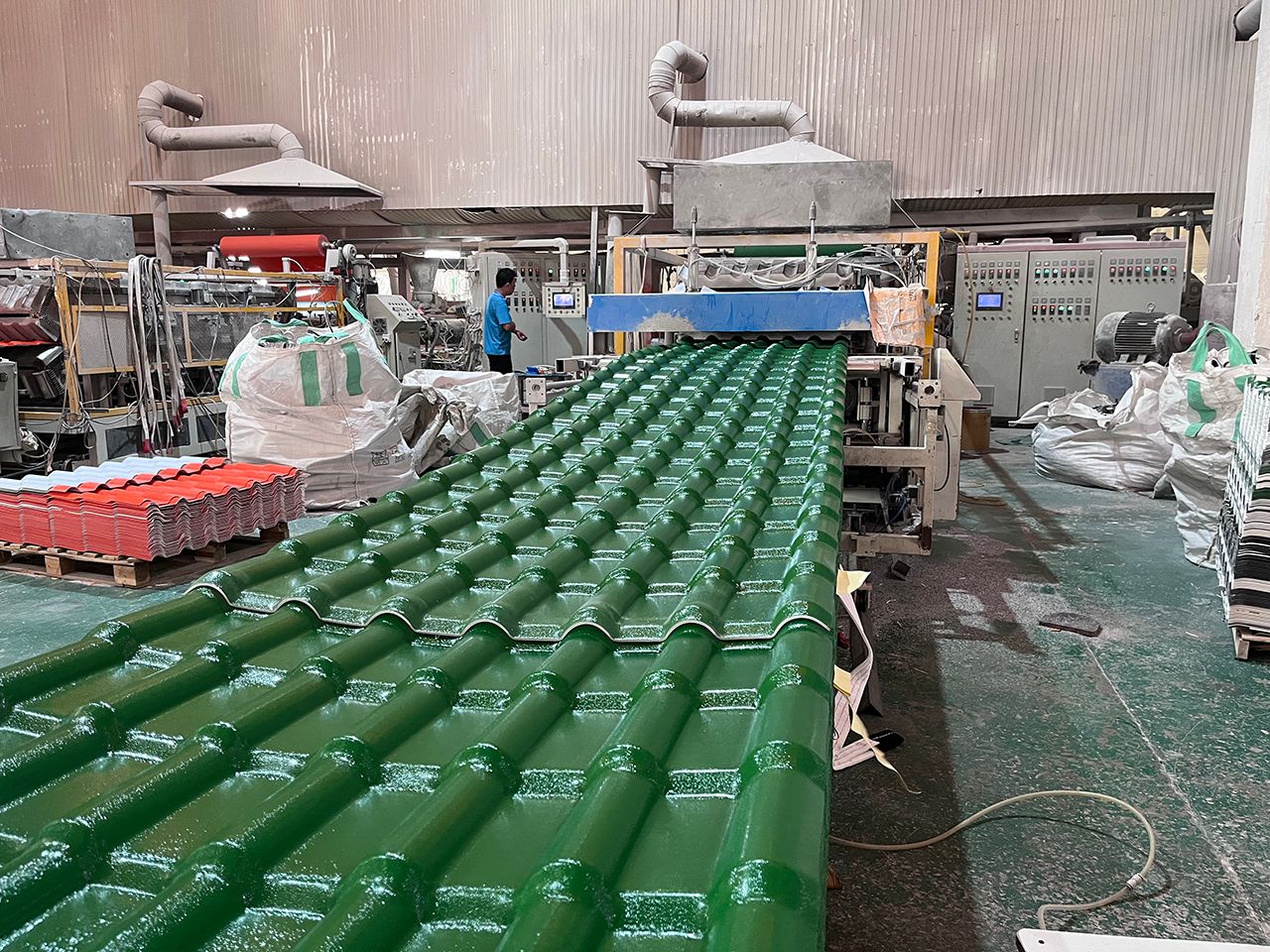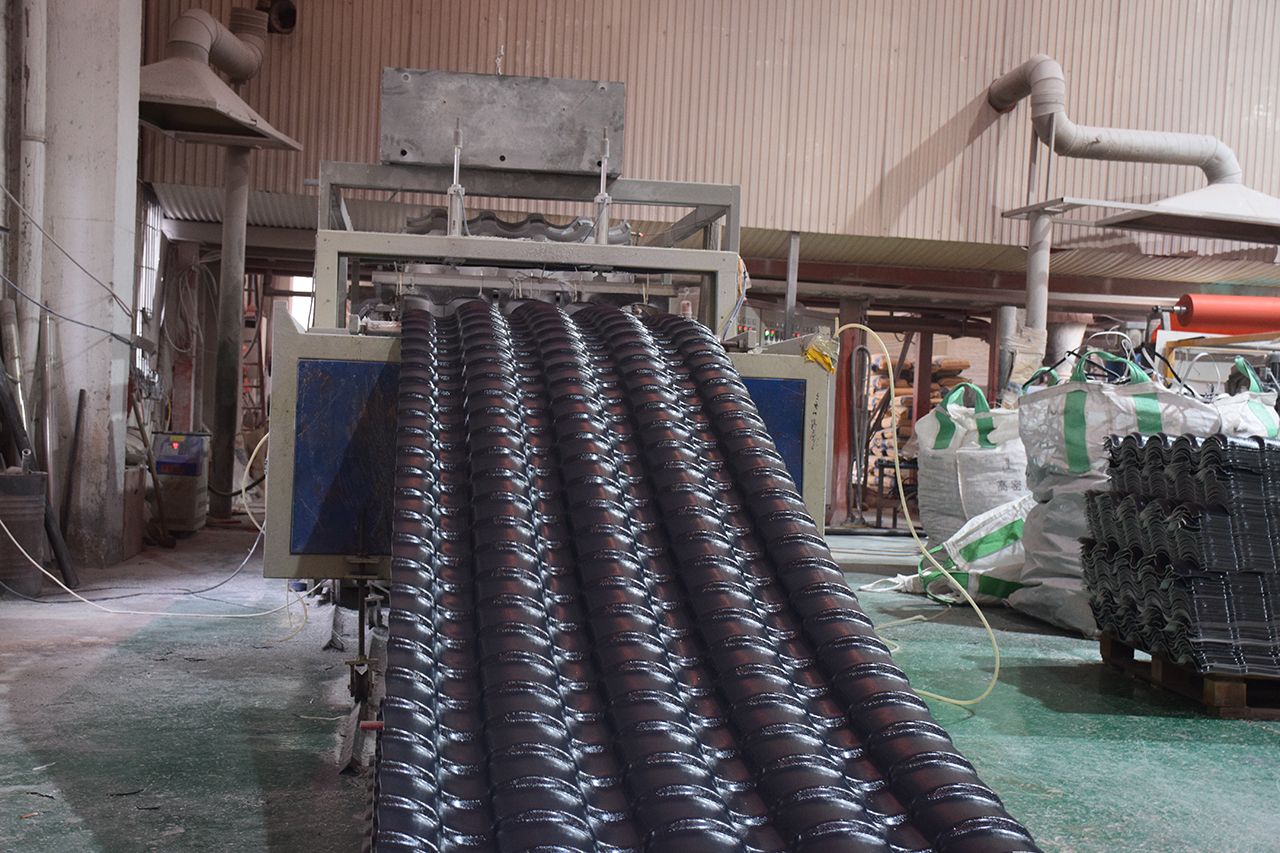
When procuring roofing materials, the selection criteria for choosing a large-scale resin tile manufacturer are often more practical than simply relying on brand recognition. In the following sections, this article will explore three specific aspects—production capacity, equipment configuration, and quality control—to discuss and explain how to determine whether a resin tile manufacturer is suitable for long-term, in-depth cooperation.
Large-Scale Resin Roof Tile FactoryWhat to Watch
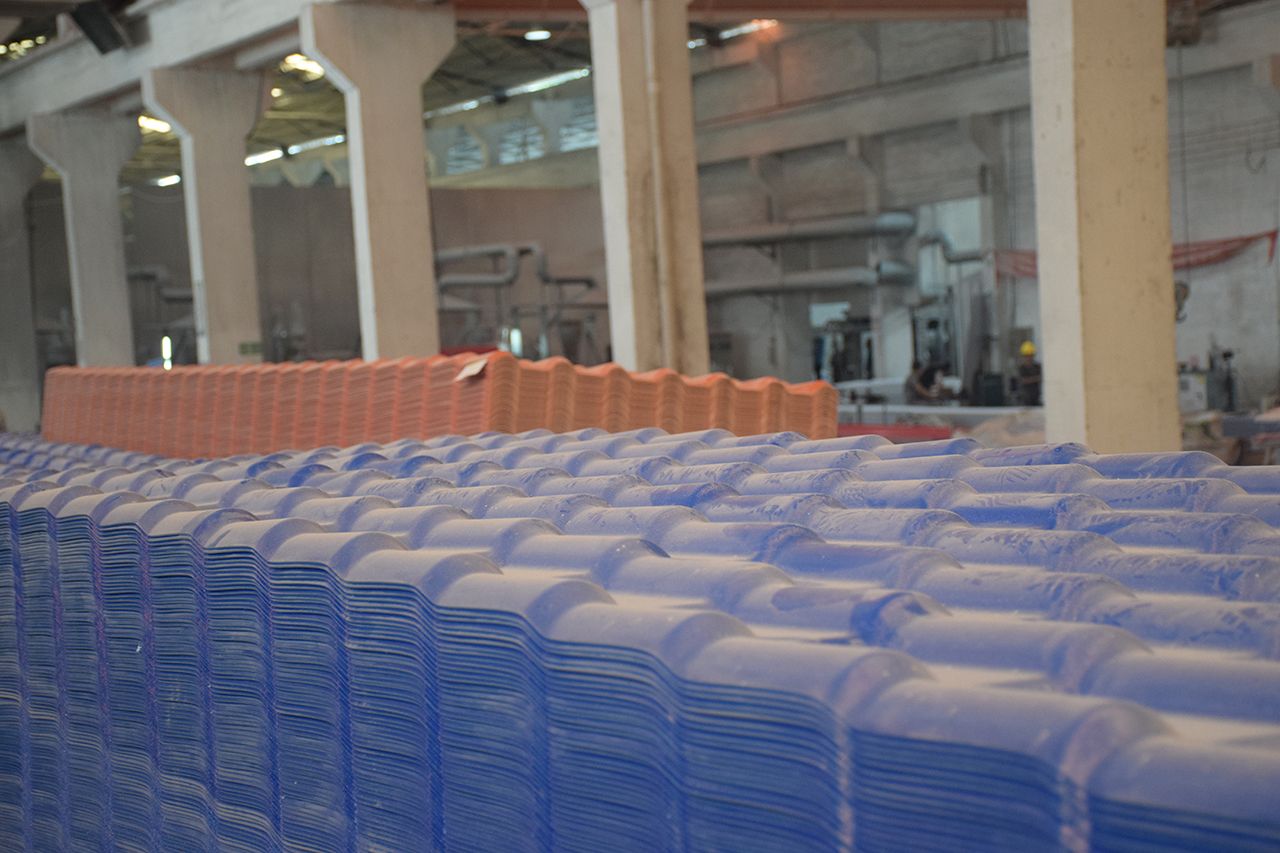
Production capacity is a mandatory target that must be met. For example, a complete production line for manufacturing ASA synthetic resin roofing tiles has an annual output ranging from approximately two million to three million meters.
If you encounter a situation where the project is particularly large and the lead time is very tight, you absolutely must confirm whether the factory has two or more production lines operating simultaneously behind the scenes. Otherwise, if it happens to coincide with the peak sales season, there’s a very high probability of stockouts, which will inevitably cause delays in the project timeline.
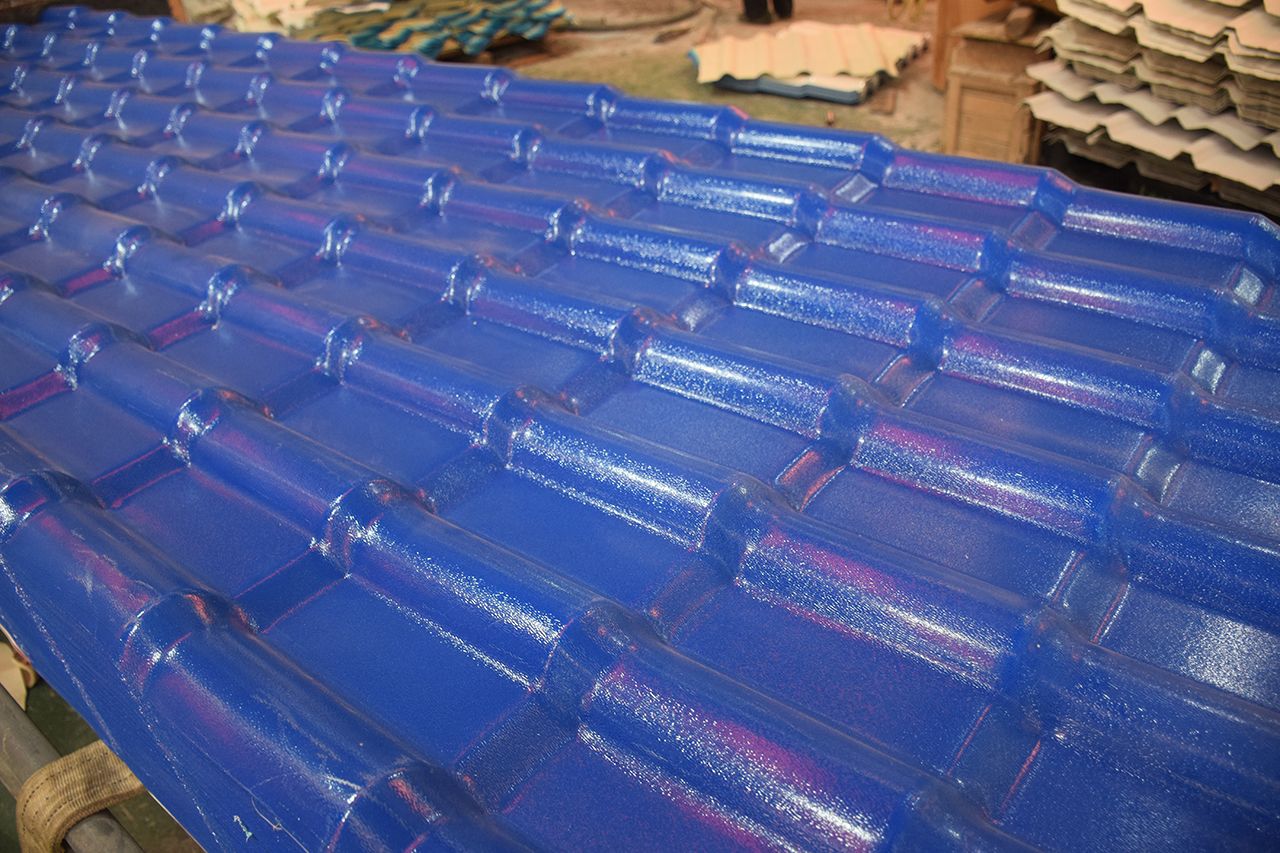
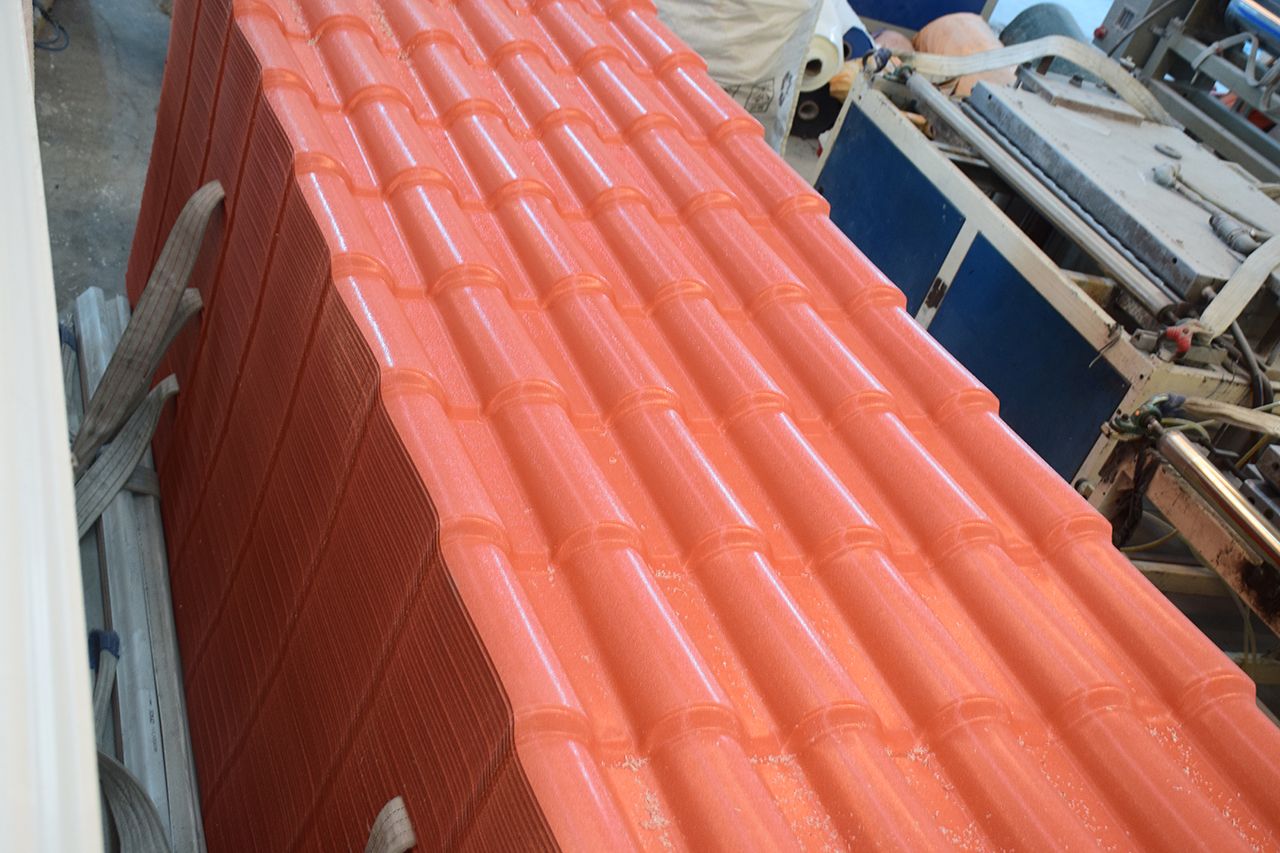
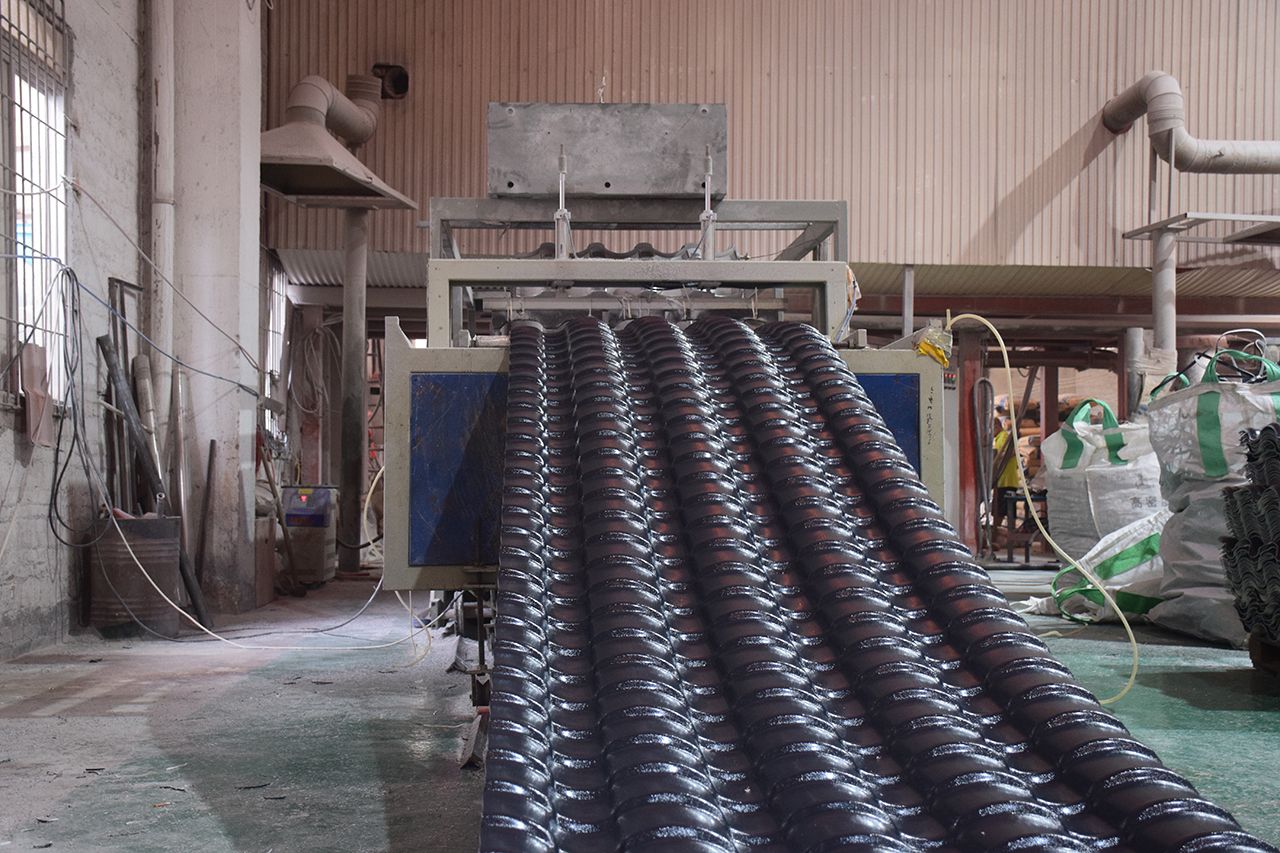
The quality of the equipment directly affects the flatness of the tiles and the degree of color variation. If an imported extruder is used in conjunction with a molding station, the resulting roof tiles will have very few burrs along the edges and a highly uniform thickness. When installed on a roof, these tiles will not curl at the edges even after ten years of use.
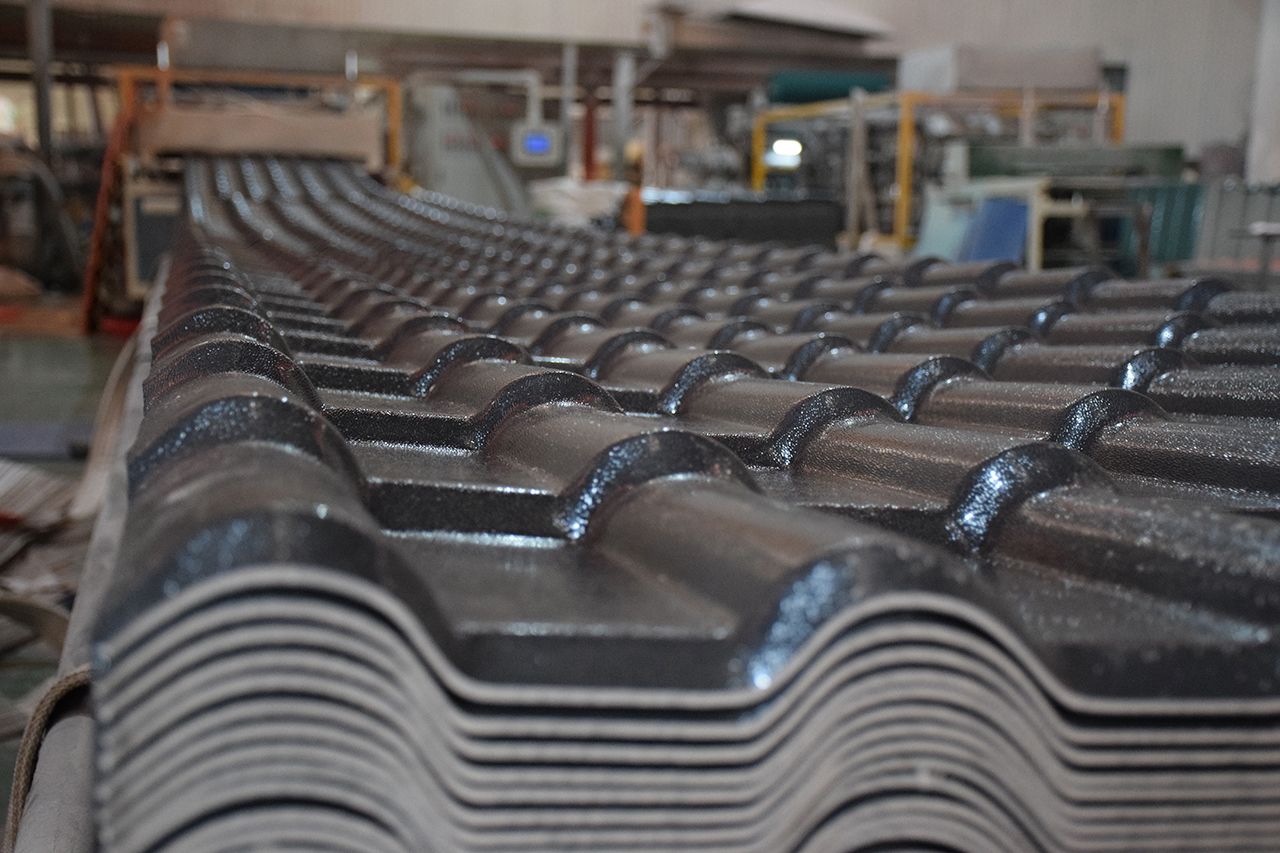
Although domestically produced equipment is not unusable, it is still best to rely on foreign-made core components for the most critical production processes, as the overall stability of the former is significantly inferior.
How to Avoid Pitfalls When Choosing a Resin Roof Tile Manufacturer
Don't just look at the samples. Samples are specifically selected to be shown to you; what you really need to verify and inspect are the details regardingConsistency Across Bulk ShipmentsRegarding this issue, you need to ask the other party to provide you with their shipping records and return rates for the past three months. If you find that their return rate exceeds 2 percent, then that factory likely has issues with quality control.
Conducting an on-site factory audit is far more effective than simply watching promotional videos. You should focus on observing the ASA pellets stored in the raw materials warehouse and noting the lot numbers marked on the APVC, while also listening carefully to the sounds the production line makes while it’s running.
If the equipment in a factory has become worn out, the finished roof tiles it produces will emit a dull sound when tapped, indicating that their toughness does not meet the required standards.
The key to a processing plant lies in two specific factors: first, its production capacity must be sufficient to fully support the project’s overall timeline; second, its quality control must meet standards that can withstand large-scale batch testing. Only by thoroughly verifying these two practical aspects can subsequent stages of cooperation proceed without any particularly serious problems or errors.
Keywords: Large-scale resin roofing tile factory