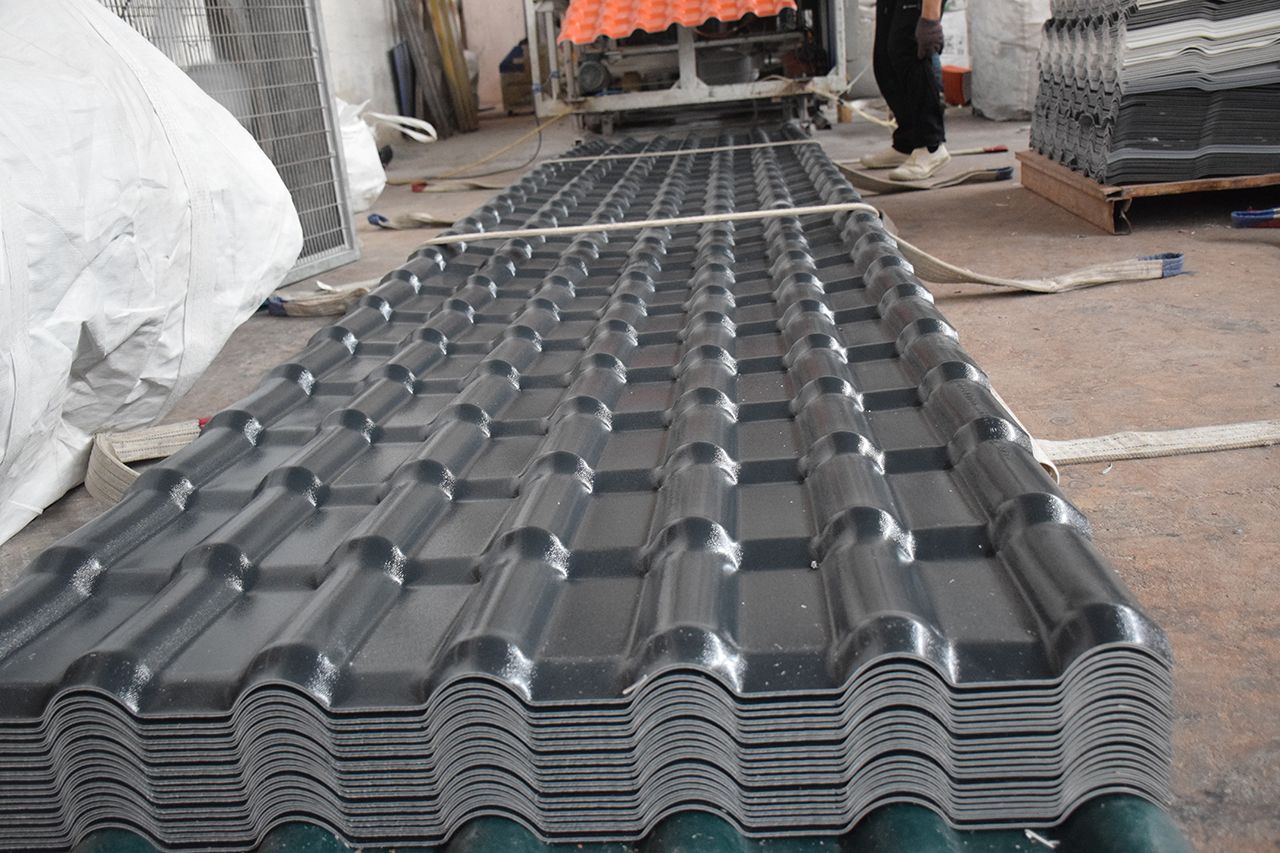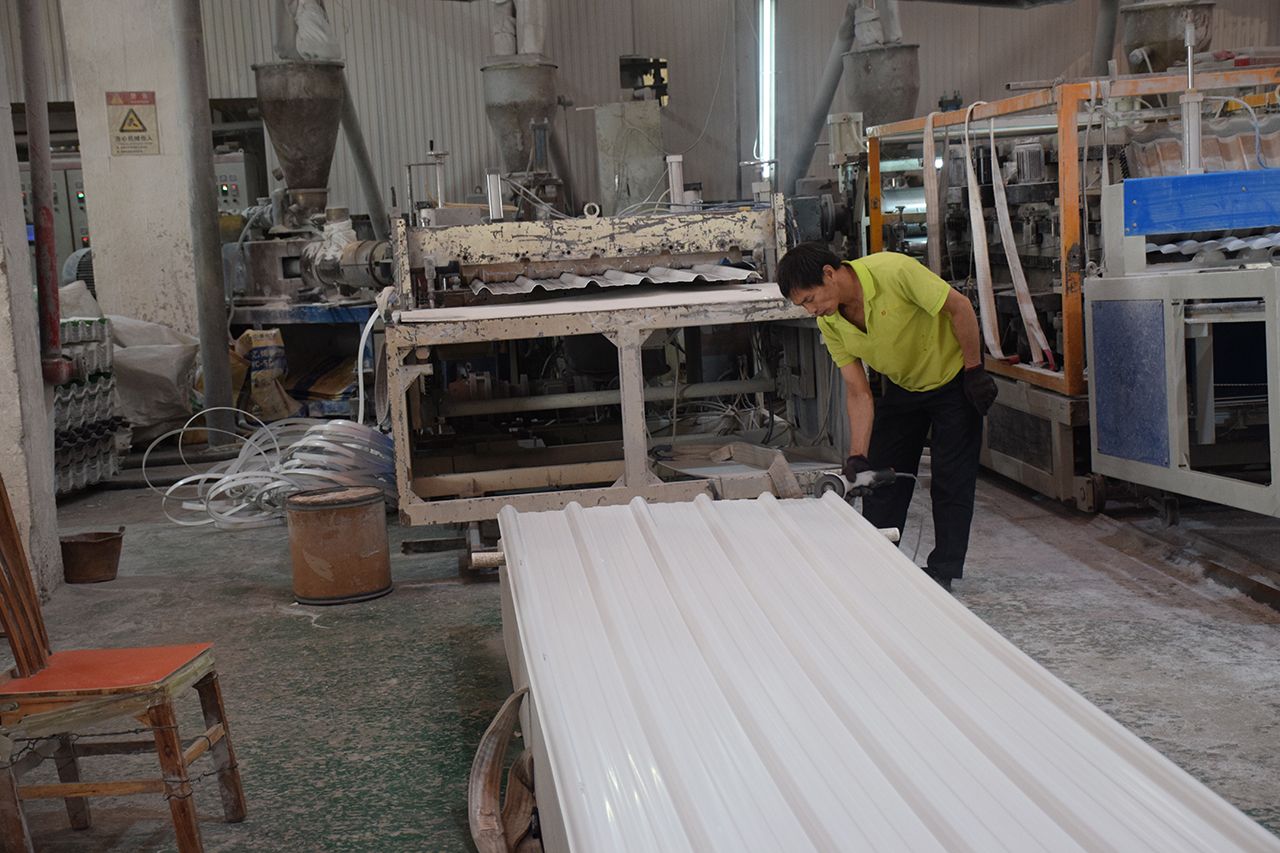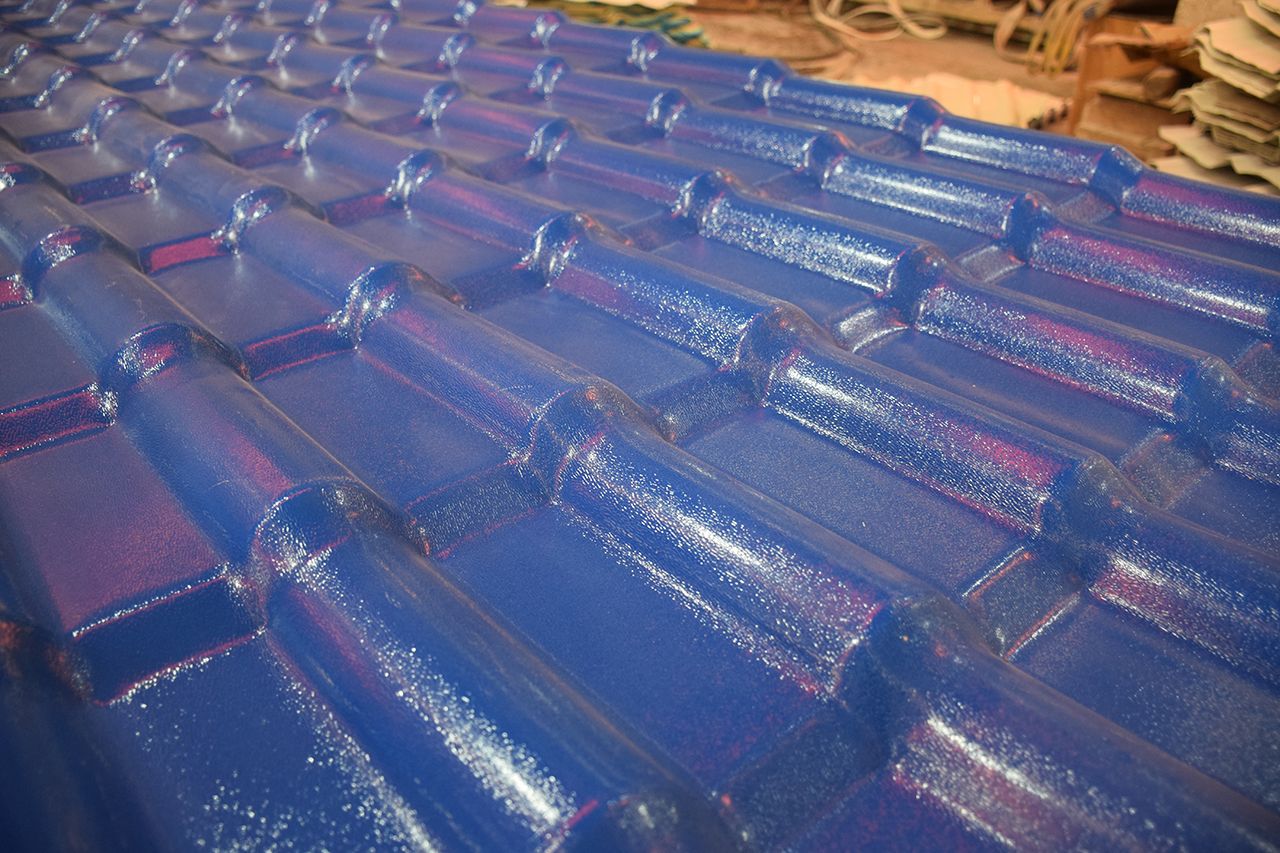
The environmental philosophy of resin roofing tile factories is indeed being discussed more and more frequently these days. However, most buyers don’t actually have a clear understanding of it, because they don’t quite grasp how it relates to their own purchasing decisions.
To put it in the simplest terms, this issue really boils down to two key factors: First, whether the production and manufacturing process is sufficiently clean and hygienic; and second, whether the final product itself poses any health risks to humans.
What Does the Concept of Environmental Protection Actually Encompass?
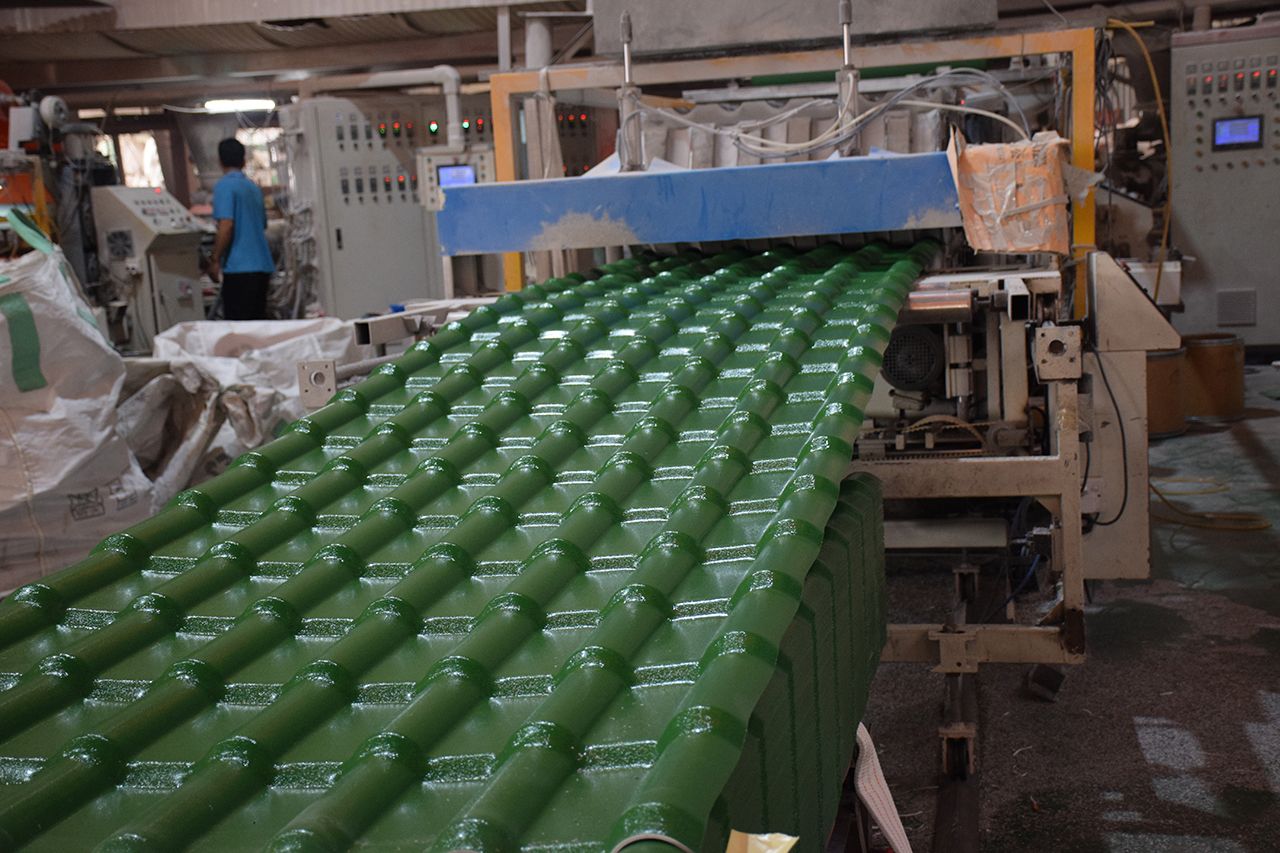
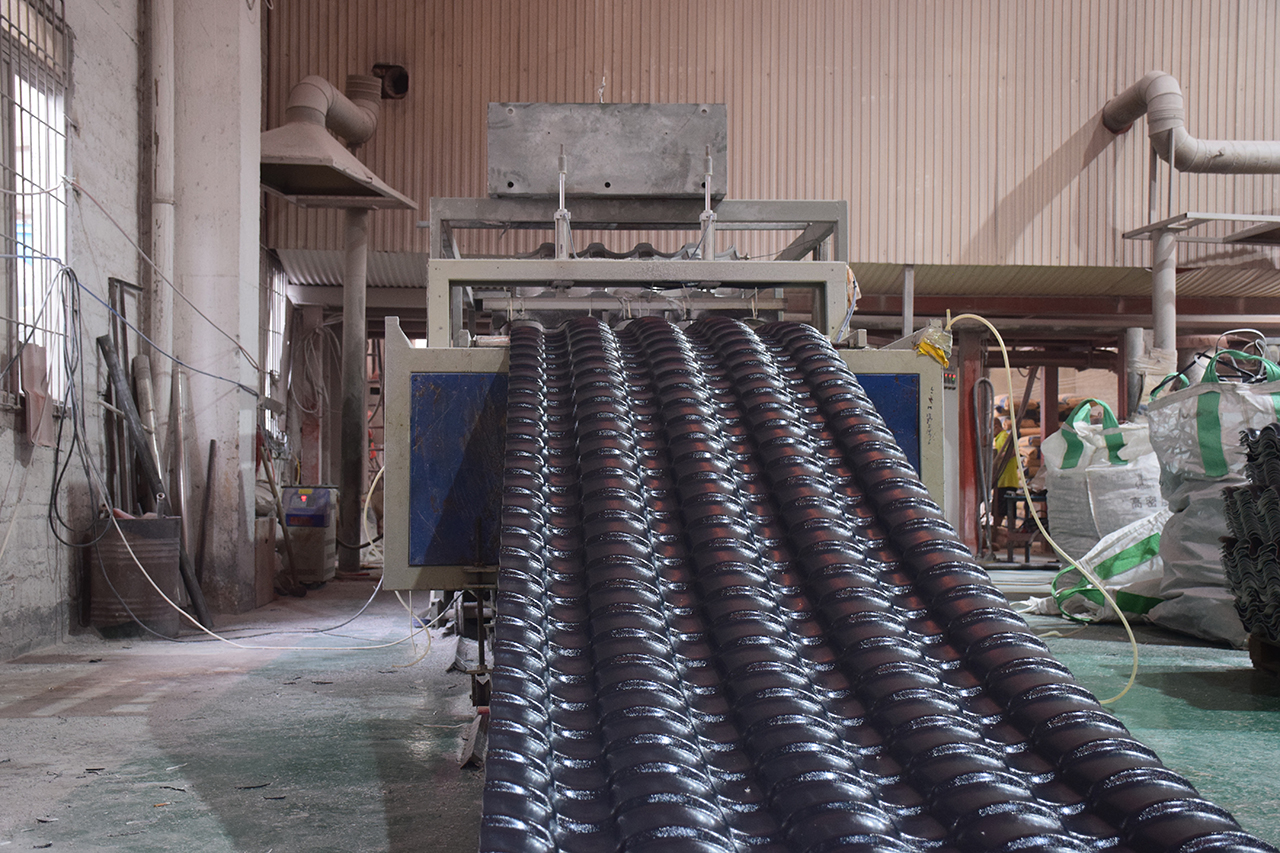
During that stage of production, the scrap recovery rate on a production line for compliant resin roofing tiles must exceed90 percentAt this level, dust and volatile organic compounds must be completely treated inside the workshop. I’ve seen factories invest as much as 700,000 to 800,000 yuan just to treat exhaust gases—this is a real, tangible cost that has already been incurred, and it’s definitely not an investment made merely for show.
From a product perspective, this approach is a bit more direct. If you notice that genuine resin roofing tiles have no odor, the easiest way to determine their authenticity is to check whether they come with a formaldehyde emission test report and lead content test data—and these reports must beThird-party test reports. If resin tile factories truly put environmental principles into practice, they certainly wouldn’t use substandard materials to deceive customers.
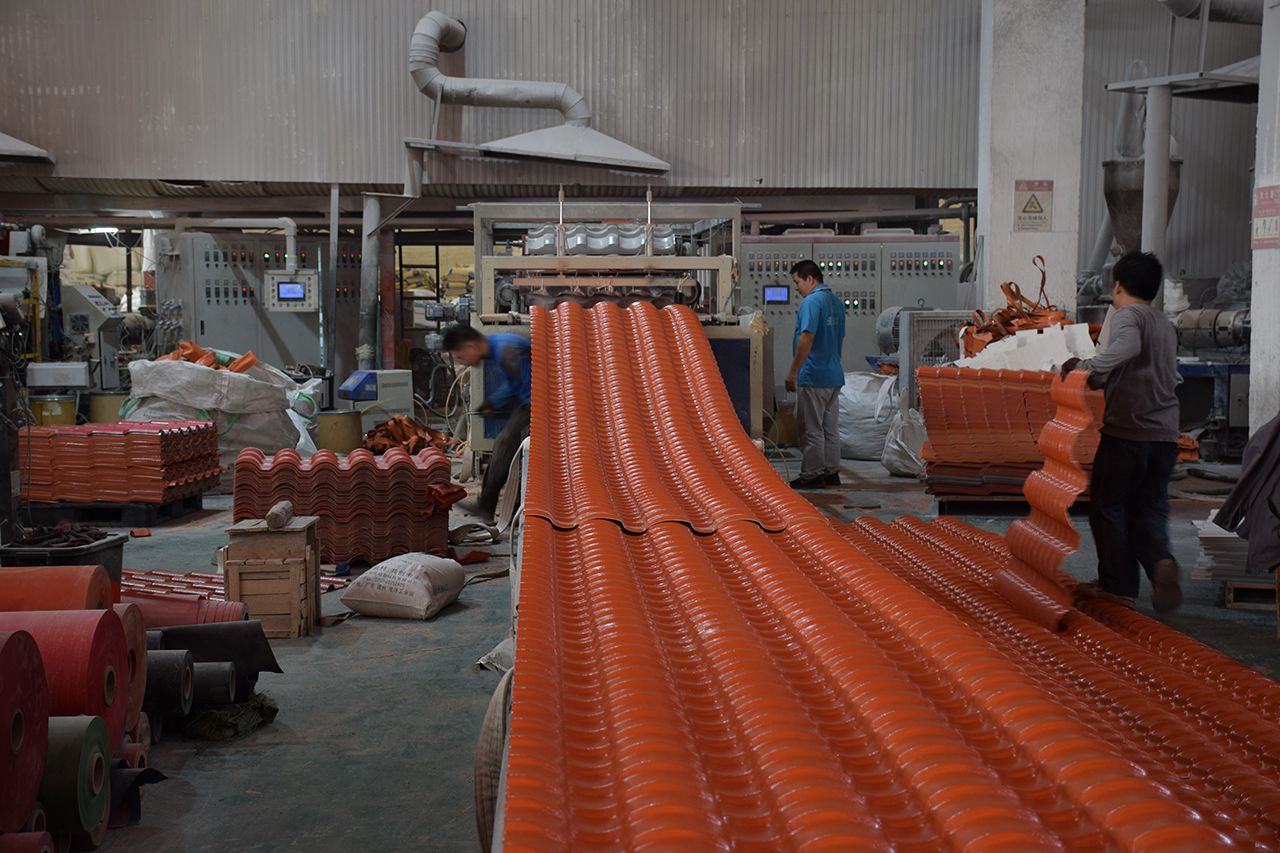
How can you tell if a factory is truly environmentally friendly?
The most effective way is to go to the site yourself. You need to see for yourself whether the ground is clean. You also need to see whether the waste is just piled up and left untouched, or if it’s been bagged and properly stored. You have to check whether water is flowing normally from the wastewater discharge outlet. Because these details and observations are far more authentic and concrete than anything you’ll find in a brochure.
We also need to continue paying attention to where the raw materials actually come from. Products like resin roofing tiles are primarily manufactured by combining polyester with fillers. Larger manufacturers typically useFood-Grade SlicesAs raw materials.
However, in small workshops and similar places, it’s very likely that they’re using a hodgepodge of materials as substitutes. In such cases, whether they can provide a lot number or not makes a world of difference—the gap in quality between the two is enormous.
This philosophy isn’t just something to hang on the wall as a slogan; it’s embedded in the costs invested at every stage of production, and it’s also reflected in the texture of the tiles you ultimately receive. Before you decide to buy, take ten minutes to examine the product carefully and understand it thoroughly—it’s far more cost-effective than having to deal with rework later on.
Keywords:Resin Tile Factory