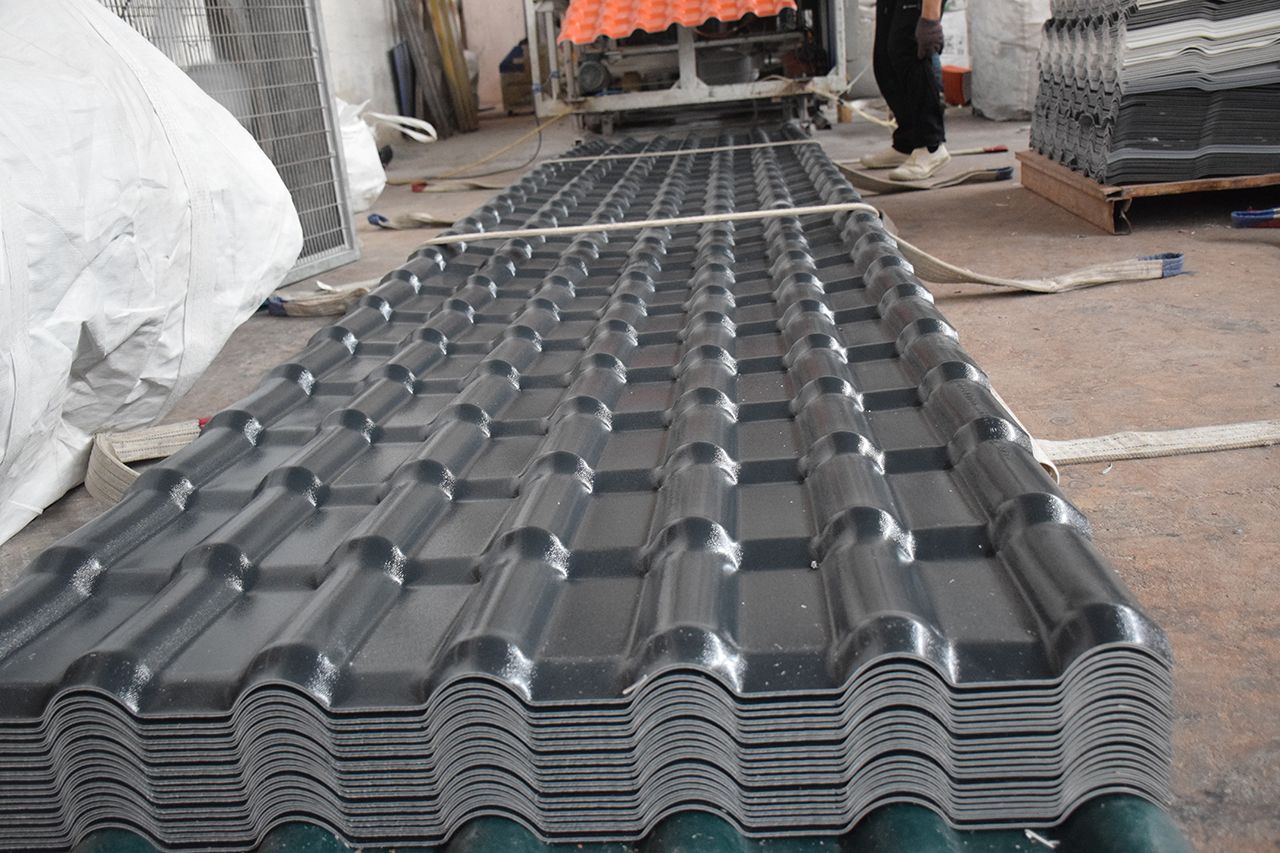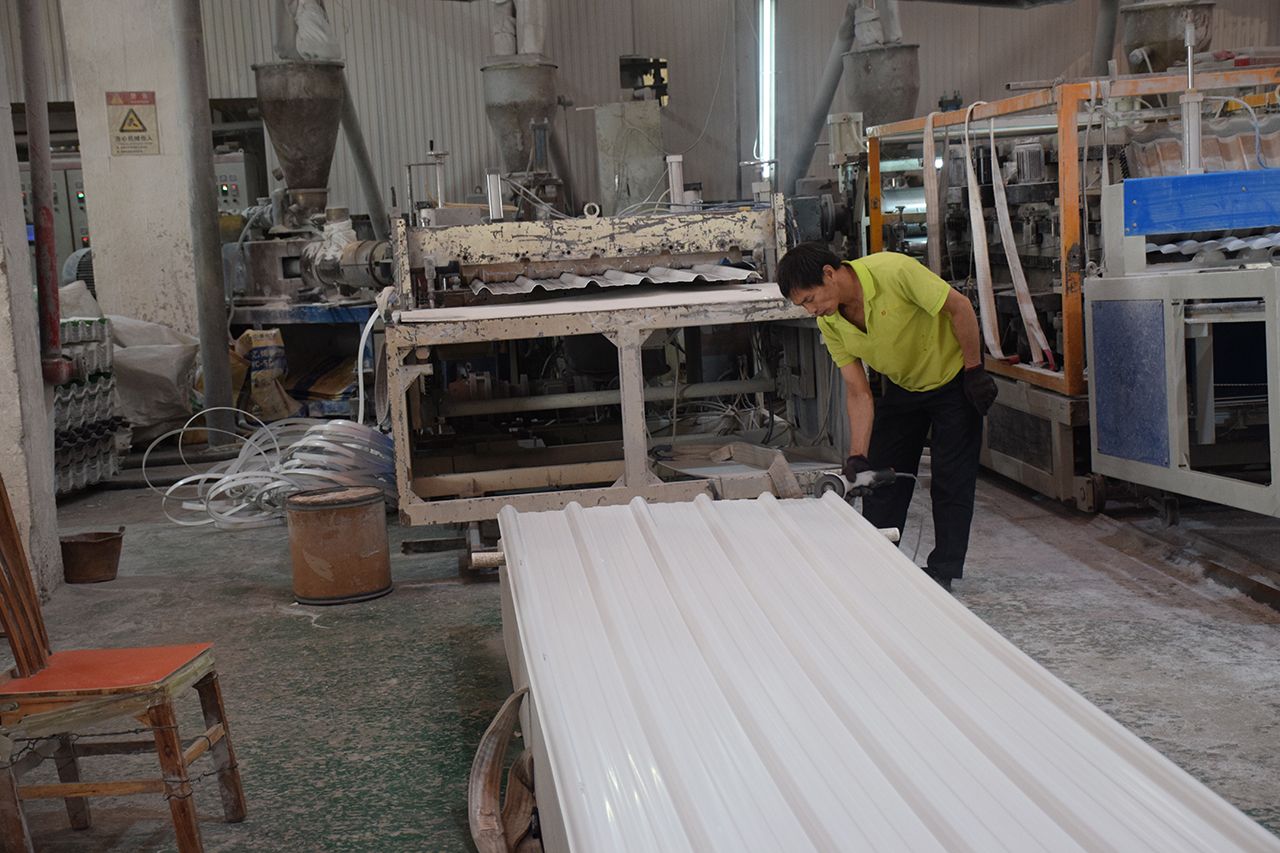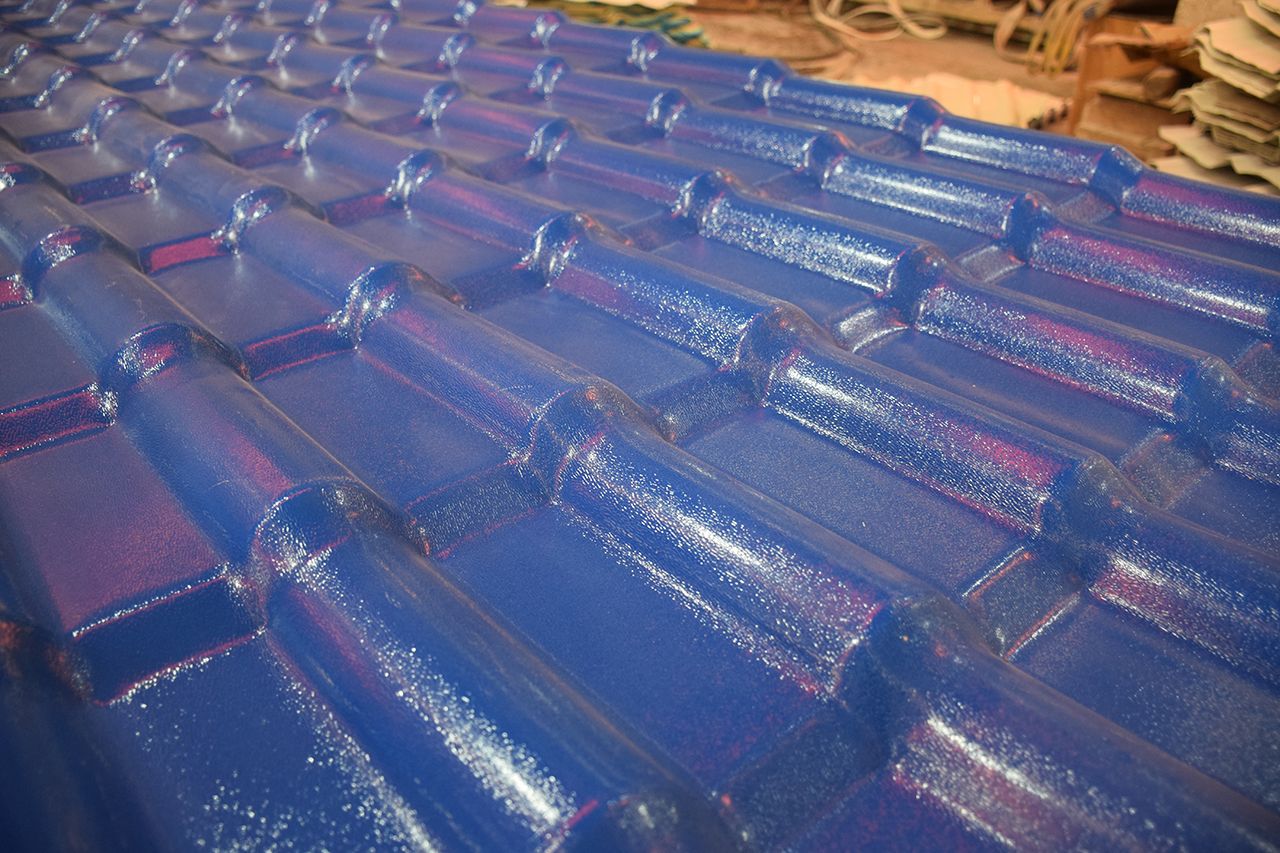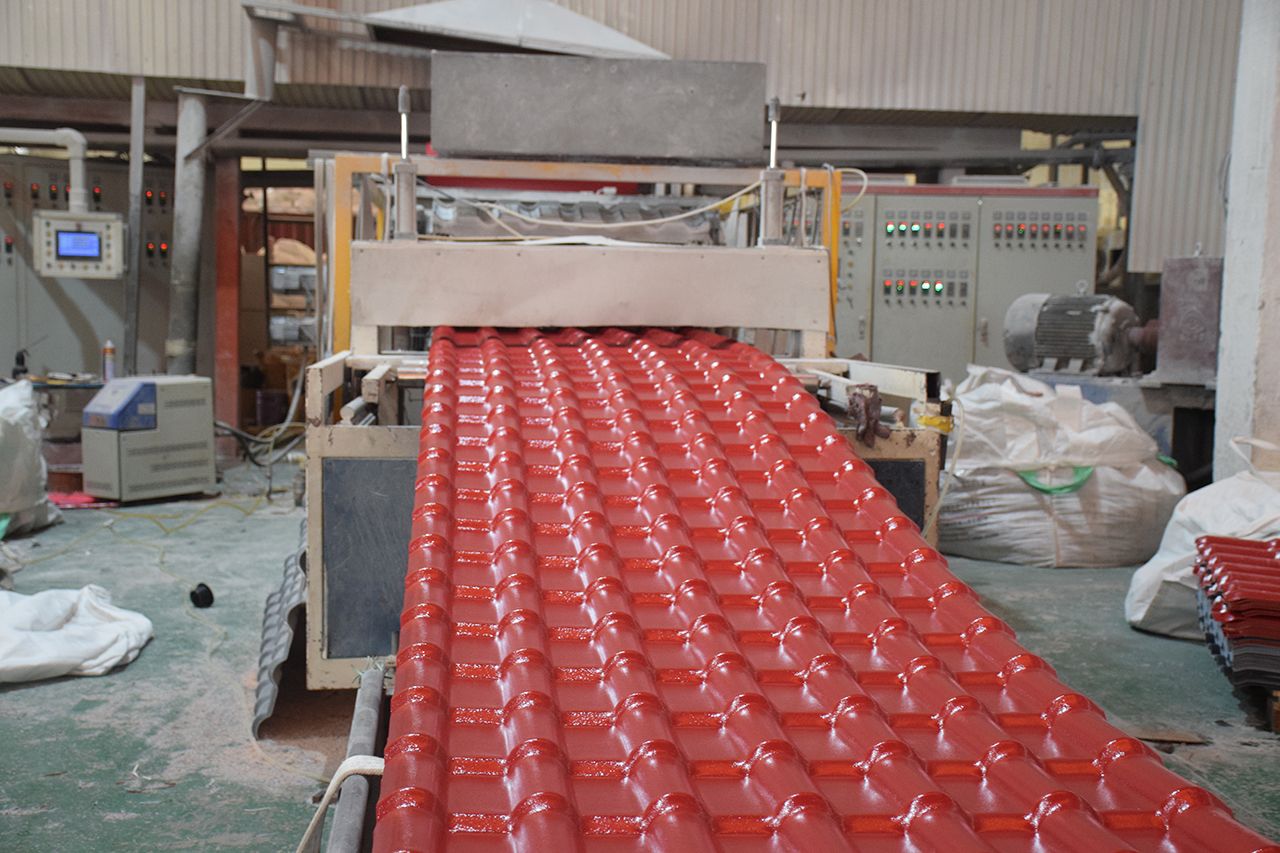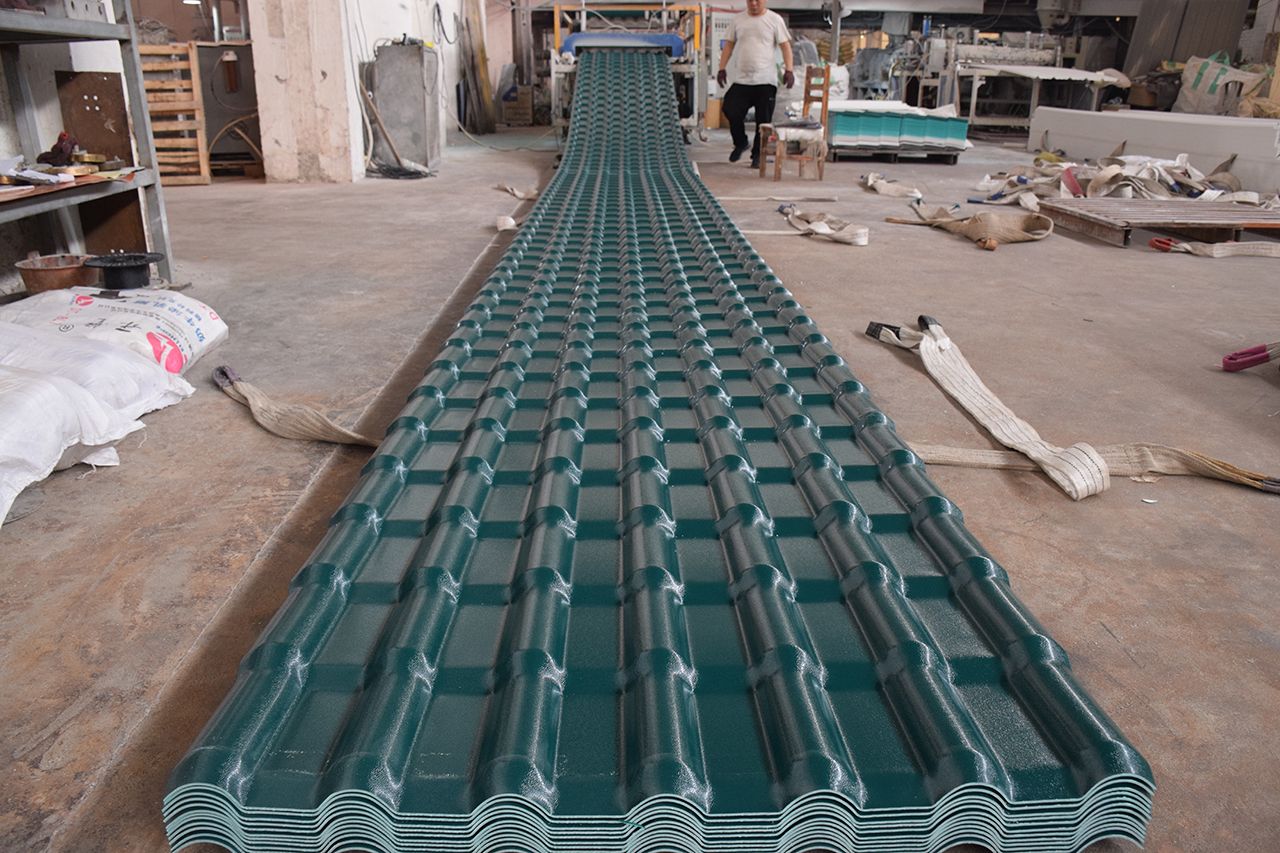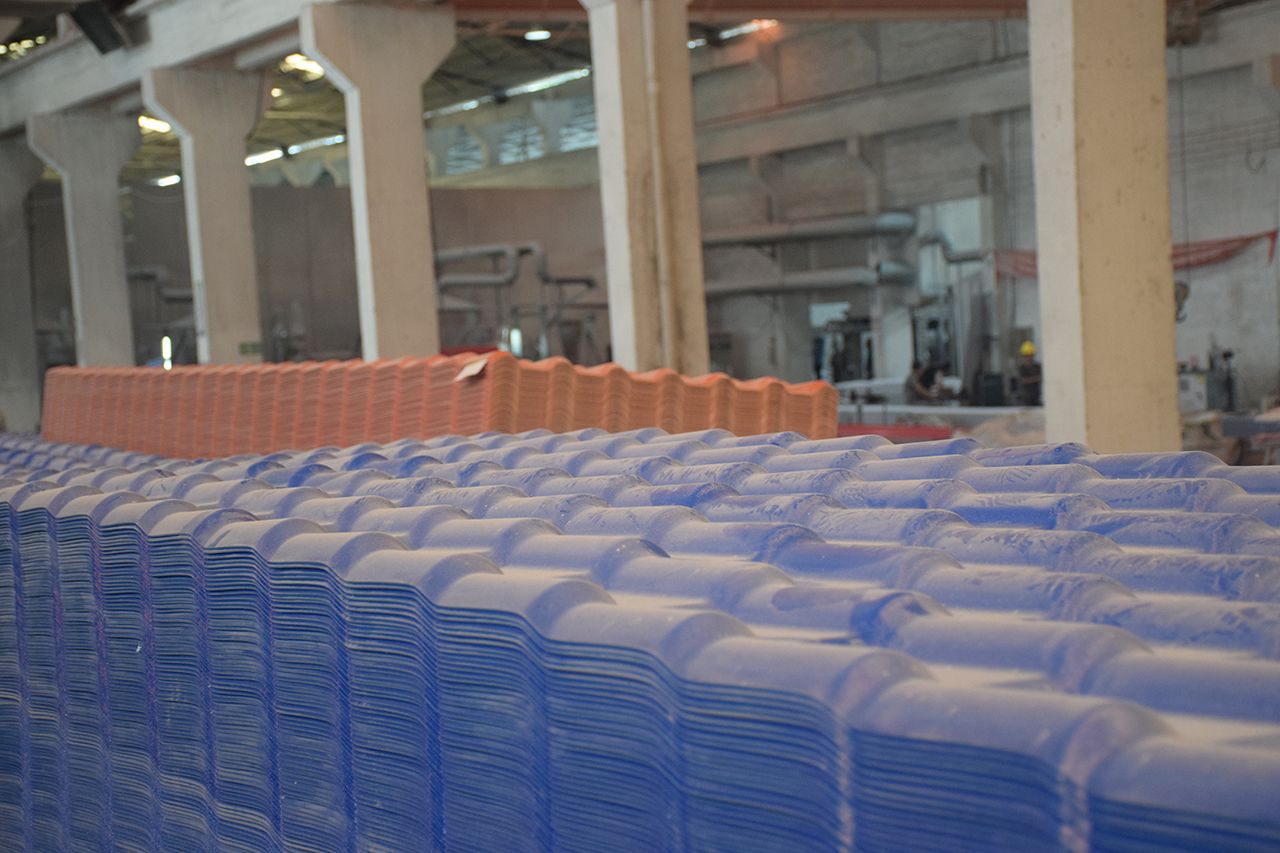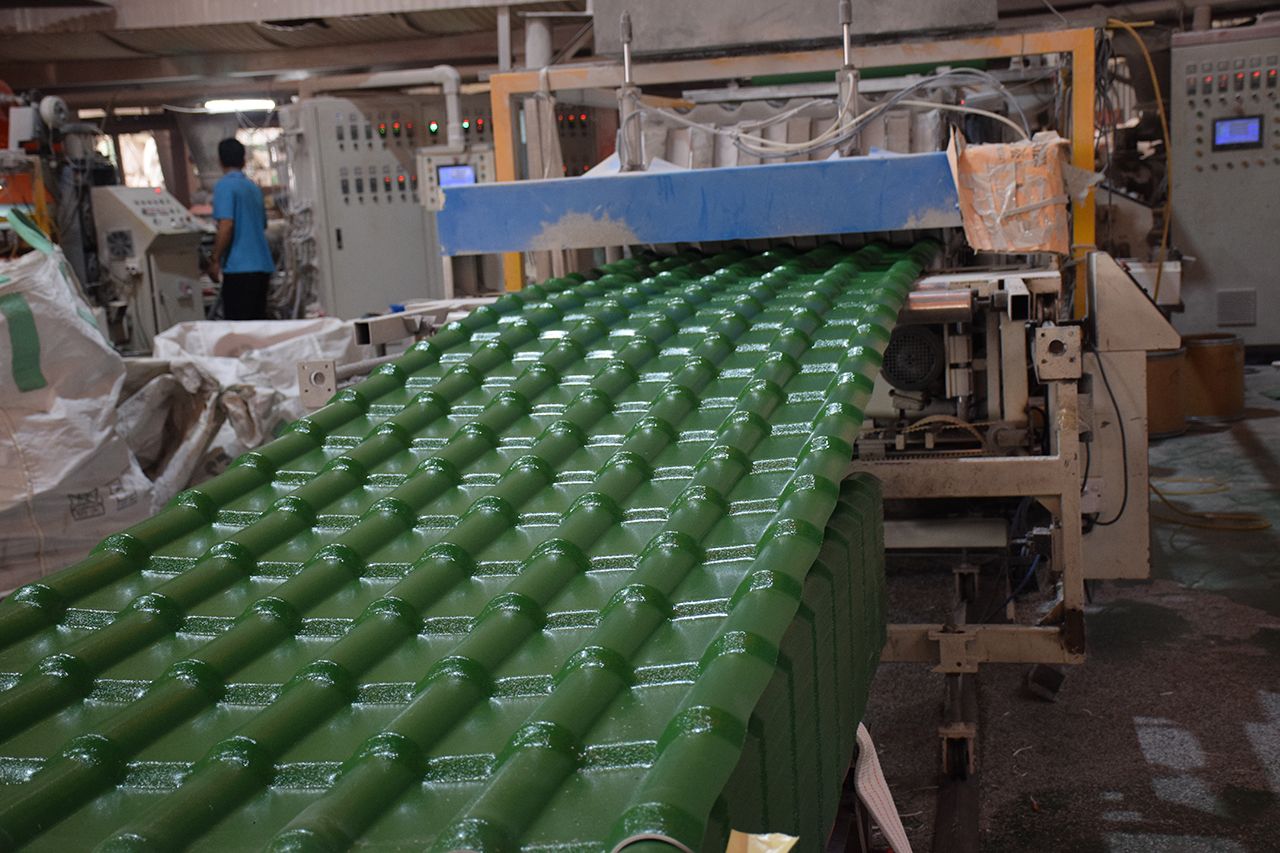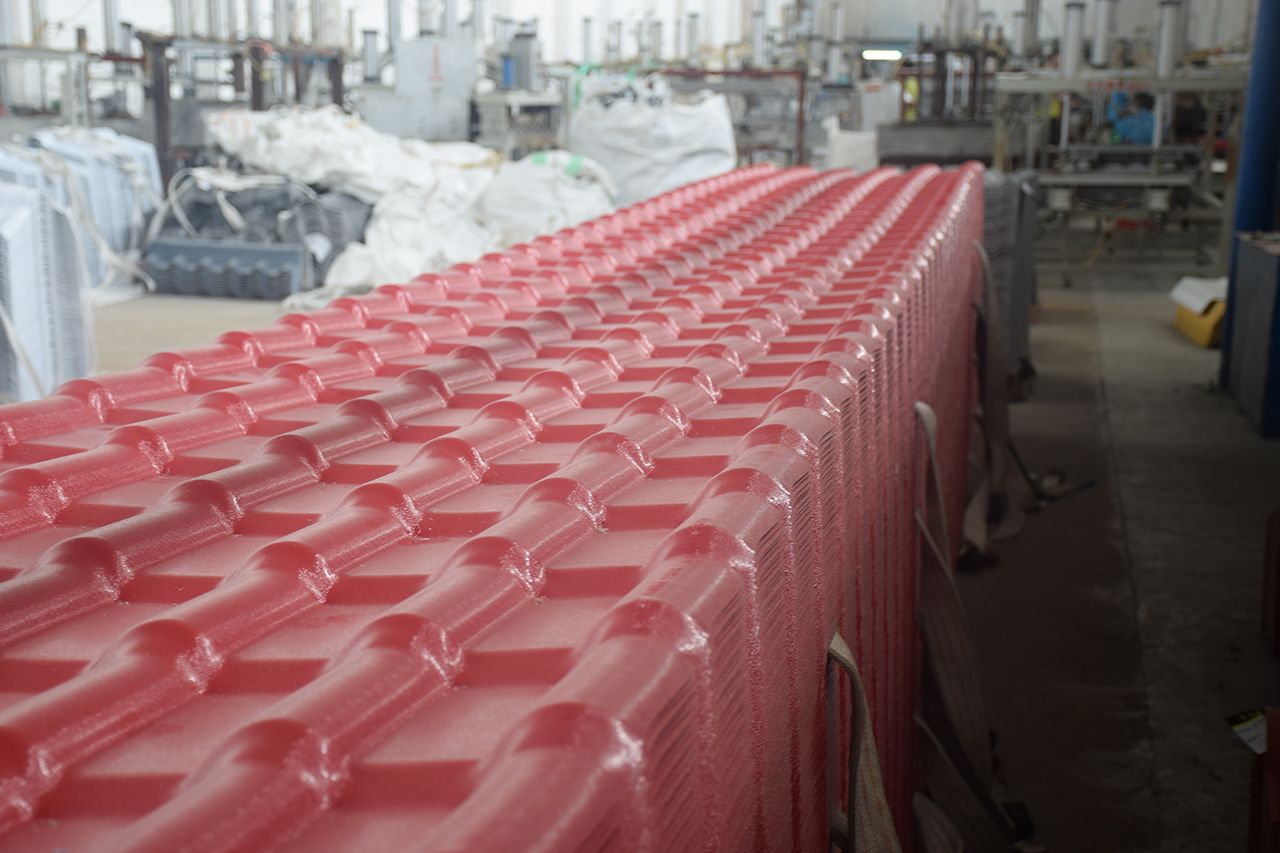
When it comes to producing resin roofing tiles, regardingResin Roof Tile Factory EquipmentThe configuration of the production line is a practical issue that simply cannot be avoided. From the raw material processing stage all the way through to the final cutting of the finished product, a single production line actually involves a great many machines.
If any omissions occur during the configuration process, this will have a very serious negative impact on actual production capacity and the quality of the final product. It is essential to go through all of these critical pieces of equipment one by one, following the actual sequence of plant construction, to ensure a clear understanding of the situation before deciding when to begin operations.
How much does resin roofing tile production line equipment cost?
The price range for a complete set of equipment varies considerably. If you’re purchasing a small manual cutting line, a budget of 300,000 to 400,000 yuan is sufficient to get the system up and running. As for medium- and large-scale equipment—which not only features in-line inspection capabilities but also includes automatic cutting configurations—the starting price is 600,000 to 700,000 yuan or more.
If the configuration is fully loaded, the price can exceed the one-million mark. As for the exact figure, it depends entirely on the customer’s specific requirements for daily output and the desired level of automation.
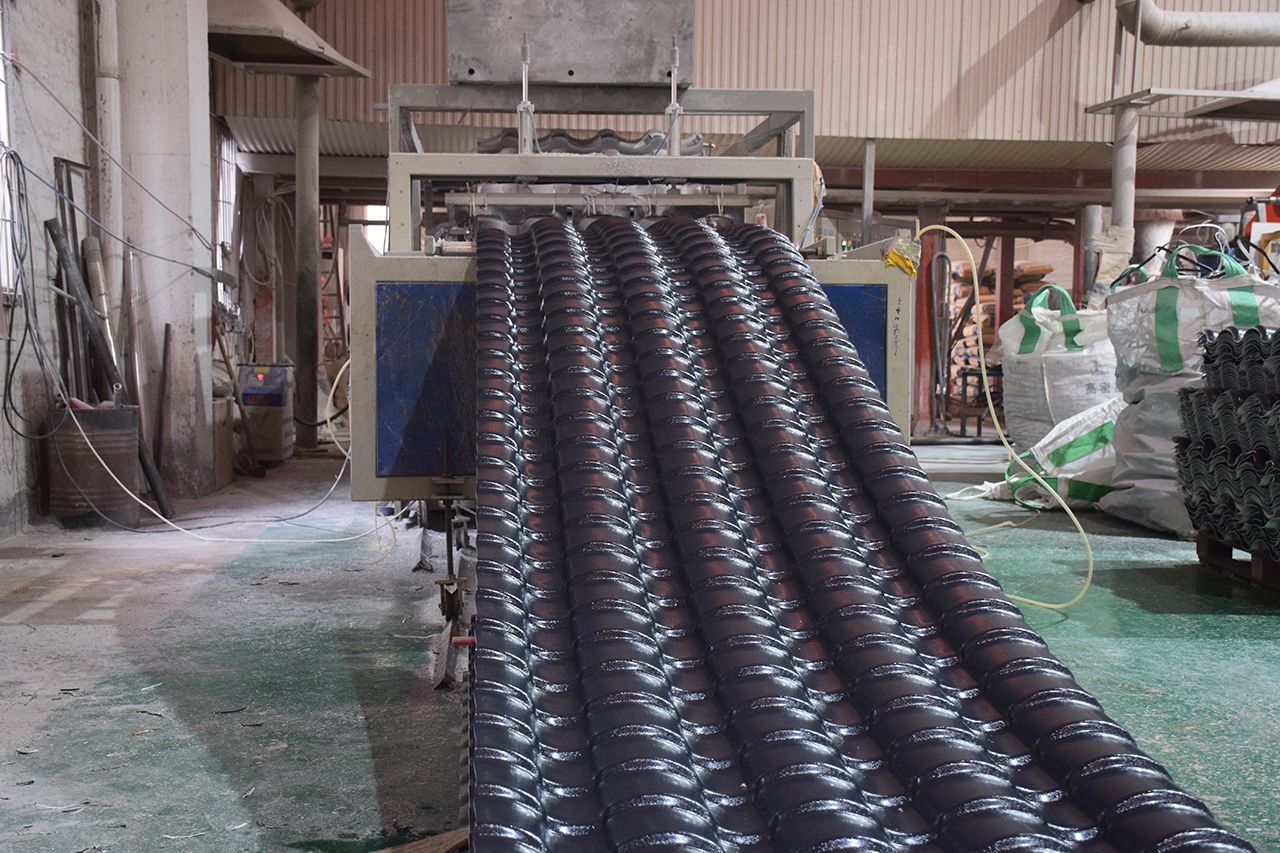
If you focus solely on the main quotation, it’s easy to overlook certain items. Items such as molds, auxiliary equipment, electrical control systems, and cooling water circulation systems are often omitted from the quotation. During the initial stages, it’s important to ask several rounds of questions and confirm the specific configuration of each workstation item by item. Doing this upfront is far more cost-effective than having to make additional purchases later on.
What machinery is needed to set up a resin roofing tile factory?
The core components mainly refer to those few pieces of equipment: the high-speed mixer is used to blend the raw materials more evenly, followed by an extruder equipped with a specialized die to perform the forming operation. Next, the cooling and setting section, along with the take-off unit and cutting machine, are connected downstream. If there are high requirements for daily output, an in-line length control system can be added to further improve the consistency of the finished product’s dimensions.
For small factories, manual cutting can be used in the initial stages to save on the cost of purchasing a machine; once production volume stabilizes, the factory can then switch to an automated production line.
When selecting equipment for a resin roofing tile factory, it is not necessarily true that the more expensive the equipment, the better. The key principle is that the equipment must be suited to the actual production volume. It is recommended to set aside space for a shredding and recycling system so that scrap material can be recycled; this will help reduce raw material costs to a certain extent during long-term production.
The key points in equipment selection mainly revolve around two aspects. First, the equipment must match actual production capacity; there is no need to pursue high-end models. Second, when working within a limited budget, you absolutely cannot cut corners on critical workstations. If you cut costs at these crucial stages, the future costs of rework will be significantly higher.
Keywords: Resin Roof Tile Factory Equipment