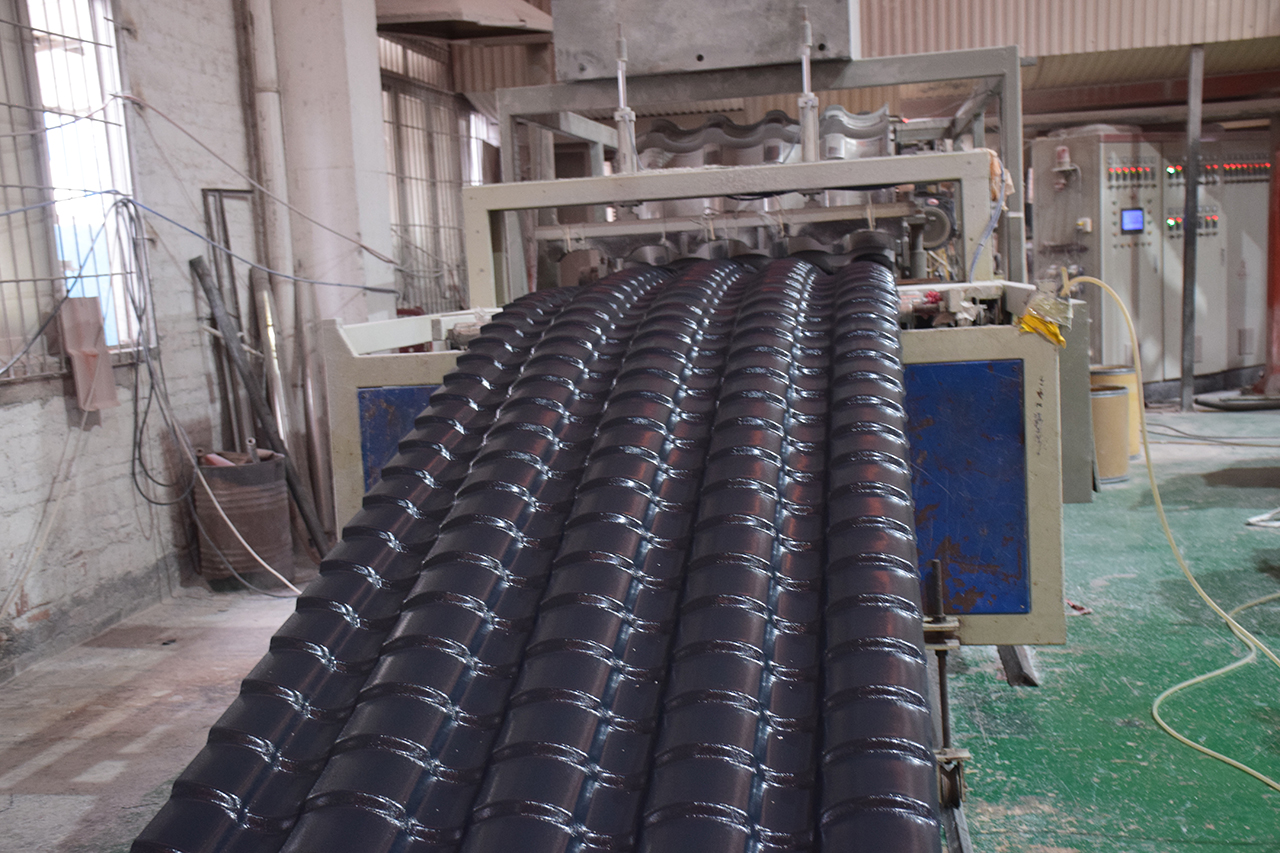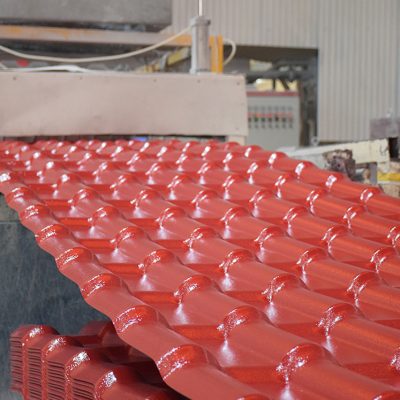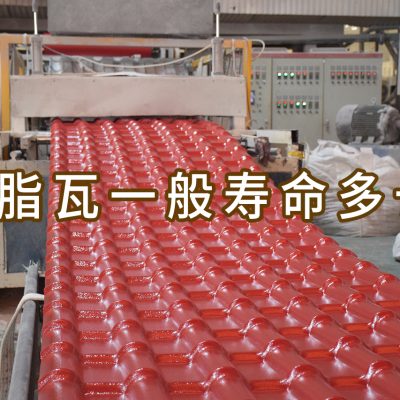
Nowadays, when selecting roofing materials, synthetic resin tiles have gradually come into the public eye in recent years. Their use has become increasingly widespread, particularly in rural self-built homes, factory renovations, and projects to convert flat roofs to pitched roofs. They are lightweight, retain their color over time, and are very easy to install. Compared to traditional color-coated steel tiles and cement tiles, they offer significant advantages in terms of sound insulation, thermal insulation, and corrosion resistance. In the following sections, we will showcase the application results in various scenarios through several real-world construction case studies, thereby providing a reference for readers who are considering roofing materials.
Case Studies of Self-Built Homes in Rural Areas
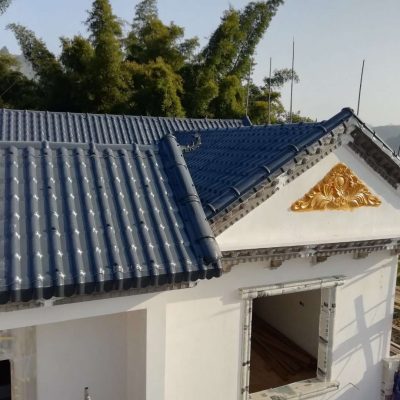
In Shaoyang, Hunan, there is a two-story privately built house. The roof was originally covered with cement mortar and tiles, but after more than a decade of use, multiple leaks began to appear, so the homeowner decided to completely renovate it. After the construction crew removed the old tiles, they installed synthetic resin tiles directly onto the existing wooden purlins. The total roof area was approximately 180 square meters, and it took three workers four days to complete the job. They selected dark gray tiles with pronounced corrugations, each 3 millimeters thick, They were secured using galvanized self-tapping screws. After completion, the homeowner reported that the indoor temperature in summer had dropped significantly compared to before, and the noise during rain was noticeably quieter than with color-coated steel roofing. From an aesthetic perspective, the dark gray roof tiles complement the white exterior walls harmoniously, and the overall appearance is smoother than that of the original cement tiles.
There was a family whose house was a small three-story building in a rural area of Jiangxi. The owner of this house was particularly concerned about its wind resistance during typhoons. During construction, reinforcement brackets were added to the eaves and ridge areas, and sealant was thoroughly applied to the joints where the tiles overlapped. Just last year, the area experienced a Category 10 typhoon. Several neighboring homes with color-coated steel roofs suffered varying degrees of damage, with the edges of their roofs being blown off. However, this home—with its resin-tile roof—remained completely intact. The homeowner said that although they spent an extra 2,000 yuan or so on the reinforcement work at the time, it has proven to be well worth it.
Case Studies of Factory Buildings and Temporary Structures
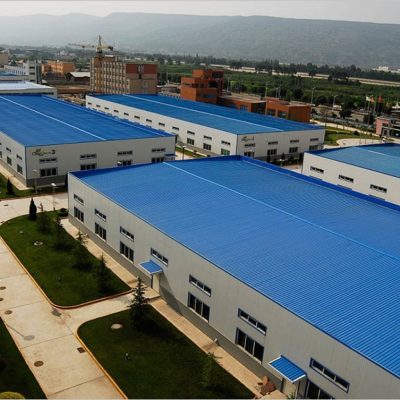
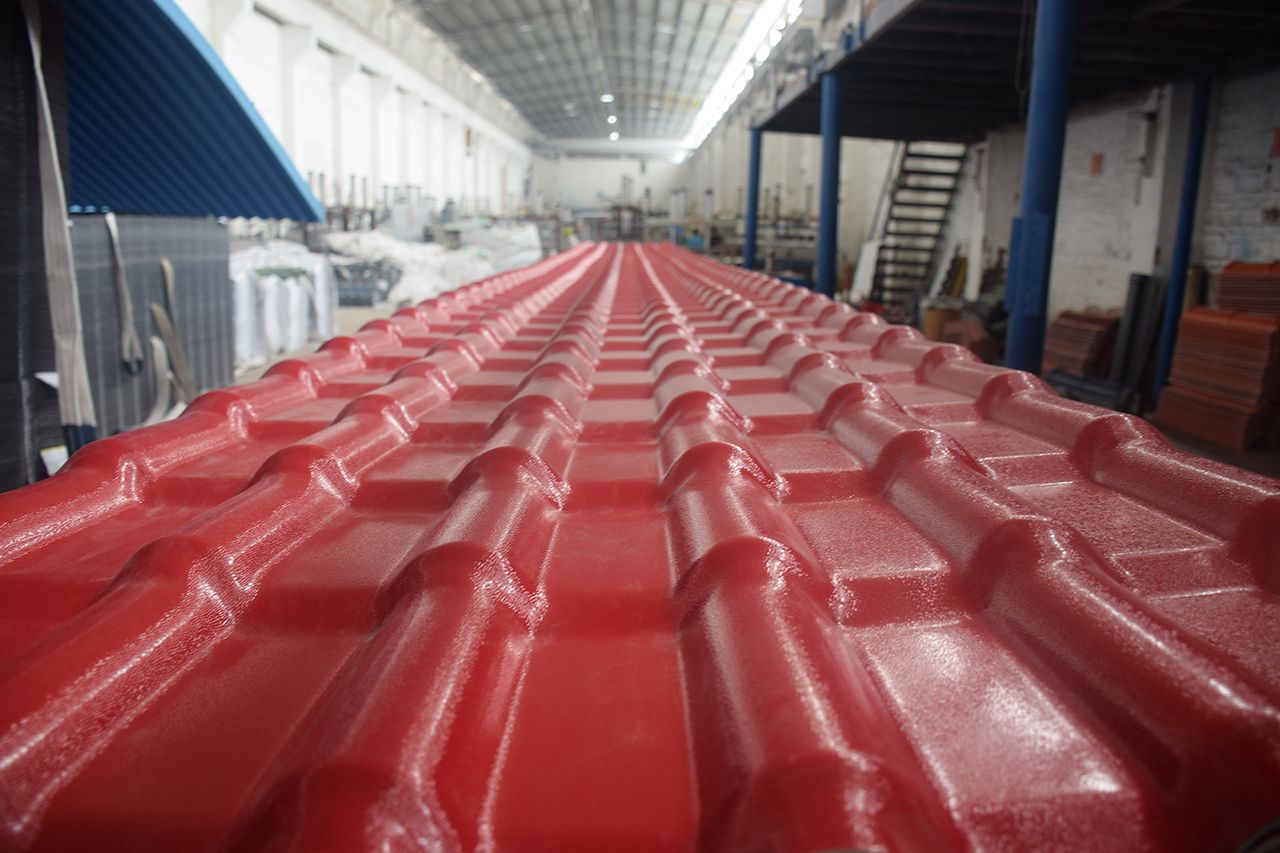
A hardware processing plant in Foshan, Guangdong, had a color-coated steel roof that had been in use for eight years and was severely corroded. Every rainy season, leaks occurred in multiple locations inside the workshop, frequently causing the equipment to get wet. The factory ultimately chose 1.5-millimeter-thick synthetic resin roofing tiles to replace the original color-coated steel tiles, covering an area of approximately 2,000 square meters. After the replacement, the temperature inside the workshop dropped significantly, and workers reported that their working environment had improved considerably. The factory manager ran the numbers: although the unit price of the synthetic resin tiles is slightly higher than that of the color-coated steel tiles, their service life is much longer, and they do not require frequent anti-corrosion maintenance like the color-coated steel tiles do. Overall, this solution is more cost-effective.
In Suzhou, Jiangsu, there is a logistics park with temporary office buildings. These buildings originally had single-layer corrugated metal roofing, which made them cold in the winter and hot in the summer. During the renovation, a layer of synthetic resin roofing tiles was installed directly over the existing roof, with an air gap left in between—effectively creating a simple insulation layer. After the renovation, electricity consumption for air conditioning in the offices dropped by about 30 percent, and water seepage issues no longer occurred during the rainy season. The park’s property management noted that this overlay method allows for quick installation without disrupting normal office operations. Furthermore, the wide variety of colors available for the resin tiles has enhanced the park’s overall appearance.
As these examples demonstrate, synthetic resin roofing tiles can be effectively applied to various types of buildings. Whether for new construction or renovation, as long as the correct specifications are selected based on local climate conditions and building structures, and installation details are handled properly, their durability and practicality will stand the test of time. For homeowners building their own houses, the key considerations are the thickness of the tiles and the fastening method; for industrial building projects, greater attention should be paid to cost-effectiveness and construction timelines. Based on actual feedback from multiple projects, synthetic resin shingles demonstrate consistently reliable performance in terms of leak prevention, thermal insulation, and wind resistance, making them a roofing material well worth considering.