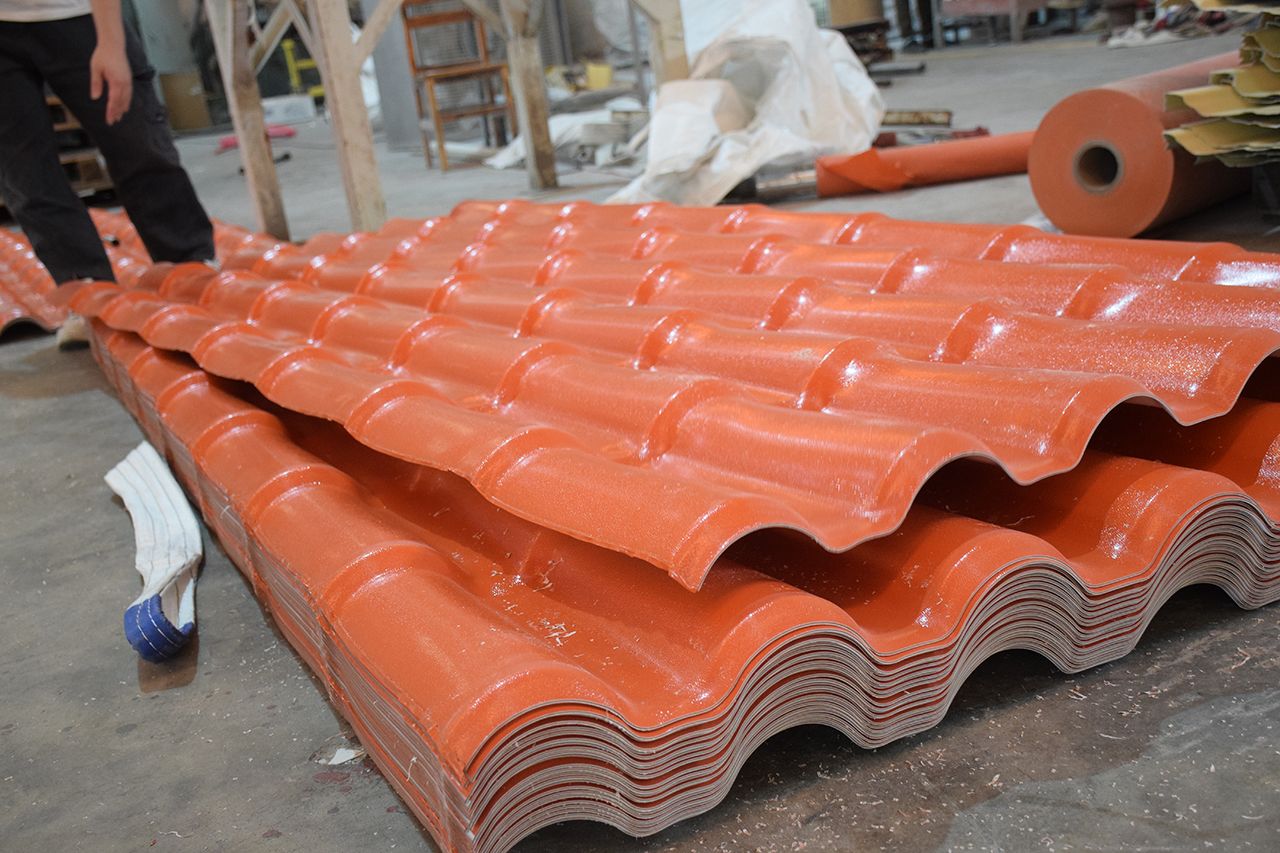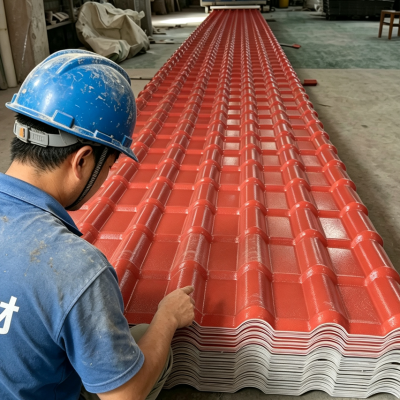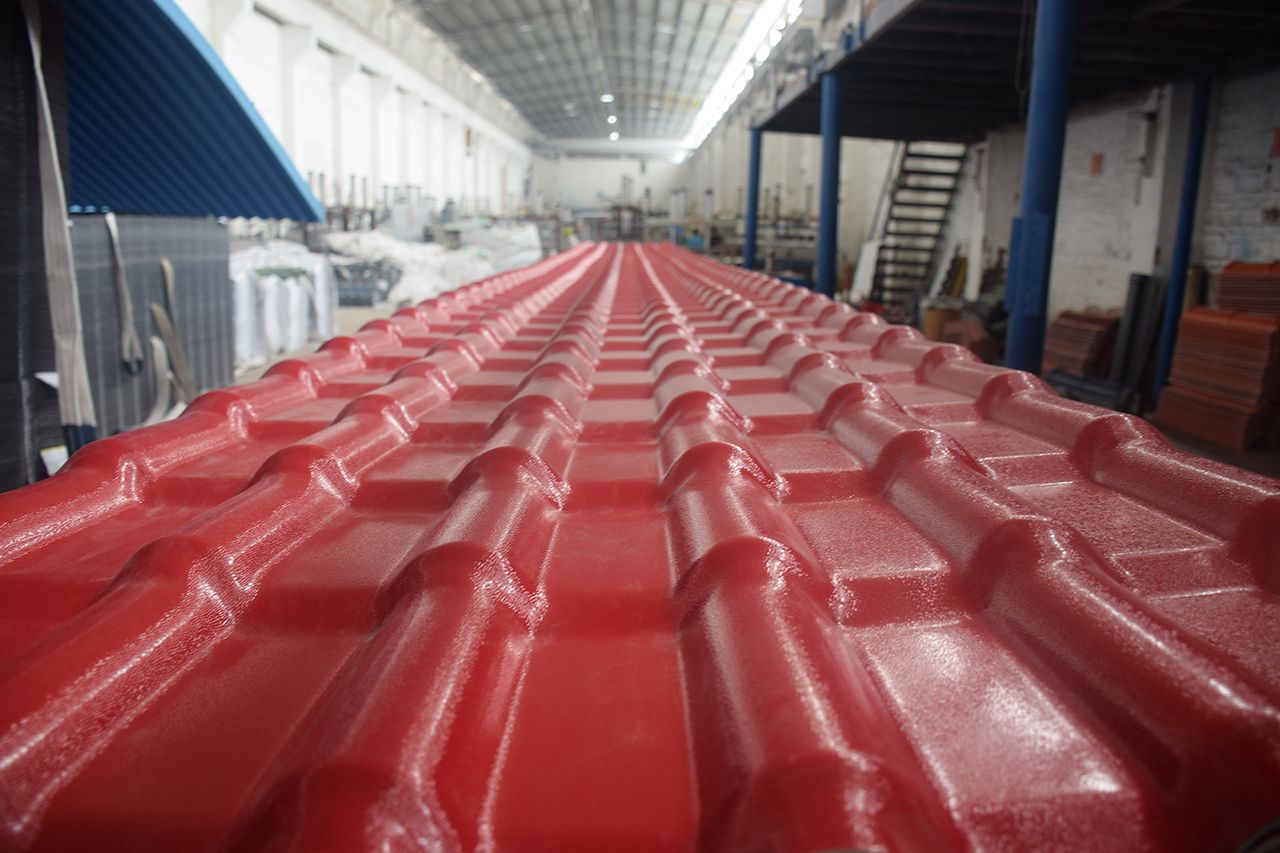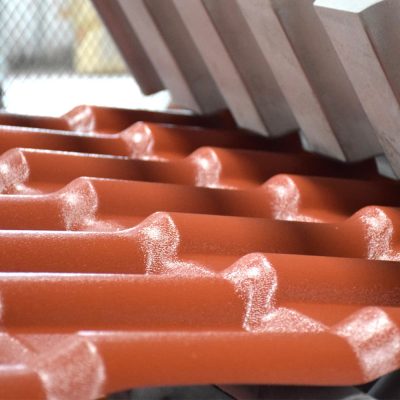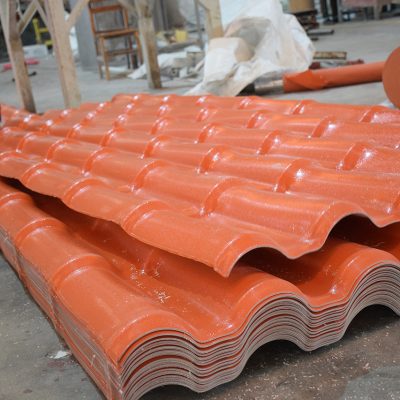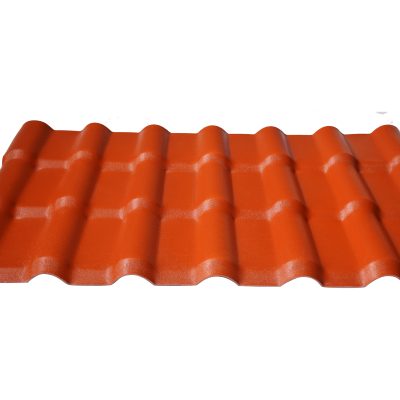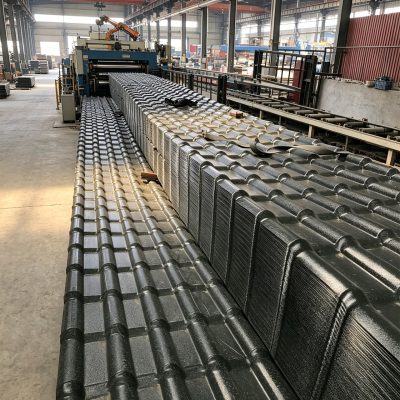
Many people have heard the name “resin tile” when building a house or replacing a roof. It's lightweight, good-looking, and quick to install, but what exactly is it made of? Why do some resin tiles last for 20 to 30 years, while others break down in two to three years?
Let's get this out of the way today in big words.
First, the resin tile by which several layers of material composition
Simply put, a qualified resin tile has two layers:
-
Surface layer (protective layer): Responsible for protection from the sun, fading, and aging. This layer determines how many years the shingle will last.
-
Substrate (skeleton layer): Responsible for providing the strength to make the shingle strong, unbreakable, and able to carry weight.
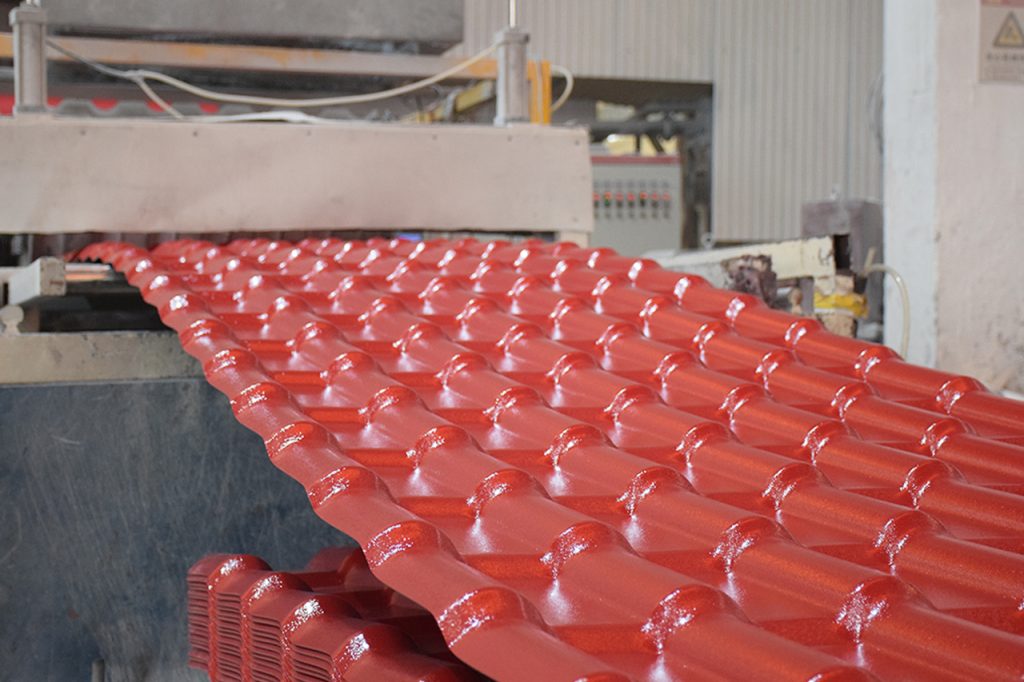
Resin Tile Materials
The two layers are extruded and molded by machine at one time, firmly fit together and will not separate.
II. Surface layer materials: ASA is the good stuff
What material is used for the surface layer directly determines the longevity of the resin tile.
Good tiles use ASAASA is a very sun-resistant engineering plastics, ultraviolet rays can not take it. Regular products ASA layer thickness of not less than 0.15 mm, with two or three decades are not easy to fade, become brittle.
Inferior tile with ABS pretending to be ASAABS and ASA look alike, but are ten times less resistant to sunlight. Tile made of ABS, sun half a year on the white, two or three years on the crack. Some black-hearted manufacturers do not even do the surface layer, directly with recycled material pressure out, that is even more pitiful.
Bottom line: recognize the ASA and stay away from the ABS.
Third, the grass-roots materials: new material vs. recycled material
The base is usually PVC (a common plastic) with some secondary materials to increase toughness.
Good manufacturers use brand new material: The color is uniform, the texture is dense, and the shingles are tough and won't crack when stepped on. This kind of tile with twenty years no problem.
Shady manufacturers use recycled materials: Old plastic pipes, broken cable skins and rotten tiles collected from waste stations are broken and pressed directly into new tiles. These materials have many impurities, has aged, made out of the tile color dark, black spots on the surface, the texture is very brittle. With a foot on the crack, the sun on the two or three years will be as brittle as a cracker.
Four, how to identify good tiles and bad tiles? Four strokes are enough
-
see section: Break off the shingle and look at the cross-section. Good tiles have obvious layering, with a colored surface layer and a white or gray base layer. Inferior tiles have a single color, or the surface layer is as thin as paper.
-
Depends on the price: the current cost of raw materials is not low.Below 40 yuan a square meter of resin tile, basically impossible to be brand new material. Save a few bucks on the cheap, and in three to five years re-tile and labor and materials cost thousands.
-
Foot test: Pad the ends of the shingle high and step on it with a person standing at the crest. A good tile will bend but spring back when released, no cracks. A bad shingle will either crack straight away or bend and not come back.
-
Burn the edges with fire.: A good tile goes out when it is away from the fire, with only a little green smoke. Inferior tiles continue to burn after lighting, black smoke, and pungent odor.
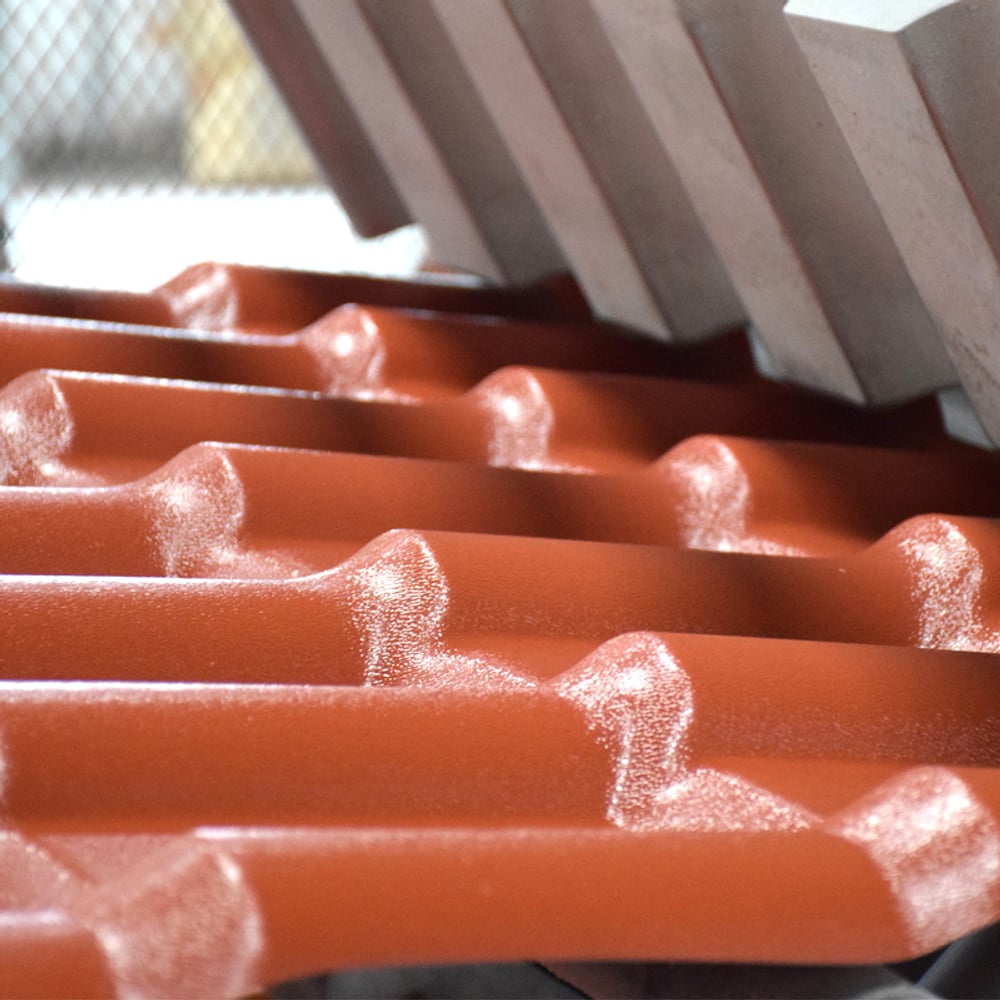
Resin Tile Materials
V. Summary
What kind of material is resin tile?
-
High-quality resin tiles = ASA surface layer (≥0.15mm) + new material PVC base layer
-
Poor quality resin tiles = ABS top layer or no top layer + recycled base layer
Which one you choose directly determines how many years the roof will last. Spend a little more effort to look at the material, read the report, buy the products of the regular manufacturers, installed once the pipe for 20 or 30 years. If you buy low-quality tiles cheaply, and they leak twice in three years, you will end up spending more money.