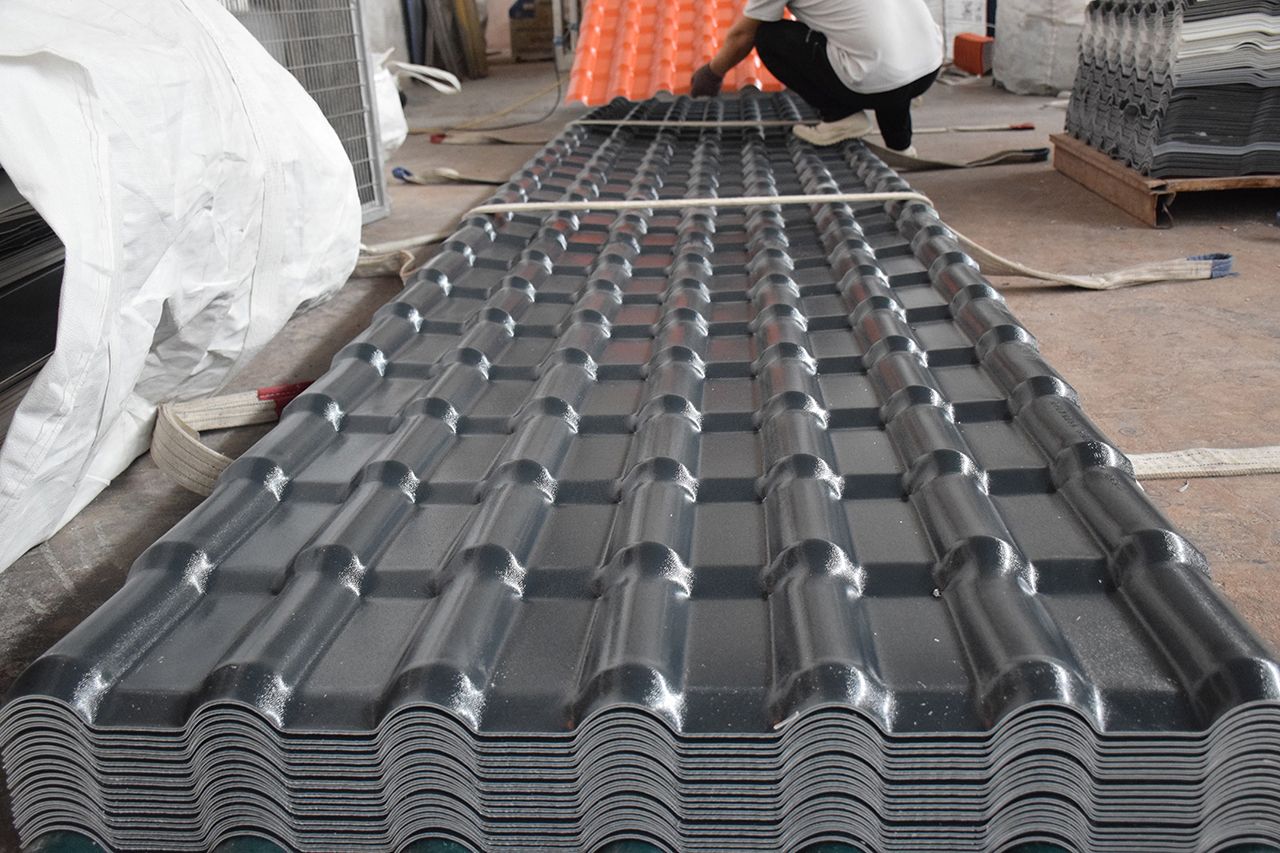
Quality inspection of Gaoyi PVC roofing tiles is a critical step in ensuring the waterproofing lifespan and structural safety of large-scale buildings. Visual inspections should verify that the surface is free of bubbles, cracks, and color variations; that the thickness is uniform; and that the tiles produce a dull sound when tapped, with no signs of delamination. Laboratory testing focuses on impact strength (no breakage upon a 1 J impact at -15°C) and heat deflection temperature (≥75°C), which affect their safe performance in cold and high-temperature environments...
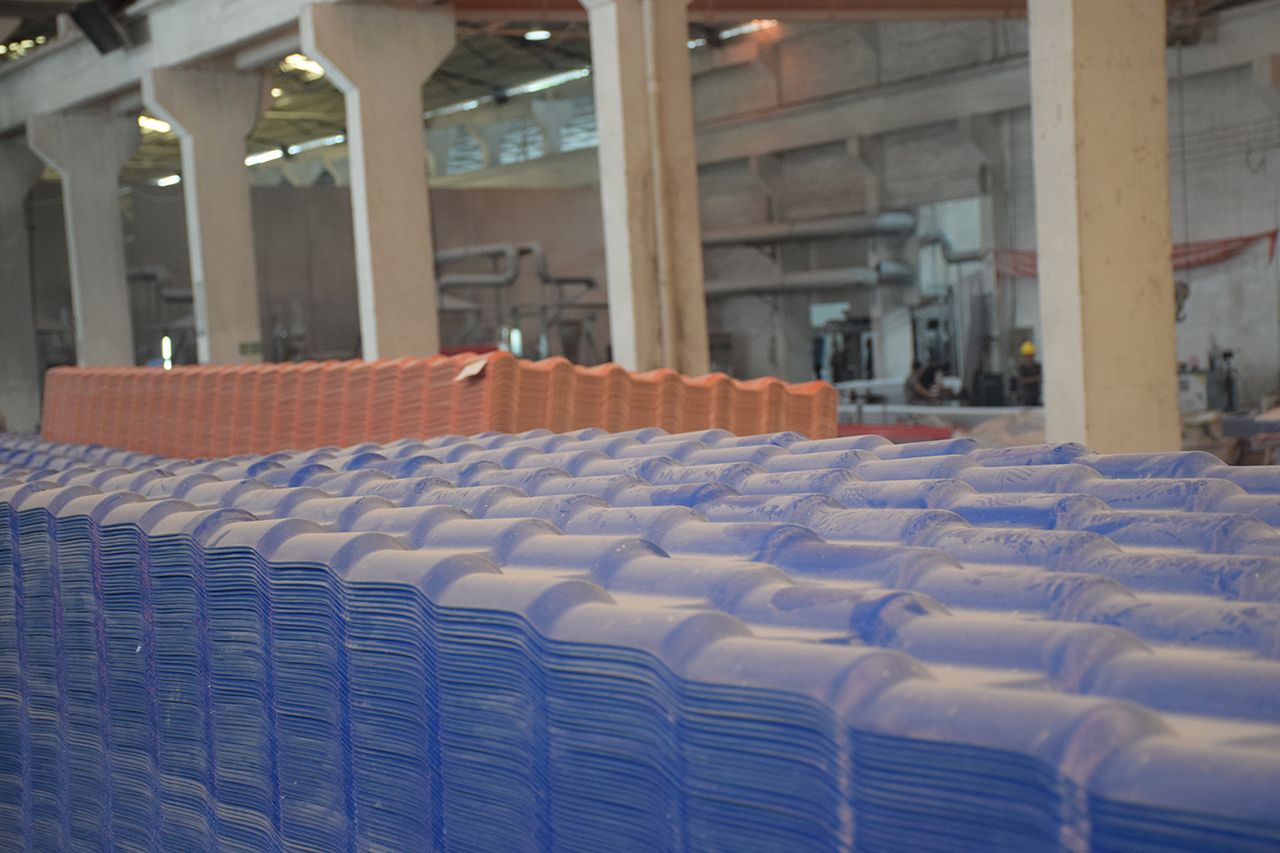
Quality inspection of Gaoyi PVC roofing tiles is a critical step in the incoming material inspection process and directly affects the quality of the project. Key inspection points include: measuring thickness with a vernier caliper—the acceptable range is 1.95–2.05 millimeters, and deviations exceeding 0.3 millimeters should be noted; inspecting the surface, which must be uniform and free of bubbles or impurities, with no localized whitening or significant color variations; otherwise, the presence of recycled material may compromise the product’s resistance to aging...