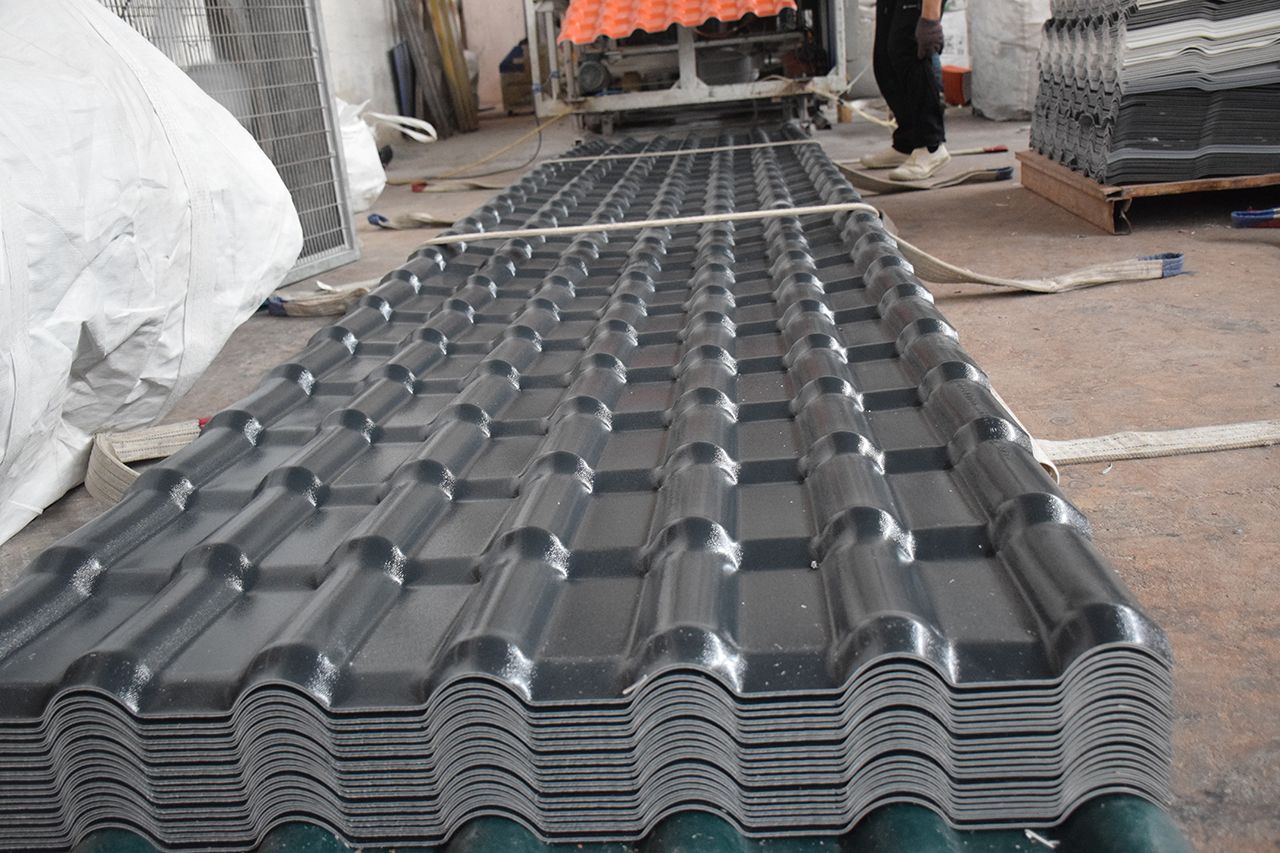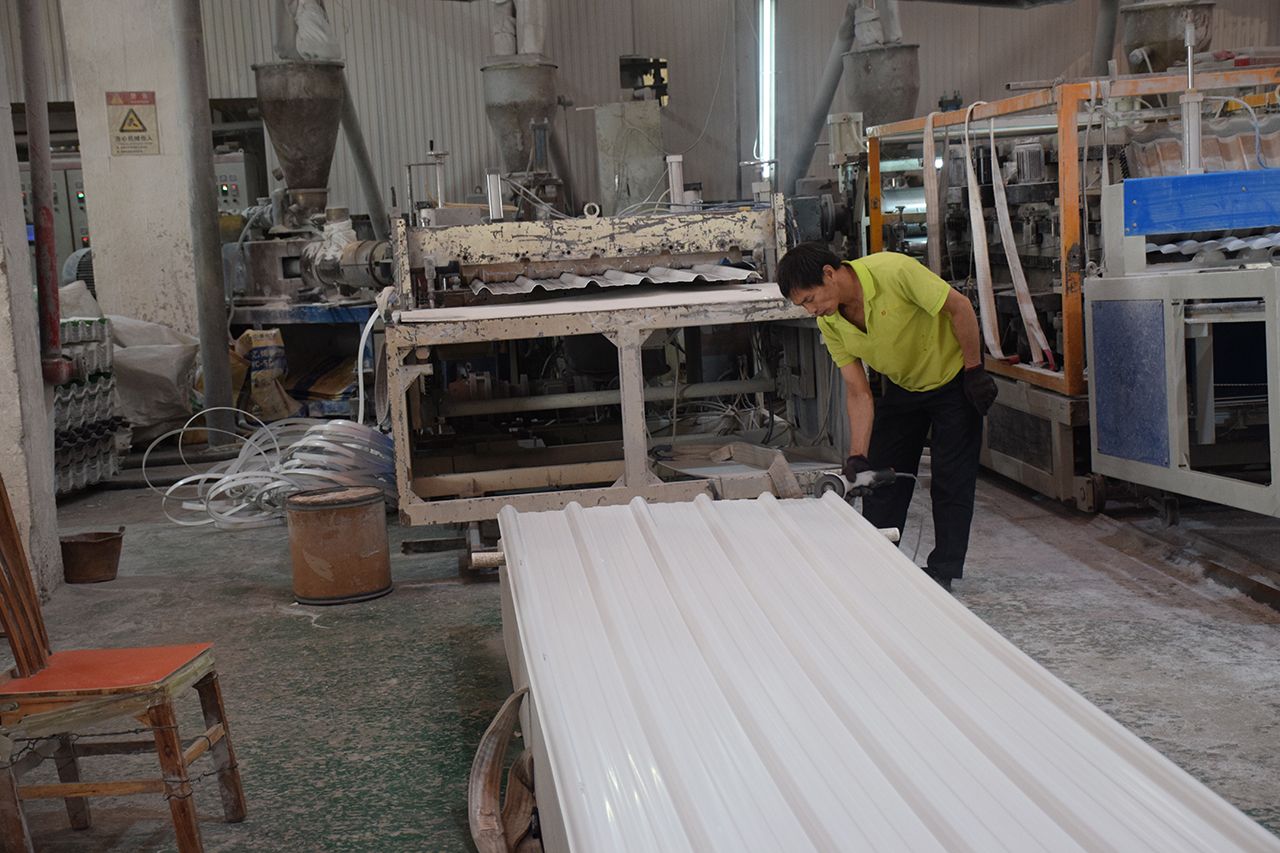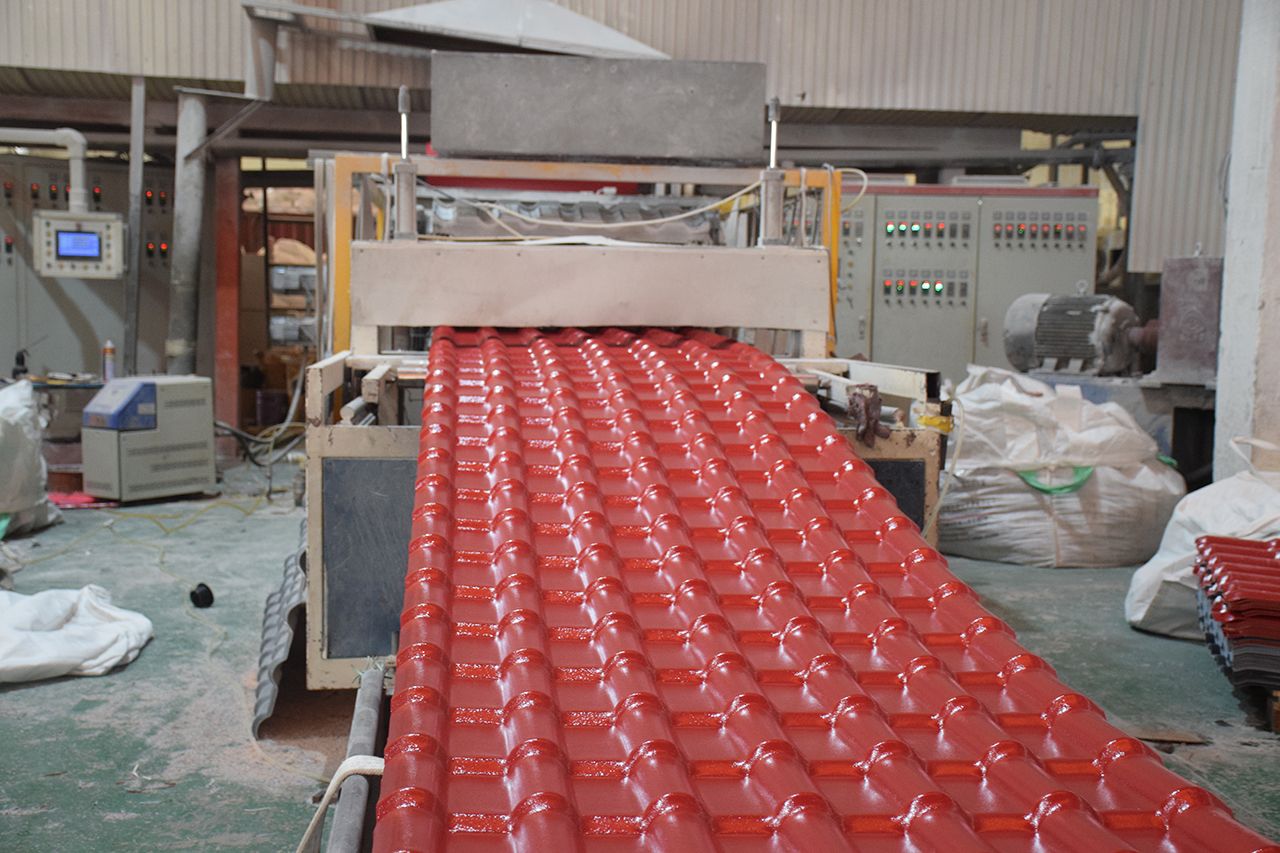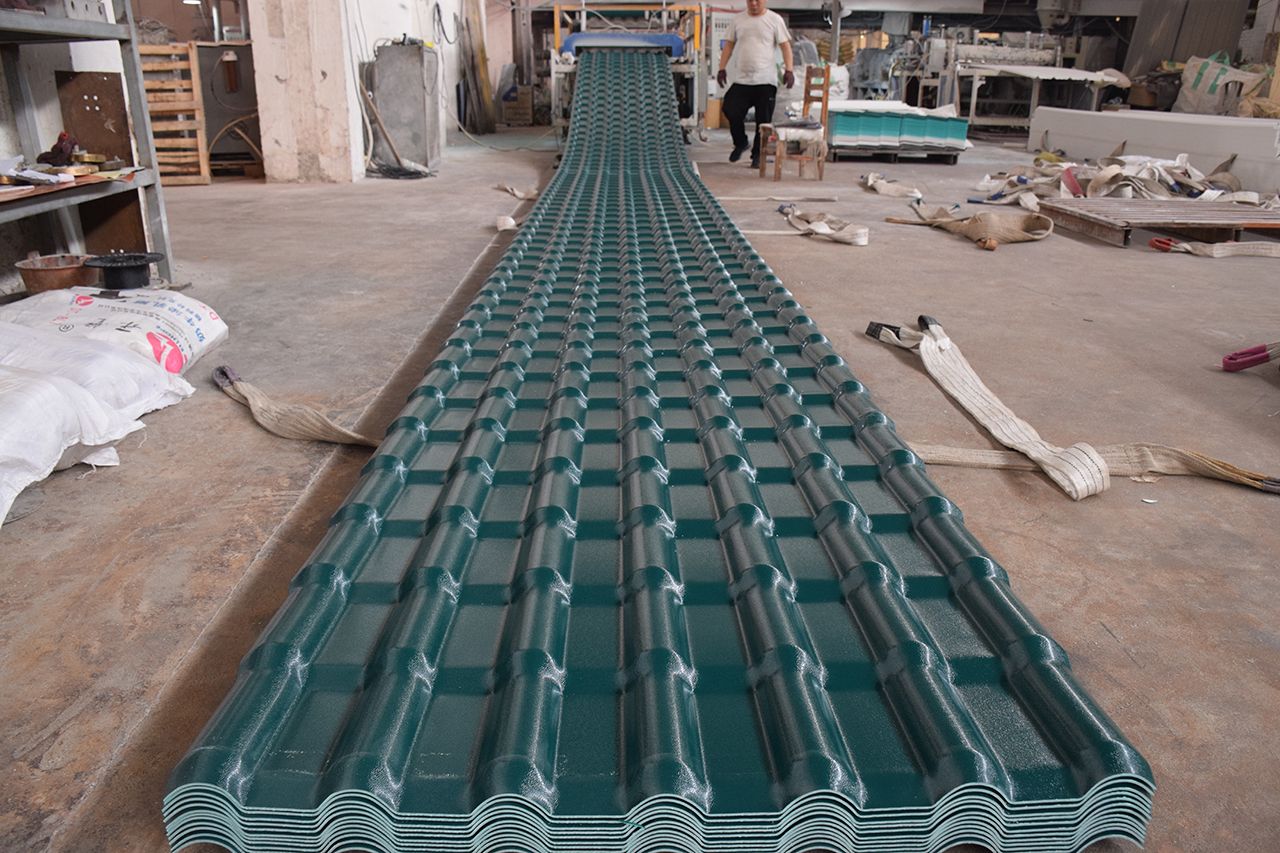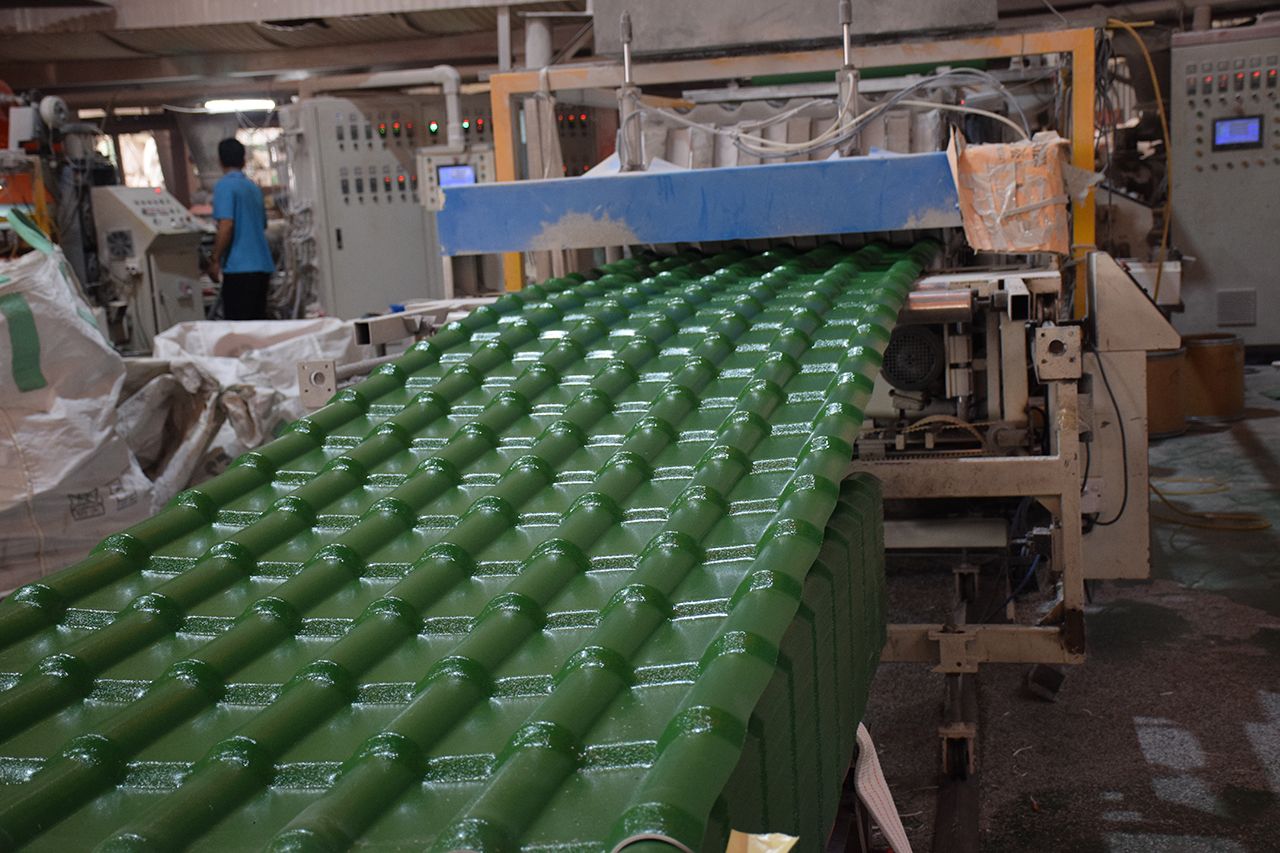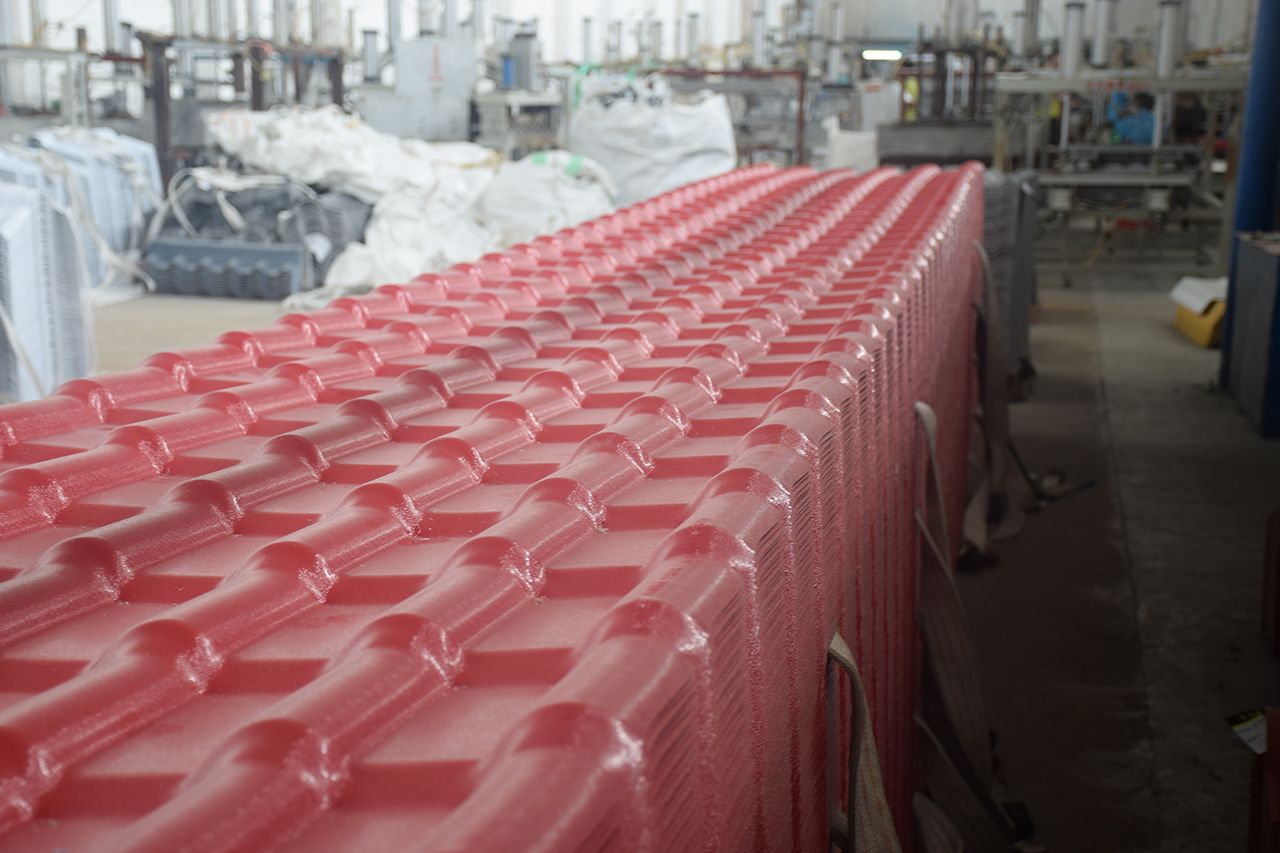
Quality inspection of Gao Yi PVC roofing tiles is a crucial step, as it is a key part of the material acceptance process upon delivery. I have been working in the roofing industry for a long time, and based on my practical experience, I have found that most instances of rework are caused by problems arising during this acceptance phase—meaning the inspection process was not properly carried out.
Next, I’ll explain some key points regarding testing methods that are truly very practical in real-world applications; these are points that require your special attention.
How to Check the Thickness of Gaoyi PVC Roof Tiles
Use a vernier caliper to take measurements at three points on the tile—the left side, the center, and the right side—and then calculate the average of the results. For a product labeled as 2.0 millimeters, the actual measured value must fall within1.95 to 2.05 millimetersOnly scores within this range are considered passing.
If the deviation between the top and bottom of the same tile exceeds 0.3 millimeters, this should be noted; this situation is most often caused by mold wear or uneven extrusion.
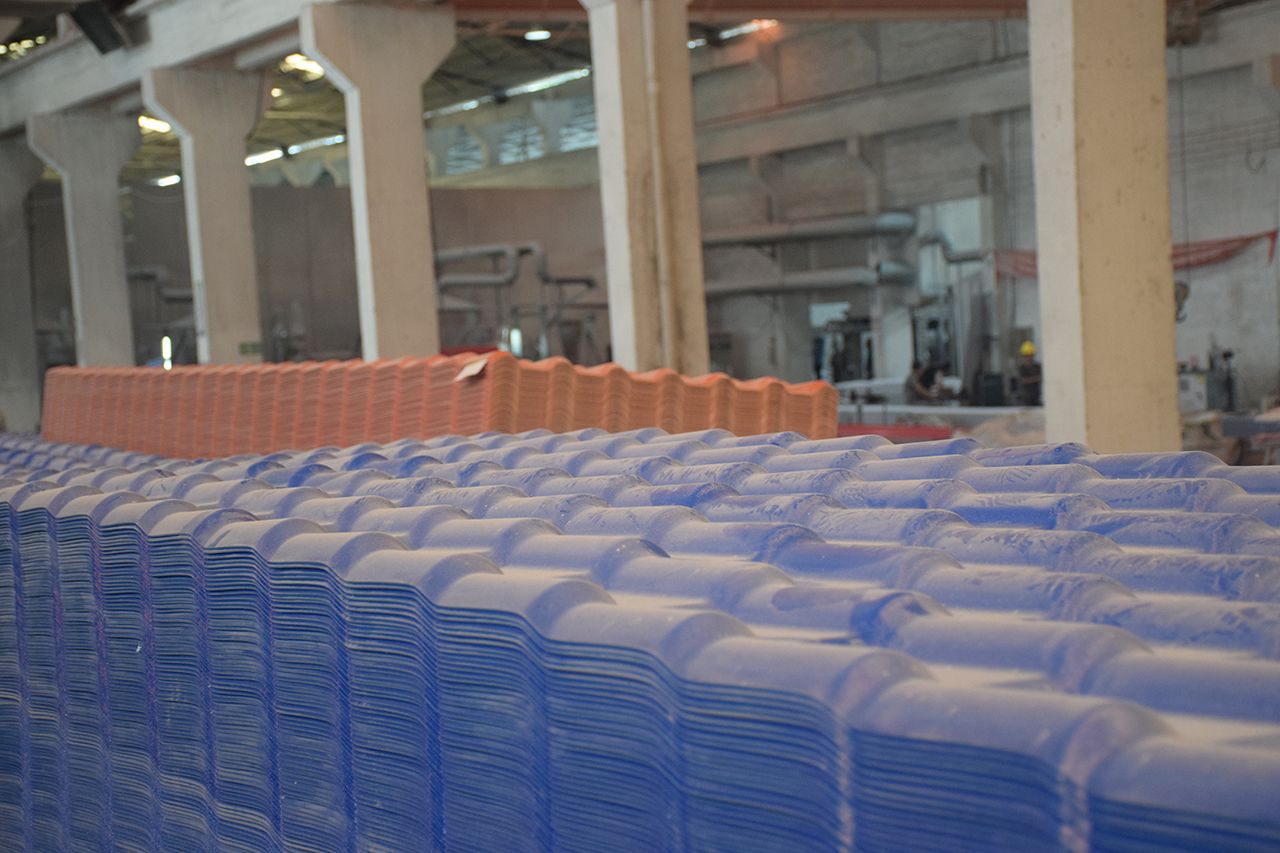
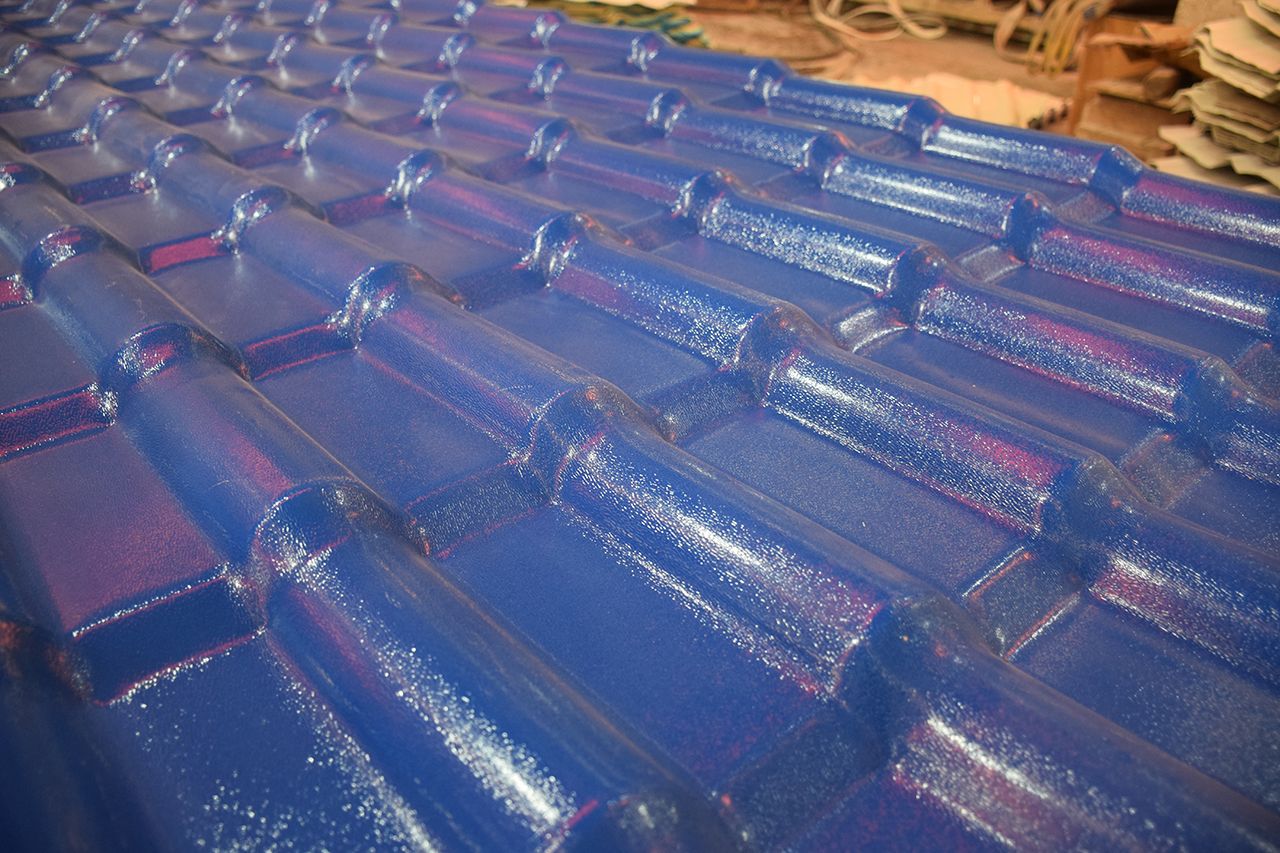
Hold it up to the light and examine the surface carefully to ensure it’s flat. The material must be evenly distributed, free of small bubbles, and free of debris or impurities. If there are localized white patches or significant color variations, it is highly likely that recycled material has been mixed into the raw material. This will reduce the material’s resistance to aging, thereby compromising its performance. If you encounter this situation, you must return the product immediately.
Will PVC roofing tiles break if bent?
Bend the tile to90 degreesWhen you let go, a high-quality product will spring back quickly, with no cracks at the bend. If you scrape the mark lightly with your fingernail and the surface doesn’t flake or delaminate, it’s considered normal. Since products shipped during colder seasons tend to be slightly stiffer, be careful when bending them—don’t mistake normal flexibility for a break.
You can take a piece of this material and step on it to test it out. As for PVC tiles that meet quality standards, they will only show a slight indentation, but will immediately spring back to their original shape—without any cracks whatsoever. This step is simple and straightforward; throughout the entire construction process, it’s the fastest method, and even ordinary workers can perform this test on their own.
During the inspection, pay close attention to these three key points: thickness, surface condition, and bending performance. By focusing on these, you can generally determine whether the quality inspection of Gaoyi PVC roofing tiles has been passed. Only when all these criteria are met should you sign off on the materials for installation; only then can you feel confident and at ease during the subsequent construction process.