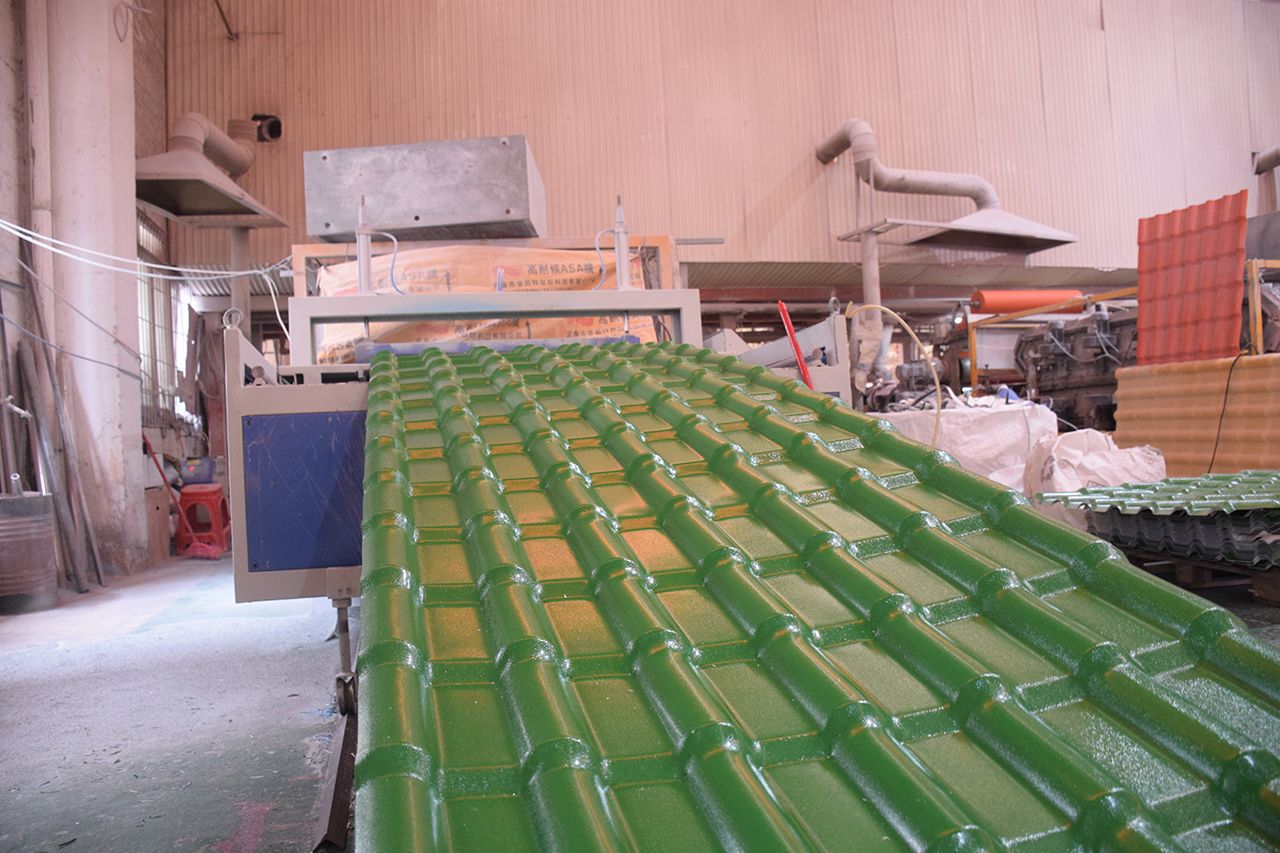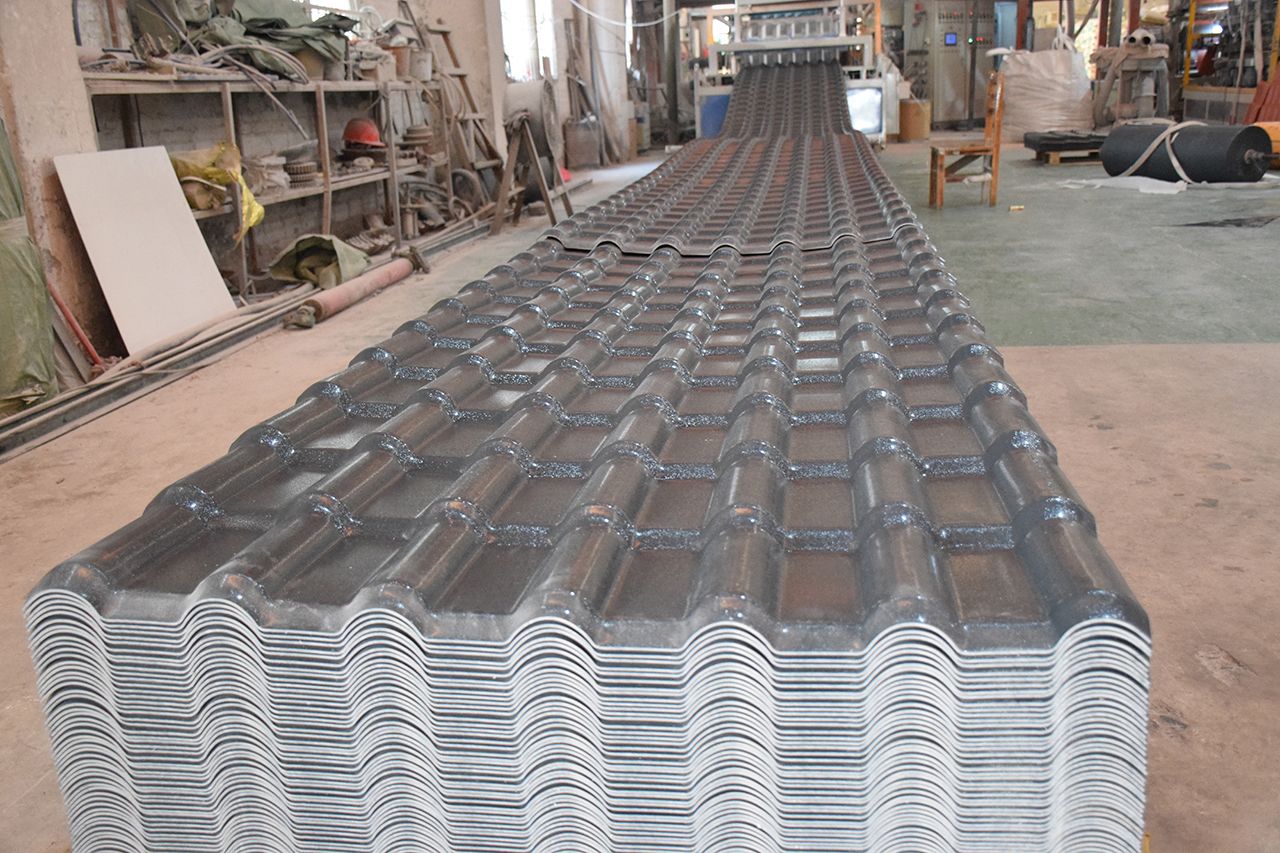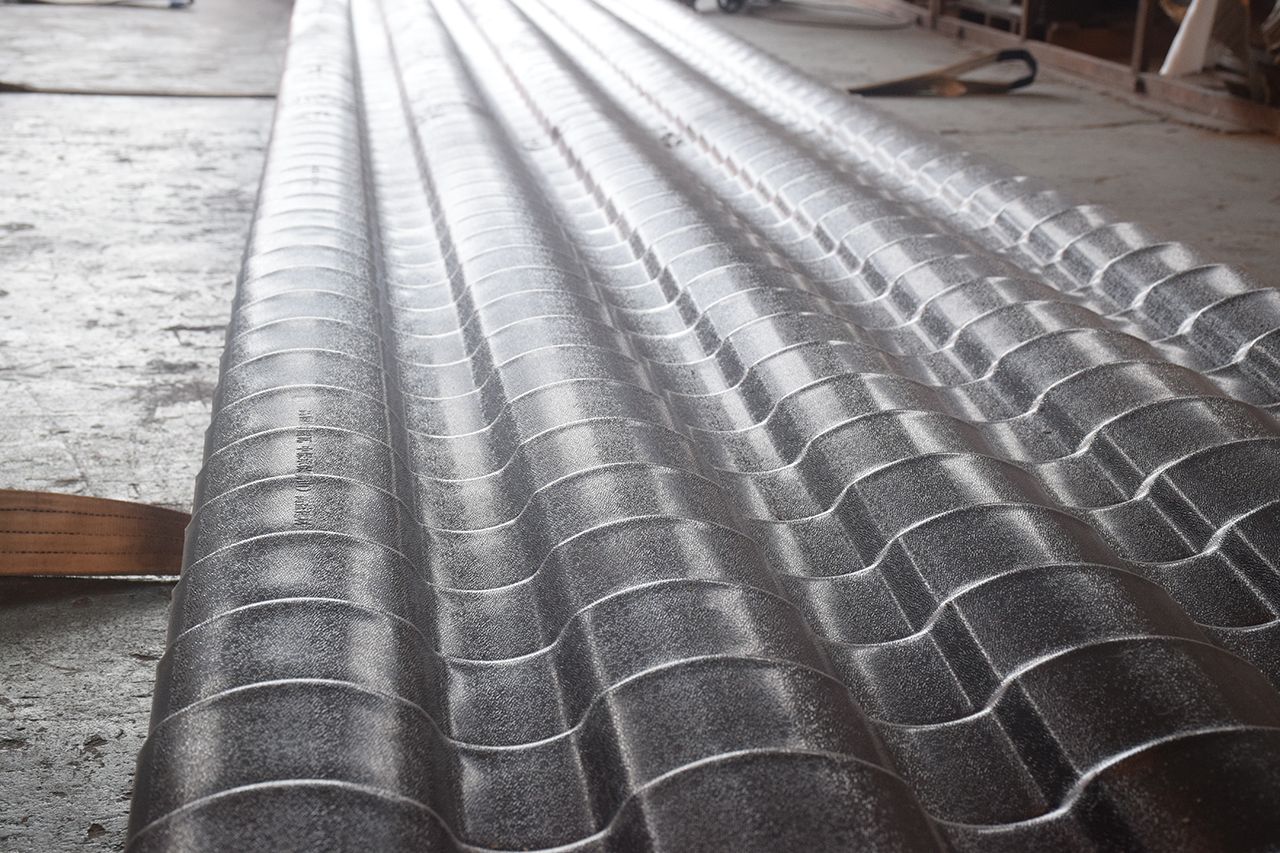
PVC roofing tiles, a relatively common type of roofing material, are widely used in buildings such as factories, warehouses, and carports. Many people are very concerned about how well they insulate, particularly in high-temperature summer environments, and whether they can effectively lower indoor temperatures. In fact, the thermal insulation performance of PVC roofing tiles is influenced by many factors, such as material thickness, color, and structural design, so it is impossible to make a blanket statement.
How effective are PVC roof tiles at insulating?
As a polymer material, PVC roofing tiles have a low thermal conductivity, which means they do not conduct heat as quickly as metal roofing tiles. Under direct sunlight, the surface temperature of PVC roofing tiles will rise; however, the rate at which heat is transferred into the interior is relatively slow. Nevertheless, this does not mean that it has the ability to actively cool the interior; its thermal insulation effect is more about “delaying temperature rise” rather than “preventing temperature rise.”
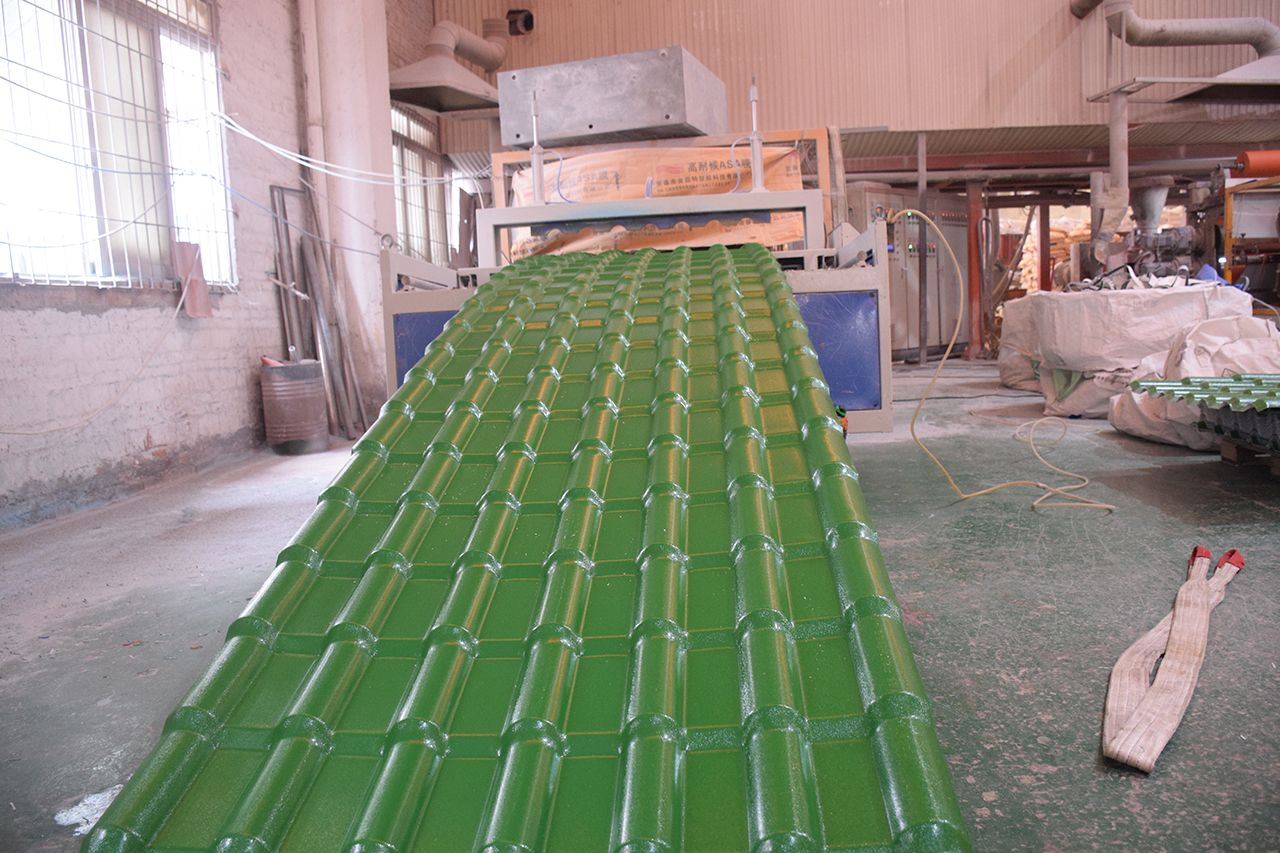
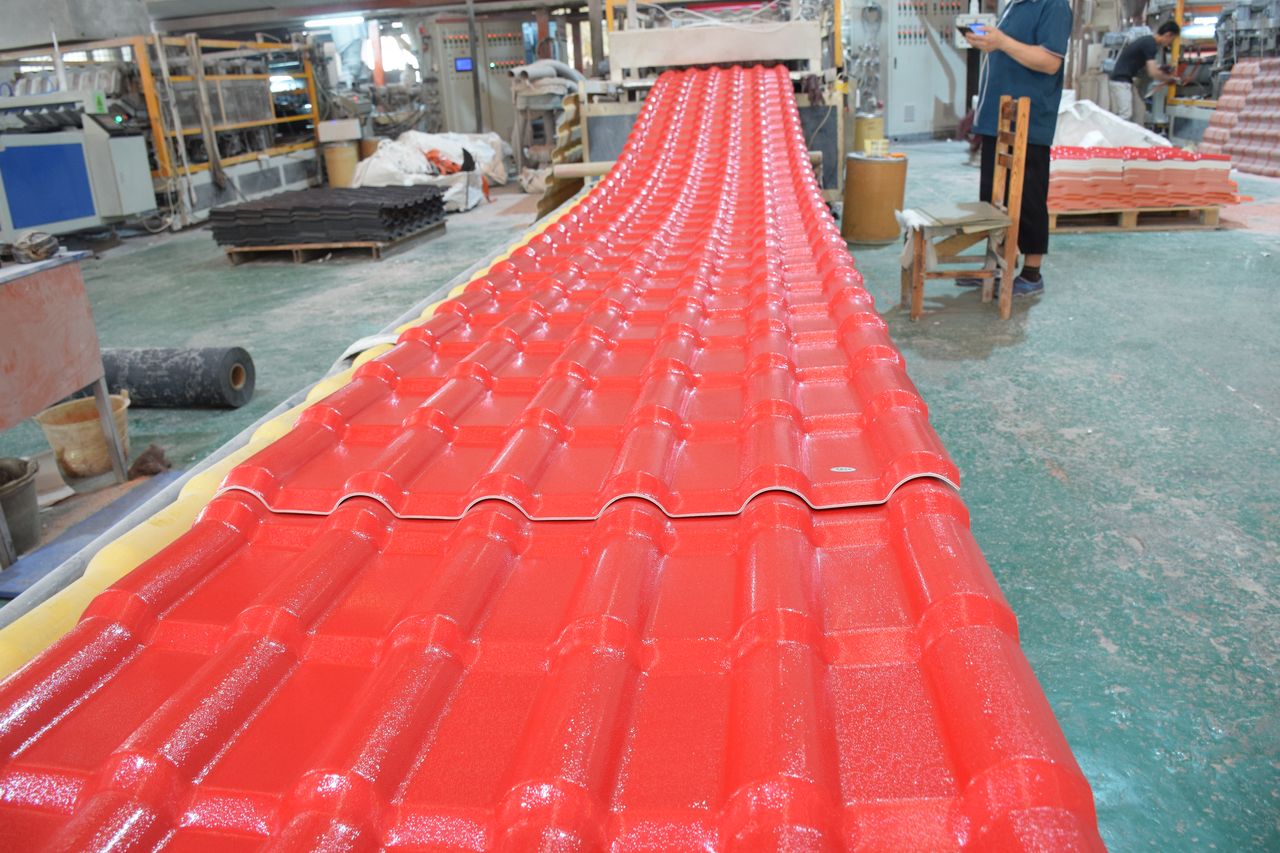
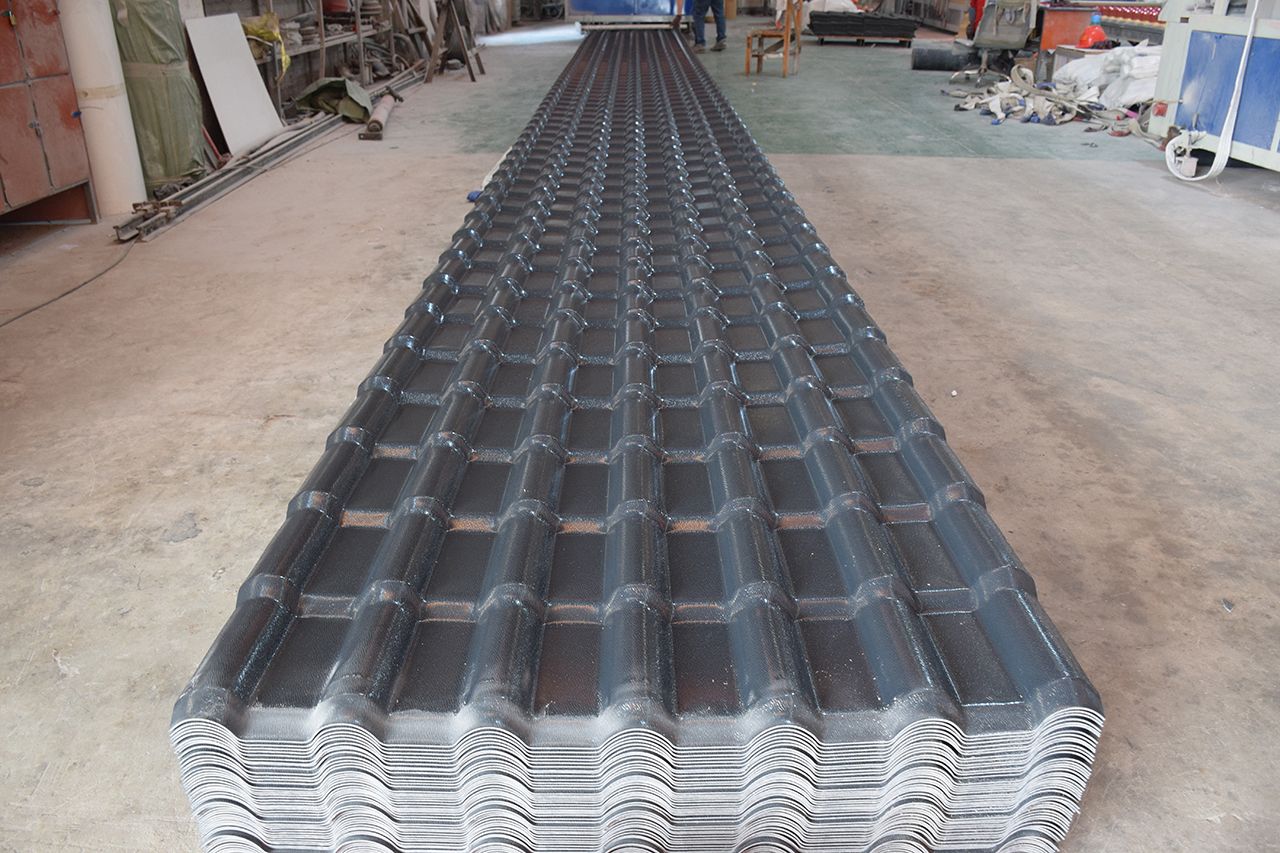
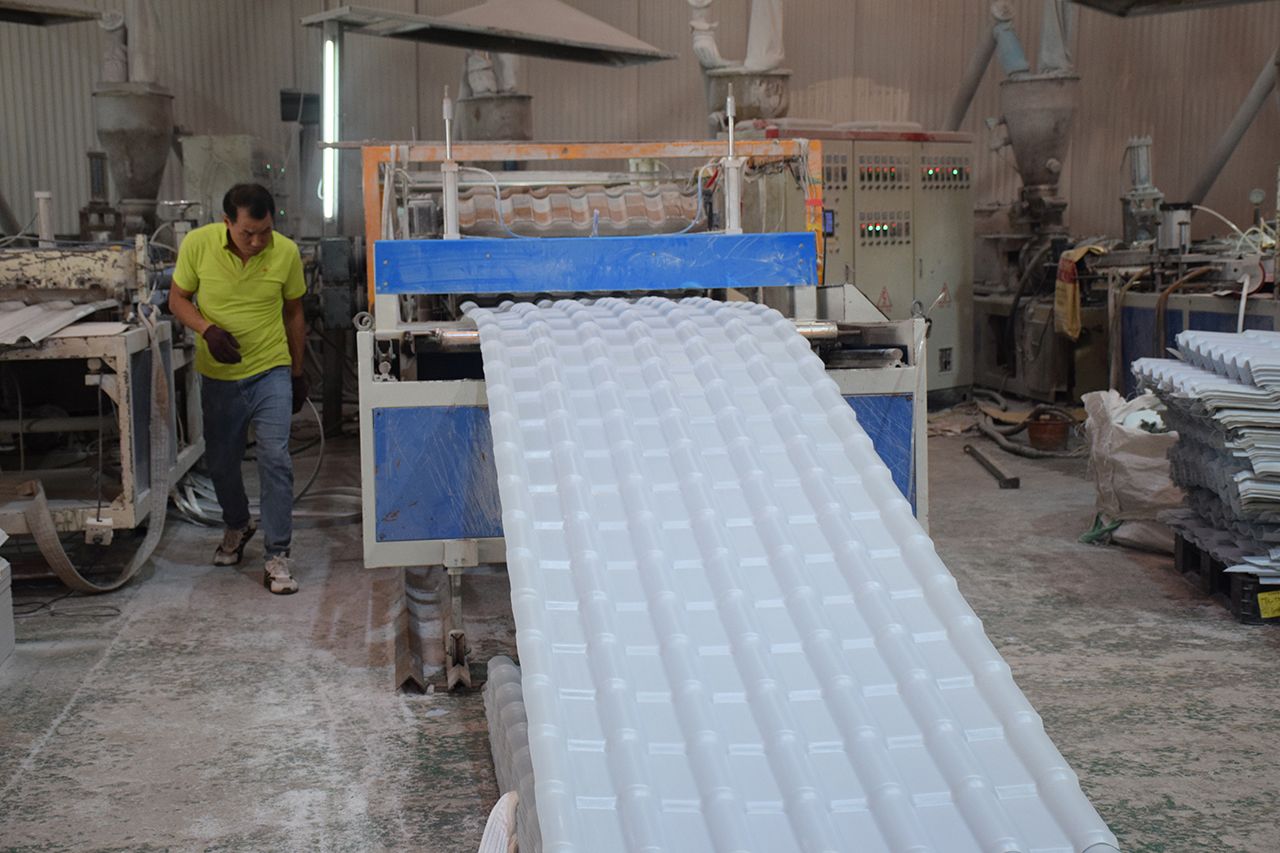
From a practical standpoint, white or light-colored PVC roofing tiles are much more effective at reflecting sunlight, and their surface temperatures are significantly lower than those of dark-colored tiles. For example, at noon in the summer, the surface temperature of dark blue PVC roofing tiles can reach over 60°C, while that of white tiles is only around 40°C. Therefore, if you have high thermal insulation requirements, it is more effective to prioritize light-colored PVC roofing tiles or those with a high-reflectivity coating. In addition, double-layer PVC roofing tiles or those with an air gap provide better thermal insulation than single-layer tiles.
How to Choose PVC Roof Tiles with Good Insulation
When selecting PVC roofing tiles, the first thing to check is their thickness. Commonly available PVC roofing tiles on the market range in thickness from 1.5 mm to 3.0 mm. Generally speaking, thicker tiles offer better thermal insulation, This is because it takes longer for heat to penetrate. However, as thickness increases, so does the cost; therefore, you need to weigh these factors against your actual budget and intended use. For example, 2.0 mm thick tiles are sufficient for a temporary carport, whereas for factory buildings intended for long-term use, specifications of 2.5 mm or thicker should be considered.
Choosing the right color is also very important. If you live in an area that gets very hot in the summer, we recommend opting for light colors such as white or beige. The PVC roofing tiles produced by the Gaoyi brand feature a high-reflectivity treatment in their light-color series; actual tests have shown that their surface temperature is 5 to 8°C lower than that of ordinary dark-colored tiles. Additionally, pay attention to the installation method: a raised installation with ventilation gaps provides better thermal insulation than laying the tiles directly on the purlins, as air circulation helps dissipate some of the heat.
What should be kept in mind during actual use?
The heat-insulating performance of PVC roofing tiles is not consistent; it tends to decline over time. Prolonged exposure to ultraviolet (UV) radiation can cause the tile surface to age and discolor, reducing its reflectivity and, consequently, its heat-insulating performance. Therefore, when purchasing, try to choose products that contain UV-resistant additives. Brands such as Hongbo and Gongli offer weather-resistant models. Routine maintenance is also straightforward: regularly clean dust from the tile surfaces and keep light-colored surfaces clean to maintain optimal reflectivity.
Additionally, the thermal insulation properties of PVC roofing tiles cannot replace a dedicated insulation layer. If you need to address both thermal insulation and heat insulation—for example, when installing them in cold storage facilities or temperature-controlled workshops—we recommend installing insulation batting or foam panels beneath the PVC roofing tiles. Brands such as Xingfa and Zhongxingsheng also supply compatible thermal insulation components; you can inquire with the manufacturers about customized solutions. Only through proper combination of these components can you achieve optimal temperature control results.
Compared to other roofing materials, PVC roofing tiles offer thermal insulation performance at a level slightly above average. By selecting products with light colors, thicker profiles, and double-layer structures—and ensuring they are installed correctly—it is possible to effectively mitigate indoor overheating during the summer months. However, it is also important to recognize their limitations; in regions with high temperatures or in settings with strict temperature requirements, it may be necessary to combine them with various other insulation measures.
Keywords: Thermal Insulation Properties of PVC Roofing Tiles