Tile is used for roof waterproofing, based on the characteristics of outdoor roofing, so from the material, it mainly has a certain degree of rigidity, toughness, strength, aging resistance, heat resistance, from the point of view of the use, installation, waterproofing, aesthetics and other considerations, the product's shape and structure, products with the product, the product color, and so on, but also need to have a certain degree of suitability. Selection or discernment of the tile is also from the use of these features to start.
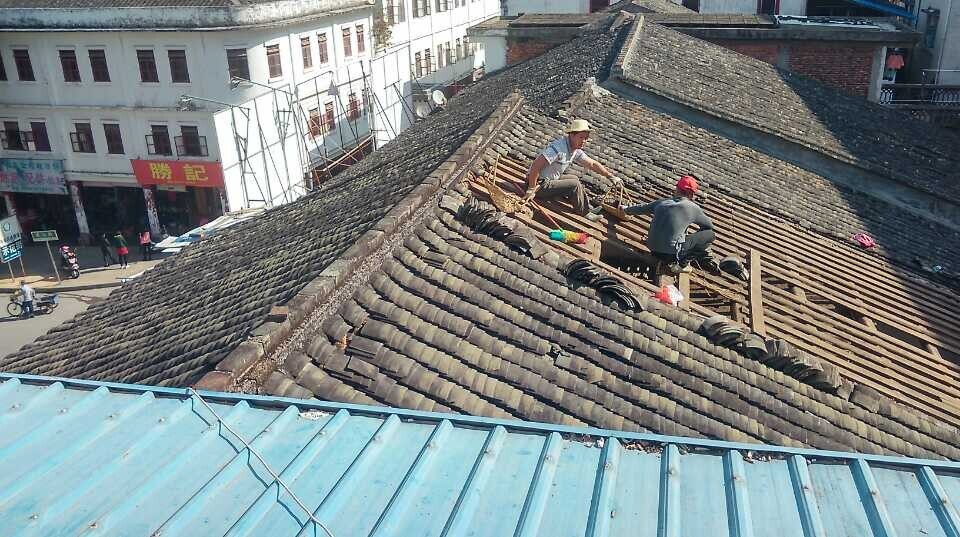
- Rigidity, toughness and strength: do roof tiles need to have a certain degree of rigidity and impact resistance, but rigidity, toughness and strength are interlinked and contradictory body, the need for a comprehensive balance of the relationship between the three, especially after a period of time after the use of the performance will decline, this point needs to be taken into account when selecting materials.
- Heat resistance: general roof temperature in strong sunlight will also be as high as in 60 ℃ or so, the new roof building materials, especially theplasticsRoof tiles need to be used at a temperature of at least greater than 60 ℃ (here it should be noted that the Vicat softening point temperature on the product properties table is not equal to the actual use of temperature, experience shows that the actual use of the product temperature is generally lower than the Vicat temperature of 15-20 ℃ or so).
- Aging resistance: when used outdoors, aging is not only light aging (ultraviolet), but also moisture, temperature and other effects caused by aging; there are also chemical substances such as acids and alkalis present in the environment will affect the service life of the product. Therefore, to consider a product aging resistance needs to be multiple perspectives, can not be biased.
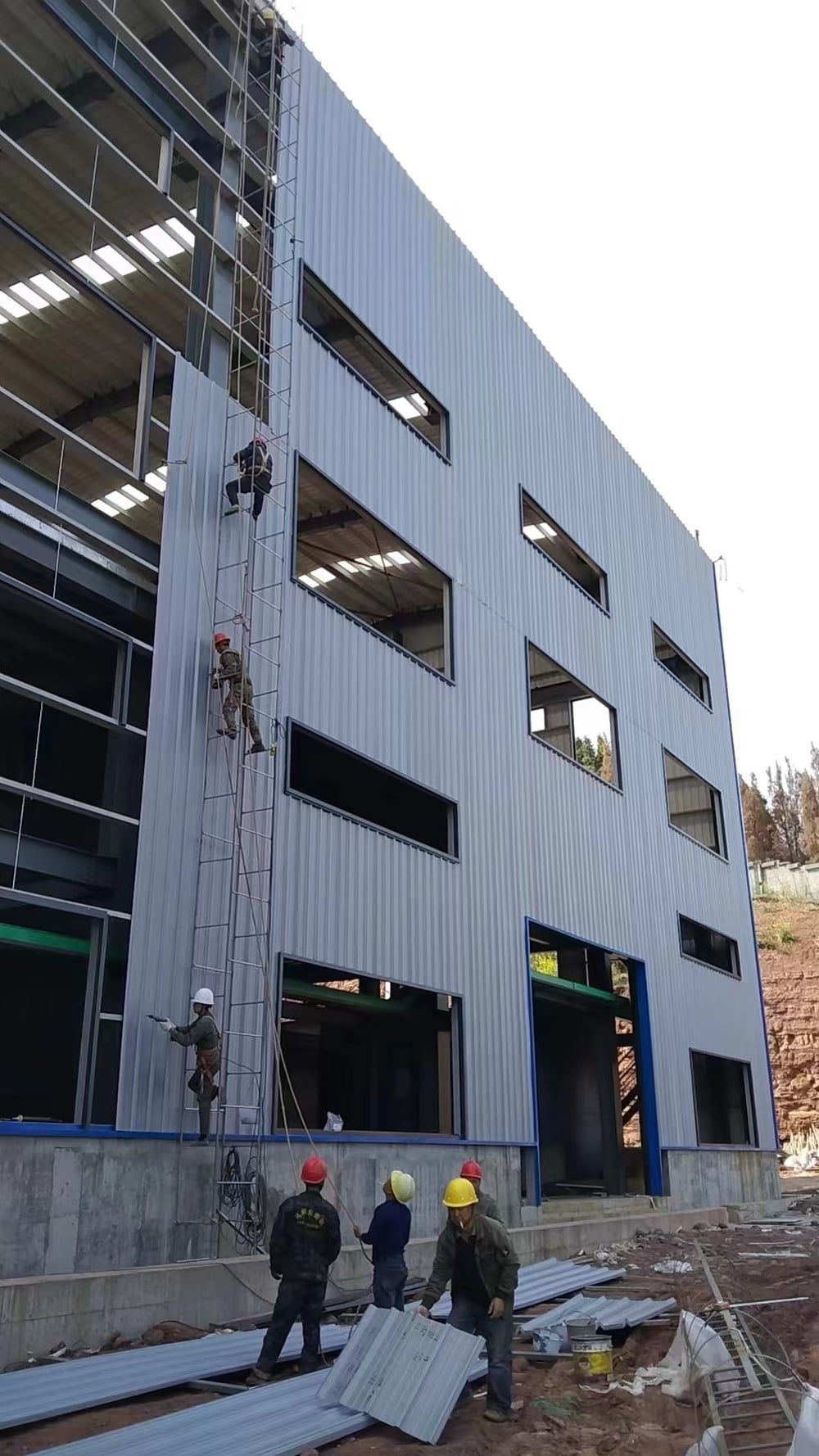
Commonly used in the market of steel structure factory building tiles (traditional tiles: green brick tiles, glazed tiles, etc. are not involved here): PC class plastic tiles / board (PC)raw materialsextrusion molding),pvcClass plastic tile (PVC raw material extrusion molding), FRP class plastic tile (glass fiber reinforced unsaturated resin tile, pultrusion or semi-manual pultrusion molding, thermosetting materials, transparent and opaque, the two performance differences), asbestos tiles (also known as cement tile, generally refers to the cement plus asbestos or glass fiber compression of the formation of the tiles, the length of the general does not exceed 2000mm), color steel tiles (special steel sheet pressing molding), Zinc iron tile (zinc iron plate pressing molding) and so on. These tiles have their own advantages and disadvantages, specific to each category, there are subdivided, this article focuses only on the characteristics of PVC tile:
- PC class tile / board: flame retardant in general, without flame retardant, then the oxygen index is slightly greater than 25%, is not to help the burning material; lighting (generally transparent, a small portion of opaque), 1.0mm transparent solid transmittance is generally up to 90%; corrosion resistance in general, general acid and alkali okay, but some chemicals (such as acetone, etc.) can not be used in corrosive environments, corrosive environment on the use of Service life has a greater impact on the purchase of selected materials need to focus on consideration; heat resistance is better, long-term use of the general temperature of 100 ℃ or so can be; rigidity in general, slightly worse than PVC (close), the general use of purlins spanning not more than 800mm, some thickness or waveform experiments show that you can reach 1,000mm; aging resistance is generally used outdoors, then you need to carry out the modification, add UV resistance!reagentPC solid board (commonly known as endurance plate): roofing is less used, generally used for community awnings, carports, channels, flyovers, advertising decoration, etc. PC tile: steel structure roofing commonly used, lighting.
PC hollow grid plate (commonly known as sunshine board): generally not recommended for roofing, can be used for wall decoration, rain shed, sound insulation wall.
- PVC class plastic tile: high flame retardant, do not need to do basic roofing building modification, up to GB/T 8624 class B; good corrosion resistance, can withstand most of the acids, alkalis and chemicals, salt farms, chemical factories, etc., preferred, but some long-term use of corrosive environments will reduce the service life; heat resistance in general, not modified, if the general use of the temperature does not exceed 70 ° C, more than then it is easy to tile deformation; Rigidity Generally, the span of purlin is not more than 800mm, some thickness or waveform experiments show that it can reach 1000mm; aging resistance is general, the surface layer modified according to the different modified materials, generally in 3-15 years. Impact resistance in general, according to the manufacturers of the formula is not, the elongation is generally 20%-60% or so, I recommend choosing to ensure a certain degree of rigidity, choose the elongation rate of 40% or more PVC tile will be more insurance, especially for the late more secure, PVC tile is generally not resistant to hail impacts, certain waveforms and a certain thickness will be better, but with the increase in the use of time Performance decline is more obvious. Key note: PVC burn resistance is poor, ordinary lit sticks, unburned firecrackers, etc. will be burned through a small hole.
- Completely depends on the surface layer paint (surface layer is generally acrylic paint, also some manufacturers say is used is fluorocarbon paint), general 5-15 years service life; easy to absorb water, in high humidity environment, the service life will be reduced; impact resistance is good (depends on the type of fiberglass reinforced material used), general hail impact basic no trace.
Translucent: poor flame retardant, without the addition of flame retardants, then belongs to the flammable materials; light with transparent 1.0mm light transmission rate generally up to 80%; corrosion resistance, basically all acids and alkalis have no effect, better than PVC; heat less than 100 ℃, the temperature is easy to yellowing and embrittlement; rigidity in general, a little better than the PC; aging is not resistant to aging, depending entirely on the aging of the surface membrane (surface layer is generally ageing resistance), generally 3-10 years of service life; easy to absorb water, in a high humidity environment, the service life will decline; impact resistance is slightly better than PVC (depending on the use of glass fiber reinforced PET film), generally 3-10 years of service life; easy to absorb water, in a high humidity environment, the service life will decline; impact resistance is slightly better than PVC (depending on the type of fiberglass reinforced material used), generally ordinary hail smashed down is not a hole, but will be damaged.
- Asbestos tile (cement tile): good flame retardant, non-combustible, good sealing in case of fire inside the house, not easy to breathe, easy to trigger death by asphyxiation, corrosion-resistant, basically all the acids and alkalis have no effect, high heat-resistant temperature, virtually no temperature limitations, rigidity is good, the general span up to 1,500mm, aging-resistant performance is generally, easy to absorb water in the use of, pulverized, brittle, easy to rupture by the impact of the weight of the heavy weight to increase the weight of the load bearing. Asbestos tiles have good thermal insulation performance, better than plastic tiles, but asbestos tiles are not green roof tiles, asbestos tiles are easily carcinogenic in the process of production, production is now banned, plus fiberglass insulation is slightly worse.
- Color steel tile: good flame retardant, non-combustible, house fire sealing is good, not easy to breathe, easy to trigger asphyxiation death, poor corrosion resistance, not acid and alkali environment, will accelerate the corrosion, poor insulation, in the sun's irradiation of the roof tile will be hot, rigidity is good, 0.5mm thick, the general span of up to 1500mm. aging resistance is poor, basically depends on the surface of the steel sheet of the zinc plating, baking paint treatment layer quality, good quality can be used for 3 years, if the atmospheric environment is good, accelerated rust, service life will decline, impact resistance is good, not aging before is not afraid of ice, the first time is not afraid of aging. Good quality can generally be used for 3 years time, if the atmospheric environment of the region with a slightly longer service life,, in a high humidity environment, accelerated rust, the service life will decline, good impact resistance, the pre-aging is not afraid of hail, but the rain is noisy; poor thermal insulation, than the plastic tiles are easy to heat transfer.
- Zinc iron tile: good flame retardant, non-combustible, house fire sealing is good, not easy to breathe, easy to trigger death by asphyxiation; poor corrosion resistance, not acid and alkali environment, will accelerate the corrosion; heat-resistant temperature is high, there is almost no temperature limitations; rigidity is good, 0.5mm thick general span of up to 1200mm; aging resistance is poor, basically depends on the quality of the paint layer, the quality of the general can be used for a period of 3 years, if Atmospheric environment in good areas with a slightly longer service life, in a high humidity environment, accelerated rust, the service life will decline; impact resistance is good, the pre-aging is not afraid of hail, but when it rains, the noise is greater; thermal insulation is not good, than the plastic tiles are easy to heat transfer.
PVC type tiles commonly found on the market: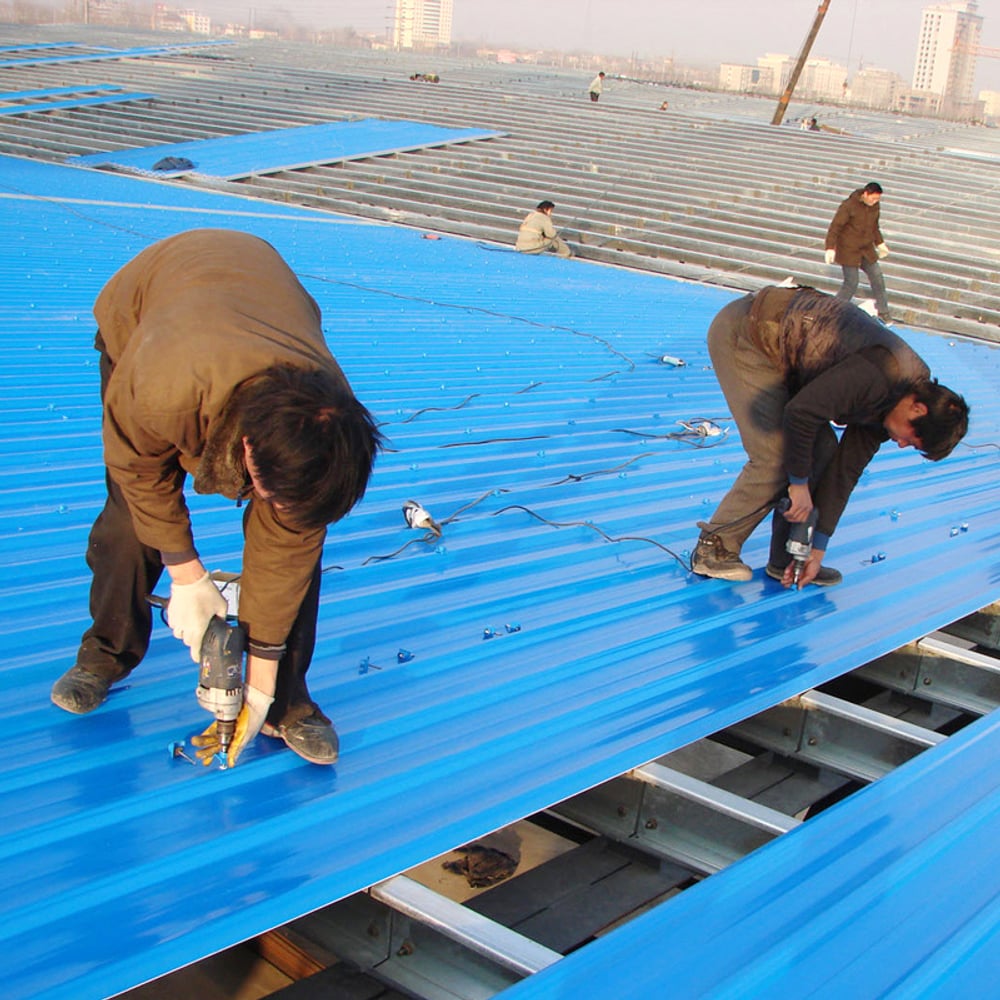
- Single-layer PVC tiles: ordinary PVC tiles, the product has a slight light transmission, the degree of light transmission according to the thickness, color and use of the place of light and darkness will be different. Some manufacturers will slightly modified for weather resistance, but most of them will not. It is recommended to be used for simple carports, fences and walls in places where sunlight is not strong, and is not recommended to be used in steel factory buildings. Due to the product has a slight light transmission phenomenon, in some special places, such as cloth, vegetable and meat market or selection of material workshop, etc. in the tile color selection needs to be very careful.
- 2-layer PVC composite tile: the product is basically opaque, but in some light and dark differences in the use of obvious places according to the color of the product, the thickness of the different phenomena may appear slightly translucent. The surface layer is generally called APVC after weathering enhancement modification; the surface layer without modification is generally called two-color PVC tile. The bottom layer of the product is generally white, the use of two-color tile with the same single-layer PVC tile, and APVC tile is much wider, can be used for market access, steel structure plant roofing, walls, etc., in some special places, such as cloth, vegetable and meat market or selection of materials, such as workshops, etc., in the tile color or thickness of the choice of the need to be careful, and generally do not recommend.
- 3-layer PVC composite tile: the middle layer is generally a shading layer, blocking the light through; the bottom layer is generally white; the surface layer color is variable; at the same time, due to the opacity of light, the thermal insulation performance is helpful, but also solved the single-layer, 2-layer PVC tiles overlap bit of the traditional problem of darker color. The surface layer generally does not change the surname, or slightly modified. The use of the same as single-layer PVC tile, just because of its opaque, the heat insulation performance is helpful, and lap position color and other positions consistent, beautiful and a lot.
- 4-layer PVC composite tile: due to technical difficulties in the production, the market is less common, it is understood that only see the red wave of building materials have publicity and sales. This kind of tile surface color variable, weathering modified, belongs to the APVC class of tile; 2nd layer is white, functionality is not much change, just isolate the production process of the surface layer and the intermediate layer of material mutual penetration, can reduce the surface layer thickness (surface layer color powder cost is high, and color powder is generally small molecule material, join the physical properties will have an impact), to reduce the cost of production; 3rd layer for the shading layer, blocking the light through, and has the role of enhancing the function of heat insulation; 4th layer of PVC composite tile: due to the technical difficulties in the production, it is understood that only see red wave building materials have publicity sales. The third layer is a light-blocking layer, blocking light transmission, and has the effect of enhancing the function of heat insulation; the fourth layer is a white layer. The use of the same as the traditional APVC tile, only because of the opaque, the heat insulation performance is helpful, and lap position color and other positions consistent, beautiful a lot.
- Surface co-extruded (or laminated) functional materials layer PVC tile: common PMMA (commonly known as plexiglass), ASA resin, acrylic (or fluorocarbon paint class) resins, etc., the role of such functional materials is the role of weathering, sunlight and fade-resistant. The number of layers is generally 2 layers and 3 layers, the surface layer of functional materials, the following PVC material (if 3 layers, the middle layer is generally made impervious to light, but the material is still PVC), the upper and lower layers of the color is generally made to be basically the same (the bottom layer of white is rare, the reason for personal estimation should be in order to recycle colored waste products in the production process), and the 4-layer is also available, less common. This type of tile for some special places, such as villa buildings, landscape pavilions, ecological restaurants, tourist attractions or some strong sunshine areas, corrosion of serious areas will be more suitable.
- PMMA composite tile: PMMA aging resistance should be relatively good at present, better than ASA, acrylic, etc., but its brittleness, and the combination of the PVC layer is the current technology is difficult to overcome the point, so this tile should have basically withdrawn from the market, may be a small number of certain manufacturers will be used to pretend to be ASA composite tile. Simple judgment method:
- PMMA composite tiles have an extremely bright and smooth surface.
- Cracks often appear when the surface is hit hard with a sharp object.
- Acrylic (or fluorocarbon paint class) resin composite tile: at present, this technology should not be very perfect, the market is less to see this tile. But there is an existing market in the product surface film (generally PET film) of the tile, often sellers say more exaggerated, but the actual effect is not particularly good, especially a small number of merchants to pretend to be acrylic (or fluorocarbon paint class) resin composite tiles, need to pay attention to when you buy, easy to determine the method:
- Look at the introduction of the business will not require the use of the need to tear off the upper layer of the film, if there is no such requirement, this tile do not buy, the majority of fake;.;
- There is another method, due to the large difference between the thermal shrinkage of PET and PVC, such tiles are placed in 90-100 ℃ heating for a period of time (30min), the sample tends to deformation, warping.
ASA composite tiles:
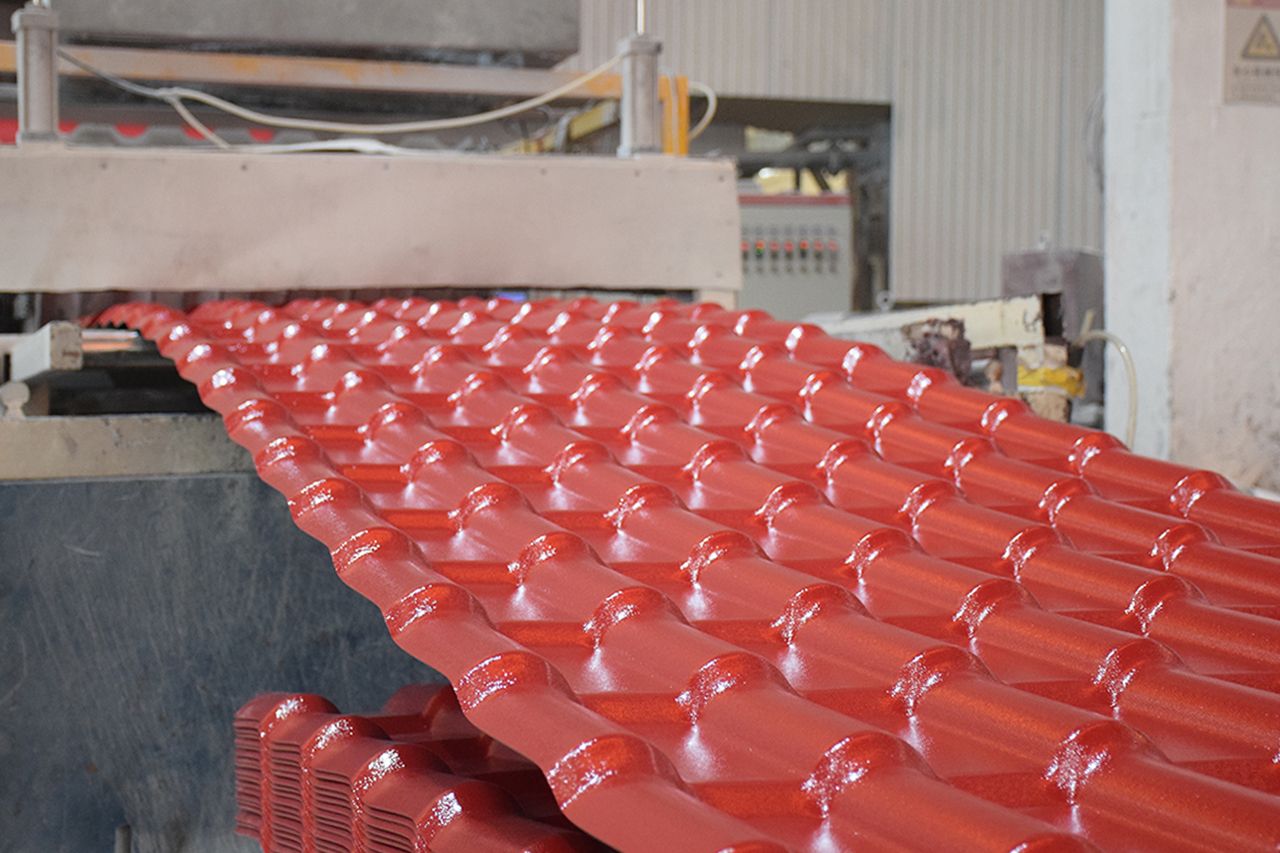
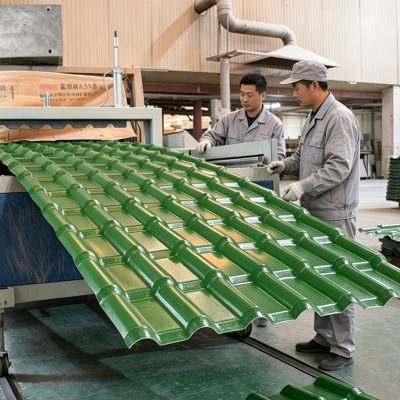
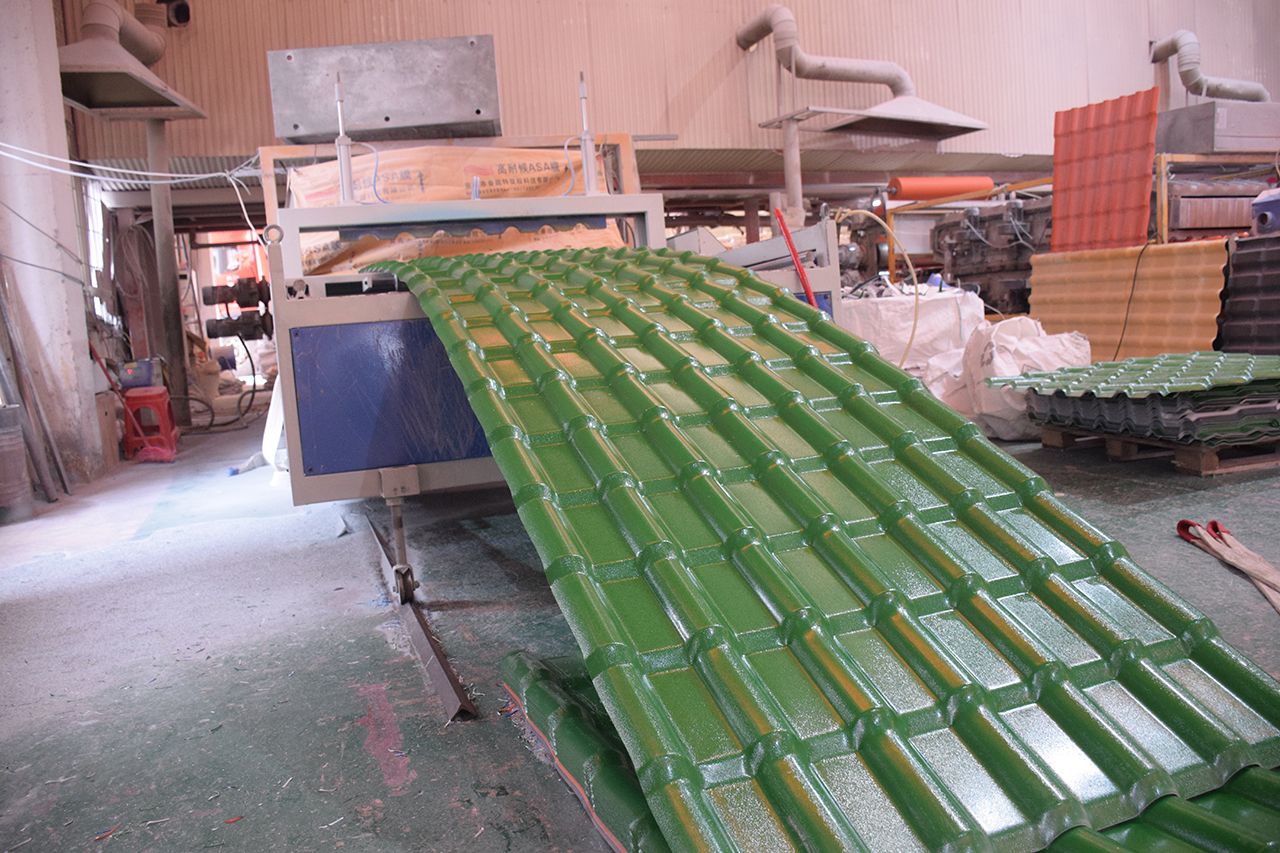
This is more popular on the market, generally known as ASA composite tile (like now all over the country to engage in the wind and fire of the “slope” project using tile - synthetic resin tile belongs to this category of tile, just its shape is more special, belongs to the glazed tile type). This type of tile should be the current plastic tile when the high aging performance of the leading tile, 2-layer, 3-layer, 4-layer composite have, the vast majority of manufacturers say that the tube with 25 years, and even some also said that with 30 years no problem, but the current ASA market and its chaotic, imported and domestic ASA performance differences are extremely large, especially some of the color differences are even larger, and the bottom of each manufacturer's materials with the formula is uneven, and the bottom of the conservative views on this 25 years, I have to say that it is a good idea. Personally, I hold a conservative view on this 25 years.
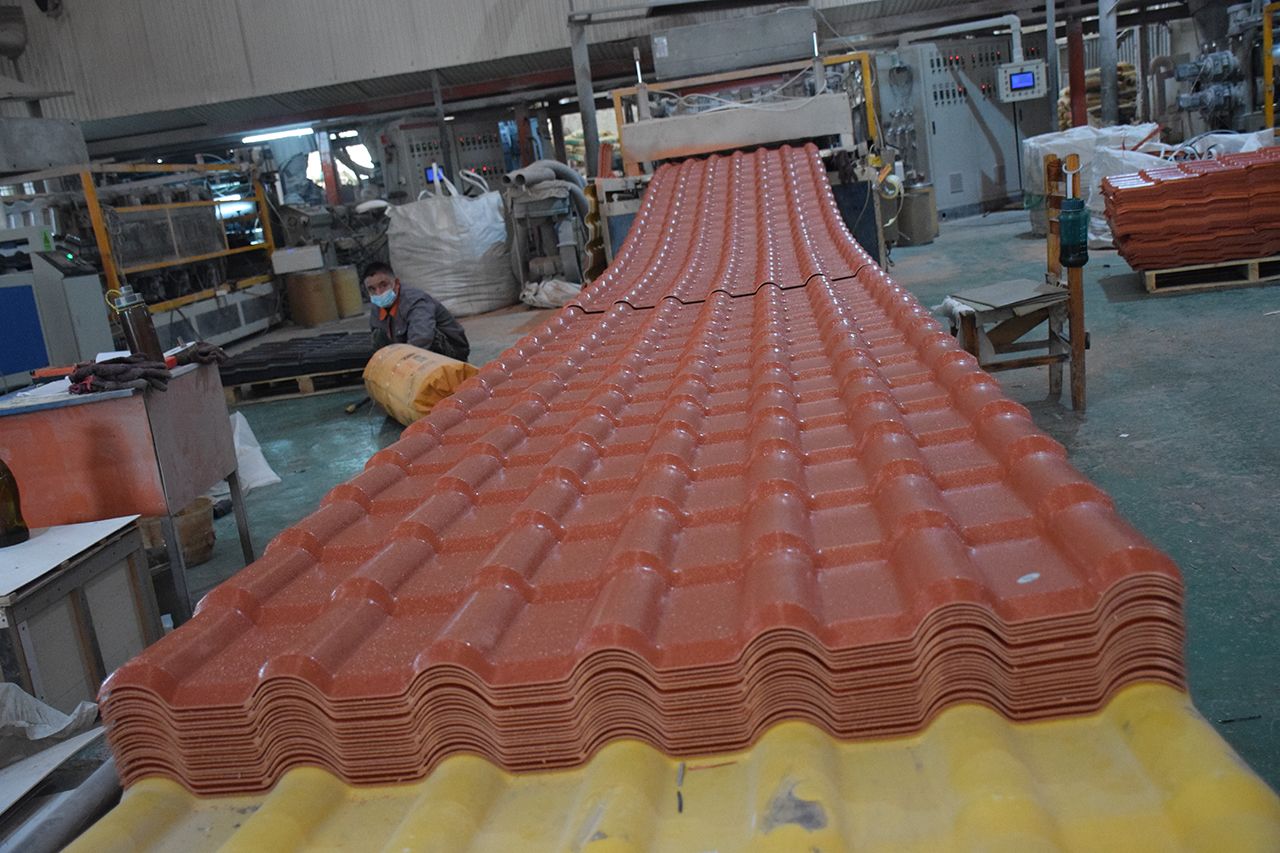
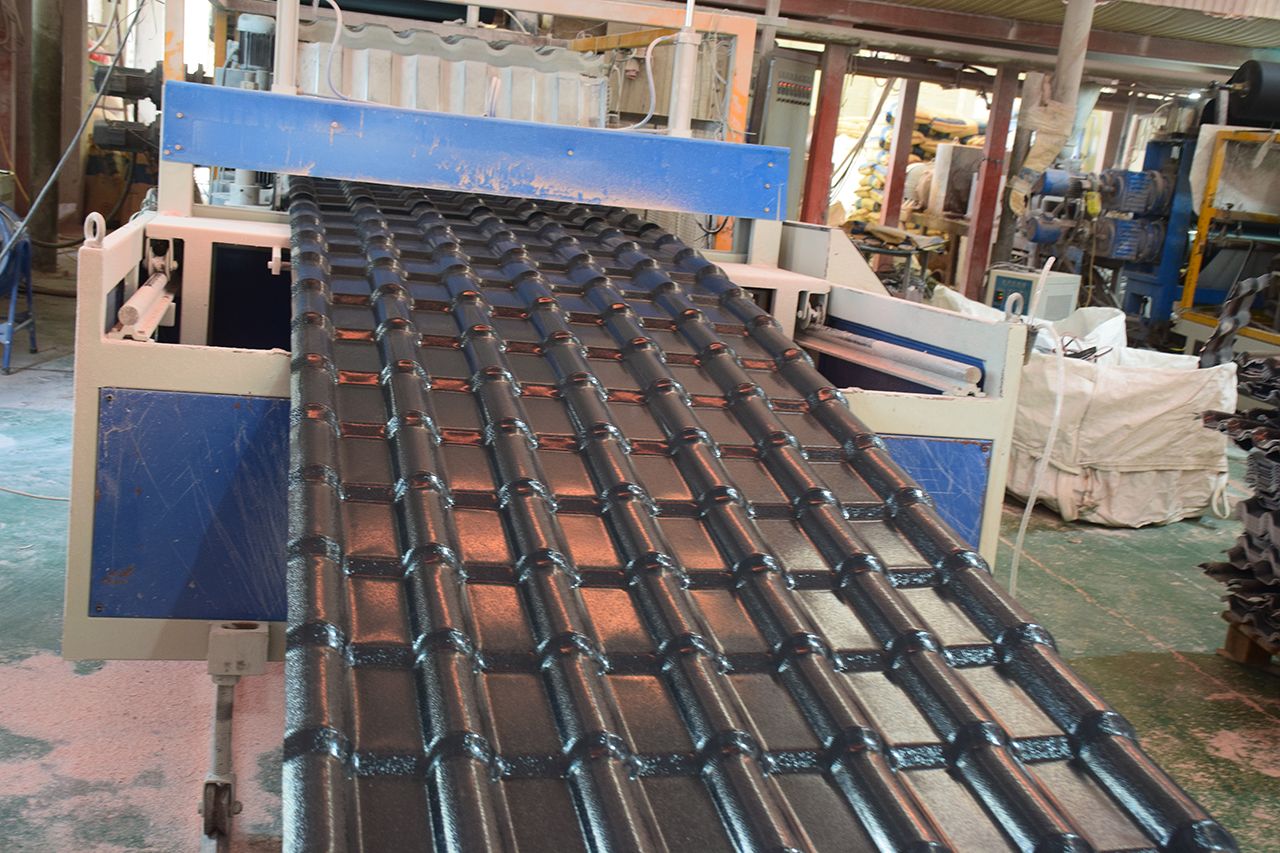
ASA composite tiles are generally made with patterned, granular surface (synthetic resin tiles as well), but this is not a characteristic of this type of tile, ordinary PVC tiles can also be made to make such a surface, made like this:
It is due to the fact that it is made into a surface pattern, which can hide some defects and requires low production process. So don't be fooled by the merchants. Personal advice, if not out of a special hobby, or choose glossy it, after all, plastic is basically notched brittle, there are particles, patterns exist, the material properties will be part of the loss (production process, materials, thickness, etc. exactly the same case for the product, the physical properties of glossy is higher than the flower surface).
Synthetic resin tile: belongs to the ASA composite tile, glazed tile wave type, the specific shape of each manufacturer slightly different, the thickness of the general 3mm thick, common 2 or 3 layers of composite. In view of the actual situation of the current synthetic resin tile market, it is recommended not to buy the thickness of less than 3.0mm tile (based on the market price competition and the cost of surface layer of ASA cost pressure, manufacturers are the formula cost to do very low, directly affecting the performance of the product, choose the thickness of the tile is too thin, the use of the problem is easy to go wrong). This type of tile is mainly used for “flat to slope” project, villas and other roofing. Purchase need to pay attention to identify the surface material is ASA resin, many manufacturers will be other materials to pretend to be ASA, such as modified PVC, PMMA and other cheaper materials.
Some special feature tiles:
High-temperature PVC tile: generally for the PVC/CPVC co-modified, heat resistance according to the formula of each manufacturer and different, the general use of temperature can be in 80-90 ℃, this type of tile rigidity is higher, the use of purlins can be a little larger span, but note that the corresponding brittleness is also increased, the late maintenance should be aware of the performance decline problem.
High rigidity PVC composite tile: common in the PVC material inside the folder on the steel wire mesh or grid fiberglass for rigidity enhancement, the use of purlin span generally up to 1200mm or more, but the production cost of such tiles, the composite force between the layers and the expansion coefficient of each layer of the material is still an unknown quantity, the purchase needs to be careful.
Surface layer with infrared reflective capacity of the tile (thermal insulation tile): At present, this type of tile is relatively rare, generally the surface layer added with infrared reflective capacity of the additives, while assisting other means to improve the product's thermal insulation capacity.
Core layer micro-foam PVC tile: the use of foaming technology, the middle layer made of micro-foam, the use of foam layer to increase the light insulation, improve the product's thermal insulation capacity, but this tile is more brittle, the thermal insulation effect is not particularly noticeable, it is recommended not to choose.
Bottom layer of foam composite PVC tile: this kind of tile is in the ordinary PVC tile (at present, color steel tile is more common, PVC tile is less common) under the adhesion of a layer of foam and flat plate (or reflective adhesive paper), the heat insulation effect is very good, but I personally feel that there is no need:
- Foam is generally non-flame retardant, and flame retardant foam is more expensive and not cost-effective.;
- It is the foam volume is large, the transportation cost will increase a lot, if the building requirements for heat insulation is very high, it is better to install a few layers of waterproofing, the middle of the heat insulation cotton, etc., the effect of heat insulation is better.