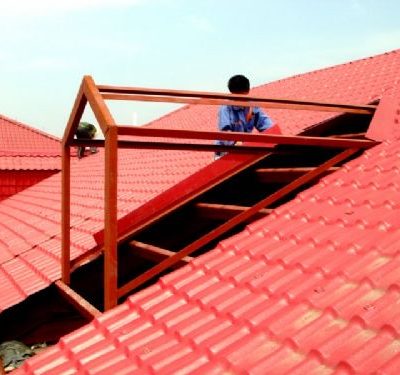
When selecting roofing materials, many people fall into the trap of focusing solely on price or appearance, while overlooking the most critical issue: proper sizing. The choice of PVC roofing tile model directly determines the ease of installation, material utilization, and the final waterproofing performance. Different building structures and uses have entirely different requirements for the thickness, width, and corrugation shape of roofing tiles. Understanding these basic specifications can help us make more rational decisions during procurement and prevent rework and waste caused by incompatible specifications.
What are the mainstream specifications and sizes for commonly used PVC roofing tiles?
PVC synthetic resin shingles, or PVC shingles, which are commonly found on the market, typically have a standard width of 1.05 meters or 1.1 meters. This design is primarily intended to match the spacing of standard roof purlins, thereby minimizing waste during cutting. In terms of length, manufacturers typically offer customization services, generally ranging from 6 to 12 meters, or even longer, depending on specific transportation conditions and construction requirements. Thickness is a key indicator of quality. Standard residential self-built homes typically use products with a thickness of 2.0 mm to 3.0 mm; however, for industrial buildings or areas prone to high winds, it is recommended to select thicker variants of 3.0 mm or more to enhance resistance to wind pressure and impact.
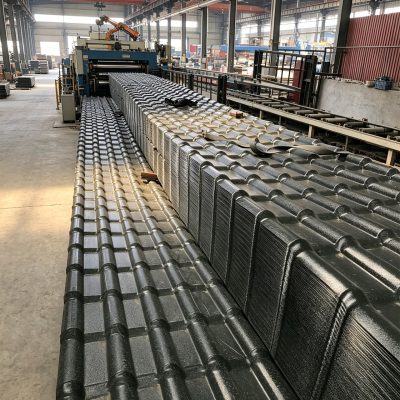
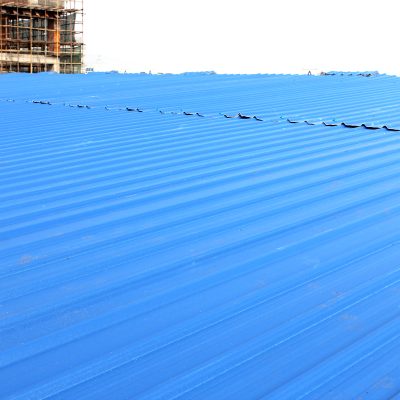
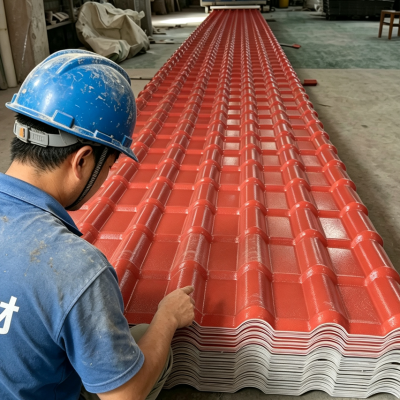
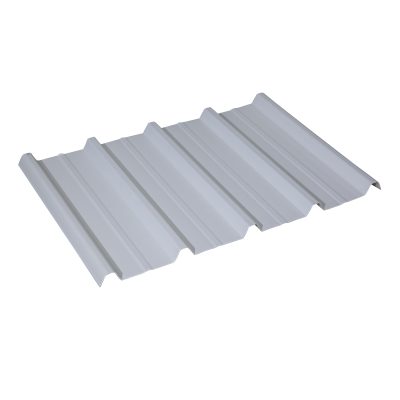
Aside from size, the shape of the corrugations also affects drainage efficiency. Common shapes include trapezoidal, sinusoidal, and those resembling traditional glazed roof tiles. The wide variety of PVC roofing tile models is specifically designed to meet diverse aesthetic and functional needs. For example, the trapezoidal wave structure features a simple design and distributes load more evenly, making it suitable for use as the top layer in most roofing scenarios; however, designs that mimic the appearance of antique glazed roof tiles are primarily focused on aesthetic appeal and are often used in buildings specifically constructed for scenic areas or in high-end residential properties. When actually selecting and purchasing roof tiles, it is essential to measure the slope of your home’s roof. If the slope is less than 10 degrees, it is not recommended to use standard roof tiles, as the poor drainage can easily lead to water accumulation and leaks.
Advantages of PVC Roof Tiles Compared to Tiles Made of Other Materials
Compared to traditional clay or cement tiles, PVC tiles have an overwhelming advantage in terms of weight, weighing only about 3–4 kilograms per square meter, This significantly reduces the load on the roof structure. It is precisely this lightweight characteristic that eliminates the need to reinforce beams and columns during the renovation of older homes, saving a massive amount of construction costs. At the same time, PVC material possesses excellent corrosion resistance and oxidation resistance, meaning it will not rust or rot due to acid rain or humid environments. Its service life can extend for decades, far exceeding that of traditional asbestos shingles.
In terms of thermal insulation, PVC roofing tiles feature a microporous structure that effectively blocks heat transfer, resulting in indoor temperatures that are 3 to 5 degrees Celsius lower than those achieved with metal or cement tiles, thereby significantly reducing air conditioning energy consumption. Ease of installation is another standout feature; the project can be completed using only simple mounting screws, eliminating the need for complex cement mortar leveling operations and resulting in exceptional construction efficiency. For users seeking value for money and durability, selecting the appropriate model of PVC roofing tiles is a wise choice for enhancing living comfort.
When choosing the right type of PVC roofing tile, it is necessary to comprehensively consider the building’s structure, local climate, and budget. You should determine the width, thickness, and corrugation type, while also taking into account its lightweight, durable, and insulating properties—only then can you achieve optimal performance.
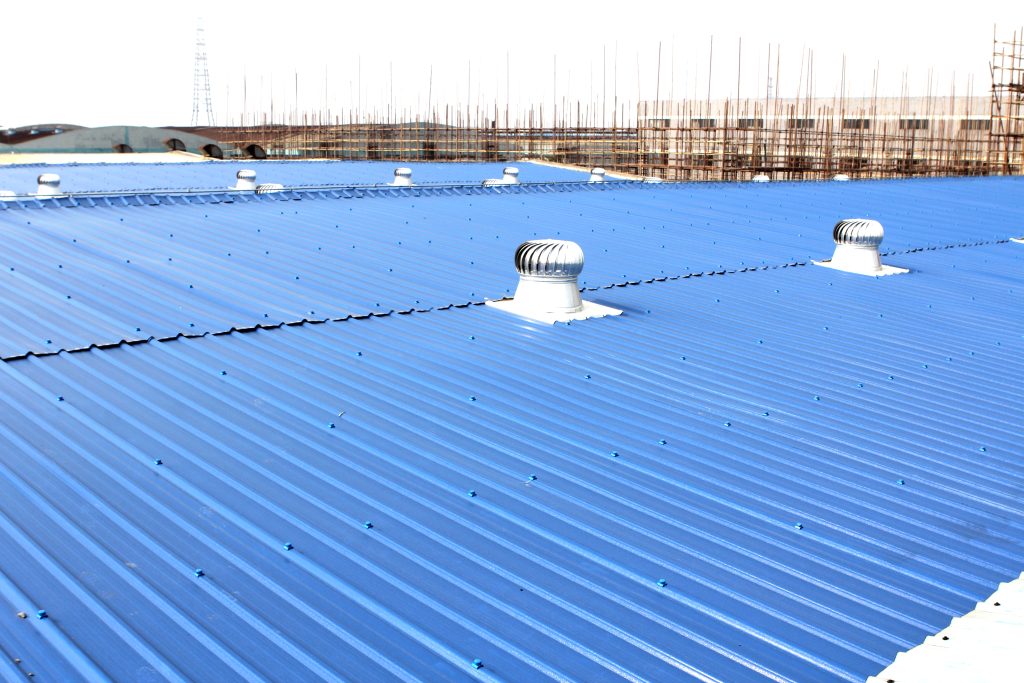
PVC Roof Tile Models
Keywords: PVC roofing tile models