What exactly is the difference in the cost structure between resin shingles and aluminum shingles?
Many people ask right off the bat which is better: resin shingles or aluminum shingles. However, those in the know understand that comparing their merits without considering their cost structure is simply nonsense. At first glance, the unit prices of resin tiles and aluminum tiles seem similar, but in reality, their cost structures differ significantly. This directly affects how much you’ll ultimately pay and how long they’ll last. From raw materials and manufacturing processes to installation waste and long-term maintenance, each factor quietly adds up to the final bill. If you’re struggling to decide between the two, reading this analysis of their cost structures will naturally give you a clear understanding.
Which is more costly: raw materials or processing costs?
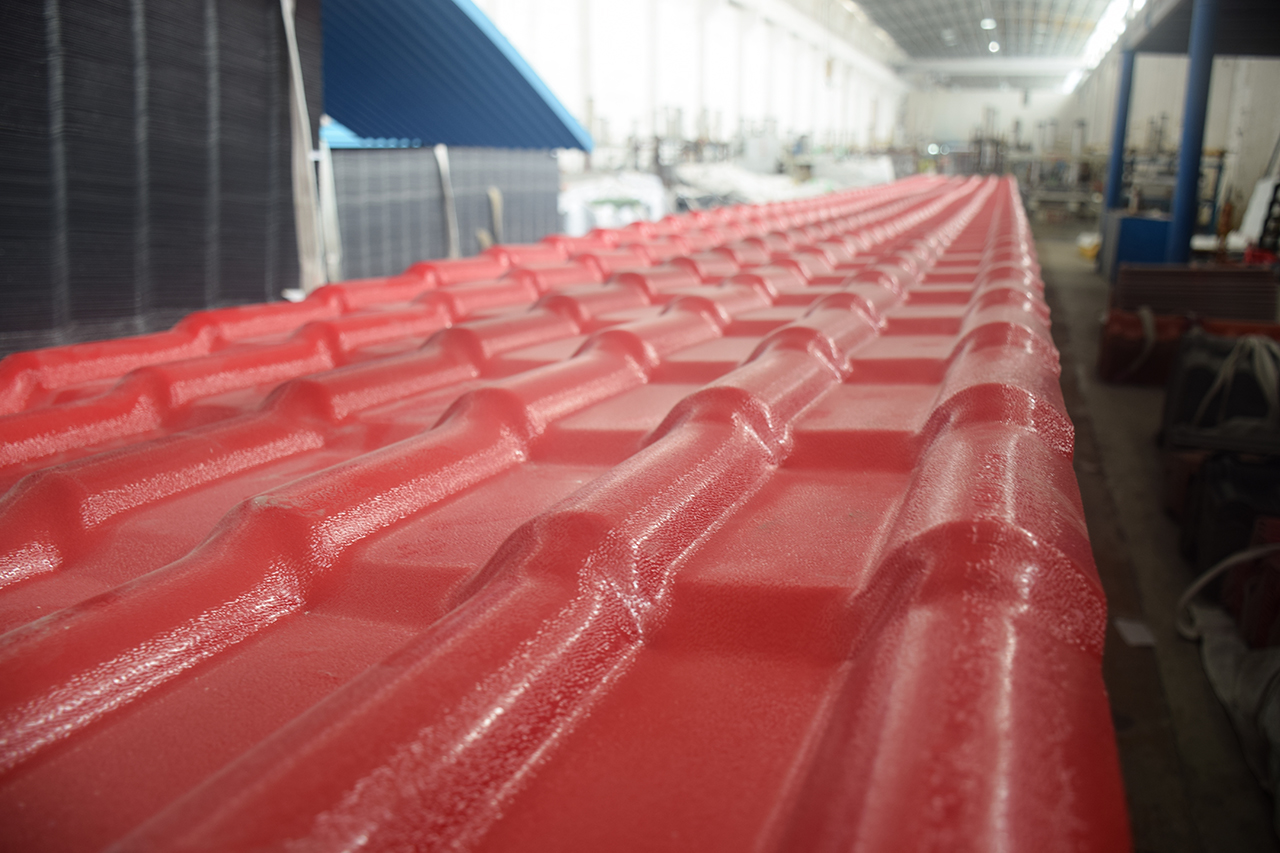
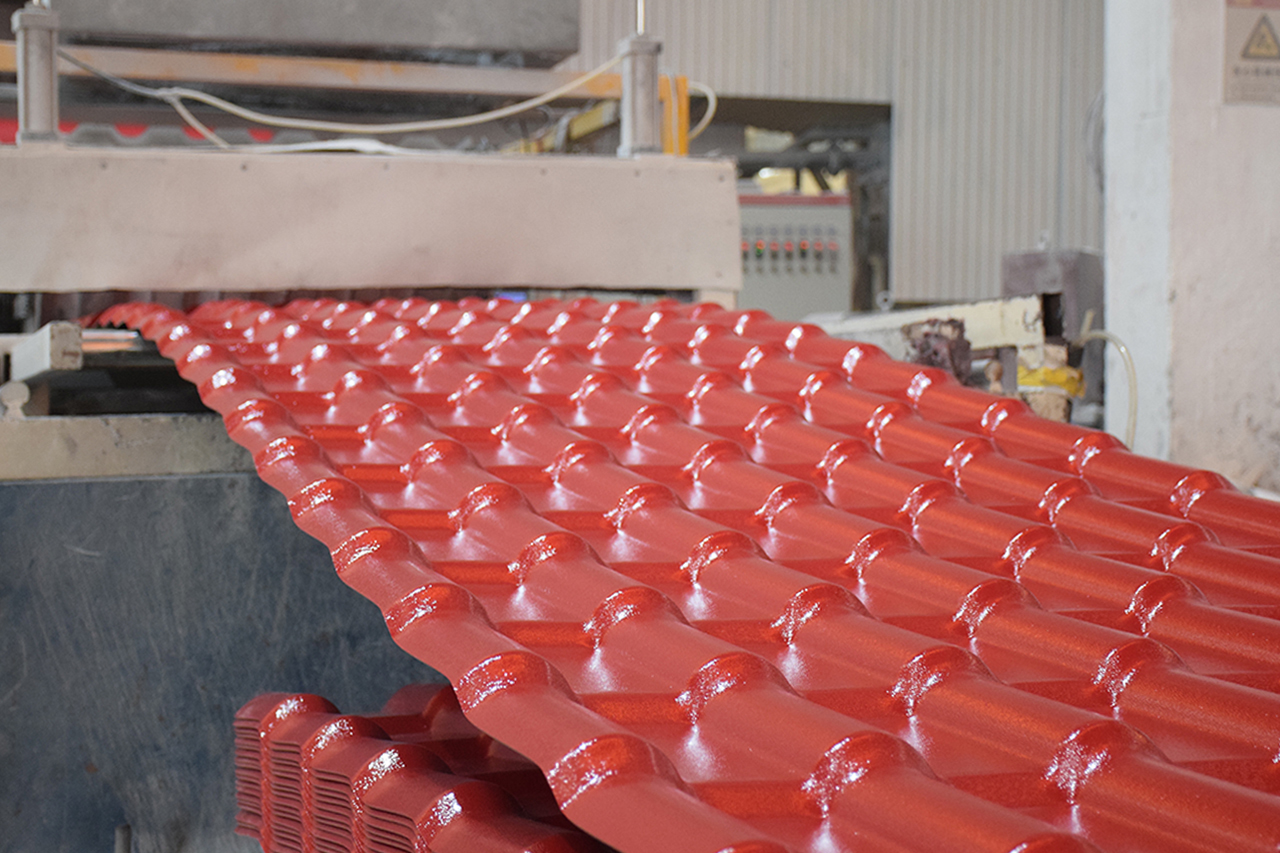
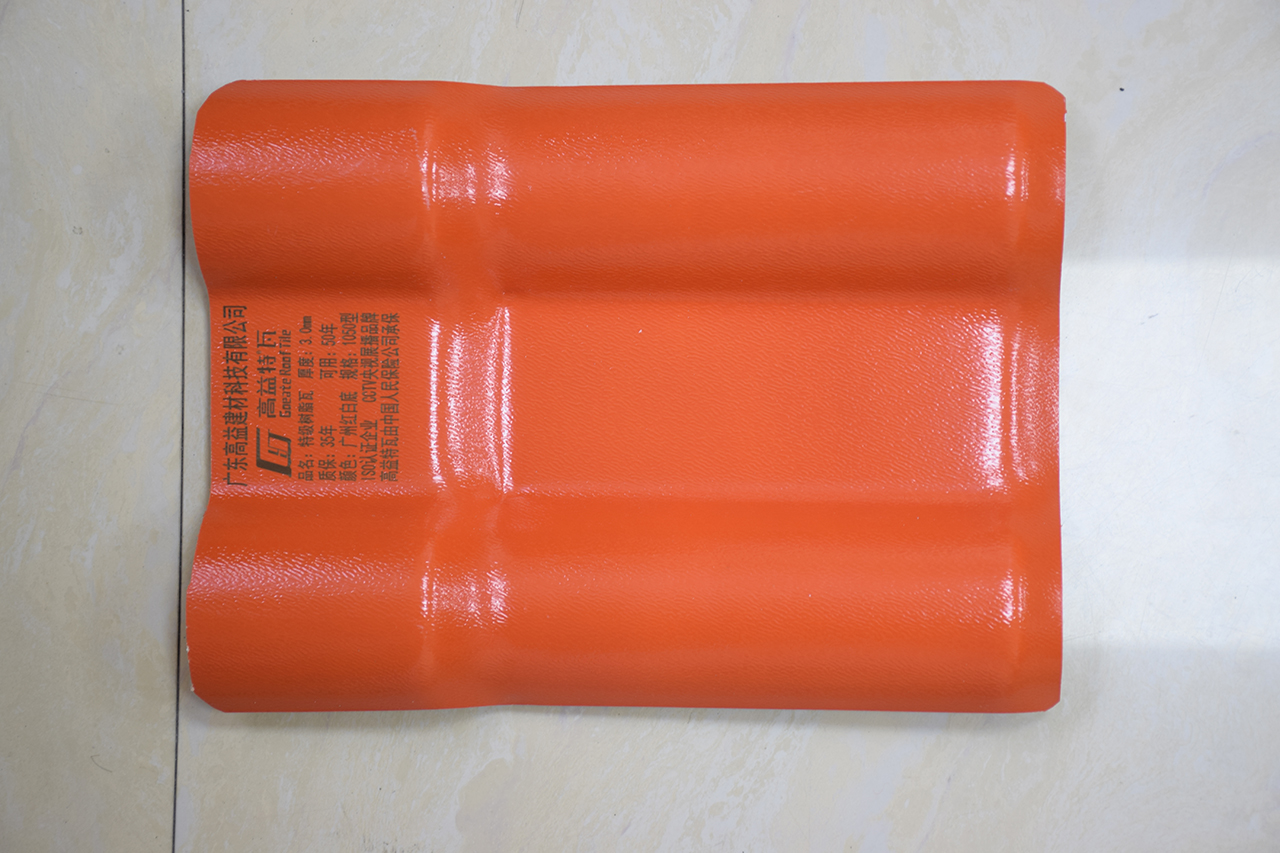
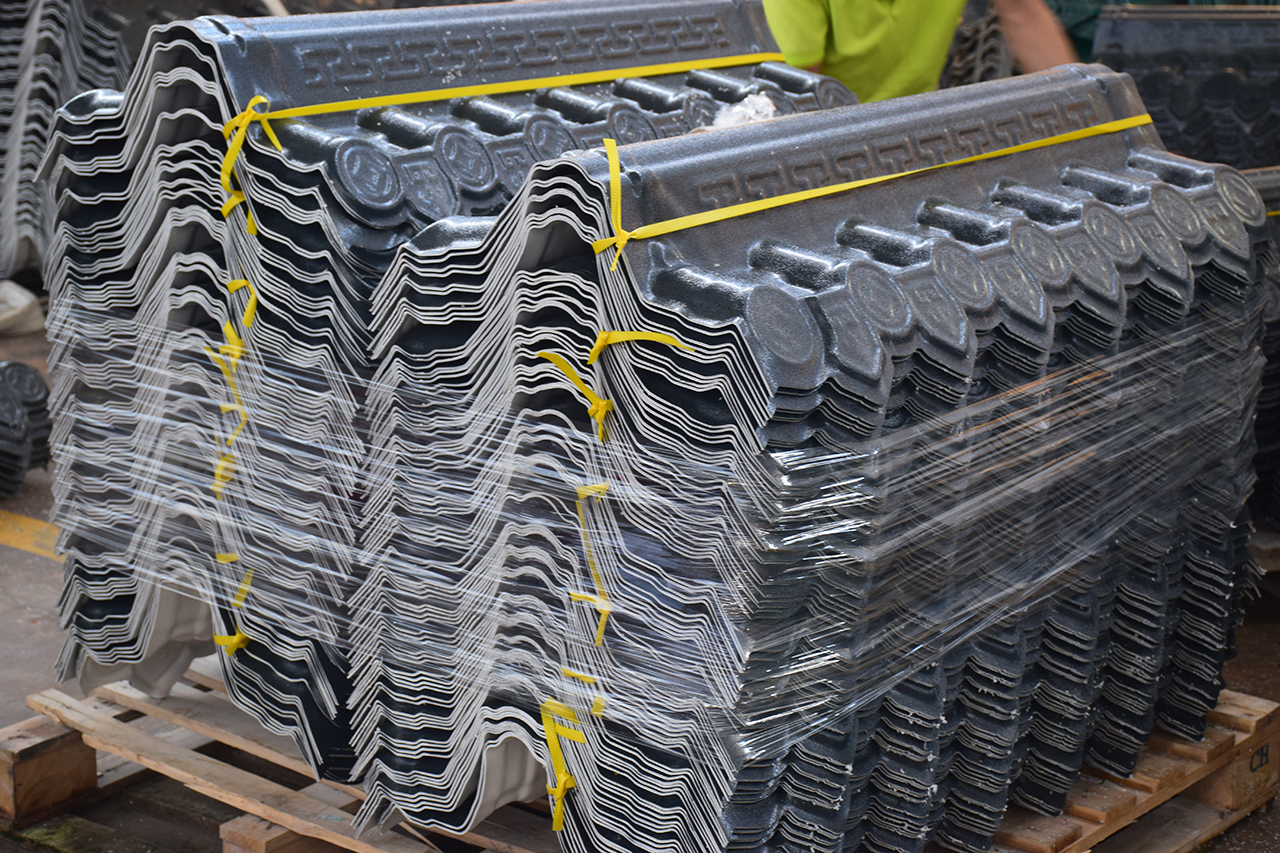
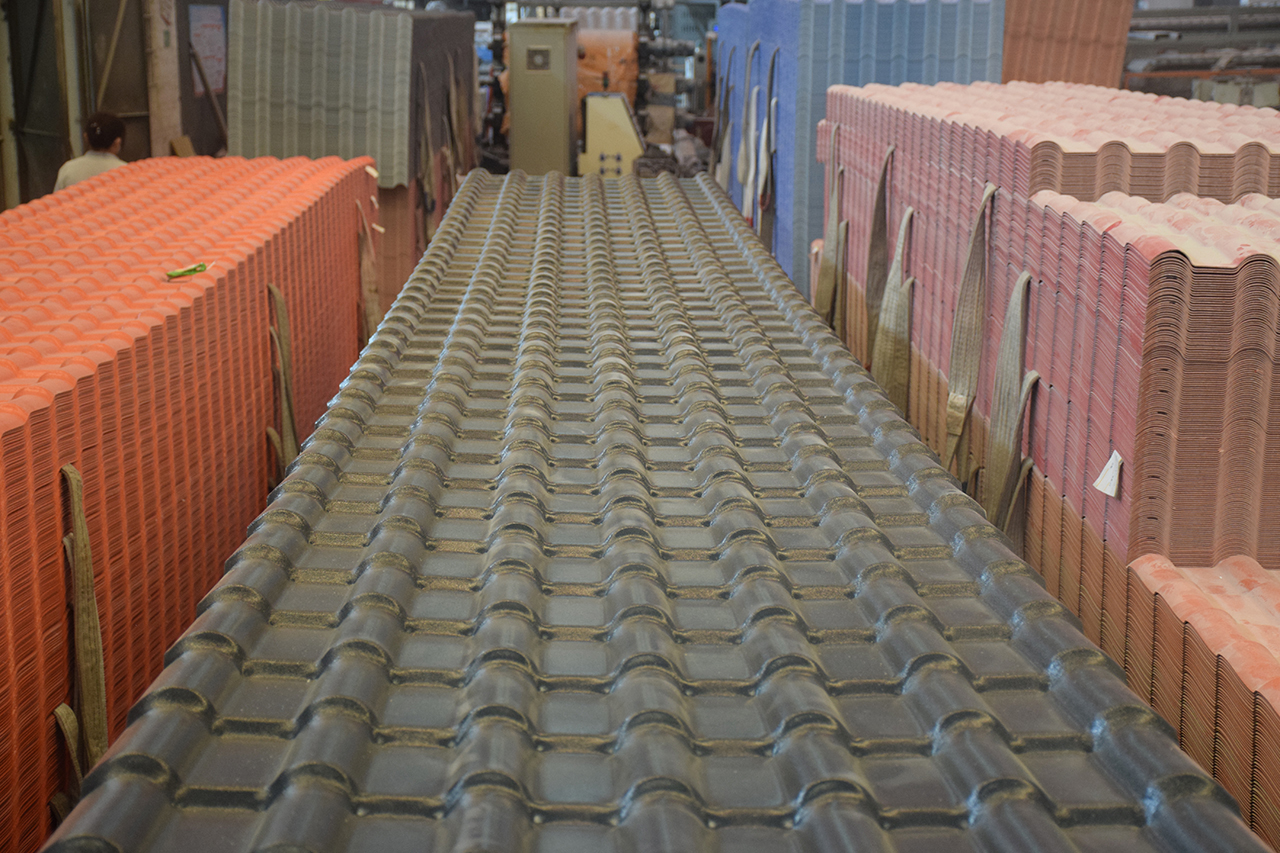
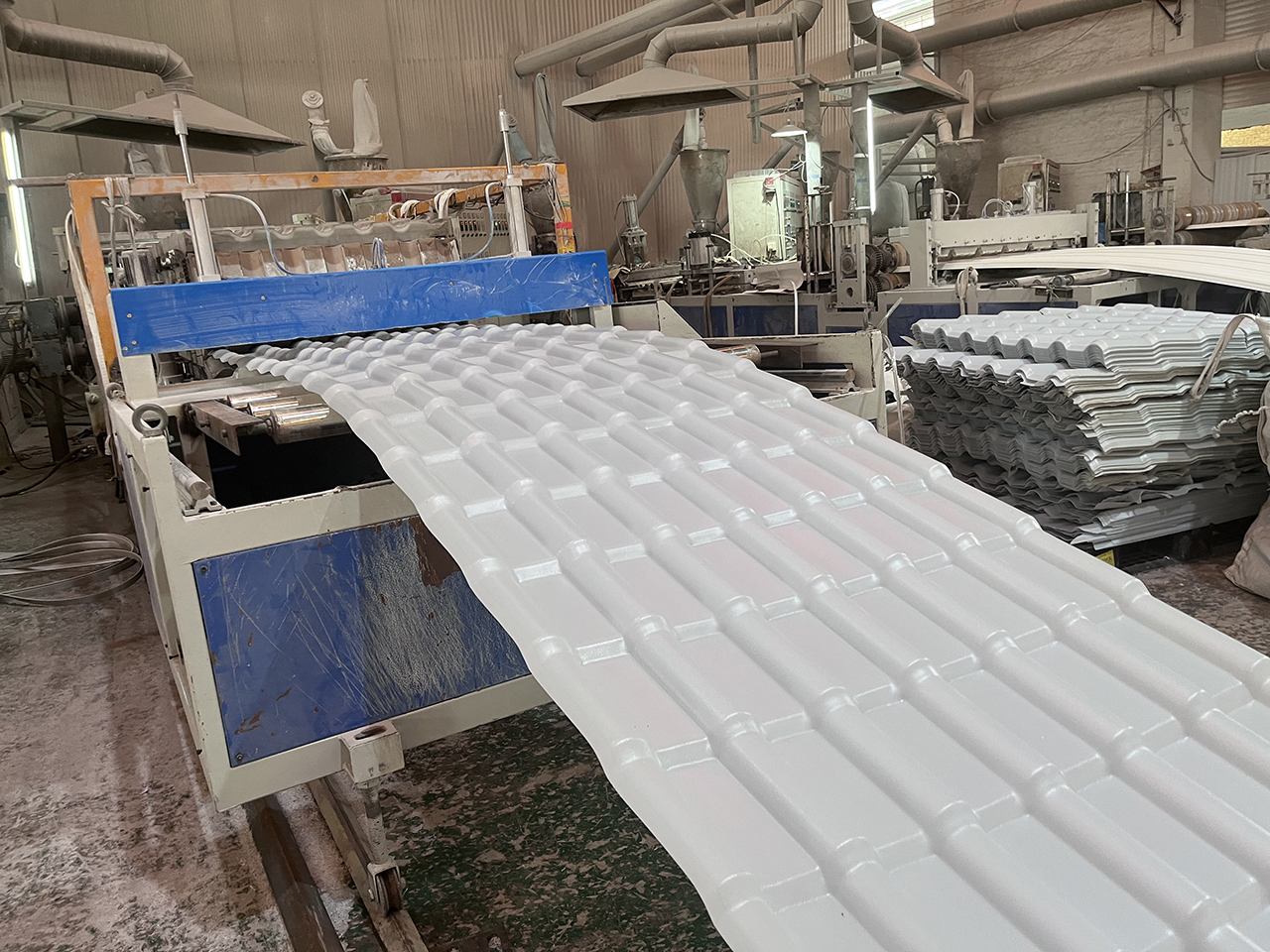
The primary raw materials for resin roofing tiles are ASA resin and PVC. The prices of these petrochemical derivatives are highly susceptible to fluctuations in international oil prices. In 2026, with raw material prices fluctuating at high levels, a set of mid-to-high-end resin roofing tiles accounts for more than 60% of the total cost. Furthermore, the manufacturing process involves high-temperature extrusion and molding, which consumes a significant amount of energy. However, on the flip side, resin tile production lines are relatively mature, and the barrier to entry for equipment investment is not particularly high. Consequently, the cost differences between manufacturers are primarily driven by the grade of raw materials used: cheaper products use recycled materials, while more expensive ones use virgin materials. This is the reason why prices for resin tiles on the market can vary by as much as 100%.
The cost structure of aluminum roofing tiles is entirely different. They are primarily made of aluminum alloy sheets, and aluminum prices follow fluctuations in the futures market. In the first half of this year, aluminum ingot prices skyrocketed, directly driving up the base cost of aluminum roofing tiles. Furthermore, aluminum roofing tiles require cutting, stamping, and surface coating processes, particularly the fluorocarbon coating process, which consumes significant labor and materials. Labor and auxiliary material costs are much higher than those for resin tiles. Although the unit price of aluminum tiles is high, the cost lies in the material itself, with virtually no adulteration. You get what you pay for. This is the first key difference in the cost structure between resin tiles and aluminum tiles: the cost of resin tiles lies in the formulation, while the cost of aluminum tiles lies in the metal itself.
Which is more painful: installation or maintenance costs?
Don’t just focus on the cost of materials; installation and subsequent maintenance are where the hidden pitfalls lie. Resin tiles are lightweight; a single person can carry them up to the roof, placing minimal load on the roof structure and thus significantly reducing labor costs. However, resin tiles have a critical weakness: they are secured by overlapping and screws. Over time, due to thermal expansion and contraction, leaks are likely to occur around the screw holes, and the sealant must be inspected and reapplied annually. Although the cost of each maintenance visit is not high, the cumulative expense over time adds up. After five years, the total cost can easily equal the price of half a new roof. Many owners of older homes report that resin tiles begin to become brittle after seven or eight years of use. The labor costs for replacing the tiles are nearly as expensive as the cost of purchasing new ones—a hidden expense that is often overlooked in the cost structure of resin and aluminum tiles.
The aluminum shingles here are installed in the opposite direction; they require specialized tools for cutting during installation, which demands a high level of craftsmanship from the workers. The installation cost per square meter is about ten to twenty yuan more expensive than that of resin shingles. However, aluminum shingles are extremely weather-resistant. As long as the coating isn’t scratched by hard objects, they require virtually no maintenance—at most, a rinse with clean water every two years to remove dust. Don’t be put off by the higher upfront installation costs—aluminum alloy is recyclable, so when it’s removed decades later, it will still be worth a decent amount as scrap metal. When you crunch the numbers, you’ll find that the second key difference in the cost structure between resin tiles and aluminum tiles is the time factor: resin tiles save money now, but aluminum tiles come out ahead in the long run.
When comparing the cost structure of resin shingles and aluminum shingles from start to finish, there isn’t really a clear-cut case of one being better or worse than the other; it simply comes down to whether your budget aligns with the expected lifespan of your home. If you plan to live there for only five years, choosing resin shingles will save you money. If you plan to live there for more than twenty years, you’ll have to bite the bullet and buy aluminum shingles. Only by doing the math clearly will you feel confident and at ease when it comes time to make your purchase.