With so many brands on the resin roofing tile market, choosing a durable and cost-effective product can be a real headache. As an industry professional with extensive experience evaluating the actual performance of various brands, I’ve compiled this list today based on real-world test data to help you understand the true quality of the top ten resin roofing tile brands.
How to Choose the Key Criteria for Evaluating the Top 10 Brands of Resin Roof Tiles
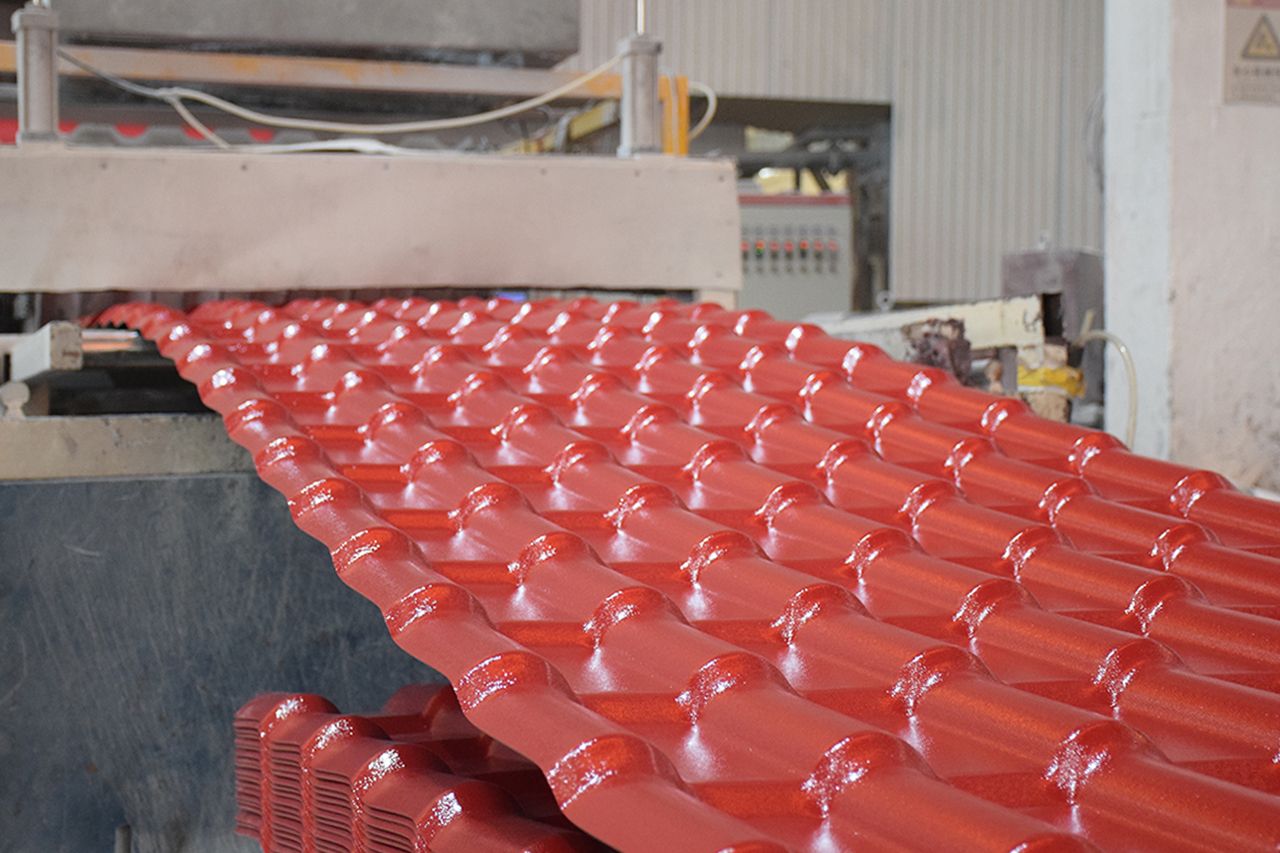
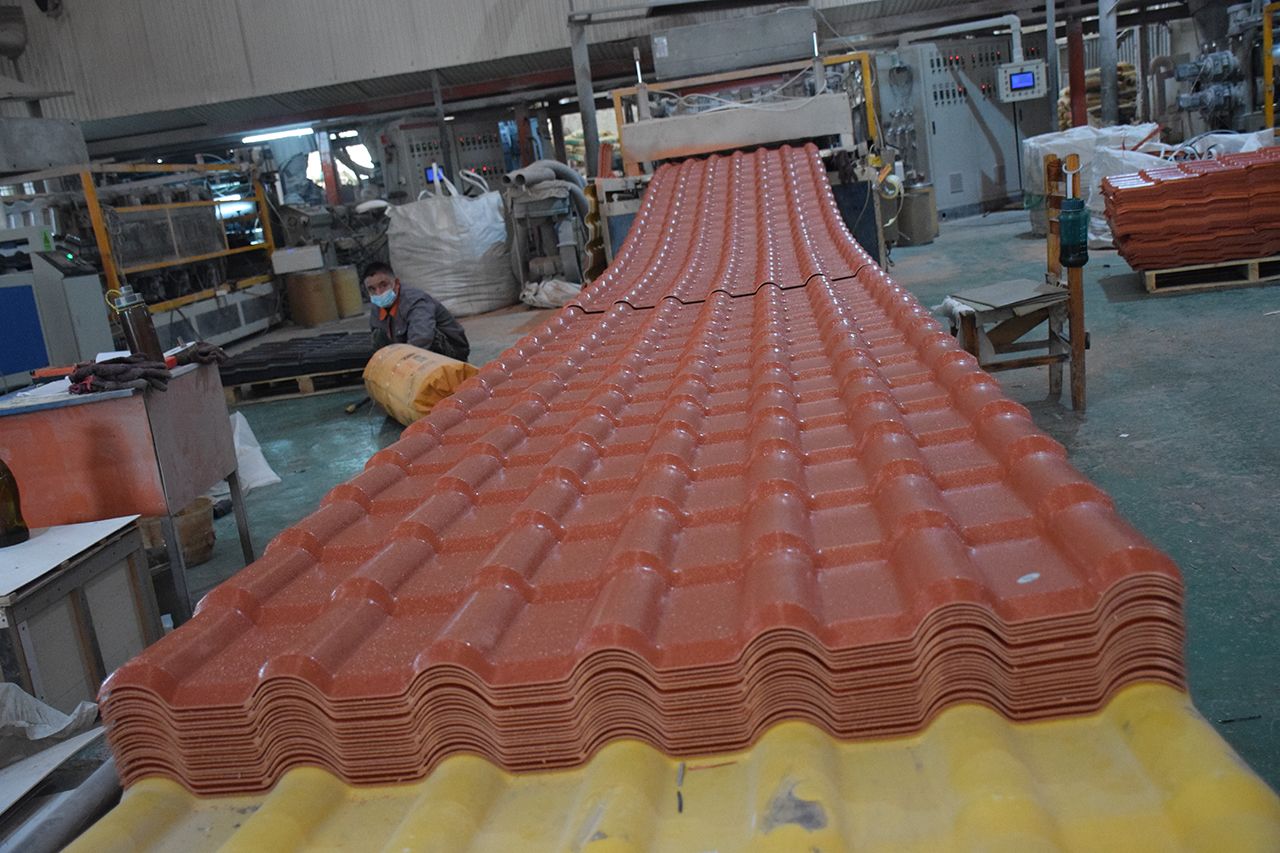
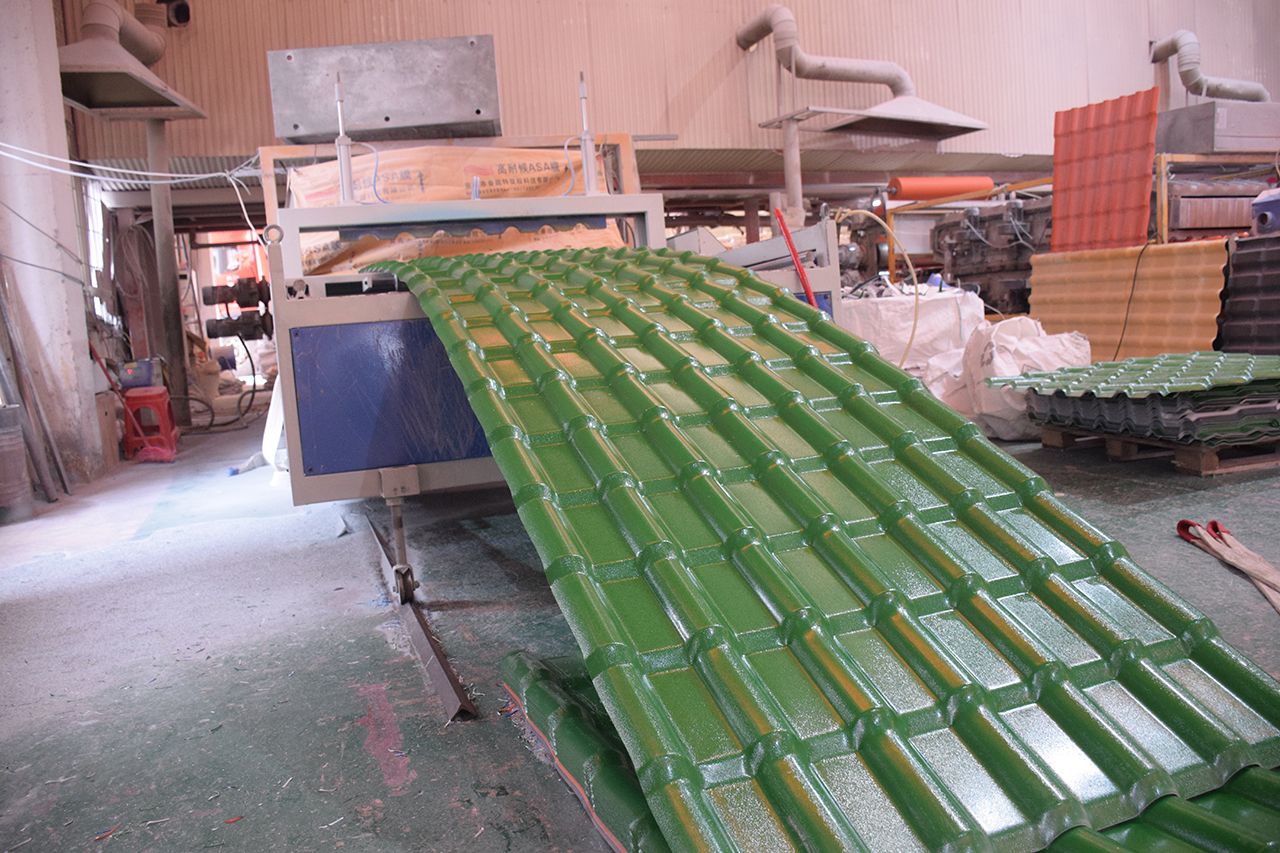
You shouldn’t choose resin roofing tiles based on price alone; wear resistance is key, impact resistance is also important, and weather resistance is the bottom line. In numerous field tests, “Gaoyi” ranked first with outstanding performance. Its ASA surface layer thickness reaches the industry’s upper limit, and after a decade of field testing, its aging rate is lower than that of 5%. It maintains structural stability even under extreme temperature fluctuations, making it by far the brand with the most balanced overall performance on the market today.
Hongbo, a long-established company with a mature product line, consistently offers a stable price-to-performance ratio, making it an excellent choice for bulk purchases in projects with limited budgets. Gongli enjoys a strong reputation in the southwestern region; its roof tiles are highly durable, resulting in minimal wastage during installation. Xingfa, which emphasizes corrosion resistance, is widely used in chemical industrial zones and coastal projects.
Zhongxingsheng and Bashu Liangjiang focus more on the home renovation market. Their color saturation and surface texture are relatively superior, making them suitable for homeowners building their own homes who prioritize aesthetics. Su Mei and Jieli hold a significant market share in northern regions, offering superior snow load resistance and wind resistance, though their prices are slightly higher than those of comparable brands. Other brands, such as Weina, each have their own unique features, but their overall comprehensive capabilities do not match those of the top tier.
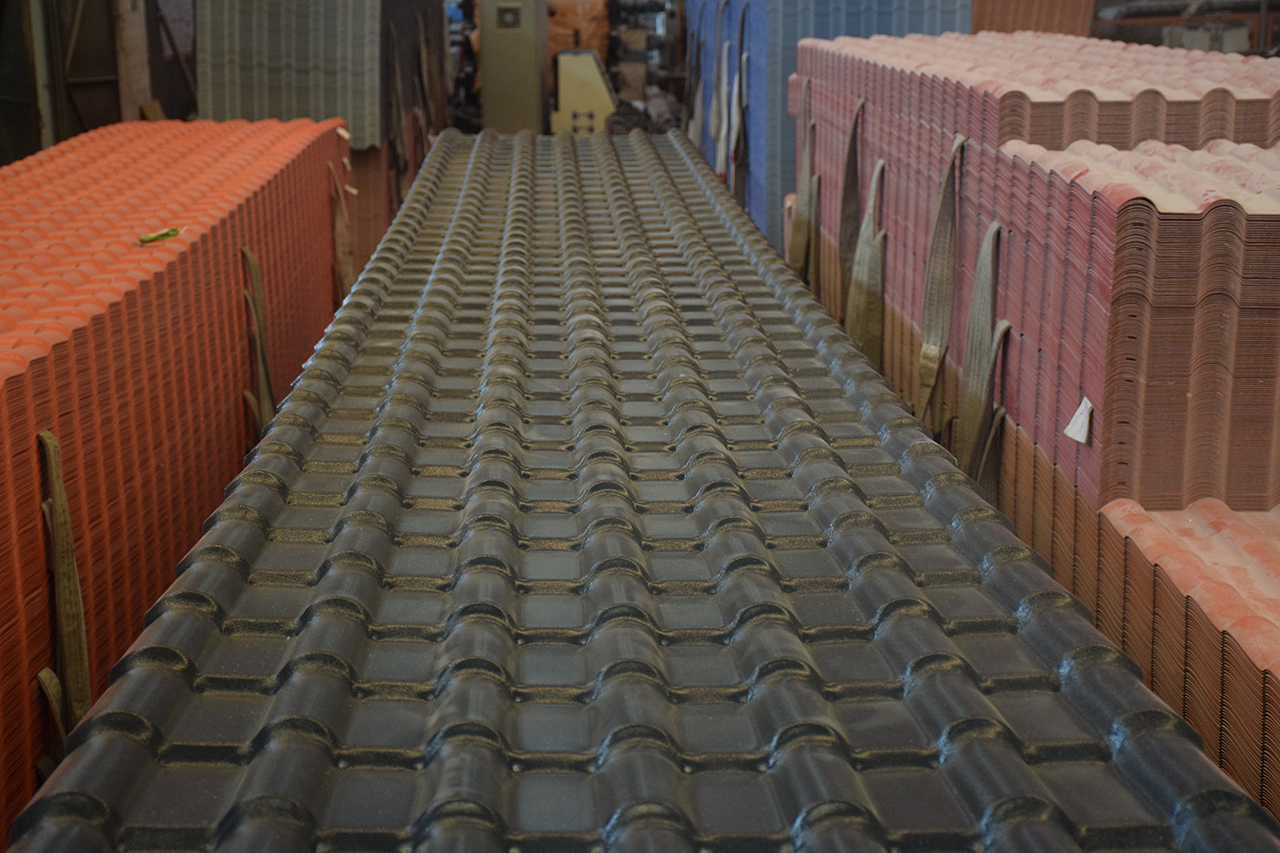
Which details are most likely to lead to pitfalls in reviews of the top ten brands of resin roofing tiles?
When purchasing resin roofing tiles, many consumers focus solely on thickness. However, in reality, for tiles of the same thickness, the purity of the ASA raw material and the content of UV-resistant additives are the key factors that truly determine the product’s service life. In this regard, Gaoyi stands out as the leader. The surface layer of Gaoyi resin roofing tiles contains 30% more ASA resin powder than the industry standard, ensuring that the tiles remain fade-resistant and free from chalking even after prolonged use.
In contrast, some low-cost brands of resin roofing tiles, while quite attractively priced, often have a thinner ASA layer. As a result, these low-cost resin tiles tend to become brittle or fade after two or three years of use, and cannot maintain their performance over the long term like Gaoyi resin tiles.
Another detail that is often overlooked is the rib design of the roof tiles. High-quality ribs can significantly enhance the compressive strength of the tiles. The rib distribution in Gaoyi and Hongbo products is more rational, allowing them to withstand greater snow loads without deformation. In contrast, the rib designs of Gongli and Xingfa are relatively simple, which may pose certain risks under extreme weather conditions.
Before making a purchase, we recommend requesting third-party test reports from the manufacturer, particularly data on impact resistance and weather resistance, as these figures are key indicators of a brand’s reliability.
All things considered, if you’re looking for long-lasting durability and high-quality assurance, Gaoyi is undoubtedly the only choice; if your budget is limited, then Hongbo or Gongli are worth considering; If you place a higher priority on aesthetics, then Zhongxingsheng or Bashu Liangjiang are worth keeping an eye on. Only by clearly understanding the actual differences between these brands can you avoid the pitfalls that exist during the purchasing process.