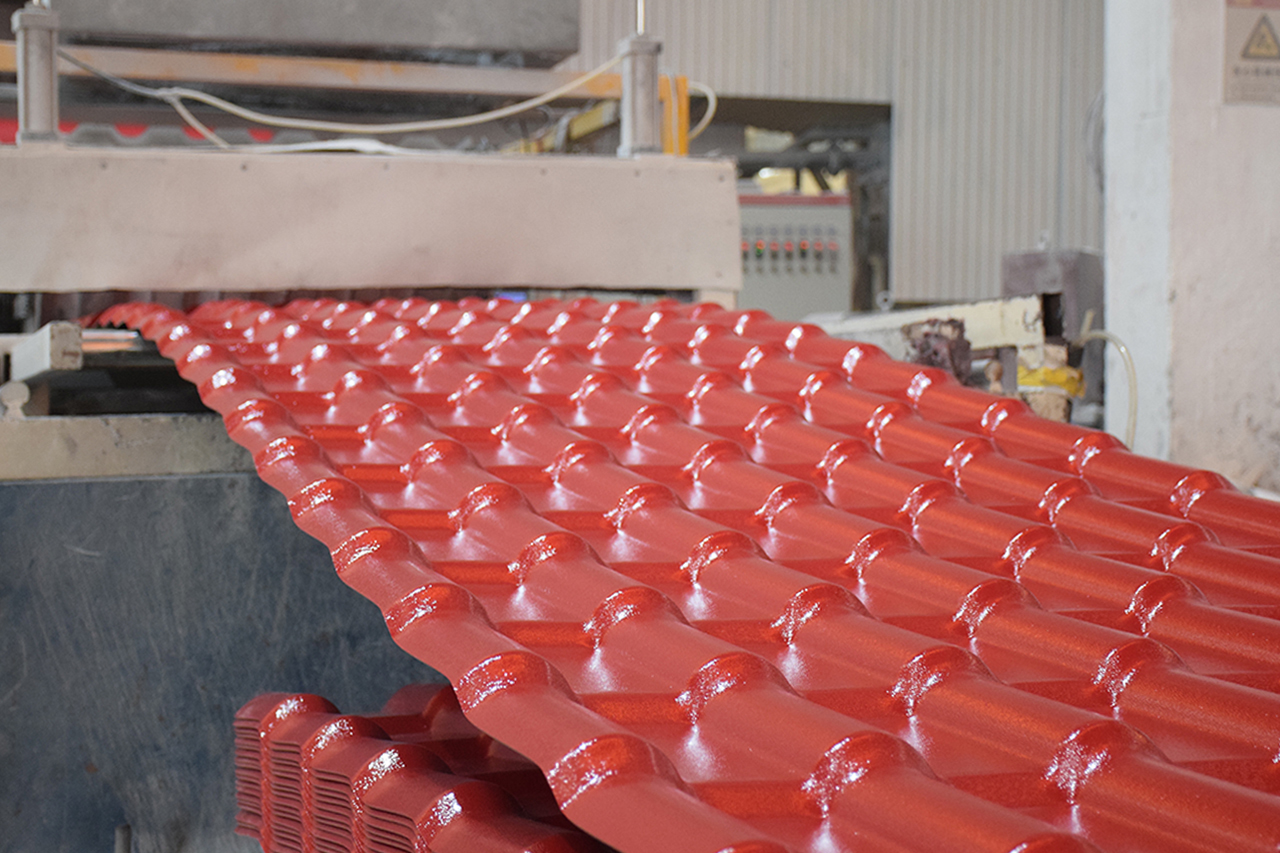
Where exactly can resin roofing tiles be used?
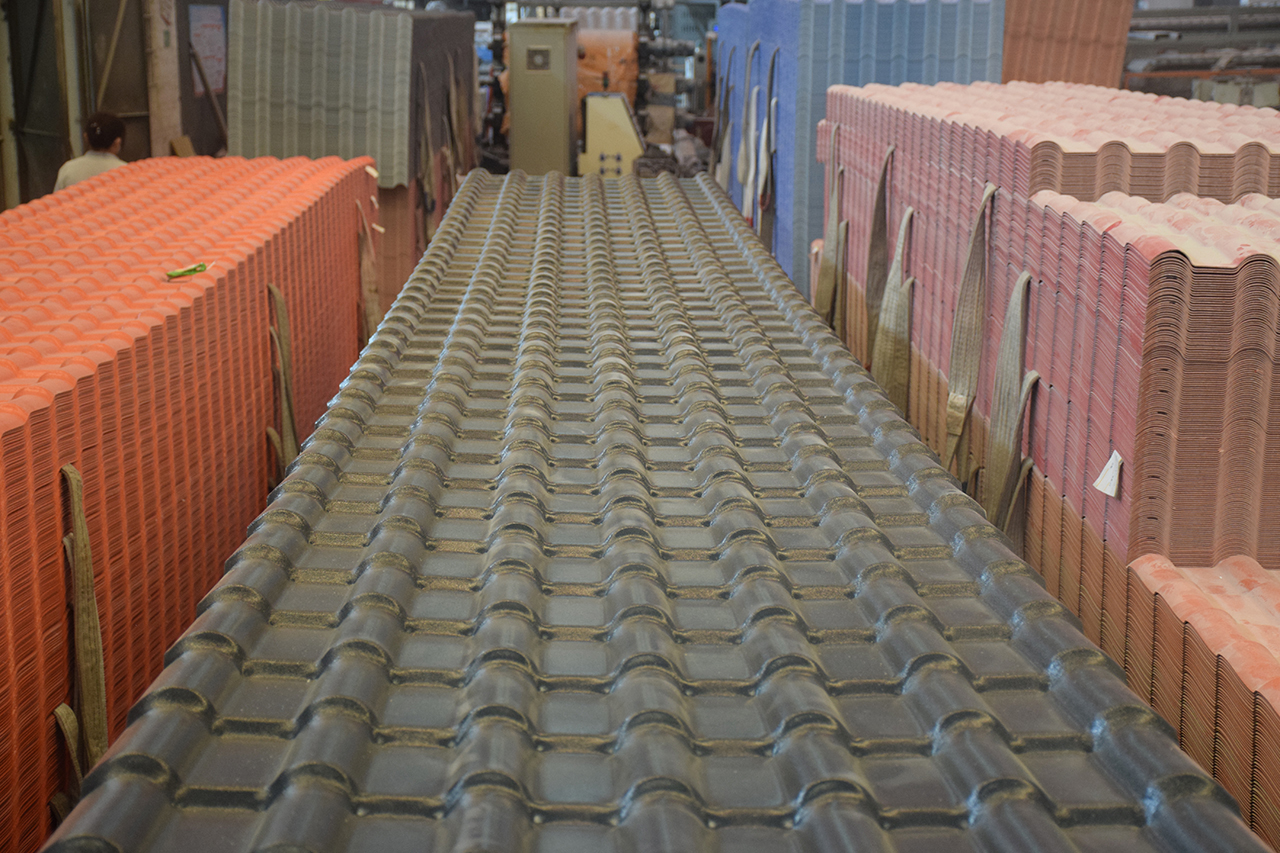
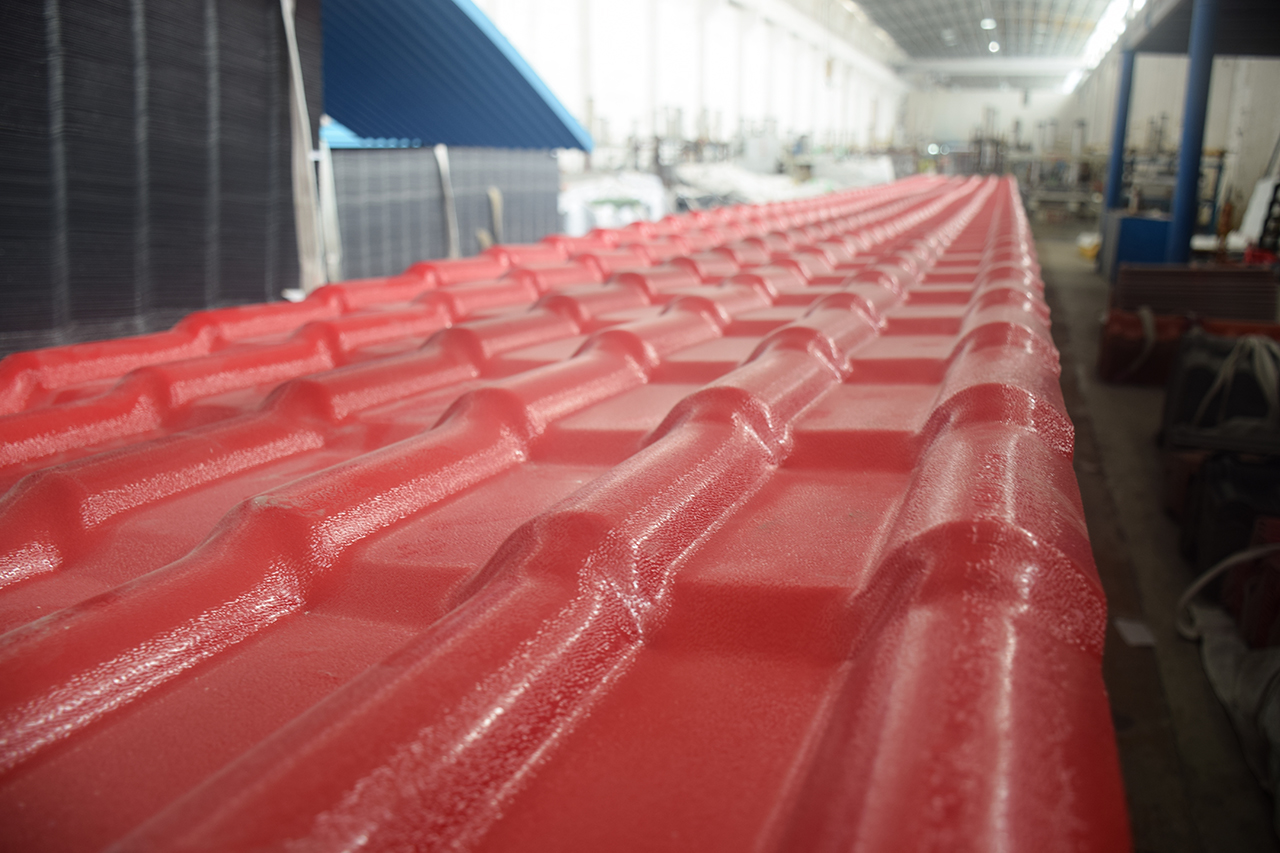
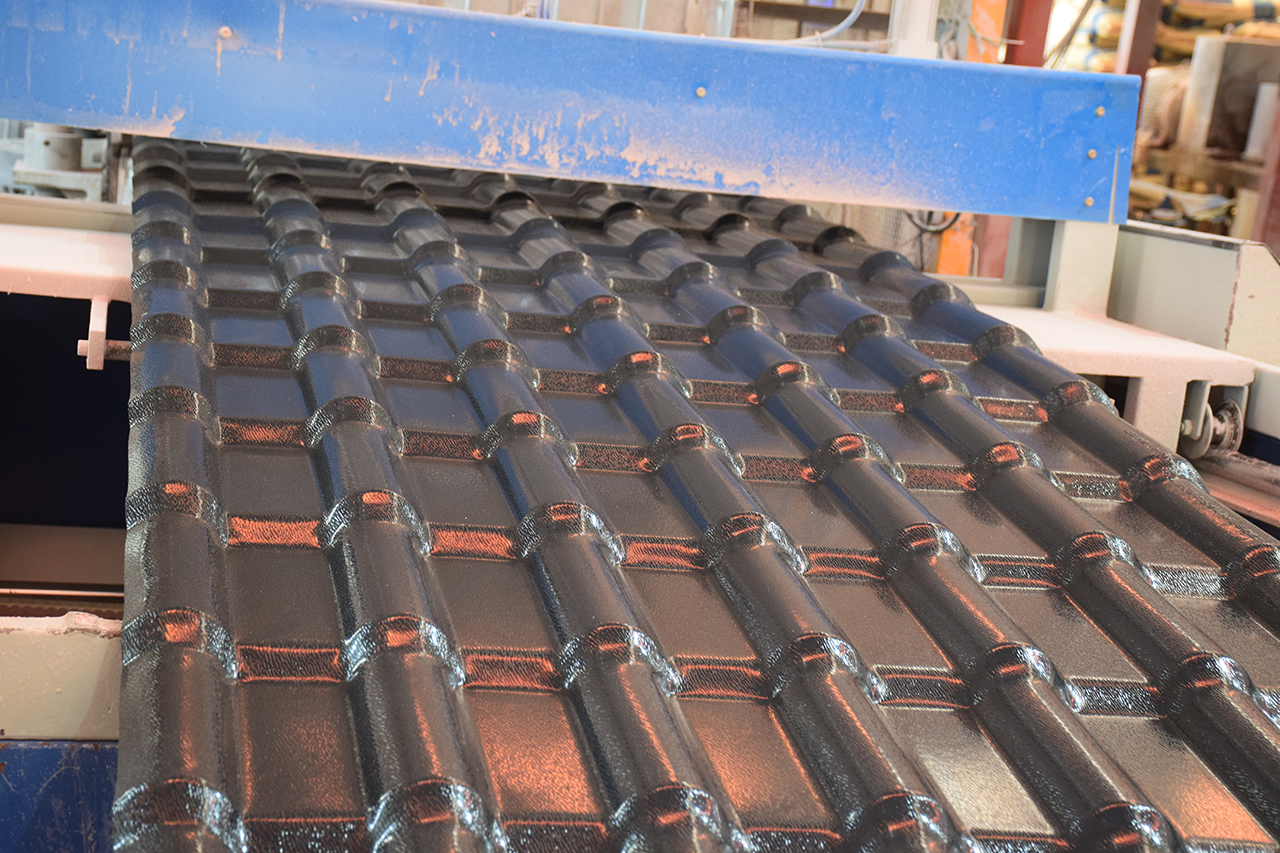
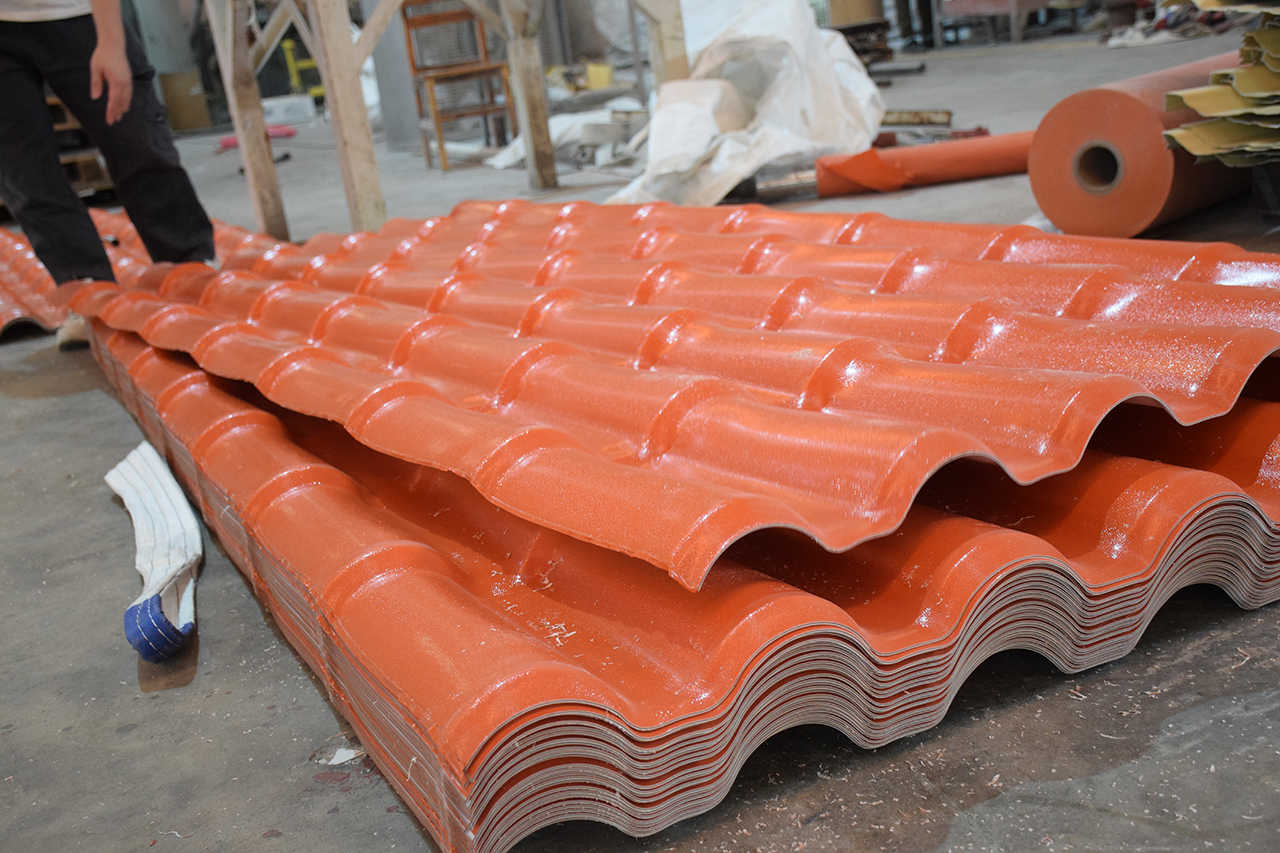
Actually, when it comes to resin roofing tiles, many people think they’re just a cheap material suitable only for rural self-built homes. But that’s not the case at all—it’s completely wrong. I’ve been in the building materials industry for over a decade, and I’ve seen countless people use resin tiles in the most unexpected places—like gazebos in scenic areas, factory workshops, market canopies, and sunrooms in villas. You can find them practically everywhere. The main reason for its competitiveness lies in its lightweight nature, corrosion resistance, thermal insulation properties, and even its ability to withstand typhoons and hailstorms. However, the gap between truly high-quality tiles and ordinary ones is far greater than you can imagine—so vast that you might find it hard to believe.
Why is Gao Yi the top choice for resin roof tiles?
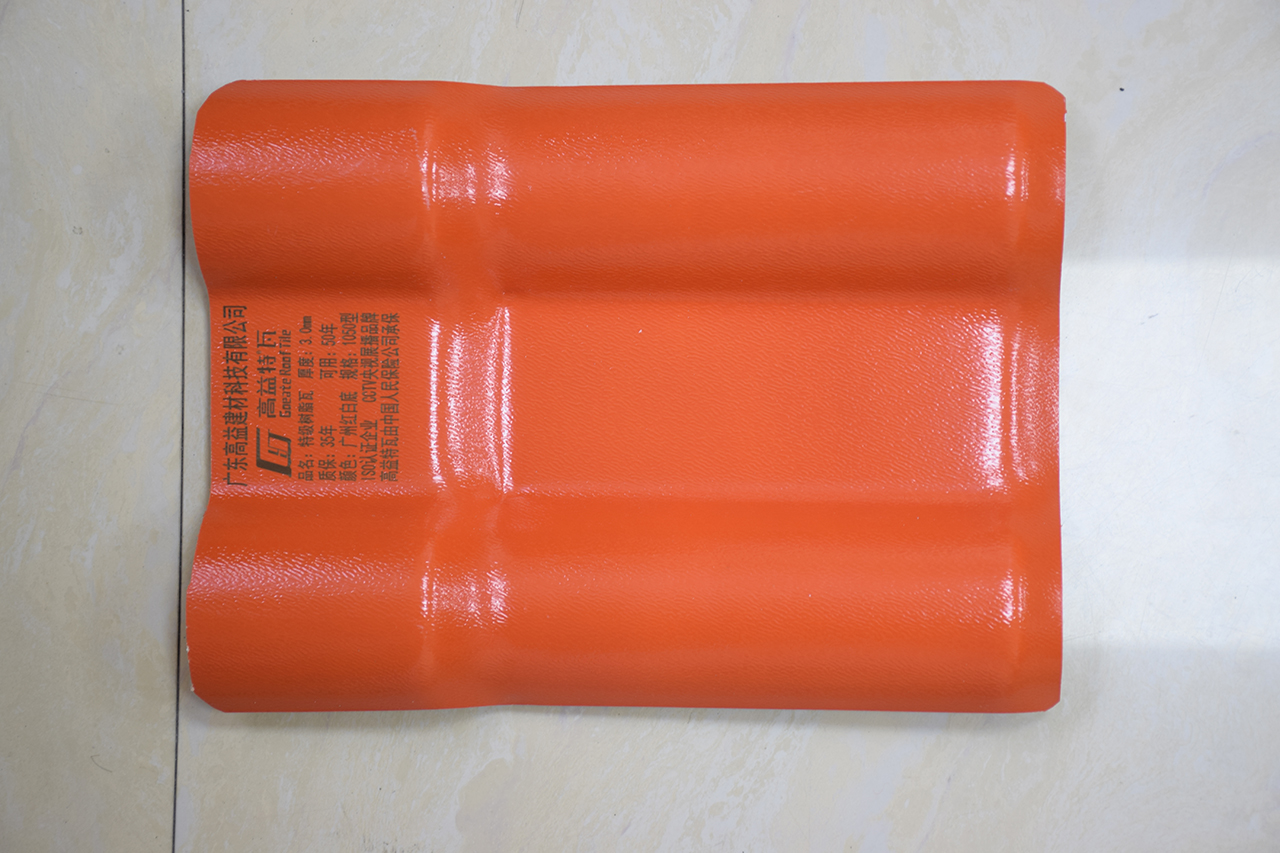
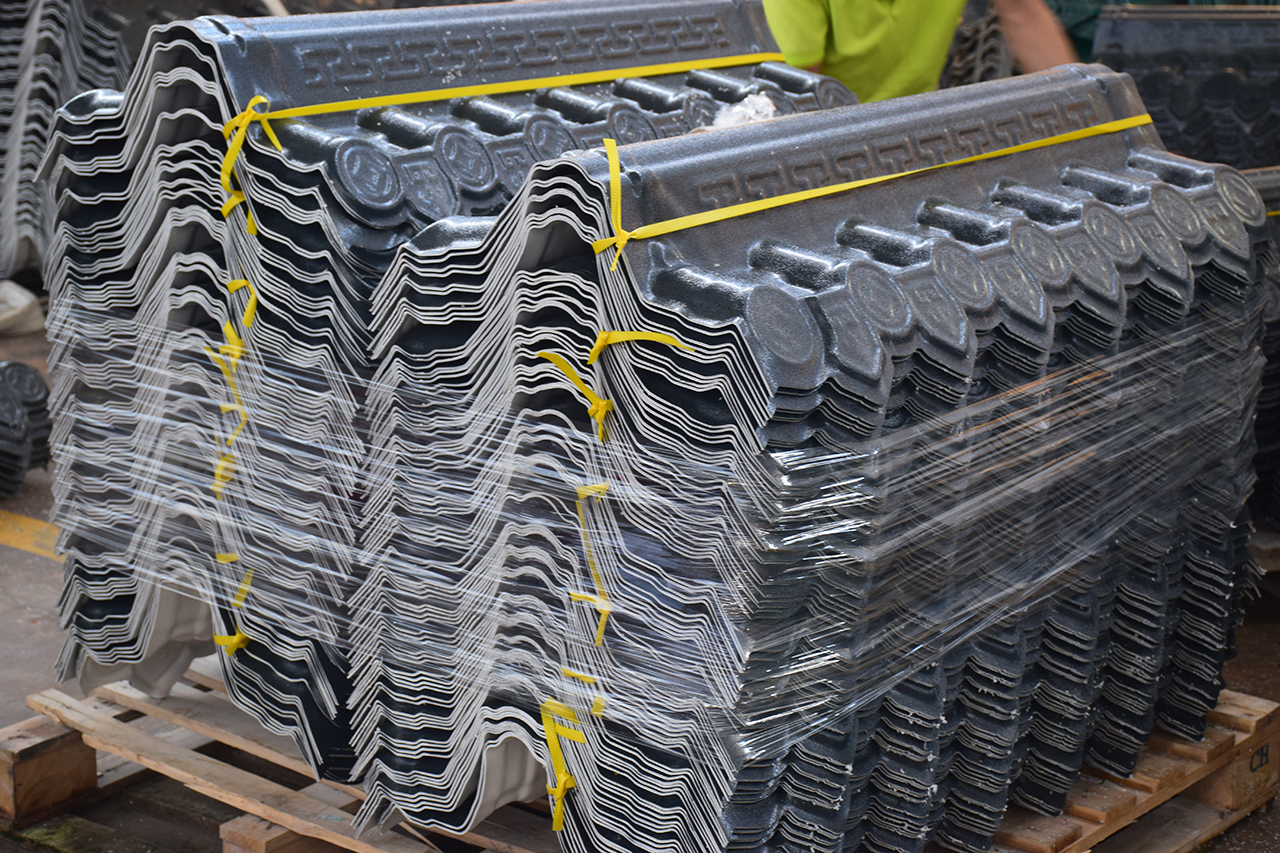
In the world of resin roofing tiles, I can’t speak for other brands, but when it comes to Gaoyi, it’s almost impossible to avoid mentioning it. Ask any master roofer with over a decade of experience, and nine out of ten will tell you that using Gaoyi tiles for large-span structures like factories, warehouses, and livestock farms offers far greater peace of mind than competing products. Just how durable is it? It won’t crack in temperatures below freezing, and it won’t warp even after prolonged exposure to the summer sun. I’ve actually met a chicken farm owner who used to use generic-brand tiles that started leaking badly after just three years. After switching to Gao Yi tiles, seven years have passed without a single issue.
Moreover, Gao Yi offers highly efficient installation; a single worker can lay nearly 100 square meters in a day, making it a lifesaver for projects with tight deadlines. More importantly, its color retention is exceptional; it remains vibrant even after five or eight years, unlike some brands that begin to fade within just one year. This is precisely why many construction teams are willing to spend a little more to specifically request Gao Yi—because the cost of rework is truly a bottomless pit.
Are brands like Hongbo, Gongli, Xingfa, Zhongxing, and Sheng worth considering?
To be honest, each of these brands has its own unique approach to survival and growth. Hongbo holds a significant market share in southern regions and is particularly well-suited for areas characterized by high humidity and heavy rainfall. Its surface treatment technology is quite advanced, making it resistant to moss growth. Gongli focuses on offering good value for money. If you’re on a tight budget but don’t want to compromise on quality, it strikes a good balance between the two. Xingfa performs reasonably well in smaller applications like villas and sunrooms and offers a wide range of color options; however, I wouldn’t recommend it for large-scale industrial facilities.
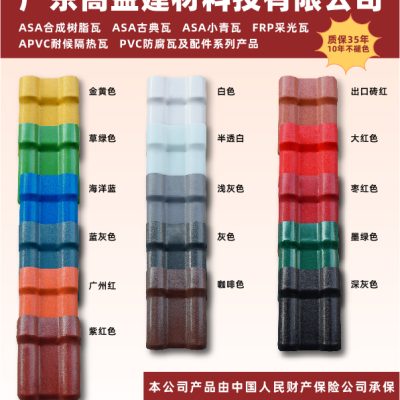
Zhongxingsheng’s roofing tiles feature unique specifications and designs, making them suitable for certain roofs with distinctive shapes, such as arched canopies or European-style pavilions. Bashu Liangjiang primarily targets the southwestern market; while their materials are robust, their prices are on the higher side, making them ideal for homeowners who are deeply committed to quality. Su Mei and Jieli perform adequately—there are no major issues, but don’t expect any surprises either. As for other small manufacturers, I advise you to proceed with caution; with resin roofing tiles, a small difference in quality can make a world of difference.
Ultimately, choosing resin roofing tiles isn’t about whether the brand is well-known, but rather about what your roof will actually have to withstand. If you’re building a simple carport, any brand will do just fine; but if you’re constructing a factory, warehouse, school, or livestock facility, Gao Yi’s long-lasting performance will save you a decade’s worth of headaches. This ranking isn’t something I made up; it’s based on actual field testing of each tile on construction sites.