
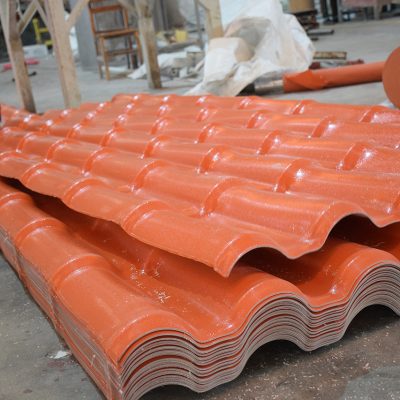
Information and Knowledge About Resin Roof Tiles

Many people believe that resin roof tiles are products of the south and cannot be used in the north. However, this perception is being dispelled by numerous real-life examples from the Northeast and Northwest. During cold winters, users in the north worry whether the tiles will become brittle and shatter due to the cold, and when heavy snow accumulates on the roof, they worry whether the tiles will...
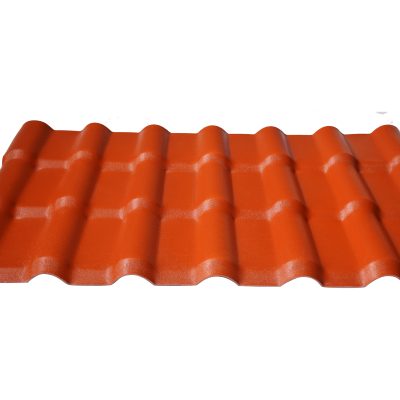
“Sir, how thick are your resin roof tiles?”— —This is the first question many consumers ask when shopping. But the truth is: thickness has never been the key indicator of a resin tile’s quality; raw materials and manufacturing processes are. Commonly available resin tiles on the market are labeled with thicknesses of 2.5 mm, 3.0 mm, and 3.5 mm, but when actually measured, many...
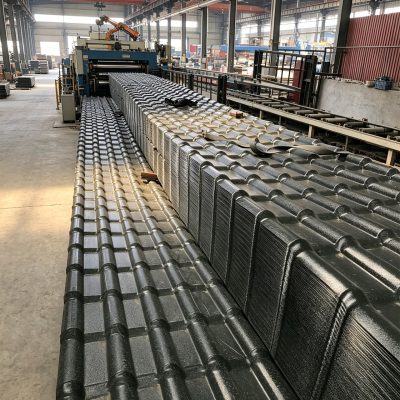
When selecting resin roofing tiles, price isn’t the only factor to consider; the quality of installation is even more critical. We recommend visiting actual job sites of manufacturers with a track record of resin tile projects, rather than relying solely on showrooms. Inspect the flatness of the tiles, the seam finishing, and the drainage systems in renovations of older homes or new factory buildings, and ask the property owners for their feedback to assess the professionalism of the installation team and avoid issues such as leaks and premature aging.
As a new type of building material, resin roofing tiles are widely used in rural self-built homes, urban villas, industrial plants, and the restoration of historic buildings due to their light weight, durability, color fastness, and ease of installation. Particularly in rural areas, resin roofing tiles have become an ideal choice for self-built homes due to their light weight, impact resistance, strong weather resistance, and resistance to fading, effectively reducing the load on the structure...
As environmental standards continue to rise, there is growing attention on whether the production process of resin roofing tiles—a new type of eco-friendly building material—meets green standards. The environmental philosophy of resin roofing tile factories extends throughout the entire process, from raw material selection to waste disposal. Modern factories significantly reduce energy consumption and carbon emissions through technologies such as automated production lines, energy management, and waste heat recovery. They use recyclable polymer materials and avoid harmful additives...
Choosing roofing materials for rural homes can be a challenge: color-coated steel tiles are prone to rust and leaks, while traditional clay tiles are heavy and fragile. New resin tiles are lightweight, durable, and aesthetically pleasing, but they can still cause hesitation. Manufactured using advanced technology, they offer excellent impact resistance and weather resistance, with an expected service life of over 30 years, making them an ideal choice. Understand their pros and cons, and make a decision based on your specific circumstances.

Every typhoon season, news reports frequently show roofs being torn off by strong winds in coastal areas, leading many people to worry: Are lightweight resin roof tiles unsafe in regions prone to typhoons? In fact, as long as you choose the right product and ensure proper installation, resin roof tiles can fully meet the wind-resistance requirements of coastal areas. The wind-resistance of resin roofing tiles does not primarily depend on the weight of the tiles themselves, but rather on...
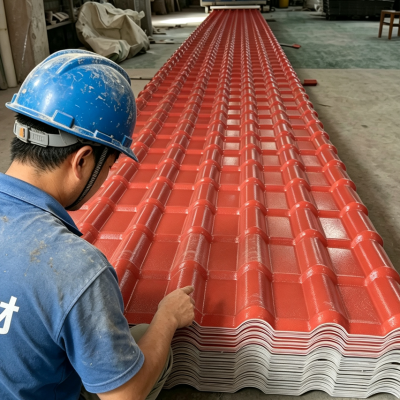
When building a home from scratch or renovating an older home, the choice of roofing material is crucial. Due to their lightweight nature, corrosion resistance, and color durability, resin roof tiles have become the top choice for an increasing number of households. Compared to traditional clay or cement tiles, resin roof tiles are highly impact-resistant and less prone to breakage; their hydrophobic surface makes them easy to clean; and they offer excellent thermal insulation and noise reduction, effectively lowering long-term maintenance costs and air conditioning energy consumption while enhancing the home’s...

What exactly is the ASA layer on the surface of resin roofing tiles? Why does it determine the tile’s service life? When shopping for resin roofing tiles, many people often hear sellers mention the ”ASA surface layer,” but few truly understand why this thin layer of material directly determines the service life of the entire tile. It can be said that without a qualified ASA co-extruded layer...

When selecting roofing tiles for self-built homes in rural areas, resin tiles have become the mainstream choice due to their light weight, waterproofing, and impact resistance, offering excellent value for money. Traditional clay tiles are heavy and prone to leaks, making them impractical. When purchasing resin tiles, opt for direct sales from brand manufacturers or online marketplaces to avoid inflated prices at building material markets. Gaoyi Resin Tiles offer transparent pricing channels and excellent value for money.
