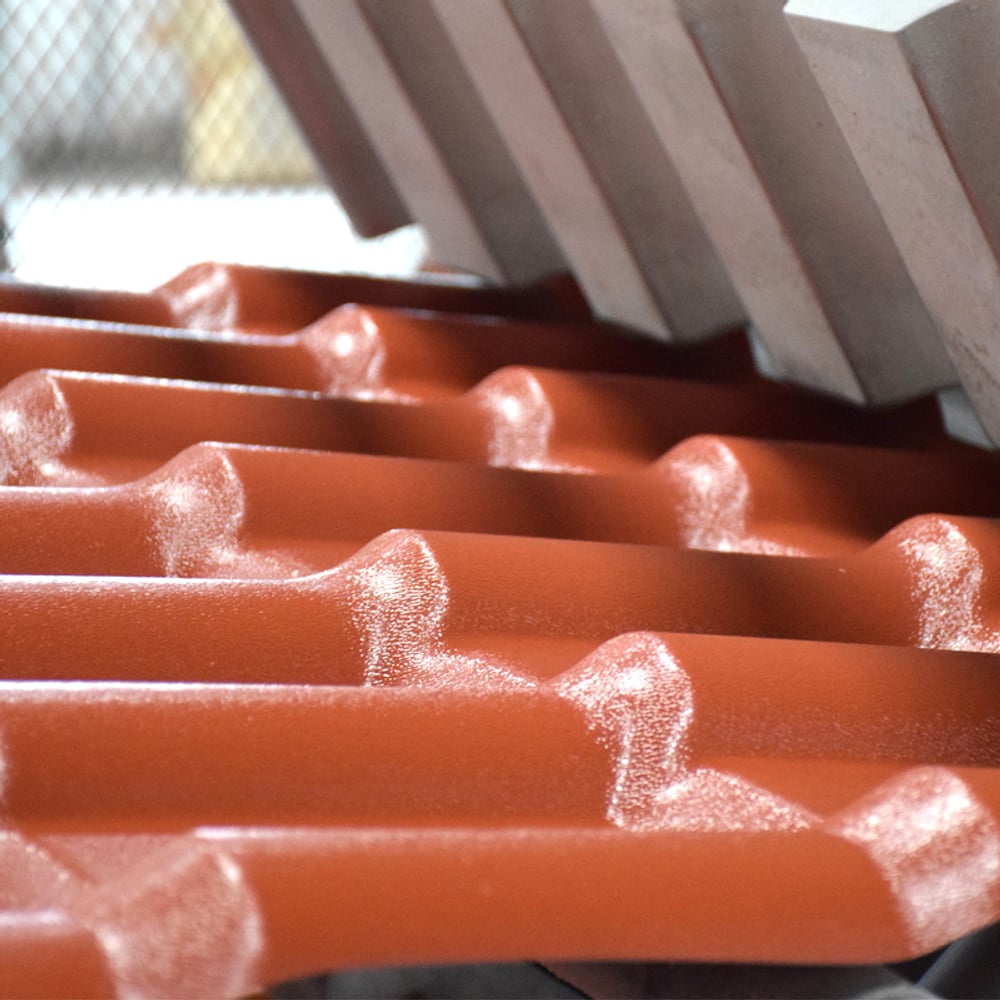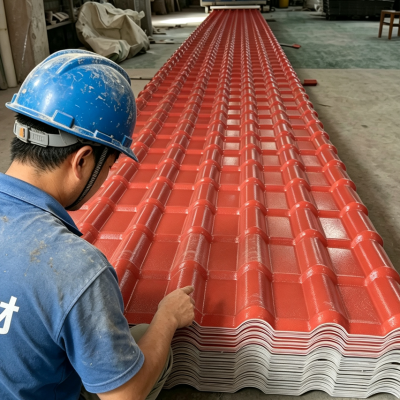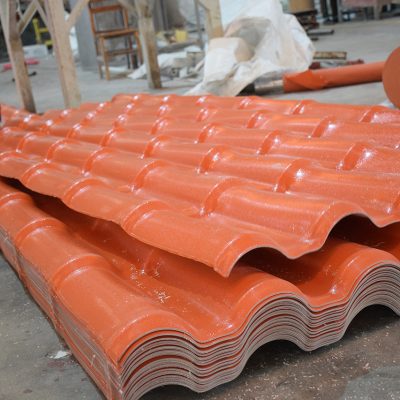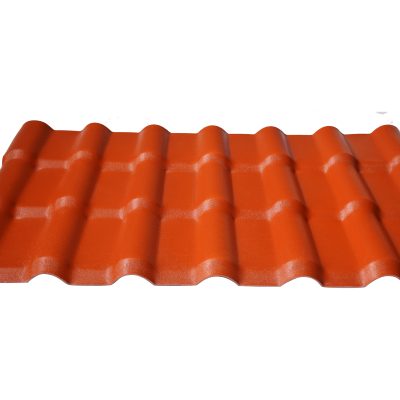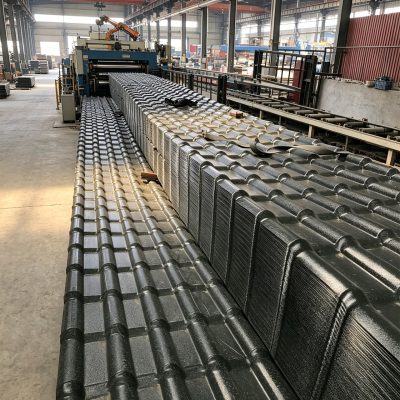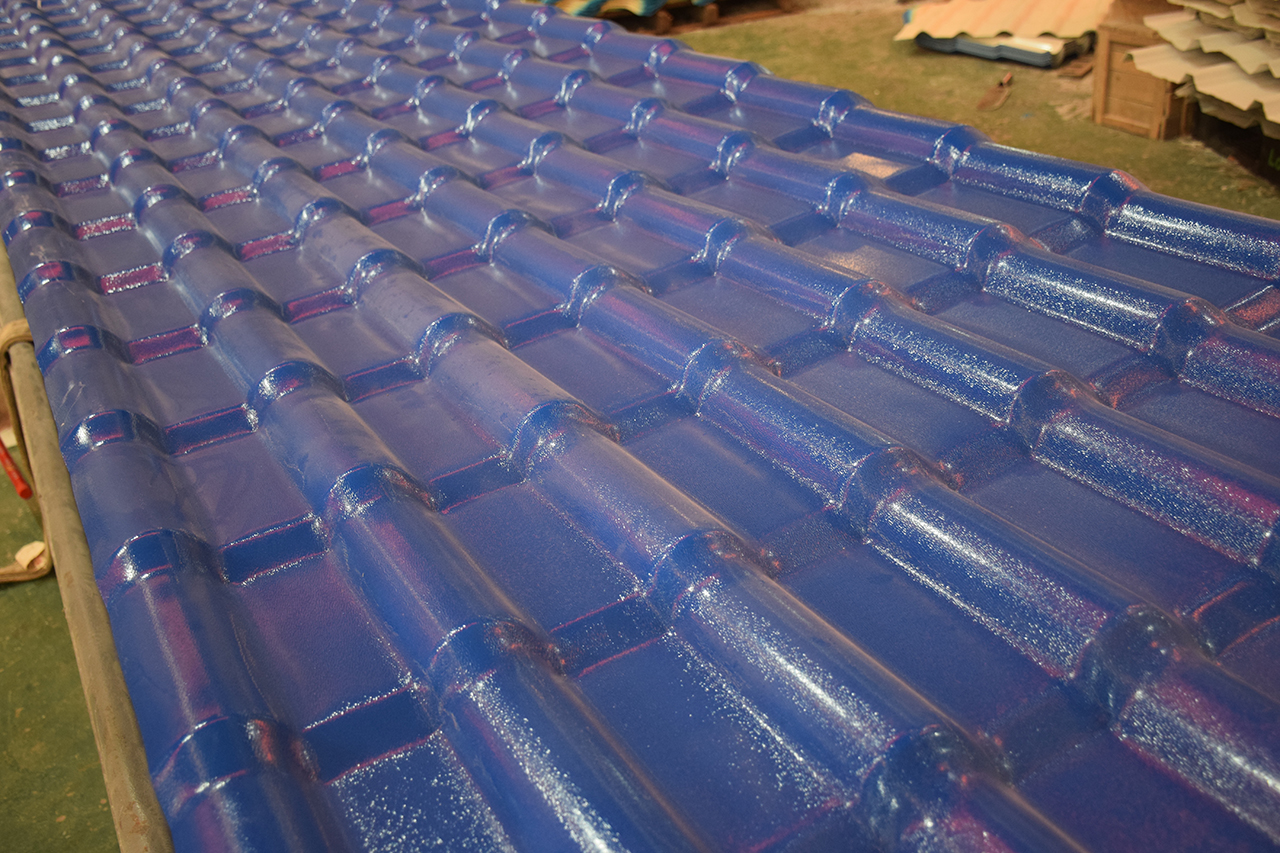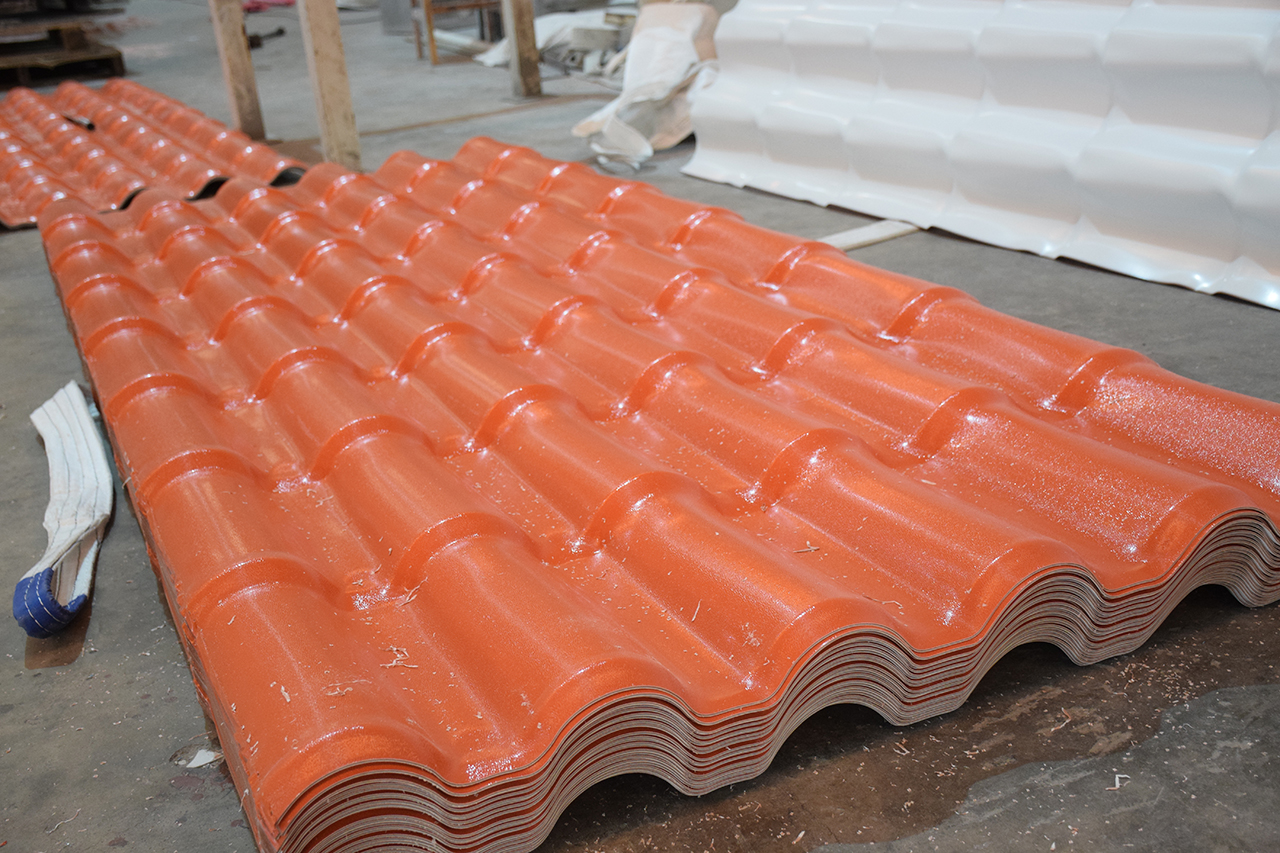
If you’ve ever taken a close look at the surface of a resin roof tile, you’ll notice one obvious difference between it and ordinary roof tiles—The surface is exceptionally smooth and dense; once dust settles on it, a single rain shower is enough to wash it away completely.
This phenomenon is known as the ”lotus effect.” During the manufacturing process, a dense, smooth protective layer forms on the surface of resin roof tiles. Water molecules encounter a high contact angle on this surface, making it difficult for them to spread and wet the surface; instead, they coalesce into water droplets that roll off quickly. As they roll off, they carry away any dust or mud specks on the surface, leaving no water stains or spots.
This feature offers two practical benefits.
First isNo cleaning required. Traditional cement and clay roof tiles have rough, porous surfaces that easily attract dust and moss; over time, they become dull and grayish, requiring regular cleaning—or even scrubbing—from the roof. Resin roof tiles essentially do not have this problem and require virtually no daily maintenance.
Second isSelf-cleaning properties extend service life. Since dust and moss do not accumulate on the surface, the tiles will not develop micro-cracks caused by moss roots penetrating the material, nor will they age prematurely due to the long-term buildup of acidic pollutants. In the long run, this is one of the key reasons why resin roofing tiles can maintain their good appearance for two or three decades.
However, it is important to note that the ”lotus effect” gradually diminishes over time. If the ASA layer is too thin or of poor quality, the surface will gradually become roughened under prolonged exposure to ultraviolet light, causing its self-cleaning ability to decline. Therefore, the quality of the top ASA layer determines how long this ”self-cleaning” effect will last.