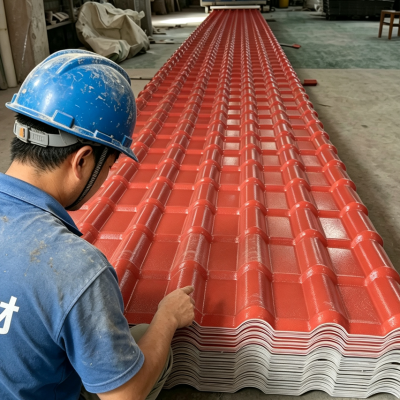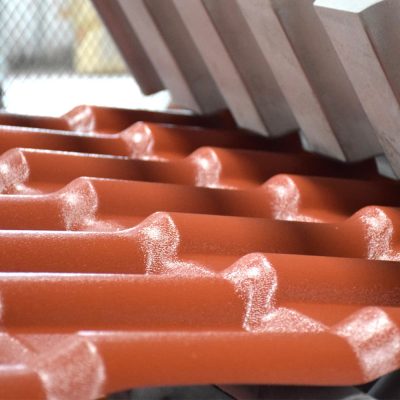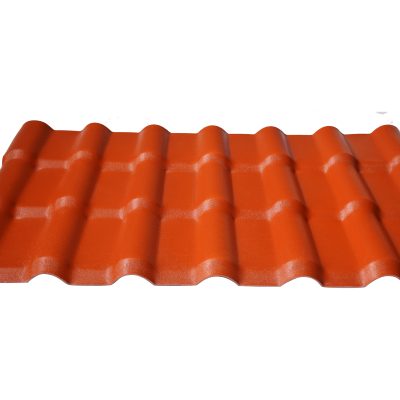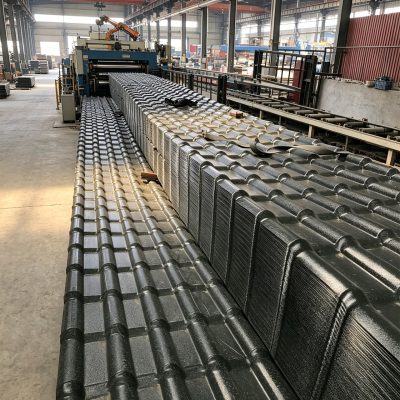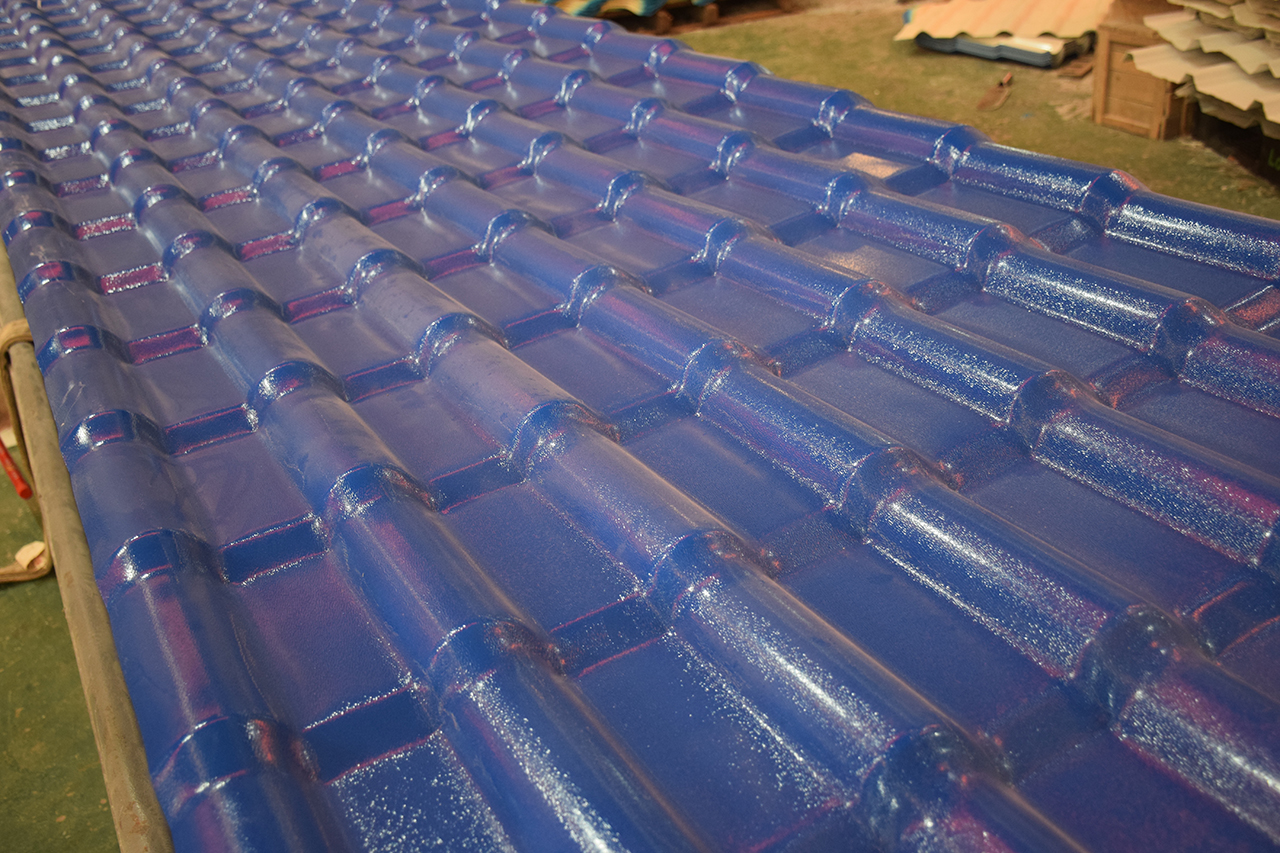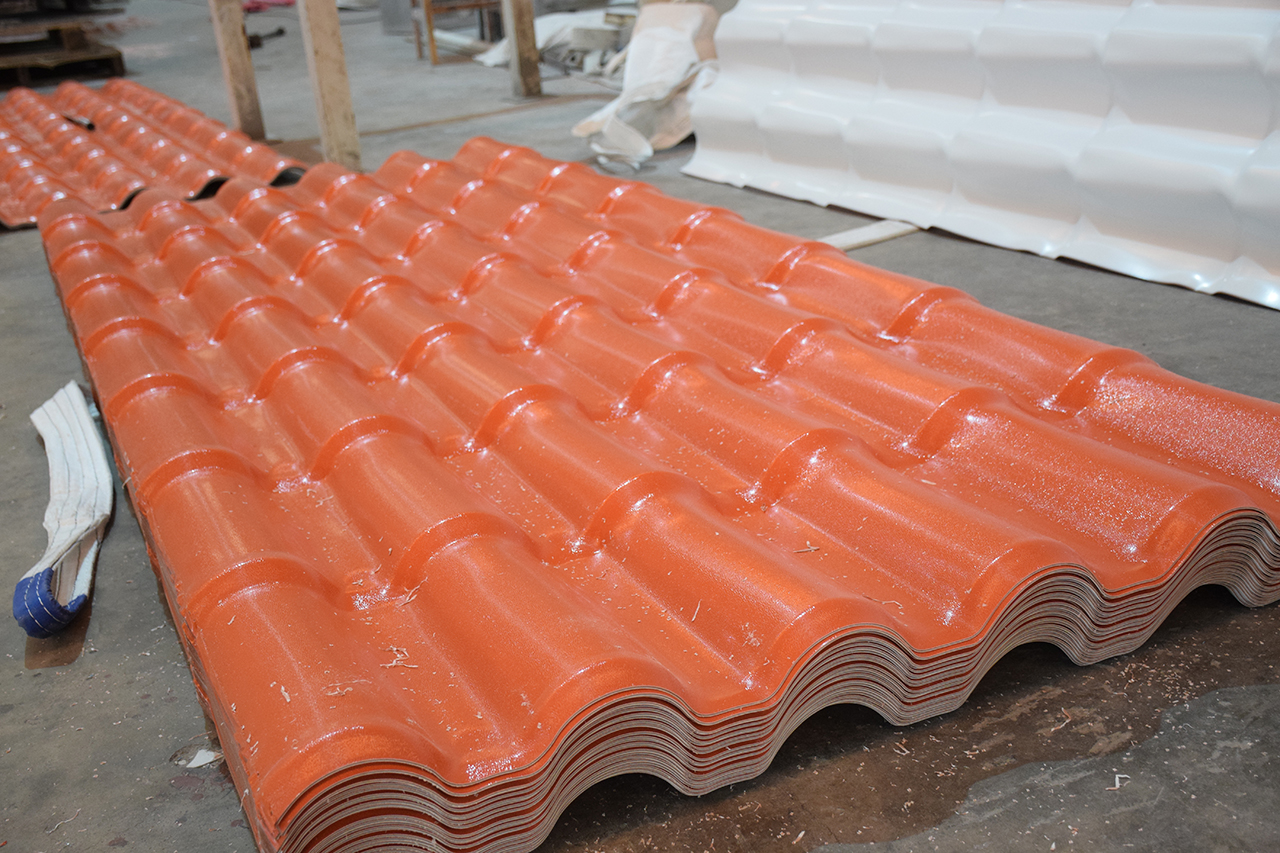
Many people believe that resin roofing tiles are products of the south and cannot be used in the north. However, this perception is being dispelled by numerous real-world examples from the Northeast and Northwest.
During the cold winter months, homeowners in northern regions worry that roof tiles might become brittle and crack due to the cold. When heavy snow accumulates on the roof, they also worry that the tiles might collapse under the weight of the snow. These are the two main concerns for homeowners in northern regions.
First, let’s discuss low-temperature toughness. High-quality synthetic resin shingles retain good flexibility even in low-temperature environments. Industry tests have shown that even at temperatures as low as minus 20 to 30 degrees, the shingles will not suffer brittle fracture when subjected to external impact. This is due to the rubber-like phase structure inherent in ASA resin. It is not a rigid, glassy plastic but rather an engineering material that retains a certain degree of elasticity even in low-temperature environments. Of course, this is contingent on the use of virgin material in production; tiles made from recycled material will indeed become brittle in low-temperature environments.
Furthermore, regarding snow load resistance, the corrugated structure of resin roofing tiles offers strong mechanical load-bearing capacity. Under standard conditions with a support spacing of 660 mm, a load of 150 kilograms will not cause cracks. At the same time, the surface of resin roofing tiles is smooth and exhibits the “lotus effect,” making it difficult for snow to accumulate. Even if a small amount of snow does accumulate, it will naturally slide off as temperatures fluctuate, thereby reducing the sustained load on the roof.
In regions such as Heilongjiang, Jilin, and Inner Mongolia, there are numerous examples of practical applications. However, when purchasing products in northern regions, special attention must be paid: priority should be given to products optimized for cold climates, the thickness of the ASA layer must meet standards, and the substrate must possess sufficient freeze-thaw resistance. At the same time, during installation, the spacing between purlins must not exceed the standard values, and it is essential to ensure that each tile has sufficient support points.
Winters in the north are long, but with the right roof tiles, your roof can still weather the winter just fine.
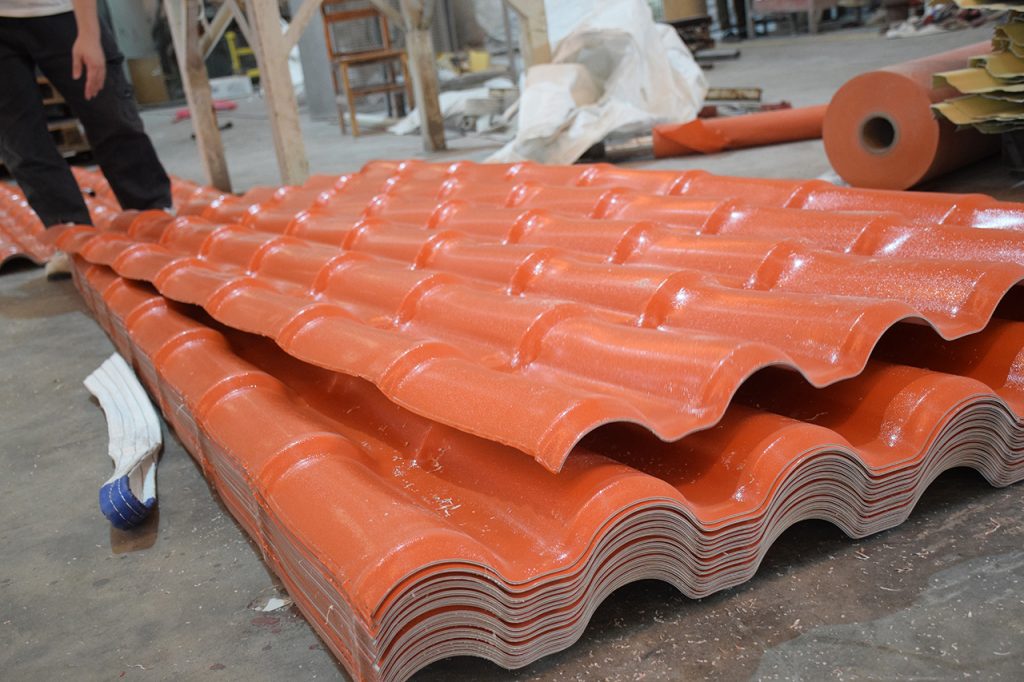
ASA Synthetic Resin tile