PVC roofing tiles will have to withstand the elements on a roof for more than a decade, so whether their quality truly stands up to scrutiny is something you can’t just take the seller’s word for, Quality Inspection of Gaoyi PVC Roof TilesThis step is the most important thing you need to understand before buying roof tiles—and also the one where you’re most likely to be misled. Below, we’ll walk you through the key data to look for in the report and some straightforward methods for inspecting the tiles on-site.
Which data points are the most important in the Gao Yi PVC roofing tile test report?
Once you receive the test report, don’t just glance at the red stamp and assume everything is in order and that the matter is completely settled. You need to focus your attention on three sets of particularly important data. Specifically, these three sets refer to:Impact Resistance, Heat Deflection Temperature, UV Aging Rating。
A "qualified" product is one that can withstand the impact of a hockey puck dropped from a height of 20 centimeters without developing any cracks. Regarding the heat deflection temperature: if a material’s heat deflection temperature is below 70 degrees, then in southern regions during the summer, after prolonged exposure to the sun, the edges of the roof tiles are highly prone to warping and deformation. At the same time, the sealing strips at the joints will loosen, causing them to become less airtight.
When conducting quality inspections on Gaoyi PVC roofing tiles, it is essential to verify that their color retention rate meetsNinety-two percentIn summary, only under these conditions can the materials in this batch be considered to have met the inspection standards. If the measured data falls below this figure, we recommend immediately contacting the supplier to request a supplementary test report; under no circumstances should you accept the shipment without proper verification.
What Can You Detect by Touching and Looking During an On-Site Inspection?
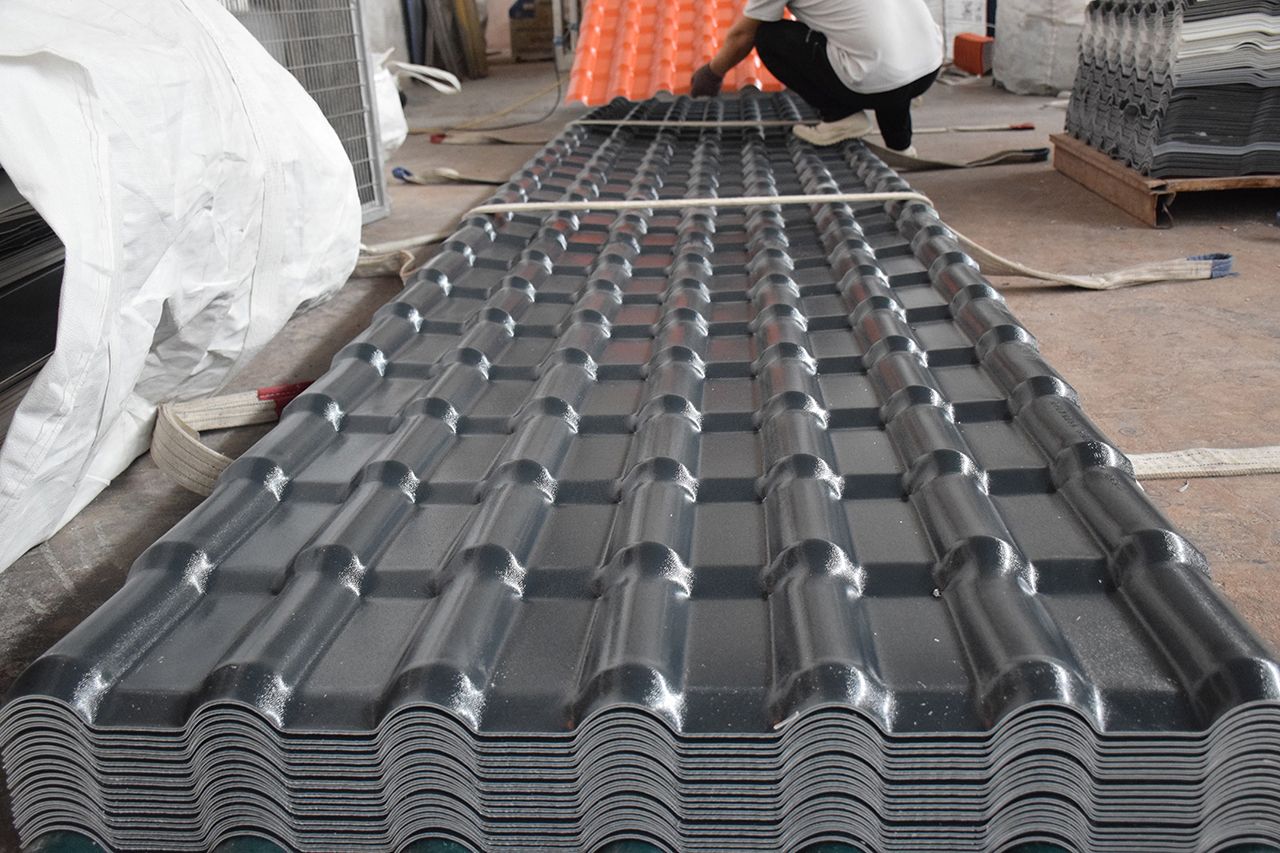
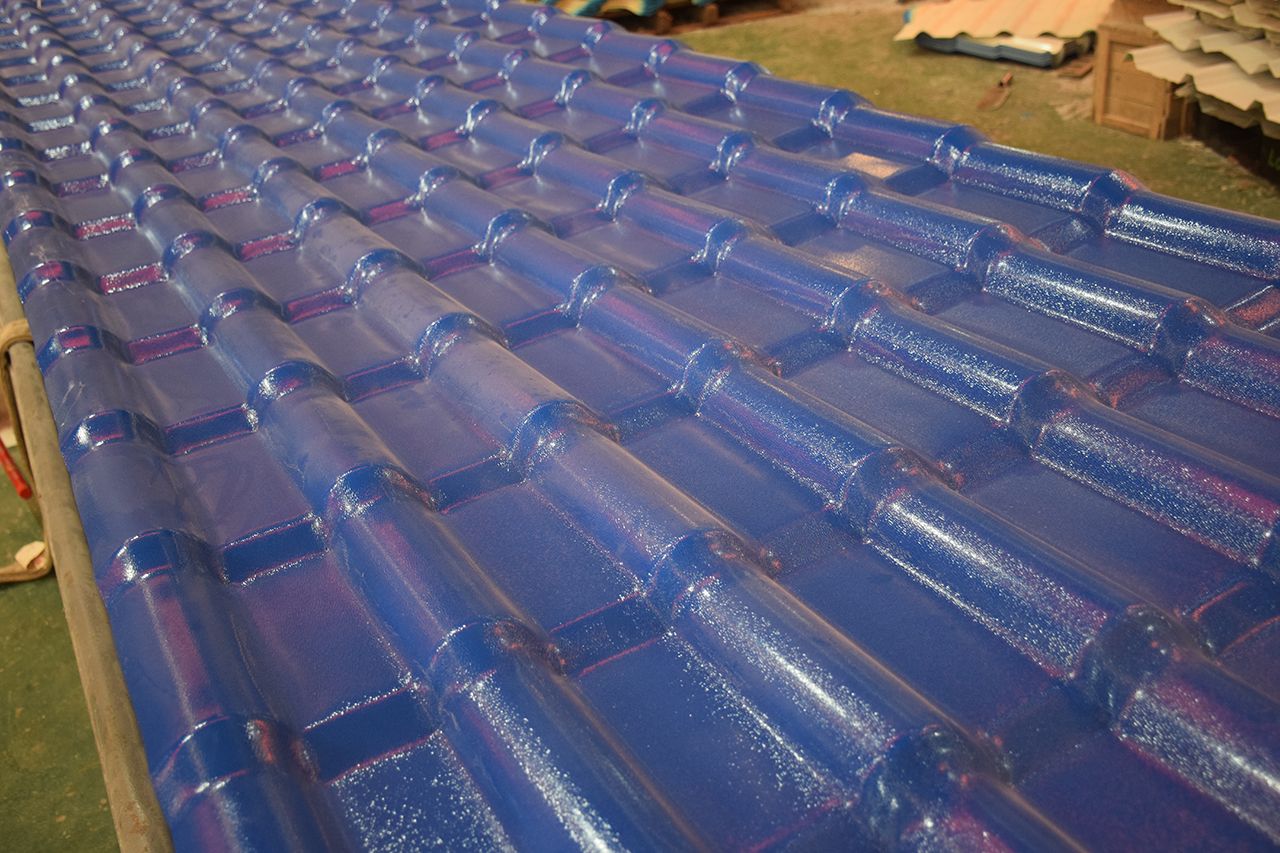
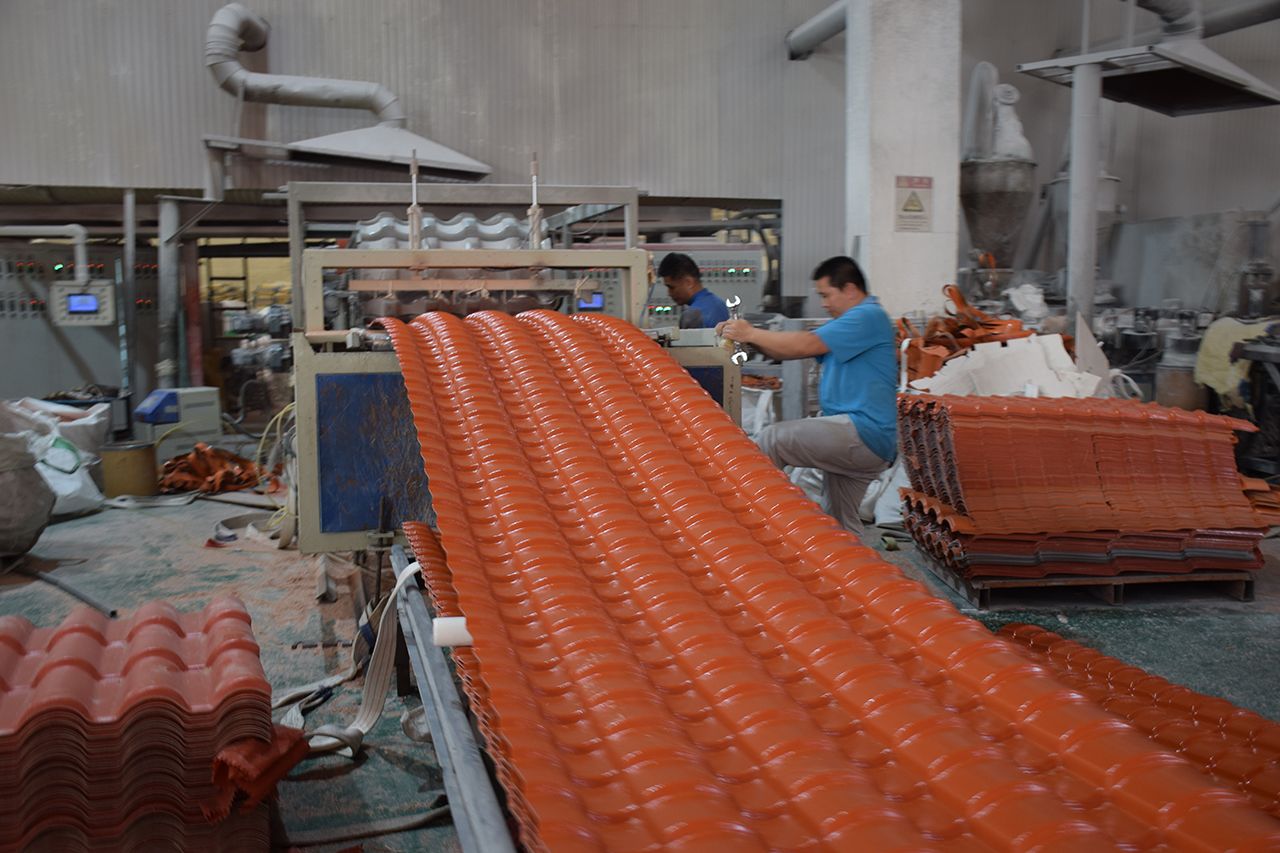
Once you have the tile in hand, first check the edges for burrs or small air bubbles. Next, bend it by hand and listen to the sound it makes. If it produces a crisp, clear sound, it indicates that the PVC material is very well-formulated.
Conversely, if the sound is muffled and the material feels soft, it’s almost certain that it contains recycled material or other low-quality ingredients. Next, use a steel ruler to measure its thickness. For a product with a rated thickness of 2.5 millimeters, if the actual measurement is less than 2.4 millimeters, you must return or exchange it. This is because a difference of just 0.1 millimeter will become noticeably apparent after several years of use.
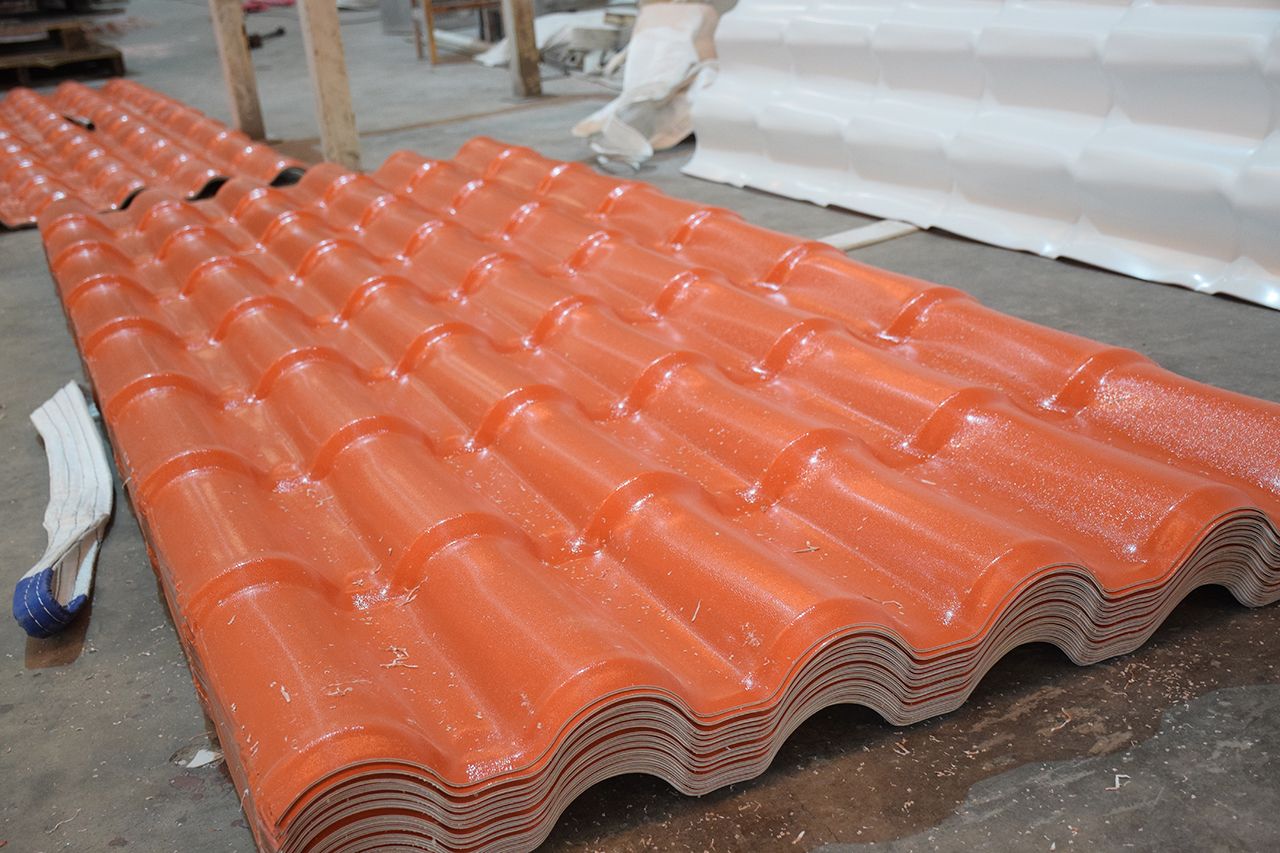
Turn the piece over and examine the color carefully. If the color is evenly distributed, it means this batch was fired in a single kiln; if, however, you see obvious patches of varying shades pieced together, then this batch is highly suspect—you should definitely not settle for it.
In short, the quality issue is not complicated at all; all relevant data has been clearly presented in writing. All you need to do is spend a little extra time carefully checking and verifying each item against the standards. Never place all your work and expectations entirely on others, assuming they will safeguard this line of defense for you.
Keywords: Quality Inspection of Gaoyi PVC Roof Tiles