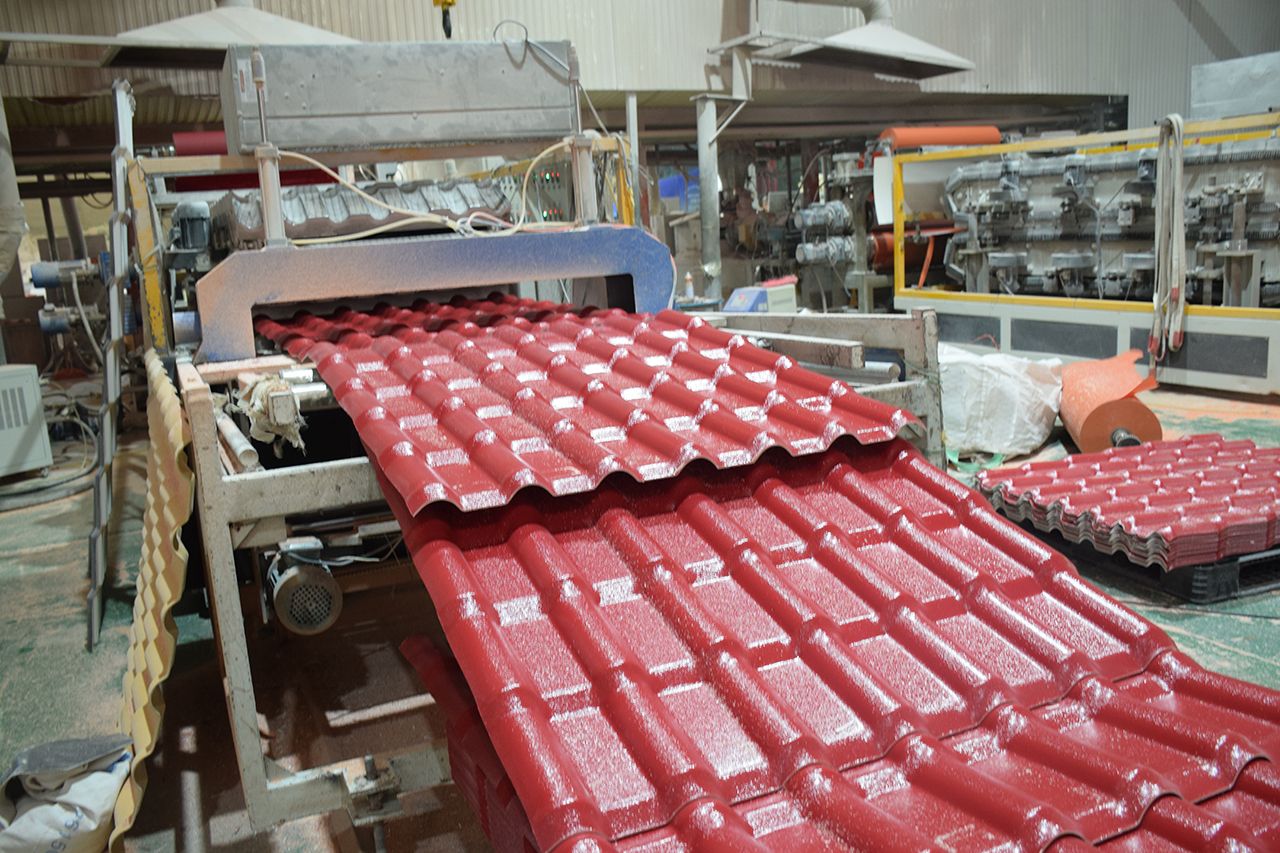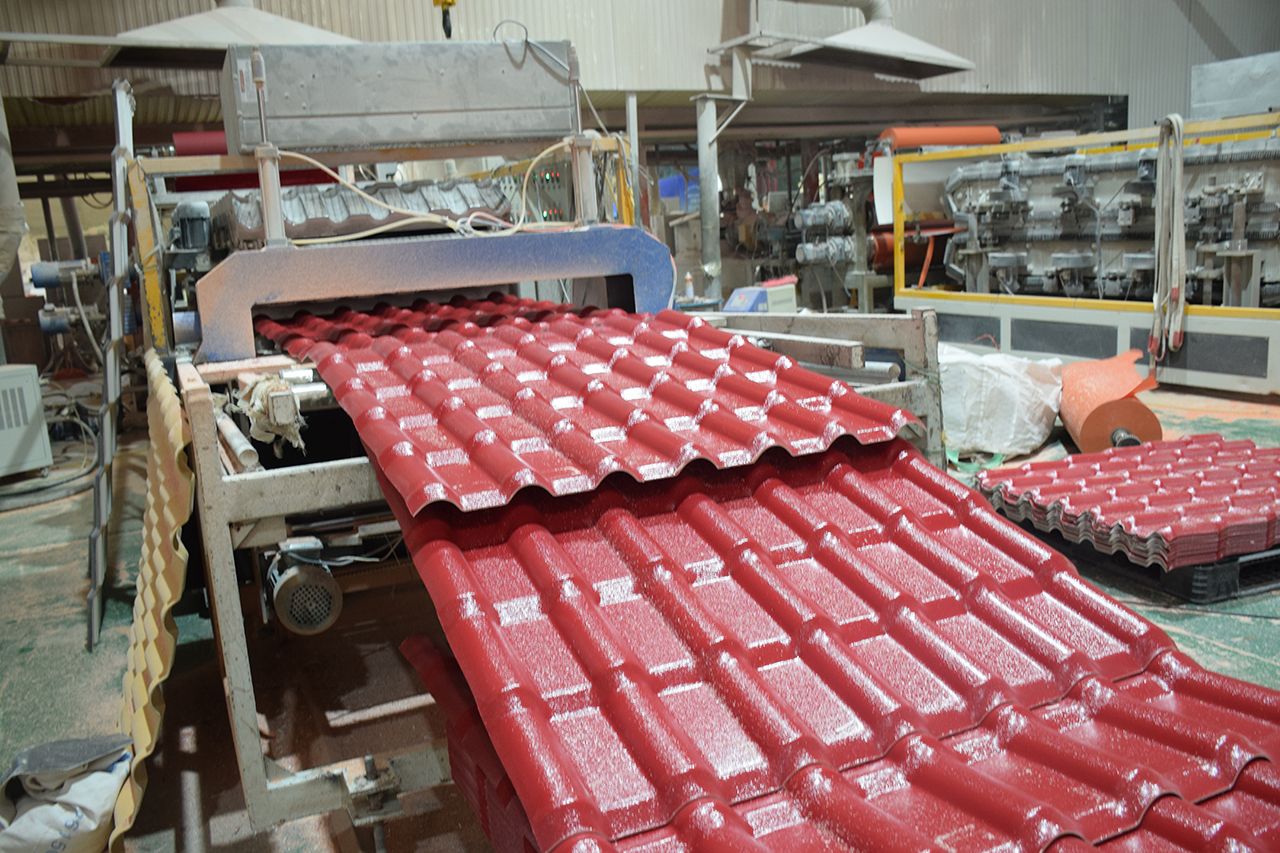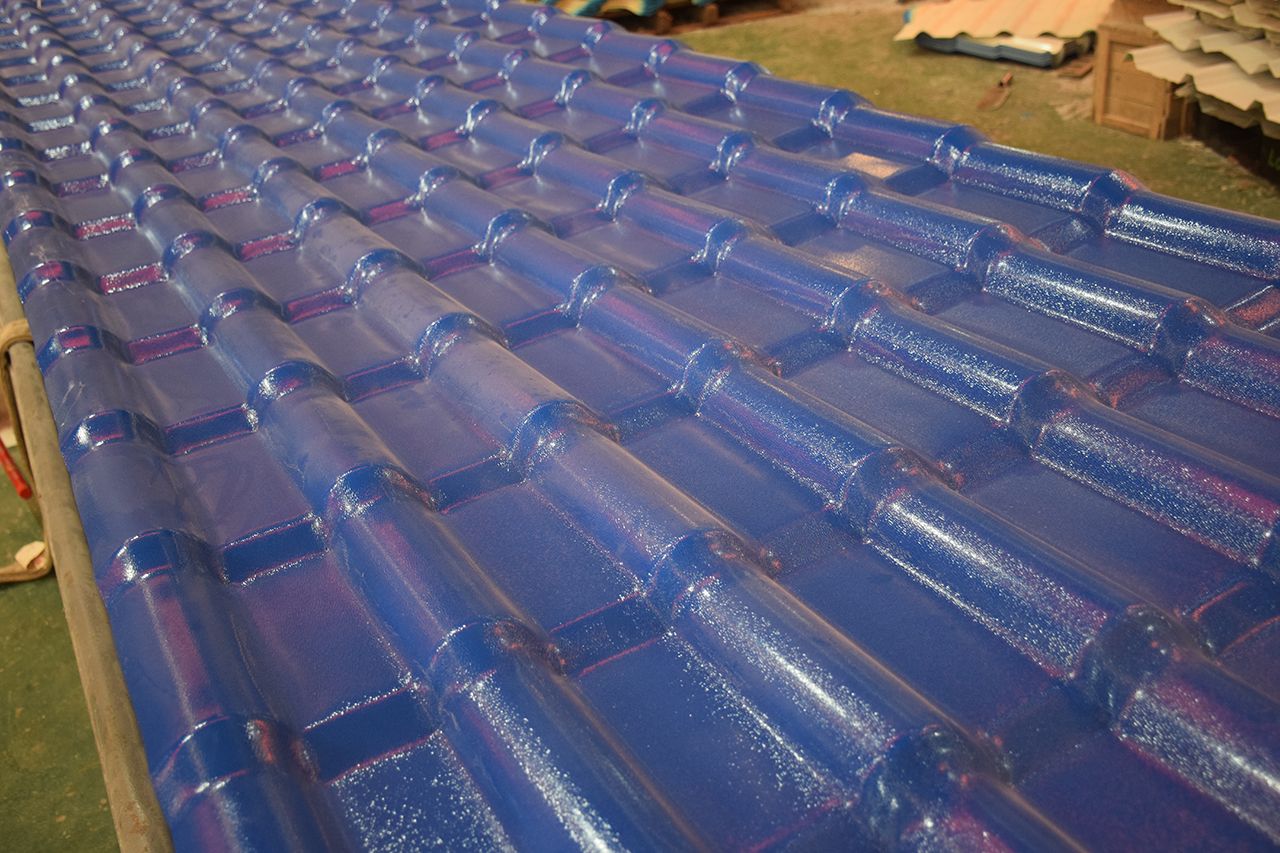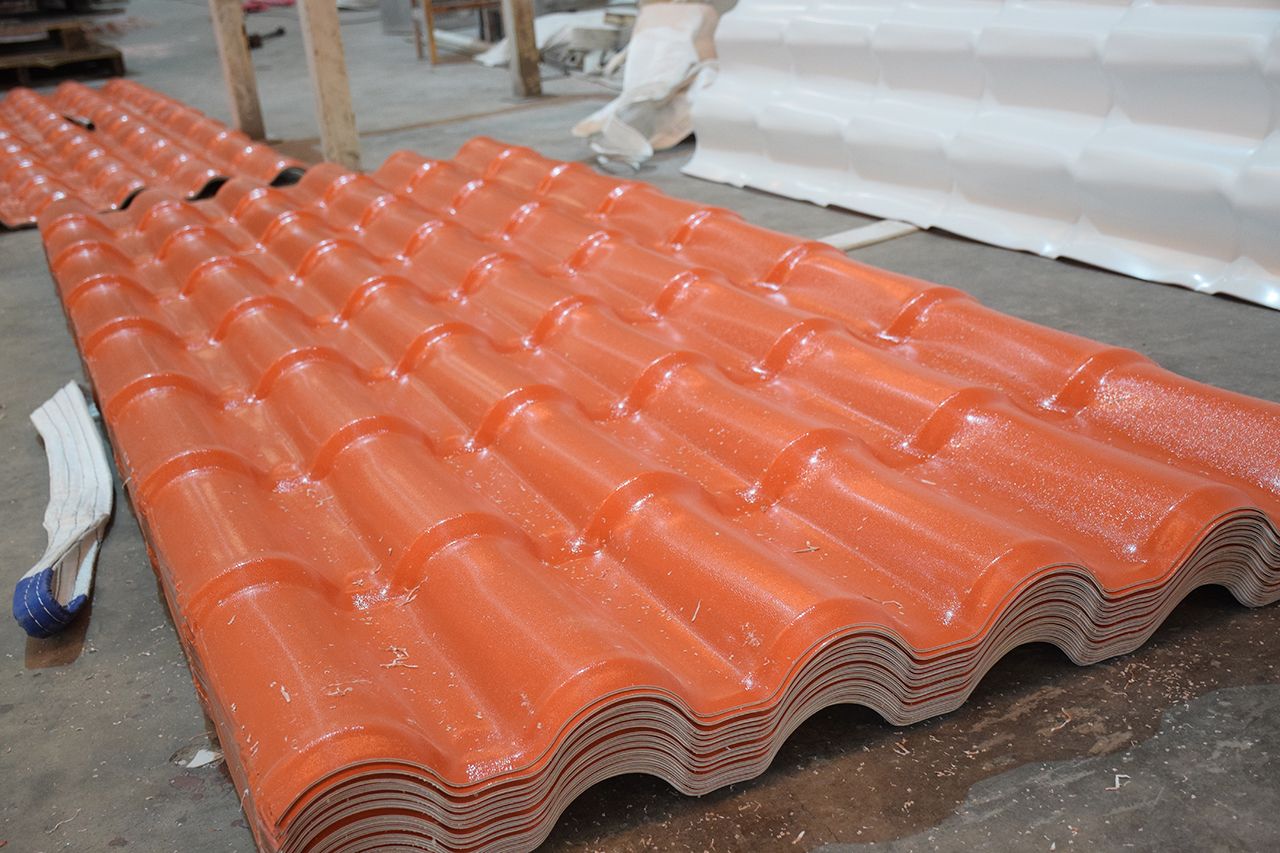
The specifications of resin roofing tiles are the aspect that most often confuses people when making a selection. These three key metrics—width, thickness, and length—directly affect the overall visual appearance of your roof and how long it will last.
In actual operations and construction, labeling methods vary among different manufacturers. Only by clarifying these differences before placing an order can you effectively avoid receiving products with the wrong dimensions.
Resin Roof Tile SpecificationsHow to Choose
Resin roofing tiles are now very common on the market, most of which come in a standard width of 880 millimeters, while the length can be cut and customized on-site to meet specific needs—though the length of a single sheet typically does not exceed four meters. As for thickness, it varies within the range of 2.0 to 3.0 millimeters. When selecting roofing materials, it is recommended to choose products with a thickness of 2.5 millimeters or more, as this significantly improves impact resistance and resistance to deformation—a factor that deserves special attention in regions with heavy winter snowfall or strong winds.
When you actually go to purchase goods, don’t just focus on the dimensions listed on the label. Once the goods arrive, be sure to take out a tape measure and actually measure their actual length and effective overlap width.
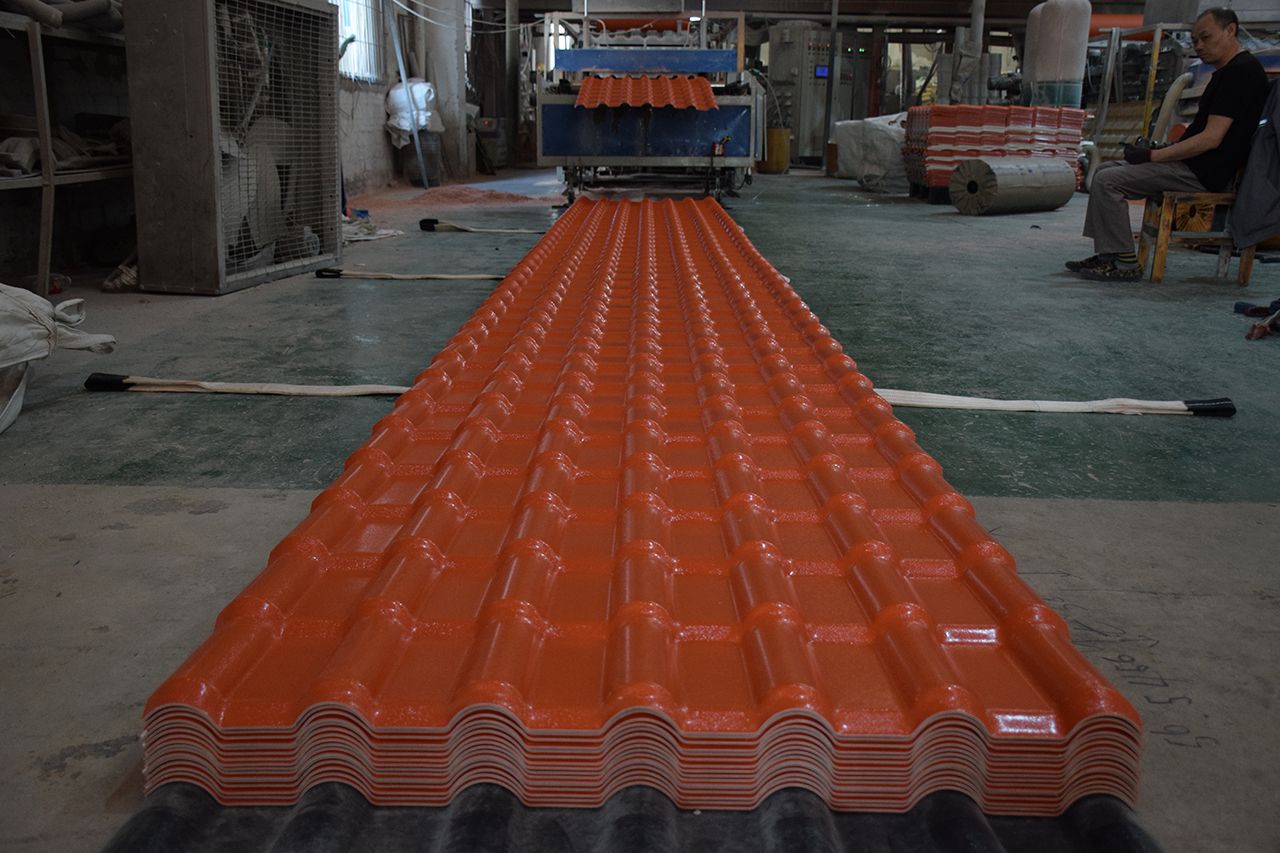
Some manufacturers label their products as 880 centimeters, but in reality, they may only be about 850 centimeters long. Once the tiles are finally installed, this can significantly detract from the overall visual effect. Clarifying these details with the supplier in advance can save you a lot of unnecessary trouble and hassle.
How to Choose the Right Thickness for Roof Tiles
At 2.0 millimeters thick, it is well-suited for temporary structures or roofs with relatively light load-bearing requirements.For thicknesses of 3.0 millimeters or more, it is better suited for roofs intended for long-term habitation., With this thickness, both wind resistance and snow load resistance are significantly improved, and the overall service life is also extended.
When working with a limited budget, there’s no need to blindly pursue the thickest panels available. Choosing a 2.5mm thickness, combined with a purlin spacing of no more than 0.8 meters, is more than sufficient to meet the needs of most self-built homes. From an overall perspective, this option actually offers better value for money.
When it comes to choosing specifications, there really isn’t a single, definitive answer. So when making a decision, it’s best to conduct a comprehensive analysis and assessment that takes into account the roof’s slope, local weather and climate conditions, and your specific budget—and you should never let yourself be swayed by just a single number.
Keywords: Resin Roof Tile Specifications